Posts Tagged ‘sleep minerals ii’
Posted on: September 16, 2019

With the travel season underway, eating healthy while on the road or plane can prove challenging. When away from home, we are often enticed by fast food and sweets. To make matters worse, traveling makes you feel hungrier. In fact, studies have shown that those who travel regularly are more like to become obese and […]
via How To Combat Hunger When You Travel — Let’s Discuss Nutrition
This article has some good advice on how to stay healthy while traveling. Staying hydrated with water is so important, as is eating healthy proteins and vegetables. Changing time zones can throw off our sleep, so be sure to get some exercise in and use absorbable forms of calcium and magnesium before bed if you need to. Happy travels!
This natural health news is shared by Nutrition Breakthroughs, a publisher of nutrition articles and a supplier of natural remedies since 2002. Nutrition Breakthroughs makes Sleep Minerals II, the effective natural sleep aid with calcium, magnesium, zinc and vitamin D.
How To Combat Hunger When You Travel — Let’s Discuss Nutrition
This is an interesting article on how different people respond to foods – the main point is that everybody is different. And it’s true that we need to be alert to any reactions we have from certain foods and remove them in the future if there’s any bad effects.
The best way to eat for you may not be the same for someone else, so be sure to include healthy foods, proteins, vegetables, fruits, carbohydrates and fats and be wary of cutting out any specific food groups from your diet.
This natural health news is shared by Nutrition Breakthroughs, a publisher of nutrition articles and a supplier of natural remedies since 2002. Nutrition Breakthroughs makes Sleep Minerals II, the effective natural sleep aid with calcium, magnesium, zinc and vitamin D.

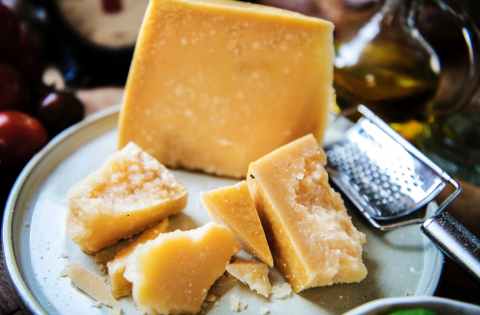
Everybody is different. Which means we all react differently to fat consumption and the body’s inflammatory response. A study recently published in the Journal of Nutritional Biochemistry by researchers at the Agricultural Research Service and their University of California-Davis colleagues gave some unexpected results.
“We looked at the inflammatory reactions of 20 volunteers at 0, 3 and 6 hours after eating a standardized meal containing 38 percent fat and their responses were completely unique. No two were exactly the same,” explained molecular biologist Danielle G. Lemay at the ARS Western Human Nutrition Research Center in Davis, California.
What does that exactly mean? To explain we must understand what inflammation is: a defense mechanism used by the body. When we get injured, the body sends white blood cells there. Surprisingly, we can get inflamed from eating certain foods. This reaction is normal, especially when consuming meals with high amounts of fat. This…
View original post 410 more words
Posted on: September 3, 2019

Eaten your fresh greens today? By ‘fresh’ I mean fresh raw salad greens, herbs, and other green vegetables like broccoli, silverbeet and kale. They’ve got lots to offer you, and can really give your health a boost: (The photos are to give you an idea of the quantity of greens I put into my own […]
via Eaten Your ‘Fresh’ Greens Today? — Olwen Anderson Naturopath & Counsellor
Some good advice here. The naturopath says:
“Greens can offer you even more:
- They’re packed with vitamins and minerals in a form that’s easily absorbed,
- including folic acid for your nervous system and vitamin A for your skin and immunity.
- The nutrients in greens provide raw materials to help your liver work more effectively, which will help your skin glow.
- The vitamin C and bioflavonoids in raw greens have an anti-inflammatory effect.”
————————————————————————————————————————-
Some additional notes from Nutrition Breakthroughs:
Leafy greens have also been shown to prevent diabetes, strengthen the “energy” centers of all the cells in the body, prevent heart disease and protect the eyes and vision.
This natural health news is shared by Nutrition Breakthroughs, a publisher of nutrition articles and a supplier of natural remedies since 2002. Nutrition Breakthroughs makes Sleep Minerals II, the effective natural sleep aid with calcium, magnesium, zinc and vitamin D, and also Joints and More, the natural solution for joint relief, arthritis, aches and pains, stronger hair, better nails, and more energy.
Eaten Your ‘Fresh’ Greens Today? — Olwen Anderson Naturopath & Counsellor
Posted on: August 28, 2019

Our Bodies Social Media Our endocrine system is an amazing messenger that keeps everything up and running with chemical fuels that are more powerful than we can imagine. They regulate our metabolism, energy levels, growth rates, reproductive health and our responses to everything around us. Nutrition plays a role in regulating our hormones, so for […]
via Hormones and Nutrition — David’s Way to Health and Fitness
This is an interesting and helpful article from “David’s Way to Health and Fitness” on the healthiest foods to eat for good hormonal health. Find out what fatty fish, nuts and leafy greens have to do with appetite control. Discover what eggs, cranberries, plums and yogurt have to do with thyroid function, and also see what the healthiest fats are.
This health news about natural remedies and good health is shared by Nutrition Breakthroughs, a publisher of nutrition articles and a supplier of natural remedies since 2002. Nutrition Breakthroughs makes Sleep Minerals II, the effective natural sleep aid with calcium, magnesium, zinc and vitamin D.
Hormones and Nutrition – Best Foods to Eat – David’s Way to Health and Fitness
Posted on: August 26, 2019

Calcium is an essential mineral not only for bone health, but in muscle contractions all over the body. From the age of 25, the rate of our bone formation becomes less than the rate of bone breakdown, meaning from then on we must maintain adequate levels so this process has the least possible impact on […]
via Calcium & dairy free diets —
This is an interesting article on some dairy-free sources of calcium and it also discusses the interactions of calcium and vitamin D and how they work together. While there is no need to remove dairy from your diet if you can digest it, plant-based sources of calcium are plentiful and can help you obtain a good amount. Sardines with bones are another great source of calcium.
This natural health news is shared by Nutrition Breakthroughs, a publisher of nutrition articles and a supplier of natural remedies since 2002. Nutrition Breakthroughs makes Sleep Minerals II, the effective natural sleep aid with calcium, magnesium, zinc and vitamin D.
Calcium and dairy free diets – some healthy choices
Greetings,
Vitamin A is a very beneficial nutrient for many aspects of our health. It’s famous for strengthening the eyes and recent studies have found it beneficial for good sleep as well.
Dr. Steven Lin is a nutritional dentist who writes about many important vitamins for the teeth and bones, and vitamin A is one of them. Take a look at his article on this subject here:
Vitamin A Benefits that will Dramatically Improve Your Health
This natural health news is shared by Nutrition Breakthroughs, a publisher of nutrition articles and supplier of natural remedies since 2002. Nutrition Breakthroughs makes Sleep Minerals II, the effective natural sleep aid with calcium, magnesium, zinc and vitamin D.
Posted on: August 12, 2019
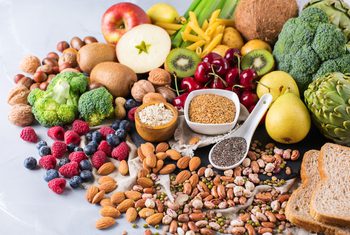
People who eat lots of high-fiber and whole grain foods have lower risk of heart disease, stroke, diabetes and other chronic diseases than people whose diets are low in fiber, a study commissioned by the World Health Organization (WHO) says. For every 8 gram increase in fiber eaten a day, total deaths and incidences of […]
via The details how high fiber diets make for healthier lives — A Paperboy
This natural health news is shared by Nutrition Breakthroughs, a publisher of nutrition articles and supplier of natural remedies since 2002. Nutrition Breakthroughs makes Sleep Minerals II, the effective natural sleep aid with calcium, magnesium, zinc and vitamin D.
The details how high fiber diets make for healthier lives
Posted on: July 26, 2019

When it comes to superfoods, kale tops many lists for good reason. Among the main nutrition kale facts are its high amounts of protein and vitamins A and C.
via 8 kale nutrition facts: A powerhouse food — When Women Inspire
A great article about the benefits of kale and how it’s a natural remedy for many things. This health news is shared by Nutrition Breakthroughs, maker of the original calcium and magnesium based sleep aid Sleep Minerals II.
8 Kale Nutrition Facts – A Great Natural Remedy
Greetings to you,
Here’s a link to an informative article by Dr. Joseph Mercola on how a healthy diet can help prevent and treat macular degeneration.
Macular degeneration is a condition of the eyes affecting the central part of the retina (the macula). It results in distortion or loss of central vision and occurs especially in older adults.
Dr. Joseph Mercola is a physician trained in both traditional and natural medicine who provides up-to-date natural health information.
This health news is provided by Nutrition Breakthroughs, a publisher of nutrition articles and a supplier of effective natural remedies since 2002. Nutrition Breakthroughs makes the original calcium and magnesium based natural sleep aid Sleep Minerals II.
By Mary Jane Brown, PhD, RD (Registered Dietitian) – Courtesy of Authority Nutrition

************************************************************************
Shared by Nutrition Breakthroughs, maker of the effective calcium and magnesium based sleep aid Sleep Minerals II.
************************************************************************
About 20% of the human body is made up of protein.Because your body doesn’t store protein, it’s important to get enough from your diet each day.
You can get protein from many food sources, including plants and animals.
Some people claim that the source of the protein, whether animal or plant, shouldn’t matter.
Others suggest that plant protein is superior to animal protein.
This article compares animal and plant proteins.
The Amino Acid Profile Varies Between Plant and Animal Proteins
When eaten, protein is broken down into amino acids.
Proteins and amino acids are used for almost every metabolic process in the body.
However, different proteins can vary greatly in the types of amino acids they contain.
While animal proteins tend to contain a good balance of all the amino acids that we need, some plant proteins are low in certain amino acids.
For example, some key plant proteins are often low in methionine, tryptophan, lycine and isoleucine.
Bottom Line: All proteins are made up of amino acids, although the amount and type of each amino acid varies based on the protein source.
Animal Proteins Are Complete, But Plant Proteins Are Not

In total, there are around 20 amino acids that the human body uses to build proteins.
These amino acids are classified as either essential or non-essential.
Your body can produce non-essential amino acids. However, it cannot produce essential amino acids, which need to be obtained through your diet.
For optimal health, your body needs all the essential amino acids in the right ratios.
Animal protein sources, such as meat, fish, poultry, eggs and dairy are similar to the protein found in your body.
These are considered to be complete sources of protein because they contain all of the essential amino acids that your body needs to function effectively.
On the contrary, plant protein sources, such as beans, lentils and nuts are considered to be incomplete, as they lack one or more of the essential amino acids that your body needs
Some sources report soy protein as complete. However, two essential amino acids are only found in small amounts in soy, so it isn’t comparable to animal protein.
Bottom Line: Animal foods are the highest quality protein sources. Plant sources lack one or more amino acids, which makes it more difficult to get all the amino acids that your body needs.
Some Nutrients Are More Abundant in Animal Protein Sources

Of course, proteins are rarely found in isolation. They usually come with a wide variety of other nutrients.
Foods that contain animal protein tend to be high in several nutrients that are often lacking in plant foods.
These include:
- Vitamin B12: Vitamin B12 is mainly found in fish, meat, poultry and dairy products. Many people who avoid animal foods are deficient.
- Vitamin D: Vitamin D is found in oily fish, eggs and dairy. Some plants contain it, but the type found in animal foods is better used by your body.
- DHA: Docosahexenoic acid (DHA) is an essential omega-3 fat found in fatty fish. It’s important for brain health and is hard to get from plant sources.
- Heme-iron: Heme-iron is predominantly found in meat, especially red meat. It is much better absorbed in the body than non-heme iron from plant foods.
- Zinc: Zinc is mainly found in animal protein sources, such as beef, pork and lamb. It is also more easily absorbed and used from animal protein sources.
Of course, there are also plenty of nutrients found in plants that are lacking in animal foods. Therefore, eating balanced amounts of both is the best way to get all the nutrients you need.
Bottom Line: Animal protein sources are higher in certain nutrients, such as vitamin B12, vitamin D, the omega-3 fatty acid DHA, heme-iron and zinc.
Certain Types of Meat May Cause Disease

Red meat is a high-quality protein source.
Several observational studies have linked red meat consumption to an increased risk of heart disease, stroke and early death.
However, further research has suggested that the problem is not with all red meat, but rather with processed red meat.(meat that has been preserved by curing, salting, smoking, drying or canning).
In a large observational study including 448,568 individuals, processed meat was linked to an increased risk of death, with no effect for unprocessed red meat.
Another study involving over 34,000 women made similar observations. In this case, processed meat was associated with heart failure.
Also, a large review of 20 studies found that processed meat was associated with an increased risk of heart disease and diabetes. Again, no association was found for unprocessed red meat.
Additional studies have confirmed that unprocessed red meat consumption is not linked to heart disease.
Despite this, one study found that replacing 1 serving per day of red meat with 1 serving of poultry was associated with a 27% lower risk of stroke.
Furthermore, the health risks associated with processed red meat are not linked to fish and other meats, such as turkey and chicken.
Bottom Line: Processed red meat is associated with an increased risk of disease. Unprocessed red meat and other lean meats are generally healthy.
Diets High in Plant Protein are Linked to Many Benefits

Diets high in plant protein, such as the vegetarian diet, are linked with many health benefits.
Studies suggest vegetarians tend to have a lower body weight, lower cholesterol and lower blood pressure levels.
They also have a lower risk of stroke, cancer and death from heart disease than non-vegetarians.
Lower Risk of Heart Disease
A study found that a diet rich in protein (about half from plants) lowered blood pressure, cholesterol levels and the risk of heart disease more than a standard diet or a healthy high-carb diet.
The EcoAtkins trial found that a low-carb, high-plant protein diet helped lower cholesterol and blood pressure more than a high-carb, low-fat diet.
Reduced Risk of Type 2 Diabetes
One small study of people with type 2 diabetes found that replacing 2 servings of red meat with legumes 3 days per week improved cholesterol and blood sugar.
However, another small 6-week study of diabetics compared a diet high in plant protein with a diet high in animal protein. No differences were found in blood sugar, cholesterol and blood pressure.
Protection Against Weight Gain
Diets high in plant protein may also help you control your weight.
An observational study following 120,000 men and women over 20 years found that eating more nuts was linked to weight loss.
Also, eating one serving of beans, chickpeas, lentils or peas per day can increase fullness and may lead to better weight management and weight loss.
Correlation Does Not Imply Causation
It’s important to remember that observational studies only report statistical associations. They cannot prove that these benefits were caused by eliminating meat or other animal protein sources.
One thing to consider is that people on vegetarian diets tend to be more health-conscious than the general population.
Therefore, the health benefits of vegetarian diets are likely due to overall healthier diets and lifestyles, rather than any inherent difference between plant and animal proteins.
Bottom Line: A diet high in plant protein is linked to a lower risk of heart disease, diabetes and obesity. This may be explained by an overall healthier lifestyle in vegetarians.
Animal Protein Also Has Health Benefits
Animal protein is also associated with positive health effects, despite often being portrayed as unhealthy compared to plant protein.
The Nurses’ Health study reported that poultry, fish and low-fat dairy were associated with a lower risk of heart disease.
People who eat fish regularly are also likely to have a lower risk of heart attacks, strokes and death from heart disease.
One study of more than 40,000 males found that those who regularly ate one or more servings of fish per week had a 15% lower risk of heart disease.
Additionally, eating eggs has been linked to improved cholesterol levels and weight loss. In one study, women who ate eggs for breakfast, rather than a bagel, reported feeling fuller and ate less later in the day.
Last but not least, eating animal protein is linked with increased lean muscle mass and a reduction in the muscle loss that occurs with age.
Bottom Line: Certain animal protein sources are linked to a reduced risk of heart disease, improved cholesterol levels, weight loss and increased muscle mass.
Take Home Message
For optimal health, the evidence supports a diet that is low in processed meat, rich in plant protein, with some animal sources such as grass-fed meat, fish, poultry, eggs and dairy.
As plant protein food sources often have lower quality proteins, vegetarians and vegans should eat a wide variety of foods to ensure that they are getting all the amino acids that they need.
For meat eaters, it’s important to get the right balance of both animal and plant foods.
*************************
This health news is shared by Nutrition Breakthroughs, a publisher of nutrition articles and supplier of effective natural remedies since 2002. Nutrition Breakthroughs makes the original calcium and magnesium based sleep aid Sleep Minerals II, as well as Joints and More, the natural solution for joint relief, aches and pains, stronger hair and nails, and more energy.
Article Source: https://authoritynutrition.com/animal-vs-plant-protein/
 News on Natural Remedies, Good Sleep and Good Health