Posts Tagged ‘joints and more’

Greetings,
Here’s an excellent article from Dr. Axe on the Top 15 Anti Inflammatory Foods:
https://draxe.com/nutrition/anti-inflammatory-foods/
The article discusses the unique healing properties of natural remedies like leafy greens, salmon, celery, beets, broccoli, blueberries, pineapple, walnuts, coconut oil and more.
The article also discusses the most inflammatory and disease-causing foods to avoid. Enjoy the article, use it well and boost your health!
———————————————
This natural health news is shared by Nutrition Breakthroughs, a publisher of nutrition news and a supplier of natural remedies since 2002.
Nutrition Breakthroughs makes Sleep Minerals II, the effective natural sleep aid with calcium, magnesium, vitamin D and zinc, and also Joints and More, which contains scientifically proven MSM for joint relief, arthritis, aches and pains, stronger hair, better nails and more energy.
The Top Natural Remedies for Pain
Posted on: June 16, 2020
Greetings,
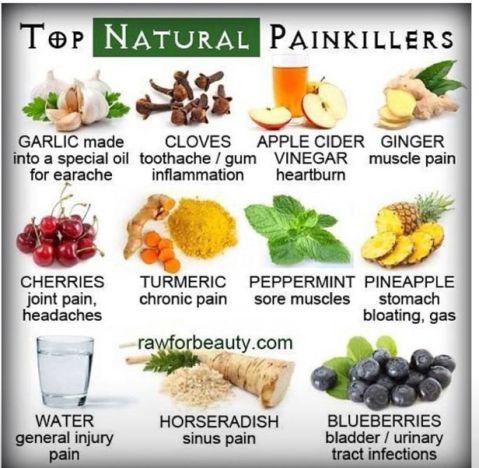
Here is a great chart with some of the top natural remedies for pain. Many people would prefer to avoid drugs or medication for pain as these come with side effects and may become addicting.
Some of the natural remedies in this chart are actually proven by scientific studies to work. Ginger, tart cherries, turmeric and blueberries are among these. Enjoy the chart and stay pain-free!
This natural health news is shared by Nutrition Breakthroughs, a publisher of nutrition news and a supplier of natural remedies since 2002.
Nutrition Breakthroughs makes Sleep Minerals II, the effective natural sleep aid with calcium, magnesium, vitamin D and zinc, and also Joints and More, which contains scientifically proven MSM for joint relief, arthritis, aches and pains, stronger hair, better nails, and more energy.

S
Hello,
Here’s a link to an excellent article from the “Experience Life” website. It has 13 well-researched natural remedies for common ailments and symptoms.
It includes remedies for sleep, headaches, sore joints, nausea, constipation, sore muscles, ear aches, colds and more.
Drugs come with side effects and while they may offer temporary relief, they’re unhealthy in the long run and can cause organ damage and addiction.
Many people are turning to natural remedies for better health and long term benefits. Enjoy this article to learn about some of the best.
https://experiencelife.com/article/13-natural-remedies-for-common-ailments/
————————————–
This natural health news is shared by Nutrition Breakthroughs, a publisher of nutrition news and a supplier of natural remedies since 2002. Nutrition Breakthroughs makes Sleep Minerals II, the effective natural sleep aid with calcium, magnesium, zinc and vitamin D, and also Joints and More, which contains scientifically proven MSM for joint relief, arthritis, aches and pains, stronger hair, better nails and more energy.
Posted on: April 21, 2020

Importance of Staying Hydrated and How Much Water You Should Be Drinking Staying hydrated means taking in fluids. Drinking fluids especially water is important for your body. Your body needs water mainly because water makes up about 60% of your body. However, apart from maintaining that balance, there are numerous benefits to staying hydrated: Improve […]
Here’s a nicely written article by Jessie Anne on the vital functions that water performs in our body.
It discusses what happens when we exercise, and also how the heart and muscles in particular benefit from good quantities of water.
In addition, there is an article about the benefits of water on the Nutrition Breakthroughs blog which includes studies on weight loss and headache relief:
https://www.nutritionbreakthroughs.com/2018/09/12/health-benefits-of-water-weight-loss-headache-relief-detoxification/
This natural health news is shared by Nutrition Breakthroughs, a publisher of nutrition news and a supplier of natural remedies since 2002.
Nutrition Breakthroughs makes Sleep Minerals II, the effective natural sleep aid with calcium, magnesium, zinc and vitamin D, and also Joints and More, which contains scientifically proven MSM for joint relief, arthritis, aches and pains, stronger hair, better nails, and more energy.
Importance of Staying Hydrated With Water: Home – Health – Happiness, by Jessie Anne
Posted on: January 25, 2020

I think every dietitian has a nutrition philosophy that is shaped by their own experiences, relationship with food, and – of course – their education (which, for the record, is very thorough… new dietitians are now required to have a Master of Science degree, and many of us older dietitians got one just for kicks). […]
via My Nutrition Philosophy — Freelance Nutrition & Beverage Writer | SaVanna Shoemaker, RDN
Comment from Jobee at Nutrition Breakthroughs:
This is a great little article from SaVanna Shoemaker, RDN (Registered Dietician Nutritionist), that shares her philosophy on healthy ways to eat and general ways to stay healthy.
There are no strict rules that will apply to everyone as we are all individuals, but the advice to eat whole foods is always good. Overly refined and processed foods can contribute to many of the illnesses of our time (white flour, white rice, frozen food, packaged food, even protein bars).
The best natural remedy for good health is to eat a variety of good food, get exercise, sleep well and create positive and nourishing relationships with others.
———————————————————-
This natural health news is shared by Nutrition Breakthroughs, a publisher of nutrition news and a supplier of natural remedies since 2002. Nutrition Breakthroughs makes Sleep Minerals II, the effective natural sleep aid with calcium, magnesium, zinc and vitamin D, and also Joints and More, the natural solution for joint relief, arthritis, aches and pains, stronger hair, better nails, and more energy.
My Nutrition Philosophy — Freelance Nutrition & Beverage Writer | SaVanna Shoemaker, RDN

What a wonderful, bountiful, vitamin and mineral-rich source of nutrition swiss chard is. Dr. Axe features it in a very informative article on his website:
https://draxe.com/nutrition/swiss-chard-nutrition/
He covers the detailed nutritional benefits, how to eat and cook it, parts of the body it benefits such as heart health, diabetes, bone health, brain health, eyes, and much more.
Put some organic chard into your diet and watch your health soar!
———————————————————-
This natural health news is shared by Nutrition Breakthroughs, a publisher of nutrition articles and a supplier of natural remedies since 2002. Nutrition Breakthroughs makes Sleep Minerals II, the effective natural sleep aid with calcium, magnesium, zinc and vitamin D, and also Joints and More, the natural solution for joint relief, arthritis, aches and pains, stronger hair, better nails, and more energy.
Posted on: September 3, 2019

Eaten your fresh greens today? By ‘fresh’ I mean fresh raw salad greens, herbs, and other green vegetables like broccoli, silverbeet and kale. They’ve got lots to offer you, and can really give your health a boost: (The photos are to give you an idea of the quantity of greens I put into my own […]
via Eaten Your ‘Fresh’ Greens Today? — Olwen Anderson Naturopath & Counsellor
Some good advice here. The naturopath says:
“Greens can offer you even more:
- They’re packed with vitamins and minerals in a form that’s easily absorbed,
- including folic acid for your nervous system and vitamin A for your skin and immunity.
- The nutrients in greens provide raw materials to help your liver work more effectively, which will help your skin glow.
- The vitamin C and bioflavonoids in raw greens have an anti-inflammatory effect.”
————————————————————————————————————————-
Some additional notes from Nutrition Breakthroughs:
Leafy greens have also been shown to prevent diabetes, strengthen the “energy” centers of all the cells in the body, prevent heart disease and protect the eyes and vision.
This natural health news is shared by Nutrition Breakthroughs, a publisher of nutrition articles and a supplier of natural remedies since 2002. Nutrition Breakthroughs makes Sleep Minerals II, the effective natural sleep aid with calcium, magnesium, zinc and vitamin D, and also Joints and More, the natural solution for joint relief, arthritis, aches and pains, stronger hair, better nails, and more energy.
Eaten Your ‘Fresh’ Greens Today? — Olwen Anderson Naturopath & Counsellor
By Mary Jane Brown, PhD, RD (Registered Dietitian) – Courtesy of Authority Nutrition

************************************************************************
Shared by Nutrition Breakthroughs, maker of the effective calcium and magnesium based sleep aid Sleep Minerals II.
************************************************************************
About 20% of the human body is made up of protein.Because your body doesn’t store protein, it’s important to get enough from your diet each day.
You can get protein from many food sources, including plants and animals.
Some people claim that the source of the protein, whether animal or plant, shouldn’t matter.
Others suggest that plant protein is superior to animal protein.
This article compares animal and plant proteins.
The Amino Acid Profile Varies Between Plant and Animal Proteins
When eaten, protein is broken down into amino acids.
Proteins and amino acids are used for almost every metabolic process in the body.
However, different proteins can vary greatly in the types of amino acids they contain.
While animal proteins tend to contain a good balance of all the amino acids that we need, some plant proteins are low in certain amino acids.
For example, some key plant proteins are often low in methionine, tryptophan, lycine and isoleucine.
Bottom Line: All proteins are made up of amino acids, although the amount and type of each amino acid varies based on the protein source.
Animal Proteins Are Complete, But Plant Proteins Are Not

In total, there are around 20 amino acids that the human body uses to build proteins.
These amino acids are classified as either essential or non-essential.
Your body can produce non-essential amino acids. However, it cannot produce essential amino acids, which need to be obtained through your diet.
For optimal health, your body needs all the essential amino acids in the right ratios.
Animal protein sources, such as meat, fish, poultry, eggs and dairy are similar to the protein found in your body.
These are considered to be complete sources of protein because they contain all of the essential amino acids that your body needs to function effectively.
On the contrary, plant protein sources, such as beans, lentils and nuts are considered to be incomplete, as they lack one or more of the essential amino acids that your body needs
Some sources report soy protein as complete. However, two essential amino acids are only found in small amounts in soy, so it isn’t comparable to animal protein.
Bottom Line: Animal foods are the highest quality protein sources. Plant sources lack one or more amino acids, which makes it more difficult to get all the amino acids that your body needs.
Some Nutrients Are More Abundant in Animal Protein Sources

Of course, proteins are rarely found in isolation. They usually come with a wide variety of other nutrients.
Foods that contain animal protein tend to be high in several nutrients that are often lacking in plant foods.
These include:
- Vitamin B12: Vitamin B12 is mainly found in fish, meat, poultry and dairy products. Many people who avoid animal foods are deficient.
- Vitamin D: Vitamin D is found in oily fish, eggs and dairy. Some plants contain it, but the type found in animal foods is better used by your body.
- DHA: Docosahexenoic acid (DHA) is an essential omega-3 fat found in fatty fish. It’s important for brain health and is hard to get from plant sources.
- Heme-iron: Heme-iron is predominantly found in meat, especially red meat. It is much better absorbed in the body than non-heme iron from plant foods.
- Zinc: Zinc is mainly found in animal protein sources, such as beef, pork and lamb. It is also more easily absorbed and used from animal protein sources.
Of course, there are also plenty of nutrients found in plants that are lacking in animal foods. Therefore, eating balanced amounts of both is the best way to get all the nutrients you need.
Bottom Line: Animal protein sources are higher in certain nutrients, such as vitamin B12, vitamin D, the omega-3 fatty acid DHA, heme-iron and zinc.
Certain Types of Meat May Cause Disease

Red meat is a high-quality protein source.
Several observational studies have linked red meat consumption to an increased risk of heart disease, stroke and early death.
However, further research has suggested that the problem is not with all red meat, but rather with processed red meat.(meat that has been preserved by curing, salting, smoking, drying or canning).
In a large observational study including 448,568 individuals, processed meat was linked to an increased risk of death, with no effect for unprocessed red meat.
Another study involving over 34,000 women made similar observations. In this case, processed meat was associated with heart failure.
Also, a large review of 20 studies found that processed meat was associated with an increased risk of heart disease and diabetes. Again, no association was found for unprocessed red meat.
Additional studies have confirmed that unprocessed red meat consumption is not linked to heart disease.
Despite this, one study found that replacing 1 serving per day of red meat with 1 serving of poultry was associated with a 27% lower risk of stroke.
Furthermore, the health risks associated with processed red meat are not linked to fish and other meats, such as turkey and chicken.
Bottom Line: Processed red meat is associated with an increased risk of disease. Unprocessed red meat and other lean meats are generally healthy.
Diets High in Plant Protein are Linked to Many Benefits

Diets high in plant protein, such as the vegetarian diet, are linked with many health benefits.
Studies suggest vegetarians tend to have a lower body weight, lower cholesterol and lower blood pressure levels.
They also have a lower risk of stroke, cancer and death from heart disease than non-vegetarians.
Lower Risk of Heart Disease
A study found that a diet rich in protein (about half from plants) lowered blood pressure, cholesterol levels and the risk of heart disease more than a standard diet or a healthy high-carb diet.
The EcoAtkins trial found that a low-carb, high-plant protein diet helped lower cholesterol and blood pressure more than a high-carb, low-fat diet.
Reduced Risk of Type 2 Diabetes
One small study of people with type 2 diabetes found that replacing 2 servings of red meat with legumes 3 days per week improved cholesterol and blood sugar.
However, another small 6-week study of diabetics compared a diet high in plant protein with a diet high in animal protein. No differences were found in blood sugar, cholesterol and blood pressure.
Protection Against Weight Gain
Diets high in plant protein may also help you control your weight.
An observational study following 120,000 men and women over 20 years found that eating more nuts was linked to weight loss.
Also, eating one serving of beans, chickpeas, lentils or peas per day can increase fullness and may lead to better weight management and weight loss.
Correlation Does Not Imply Causation
It’s important to remember that observational studies only report statistical associations. They cannot prove that these benefits were caused by eliminating meat or other animal protein sources.
One thing to consider is that people on vegetarian diets tend to be more health-conscious than the general population.
Therefore, the health benefits of vegetarian diets are likely due to overall healthier diets and lifestyles, rather than any inherent difference between plant and animal proteins.
Bottom Line: A diet high in plant protein is linked to a lower risk of heart disease, diabetes and obesity. This may be explained by an overall healthier lifestyle in vegetarians.
Animal Protein Also Has Health Benefits
Animal protein is also associated with positive health effects, despite often being portrayed as unhealthy compared to plant protein.
The Nurses’ Health study reported that poultry, fish and low-fat dairy were associated with a lower risk of heart disease.
People who eat fish regularly are also likely to have a lower risk of heart attacks, strokes and death from heart disease.
One study of more than 40,000 males found that those who regularly ate one or more servings of fish per week had a 15% lower risk of heart disease.
Additionally, eating eggs has been linked to improved cholesterol levels and weight loss. In one study, women who ate eggs for breakfast, rather than a bagel, reported feeling fuller and ate less later in the day.
Last but not least, eating animal protein is linked with increased lean muscle mass and a reduction in the muscle loss that occurs with age.
Bottom Line: Certain animal protein sources are linked to a reduced risk of heart disease, improved cholesterol levels, weight loss and increased muscle mass.
Take Home Message
For optimal health, the evidence supports a diet that is low in processed meat, rich in plant protein, with some animal sources such as grass-fed meat, fish, poultry, eggs and dairy.
As plant protein food sources often have lower quality proteins, vegetarians and vegans should eat a wide variety of foods to ensure that they are getting all the amino acids that they need.
For meat eaters, it’s important to get the right balance of both animal and plant foods.
*************************
This health news is shared by Nutrition Breakthroughs, a publisher of nutrition articles and supplier of effective natural remedies since 2002. Nutrition Breakthroughs makes the original calcium and magnesium based sleep aid Sleep Minerals II, as well as Joints and More, the natural solution for joint relief, aches and pains, stronger hair and nails, and more energy.
Article Source: https://authoritynutrition.com/animal-vs-plant-protein/
Here’s a handy chart that shows all the many benefits of walking. Whether it’s a walk around the mall or around the block, walking provides an almost unlimited number of health benefits.
Studies at the University of Arizona found that walking more than six blocks a day at a normal pace significantly improves sleep at night for women. Scientists suspect that exercise helps set our biological clock into a consistent wake/sleep pattern, or it may boost the brain’s production of serotonin, a neurochemical that encourages sleep.

This health news is provided to you by Nutrition Breakthroughs, maker of the effective natural insomnia remedy Sleep Minerals II.
Best of health,
Jobee Knight
President
Nutrition Breakthroughs
Article source: http://www.nutritionbreakthroughs.com/blog/2013/12/24/21-benefits-of-walking-including-better-sleep/

It can make a person feel so healthy and energetic to have smooth digestion and elimination, and it can feel equally as bad to experience an upset stomach, constipation or diarrhea. With infrequent bowel movements, the digestive tract can retain a large quantity of toxic material that can accumulate over time and contribute to many […]
 News on Natural Remedies, Good Sleep and Good Health