Posts Tagged ‘calcium’
Trouble Sleeping? More Magnesium May Help (from Human Nutrition Research Center)
Posted on: November 25, 2025

By Forrest Nielsen
Can’t sleep? You are not alone. Not being able to sleep, or insomnia, is a common complaint, especially among people older than 50. More than half of all people aged 65 years and older have sleep problems.
Not surprisingly, lack of sleep is caused mainly by factors that are more common later in life, such as breathing problems, illness and medications. Yet, scientists have proved that poor sleep is not a natural part of aging.
Five common complaints are trouble falling asleep, waking up, awaking too early, needing to nap and not feeling rested.
Lack of sleep is a health concern because it can cause attention and memory problems, depressed mood and body chemistry changes that foster heart disease, diabetes and osteoporosis.
A factor getting more attention recently is poor nutrition. A low intake of the mineral magnesium may be one nutritional factor causing sleep problems.
Magnesium plays a key role in the body’s chemistry that regulates sleep. This may be why persons with long-term lack of sleep, or abnormal brain waves during deep sleep, often have low magnesium in their blood.
Some small studies with humans and rats also suggest that magnesium is needed for good sleep. Magnesium treatment increased deep sleep and improved brain waves during sleep in 12 elderly subjects. Magnesium treatment decreased time to fall asleep and improved sleep quality of 11 alcoholic patients who often have a low magnesium status. Magnesium deficiency increased time awake at the expense of deep sleep in rats. Feeding magnesium to the rats restored their sleep patterns to normal.
The diets of many people do not contain enough magnesium for good health and sleep. In 1997, the United States Food and Nutrition Board set the recommended dietary allowance (or daily intake) for magnesium at 320 milligrams for women and 420 milligrams for men between ages 51 and 70.
A national food consumption survey found that many Americans, especially older women, consume less than the recommended amount for magnesium. Another risk factor for low magnesium status in older women is the use of calcium supplements without magnesium for bone health. High calcium intakes can make magnesium deficiency worse.
Perhaps, you have heard or read of the folk remedy of drinking a glass of warm milk before going to bed if you have trouble with falling asleep. This remedy may work for some people because milk is a fair source for magnesium. A glass of milk provides about 30 milligrams of magnesium. This amount of magnesium could be the difference between a deficient and adequate magnesium status for many people.
Other foods that have good amounts of magnesium are whole grains, nuts and green leafy vegetables. Green leafy vegetables are a good source of magnesium because the green color is chlorophyll, a chemical that contains magnesium and converts sunlight into food energy.
(From the Human Nutrition Research Center of the U.S. Dept. of Agriculture).
This health news is provided by Nutrition Breakthroughs, maker of the effective natural sleep aid featuring calcium and magnesium Sleep Minerals II.
Kimberly B. of Troy Michigan says: “I have been taking Sleep Minerals II for about a month now. I have tried everything out there and this supplement is amazing. I have suffered with insomnia for two and a half years and have had restless leg syndrome my entire life. This is the first relief I’ve ever had…it’s gone for a month now.”
For more information, visit the Sleep Minerals II page.

For anyone who has trouble falling asleep or staying asleep in the night, a growing body of research shows that certain fruits can naturally help to improve sleep quality.
Packed with essential minerals and vitamins, these fruits support your body in having a deeper, longer night’s sleep. This can lead to more energy in your day and more alertness, productivity, and quality time with family and friends.
Kiwi: The Sleep Booster
Kiwi is often celebrated for its impressive sleep-enhancing properties. This fruit is rich in serotonin, which helps regulate your sleep cycle. It’s also a great source of magnesium, known for its calming effects on the nervous system. A study published in the *Asia Pacific Journal of Clinical Nutrition* found that eating two kiwis an hour before bed improved sleep onset, duration, and quality (Liu, 2011). Plus, its high level of healthy plant chemicals promotes overall well-being, helping you rest more soundly.

Bananas: Magnesium-Packed for Relaxation
Bananas are another fruit known for sleep benefits. Packed with magnesium and potassium, bananas help relax your muscles, which is vital for preparing your body for restful sleep.
A study published in the *Journal of Research in Medical Sciences* revealed that magnesium can significantly improve insomnia in older adults (Abbasi, 2012). Bananas are also high in vitamin B6, which helps your body produce melatonin, a hormone crucial for regulating sleep cycles.
Cherries: Natural Melatonin Source
Cherries, especially tart cherries, are one of the few natural food sources of melatonin, the hormone that governs sleep-wake cycles. According to a study in the *European Journal of Nutrition*, consuming tart cherry juice improved sleep duration and efficiency in adults with insomnia (Howatson, 2012). The beneficial effects of melatonin in cherries helps to promote deeper, more restorative sleep.
Figs: A Calcium-Rich Sleep Aid
Figs are a lesser-known fruit that can do wonders for sleep. They are rich in calcium, a mineral that helps the brain use the amino acid tryptophan to manufacture melatonin. In addition to calcium, figs provide magnesium and potassium, which support muscle relaxation and help ease tension, both of which are key for a good night’s rest (Healthline, 2021).
Avocado: A Fruit with Vitamin D for Sleep Regulation
Avocado contains small amounts of vitamin D, as well as healthy fats. These plant-based fats help to increase the absorption of vitamin D from other foods such as mushrooms, eggs and fish. Low levels of vitamin D have been associated with shorter sleep durations and disturbed sleep patterns (from the journal “Medical Hypothesis”). Adding avocado to your evening snack, along with mushrooms or eggs, can help regulate your sleep cycle and promote longer periods of rest.
These fruits can pack some powerful sleep-enhancing benefits, helping you wake up refreshed and energized. Try incorporating these into your diet for a natural, delicious way to boost your sleep quality.
This natural health news is shared by Nutrition Breakthroughs, maker of the original and effective calcium and magnesium based sleep aid Sleep Minerals II, and Joints and More, a natural supplement for joint support, less aches and pains, stronger hair and nails, and more energy.
Suzanne G. of Tucson, Arizona says: “I am now taking the Sleep Minerals II each night. I have had insomnia for most of my life and the longer I take Sleep Minerals, the better I sleep. The best thing is that I can now get back to sleep if I wake up in the night. It has given me such a sense of peace to know that I now can be well rested during the day. I also find my brain less foggy from lack of sleep. I have tried many products on the market and this is the one that is gold. Thank you so much for producing a quality product!”
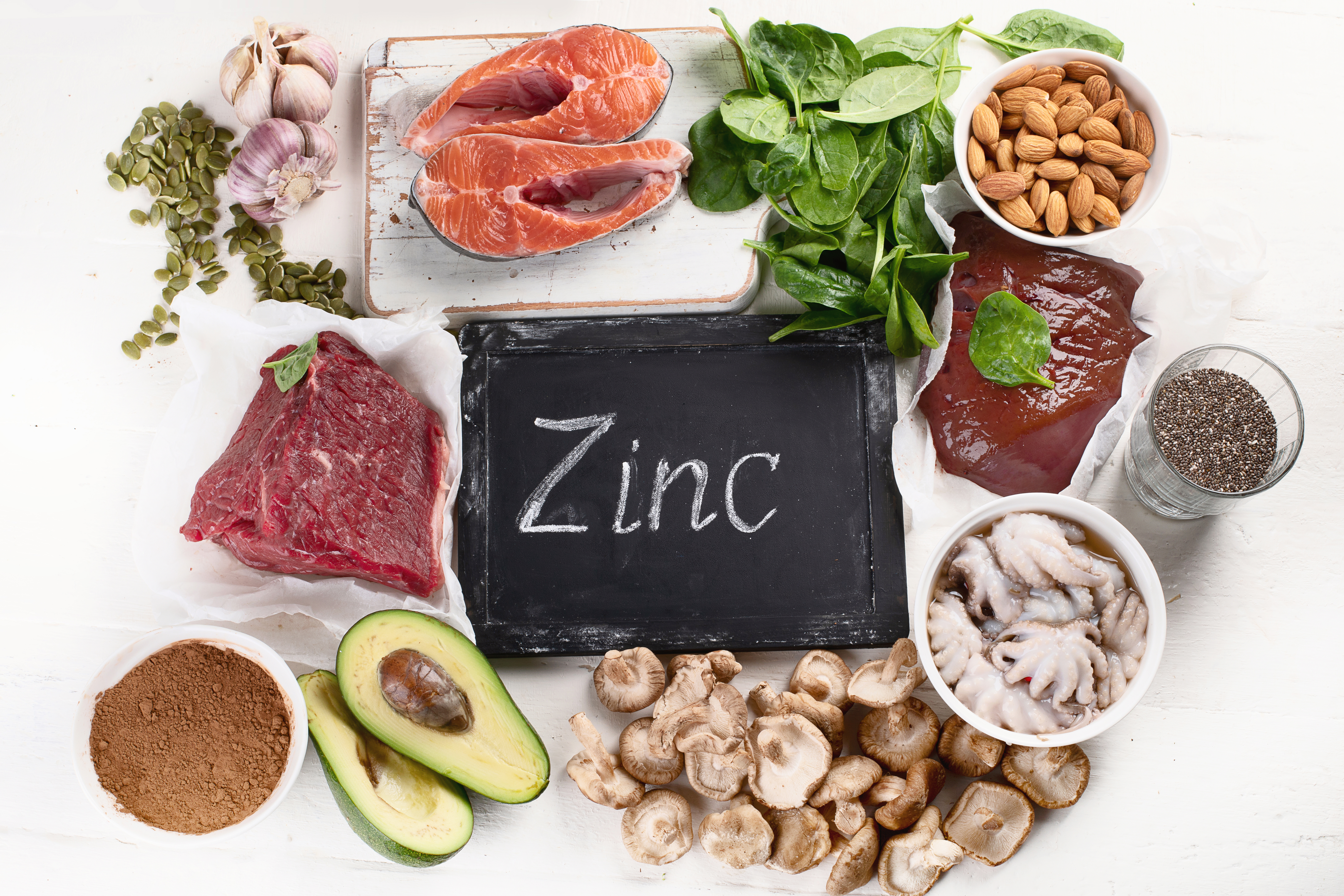
Consuming extra calcium from dairy products or supplements could put older women at risk of low zinc — unless they get extra zinc, too.
That’s the word from two studies at the U.S. Dept of Agriculture, Human Nutrition Research Center in Boston.
Zinc’s many functions include helping to maintain a healthy immune system, skin and appetite.
Calcium supplement sales have soared with the growing awareness that high intakes of this mineral help prevent osteoporosis. Richard J. Wood and associates looked for a zinc-calcium interaction in elderly women because, as a group, they tend to have low zinc intakes.
About half of U.S. women consume less than two-thirds the Recommended Dietary Allowance of 12 mg, according to survey data. And the amount of zinc people absorb from their meals decreases with age.
In one of the new studies, 18 relatively healthy women past menopause increased calcium intake to 1,360 milligrams daily — a little higher than the 1,200 mg now recommended for people over age 50. Their zinc absorption dropped by an average of about 2 milligrams. This happened regardless of whether they got the extra calcium from milk or from a calcium supplement. The study lasted 36 days.
In a second study, zinc absorption dropped by half when a group of 10 men and women took a calcium supplement with a single test meal. But adding nearly 8 milligrams of zinc to the calcium supplement offset this effect.
This data points in the direction that people taking extra calcium should also increase their zinc intake. The richest dietary sources of zinc are oysters, liver and beef, followed by whole grains, nuts, popcorn, poultry and lamb. Zinc supplements are also widely available.
Comments from the blog author Nutrition Breakthroughs: Calcium is directly related to our cycles of sleep. In one study, published in the European Neurology Journal, researchers found that calcium levels in the body are higher during some of the deepest levels of sleep, such as the rapid eye movement (REM) phase.
The study concluded that disturbances in sleep, especially the absence of REM deep sleep or disturbed REM sleep, are related to a calcium deficiency. Supplements containing calcium for sleep should also contain magnesium, vitamin D and zinc to ensure a balance of ingredients.
This news is provided by Nutrition Breakthroughs. Since 2001 Nutrition Breakthroughs has provided natural health articles and effective natural remedies. Their mission is to provide nutritional supplements that get results and help people to avoid drugs and their side effects.
Since 2009, their natural sleep remedy Sleep Minerals II has been keeping that promise — by soothing even the worst insomnia with absorbable calcium, magnesium, vitamin D and zinc, and helping everyone from teenagers, to women with menopause symptoms, to those with restless leg syndrome, to get a good night’s sleep.
Kimberly B. of Troy Michigan says: “I have been taking Sleep Minerals II for about a month now. I have tried everything out there and this supplement is amazing. I have suffered with insomnia for two and a half years and have had restless leg syndrome my entire life. This is the first relief I’ve ever had…it’s gone for a month now.”
For more information on Sleep Minerals II, visit here.
For anyone who has trouble falling asleep or staying asleep in the night, a growing body of research shows that certain fruits can naturally help to improve sleep quality.
Packed with essential minerals and vitamins, these fruits support your body in having a deeper, longer night’s sleep. This can lead to more energy in your day and more alertness, productivity, and quality time with family and friends.
Kiwi: The Sleep Booster
Kiwi is often celebrated for its impressive sleep-enhancing properties. This fruit is rich in serotonin, which helps regulate your sleep cycle. It’s also a great source of magnesium, known for its calming effects on the nervous system. A study published in the *Asia Pacific Journal of Clinical Nutrition* found that eating two kiwis an hour before bed improved sleep onset, duration, and quality (Liu, 2011). Plus, its high level of healthy plant chemicals promotes overall well-being, helping you rest more soundly.
Bananas: Magnesium-Packed for Relaxation
Bananas are another fruit known for sleep benefits. Packed with magnesium and potassium, bananas help relax your muscles, which is vital for preparing your body for restful sleep.
A study published in the *Journal of Research in Medical Sciences* revealed that magnesium can significantly improve insomnia in older adults (Abbasi, 2012). Bananas are also high in vitamin B6, which helps your body produce melatonin, a hormone crucial for regulating sleep cycles.
Cherries: Natural Melatonin Source
Cherries, especially tart cherries, are one of the few natural food sources of melatonin, the hormone that governs sleep-wake cycles. According to a study in the *European Journal of Nutrition*, consuming tart cherry juice improved sleep duration and efficiency in adults with insomnia (Howatson, 2012). The beneficial effects of melatonin in cherries helps to promote deeper, more restorative sleep.
Figs: A Calcium-Rich Sleep Aid
Figs are a lesser-known fruit that can do wonders for sleep. They are rich in calcium, a mineral that helps the brain use the amino acid tryptophan to manufacture melatonin. In addition to calcium, figs provide magnesium and potassium, which support muscle relaxation and help ease tension, both of which are key for a good night’s rest (Healthline, 2021).
Avocado: A Fruit with Vitamin D for Sleep Regulation
Avocado contains small amounts of vitamin D, as well as healthy fats. These plant-based fats help to increase the absorption of vitamin D from other foods such as mushrooms, eggs and fish. Low levels of vitamin D have been associated with shorter sleep durations and disturbed sleep patterns (from the journal “Medical Hypothesis”). Adding avocado to your evening snack, along with mushrooms or eggs, can help regulate your sleep cycle and promote longer periods of rest.
These fruits can pack some powerful sleep-enhancing benefits, helping you wake up refreshed and energized. Try incorporating these into your diet for a natural, delicious way to boost your sleep quality.
This natural health news is shared by Nutrition Breakthroughs, maker of the original and effective calcium and magnesium based sleep aid Sleep Minerals II, and Joints and More, a natural supplement for joint support, less aches and pains, stronger hair and nails, and more energy.
Suzanne G. of Tucson, Arizona says: “I am now taking the Sleep Minerals II each night. I have had insomnia for most of my life and the longer I take Sleep Minerals, the better I sleep. The best thing is that I can now get back to sleep if I wake up in the night. It has given me such a sense of peace to know that I now can be well rested during the day. I also find my brain less foggy from lack of sleep. I have tried many products on the market and this is the one that is gold. Thank you so much for producing a quality product!”
The Need for Electrolytes in Warm Weather – Calcium, Magnesium, Sodium, etc.
Posted on: August 5, 2025
Sleep Minerals II from Nutrition Breakthroughs can serve both purposes here — replenishing lost minerals in the hot weather and also supporting good sleep as a natural sleep remedy.

For anyone who has trouble falling asleep or staying asleep in the night, a growing body of research shows that certain fruits can naturally help to improve sleep quality.
Packed with essential minerals and vitamins, these fruits support your body in having a deeper, longer night’s sleep. (Continue reading to see the best fruits for sleep) ….
—————————-
This natural health news is shared by Nutrition Breakthroughs, maker of the original and effective calcium and magnesium based sleep aid Sleep Minerals II, and Joints and More, a natural supplement for joint support, less aches and pains, stronger hair and nails, and more energy.
Posted on: August 26, 2019

Calcium is an essential mineral not only for bone health, but in muscle contractions all over the body. From the age of 25, the rate of our bone formation becomes less than the rate of bone breakdown, meaning from then on we must maintain adequate levels so this process has the least possible impact on […]
via Calcium & dairy free diets —
This is an interesting article on some dairy-free sources of calcium and it also discusses the interactions of calcium and vitamin D and how they work together. While there is no need to remove dairy from your diet if you can digest it, plant-based sources of calcium are plentiful and can help you obtain a good amount. Sardines with bones are another great source of calcium.
This natural health news is shared by Nutrition Breakthroughs, a publisher of nutrition articles and a supplier of natural remedies since 2002. Nutrition Breakthroughs makes Sleep Minerals II, the effective natural sleep aid with calcium, magnesium, zinc and vitamin D.
Calcium and dairy free diets – some healthy choices
 A study recently published in the Endocrine Society’s Journal of Clinical Endocrinology and Metabolism suggests that vitamin D—when taken with calcium—can reduce the rate of mortality (death rate) in seniors, therefore providing a possible means of increasing life expectancy.
“This is the largest study ever performed on effects of calcium and vitamin D on mortality,” said Lars Rejnmark, PhD, of Aarhus University Hospital in Denmark and lead author of the study. “Our results showed reduced mortality in elderly patients using vitamin D supplements in combination with calcium, but these results were not found in patients on vitamin D alone.”
During the last decade, there has been increasing recognition of the potential health effects of vitamin D. It is well known that calcium with vitamin D supplements reduces the risk of fractures. The present study assessed mortality among patients taking either vitamin D alone or vitamin D with calcium. The findings from the study found that the reduced mortality was not due to a lower number of fractures, but represents a beneficial effect beyond the reduced fracture risk.
In this study, researchers used pooled data from eight trials with more than 1,000 participants each. The patient data set was comprised of nearly 90 percent women, with an average age of 70 years. During the three-year study, death was reduced by 9 percent in those treated with vitamin D with calcium.
This news is brought to you by Nutrition Breakthroughs. Since 2001 Nutrition Breakthroughs has been providing natural health articles and effective natural remedies. Their mission is to provide nutritional supplements that get results, and therefore help people to avoid addictive drugs and their side effects.
Since 2009, their natural sleep aid Sleep Minerals II has been keeping that promise — by providing highly absorbable forms of calcium and magnesium that soothe even the worst insomnia and help everyone from teenagers to seniors to get a good night’s sleep.
For more information on the Sleep Minerals II, visit http://www.NutritionBreakthroughs.com/html/sleep_remedy_for_insomnia_help.html
Article courtesy of Eurekalert.org
http://www.eurekalert.org/pub_releases/2012-06/tes-vdw061112.php
 News on Natural Remedies, Good Sleep and Good Health