Posts Tagged ‘vitamin d deficiency’
Study Links Vitamin D Deficiency to Global Epidemic of Insomnia and Sleep Disorders
Posted on: January 17, 2026
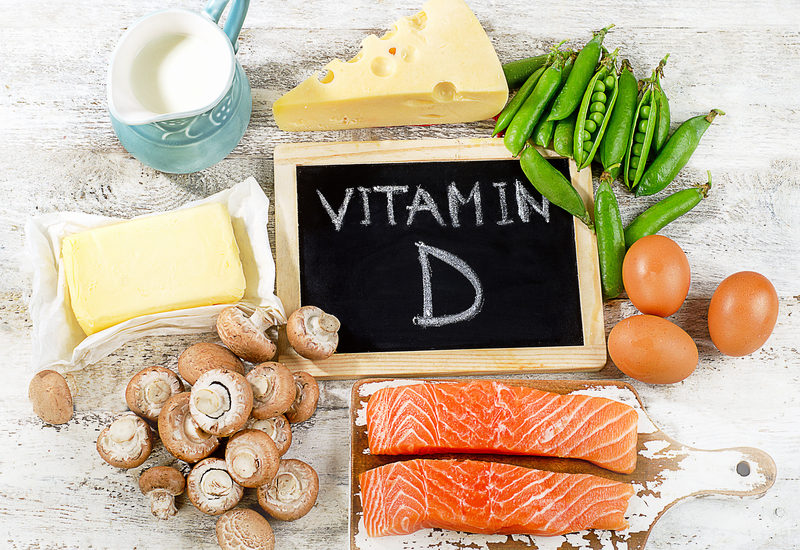
Vitamin D is known as the “Sunshine Vitamin” because spending time outdoors in the sun is known to increase vitamin D in the body via the skin.
Our ancestors spent a considerable amount of their time outdoors, but for the first time in history, large amounts of the world population spend most of their time inside their offices and homes.
Researchers at the East Texas Medical Center and the University of North Carolina have discovered that vitamin D helps to regulate the sleep-wake cycle. They’ve found a definite link between vitamin D deficiency and the current global epidemic of sleep disorders.
Rapid eye movement sleep (REM) is one of the deepest levels of sleep. It is the level in which dreaming occurs, and its related to good memory and learning. A disruption of REM sleep or an absence of it, is one form of insomnia. Other sleep disorders include sleep apnea – which involves interrupted or obstructed breathing or snoring during the night; insomnia from hormone fluctuations such as with menstruation or menopause; restless leg syndrome; and periodic limb movement disorder, a condition where the person moves their limbs involuntarily during sleep.
The results of the clinical trial of vitamin D supplementation was published in a recent issue of the journal “Medical Hypothesis”. The researchers followed 1500 patients over a 2 year period. A consistent level of vitamin D3 was maintained in their blood over many months. This produced normal sleep in most of the participants, regardless of their type of sleep disorder, which suggests that many types of insomnia may share the same cause. During the research, the authors discovered the presence of high concentrations of vitamin D “receiving sites” or “receptors” in those areas of the brain that are related to the onset and maintenance of sleep.
Calcium is also directly related to our cycles of sleep. In one study, published in the European Neurology Journal, researchers found that calcium levels in the body are higher during the rapid eye movement (REM) phase. This study concluded that disturbances in sleep, especially the absence of REM deep sleep or disturbed REM sleep, are related to a calcium deficiency. Restoration to the normal course of sleep was achieved following the normalization of the blood calcium level. As a note, calcium works best when its balanced with magnesium in a two to one ratio (with twice as much calcium as magnesium).
Natural insomnia remedies containing vitamin D and calcium can be helpful with both falling asleep and staying asleep during the night. One remedy that’s designed for many forms of insomnia is Sleep Minerals II from Nutrition Breakthroughs. This sleep aid contains highly absorbable forms of vitamin D3, calcium, and magnesium, the best ingredients for sleeplessness and insomnia, as well as for heart health, restless legs syndrome, bone strength, menopause insomnia and teenage insomnia. The formula is delivered in a softgel form with healthy carrier oils, making it more rapidly absorbable than tablets or capsules and providing a deeper, longer-lasting sleep.
Doctor P. P. of Houston, Texas says: “I had developed sleeping problems and took two different sleep medications over the course of several weeks. When I discontinued them, the insomnia came back even worse. Sleep Minerals II was just what I needed. I’ve been taking it for a couple weeks now and getting many hours of sleep a night. As a doctor I would definitely avoid prescribing sleeping drugs – I would recommend Sleep Minerals II.”
The authors of the vitamin D study noted that sleeping disorders have played a role in the development of medical conditions such as hypertension, heart disease, stroke, diabetes, depression, and chronic pain — all of which have become widespread similarly to insomnia. The authors suggest further research be done on the management of vitamin D levels in a variety of medical conditions related to sleep.
For more information on Sleep Minerals II, click here.

Vitamin D isn’t just another nutrient — it’s a powerful hormone your body makes when sunlight hits your skin. That’s why it’s often called the “sunshine vitamin.”
But here’s the challenge: Many people don’t get enough sunlight or vitamin D-rich foods, which makes deficiency very common. Studies suggest over 40% of Americans have low levels. (Forrest & Stuhldreher, 2011).
Why Vitamin D Is So Important
Vitamin D does more than support bone strength. It acts like a hormone, influencing multiple systems in the body.
- Bone and Muscle Health: Vitamin D helps the body absorb calcium and phosphorus, two minerals essential for bone strength and muscle function. A lack of vitamin D increases the risk of osteoporosis and fractures, especially in older adults [(Holick, 2007, New England Journal of Medicine)].
- Immune Function: Adequate vitamin D levels support the immune system, reducing the risk of respiratory infections and autoimmune conditions
- Mood and Brain Health: Research links vitamin D deficiency with a higher risk of depression and cognitive decline.
- Sleep Support:: Vitamin D is proven to provide better sleep quality (“The world epidemic of sleep disorders is linked to vitamin D deficiency” – Gominak & Stumpf, 2012).
Common Sources of Vitamin D
Since few foods naturally contain vitamin D, sunlight and supplementation often play the biggest role in maintaining healthy levels.
- Sunlight: The body can produce vitamin D after 10–30 minutes of midday sun exposure on the skin, depending on skin tone, location, and season [(Holick, 2007, NEJM)].
- Foods: Fatty fish (salmon, sardines, mackerel), egg yolks, and fortified foods such as milk, orange juice, and cereals provide vitamin D.
- Supplements: Vitamin D3 (cholecalciferol) is more effective at raising blood levels than vitamin D2 (ergocalciferol).
How Much Vitamin D Do You Need?
The recommended dietary allowance (RDA) varies by age:
- Adults under 70: 600 IU per day
- Adults over 70: 800 IU per day
- Some experts suggest higher levels (1,000–2,000 IU daily) may be beneficial for certain populations.
Blood tests are the best way to determine vitamin D status.
Risks of Deficiency
A lack of vitamin D can lead to:
- Rickets in children, a condition causing bone weakness and deformities
- Osteoporosis and fractures in adults
- Higher risk of infections, fatigue, and mood disorders
People at higher risk include those with darker skin, limited sun exposure, older adults, and individuals with digestive disorders that reduce nutrient absorption.
Key Nutrients That Work With Vitamin D
Vitamin D works best with these other nutrients:
- Magnesium – supports vitamin D metabolism.
- Vitamin A – balances fat-soluble vitamin intake (naturally found in cod liver oil, along with vitamin D).
Final Thoughts
Vitamin D is more than just a nutrient — it’s a foundation for bone health, immune strength, and mood improvement. If you’re not getting enough from sunlight and food, supplementation can help fill the gap.
FAQ – Frequently Asked Questions
Q: Can I get enough vitamin D from food alone?
A: It’s possible, but difficult. Fatty fish and fortified foods help, but most people still need sunlight or supplements.
Q: Is too much vitamin D harmful?
A: Yes. Excess vitamin D can cause calcium buildup in the blood, leading to kidney and heart issues. Stick to safe daily limits unless advised otherwise by a professional.
Q: Does sunscreen block vitamin D production?
A: Sunscreen can reduce vitamin D synthesis. Moderate sun exposure without burning usually provides enough.
Q: Should I take vitamin D2 or D3?
A: Vitamin D3 is generally more effective at raising blood levels, though both can be beneficial.
Nutrition Breakthroughs
This natural health news is provided by Nutrition Breakthroughs, a publisher of nutrition articles and supplier of effective natural remedies since 2002. Nutrition Breakthroughs makes Sleep Minerals II, the effective natural sleep aid with calcium, magnesium, zinc and vitamin D.
Suzanne G. of Tucson, Arizona says: “I am now taking two Sleep Mineral II capsules each night. I have had insomnia for most of my life and the longer I take Sleep Minerals, the better I sleep. The best thing is that I can now get back to sleep if I wake up in the night. It has given me such a sense of peace to know that I now can be well rested during the day.. I have tried many products on the market and this is the one that is gold. Thank you so much for producing a quality product!”
Posted on: February 26, 2020

November 12, 2019 at 09:00AM One of the many nutrients our bodies need to stay healthy is vitamin D, aka the “sunshine vitamin.” It helps our bodies absorb calcium for bone health and strength and also plays a role in muscle function and our immune system. But getting our daily dose isn’t as simple […]
via Here’s Exactly How To Get The Vitamin D Your Body Needs — City Women & co
Vitamin D is one of the most important natural remedies. Here’s a short post from City Women & Co. on the three key ways to get the vitamin D your body needs to be healthy.
Vitamin D deficiency is also known to contribute to sleeplessness and insomnia per this study in the journal “Medical Hypothesis.” Calcium and magnesium are also proven to help with better sleep.
This natural health news is shared by Nutrition Breakthroughs, a publisher of nutrition news and a supplier of natural remedies since 2002. Nutrition Breakthroughs makes Sleep Minerals II, the effective natural sleep aid with calcium, magnesium, zinc and vitamin D.
Here’s Exactly How To Get Vitamin D for Good Health: City Women & Co
 ***************************************
Shared by Nutrition Breakthroughs,
maker of the effective calcium and magnesium based sleep aid Sleep Minerals II
***************************************
While the importance of vitamin D has become more fully appreciated, another vitamin that is just as important as vitamin D, vitamin K2, needs wider recognition. It’s a fat-soluble vitamin most well known for its role in blood clotting.
However, there are two primary kinds of vitamin K, and they serve very different functions. Vitamin K1 is the primary form of vitamin K responsible for blood clotting, whereas vitamin K2 is essential for bone strength, the health of arteries and blood vessels, and plays a role in other biological processes as well, including tissue renewal and cell growth.
In the 2014 paper, “Vitamin K: An old vitamin in a new perspective,” vitamin D expert Dr. Michael Holick and co-authors review the history of vitamin K and its many benefits, including its significance for skeletal and cardiovascular health. They also discuss important drug interactions.
Vitamins K1 and K2 are Not Interchangeable
The difference between vitamins K1 and K2 was first established in the Rotterdam Study, published in 2004. A variety of foods were measured for vitamin K content, and vitamin K1 was found to be present in high amounts in green leafy vegetables, such as spinach, kale, broccoli, and cabbage.
Vitamin K2, on the other hand, is only present in fermented foods. It’s produced by certain bacteria during the fermentation process. Interestingly, while the K1 in vegetables is poorly absorbed, virtually all of the K2 in fermented foods is readily available to your body.
 Examples of foods high in vitamin K2 include raw dairy products such as certain cheeses, raw butter, and kefir, as well as natto (a fermented soy product) and fermented vegetables like sauerkraut.
However, not every strain of bacteria makes K2, so not all fermented foods will contain it. For example, pasteurized dairy and products from confined animal feeding operations (CAFOs) are NOT high in K2 and should be avoided. Only grass-fed animals (not grain fed) will develop naturally high K2 levels.
Most commercial yogurts are virtually devoid of vitamin K2, and while certain types of cheeses, such as Gouda, Brie, and Edam are high in K2, others are not. It really depends on the specific bacteria present during the fermentation.
One of the best sources I’ve found is to ferment your own vegetables using a special starter culture designed with bacterial strains that produce vitamin K2.
My research team found we could get 400 to 500 micrograms (mcg) of vitamin K2 in a two-ounce serving of fermented vegetables using such a starter culture, which is a clinically therapeutic dose.
If you want to learn more about making your own fermented vegetables with a starter culture, you can watch the video at Mercola.com.
Sub-Categories of Vitamin K2
Vitamin K2 (a fat-soluble vitamin) can be broken into two additional categories, called:
- MK-4 (menaquinone-4), a short-chain form (a type of fat) of vitamin K2 found in butter, egg yolks, and animal-based foods. Short chain fats are often liquid at room temperature.
Avoid this in supplemental form, as it’s only available in synthetic form. MK-4 also has a very short biological half-life — about one hour— making it a poor candidate as a dietary supplement.
- MK-7 (menaquinone-7), longer-chain forms. These are fats that are solid at room temperature) and found in fermented foods. There’s a variety of these long-chain forms but the most common one is MK-7.
This is the one you’ll want to look for in supplements, as this form is extracted from real food, specifically natto, a fermented soy product. You could actually get loads of MK-7 from consuming natto, which is relatively inexpensive and available in most Asian food markets.
The MK-7, which forms in the fermentation process, has two major advantages. It stays in your body longer, and has a longer half-life, which means you can just take it once a day in very convenient dosing.
Research has shown MK-7 helps prevent inflammation by inhibiting pro-inflammatory markers produced by white blood cells called monocytes.
Health Effects of Vitamin K2 Deficiency
Vitamin K2 is an important adjunct to vitamin D, without which vitamin D cannot work properly. K2’s biological action is also impaired by a lack of vitamin D, so you really need to consider these two nutrients together.
This means that if you take high doses of oral vitamin D you need to remember to also increase your vitamin K2 intake from either food or a MK-7 supplement. Failing to do so could cause harm, as without K2, your body will not be able to complete the transport of calcium into the proper areas, and arterial calcification could set in.
If you get your vitamin D primarily from sun exposure then this issue is largely circumvented, as your body is then able to regulate its vitamin D production. You simply cannot overdose on vitamin D from sun exposure.
Vitamins D and K2 also work synergistically with magnesium and calcium, so this quartet should ideally be taken in combination. Unfortunately, most people are deficient in both vitamins D and K, and magnesium insufficiency is also common.
At least 50 percent of the general population is at risk of vitamin D deficiency and insufficiency, and as many as 97 percent may be lacking in vitamin K2. This could very well be due to the fact that we stopped eating fermented foods with the advent of refrigeration and other food processing techniques.
While you likely get sufficient amounts of vitamin K from your diet to maintain adequate blood clotting, you’re probably not getting enough to protect you from a variety of other health problems that are more specifically associated with vitamin K2, such as:

Beware: Statins May Deplete Vitamin K2
Statins are a group of drugs that act to reduce levels of fats, including cholesterol, in the blood. Besides a vitamin K2-poor diet, certain drugs may affect your vitamin K2 status. Research published in the Journal of the American College of Cardiology suggests statin drugs may increase calcification in the arteries, and other research shows that statins deplete vitamin K2.
You may be aware that statin users need to take CoQ10 (or ubiquinol) as the drug depletes this nutrient, but they may also need vitamin K2 in order to avoid the cardiovascular risks associated with statins.
Why Vitamin K Is Critical for Cardiovascular Health
In the 1980s, it was discovered that vitamin K is needed to activate the protein osteocalcin, which is found in your bone. A decade or so later, another vitamin K-dependent protein was discovered: matrix Gla protein (MGP), found in your vascular (heart) system.
Without vitamin K, these and other vitamin K-dependent proteins remain inactivated, and cannot perform their biological functions. Another important finding was that MGP strongly inhibits calcification. When MGP remains inactivated, you end up with serious arterial calcifications, and this is why vitamin K is so crucial for cardiovascular health. Evidence suggests vitamin K can even reverse arterial calcification induced by vitamin K deficiency.
Vitamin K2 also helps prevent arterial calcification by shuttling calcium away from areas where it shouldn’t be (in the lining of your blood vessels) to where it’s really needed (such as in your bone). In the Rotterdam Study, which ran for 10 years, those who consumed the greatest amounts of K2 had the lowest risk of cardiovascular disease, cardiovascular calcification, and the lowest chance of dying from cardiovascular disease.
People who consumed 45 mcg of K2 daily lived seven years longer than people getting 12 mcg per day. This was a profound discovery, because such a correlation did not exist for K1 intake. In a subsequent trial called the Prospect Study, 16,000 people were followed for 10 years. Here, they found that each additional 10 mcg of K2 in the diet resulted in nine percent fewer cardiac events.
More recently, a study published in a medical journal on circulation, found that MK-7 supplementation improved arterial stiffness in otherwise healthy postmenopausal women. This study has been lauded as significant because while previous studies have only been able to show an association, this is the first to confirm that long-term use of vitamin K2 in the form of MK-7 does result in improved cardiovascular health.

Vitamin K2 Is Crucial for Osteoporosis Prevention

As mentioned, vitamin K2 also plays a crucial role in bone health, and may be critical for the prevention of osteoporosis. Osteocalcin is a protein produced by your osteoblasts (cells responsible for bone formation), and is utilized within the bone as an integral part of the bone-forming process. However, osteocalcin must be “carboxylated” (take part in a salt-like reaction) before it can be effective. Vitamin K functions as a cofactor for the enzyme that catalyzes (allows) the carboxylation of osteocalcin.
A number of Japanese trials have shown that vitamin K2 completely reverses bone loss and in some cases even increases bone mass in people with osteoporosis.The pooled evidence of seven Japanese trials also show that vitamin K2 supplementation produces a 60 percent reduction in vertebral fractures and an 80 percent reduction in hip and other non-vertebral fractures.
A recent Chinese meta-analysis of 19 randomized controlled trials found that vitamin K2 supplementation significantly improved vertebral bone density in postmenopausal women, and reduced the risk of bone fractures.
Another three-year long placebo-controlled study done in the Netherlands found that postmenopausal women taking 180 mcg of MK-7 per day increased their bone strength and saw a decrease in the rate of age-related bone mineral decline and reduced loss of bone density, compared to those taking a placebo.
Vitamin K2 Is Also Important for Healthy Pregnancy, Cancer Prevention, and More
Vitamin K2 also plays an important role throughout pregnancy and during breastfeeding for the healthy growth of the child. Not only does it affect the development of both primary and adult teeth; it also helps develop proper facial form and strong bones. (During childhood, vitamin K2 helps prevent cavities.) It may be particularly important during the third trimester, as most women’s levels tend to drop at that time, indicating there’s an additional drain on the system toward the end of the pregnancy.
Since there are no reported cases of overdose of vitamin K2, and appears to have no toxicity issues, it may be prudent to double or even triple your intake while pregnant. Cancer prevention is another health benefit of vitamin K2. The 2010 European Prospective Investigation into Cancer and Nutrition (EPIC) study found that high intake of vitamin K2 — not K1 — leads to reduced cancer risk, as well as a 30 percent lower risk of dying from cancer.
The evidence also suggests vitamin K2 may reduce the risk for a type of lymphoma (cancer of the lymph nodes). Mayo Clinic researchers discovered that people with the highest intake of vitamin K2 had a 45 percent lower risk for this type of cancer, compared to those with the lowest vitamin K2 intake. They attribute this effect to vitamin K2’s ability to inhibit inflammatory cytokines, which are related to this type of lymphoma, and its role the life cycle of your cells. Researchers are also looking into other health benefits.
For example:
- Vitamin K2 has been shown to improve insulin sensitivity; people who get the most vitamin K2 from their foods are about 20 percent less likely to develop type 2 diabetes
- One 2012 study found vitamin K2 has the potential to improve disease activity in those with rheumatoid arthritis (RA)
- Another study, found that vitamin K2 serves as an electron carrier for the energy producing portion of our cells, thereby helping maintain normal ATP production (ATP is the energy factory in our cells) and preventing dysfunction, such as that found in Parkinson’s disease
- According to Dr. Holick’s paper, vitamin K2 has anti-inflammatory,
anti-oxidative, and anticarcinogenic properties, and in addition to cancer and diabetes, MK-7 in particular may also offer benefits for age-related macular degeneration in the eyes.
Are You Getting Enough Vitamin K?
Clearly, you want both vitamin K1 and K2, but you’re virtually guaranteed to not get enough K2 from your diet unless you eat the proper fermented foods. Dietary sources of vitamin K1 include:
Kale
Spinach
Collard Greens
Broccoli
Brussels SproutsAs for a clinically useful dosage of vitamin K2, some studies — including the Rotterdam study — have shown as little as 45 micrograms (mcg) per day is sufficient. As a general guideline, I recommend getting around 150 mcg of vitamin K2 per day. Others recommend slightly higher amounts; upwards of 180 to 200 mcg. You can obtain healthy amounts (about 200 mcg) of K2 by eating 15 grams (half an ounce) of natto each day, or fermented vegetables. If you fermented them using a starter culture designed with vitamin K2-producing bacteria, one ounce will give you about 200 to 250 mcgs.
If you opt for a vitamin K2 supplement, make sure it’s MK-7. Also remember to take it with fat since it’s fat-soluble and won’t be absorbed otherwise. Fortunately, you don’t need to worry about overdosing on K2, as it appears to be completely non-toxic. People have been given a thousand-fold “overdose” over the course of three years, showing no adverse reactions (i.e., no increased clotting tendencies).
That said, people who are taking vitamin K antagonists, i.e. drugs that reduce blood clotting by reducing the action of vitamin K, are advised to avoid MK-7 supplements. As a last tip, keep in mind that vitamin K2 may not necessarily make you “feel better” per se. Its internal workings are such that you’re not likely to feel the difference physically. Compliance can therefore be a problem, as people are more likely to take something that has a noticeable effect. This may not happen with vitamin K2, but that certainly does not mean it’s not doing anything.
This article is shared with you by Nutrition Breakthroughs, maker of the original calcium and magnesium based natural sleep aid Sleep Minerals II, and Joints and More, the natural remedy for joint relief, aches and pains, stronger hair and nails, and more energy.
Click here to get a free health e-book from Dr. Mercola – http://media.mercola.com/assets/html/mercola/citation.htm

 News on Natural Remedies, Good Sleep and Good Health