Posts Tagged ‘nutrition breakthroughs’
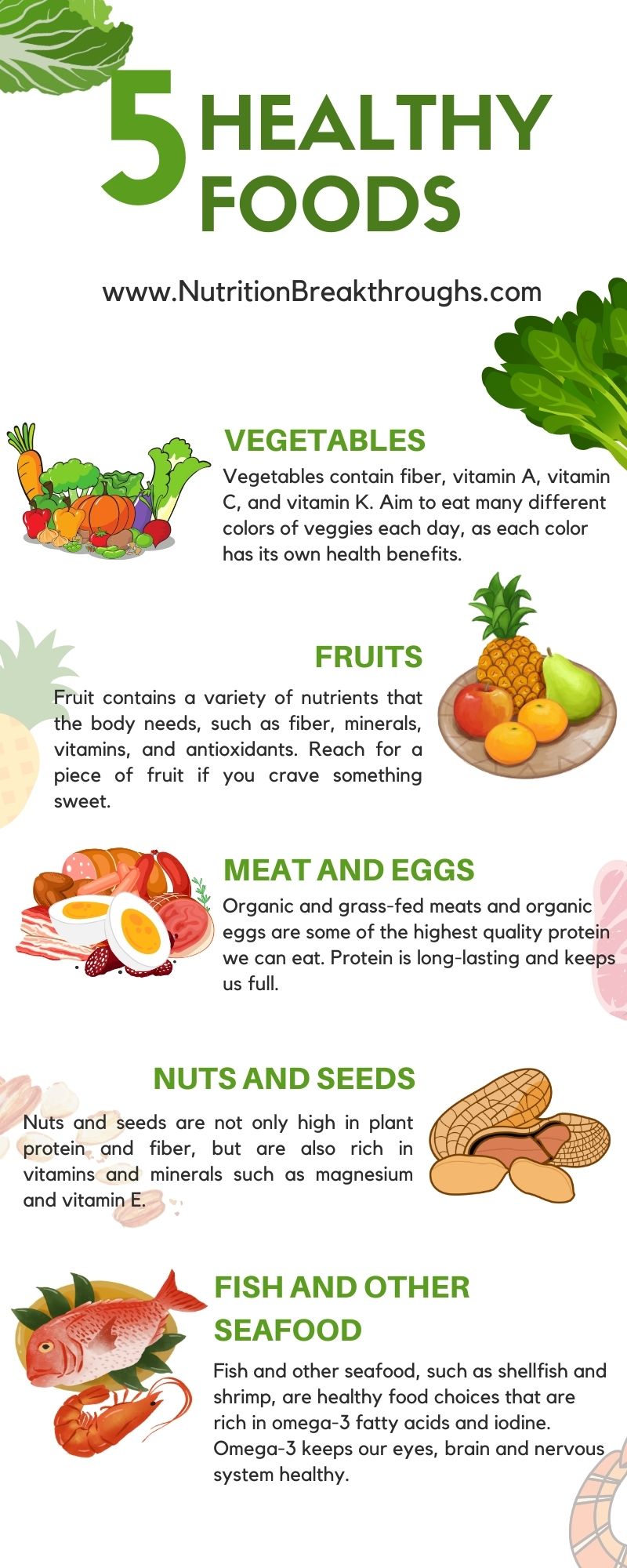
The Top Five Healthy Food Groups
Posted on: August 15, 2025
Greetings to you,
Take a peek at this chart below of the top five healthy food groups. These are the best foods to focus on. Whole, real foods. Prioritize these and eat less of the highly processed foods like frozen meals, boxed foods, breakfast cereals, bakery items and fast foods.
A simple rule of thumb is to shop the outer aisles of the grocery store, where you’ll find fresh fruits, vegetables, lean proteins, eggs, nuts, and dairy, while limiting the boxed, bagged, and prepackaged items in the center aisles.
Cooking at home more often is another powerful step, since you have control over what goes into your meals and can swap refined sugar for natural options like fruit, honey, or maple syrup.
Staying prepared with healthy snacks — such as carrot sticks, apple slices, hardboiled eggs, or a handful of almonds or walnuts — also helps reduce the temptation to grab processed convenience foods when hunger strikes.
Over time, your taste buds will adjust, and you’ll find that whole, nutrient-rich foods not only keep you healthier but also leave you feeling more energized and satisfied. They will also provide a deeper, sounder sleep.
To your good health!
This health news is provided by Nutrition Breakthroughs, maker of the effective natural sleep aid Sleep Minerals II, and the natural solution for joint relief, allergies, pain relief and increased energy, Joints and More.
Seafood: The High-Protein Powerhouse with Many Health Benefits! from Wynter’s Wellness
Posted on: August 14, 2025

Here’s an informative article about the many health benefits of seafood. A refreshing change from the usual proteins we eat, seafood offers a tasty treat with a lot of beneficial nutrition, vitamins and minerals.
This health news is shared with you by Nutrition Breakthroughs, maker of the effective natural sleep aid Sleep Minerals II, and the natural solution for joint relief, allergies, pain relief and increased energy, Joints and More.

Take small steps and enjoy each one. That’s the ticket to healthy eating. This health news is shared with you by Nutrition Breakthroughs, maker of the effective natural sleep aid Sleep Minerals II, and the natural solution for joint relief, allergies, pain relief and increased energy, Joints and More.

Recent discoveries in the fields of natural remedies and nutrition have uncovered promising breakthroughs in the treatment of chronic health problems such as insomnia, arthritis, and anxiety.
These groundbreaking studies highlight the benefits of specific natural remedies that can improve health outcomes without the possible side effects and addiction of medical drugs.
A study published in the “Journal of Sleep Research” (2023) has revealed that calcium, magnesium, and zinc significantly improve sleep quality in individuals suffering from insomnia. These essential minerals are found in various natural foods, including leafy greens, nuts, seeds, and fruits like cherries and bananas.
Participants in the study who supplemented their diet with magnesium and zinc reported better sleep quality, falling asleep faster, and waking up less frequently throughout the night. Sleep specialists recommend magnesium as a key element for enhancing melatonin, a hormone made in the brain that is essential for good sleep..
The benefits of omega-3 fatty acids, widely known for their anti-inflammatory properties, have been further reconfirmed by a “Nutrition Research Reviews” (2023) publication. The study demonstrated that omega-3-rich foods like fatty fish, flaxseeds, and walnuts can significantly reduce joint pain and stiffness in individuals with arthritis.
Another recent study, which focused on the mineral MSM, was published in the journal “Osteoarthritis Cartilage.” The results showed that compared to placebo, MSM produced significant decreases in knee pain and significant improvement in physical function. The use of MSM also resulted in better performance of the activities of daily living, as well as reduction in stress and better cardiovascular health.
With arthritis affecting millions of people globally, natural remedies offer an effective alternative to non-steroidal anti-inflammatory drugs (NSAIDs), which are often associated with harmful side effects such as gastrointestinal issues and cardiovascular risks. Joints and More from Nutrition Breakthroughs is a popular example of a supplement containing pure MSM.
***** R. Boulos of Houston, TX. says: “I’ve been taking the Joints and More supplement and it’s helping a great deal. After taking it twice a day, I notice that when I wake up in the morning the pain I was having in my front and back shoulders is almost gone.”
In the realm of herbal remedies, a recent discovery is the potential of the herb ashwagandha to alleviate stress and anxiety and improve mood stability. Published in “Phytotherapy Research” (2024), the study showed that participants who took ashwagandha supplements over 8 weeks had a notable reduction in cortisol levels, a hormone made in the adrenal glands that is responsible for stress.
Insomnia is a widespread issue, with 30% of the people in the U.S. having sleeping problems (per the National Council on Aging). With the recent discovery that calcium, magnesium, and zinc can significantly improve sleep quality and quantity, these minerals are becoming more popular as ingredients in natural sleep aids. One example is Sleep Minerals II from Nutrition Breakthroughs, widely known as the original calcium and magnesium based sleep aid.
***** Doctor P. P. of Houston, Texas says: “I had developed sleeping problems and took two different sleeping medications over the course of several weeks. When I discontinued them the insomnia came back even worse. I literally got about 20 hours of sleep in 6 weeks time. Sleep Minerals II was just what I needed. I’ve been taking it for a couple weeks and getting many hours of sleep a night. As a doctor I would definitely avoid prescribing sleeping drugs — I would recommend Sleep Minerals II.”
As the demand for natural remedies continues to rise, these new discoveries offer hope for individuals who seek alternative solutions for managing chronic health problems.
This health news is shared with you by Nutrition Breakthroughs, maker of the effective natural sleep aid Sleep Minerals II, and the natural solution for joint relief, allergies, pain relief and increased energy, Joints and More.
These are great snack ideas, some of which I eat daily myself. Also, be sure to get enough calcium and magnesium in your diet for strong bones and muscles. Nuts are rich in these minerals.
This health news is shared with you by Nutrition Breakthroughs, maker of the effective natural sleep aid Sleep Minerals II, and the natural solution for joint relief, allergies, pain relief and increased energy, Joints and More.

Greetings to you,
There’s an informative chart below that has the top 8 ways to boost your immune system What exactly is the “Immune System”? The body’s immune system protects us against disease, germs, viruses and microorganisms every day of our lives. Some of the parts of the immune system are the tonsils, spleen, and bone marrow (where white blood cells are made).
Usually the immune system does a great job of protecting us from illness and disease. Sometimes a lack of sleep or exercise, chemicals in foods, toxins in the environment, excess sugar, or prolonged stress weakens it.
Regarding white sugar, the American Journal of Clinical Nutrition reports that when healthy volunteers consumed a large amount of sugar, their immune system’s white blood cells had an impaired ability to destroy bacteria for at least five hours. One healthy alternative is whole raw fruit, which makes great desserts and snacks. Enjoy the chart below and put it to good use!
This health news is provided by Nutrition Breakthroughs, maker of the effective natural sleep aid Sleep Minerals II, and the natural solution for joint relief, allergies, pain relief and increased energy, Joints and More.
To your good health,
Jobee Knight
Nutrition Breakthroughs
Health Benefits of Cashews: What Are Cashew Nuts Good For? from Mutlu Çiçekler
Posted on: August 12, 2025
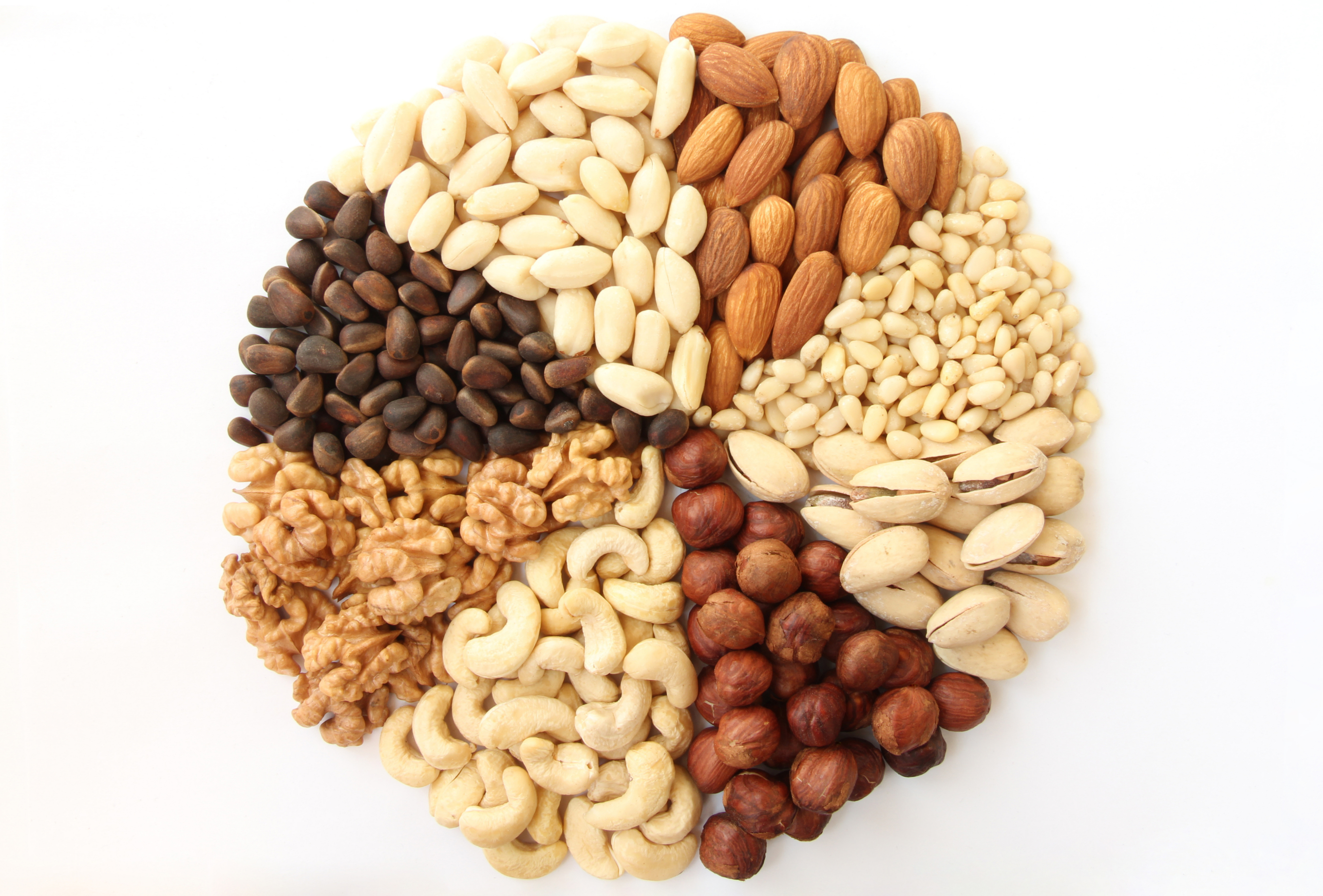
Ever wonder what the health benefits of cashews are? There are many, from supporting the brain, to the heart, eyes and bones. Have a look at this one.
This health info is shared with you by Nutrition Breakthroughs, maker of Sleep Minerals II – an effective natural sleep aid, and Joints and More, for joint support, hair and nail growth, energy and more.

A nicely written article with helpful information on remedying arthritis. This health info is shared with you by Nutrition Breakthroughs, maker of Sleep Minerals II – an effective natural sleep aid, and Joints and More, for joint support, hair and nail growth, energy and more.
Fantastic Figs: A Nutritional and Culinary Guide to Black Mission, Kadota, and other Varieties
Posted on: August 12, 2025

Here’s an informative article on the nutritional benefits of figs and how to combine and pair them with other foods. This health info is shared with you by Nutrition Breakthroughs, maker of Sleep Minerals II – an effective natural sleep aid, and Joints and More, for joint support, hair and nail growth, energy and more.
Walking Outside vs. Treadmill Walking: Which Is Best for Your Health? And Tips for Beginner Walkers
Posted on: August 11, 2025

A nice and concise article on walking from Daily Interesting Blogs. I’m happy to share it with my readers. This info is shared by Sleep Minerals II, for deeper sleep and better health, and Joints and More, for joint support, stronger hair and nails and more.
 News on Natural Remedies, Good Sleep and Good Health