News on Natural Remedies, Good Sleep and Good Health

Posts Tagged ‘nutrition articles

Quote

Posted on: August 28, 2019

Our Bodies Social Media Our endocrine system is an amazing messenger that keeps everything up and running with chemical fuels that are more powerful than we can imagine. They regulate our metabolism, energy levels, growth rates, reproductive health and our responses to everything around us. Nutrition plays a role in regulating our hormones, so for […]

via Hormones and Nutrition — David’s Way to Health and Fitness

This is an interesting and helpful article from “David’s Way to Health and Fitness” on the healthiest foods to eat for good hormonal health.  Find out what fatty fish, nuts and leafy greens have to do with appetite control.  Discover what eggs, cranberries, plums and yogurt have to do with thyroid function, and also see what the healthiest fats are.

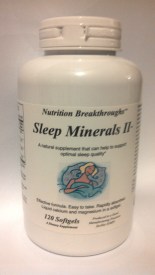
This health news about natural remedies and good health is shared by Nutrition Breakthroughs, a publisher of nutrition articles and a supplier of natural remedies since 2002.  Nutrition Breakthroughs makes Sleep Minerals II, the effective natural sleep aid with calcium, magnesium, zinc and vitamin D.

Hormones and Nutrition – Best Foods to Eat – David’s Way to Health and Fitness

By Mary Jane Brown, PhD, RD (Registered Dietitian) – Courtesy of Authority Nutrition

Woman Holding a Cracked CoconutCoconut oil is one of the few foods that can be classified as a “superfood.”

Its unique combination of fatty acids can have profound positive effects on health.

This includes fat loss, better brain function and various other amazing benefits.

Here are 10 evidence-based health benefits of coconut oil.

1. Coconut Oil Contains Fatty Acids With Powerful Medicinal Properties

Coconut oil has been demonized in the past because it contains saturated fat. In fact, coconut oil is one of the richest sources of saturated fat known to man, with almost 90% of the fatty acids in it being saturated (1).

However, new data is showing that saturated fats are harmless. Many massive studies that include hundreds of thousands of people prove that the whole “artery-clogging” idea was a myth (2).

Additionally, coconut oil doesn’t contain your average run-of-the-mill saturated fats like you would find in cheese or steak.

No, they contain so-called Medium Chain Triglycerides (MCTs) – which are fatty acids of a medium length.

Most of the fatty acids in the diet are long-chain fatty acids, but the medium-chain fatty acids in coconut oil are metabolized differently.

They go straight to the liver from the digestive tract, where they are used as a quick source energy or turned into so-called ketone bodies (substances produced during the metabolism of fats), which can have therapeutic effects on brain disorders like epilepsy and Alzheimer’s.

Bottom Line: Coconut oil contains a lot of medium chain triglycerides, which are metabolized differently and can have therapeutic effects on several brain disorders.

2. Populations That Eat a Lot of Coconut Oil Are Healthy

Girl Eating Coconut

Coconut is kind of an “exotic” food in the Western world, primarily consumed by health conscious people.

However, in some parts of the world, coconut is a dietary staple that people have thrived on for many generations.

The best example of such a population is the Tokelauans, which live in the South Pacific.

They eat over 60% of their calories from coconuts and are the biggest consumers of saturated fat in the world.

These people are in excellent health, with no evidence of heart disease (3).

Another example of a population that eats a lot of coconut and remains in excellent health is the Kitavans (an island near Australia)..

Bottom Line: Plenty of populations around the world have thrived for multiple generations eating massive amounts of coconut.

3. Coconut Oil Can Help You Burn More Fat

Coconuts

Obesity is currently one of the biggest health problems in the world.

While some people think obesity is only a matter of calories, others (myself included) believe that the sources of those calories are critical too.

It is a fact that different foods affect our bodies and hormones in different ways. In this regard, a calorie is NOT a calorie.

The medium-chain triglycerides (MCTs) in coconut oil can increase energy expenditure compared to the same amount of calories from longer chain fats (5).

One study found that 15-30 grams of MCTs per day increased 24 hour energy expenditure by 5%, totalling about 120 calories per day.

Bottom Line: The medium chain triglycerides in coconut oil have been shown to increase 24 hour energy expenditure by as much as 5%, potentially leading to significant weight loss over the long term.

4. Coconut Oil Can Kill Harmful Microorganisms

Running Away From Pathogens

Almost 50% of the fatty acids in coconut oil is Lauric Acid.

When coconut oil is digested by enzymes, it also forms a type of fat called monolaurin.

Both lauric acid and monolaurin can kill harmful pathogens like bacteria, viruses and fungi (8).

For example, these substances have been shown to kill the bacteria Staphylococcus Aureus (a very dangerouspathogen) and the yeast Candida Albicans, a common source of yeast infections in humans (10).

Bottom Line: The fatty acids and breakdown products in coconut oil can kill harmful pathogens, potentially helping to prevent infections.

5. Coconut Oil Can Reduce Your Hunger, Helping You Eat Less

Man Drinking From Coconut

One interesting feature of coconut oil is that it can reduce your hunger.

This may be related to the way the fatty acids in it are metabolized, because ketone bodies (substances produced during the metabolism of fats) can have an appetite reducing effect.

In one study, varying amounts of medium and long chain triglycerides were fed to 6 healthy men.

The men eating the most MCTs ate 256 fewer calories per day, on average.

Another study in 14 healthy men discovered that those who ate the most MCTs at breakfast ate significantly fewer calories at lunch (13).

These studies were small and only done for a short period of time. If this effect were to persist over the long term, it could have a dramatic influence on body weight over a period of several years.

Bottom Line: The fatty acids in coconut oil can significantly reduce appetite, which may positively affect body weight over the long term.

6. The Fatty Acids in Coconut Oil Are Turned into Ketones, Which Can Reduce Seizures

Open Coconut

A so-called ketogenic (very low carb, very high fat) diet is currrently being studied to treat various disorders.

The best known therapeutic application of this diet is treating drug-resistant epilepsy in children.

This diet involves eating very little carbohydrates and large amounts of fat, leading to greatly increased concentrations of ketone bodies in the blood.

For some reason, this diet can dramatically reduce the rate of seizures in epileptic children, even those who haven’t had success with multiple different types of drugs.

Because the MCTs in coconut oil get shipped to the liver and turned into ketone bodies, they are often used in epileptic patients to induce ketosis while allowing for a bit more carbs in the diet (16).

Bottom Line: The MCTs in coconut oil can increase blood concentration of ketone bodies, which can help reduce seizures in epileptic children.

7. Coconut Oil Can Improve Blood Cholesterol Levels

Cracked Coconut

Coconut oil is loaded with saturated fats, which actually do not harm the blood lipid profile like previously thought.

Saturated fats raise HDL (the good) cholesterol and change the LDL (bad) cholesterol to a benign form.

In one study in 40 women, coconut oil reduced Total and LDL cholesterol while increasing HDL compared to soybean oil.

There are also rat studies showing that coconut oil reduces triglycerides, total and LDL cholesterol, increases HDL and improves blood coagulation factors and antioxidant status.

This improvement in cardiovascular risk factors should theoretically lead to a reduced risk of heart disease over the long term.

Bottom Line: Studies in both humans and rats show that coconut oil improves important risk factors like Total, LDL and HDL cholesterol, which may translate to a reduced risk of heart disease.

8. Coconut Oil Can Protect Hair Against Damage, Moisturize Skin and Function as Sunscreen

Cracked Coconut With Peels

Coconut oil can serve various purposes that have nothing to do with eating it.

Many people are using it for cosmetic purposes and to improve the health and appearance of their skin and hair.

Studies on individuals with dry skin show that coconut oil can improve the moisture and lipid content of the skin (22).

Coconut oil can also be very protective against hair damage and one study shows effectiveness as sunscreen, blocking about 20% of the sun’s ultraviolet rays.

Another application is using it like mouthwash in a process called oil pulling, which can kill some of the harmful bacteria in the mouth, improve dental health and reduce bad breath (26).

Bottom Line: Coconut oil can be applied topically as well, studies showing it to be effective as a skin moisturizer and protecting against hair damage. It can also be used as a mild form of sunscreen and as mouthwash.

9. The Fatty Acids in Coconut Oil Can Boost Brain Function in Alzheimer’s Patients

Doctor With Thumbs Up

Alzheimer’s disease is the most common cause of dementia worldwide and occurs primarily in elderly individuals.

In Alzheimer’s patients, there appears to be a reduced ability to use glucose for energy in certain parts of the brain.

Ketone bodies can supply energy for the brain and researchers have speculated that ketones can provide an alternative energy source for these malfunctioning cells and reduce symptoms of Alzheimer’s.

In one 2006 study, consumption of medium chain triglycerides led to immediate improvement in brain function in patients with milder forms of Alzheimer’s.

Other studies support these findings and medium chain triglycerides are being intensively studied as potential therapeutic agents in Alzheimer’s disease (31).

Bottom Line: Studies show that the fatty acids in coconut oil can increase blood levels of ketone bodies, supplying energy for the brain cells of Alzheimer’s patients and relieving symptoms.

10. Coconut Oil Can Help You Lose Fat, Especially The Harmful Abdominal Fat

A man who needs to lose weight

Given that coconut oil can reduce appetite and increase fat burning, it makes sense that it can also help you lose weight.

Coconut oil appears to be especially effective in reducing abdominal fat, which lodges in the abdominal cavity and around organs.

This is the most dangerous fat of all and is highly associated with many Western diseases.

Waist circumference is easily measured and is a great marker for the amount of fat in the abdominal cavity.

In a study in 40 women with abdominal obesity, supplementing with 30 mL (1 ounce) of coconut oil per day led to a significant reduction in both BMI and waist circumference in a period of 12 weeks (19).

Another study in 20 obese males noted a reduction in waist circumference of 2.86 cm (1.1 inches) after 4 weeks of 30 mL (1 ounce) of coconut oil per day.

This number may not seem too impressive on the surface, but be aware that these people aren’t adding exercise or restricting calories. They’re losing significant amounts of abdominal fat simply by adding coconut oil to their diet.

11. Anything Else?

In order to enjoy the health benefits outlined in the article, then you must get organic, virgin coconut oil… NOT the refined stuff.

I personally cook almost everything I eat in coconut oil and my health has never been better.

**********************

This health news is shared by Nutrition Breakthroughs, a publisher of nutrition articles and supplier of effective natural remedies since 2002. Nutrition Breakthroughs makes the original calcium and magnesium based sleep aid Sleep Minerals II.

Article Source: https://authoritynutrition.com/top-10-evidence-based-health-benefits-of-coconut-oil/

exercise for bone healthWhat if a research study was conducted with actual real human beings (not animals) that demonstrated a mere one to two minutes a day of exercise could result in better, stronger bones?  Well, there  is one.

With increasing age, our bones become weaker and less dense, particularly in women after menopause due to the decline in estrogen and calcium in the body.  More and more studies are finding that physical movement and activity can counteract the effects of weaker bones and any tendency toward bone fractures.

Epidemiology is the study of how often various diseases occur and also what possible ways or methods might exist to control or eradicate them.  The most recent study on the topic of bone health was published in the International Journal of Epidemiology.  The burning question in the researcher’s minds was this: How do we discover what type of exercise, what quantity of exercise, and what intensity, would provide the most positive, beneficial impact on bone strength.

For the study, both pre and post-menopausal women wore small wrist monitors for a week that measured and recorded the intensity of their physical movements.  It was particularly important to the researchers to be able to record very short amounts of activity.  They looked at data for more than 2,500 women, and compared their activity levels with bone health, which was measured by an ultrasound scan of heel bone.

The outcome?  A mere one to two minutes of flat-out, intense exercise resulted in an increase in bone strength.  This translates to a minute or two of slow jogging for a post-menopausal woman or a minute or two of running for a pre-menopausal woman in order to achieve a 4% increase in bone health.  Women who did more than two minutes had a 6% increase.  (Please see further recommendations below on how to safely transition into more intense exercise).

The lead author of the study, Dr Victoria Stiles of the University of Exeter in the UK, said: “We wanted to make every second count in our analysis, because short snippets of high-intensity activity are more beneficial to bone health than longer, continuous periods. We were careful not to ignore short bursts of activity throughout the day.”

Dr. Stiles makes a suggestion for people who are interested in upping their levels of daily exercise.  She said: “The UK’s National Osteoporosis Society recommends increasing your walking activity first.  Further on, we would suggest adding a few running steps to the walk, a bit like you might do if you were running to catch a bus.”

Another proven way to increase bone health is to include more calcium-rich foods in the diet.  Olive oil, leafy greens, almonds, raw cheeses, yogurt, broccoli and carrots are good choices.  Calcium, magnesium and vitamin D supplements are also beneficial.  Not only do these minerals strengthen bone and muscle health, but they are proven to calm sleeplessness and insomnia as well.

One study published in the European Neurology Journal found that calcium levels in the body are higher during some of the deepest levels of sleep, such as the rapid eye movement (REM) phase. The study concluded that disturbances in sleep, especially the absence of REM deep sleep or disturbed REM sleep, are related to a calcium deficiency.

William Sears, M.D. writes: “Calcium helps the brain use the amino acid tryptophan to manufacture the sleep-inducing substance melatonin. This explains why dairy products, which contain both tryptophan and calcium, are one of the top sleep-inducing foods.”

One calcium-based supplement shown to be effective for insomnia is Sleep Minerals IIfrom Nutrition Breakthroughs.  This formula contains highly absorbable forms of calcium and magnesium, the best minerals for sleeplessness and insomnia, as well as for menopause insomnia, heart health, restless leg syndrome and bone strength.  It also includes vitamin D and zinc and is delivered in a softgel form with healthy carrier oils, making it more quickly absorbable than tablets or capsules and providing a deeper, longer-lasting sleep.

Sadie D. from the Netherlands says: “I am ever so grateful that I discovered Sleep Minerals II after suffering with premenopause and now the real menopause insomnia.  I felt like I was slowly losing my mind due to the continual lack of sleep.  I can’t express the relief of getting a good night’s sleep and being able to function properly.”

Richard P. of Parkville, Maryland says: “The Sleep Minerals are making quite a difference.  I was regularly waking up at around 3:00 a.m. and couldn‘t go back to sleep. Now I wake up once to go to the bathroom, but the great thing is, I then fall back asleep and sleep several more hours.”

The main message is that a combination of exercise and calcium tend to ignite into a dynamic duo that can bring great boosts to bone health, healthy sleep and good overall health.

This health news is provided by Nutrition Breakthroughs, a publisher of nutrition articles and supplier of effective natural remedies since 2002. Nutrition Breakthroughs makes the original calcium and magnesium based natural sleep aid Sleep Minerals II, as well as Joints and More, the natural solution for joint relief, aches and pains, stronger hair and nails and more energy.


Article source: https://www.nutritionbreakthroughs.com/blog/2018/04/21/study-reveals-better-bone-health-from-1-minute-of-exercise/

Tags: , , , , , , , , , , , , , , , , , , , , , , , , , , , , , , , , , , , , , , , , , , , , , , , , , , , , , , , , , , , , , , , , , , , , , , , , , , , , , , , , , , , , , , , , , , , , , , , , , , , , , , , , ,

Sleep Minerals II
Nutrition Breakthroughs would like every customer of Sleep Minerals II to get the full benefits of the product and enjoy the restful, deep sleep they desire.  Here are some tips and advice we’ve put together over the years, from learning how to coach people to use the product successfully.

Sleep Minerals II has been newly improved to feature rice bran oil as its main oil ingredient.  Rice bran oil is rich in two types of natural vitamin E and also high in Oryzanol (a word that sounds like “Original”), which is a powerful antioxidant only found in rice bran oil.  Antioxidants protect our tissues from deterioration and help slow the aging process.

Rice bran oil is proven in studies to lower cholesterol and blood pressure levels, remedy menopausal symptoms such as hot flashes and strengthen the immune system.

If you are an existing customer, it’s possible that you may need to take less of this new formula.  The softgel shell is made of natural gelatin and it has a slightly yellowish hue. The amounts of vitamin D and magnesium in the product have been increased, and zinc has been added as it contributes to healthy bones, eyes and digestion. We have received many testimonials for this formula.  Here is one of them:

Richard P. of Parkville, Maryland says: “The Sleep Minerals are making quite a difference.  I was regularly waking up at around 3:00 a.m. and after a week or so my sleep improved quite a lot.  I wake once a night to go to the bathroom, but the great thing is, I then fall back asleep and sleep several more hours. This has been a great improvement.”

Here are the tips on using Sleep Minerals II:

1) Some of my customers have asked me with amazement: “What is in this product? Is it really all-natural?” I want you to know that even though the product is effective at helping people fall sleep or get back to sleep in the night, it is made from only natural minerals and vitamins — it’s just a potent formula.  Sleep Minerals II is a safe product.  The factory that makes it has been certified as having Good Manufacturing Practices (GMP) and all ingredients are sourced in the USA.

2) Keep the bottle of softgels by your bed. For difficulty falling asleep, take 1 softgel with water 30 to 45 minutes before bed.  Go to the bathroom before bed so you’re not woken up to go too often during the night.   If you are sensitive to supplements or minerals, start with 1 softgel for several nights. In any case, its best to stay with one softgel for about a week.  If you are unable to get to sleep, increase to 2 softgels before bed.  Reduce the dose if you become drowsy during the day or your bowels become too loose.  Use 1 softgel for kids over 10

3) Gradually building up the minerals in your system is the best approach to gaining better sleep.  It may take days or weeks of use to get the best results.  Some people start noticing good effects after the first or second week of use – some sooner, some later.  Be sure to continue taking the product, as consistency is the key.

4) If you are taking the product before bedtime and have a drowsy feeling in the morning or your bowels become too loose, you can take it earlier than at bedtime. For example, take it with dinner or an hour or two before bedtime with a snack, rather than 45 minutes before bedtime. If one softgel continues to be too much, you can cut or bite one end open and squeeze half the contents of one softgel into your mouth or onto a cracker with peanut butter (or another topping) and swallow it down.  Save the other half in a baggie.  This is worth doing if you find you need to, as some people require less to get results.  Even if you’re taking just half a softgel, it’s important to be consistent with it.

5) Occasionally, if someone takes too many softgels for them, the calcium may have a stimulating effect.  If this occurs, reduce the amount you’re taking and it should have a more relaxing effect.  For others, taking too many may leave them feeling tired during the day.  In this case, reduce the dose.

6) If you prefer not to swallow the softgels, bite or cut one end open and squeeze the contents into your mouth and drink it down.  You can also mix it with food or spread it on food. It’s like a creamy paste inside with mixed minerals. This paste is the essence of what makes the minerals so very absorbable.

7) If you are taking any medications in the evening, its best to take them at least an hour apart from the Sleep Minerals.  This is because each thing may have a different effect and its best to keep them separate.

In addition to insomnia, this product also provides excellent nutritional support for restless leg syndrome, bone health, muscle cramps, menopausal symptoms, heart health, stomach health, premenstrual syndrome, and teenage insomnia.

We look forward to staying in touch with you and to hearing any questions, comments, or beneficial improvements to your sleep.  Let us know how you do.

For more information on Sleep Minerals II, visit http://www.nutritionbreakthroughs.com/html/sleep_remedy_for_insomnia_help.html.


Article source: http://www.nutritionbreakthroughs.com/blog/2013/03/27/how-to-take-sleep-minerals-ii-the-natural-insomnia-remedy/

Tags: , , , , , , , , , , , , , , , , , , , , , , , , , , , , , , , , , , , , , , , , , , , , , , , , , , , , , , , , , , , , , , , , , , , , , , , ,

Here’s a handy chart that shows all the many benefits of walking. Whether it’s a walk around the mall or around the block, walking provides an almost unlimited number of health benefits.

Studies at the University of Arizona found that walking more than six blocks a day at a normal pace significantly improves sleep at night for women.  Scientists suspect that exercise helps set our biological clock into a consistent wake/sleep pattern, or it may boost the brain’s production of serotonin, a neurochemical that encourages sleep.

This health news is provided to you by Nutrition Breakthroughs, maker of the effective natural insomnia remedy Sleep Minerals II.

Best of health,

Jobee Knight
President
Nutrition Breakthroughs


Article source: http://www.nutritionbreakthroughs.com/blog/2013/12/24/21-benefits-of-walking-including-better-sleep/

Spider Plant Cleans Air

By Dr. Joseph Mercola, a physician trained in both traditional and natural medicine who provides up-to-date natural health information.

***************************************
This article is shared by Nutrition Breakthroughs, maker of the effective calcium, magnesium and vitamin D based sleep aid Sleep Minerals II.
***************************************

Did you know that some air pollutants are 100 times more concentrated in your home than they are outside? You are dependent on quality air to support your respiratory system and your overall health.

Unfortunately, several sociological studies demonstrate the average amount of time a person living in the U.S. spends indoors is close to 92 percent of their day. The data indicates people who are employed spend 2 percent of their time outside and 6 percent in transit between home and work.

This means the quality of the indoor air you breathe is very important to your long-term health. According the Environmental Protection Agency (EPA), poor indoor air quality is one of the top public health risks you face each day.

Poor quality air has been linked to a number of different health effects that may be experienced immediately or several years later. Understanding and controlling the indoor air pollution you are exposed to by making small changes to your living space may help reduce your health risks.

Your Indoor Air Quality May Be 100 Times Worse Than Outside

indoor-air-pollutionYou may think of outdoor air as being polluted and your indoor air as clean because you don’t detect chemical smells or notice smog in the air at home or in the office. As it turns out, the air in your home may be more dangerous to your health than the air outdoors.

According to the EPA (Environmental Protection Agency), the levels of indoor air pollution in your home may be between two and five times higher than they are outside. Some of the different pollutants you breathe can even be as much as 100 times more concentrated inside.

Many newer homes and buildings are also built with an eye toward reducing utility costs. This requires the building or home owner to purposefully ventilate the building for air exchange. Although these buildings lower utility costs, they increase your risk of health conditions when not ventilated.

Both the National Cancer Institute (NCI) and the Centers for Disease Control and Prevention (CDC) have established that 80 percent of all cancers may be attributed to factors from your environment.

Rather than genetic factors being responsible for the majority of cancers, exposure to carcinogenic chemicals and toxins are among the causative factors.

This was proposed as far back as 1977, when four scientists explained evidence from their data indicating 80 percent of all cancers were triggered by environmental factors. Their studies included data relating to variations in geography, changes to risk over time, migrants, correlations studies and case reports.

What Is in the Air You Breathe?

The source of indoor pollution is a combination of interactions between the building, the occupants, climate, construction, furnishings and contaminated sources.Pollution generated by occupants is related to tobacco smoke and the products you may bring into your home, such as air fresheners and cleaning supplies.

There are a number of different contributors to the rise in poor air quality in your home or office. Although volatile organic compounds (VOCs) is listed as one contributor, there are hundreds of different products you may find in your home that emit VOCs. The variety of contributors to indoor pollution include:

Asbestos Bacteria and viruses Building and paint products
Carbon monoxide Carpets Cleaning supplies and household chemicals
Cockroaches Dust mites and dust Formaldehyde
Lead Pet dander Radon
Secondhand smoke VOCs Fire retardants

VOCs are a specific and rather dangerous type of pollution emitted from products such as aerosol sprays, cleaning supplies, wood preservatives, hobby supplies and pressed wood products. Some of the more familiar names are benzene, formaldehyde and toluene.

Most of the health studies have focused on exposure to one VOC, so less is known about the effects on your health when these chemicals are found in combination.Although the toxicity levels for each of the separate VOCs has been determined, there are no real safe levels, and in combination those toxic levels may be lower.

How Indoor Air Pollution Impacts Your Health

Indoor air pollution can result in both short-term and long-term effects on your health. Children are especially vulnerable to chemicals and pollutants, both in their home and their school. Stay watchful for symptoms of air pollution in your children and get involved in your school district to improve the quality of their air.

Short-term symptoms of exposure to indoor air pollution resemble symptoms you experience from an allergy or a cold. They include:

Worsening asthma Itchy watery eyes Headaches
Dizziness Fatigue Scratchy throat
Runny nose

While these symptoms usually disappear within a couple hours after no longer being exposed to the pollutant, long-term health conditions don’t simply resolve by removing yourself from the polluted environment. These health conditions include:

  • Bronchitis, asthma and emphysema
  • Accelerated aging of lung tissue and lung cancer
  • High blood pressure,heart attack and stroke
  • Shortened lifespan
  • Decreased cognitive function

Houseplants Improve Your Home Environment

Jade Plant for Cleaner Air

Houseplants are very functional decorations for your home and office that brighten your space, improve your mood and clean your air.

Several studies have found potted plants improve your work and living space by reducing your blood pressure, improving your attention and productivity, lowering your anxiety levels and raising your job satisfaction.

Other research has demonstrated that doing tasks around plants has led to a higher degree of accuracy and better results in the task performed. Memory retention and concentration also improved in this study. The researchers found that exposure to plants improved memory performance by 20 percent.

Research has also demonstrated that indoor plants kept close to an individual’s space at work had a statistically significant effect on how many sick days they took and their level of productivity. These associations may have practical significance when applied to a large number of workers over time.

Plants may also be used for phytoremediation, or the mitigation of pollution in air, soil and water. Scientists from the National Aeronautics and Space Administration (NASA), University of Georgia and Pennsylvania State University have demonstrated that potted plants in your home can improve your air quality.

Plants remove pollutants by absorbing them through their leaves and roots, in much the same way they clean the outdoor air from the pollution given off by manufacturing plants, cars and heating systems.

Plants You May Use to Decorate and Improve Your Air Quality

Most leafy plants are adept at removing some pollution from your indoor air. However, scientists have also discovered there are several that are better at removing VOCs from your home and workplace. NASA was behind some of the initial research in 1989 to determine specific plants that might be useful to reduce pollution in sealed environments.

Researchers have continued to investigate the abilities of different plants to clean your indoor air of pollution. More recent research has identified these 12 houseplants as those that are most beneficial, and the specific VOCs they are adept at removing. The results from this study are on the agenda of a meeting of the American Chemical Society.

Jade Plant

Particularly good at absorbing toluene emitted from gasoline, paint, kerosene and lacquers. These plants flourish in medium light, single pot and room temperature. Allow the soil to dry between watering; brown leaves indicate they need more water.

Spider Plant

These plants can absorb up to 90 percent of formaldehyde and carbon monoxide from tobacco smoke and O-xylene from fuels and P-xylene found in plastics. (This plant is also called the airplane plant.) It is resilient and survives well even if you don’t have a green thumb. The plant is safe for your pets and easy to grow.

scarlet star plantScarlet Star Plant

In the family of Bromeliads, as is the pineapple, this plant easily purifies the air of 90 percent of benzenes emitted from glues, furniture wax, detergent and paint. These plants are easy to grow indoors and have very few problems with pests. They withstand drought well, but never overwater them.

Caribbean Tree Cactus

These lovely cactus plants can absorb up to 80 percent of the ethylbenzene in the space they are kept. This chemical is emitted from electronic products, construction material, garden care products, toys and furniture.

Most cactus plants will do well in pots with the right amount of food, light and water. Although they withstand the drought well, they do require more water indoors than they do in the ground.

Dracaena

Dracaena PlantThese beautiful variegated leaf plants absorb 90 percent of the acetone from household cleaners and nail polish remover.

Ferns

These leafy plants require a lot of water and provide humidity for your home.

Peace Lily

These plants come in either a solid color or variegated leaf variety. They bloom in the spring and don’t require much light. Keep them close at hand in your office as they absorb electromagnetic radiation from your digital devices and humidify the air.

English Ivy

Easy to grow and care for, they are excellent at absorbing the toxins from cigarette smoke and cleansing the air for people suffering from asthma.

Ficus

Slightly more difficult to care for, the Ficus cleanses odors from the air and reduces toxic substances from your home and office. There are several varieties of the plant.

Snake Plant or Mother-in-Law’s Tongue

This plant is easy to care for and grows well. It removes benzene and formaldehyde and increases the oxygen supply in the room at night.

Philodendron

Philodendron Houseplant These are favorite plants as they are easily grown and look great in hanging pots. They efficiently detoxify formaldehyde but are toxic to cats and dogs.

Bamboo Palm

Also known as the Reed Palm, this plant thrives indoors and readily absorbs formaldehyde outgassing from furniture. If you’ve purchased a new chair or couch you may want to decorate with a couple of these plants.

A Note from Nutrition Breakthroughs: Keep as many of these plants as possible in your home and work environment to help purify the air and protect your health.

This article is shared by Nutrition Breakthroughs, maker of the effective calcium, magnesium and vitamin D based sleep aid Sleep Minerals II.

Get a free e-book from Dr. Mercola on how to take control of your health, at this link – https://www.mercola.com/ebook/take-control-of-your-health.aspx

vitamin e foodsA study from the journal “Oxidative Medicine and Cellular Longevity” has demonstrated that vitamin E can prevent and treat the loss of muscle mass and strength that occurs as people age.  This loss of muscle is known as “sarcopenia”.

Regarding the word “oxidative” that is included in the journal name, this refers to the process in our bodies where we process the oxygen we breathe in, and our cells produce energy from it.

This process can become imbalanced and create a state of “oxidative stress” if we don’t consume enough “anti” oxidants such as vitamins E, C and A.  Besides the body’s own natural metabolism functions, sources of oxidative stress can include pollution, medications or drugs, smoke, infection, stress, toxins, or a poor diet.

The researchers explain that vitamin E creates healthy muscles because a reduced level of vitamin E or a deficiency in the body is associated with an increased risk of muscle atrophy (shrinkage).  The vitamin can prevent muscle damage and encourage muscle regeneration.

Muscles in the body are particularly susceptible to oxidative damage as these are the site of the highest consumption of oxygen. Vitamin E is a fat soluble vitamin that greatly boosts cellular antioxidant capacity.  Because of this, vitamin E can be beneficial for preventing the effects of aging and for also treating infections, cardiovascular diseases, diabetes and neurological disorders.

Several studies have demonstrated an association between vitamin E levels and the amount of muscle strength or weakness.  One study in Italy was done with 1,156 participants between 65 years old and 102.  Knee extension strength tests showed that a daily intake of vitamin E is significantly related to a person’s total physical performance and strength.

Another group of scientists proved the beneficial effects of vitamin E in reversing muscle damage during extensive exercise in men.  The men took 800 units of Vitamin E daily for 28 days.  After a downhill run, their oxidative stress indicators were measured and were shown to be markedly reduced in both the older and younger men.

Vitamin E has many pathways by which it brings its beneficial health effects.  In addition to being a powerful antioxidant, it is also an effective anti-inflammatory vitamin.  It may halt the overall inflammation in the body by suppressing certain reactive cells of the immune system.  These inflammatory responses and cells have a direct affect on muscle strength and mass as well, so vitamin E does its good deeds in benefiting the muscles in this additional way.

Inactivity and immobility can lead to muscle wasting, so the researchers highly encourage low intensity exercises as an effective means to increase muscle strength and performance.  This may include walking, lifting light weights, doing squats, etc.  This also increases a person’s ability to balance and control the body well.  Combining a healthy diet with nutrition supplements and exercise is the most highly recommended approach to improved muscle strength.

Vitamin E has also been shown to ease arthritis pain and stiffness.  One study showed that pain parameters were significantly decreased after vitamin E treatment when compared with placebo.

This natural health news is provided by Nutrition Breakthroughs, a publisher of nutrition articles and supplier of natural remedies since 2002. Nutrition Breakthroughs makes Sleep Minerals II, the effective natural sleep aid with calcium, magnesium, zinc and vitamin D, and also Joints and More, the natural solution for joint relief, aches and pains, stronger hair and nails and more energy.


Article source: http://www.nutritionbreakthroughs.com/blog/2018/03/22/new-research-vitamin-e-prevents-muscle-loss-with-aging/

Tags: , , , , , , , , , , , , , , , , , , , , , , , , , , , , , , , , , , , , , , , , , , , , , , , , , , , , , , , , , , , , , , , , , , , , , , , , , , , , , , , , , , , , , , , , , , , , , , , , , , , , , , , , , , , ,

Sleep better with Sleep Minerals II*********************************
Written for you by Nutrition Breakthroughs, maker of the original calcium and magnesium based sleep aid Sleep Minerals II

*********************************
Greetings to you,

Below is a helpful new chart from the National Sleep Foundation.  It contains some interesting statistics on sleep and insomnia, as well as the common causes.  Insomnia is defined as the inability to fall asleep, stay asleep, return to sleep, or can include all of these.  When someone experiences insomnia for at least three nights per week for at least three months, it is considered “chronic insomnia”.

Forty million Americans experience insomnia each year and there is an increased prevalence of insomnia in women and older adults.  It can be caused by stress, anxiety, depression, or major life changes such as with jobs or relationships.  Other causes of sleeplessness include various medical conditions or poor sleep habits such as going to bed too late, consuming caffeine too late in the day, or using computers or cell phones too close to bed time.

Many natural sleep remedies are making the news headlines lately, with research and studies discovering ones that are drug-free and effective.  For example, one study called “The Nutritional Relationships of Magnesium”, found that the type of insomnia associated with a calcium deficiency causes difficulty with falling asleep.

On the other hand, the classical sign of magnesium deficiency is insomnia characterized by falling asleep easily, but awakening frequently throughout the night, with individuals finding themselves tired even after several hours of sleep.

Walking has been shown to help with insomnia. Studies at the University of Arizona found that walking more than six blocks a day at a normal pace significantly improves sleep at night for women.  Scientists suspect that this exercise helps set our biological clock into a consistent wake/sleep pattern, or that it may boost the brain’s production of melatonin, a chemical in the brain that’s produced at night time and encourages good sleep.

Tart cherry juice is another proven natural sleep remedy. In a study published in the European Journal of Nutrition, researchers found that drinking tart Montmorency cherry juice results in significant sleep improvements such as longer overall sleep time, less daytime napping, and increased overall sleep efficiency (the ratio of the time spent in bed to the time spent sleeping).  The researchers credited the benefits of cherry juice to its high natural melatonin content.

A handful of walnuts with dinner or in the evening can also improve sleep.  Russel Reiter, Ph.D., a professor of cellular biology at the University of Texas Health Science Center says, “Relatively few foods have been examined for their melatonin content. Our studies demonstrate that walnuts contain melatonin, that it is absorbed when it is eaten, and that it improves our ability to resist stress in the body and also keep the heart healthy.”

Natural remedies can be a strong force in the fight against insomnia.  Those with sleeping problems are encouraged to seek out and try ones that may assist them to get a regular good night’s sleep.

Here is the insomnia chart:

Insomnia chart national slep foundation
This natural health news is provided by Nutrition Breakthroughs, a publisher of nutrition articles and supplier of natural remedies since 2002. Nutrition Breakthroughs makes Sleep Minerals II, the effective natural sleep aid with calcium, magnesium, zinc and vitamin D, and also Joints and More, the natural solution for joint relief, aches and pains, stronger hair and nails and more energy.


Article source: http://www.nutritionbreakthroughs.com/blog/2018/03/02/new-insomnia-chart-with-definitions-and-sleep-remedies/

carbsBy Dr. Joseph Mercola, a physician trained in both traditional and natural medicine who provides up-to-date natural health information
***************************************
This article is shared by Nutrition Breakthroughs, maker of the effective calcium, magnesium and vitamin D based sleep aid Sleep Minerals II.
**************************************
Carbohydrates have been a mainstay for lots of individuals who say they love “comfort foods” like macaroni and cheese, glazed donuts, white rice and white bread. Anyone eating for their health, however, knows these foods are on the naughty list. They’re just plain bad for you.

That doesn’t mean that all carbs are bad for you, though. There are plenty of good ones in the world of nutrition, containing things like protein, iron, fiber and B-vitamins.

There are two types of carbohydrates: simple and complex. The foods listed above are simple; you could think of them as simply substandard, sinful or sketchy. The point is to avoid them. One of the biggest problems with them is sugar. Complex carbs, on the other hand, are commendable, constructive and correct.

Kim Larson, a registered dietitian from the Academy of Nutrition & Dietetics, says that when it comes to carbs, the simple ones are composed of short-chain carbon molecules that basically head straight for your bloodstream and spike your blood sugar. She noted:

“Any simple carbohydrate, or just straight up sugar, really has no redeeming qualities, nutritionally speaking. Sugar also causes inflammation, which is connected to a slew of problems like heart disease and cancer. It’s also bad for your skin, contributing to signs of aging, like wrinkles.

Complex carbohydrates have longer chains of carbon molecules, so it takes longer for your body to break them down. Which means the sugar isn’t ‘dumped’ into our bloodstream.”

Not All Carbs Are Created Equal

A healthy way to phase simple, refined carbs out of your diet, occasionally or daily, is to replace them with veggies and, in moderation, a healthy amount of fruit and pulses, another name for legumes. This is especially true if you want to add more vitamins and other nutrients to your daily meals.

Seven nutritionists were asked to submit their favorite low-carb “swaps” as inspiration to people who would like to lower their carb intake without giving up flavor. Here are their best ideas.

Nine Low-Carb Swaps

sweet potato chips1.Sweet potato “toast”

One of the reasons people buy bread is so they can have toast. Can you believe sweet potatoes offer a solution for people seeking to cut more carbs by ditching their toast?

As registered dietitian Stephanie Middleberg, who founded Middleburg Nutrition, explains, sweet potatoes contain more fiber than whole wheat bread, plus they’re not processed. Further, they come with high amounts of vitamins A and C, potassium and magnesium.

Peel your sweet potato, slice it up and pop the slices in the toaster. Afterward, you can top it with any number of flavors to suit your taste. Eggs, nut butter, wild Alaskan salmon salad, brie — be inventive!

2.Mashed turnips

While turnips are a starchy vegetable like potatoes, they contain only two-thirds of the calories. At the same time, you get lots of fiber to keep things moving smoothly through your colon — 8 grams in a single-cup serving — vitamins A, C and K, and antioxidants to help fight disease.

They’re simple to prepare: Wash, peel and steam them, or bake them like squash or traditional potatoes and scoop out the insides. Just like their more familiar counterparts, adding a bit of grass-fed raw milk, butter and cheese provides a delicious side dish.

fava beans3.Fava bean flour

Fava beans, sometimes known as broad beans, come in a pod similar to green beans. In the pod, they’re tender and tasty when they’re young but become bitter when they’re mature, so it’s best to remove the pod and release the beans inside to use in a myriad of recipes, including salads.

However, they also come in the form of flour, simply ground fine as an excellent alternative to conventional all-purpose flour.

Fava beans are an excellent source of folic acid and a good source of potassium, magnesium, minerals and antioxidants, but they’re also high in protein and fiber. Best of all fava bean flour works well in nearly every recipe that requires flour.

lettuce wraps4.Lettuce wraps

Trendy restaurants have been wrapping chicken, turkey and veggies in lettuce for several years, but individuals at home have the same option, along with a variety of other greens, to cut down on the white bread that is an unfortunate hands-down favorite of many sandwich eaters.

Try seasoned white beans in kale leaves topped with marinara. Registered dietitian and nutritionist Marisa Moore said, “Collard greens, kale, chard and lettuce leaves are a nutritious way to cut calories on sandwiches and a good replacement for taco ‘shells’ too.”

She added that this type of veggies-for-grains swapping can save as much as 300 calories in one meal.

5.Applewich

Sandwiches are a convenient option for a quick meal. Bread is the obvious go-to for the outer portion for many, but a fun way to make the swap is to replace the bread with apple slices.

Cut an apple so that you have two circular slices about a quarter-inch thick and spread each slice with nut butter. Then top each layer with additions like pumpkin seeds, cinnamon or dried cherries. When you press them together, the nut butter keeps the extras from falling out.

6.Whipped cauliflower

According to Nutrition Data, the nutritional differences between 100 grams of white potatoes and the same amount of cauliflower makes the latter nutritionally superior.

The potato has 2 grams of fiber, 1 gram of sugar and 21 grams of carbohydrates. Steamed cauliflower has 3 grams of fiber, 2 grams of sugar and only 5 grams of carbohydrates.

You may have seen it on social media, the yummy alternative to the white potato that’s been the only option up to now for mashed, buttery goodness.

Cauliflower florets “riced” in a food processor and steamed is simply delicious as a stand in, and might even become your new favorite option. Try adding a dash of celery root, onion powder and/or garlic powder with a little salt, and you won’t be disappointed.

7.Carrot “noodles”

Spiralized zucchini, affectionately known as “zoodles,” are a “thing” in circles where delicious alternative dishes are explored with gusto, but carrot noodles work well, too, or simply slice them thinly. As a pasta substitute, you end up eating fewer carbs, and the texture is pleasingly crunchy. Thai peanut sauce is a great topping for this dish, and it’s not only low-carb but gluten-free.

8.Spaghetti squash

If you haven’t tried this alternative pasta option, you should. Making this replacement can cut carbs, and at the same time provide you with potassium, folate and fiber. In fact, a 1-cup serving will save you about 200 calories and about 30 grams of carbohydrates.

Simply slice your squash lengthwise, place it cut side up in a baking dish with a half-inch of water in it. Salt and butter it to keep it moist and bake it for one hour in a 350-degree F oven. Just use a fork to scrape across the surface, and “spaghetti” will appear. Serve it just like traditional spaghetti, or try topping it with raw grass-fed ricotta cheese and fresh herbs.

9.Broccoli “rice”

You’ve heard of riced cauliflower, but broccoli is a yummy alternative. Preparing it is easy: toss broccoli florets into your processor (or grate them), then steam or sauté them with a little natural salt and grass-fed butter. Broccoli rice brings a good serving of fiber, vitamin B6 and vitamin K, helping to lower your diabetes and heart disease risk.

Wonder Bread: Pale, Air-Pumped and Thoroughly American

Few food products are as thoroughly American as packaged, pre-sliced white bread. As Life in the USA observed: “While hearty white breads have always been produced, a bread brand called ‘Wonder Bread,’ known for its feathery lightness, became a household favorite. Large automated bakeries create Wonder’s unique texture (considered a culinary abomination by many) by injecting air into the bread to make it rise; the yeast is added only as a flavoring.”

Today, supermarkets in every city in America might offer as many as 50 types of bread, from white to fat-free to seven-grain to country rye. While most of them are quite similar, most are mass produced with additions of “bad” fats and sugars.

—————————————————————————————————————————

This article is shared by Nutrition Breakthroughs, maker of the effective calcium, magnesium and vitamin D based sleep aid Sleep Minerals II.

—————————————————————————————————————————-

Get your copy of Dr. Mercola’s “Take Control of Your Health” eBook for free here:

http://www.mercola.com/ebook/take-control-of-your-health.aspx


Archives