Posts Tagged ‘natural sleep remedy’
Healing Naturally: Home Remedies That Help You Conquer a Cold Faster – Health Shred Blog
Posted on: February 9, 2026

Here’s some mighty good advice for conquering colds and flus faster. Proven natural remedies are the way to go!
This health news is shared with you by Nutrition Breakthroughs, maker of the effective natural sleep aid Sleep Minerals II, and the natural solution for joint relief, allergies, pain relief and increased energy, Joints and More.

Here’s some nice advice and a good overview of some foods to remedy belly bloating. Another helpful article on this topic provided by Nutrition Breakthroughs can be found here: https://www.nutritionbreakthroughs.com/natural-bloating-remedies-for-a-happy-stomach/
This health news is shared with you by Nutrition Breakthroughs, maker of the effective natural sleep aid Sleep Minerals II, and the natural solution for joint relief, allergies, pain relief and increased energy, Joints and More.
Greetings to you,
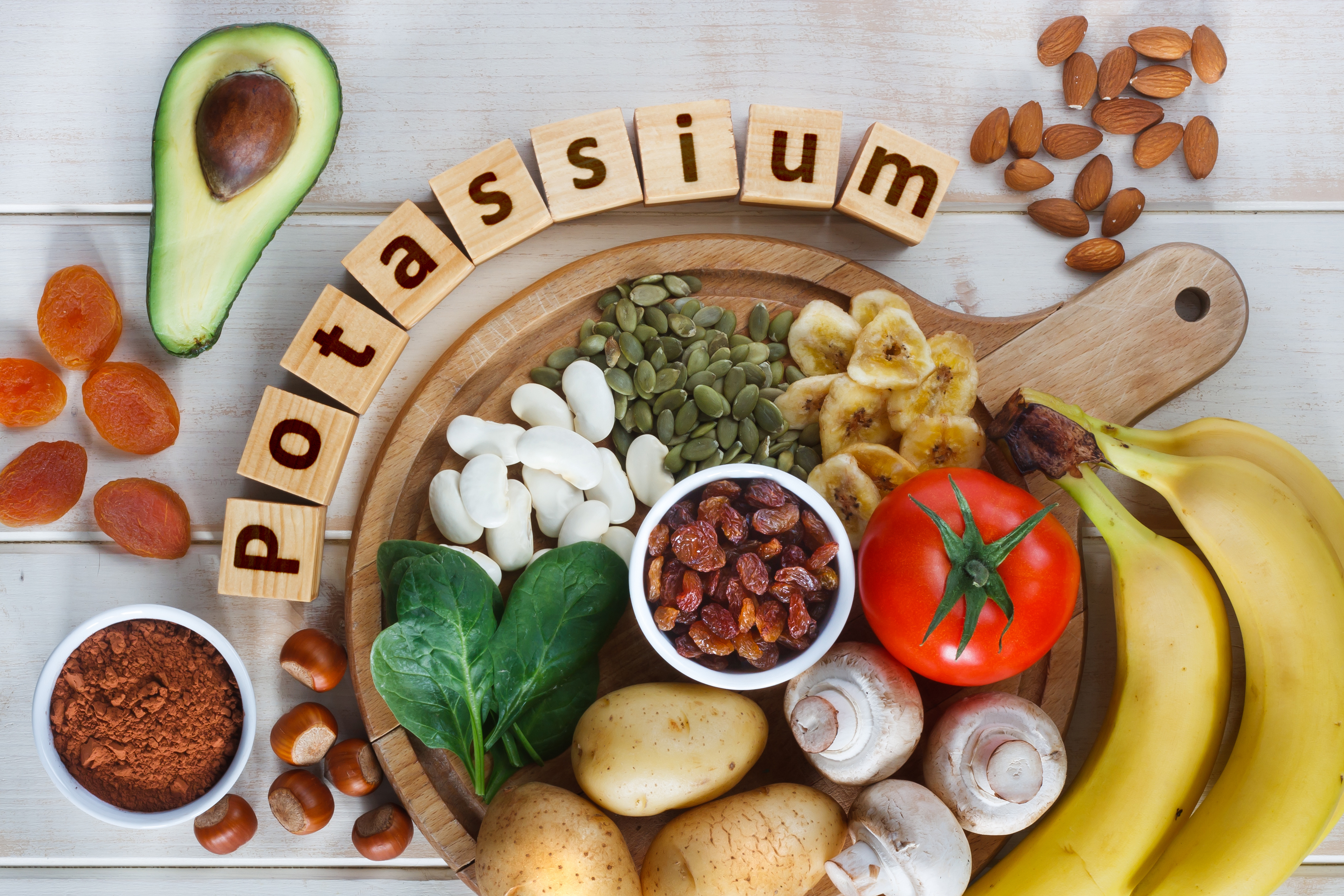
Here’s a link to a valuable article by Dr. Josh Axe on the “Top 10 Potassium Rich Foods.”
https://draxe.com/nutrition/top-10-potassium-rich-foods
Potassium has many health benefits and it is best gotten from foods, although supplements are also available. Potassium is one of the key natural remedies as it supports bone and muscle strength, as well as a healthy heart and good blood pressure. It is the third most abundant mineral in the body.
Enjoy eating those potassium rich foods!
__________________________________________________
This natural health news is shared by Nutrition Breakthroughs, a publisher of nutrition news and a supplier of natural remedies since 2002. Nutrition Breakthroughs makes Sleep Minerals II, the effective natural sleep aid with calcium, magnesium, zinc and vitamin D.
According to the National Sleep Foundation (NSF), almost six out of ten Americans report having insomnia and sleep problems at least a few nights a week.
Insomnia is defined as “An inability to fall asleep or remain asleep long enough to feel rested, especially when the problem continues over time.”
In an effort to combat this, as many as 25 percent of the people in the United States use medications to help them sleep.
Most sleeping pills can have multiple side effects, staying in the bloodstream and giving a hangover effect the next day and beyond.
They tend to be addictive, can increase the risk of car and work accidents and may impair one’s memory and performance on the job and at home.
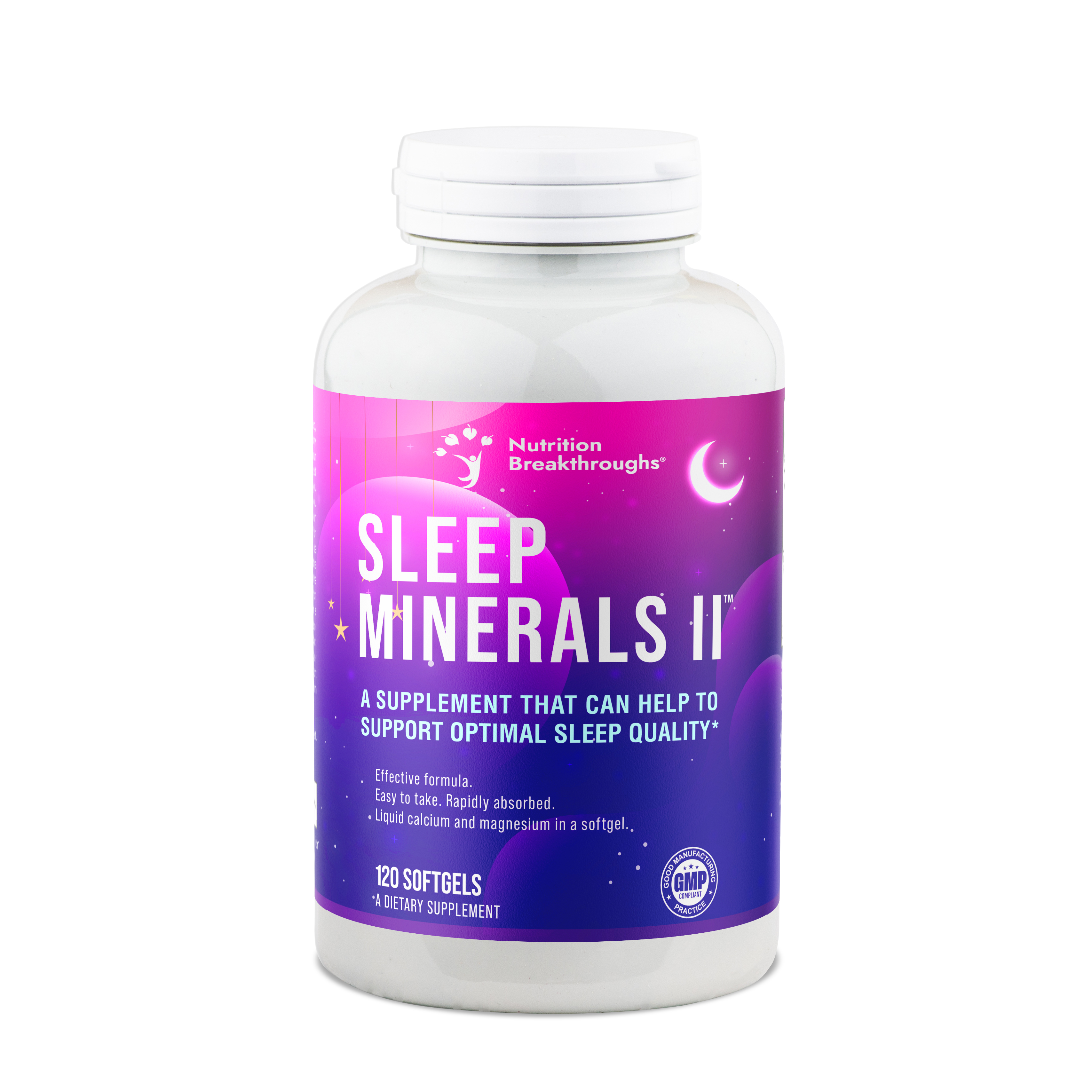
Sleep Minerals II is the original drug-free calcium and magnesium based sleep aid. The minerals are uniquely formulated in a softgel with natural oils, making them highly absorbable. The product soothes insomnia and helps everyone from older adults, to teenagers, to women with menopause symptoms, to get a good night’s sleep. It also calms restless leg syndrome.
James F. Balch, M.D., author of “Prescription for Nutritional Healing,” writes: “A lack of the nutrients calcium and magnesium will cause you to wake up after a few hours and not be able to return to sleep.”
Alex R. of Ramseur, North Carolina shares his review and says: “Sleep Minerals II has been a blessing for me. It has given me the opportunity to withdraw from a highly addictive sleep medication over time, and has allowed me to sleep while going through this most difficult ordeal. What’s great about it is it doesn’t lose its effectiveness, which is something that happens with medications. I am most thankful for this product.”
Chris M. of the United Kingdom says: “I take one softgel of Sleep Minerals II before bed every night and within 20 minutes I am asleep. The difference in the quality of my sleep and the ease with which I get to sleep using this product is monumental. I have stopped obsessing about sleep or dreading bedtime — I just take a softgel and drift off. If I stop taking them, within a week my sleep starts to lighten in quality, the amount of my sleep diminishes, and my old insomniac patterns reappear.”
Richard P. of Parkville, Maryland says: “The Sleep Minerals are making quite a difference. I was regularly waking at around 3:00 a.m. and after a few days use my sleep improved quite a lot. I wake once a night to go to the bathroom, but the great thing is; I then fall back asleep and sleep several more hours. This has been a great improvement.”
Sadie D. from The Netherlands says: “I am ever so grateful that I discovered Sleep Minerals II after suffering with premenopause and now the real menopausal insomnia. I felt like I was slowly losing my mind due to the continual lack of sleep. I can’t express the relief of getting a good night’s sleep and being able to function properly.”
For more information on Sleep Minerals II, visit this information page.
Jill C. of Ellensburg, Washington says: “My husband has been struggling with restless leg syndrome (RLS) his whole life. Coming back from a deployment in Iraq five years ago made his RLS become magnificently worse, creating nightly insomnia. He couldn’t sleep more than three to five hours unless taking an addictive prescribed narcotic, which he became tolerant to and the insomnia came back with no answers. Now he’s been taking Sleep Minerals II for a week and every night has had a great night’s sleep. We are thrilled.”
Tammy M. of Meridian, Idaho says: “I was plagued with insomnia for five years and desperate for a breakthrough. Nothing has helped me more than the Sleep Minerals — I’m so sold on them I could go door to door promoting them. I’m 60 years old and have never slept so soundly. Thank you for making sleep a reality for so many people.”
This news is provided by Nutrition Breakthroughs. Since 2001 Nutrition Breakthroughs has provided natural health articles and effective natural remedies. Their mission is to provide nutritional supplements that get results and help people to avoid drugs and their side effects.
For more information on Sleep Minerals II, visit this information page.

A new study from a University in Taiwan has found that a daily glass of tomato juice slims the waist and reduces body fat and weight
Who would’ve known that the red coloring matter in tomatoes is one of the most powerful natural medicines in existence? The red color comes from a healthy plant chemical called lycopene. Lycopene is what makes the tomato a super-food — one that goes far beyond just providing something tasty to eat.
Lycopene has been shown in studies from the Journal of Nutrition to help protect against heart disease, lower cholesterol, and reduce inflammation for a stronger immune system. Interestingly, a new study has shown that the same traits of tomato juice that can cause these internal health improvements can also enhance one’s appearance by inducing a lower body weight and a thinner waistline.
There are unlimited health benefits from eating all kinds of vegetables and fruits including preventing diabetes, lowering the risk of all types of cancers, strengthening the heart, balancing hormones, smoothing the skin and increasing energy. They are nature’s finest natural remedies.
Lycopene gives the red color to watermelons, pink grapefruits and tomatoes. Spinach, corn and avocado contain the yellow and green shades supplied by lutein which supports good eye health. Grapes and blueberries contain the blue and purple pigments known to benefit everything from memory to arthritis.
The new study on tomato juice comes from the China Medical University in Taiwan. Researchers found that a daily glass of tomato juice taken by women for two months resulted in significantly decreased body fat and body weight, as well as a smaller waist circumference and lower cholesterol. The subjects continued with their normal diet and exercise and made no changes other than drinking one nine ounce glass of tomato juice each day.
The women were divided into two groups: Those that had a reduction in body fat from the tomato juice and those that didn’t. One point that was highlighted by the study is that regardless of whether there was a loss of body fat, the tomato juice still induced a reduction in waist circumference, lowered cholesterol levels, reduced inflammation, and increased lycopene levels in each person. Adding a simple glass of tomato juice daily can do wonders for one’s health.
This health news is provided by Nutrition Breakthroughs. Since 2001 Nutrition Breakthroughs has provided natural health articles and effective natural remedies. Their mission is to provide nutritional supplements that get results and help people to avoid drugs and their side effects.
Since 2009, their natural sleep remedy Sleep Minerals II has been keeping that promise by soothing even the worst insomnia with absorbable calcium and magnesium. It helps everyone from teenagers, to seniors, to women with menopause symptoms to get a good night’s sleep.
For more information on Sleep Minerals II visit this web site.

It has been said that all current drugs and medications are simply versions of herbs and foods that can be patented by the drug companies.
These herbs have been freely used throughout history for their healing benefits. The biggest jewel in the crown of all medicinal herbs is garlic. In earlier days, when antibiotics and other drugs weren’t in existence, the garlic clove stood in the place of the pharmaceutical industry for its large rainbow of potent health benefits.
Recent studies are confirming and substantiating the power of garlic. The ingredient in garlic that gives it its medicinal qualities is allicin. Garlic is also high in sulfur and the vitamins B6, C and B1. Garlic was once known as “Russian Penicillin” because of its ability to act as a natural antibiotic against bacteria, viruses, fungus and colds, as well as its ability to strengthen the body to prevent overall disease.
1. Garlic Prevents the Common Cold – “Advances in Therapy” Journal
This study included 146 people who received either a placebo or an allicin-containing garlic supplement for 12 weeks. The participants recorded any common cold symptoms and infections in a daily diary. At the end of the study, there were 63% less colds in the garlic group and they recovered much faster when infected – in an average of 1.5 days versus 5 days.
This research also showed that those taking the placebo were much more likely to get more than one cold over the treatment period. The researchers concluded that: “An allicin-containing supplement can prevent attack by the common cold virus.”
2. Garlic Gel for Recurrent Hair Loss – “Indian Journal of Dermatology”
In order to determine the effectiveness of a garlic gel applied to the scalp for recurrent hair loss, researchers divided the participants into two groups. One group used a garlic gel for three months and the other used a placebo. In addition, both groups used a steroid cream on the scalp. The size of the patches and overall state of the hair was recorded each month.
At the end of the study, very good responses were observed in the garlic group. The study showed that the use of a garlic gel significantly added to the therapeutic benefits from the steroid cream and that it’s an effective hair loss remedy.
3. Heavy Metals in the Body Detoxified by Garlic – “Basic Clinical Toxicology” Journal
Workers at a car battery industry with chronic lead poisoning were used in this study. The workers were split into two groups: One that received allicin from garlic three times a day and the other group received the drug d-penicillamine. At the end of the four week study, the symptoms of lead poisoning were examined. The researchers reported significant improvement in the garlic group including less irritability, fewer headaches, better tendon reflexes and lower blood pressure. None of these benefits were seen in the d-penicillamine group.
4. Dietary Garlic Prevents Hip Arthritis – “Musculoskeletal Disorders” Journal
1,000 healthy female twins participated in this study. The team of researchers recorded the details of the diets of the twins and compared these with x-ray images that showed the degree of osteoarthritis development in the hips, spine and knees.
Their discovery was that a high intake of vegetables and fruits, particularly those high in sulfur such as garlic and onions, resulted in lower signs of the beginnings of osteoarthritis in the hip.
Dr Frances Williams, lead author of the study from King’s College London, said: “…These findings may point the way towards future treatments and prevention of hip osteoarthritis.”
5. Aged Garlic Extract Lowers Blood Pressure – “Maturitas” (the European Menopause Journal)
This study followed 50 patients over a 12 week treatment period. The patients were being treated with medication for high blood pressure, but it remained high and uncontrolled. The results showed that an aged garlic extract was effective in lowering blood pressure for patients with uncontrolled hypertension.
6. Garlic Enhances Exercise Tolerance – “Indian Journal of Physiology”
In a study of 30 patients with heart disease, treadmill tests were to examine their exercise capacity. After the initial test, they were given garlic oil capsules daily for six weeks. When the test was repeated, it was shown that the garlic had greatly improved their heart rate at peak exercise and had also reduced the work load on the heart. This gave the patients better exercise tolerance and ability.
7. Garlic Lowers Risk of Lung Cancer by 44% – “Cancer Prevention Research”
In this 7-year long study, researchers at a medical center in China interviewed 1,424 lung cancer patients and also 4,543 healthy people. They were asked questions about their diet, smoking and how often they ate garlic. Raw garlic consumption of 2 times or more per week was found to be associated with a 44% prevention of lung cancer. For those in the study who smoked, the risk of lung cancer was still reduced by about 30% for those who ate the raw garlic.
How to Take Garlic
Garlic is best eaten raw. Some tasty ways to receive the benefits of garlic include adding it to homemade salsa, guacamole, salad dressings, pasta sauce, in mashed potatoes, and mixed with butter and then spread on bread. It can also be added to vegetable smoothies and hot vegetable dishes.
If raw garlic causes any stomach upset, there are many garlic supplements available that contain good amounts of allicin.
This health news is shared with you by Nutrition Breakthroughs, a provider of nutrition articles and effective natural remedies since 2001. Nutrition Breakthroughs makes the original calcium and magnesium based natural sleep remedy Sleep Minerals II, as well as Joints and More, the natural solution for joint relief, aches and pains and stronger hair and nails.

Here are five easy ways to keep your lymphatic and immune system in good shape. The thing about these five recommendations is that they will help and support many other areas of your body as well, including organ health, clear thinking and better sleep.
This health news is shared with you by Nutrition Breakthroughs, maker of the effective natural sleep aid Sleep Minerals II, and the natural solution for joint relief, allergies, pain relief and increased energy, Joints and More.
Is magnesium better than melatonin for sleep? Magnesium has many benefits for good health, one of them being its action as an effective natural sleep aid.
Melatonin supplements are also used as a sleep remedy. These two ingredients have different qualities, different health effects, and different possible side effects.
James F. Balch, M.D., author of Prescription for Nutritional Healing, writes: “A lack of the nutrients magnesium and calcium will cause you to wake up after a few hours and not be able to return to sleep.”
In contrast with mineral supplements, melatonin is a hormone which is produced by the pineal gland, located in the center of the brain. At night or in the dark, the pineal gland naturally releases melatonin to regulate the sleep cycle.
The body produces less melatonin with advancing age and while melatonin doesn’t require a prescription, it’s a potent hormone. It can help with sleeplessness. If too much is taken, it can result in grogginess, dizziness, stomach cramps and make it more difficult to wake up in the morning.
Is it better to take magnesium at night? One of the main symptoms of magnesium deficiency is chronic insomnia, accompanied with with frequent nighttime awakenings. On the other hand, a high magnesium diet has been found to be associated with deeper, less interrupted sleep.
This is per a study done by James Penland at the Human Nutrition Research Center in North Dakota. Another study from the Human Nutrition Research Center found that a magnesium citrate supplement increased sleep quality in adults aged 51 to 85.
Magnesium has hundreds of health effects in the body. According to the University of Maryland Medical Center web site, inadequate magnesium appears to reduce serotonin levels in the brain. One study found that magnesium was just as effective as an antidepressant drug in treating depression.
In addition, researchers at Stockholm’s Karolinska Institute reported that for every 100 milligram increase in magnesium intake, the risk of developing type-2 diabetes decreased by 15 per cent. Other studies have shown that people with migraine headaches have low concentrations of magnesium in their body.
Mildred Seelig, M.D., the leading medical researcher on magnesium says: “Many people needlessly suffer pain – including … migraines and muscle cramps – because they don’t get enough magnesium.”
Which form of magnesium is best for sleep? A recent study on magnesium for sleep came from the University of Medical Sciences in Iran. Its subjects were 46 older adults, aged 60 to 75, who were experiencing insomnia. However, it’s interesting to note that the researchers recommend their results be extended to all ages of the general population as helpful advice.
In the University study, the subjects were divided into two groups. One group received placebos, while the other received magnesium oxide tablets twice a day (250 milligrams each) for eight weeks.
In the group that was given magnesium, the subjects experienced significant increases in sleep time and sleep efficiency (which is the time spent in bed vs the time spent sleeping). They also had less night time interruptions and fewer early morning awakenings. Magnesium citrate is another form that has been proven helpful for better sleep.
One possible side effect from taking too much magnesium is that the bowels may become too loose or stomach discomfort can occur — at which point less can be taken. If this side effect happens, magnesium should be taken with a full meal or a healthy snack.
Another important nutritional tip that can help to avoid any deficiencies is to balance magnesium with calcium and vitamin D rather than taking it alone. The recommended ratio is 2 to 1 or twice as much calcium as magnesium.
According to the Mayo Clinic, possible side effects of melatonin include stomach cramps, anxiety, irritability, confusion and short-term depression. Melatonin supplements can interact with various medications such as blood-thinning medications, medications that suppress the immune system, diabetes medications and birth control pills. Prolonged use may also inhibit the body’s own natural ability to produce melatonin.
This health news is brought to you by Nutrition Breakthroughs and their natural sleep aid Sleep Minerals II. Sleep Minerals II is the original magnesium and calcium based remedy and is known for soothing even the worst, long-term insomnia. It also contains vitamin D and zinc and helps everyone from teenagers, to women with menopause symptoms, to older seniors, to get a good night’s sleep.
Richard P. of Parkville, Maryland says: “The Sleep Minerals are making quite a difference. I was regularly waking up at around 3:00 a.m. and after a few days use my sleep improved quite a lot. I wake up once a night to go to the bathroom, but the great thing is, I then fall back asleep and sleep several more hours. This has been a great improvement.”
Tammy M. of Meridian, Idaho says: “I was plagued with insomnia for five years and desperate for a breakthrough. Nothing has helped me more than Sleep Minerals. I’m so sold on them I could go door to door promoting them. I’m 60 years old and have never slept so soundly.”
For more information, visit Sleep Minerals II.

By Forrest H. Nielsen, U.S. Dept of Agriculture, Human Nutrition Research Center
Magnesium is the fourth most abundant mineral element in the human body, following calcium, sodium and potassium. Magnesium enables many biochemical reactions necessary for life. However, much attention has been directed recently towards another role of this element: The movement of (small particles) of calcium and potassium, as well as (other) molecules across nerve cell membranes.
These roles are important for nerve conduction, muscle contraction, blood vessel relaxation and tensing and thus blood pressure, and a normal heart beat. Epidemiological (studies of populations) findings and supplementation trials show that people’s magnesium status is associated with the severity and frequency of migraine headaches, some forms of heart attacks, high blood pressure, sleep disorders and mood disturbances. Carefully controlled human studies at the Grand Forks Human Nutrition Research Center and elsewhere are being done to conclusively show that inadequate magnesium intake can result in these maladies.
For instance, in studies on women past menopause at the Grand Forks Human Nutrition Research Center, we found that a low magnesium diet resulted in heart rhythm changes, which were halted by a diet providing about 300 mg of magnesium daily. In a much more severe form, some of these changes in heart rhythm or beat can result in heart muscle contractions that do not move blood throughout the body and lead to death. So magnesium is definitely needed for a healthy heart.
The same studies also showed that a diet inadequate in magnesium caused changes in brain waves–electrical activity in the brain–when women were at rest. Other researchers have found in both human and animal studies that magnesium deficiency results in sleep disturbances, such as agitated sleep and frequent periods of awakenings. This has been related to changes in electrical activity in the brain. It looks like magnesium is important for a good night’s sleep.
Studies show that about half of migraine headache sufferers have a low amount of ionized (particles of) magnesium in the blood, which suggests a low magnesium status. And magnesium supplementation reduces the number and duration of migraines, including menstrual migraines, in some people. The findings suggest that too little magnesium can worsen the suffering from migraine headaches.
The Food and Nutrition Board of the National Academy of Sciences recently provided new recommended intakes for magnesium. The Dietary Reference Intake, or DRI, is the new term for Recommended Dietary Allowance (RDA). For magnesium, the DRI is 400 milligrams per day for men aged 19 to 30 years, and 420 milligrams per day for males over age 30. The DRI is 310 milligrams per day for women aged 19 to 30 years and 320 milligrams per day for women over age 30.
Dietary surveys show that the diet of many Americans does not consistently provide the DRI for magnesium. Older people are especially prone to consuming a diet inadequate in magnesium. Good sources of magnesium are leafy vegetables, nuts, skim milk and whole grains.
Comment from the blog author Nutrition Breakthroughs:
Chronic insomnia is one of the main symptoms of magnesium deficiency. Sleep in magnesium deficiency is usually agitated with frequent nighttime awakenings. On the other hand, a high magnesium diet has been found to be associated with deeper, less interrupted sleep. This was proven in a study done by James Penland at the Human Nutrition Research Center in North Dakota. The study was titled “Effects of trace element nutrition on sleep patterns in adult
women.”
Sleep Minerals II is a natural sleep remedy from Nutrition Breakthroughs that contains highly absorbable forms of calcium and magnesium, the best minerals for sleeplessness and insomnia, as well as for heart health, restless legs syndrome, bone strength and menopause insomnia. The formula also includes vitamin D and zinc and is delivered in a softgel form with healthy carrier oils, making it more fully absorbable and fastger-acting than tablets or capsules. The oils help the ingredients to provide a deeper, longer-lasting sleep.
Valerie H. of Santa Clarita, California says: “I had such severe menopause insomnia it took me hours to fall asleep even though I was extremely tired. My legs also had crawling and tingling feelings at night. I got the Sleep Minerals and after a few days, it started to work really well. I fall asleep now within 20 minutes and no more restless legs.”
For more information, visit Sleep Minerals II.
Source: Human Nutrition Research Center: http://www.ars.usda.gov/

There’s nothing like the feeling of crisp, fresh water as it slides down your throat, cooling you off on a hot day, or the invigoration of a shower first thing in the morning.
Water makes up an amazing two-thirds of our body mass and is vital to many aspects of our health. Inside the body, water acts to stabilize body temperature and it takes part in digestion, blood circulation, absorption and use of nutrients, building new tissue, lubricating the joints and nervous system, and carrying wastes out of the body.
We lose an average of 3 quarts of water a day through perspiration and elimination, and up to 10 quarts daily with strenuous exercise or in desert climates. Water must be frequently replaced to prevent dehydration.
Despite the critical role water plays in our health, the Environmental Protection Agency warns that dozens of substances contained in public drinking water can cause cancer and other illness (1). Rain falls through polluted air containing bacteria, smoke, and chemicals. Our soils contain pesticides, herbicides (weed killers), fertilizers, and many other chemicals that wash into the rivers, lakes and streams — the primary sources of our tap water. Radioactive wastes and poisons from factories (arsenic, etc.) are poured into water supplies.
Chlorine is universally added to public drinking water as a disinfectant. Drinking chlorinated water has been found to promote colon cancer, liver cancer, and breast cancer, according to the British Medical Journal “The Lancet”. In studies of public drinking water, the cancer risk increased in direct proportion to the amount of water consumed (2).
Sewage systems and animal waste runoff are sources of bacteria and viruses that are introduced into tap water. In 1993, the town of Milwaukee, Wisconsin suffered an outbreak of intestinal disease caused by infected water. The purification methods there failed to eliminate the eggs of the Cryptosporidium bacteria, which leaked into the water supply from fecal matter at an upstream dairy farm (3).
Fluoride is frequently added to city tap water. The largest study ever done on the effect of fluoride on dental cavities took place in India over the course of 30 years. After much study, the researchers concluded that cavities are actually caused by a high fluoride intake from drinking water and a low consumption of dietary calcium (5). Fluoride can also contribute to hip fractures in older women and men. Elderly people, and those with heart and kidney problems, are unusually susceptible to the toxic effects of fluoride (6).
Showering
New research has uncovered that drinking polluted tap water is far from the only way people are exposed to dangerous substances. According to New Scientist Magazine, taking long hot showers is a serious health risk. During the shower, the chemicals evaporate out of the water and are inhaled into the lungs and absorbed through the skin. This delivers up to 100 times more chlorine to the person than if they drank the water — and directly into the bloodstream (7).
Pure Water
Water filters, purifiers and distillers are available for the home that can turn toxin-filled tap water into healthy water for drinking and bathing. Shower and bath filters generally do a good job of removing pollutants from the water, and good kitchen models are available for the countertop, under the sink, and refrigerator.
Look for kitchen filters that are certified by NSF International (The National Sanitation Foundation) or that meet EPA (Environmental Protection Agency) standards. Choose a shower filter based on how many gallons of water it can clean.
Raw fruits and vegetables are especially good sources of chemically pure water, which is 100 percent pure hydrogen and oxygen. Plants “distill” the water they consume and convert inorganic minerals from the environment into organic minerals, which our bodies can better assimilate (8). Because tap water only contains minimal amounts of minerals, it should not be used as one’s primary source of minerals.
A good supplement should be taken that provides a full spectrum of minerals from a plant-based source. Especially if you drink distilled water, which has had all of the minerals removed from it. Keep pure water with you at all times and drink at least 8 glasses of it each day. Also include raw fruits and vegetables in your diet for the pure water they contain.
Protect yourself and your family from toxic water, and supply your body with the clean, pure water it deserves — both inside and out.
This health information is brought to you by Nutrition Breakthroughs, maker of the effective natural sleep aid Sleep Minerals II, and the natural remedy for joint relief, allergy and asthma, and increased energy – Joints and More.
To your good health.
Jobee Knight
Nutrition Breakthroughs
A short glossary of water terms:
GAC: Granulated activated carbon filter
KDF: A filtering medium by KDF Fluid Treatment, Inc. that removes contaminants.
MCL: Maximum contaminant level
PCB’s: Polychlorinated Biphenyls — A highly toxic pesticide made from chlorine
PPB: Parts per billion
PPM: Parts per million
THM’s: Trichlorethanes — Cancer-causing byproducts of chlorine
VOC: Volatile Organic Compound
REFERENCES:
1. Drinking Water Standards and Health Advisories, Office of Water, U.S. Environmental Protection Agency, Wash, D.C., Summer 2000
2. Lancet, 5 December 98, Volume 352, Number 9143 and Lancet 23 August 97, Volume 350, Number 9077
3. American Museum of Natural History: Epidemic, 1993: Cryptosporidiosis In Milwaukee
4. Effect of monochloramine disinfection of municipal drinking water on risk of nosocomial Legionnaires’
disease, The Lancet, Volume 353, Number 9149, 23 January 1999
5. Teotia SPS, Teotia M, Dental caries: a disorder of high fluoride and low dietary calcium interactions (30 years
of personal research), Fluoride, 1994 April, 27:2, 59-66
6. Agency for Toxic Substances and Disease Registry (ATSDR). Toxicological Profile for Fluorides, Hydrogen Fluoride, and Fluorine. US Department of Health and Human Services, Public Health Service. 1991; ATSDR/TP-91/17.
7. New Scientist Magazine, 18 Sept. 1986
8. Nutrition Almanac, McGraw-Hill Books
 News on Natural Remedies, Good Sleep and Good Health