News on Natural Remedies, Good Sleep and Good Health

Posts Tagged ‘natural remedies

magnesium and menopauseThe North American Menopause Society writes that menopause is a normal, natural event, defined as the occurrence of the final menstrual period.  It takes place on average, around the age of 51.  Regarding the vital role of magnesium, the University of Maryland Medical Center says that magnesium levels in the body tend to decrease during menopause due to the lowered levels of estrogen.

Restoring magnesium to a healthy level can not only help to reduce menopause symptoms such as insomnia, hot flashes, depression, osteoporosis and anxiety, but it can also help to increase the health of a woman’s organs and her overall health.  Magnesium is one of the most vital minerals and is involved in over 300 functions in the body.

Mark Hyman M.D. says: Think of magnesium as the relaxation mineral. Anything that is tight, irritable, crampy, and stiff — whether it is a body part or an even a mood — is a sign of magnesium deficiency. It is an antidote to stress…and it can help improve your sleep.”

In a study from the University of Medical Sciences in Iran, research was done with 46 adults who were experiencing insomnia.  Taking two magnesium oxide tablets twice a day resulted in significant increases in sleep time and reduced cortisol levels in the body, which is a stress hormone made by the adrenal glands that can keep one awake.

In another research study from the Human Nutrition Research Center of the U.S. Dept. of Agriculture, scientists found that a high magnesium diet is associated with deeper, less interrupted sleep.  The best magnesium-rich foods to eat include dark leafy greens (spinach, chard), nuts and seeds (particularly pumpkin seeds), fish, avocado and fruit.  Bananas and figs are good sources.

Hot flashes and night sweats are the most common complaints in the pre-menopause and menopause time.  Mineral supplements such as magnesium and calcium have been shown to remedy these and provide relief.  One example is a study from the Virginia Commonwealth University Health System.  Women with at least 14 hot flashes a week received 400 milligrams of magnesium oxide for 4 weeks, increasing to 800 mg. per day if needed.

At the end of the study, the magnesium supplements had reduced their frequency of hot flashes from 52 to 28 per week, a 41.4% reduction.  Fatigue, sweating, and distress were also significantly reduced.

The women participating in the study were breast cancer survivors, thus they were unable to take the usual hot flash medications that have estrogenic activity such as hormone replacement or soy supplements.  Many women, breast cancer survivors or not, prefer to take a non estrogen-active natural remedy for hot flashes and night sweats, and the researchers concluded that magnesium appears to safely reduce hot flashes, with few side effects and at minimal cost.

Women after menopause may find themselves with thinner bones, osteoporosis and a larger waistline.  One recent study from Spain involved a study of 78 post menopausal women aged 44 to 76.  The researchers sought to discover a relationship between magnesium deficiency and a risk for obesity and osteoporosis after menopause.  Blood tests were taken to determine their magnesium levels.  The scientists found that magnesium consumption (from magnesium-rich sources) was insufficient in 36% of the women and that 72% had deficient levels of magnesium in their blood.

The study results found positive correlations between magnesium intake and a smaller waist.  Higher magnesium levels in the blood were also correlated with lower cholesterol levels. With 38% of the subjects in the study being overweight, the researchers noted the importance of postmenopausal women maintaining a good intake of magnesium in order to prevent deficiencies and degenerative physical conditions.

One supplement shown to be effective for insomnia and hot flashes is Sleep Minerals II from Nutrition Breakthroughs.  This formula contains highly absorbable magnesium and calcium, the best minerals for sleeplessness and insomnia, as well as for menopause insomnia, heart health, restless legs syndrome and bone strength.  It also includes vitamin D and zinc and is delivered in a softgel form with healthy carrier oils, making it more quickly absorbable than tablets or capsules and providing a deeper, longer-lasting sleep.

Anita L. of New Caney, Texas says: “I was having hot flashes every 30 minutes to an hour through the night and was so miserable.  After about two weeks of taking the Sleep Minerals, I noticed an incredible difference with my sleep.  I have much less interruption from flashes, I’m sleeping much better and I’m a lot more comfortable.”

Sadie D. from The Netherlands says: “I am ever so grateful that I discovered Sleep Minerals II after suffering with premenopause and now the real menopausal insomnia.  I felt like I was slowly losing my mind due to the continual lack of sleep.  I can’t express the relief of getting a good night’s sleep and being able to function properly.”

A healthy plan is to make good use of magnesium-rich foods and supplements for effective, natural relief of menopause symptoms.

This natural health news is provided by Nutrition Breakthroughs, a publisher of nutrition articles and supplier of effective natural remedies since 2001. Nutrition breakthroughs makes Sleep Minerals II, the effective natural sleep aid with calcium, magnesium, zinc and vitamin D, and also Joints and More, the natural solution for joint relief, aches and pains, stronger hair and nails and more energy.


Article source: http://www.nutritionbreakthroughs.com/blog/2016/08/28/magnesium-and-menopause-proven-for-insomnia-and-hot-flashes/

laxative foodsIt can make a person feel so healthy and energetic to have smooth digestion and elimination, and it can feel equally as bad to experience an upset stomach, constipation or diarrhea.

With infrequent bowel movements, the digestive tract can retain a large quantity of toxic material that can accumulate over time and contribute to many chronic health problems and conditions. Nature has provided us with some time-tested and research-supported laxative foods that not only relieve constipation but also deliver many additional health benefits.

One of these foods is flaxseed, which has been proven to have a dual effectiveness for both constipation and diarrhea.  The study on flaxseed comes from the Natural Products Research Division of the Aga Khan Medical College in Pakistan.  Flaxseed oil and its gel-like fiber was given orally to people and it caused a dose-dependent increase in looser bowel movements – meaning that the higher the dose, the more effective it was. Flaxseed is also an effective remedy for hot flashes, other menopause symptoms and high cholesterol.

When studied for its anti-diarrheal effect, flaxseed oil reduced diarrhea by 50%, when it was induced by giving castor-oil.  This effect was discovered to be from the ability of flaxseed oil to prevent low potassium levels.  The researchers confirmed the medicinal use of flaxseed for both constipation and diarrhea, with a sound basis for both.

Aloe vera leaves are commonly used as a remedy for constipation and the laxative effect of their plant chemicals is well-proven.  In one study of 28 adults, aloe vera had a laxative response that was stronger than a stimulant called phenolphthalein.  The German Commission E, which is a governmental regulatory agency that has evaluated the usefulness of 300 different herbs, has approved aloe vera laxative preparations for use as a constipation treatment.  Aloe vera is also rich and vitamins and minerals and it enhances dental health when used as a mouthwash, heals canker sores and helps heal burns.

The stomach-friendly bacteria in yogurt known as “probiotics,” have been increasingly researched as a remedy for constipation.  Scientists from the School of Medicine at King’s College in London reviewed 14 studies involving 1,182 participants. The consensus of the studies is that certain strains of probiotics from supplements can speed up the movement of food through the intestines and it increase stool frequency.  Probiotics are widely available in supplements, yogurts (unsweetened is best), and foods such as sauerkraut and pickles. Probiotics are also known to strengthen immunity and encourage healthy skin.

Magnesium is a long-time, traditional and effective cure for constipation. A recent study from the European Journal of Clinical Nutrition confirmed this by their study of magnesium in 3,835 women in Japan — 26% of which had constipation.  The researchers found that low magnesium intake was associated with an increase in constipation. They also discovered that dietary fiber intake, intake of water, or water from other fluids were not associated with constipation. However, low intake of water from foods was definitely related to constipation.  The foods highest in water content include vegetables and fruits, and these are a great assistance for achieving smooth stomach health.  Magnesium is also a proven remedy for insomnia, heart health, bone strength and headaches.

This health news is provided by Nutrition Breakthroughs, a publisher of nutrition articles and supplier of effective natural remedies since 2002.  Nutrition Breakthroughs makes the original calcium and magnesium based natural sleep aid Sleep Minerals II, as well as Joints and More, the natural solution for joint relief, aches and pains, stronger hair and nails, and more energy.


Article source: http://www.nutritionbreakthroughs.com/blog/2016/04/24/best-laxative-foods-studies-on-flaxseed-aloe-vera-yogurt-magnesium/

health benefits of gingerGinger is not only a spice that has been used for centuries by Asian and Indian cultures; it is also one of the most effective medicinal foods in existence.

Ginger has a warm, mildly spicy flavor and is used as tea, as a seasoning for seafood and stir-fry dishes, as a powder for nutritional supplements, and as a spice for sauces and baked goods.

New studies are confirming what has been known about ginger for over 5,000 years – It remedies nausea, arthritis, migraines, premenstrual syndrome and upset stomach, and enhances brain function and memory.

Ginger for Nausea

A British Medical Journal did a review of several studies that were done on the benefits of ginger for nausea and vomiting. The researchers found that the studies on ginger for seasickness, morning sickness and chemotherapy-induced nausea, showed positive results for ginger and found it effective.

Relief of Premenstrual Syndrome from Ginger

For women with PMS, scientists at the University of Medical Sciences in Tehran, Iran compared ginger capsules with two different kinds of anti-inflammatory drugs. 150 women participated and they were divided into three groups. Those in the ginger group took 250 mg. capsules of ginger root powder. Members of the other groups received the anti-inflammatory drugs (mefenamic acid or ibuprofen capsules).

The women’s severity of symptoms, pain relief, and satisfaction with the treatment were compared between the groups after one menstrual period.  At the end of the five-month study, ginger was shown to be as effective as the drugs with relieving pain and providing relief.

Ginger for Enhanced Cognitive Abilities (reasoning, thinking and remembering)

The Journal of Evidence-Based Complementary and Alternative Medicine published a study aimed at determining the effect of ginger extract on the cognitive function of 60 healthy middle-aged women. After taking either a placebo or ginger throughout the study period, the women were evaluated with a series of tests that reviewed their working memory, decision making ability and other mental functions.

They discovered that the ginger group had increased mental abilities and enhanced working memory and that ginger is an effective cognitive enhancer for middle-aged women.

Ginger for Arthritis

Arthritis causes pain, swelling, and reduced motion in joints. It can occur in any joint, but usually it affects hands, knees, hips or spine.

Osteoarthritis breaks down the cartilage in the joints. Cartilage is the slippery tissue that covers the ends of bones in a joint.  Healthy cartilage absorbs the shock of movement, but when cartilage is lost, the bones rub together which can damage the joint.

Rheumatoid arthritis is an autoimmune disease, which means the arthritis results from the immune system attacking the body’s own tissues.  It can affect body parts besides the joints, such as the eyes, mouth and lungs.

A recent study published in the journal “Arthritis” found that a standardized ginger extract is as effective as the anti-inflammatory drug betamethasone for both types of arthritis, but without the many side effects the drug is known for (fluid accumulation, nausea, adrenal gland suppression, insomnia and depression).

To sum it all up, ginger is a true leader in the realm of medicinal herbs. To reap the wide variety of health benefits of using ginger, look for it in health food stores in the form of capsules, tablets or tea, or use it in cooking and baking.

This health news is provided by Nutrition Breakthroughs, a publisher of nutrition articles and supplier of effective natural remedies since 2002. Nutrition Breakthroughs makes the original calcium and magnesium based sleep aid Sleep Minerals II, as well as Joints and More, the natural solution for joint relief, aches and pains, stronger hair and nails and more energy.


Article source: http://www.nutritionbreakthroughs.com/blog/2015/12/28/the-many-health-benefits-of-ginger-revealed-in-studies/

adrenal fatigue The adrenal glands, also known as the “stress glands”, are a pair of vital organs about the size of a walnut that are nestled on top of each kidney. They provide life-giving hormones such as adrenalin, cortisol, estrogen and testosterone. New studies are showing natural vitamins and minerals that can support adrenal health.

Adrenaline is made in response to emotional or physical stress: It works to prepare the body for stress by increasing the heart rate and directing energy to the muscles.   Cortisol affects metabolism, immunity and blood sugar levels. The adrenals make many other hormones, including estrogen and testosterone, and in fact they take over the production of these after middle-age.

Too much or too little adrenal hormones can result in adrenal fatigue, muscle tension, irritability, poor focus, insomnia, depression, arthritis or blood sugar imbalances. Research studies are discovering that the B vitamins, vitamin C and magnesium have the ability to support adrenal function, overall health, and reduce the symptoms of stress.

B Vitamins

Vitamin B-5, also known as pantothenic acid, is used by the adrenal gland as a key component to manufacture its hormones and a deficiency of B-5 can result in impaired adrenal function. In a study from a Russian medical journal, the researchers examined the effects of vitamin B-5 and found that one single dose had a significant effect on the adrenals by increasing hormone production and gland functioning.

Folic acid (vitamin B-8) and cobalamin (vitamin B-12) have also been studied for their effects on adrenal health. To do this, researchers from the Dept. of Medicine in Lund Sweden injected cortisol into 30 healthy young males for only four days and found that their levels of B-8 and B-12 were significantly depleted.

These findings show that in the presence of excess stress hormones, B vitamins are removed from the body.  Foods and supplements high in B vitamins can reduce the effects of stress.

Because all the B vitamins work together as a team, it’s important to take a supplement that contains them all in a complex,  to avoid  creating deficiencies in any not taken.

The full B complex includes Vitamin B1 (thiamine), Vitamin B2 (riboflavin), Vitamin B3 (niacin or nicotinic acid), Vitamin B5 (pantothenic acid), Vitamin B6 (pyridoxine), Vitamin B7 (biotin), Vitamin B9 (folic acid) and Vitamin B12 (cobalamin).

Foods high in B complex vitamins include nuts, seeds, eggs, berries, meat, organ meat, fish, poultry, whole grains and leafy vegetables.

Vitamin C

The adrenal glands are “endocrine glands” – meaning one of those that produce hormones and put them directly into the bloodstream to be carried to target organs a distance away. From the journal “Endocrine Research” comes a review of vitamin C and its effects on adrenal function.

The researchers note that the highest amounts of vitamin C in the body are found in the adrenals and the vitamin is used to make all of the adrenal hormones. When one is faced with stress, vitamin C is rapidly used up to make cortisol.  From a review of cell culture studies and other research, they conclude that vitamin C deficiency creates lowered adrenal hormones; an inability to keep them stored, and impaired adrenal cell health. Vitamin C is another crucial one to take for adrenal health.

Magnesium

From the journal “Medical Hypotheses” comes an article called “Rapid Recovery from Major Depression Using Magnesium Treatment”. The writer notes that magnesium deficiency can be caused by eating processed foods, by the action of the stress hormones (which push magnesium out of the cells), and from consuming an improper ratio of calcium to magnesium in the diet. Case histories are mentioned that show recovery from major depression in less than seven days by using 125 mg. to 300 mg. of magnesium with each meal and at bedtime.

Moderate Exercise

A study from the journal “Expert Review of Endocrinology Metabolism” reviewed the role of exercise as a modifier of stress. The study notes that emotional, environmental and other stresses can have long lasting ill effects on one’s health, and that regular amounts of moderate daily exercise (in combination with good nutrition) can enhance and improve the treatment of stress-related health problems. Because fatigue goes along with adrenal issues, it’s best to pick those times during the day when one’s energy is at high points to do some exercise.

General Adrenal Health Tips

Some good general tips for supporting the adrenals would be to reduce sugars, desserts, fast foods, caffeine, unhealthy oils and fried foods in the diet. Focus on salads, vegetables and healthy proteins like fish, turkey and grass-fed beef. Include oils like olive oil, coconut oil, flax oil, walnuts, pecans, pumpkin seeds and avocados. Get some time outside in the sun each day and do some walking or other moderate exercise daily.

This health news is shared with you by Nutrition Breakthroughs, a provider of nutrition articles and effective natural remedies since 2001. Nutrition Breakthroughs makes the original calcium and magnesium based natural sleep aid Sleep Minerals II. Because the minerals in Sleep Minerals II are in a highly absorbable softgel form, they also help with stress relief, relaxation, restless leg syndrome and more. For more information, visit the Sleep Minerals II page.


References: Rapid recovery from major depression using magnesium treatment – http://www.ncbi.nlm.nih.gov/pubmed/16542786

Vitamin C is an important cofactor for both adrenal cortex and adrenal medulla – http://www.ncbi.nlm.nih.gov/pubmed/15666839

Stress and the neuroendocrine system: the role of exercise as a stressor and modifier of stress – http://www.ncbi.nlm.nih.gov/pmc/articles/PMC2953272/

Pantothenic acid and adrenal function – http://www.altmedrev.com/publications/16/3/263.pdf

Article source: http://www.nutritionbreakthroughs.com/blog/2015/12/19/adrenal-fatigue-studies-show-promising-natural-remedies/

WalnutsWalnuts are perhaps the most famous tree nut of all and have been named the “Healthiest of All Nuts”. They are rich in plant-based fats and are a good source of the B-vitamins and many minerals. Even though walnuts are one of the easiest foods to eat, they are also a powerful weapon against chronic diseases. Walnuts can be eaten by the handful as a snack, or in salads, soups, vegetable dishes, baked goods or smoothies.

Due to their uniquely high amounts of healthy fats and potent plant chemicals, recent studies are publishing evidence that walnuts can reduce brain stress, lower cholesterol, increase fertility in men, reduce inflammation, lower the risk of diabetes, strengthen the immune system, and help with insomnia because of the natural melatonin they contain.

Supporting the claim that walnuts are the healthiest nut is a recent study from the journal “Food and Function”. The researchers evaluated nine types of raw and roasted nuts and they found walnuts to contain the highest levels and quality of antioxidants.

An “antioxidant” is a substance in foods or vitamins that neutralizes the harmful effects of oxygen in the body. These “oxidative” effects contribute to aging and disease and can be caused by an unhealthful diet, air pollution, smoking, and also the normal processes of digestion and metabolism. Eating just seven walnut halves per day can be enough to obtain its many health advantages.

English walnuts offer powerful benefits to brain health. A study called “Role of Walnuts in Maintaining Brain Health with Age” was published in the Journal of Nutrition. The researchers wrote that walnuts not only reduce the inflammatory load on brain cells, but they also improve communication and connection between the brain cells themselves – helping to maintain good brain health with increasing age.

For a healthy heart and long life, walnuts have been shown to decrease the risk of cardiovascular disease and also extend life spans in general. Walnuts contain the amino acid l-arginine, which offers protective benefits for the heart. A quarter cup of walnuts contains about 1,130 milligrams of l-arginine. The American Journal of Clinical Nutrition reviewed 13 heart studies and found that the people eating walnuts benefited from a significant decrease in overall cholesterol and had major benefits in the quantity of antioxidants available to them.

Walnuts have been proven to improve fertility and reproductive health. The medical journal “Biology of Reproduction” conducted a study of 117 healthy men and found that eating around a half-cup of walnuts each day produced an increase in healthy fats in the bloodstream and greatly improved the health and vitality of sperm.

Walnuts can be a good sleep inducing food.  Eating a handful of walnuts before bedtime may be a good way to soothe sleeplessness and insomnia. Russel Reiter, Ph.D., a professor of cellular biology at the University of Texas says, “Relatively few foods have been examined for their melatonin content. Our studies demonstrate that walnuts contain melatonin, that it is absorbed when it is eaten, and that it improves our ability to resist oxidative stress caused by toxic molecules. Walnuts also contain large amounts of omega-3 fatty acids, which have been shown to inhibit certain types of cancer and to keep the heart healthy.”

Eating some walnuts regularly can be a delicious and simple way to prevent disease and take advantage of their many health benefits.

This natural health news is shared by Nutrition Breakthroughs, a provider of nutrition articles and effective natural remedies since 2001. Nutrition Breakthroughs makes the effective natural sleep aid Sleep Minerals II, and Joints and More, the natural solution for joint relief, aches and pains, stronger hair and nails and more energy.

Many people who experience the pain of headaches or migraines are reaching out for natural remedies, as they would prefer to avoid taking drugs or medications.

A headache is defined as a continuous pain in the head, whether it’s a chronic daily tension headache caused by muscle contractions or it’s a full blown migraine. A migraine is a throbbing, pounding pain that can last from a few hours to a few days. It can come from sensitivity to noise or light and often has an aspect of nausea or stomach upset.

Aside from over the counter drugs or prescription medications, there are a number of natural headache remedies that have been shown in studies to be effective.  Here are some of the most studied ones.

B vitamins

In a study from Griffith University in Brisbane Australia, scientists studied 52 people diagnosed with migraines. They were split into two groups and one half received a daily dose of B vitamins that included 25 milligrams of B6, 2 milligrams of folic acid (vitamin B9), and 400 micrograms of B12,  After six months, there was a significant lessening of migraine disability and symptoms from 60% to 30%. No reduction was seen in the placebo group.

Cayenne

The powerful active ingredient in Cayenne pepper is known as capsaicin. It is known for its ability to remedy pain and inflammation. One study on capsaicin for headache relief was published in the Clinical Journal of Pain. The researchers noted that capsaicin inhibits Substance P in the body, which is a substance that helps transmit pain signals. Substance P is a part of what creates feelings of pain and capsaicin helps to remove it. The study found that when capsaicin was applied topically to the nasal passages, the participants found relief for headaches, whereas those taking the placebo didn’t. Capsaicin is available as a pill, skin cream or nasal spray.

Gluten free diet

In the quest for natural remedies for headaches, scientists have researched whether or not there’s a connection between migraine headaches and the gluten found in wheat, barley, rye and oats. Gluten is a protein-like substance that gives the dough from grains its elastic texture. One study from the journal “Neurology” discovered that eating a gluten-free diet brought relief from migraines to 9 out of 10 of the participants. This leads to the possibility that foods containing gluten can bring on headaches.

Magnesium

Studies have found that people with migraine headaches have low concentrations of magnesium in their body. The word “cephalalgia” literally means head pain or headache. In a German study of 81 migraine patients published in the journal “Cephalalgia”, 42 percent of the people taking oral magnesium reduced both the duration and intensity of their migraine attacks. They also reduced their reliance on medications to control migraines.

Natural headache remedies can be a good first defense against headaches and migraines and can help one avoid strong medications that can come with side effects.

This natural health news is shared with you by Nutrition Breakthroughs, a provider of nutrition articles and effective natural remedies since 2001. Nutrition Breakthroughs, makes the original calcium and magnesium based natural sleep aid Sleep Minerals II, as well as Joints and More, the natural solution for joint relief, aches and pains, stronger hair and nails and more energy.


Herbal remedies.Sage is a delicious herb used in cooking, particularly with poultry and pasta sauces, and it has a long history of use for medicinal purposes. It belongs to the mint family, along with oregano, rosemary and thyme.

It’s been used by herbalists to treat sore throats, strengthen the nervous system and improve brain function. The German Health Commission officially approved the use of sage for excessive sweating and one German study found sage to reduce excessive perspiration by 50%. Sage leaf is also a well-researched remedy for hot flashes and night sweats in menopause.

In a breakthrough study from Switzerland, researchers examined the use of a fresh sage preparation for treating hot flashes and other menopause symptoms in women. The women were an average age of 56, they were menopausal for at least 12 months, and they experienced 5 or more hot flashes per day. The women took a daily tablet of fresh sage leaves for 8 weeks.

The average number of hot flashes decreased considerably each week from week 1 to week 8. Mild hot flashes decreased by 46%, moderate flashes decreased by 62%, severe hot flashes decreased by 79%, and very severe ones decreased by 100%. The Swiss researchers concluded that fresh sage has great value in the treatment of hot flashes and other related menopause symptoms.

Italian scientists have also taken an interest in studying sage for women at menopause. They set out to study the effects of a combination of sage and alfalfa leaves on symptoms such as hot flashes, night sweats, insomnia, dizziness, headaches and heart palpitations.

The Italian study lasted for three months and followed thirty menopausal women who took a sage and alfalfa supplement daily. At the end of the study, hot flushes and night sweats had completely disappeared in twenty of them and the others had reduced symptoms – making the combination of sage and alfalfa an effective remedy for menopause discomforts.

The minerals calcium and magnesium have also been the subject of studies on hot flashes. One study from the Virginia University Health System found that magnesium supplements reduced hot flash frequency in women from 52 to 28 per week — a 41% reduction.

One natural sleep aid with benefits for hot flashes is Sleep Minerals II from Nutrition Breakthroughs. This softgel formula contains highly absorbable forms of calcium and magnesium, the best minerals for sleeplessness and insomnia, as well as for hot flashes, night sweats, heart health, restless legs syndrome, bone strength, teenage insomnia and menopause insomnia.

Anita L. of New Caney, Texas says: “I was having hot flashes every 30 minutes to an hour through the night and was so miserable. After about two weeks of taking the Sleep Minerals, I noticed an incredible difference with my sleep. I have much less interruption from flashes, I’m sleeping much better and I’m a lot more comfortable.”

Natural menopause remedies such as sage, alfalfa, calcium and magnesium are healthy options for women with hot flashes and insomnia. For more information on Sleep Minerals II visit this page.

magnesium sleepWhat qualities make magnesium such an essential mineral, required by the body for literally hundreds of its functions? One key feature of magnesium is that it’s a partner or “co-factor” with enzymes that allows them to do their work.

Enzymes are energized protein molecules that initiate chemical reactions inside the cells – orchestrating life’s processes in every organ, gland, tissue and cell.

Research studies are finding that magnesium affects over 300 processes in the body, relaxes muscles and nerves, and helps insomnia, hot flashes, heart health, bone strength, diabetes, migraine headaches and more.

According to the Human Nutrition Research Center of the U.S. Dept. of Agriculture, one of the main symptoms of magnesium deficiency is chronic insomnia, restless sleep and frequent awakenings during the night. In one of their studies, a diet high in magnesium contributed to deeper sleep with fewer interruptions.

Another study from the University of Medical Sciences in Iran was done with 46 adults who were experiencing insomnia. Two magnesium tablets twice a day (250 mg. each) resulted in significant increases in sleep time and reduced cortisol levels in the body, which is a stress hormone that can keep people awake.

Hot flashes and night sweats are common symptoms of premenopause and menopause. Regarding magnesium for menopause, a study was done at the Virginia University Health System. Women who experienced hot flashes many times per week received 400 milligrams of magnesium for 4 weeks — increasing to 800 milligrams per day if needed. At the end of the study, the magnesium supplements had reduced their frequency of hot flashes by half. Fatigue, sweating, and distress were also significantly reduced.

Magnesium is also magnificent for the heart. In a study from the American Journal of Clinical Nutrition, research scientists examined data from thousands of women over the course of a 26-year follow up period. The women who consumed the highest amounts of magnesium had a 34% reduced risk of sudden cardiac death. Another study from the journal “Circulation” found that magnesium supplements allow people with heart disease to exercise for longer times and it actually helps repair the ability of blood vessels to open up.

Supplements with well-absorbed forms of magnesium are becoming increasingly popular for those with insomnia. One of the more effective sleep aids is Sleep Minerals II from Nutrition Breakthroughs. It contains calcium and magnesium in combination with vitamin D and zinc. The minerals and vitamins are formulated in a softgel with healthy oils; creating a creamy paste inside that results in quick absorption and a deeper, longer-lasting sleep.

Kimberly B. of Troy, Michigan says: “I have been taking Sleep Minerals II for about a month now. I have tried everything out there and this supplement is amazing. I have suffered with insomnia for 2 1/2 years. I have also had restless leg syndrome my entire life and this is the first relief I’ve ever had…gone for a month now.”

Magnesium is one of the super-heroes of natural remedies. This health news is shared by Nutrition Breakthroughs, maker of the original calcium and magnesium based sleep aid Sleep Minerals II. For more information on the many benefits of magnesium and calcium, visit the Sleep Minerals II page.


Article source: http://www.nutritionbreakthroughs.com/blog/2015/08/14/proven-magnesium-benefits-for-insomnia-hot-flashes-heart-bones/

Fiber foods - top tenEating a high fiber diet is highly encouraged  by nutritionists and doctors, but what exactly is fiber and what are its benefits? Fiber or roughage is derived from the cell walls of plant foods. It cannot be digested or absorbed by the body.
Because fiber passes through the body undigested, it helps to keep the intestines clean, detoxifies the body and keeps the organs healthy.

Fiber foods like split peas, avocados, beans, oats, carrots, whole grains and nuts are good sources. Studies are showing health benefits for cholesterol, blood sugar, weight loss, digestive health and brain health.

Weight loss and fiber rich foods go together well. Researchers from the University of Massachusetts set out to show that simply eating more high fiber foods each day can be more effective than restricting foods in order to lose weight.

The participants were split into two groups — one that followed the eating plan suggested by the American Heart Association (including limiting calories, increasing fiber, and balancing fats, carbohydrates and proteins) and the other group which increased their fiber intake by 30 grams per day and changed nothing else.

The group that increased their fiber lost almost as much weight as the other group, with a simpler diet that’s easier to follow. The chart below provides some excellent examples of how to easily increase fiber in your diet.

According to WebMD, the fiber found in whole grains such as brown rice, nuts and vegetables are “Nature’s Laxatives”. For digestive and colon health, studies have shown that increasing dietary fiber can reduce the risk of colon cancer. Fiber acts to speed up the travel of food through the intestines and reduces the time that any toxic waste is in the body.

One research study published in an American health journal examined the relationship between a high-vegetable, high-fruit, low-fat diet and the occurrence of colon cancer. It found that the better the participants followed the high fiber plan, the lower their risk. In fact, the “super followers” had a thirty-five percent reduction in odds of the occurrence of colon cancer over the seven year trial.

Fiber can be a healthy component of brain health. One study on brain health was reported in the journal “Stroke”. A stroke is something that can occur if there is reduced oxygen-rich blood flow to the brain. Researchers in the United Kingdom analyzed seven studies having to do with fiber-rich diets and the effect on brain health. They discovered that for every seven grams more fiber a person eats each day, their first time risk of stroke goes down seven percent.

Seven grams of fiber can be found in three servings of fiber-rich foods such as whole grains, vegetables or fruits, and the study suggests that even just switching from white bread or pasta to whole grain versions of these can be of benefit.

Today is a great day to start adding as many high fiber foods as possible to each meal, for their delicious and healthful benefits.

This health news is shared by Nutrition Breakthroughs, a provider of nutrition articles and effective natural remedies since 2001. Nutrition Breakthroughs makes the original calcium and magnesium based natural sleep aid Sleep Minerals II, as well as Joints and More, the natural solution for joint relief, aches and pains, stronger hair and nails, and more energy.


Article source: http://www.nutritionbreakthroughs.com/blog/2015/10/31/the-top-high-fiber-foods-and-studies-on-health-benefits/

Hello,

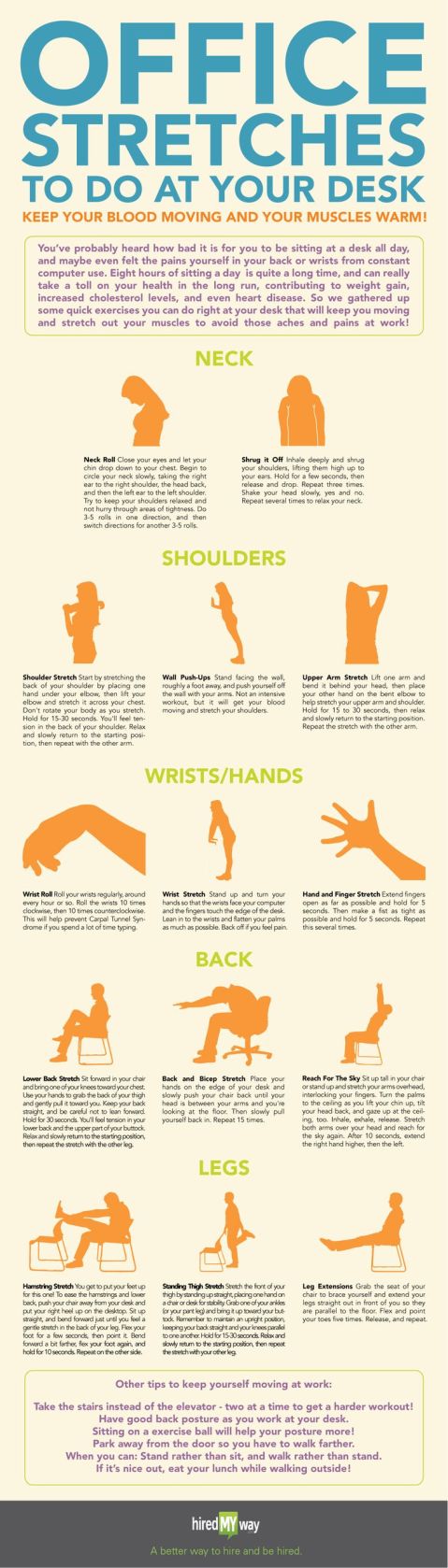
It’s Jobee Knight at Nutrition Breakthroughs.  I came across a useful chart of office stretches that can be done at one’s desk.  It may come in handy if you ever find yourself with stiffness, aches or low back pain.  Feel free to forward it on.

Best of health,

Jobee Knight
Nutrition Breakthroughs
Maker of Natural Sleep Remedies and Joint and Pain Relief products

stretches at deskShared by Nutrition Breakthroughs


Archives