News on Natural Remedies, Good Sleep and Good Health

Posts Tagged ‘magnesium sleep

vitamin e foodsA study from the journal “Oxidative Medicine and Cellular Longevity” has demonstrated that vitamin E can prevent and treat the loss of muscle mass and strength that occurs as people age.  This loss of muscle is known as “sarcopenia”.

Regarding the word “oxidative” that is included in the journal name, this refers to the process in our bodies where we process the oxygen we breathe in, and our cells produce energy from it.

This process can become imbalanced and create a state of “oxidative stress” if we don’t consume enough “anti” oxidants such as vitamins E, C and A.  Besides the body’s own natural metabolism functions, sources of oxidative stress can include pollution, medications or drugs, smoke, infection, stress, toxins, or a poor diet.

The researchers explain that vitamin E creates healthy muscles because a reduced level of vitamin E or a deficiency in the body is associated with an increased risk of muscle atrophy (shrinkage).  The vitamin can prevent muscle damage and encourage muscle regeneration.

Muscles in the body are particularly susceptible to oxidative damage as these are the site of the highest consumption of oxygen. Vitamin E is a fat soluble vitamin that greatly boosts cellular antioxidant capacity.  Because of this, vitamin E can be beneficial for preventing the effects of aging and for also treating infections, cardiovascular diseases, diabetes and neurological disorders.

Several studies have demonstrated an association between vitamin E levels and the amount of muscle strength or weakness.  One study in Italy was done with 1,156 participants between 65 years old and 102.  Knee extension strength tests showed that a daily intake of vitamin E is significantly related to a person’s total physical performance and strength.

Another group of scientists proved the beneficial effects of vitamin E in reversing muscle damage during extensive exercise in men.  The men took 800 units of Vitamin E daily for 28 days.  After a downhill run, their oxidative stress indicators were measured and were shown to be markedly reduced in both the older and younger men.

Vitamin E has many pathways by which it brings its beneficial health effects.  In addition to being a powerful antioxidant, it is also an effective anti-inflammatory vitamin.  It may halt the overall inflammation in the body by suppressing certain reactive cells of the immune system.  These inflammatory responses and cells have a direct affect on muscle strength and mass as well, so vitamin E does its good deeds in benefiting the muscles in this additional way.

Inactivity and immobility can lead to muscle wasting, so the researchers highly encourage low intensity exercises as an effective means to increase muscle strength and performance.  This may include walking, lifting light weights, doing squats, etc.  This also increases a person’s ability to balance and control the body well.  Combining a healthy diet with nutrition supplements and exercise is the most highly recommended approach to improved muscle strength.

Vitamin E has also been shown to ease arthritis pain and stiffness.  One study showed that pain parameters were significantly decreased after vitamin E treatment when compared with placebo.

This natural health news is provided by Nutrition Breakthroughs, a publisher of nutrition articles and supplier of natural remedies since 2002. Nutrition Breakthroughs makes Sleep Minerals II, the effective natural sleep aid with calcium, magnesium, zinc and vitamin D, and also Joints and More, the natural solution for joint relief, aches and pains, stronger hair and nails and more energy.


Article source: http://www.nutritionbreakthroughs.com/blog/2018/03/22/new-research-vitamin-e-prevents-muscle-loss-with-aging/

Tags: , , , , , , , , , , , , , , , , , , , , , , , , , , , , , , , , , , , , , , , , , , , , , , , , , , , , , , , , , , , , , , , , , , , , , , , , , , , , , , , , , , , , , , , , , , , , , , , , , , , , , , , , , , , ,

sleeping ladyThe National Sleep Foundation defines insomnia as difficulty with falling asleep, staying asleep, or both, especially when someone has the opportunity to do so.  The effects of insomnia include fatigue, low energy, decreased productivity at work and school, depression, and an increased chance of accidents.

Sleeping drugs are resorted to by up to 25% of the U.S. population, yet because of their strong side effects and next-day grogginess, many people are actively seeking natural remedies to calm insomnia and provide them with restful sleep.  The well-known sleep minerals calcium and magnesium are good examples of relaxing nutritional therapies for insomnia.

James F. Balch, M.D., author of Prescription for Nutritional Healing, writes: “A lack of the nutrients calcium and magnesium will cause you to wake up after a few hours and not be able to return to sleep.”  And Doctor William Sears writes: “Calcium helps the brain use the amino acid tryptophan to manufacture the sleep-inducing substance melatonin.”

Two interesting studies from the Journal of Advanced Nursing have emerged which show that listening to soothing music before bedtime is another effective way to reduce sleeping problems.  In the first study, 94 students between 19 and 28 years old with sleeping difficulties were divided into three groups. Group one listened to relaxing classical music for 45 minutes at bedtime.  Group two listened to an audio book, and group three made no changes to their bedtime routine.

The results showed that after the 3-week study period, classical music was proven to significantly improve sleep quality.  Symptoms of depression were reduced markedly.  There were no improvements in sleep in the other two groups.

The second study took place in Taiwan with 60 adults between the ages of 60 and 83.  They were divided into two groups.  Half of the participants were allowed to listen to their choice of music from among several different sedative music tapes at bedtime.  At the end of the study, the group listening to the music experienced longer sleep duration, less night time awakenings, better perceived sleep quality and fewer daytime symptoms of insomnia.

The researchers noted that music can decrease anxiety and blood pressure and can cause its positive effects on sleep due to muscle relaxation and providing a distraction from repeated thoughts.

This natural health news is provided by Nutrition Breakthroughs, a publisher of nutrition articles and supplier of natural remedies since 2002. Nutrition Breakthroughs makes Sleep Minerals II, the effective natural sleep aid with calcium, magnesium, zinc and vitamin D.

Sleep Minerals II contains highly absorbable forms of calcium and magnesium and is effective for sleeplessness and insomnia, as well as for heart health, restless leg syndrome, bone strength, menopause insomnia and teenage insomnia. It is delivered in a softgel form mixed with natural rice bran oil, making it better assimilated than tablets or capsules and providing a deeper, longer-lasting sleep.

Tammy M. of Meridian, Idaho says: “I was plagued with insomnia for five years and desperate for a breakthrough. Nothing has helped me more than Sleep Minerals — I*m so sold on them I could go door to door promoting them.  I*m 60 years old and have never slept so soundly.”

Music and minerals may just be the very best combination for combating insomnia and increasing energy and well-being.


Article source: http://www.nutritionbreakthroughs.com/blog/2017/10/31/insomnia-remedies-soothing-music-proven-to-be-effective/

Sleep better with Sleep Minerals II*********************************
Written for you by Nutrition Breakthroughs, maker of the original calcium and magnesium based sleep aid Sleep Minerals II

*********************************
Greetings to you,

Below is a helpful new chart from the National Sleep Foundation.  It contains some interesting statistics on sleep and insomnia, as well as the common causes.  Insomnia is defined as the inability to fall asleep, stay asleep, return to sleep, or can include all of these.  When someone experiences insomnia for at least three nights per week for at least three months, it is considered “chronic insomnia”.

Forty million Americans experience insomnia each year and there is an increased prevalence of insomnia in women and older adults.  It can be caused by stress, anxiety, depression, or major life changes such as with jobs or relationships.  Other causes of sleeplessness include various medical conditions or poor sleep habits such as going to bed too late, consuming caffeine too late in the day, or using computers or cell phones too close to bed time.

Many natural sleep remedies are making the news headlines lately, with research and studies discovering ones that are drug-free and effective.  For example, one study called “The Nutritional Relationships of Magnesium”, found that the type of insomnia associated with a calcium deficiency causes difficulty with falling asleep.

On the other hand, the classical sign of magnesium deficiency is insomnia characterized by falling asleep easily, but awakening frequently throughout the night, with individuals finding themselves tired even after several hours of sleep.

Walking has been shown to help with insomnia. Studies at the University of Arizona found that walking more than six blocks a day at a normal pace significantly improves sleep at night for women.  Scientists suspect that this exercise helps set our biological clock into a consistent wake/sleep pattern, or that it may boost the brain’s production of melatonin, a chemical in the brain that’s produced at night time and encourages good sleep.

Tart cherry juice is another proven natural sleep remedy. In a study published in the European Journal of Nutrition, researchers found that drinking tart Montmorency cherry juice results in significant sleep improvements such as longer overall sleep time, less daytime napping, and increased overall sleep efficiency (the ratio of the time spent in bed to the time spent sleeping).  The researchers credited the benefits of cherry juice to its high natural melatonin content.

A handful of walnuts with dinner or in the evening can also improve sleep.  Russel Reiter, Ph.D., a professor of cellular biology at the University of Texas Health Science Center says, “Relatively few foods have been examined for their melatonin content. Our studies demonstrate that walnuts contain melatonin, that it is absorbed when it is eaten, and that it improves our ability to resist stress in the body and also keep the heart healthy.”

Natural remedies can be a strong force in the fight against insomnia.  Those with sleeping problems are encouraged to seek out and try ones that may assist them to get a regular good night’s sleep.

Here is the insomnia chart:

Insomnia chart national slep foundation
This natural health news is provided by Nutrition Breakthroughs, a publisher of nutrition articles and supplier of natural remedies since 2002. Nutrition Breakthroughs makes Sleep Minerals II, the effective natural sleep aid with calcium, magnesium, zinc and vitamin D, and also Joints and More, the natural solution for joint relief, aches and pains, stronger hair and nails and more energy.


Article source: http://www.nutritionbreakthroughs.com/blog/2018/03/02/new-insomnia-chart-with-definitions-and-sleep-remedies/

young women calf pain on white backgroundBy Dr. Joseph Mercola, a physician trained in both traditional and natural medicine who provides up-to-date natural health information.

******************************
This article is shared by Nutrition Breakthroughs, maker of the effective calcium, magnesium and vitamin D based sleep aid Sleep Minerals II.
******************************

A charley horse, or muscle cramp particularly in your calf muscles, is an incredibly common condition that results in your muscles becoming tight, stiff and extremely painful. If you’re an adult, there’s a good chance you’ve had one at some point (and likely multiple points) during your lifetime.

In case you’re a trivia buff and wondering why these muscle cramps are referred to as “charley horses” (a name that’s primarily used in North America), it’s said to be a tribute to Charley “Old Hoss” Radbourne, an 1880s-era baseball pitcher who often suffered from muscle cramps during games.

Another version states the term came from a lame work horse named Charley who limped around doing various jobs around the baseball park (also in the 1880s).

Whenever a baseball player would get injured or have a cramp in the lower legs, thus limping around like Charley the horse, teammates would call the player “Charley Horse.” Regardless of the name’s origin, the pain of a charley horse is unmistakable and can be excruciating.

What Causes a Charley Horse?

According to the Cochrane Database of Systematic Reviews, about 1 in every 3 adults is affected by muscle cramps in their lower limbs. In many cases, the pain is temporary and goes away on its own, but for some the cramps interfere with sleep, quality of life and daily activities.

In one study of more than 500 people aged 60 years and older, 31 percent reported being woken up by muscle cramps and 15 percent had cramps more than three times a month. Anyone can get a charley horse, but they’re most common in the following populations and scenarios:

  • During exercise
  • At nighttime, especially in the elderly
  • In pregnant women
  • In people with neurological disease
  • During kidney dialysis

It’s not clear what triggers a charley horse to occur, but it is thought the cramp may be related to a rapidly firing nerve (up to 150 electrical dischargers per second), which causes the muscle to tense up, as opposed to an issue with the muscle tissue itself.

Many medications are also associated with muscle cramps, including statin cholesterol-lowering drugs, ACE inhibitors (blood pressure drugs), certain asthma drugs, diuretics and more. In addition, the following factors may also increase your risk of a charley horse:

  • Poor blood circulation in your legs
  • Muscle fatigue
  • Dehydration
  • Mineral deficiencies, including magnesium, potassium or calcium

magnesium and menopauseIs Magnesium Deficiency Causing Your Charley Horses?

By some estimates, up to 80 percent of Americans are not getting enough magnesium and may be deficient. Other research shows only about 25 percent of U.S. adults are getting the recommended daily amount of 310 to 320 milligrams (mg) for women and 400 to 420 for men.

Magnesium is often thought of primarily as a mineral for your heart and bones, but this is misleading. Researchers have now detected 3,751 magnesium-binding sites on human proteins, indicating that its role in human health and disease may have been vastly underestimated.

Further, if you suffer from charley horses, low levels of magnesium could be to blame. Magnesium is necessary for activating muscles and nerves, and a key sign of ongoing magnesium deficiency can be muscle contractions and cramps like charley horses.

Magnesium deficiency may be particularly problematic for your muscles in the presence of an overabundance of calcium. Americans in general tend to have a higher calcium-to-magnesium ratio in their diet, averaging about 3.5-to-1.

If you have too much calcium and not enough magnesium, your muscles will tend to go into spasm. According to Dr. Carolyn Dean, a medical and naturopathic doctor:

“What happens is the muscle and nerve function that magnesium is responsible for is diminished. If you don’t have enough magnesium, your muscles go into spasm.

Calcium causes muscle to contract. If you had a balance, the muscles would do their thing. They’d relax, contract and create their activity.”

This underscores the importance of eating a nutritious diet, which will naturally give you optimal amounts of the minerals and other nutrients your body needs.

Eating plenty of organic leafy green vegetables, nuts and seeds every day, and drinking fresh green vegetable juice will help keep your magnesium stores replenished. In addition, Epsom salt is a magnesium sulfate that can absorb into your body through your skin.

Soaking in a bath with Epsom salts is an excellent way to not only help prevent magnesium deficiency but also to soothe and relieve the pain of a charley horse.

potassiumLow Potassium Levels May Also Trigger a Charley Horse

Potassium is a mineral and electrolyte. (An electrolyte is a substance that produces an electrical conducting solution when dissolved in water. Electrolytes carry a charge and are essential for life. In our bodies, electrolytes include sodium, potassium, calcium and magnesium).

Potassium is essential for your cells, tissues and organs to function properly. It plays a vital role in heart health, digestive and muscular function, bone health and more. One of the symptoms of low potassium levels is muscle cramps.

While potassium is found in many foods commonly consumed in the U.S. — including fruits, vegetables, dairy products, salmon, sardines and nuts — only 2 percent of U.S. adults get the recommended daily amount of 4,700 mg.

This is especially problematic because potassium is a nutrient that needs to be kept in proper balance with sodium in your blood. If you consume too much sodium, which is common if you eat a lot of processed foods, you’ll have an increased need for potassium.

Others who are at particular risk of low potassium, or hypokalemia, are those with chronic malabsorption syndromes, such as Crohn’s disease, or those taking heart medicine (particularly loop diuretics). However, anyone who eats a poor diet — an excess of processed foods and not enough fresh, whole foods — is potentially at risk of inadequate potassium levels and related muscle cramps.

Green vegetable juicing is an excellent way to ensure you’re getting enough nutrients for optimal health, including about 300 mg to 400 mg of potassium per cup. Some additional rich sources of potassium are:

  • Lima beans (955 mg/cup)
  • Winter squash (896 mg/cup)
  • Cooked spinach (839 mg/cup)
  • Avocado (500 mg per medium)

Foods rich in calciumToo Little Calcium May Trigger Muscle Cramps

While too much calcium in the absence of magnesium can be problematic for muscle cramps, so too can a calcium deficiency. Low blood levels of calcium (as well as magnesium) may increase the excitability of nerve endings and the muscles they stimulate.

This may be a trigger for muscle cramps, especially in the elderly and during pregnancy. If you’re deficient in vitamin D, meanwhile, your body may have inadequate calcium absorption, again predisposing you to muscle cramps.

It’s very important to maintain a proper balance of calcium, magnesium, vitamin D and also vitamin K2, as these four nutrients perform an intricate dance together, with one supporting the other. If you’re calcium deficient, your best bet is to increase consumption of foods high in calcium before opting for a supplement. This is because many high-calcium foods also contain naturally high amounts of vitamin K2; nature cleverly gives us these two nutrients in combination, so they work optimally.

Good sources of calcium include nuts, seeds and raw, organic, grass-fed dairy especially cheeses, and vegetables, although veggies aren’t high in vitamin K2. One exception is fermented vegetables where a starter culture specifically designed to produce ample amounts of vitamin K2 was used.

Homemade bone broth is another excellent source. Simply simmer leftover bones over low heat for an entire day to extract the calcium from the bones. You can use this broth for soups and stews or drink it straight.

What to Do If You Get a Charley Horse

A charley horse often occurs without notice, sometimes waking you up from sound sleep. If you’re lying down when the pain starts, stand up and put some weight on your foot. Walking around will help to increase blood circulation to your muscles and possibly help to soothe and relax the cramp.

charley horse stretch leg crampYou can also try a simple stretch. If the cramp is in your calf in the back of your lower leg, pull your toes and foot upward until you feel a stretch in the back of your leg. You can also do this sitting down with your legs outstretched. Put a towel around your feet and gently pull both ends toward you until you feel a stretch.

As mentioned, soaking in an Epsom salt bath may also help to relieve pain (and possibly help with prevention). Massaging the area and applying a heat pack, which will increase blood flow to the area, promoting healing and soothing pain, may also help.

Staying well-hydrated is also important for muscle cramp prevention. You’ll want to drink enough pure filtered water so that your urine is pale yellow in color. In addition, performing regular stretching exercises on your legs may help reduce your risk of a charley horse.

This article is shared by Nutrition Breakthroughs, maker of the effective calcium, magnesium and vitamin D based sleep aid Sleep Minerals II.


Get your free copy of “Take Control of Your Health eBook” by Dr. Mercola, here:
https://www.mercola.com/ebook/take-control-of-your-health.aspx

Tags: , , , , , , , , , , , , , , , , , , , , , , , , , , , , , , , , , , , , , , , , , , , , , , , , , , , , , , , , , , , , , , , , , , , , , , , , , , , , , , , , , , , , , , , ,

carbsBy Dr. Joseph Mercola, a physician trained in both traditional and natural medicine who provides up-to-date natural health information
***************************************
This article is shared by Nutrition Breakthroughs, maker of the effective calcium, magnesium and vitamin D based sleep aid Sleep Minerals II.
**************************************
Carbohydrates have been a mainstay for lots of individuals who say they love “comfort foods” like macaroni and cheese, glazed donuts, white rice and white bread. Anyone eating for their health, however, knows these foods are on the naughty list. They’re just plain bad for you.

That doesn’t mean that all carbs are bad for you, though. There are plenty of good ones in the world of nutrition, containing things like protein, iron, fiber and B-vitamins.

There are two types of carbohydrates: simple and complex. The foods listed above are simple; you could think of them as simply substandard, sinful or sketchy. The point is to avoid them. One of the biggest problems with them is sugar. Complex carbs, on the other hand, are commendable, constructive and correct.

Kim Larson, a registered dietitian from the Academy of Nutrition & Dietetics, says that when it comes to carbs, the simple ones are composed of short-chain carbon molecules that basically head straight for your bloodstream and spike your blood sugar. She noted:

“Any simple carbohydrate, or just straight up sugar, really has no redeeming qualities, nutritionally speaking. Sugar also causes inflammation, which is connected to a slew of problems like heart disease and cancer. It’s also bad for your skin, contributing to signs of aging, like wrinkles.

Complex carbohydrates have longer chains of carbon molecules, so it takes longer for your body to break them down. Which means the sugar isn’t ‘dumped’ into our bloodstream.”

Not All Carbs Are Created Equal

A healthy way to phase simple, refined carbs out of your diet, occasionally or daily, is to replace them with veggies and, in moderation, a healthy amount of fruit and pulses, another name for legumes. This is especially true if you want to add more vitamins and other nutrients to your daily meals.

Seven nutritionists were asked to submit their favorite low-carb “swaps” as inspiration to people who would like to lower their carb intake without giving up flavor. Here are their best ideas.

Nine Low-Carb Swaps

sweet potato chips1.Sweet potato “toast”

One of the reasons people buy bread is so they can have toast. Can you believe sweet potatoes offer a solution for people seeking to cut more carbs by ditching their toast?

As registered dietitian Stephanie Middleberg, who founded Middleburg Nutrition, explains, sweet potatoes contain more fiber than whole wheat bread, plus they’re not processed. Further, they come with high amounts of vitamins A and C, potassium and magnesium.

Peel your sweet potato, slice it up and pop the slices in the toaster. Afterward, you can top it with any number of flavors to suit your taste. Eggs, nut butter, wild Alaskan salmon salad, brie — be inventive!

2.Mashed turnips

While turnips are a starchy vegetable like potatoes, they contain only two-thirds of the calories. At the same time, you get lots of fiber to keep things moving smoothly through your colon — 8 grams in a single-cup serving — vitamins A, C and K, and antioxidants to help fight disease.

They’re simple to prepare: Wash, peel and steam them, or bake them like squash or traditional potatoes and scoop out the insides. Just like their more familiar counterparts, adding a bit of grass-fed raw milk, butter and cheese provides a delicious side dish.

fava beans3.Fava bean flour

Fava beans, sometimes known as broad beans, come in a pod similar to green beans. In the pod, they’re tender and tasty when they’re young but become bitter when they’re mature, so it’s best to remove the pod and release the beans inside to use in a myriad of recipes, including salads.

However, they also come in the form of flour, simply ground fine as an excellent alternative to conventional all-purpose flour.

Fava beans are an excellent source of folic acid and a good source of potassium, magnesium, minerals and antioxidants, but they’re also high in protein and fiber. Best of all fava bean flour works well in nearly every recipe that requires flour.

lettuce wraps4.Lettuce wraps

Trendy restaurants have been wrapping chicken, turkey and veggies in lettuce for several years, but individuals at home have the same option, along with a variety of other greens, to cut down on the white bread that is an unfortunate hands-down favorite of many sandwich eaters.

Try seasoned white beans in kale leaves topped with marinara. Registered dietitian and nutritionist Marisa Moore said, “Collard greens, kale, chard and lettuce leaves are a nutritious way to cut calories on sandwiches and a good replacement for taco ‘shells’ too.”

She added that this type of veggies-for-grains swapping can save as much as 300 calories in one meal.

5.Applewich

Sandwiches are a convenient option for a quick meal. Bread is the obvious go-to for the outer portion for many, but a fun way to make the swap is to replace the bread with apple slices.

Cut an apple so that you have two circular slices about a quarter-inch thick and spread each slice with nut butter. Then top each layer with additions like pumpkin seeds, cinnamon or dried cherries. When you press them together, the nut butter keeps the extras from falling out.

6.Whipped cauliflower

According to Nutrition Data, the nutritional differences between 100 grams of white potatoes and the same amount of cauliflower makes the latter nutritionally superior.

The potato has 2 grams of fiber, 1 gram of sugar and 21 grams of carbohydrates. Steamed cauliflower has 3 grams of fiber, 2 grams of sugar and only 5 grams of carbohydrates.

You may have seen it on social media, the yummy alternative to the white potato that’s been the only option up to now for mashed, buttery goodness.

Cauliflower florets “riced” in a food processor and steamed is simply delicious as a stand in, and might even become your new favorite option. Try adding a dash of celery root, onion powder and/or garlic powder with a little salt, and you won’t be disappointed.

7.Carrot “noodles”

Spiralized zucchini, affectionately known as “zoodles,” are a “thing” in circles where delicious alternative dishes are explored with gusto, but carrot noodles work well, too, or simply slice them thinly. As a pasta substitute, you end up eating fewer carbs, and the texture is pleasingly crunchy. Thai peanut sauce is a great topping for this dish, and it’s not only low-carb but gluten-free.

8.Spaghetti squash

If you haven’t tried this alternative pasta option, you should. Making this replacement can cut carbs, and at the same time provide you with potassium, folate and fiber. In fact, a 1-cup serving will save you about 200 calories and about 30 grams of carbohydrates.

Simply slice your squash lengthwise, place it cut side up in a baking dish with a half-inch of water in it. Salt and butter it to keep it moist and bake it for one hour in a 350-degree F oven. Just use a fork to scrape across the surface, and “spaghetti” will appear. Serve it just like traditional spaghetti, or try topping it with raw grass-fed ricotta cheese and fresh herbs.

9.Broccoli “rice”

You’ve heard of riced cauliflower, but broccoli is a yummy alternative. Preparing it is easy: toss broccoli florets into your processor (or grate them), then steam or sauté them with a little natural salt and grass-fed butter. Broccoli rice brings a good serving of fiber, vitamin B6 and vitamin K, helping to lower your diabetes and heart disease risk.

Wonder Bread: Pale, Air-Pumped and Thoroughly American

Few food products are as thoroughly American as packaged, pre-sliced white bread. As Life in the USA observed: “While hearty white breads have always been produced, a bread brand called ‘Wonder Bread,’ known for its feathery lightness, became a household favorite. Large automated bakeries create Wonder’s unique texture (considered a culinary abomination by many) by injecting air into the bread to make it rise; the yeast is added only as a flavoring.”

Today, supermarkets in every city in America might offer as many as 50 types of bread, from white to fat-free to seven-grain to country rye. While most of them are quite similar, most are mass produced with additions of “bad” fats and sugars.

—————————————————————————————————————————

This article is shared by Nutrition Breakthroughs, maker of the effective calcium, magnesium and vitamin D based sleep aid Sleep Minerals II.

—————————————————————————————————————————-

Get your copy of Dr. Mercola’s “Take Control of Your Health” eBook for free here:

http://www.mercola.com/ebook/take-control-of-your-health.aspx

olive oil prevents osteoporosisAccording to the International Osteoporosis Foundation: “Osteoporosis and low bone mass are currently estimated to be a major public health threat for almost 44 million women and men aged 50 and older in the USA.”

The very good news is that a tasty food oil has been shown to help protect the bones as people age.  A recent study from the International Journal of Environmental Research and Public Health has discovered that olives, olive oil and their potent plant nutrients called “polyphenols”, have a high potential for strengthening bones and preventing osteoporosis.

Studies with animals and humans show evidence that the bone protective effects of olives and oil are caused by three different abilities.  These foods can inhibit the breakdown of bone and its minerals; they have a positive effect on new bone formation; and the unique underlying action behind this is the power of olives to suppress inflammation and stress in the body.

Cellular studies have demonstrated that the plant nutrients in olives enhance the growth of cells that form new bone and decrease the growth of bone cells that break down bone tissue. Human studies revealed that daily consumption of olive oil could prevent a decline in bone mineral density.  The research scientists concluded that eating olives, olive oil and their specific plant nutrients, are effective dietary improvements to keep bones strong and prevent osteoporosis.

Other studies have found that olive oil can protect against high blood pressure, heart disease, stroke, Alzheimer’s disease and diabetes.  Some good ways to eat olive oil is to use it in salad dressings and on vegetables, rub it on meat and fish before cooking to keep it moist, use it instead of butter in sauces and gravies, spread it on fresh bread, and saute or cook food with it.

This natural health news is provided by Nutrition Breakthroughs, a publisher of nutrition articles and supplier of natural remedies since 2002. Nutrition Breakthroughs makes Sleep Minerals II, the effective natural sleep aid with calcium, magnesium, zinc and vitamin D.  The company also makes Joints and More, the natural solution for joint relief, aches and pains, stronger hair and nails and more energy.

Sleep better with Sleep Minerals IINews from ScienceDaily .com

Prior research has shown not getting enough sleep can impact your weight, but new research from Brigham Young University in Utah finds the consistency of your bed time and wake time can also influence body fat.

Exercise science professor Bruce Bailey studied more than 300 women from two major Western U.S. universities over the course of several weeks and found that those with the best sleeping habits had healthier weights.

The main findings from the study, published online in the American Journal of Health Promotion revealed that a consistent bed time and, especially, a consistent wake time are related to lower body fat.  Getting less than 6.5 or more than 8.5 hours of sleep per night is associated with higher body fat.  Quality of sleep is important for body composition.

Women in the study were first assessed for body composition, and then were given an activity tracker to record their movements during the day and their sleep patterns at night. Researchers tracked sleep patterns of the participants for one week.

The most surprising finding from the study, according to the researchers, was the link between bed time and wake time consistency and body weight. Study participants who went to bed and woke up at, or around the same time each day had lower body fat. Those with more than 90 minutes of variation in sleep and wake time during the week had higher body fat than those with less than 60 minutes of variation.

Wake time was particularly linked to body fat: Those who woke up at the same time each morning had lower body fat. Staying up late and even sleeping in may be doing more harm than good, professor Bailey said.

“We have these internal clocks and throwing them off and not allowing them to get into a pattern does have an impact on our physiology,” Bailey said.  Bailey related consistent sleep patterns to having good sleep practices. When sleep practices are altered, it can influence physical activity patterns, and affect some of the hormones related to food consumption contributing to excess body fat.

Bailey and his team also found there was a sweet spot for amount of sleep: Those who slept between 8 and 8.5 hours per night had the lowest body fat.  Sleep quality also proved to have a strong relationship to body fat. Sleep quality is a measure of how effective sleep is, or how much time spent in bed is spent sleeping. Those who had better sleep quality had lower body fat.

To improve sleep quality Bailey recommended exercising, keeping the temperature in the room cool, having a quiet room, having a dark room, and using beds only for sleeping.

This health news is provided by Nutrition Breakthroughs, a publisher of nutrition articles and supplier of effective natural remedies since 2002. Nutrition Breakthroughs makes the original calcium and magnesium based sleep aid Sleep Minerals II, as well as Joints and More, the natural solution for joint relief, aches and pains, stronger hair and nails, and more energy.

Tammy M. of Meridian, Idaho says: “I was plagued with insomnia for five years and was desperate for a breakthrough.  Nothing has helped me more than Sleep Minerals II — I’m so sold on them I could go door to door promoting them.  I’m 60 years old and have never slept so soundly.”

Article source: http://www.sciencedaily.com/releases/2013/11/131118133050.htm

Tags: , , , , , , , , , , , , , , , , , , , , , , , , , , , , , , , , , , , , , , , , , , , , , , , , , , , , , , , , , , , , , , , , , , , , , , , , , , , , , , , , , , , , , , , , , , , , , , , , , , ,

Blue light at computerBy Kris Gunnars, CEO and Founder of Authority Nutrition, BSc (Bachelor’s Degree in Medicine)

**************************************
Shared by Nutrition Breakthroughs,
maker of the effective calcium and magnesium based sleep aid Sleep Minerals II.

**************************************
Sleep is highly underrated.

It is one of the “pillars” of optimal health… just as important as diet and exercise.

Poor sleep is linked to heart disease, type 2 diabetes and depression. It is also one of the strongest risk factors for obesity.

The problem is that humans are sleeping much less than they did in the past.

But that’s not the end of it, unfortunately… the quality of our sleep has suffered as well.

It turns out that perhaps the single biggest contributor to our collective sleep problems, is the use of artificial lighting and electronics at night.

These devices emit light of a blue wavelength, which tricks our brains into thinking that it is daytime.

Numerous studies suggest that blue light in the evening disrupts the brain’s natural sleep-wake cycles, which are crucial for optimal function of the body.

Fortunately, this problem has a simple solution and there are a few actionable stepsyou can take to get rid of that blue light in the evening, potentially improving your health at the same time.

Let me explain how that works…

Blue Light is Crucial in The Daytime… But a Disaster at Night

Orange Clock

Our bodies have an internal “clock” that is situated in the brain.

This clock regulates our circadian rhythm, the 24-hour biological cycle that influences many internal functions

Most importantly, it determines when our bodies are primed to stay awake and be productive, and when we feel tired and want to go to sleep.

The circadian rhythm isn’t 100% accurate. Sometimes it is a bit longer than 24 hours, sometimes a bit shorter.

For this reason, it needs signals from the external environment in order to adjust itself. The most important signals that adjust this internal clock are daylight and darkness.

This actually makes perfect sense… throughout evolution, brightness meant that it was daytime and that we should be awake and get stuff done, while darkness meant that it was time to sleep and recover.

But not all light is equal, it is primarily light of a blue wavelength (blue light) that stimulates sensors in the eye to send signals to the brain’s internal clock.

Keep in mind that sunlight and white light contain a mixture of various wavelengths. There is a lot of blue light within.

Getting blue light (especially from the sun) in the daytime is very important. It helps us to stay alert, while improving performance and mood.

There has even been some success using blue light therapy devices to treat depression, and blue light bulbs in an office can reduce fatigue and improve the mood, performance and sleep of workers.

But even though blue light is incredibly beneficial during the day, it can be a complete disaster if we are exposed to it in the evening.

The problem is that modern light bulbs and electronic devices (especially computer monitors), also produce large amounts of blue light and “trick” our brains into thinking that it is daytime.

When it gets dark in the evening, a part of the brain called the pineal gland secretes the hormone melatonin, which signals to our bodies and brains that it is time to get tired and go to sleep.

Blue light, whether from the sun or a laptop, is very effective at inhibiting melatonin production.

This means that our bodies don’t get the proper signal that it’s time to go to sleep, reducing both the quantity and quality of our sleep.

Studies have linked melatonin suppression in the evening to various health problems, including metabolic syndrome, obesity and cancer, as well as mental disorders like depression.

Many have speculated that melatonin-disrupting blue light may be one of the key drivers behind obesity and many of the chronic diseases that are so common today.

However… indoor lighting and electronic devices are a major part of the modern lifestyle and they aren’t going away anytime soon.

Fortunately, there is a simple way to block blue light from entering your eyes and disrupting the natural sleep-wake cycle.

Bottom Line: Blue light in the evening tricks the brain into thinking that it is daytime, which inhibits the production of melatonin and reduces both the quantity and quality of sleep.

Using Blue-Blocking Glasses at Night is a Simple Way to Solve This Problem

Orange Glasses

The easiest and most effective way to avoid blue light in the evening, is to use amber-colored glasses.

These glasses effectively block all blue light, so your brain doesn’t get the signal that it is supposed to stay awake.

Studies show that when people use blue-blocking glasses, even in a lit room or using an electronic device, they produce just as much melatonin as if it were dark.

In one study, people’s melatonin levels in the evening were compared during three different lighting conditions.

  1. Dim light.
  2. Bright light.
  3. Bright light with blue-blocking glasses.

The graph below shows what happened to a typical subject’s melatonin levels…

Kayumov et al, 2005 - Light and Melatonin

As you can see, the bright light almost completely suppressed melatonin production, while the dim light did not.

But the people wearing the blue-blocking glasses produced the same amount of melatonin as those being exposed to the dim light. The glasses almost completely blocked the melatonin suppressing effect of the bright light.

Now to the fun part… not only have blue-blocking glasses been shown to increase melatonin, studies also suggest that they can cause major improvements in sleep and mental performance.

In one study, 20 individuals were randomized to use either blue blocking glasses, or glasses that didn’t block blue light, for 3 hours before bedtime. The study went on for two weeks.

The subjects using the blue-blocking glasses had major improvements in both sleep quality and mood.

These glasses have also been shown to greatly improve sleep in shift workers, when they put them on before bedtime.

There was also a study in elderly cataract patients, showing that blue-blocking lenses improved sleep and significantly reduced daytime dysfunction.

Overall, it seems pretty clear that using blue-blocking glasses in the evening is effective. Not only does it improve sleep, but it also improves mood and cognitive function.

Of course, this hasn’t been studied in a large, long-term study… but given the immenseimportance of sleep for health, it wouldn’t surprise me if these glasses could also help prevent chronic disease and lead to a longer life.

Bottom Line: Studies show that blue-blocking glasses increase melatonin production in the evening, leading to major improvements in sleep and mood.

Other Ways to Block Blue Light

Laptop With Orange Screen

If you don’t want to use these glasses every night, then there are a few other ways to reduce blue light exposure in the evening.

One popular way is to install a program called F.lux on your computer.

This program automatically adjusts the color and brightness of your screen based on your timezone. When it is dark outside, the program effectively blocks all blue light from your computer and gives the screen a faint orange color.

Although I’m not aware of any study on it, many people who use the computer a lot in the evening claim that this program helps them fall asleep.

There are a few other things you may want to consider:

  • Turn off all lights in your home 1-2 hours before bedtime.
  • Get a red or orange reading lamp, which doesn’t emit blue light. Candlelight works well too.
  • Keep your bedroom completely dark (highly recommended), or use a sleep mask.

It is also important to expose yourself to plenty of blue light during the day. If you can, go outside during the day and get some natural sunlight.

If that is not an option, consider using a blue light therapy device in the daytime. It is like a strong lamp that simulates the sun and bathes your face and eyes in blue light.

What to Expect

I have a long history of sleeping problems. It usually takes me at least an hour to fall asleep and I tend to wake up frequently throughout the night and feel poorly rested in the morning.

However… about a week ago, I purchased blue-blocking glasses from Amazon. I got the ones made by UVEX – they are cheap but get the job done.

I’ve set a reminder on my phone to always put them on at 8:30 pm. If I’m not home at that time, then I just put them on as soon as I get home in the evening.

After having them on for about 1-2 hours, I start feeling very relaxed and naturally tired.

Since I started using them, I’ve been falling asleep much faster and waking up refreshed in the morning. My mood has improved significantly and I’m finding it a lot easier to think and write.

I’ve personally tried a lot of different things in order to sleep better… but using blue-blocking glasses is by far the most effective sleep “hack” I have tried.

*************************

This health news is shared by Nutrition Breakthroughs, a publisher of nutrition articles and supplier of effective natural remedies since 2002. Nutrition Breakthroughs makes the original calcium and magnesium based sleep aid Sleep Minerals II.

Article Source: https://authoritynutrition.com/block-blue-light-to-sleep-better/

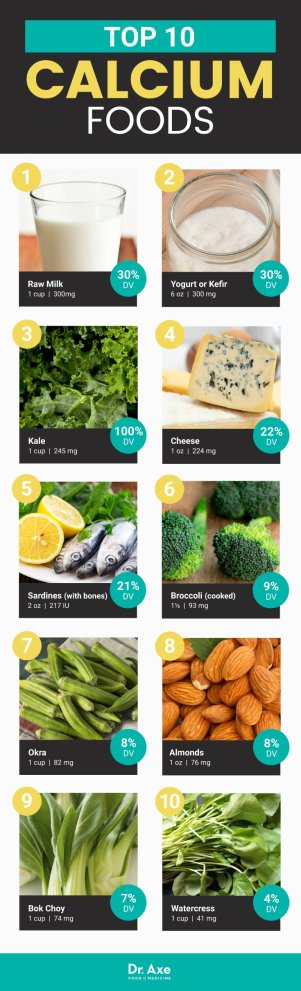
Calcium foods and sourcesGreetings to you,

Here is a valuable chart of the best food sources of calcium, some of which may actually be a surprise.

Calcium is one of the most famous of all minerals due to its vast array of benefits to our health. Dr. Linus Pauling, the two-time Nobel Prize winner said: “You can trace every sickness, every disease, and every ailment to a mineral deficiency.”

Studies have proven that calcium increases bone health, reduces high blood pressure, relaxes the nerves and muscles, prevents colon cancer and kidney stones, and acts as an effective remedy for insomnia and sleeplessness.

Adelle Davis, one of the first nutritionists to base her recommendations on scientific studies, says:  “A calcium deficiency often shows itself by insomnia, another form of an inability to relax. The harm done by sleeping tablets, to say nothing of the thousands of dollars spent on them, could largely be avoided if the calcium intake were adequate.”

Calcium was discovered by the British chemist Sir Humphry Davy in the early 1800’s.  Regarding stomach and colon health, a 2007 study in the Journal of the National Cancer Institute found that calcium protects high-risk people from developing the polyps (growths in the large intestine) that can lead to cancer in the large bowel.

Calcium supplements were also shown to help prevent kidney stones in a 2008 study at the University of Wisconsin School of Medicine.

Calcium is directly related to our cycles of sleep. In one study, published in the European Neurology Journal, researchers found that calcium levels in the body are higher during some of the deepest levels of sleep, such as the rapid eye movement (REM) phase. The study concluded that disturbances in sleep, especially the absence of REM deep sleep or disturbed REM sleep, are related to a calcium deficiency.

William Sears, M.D. writes: “Calcium helps the brain use the amino acid tryptophan to manufacture the sleep-inducing substance melatonin. This explains why dairy products, which contain both tryptophan and calcium, are one of the top sleep-inducing foods.”

One calcium-based supplement shown to be effective for insomnia is Sleep Minerals IIfrom Nutrition Breakthroughs.  This formula contains highly absorbable forms of calcium and magnesium, the best minerals for sleeplessness and insomnia, as well as for menopause insomnia, heart health, restless legs syndrome and bone strength.  It also includes vitamin D and zinc and is delivered in a softgel form with healthy carrier oils, making it more quickly absorbable than tablets or capsules and providing a deeper, longer-lasting sleep.

Richard P. of Parkville, Maryland says: *The Sleep Minerals are making quite a difference.  I was regularly waking up at around 3:00 a.m. and couldn‘t go back to sleep. Now I wake up once to go to the bathroom, but the great thing is, I then fall back asleep and sleep several more hours.*

Anita L. of New Caney, Texas says: “I was having hot flashes every 30 minutes to an hour through the night and was so miserable.  After about two weeks of taking the Sleep Minerals, I noticed an incredible difference with my sleep.  I have much less interruptions from hot flashes, I’m sleeping much better and I’m a lot more comfortable.”

Calcium can be obtained from foods or supplements, and a combination of both may be beneficial to overall health.

This health news is provided by Nutrition Breakthroughs, a publisher of nutrition articles and supplier of effective natural remedies since 2002. Nutrition Breakthroughs makes the original calcium and magnesium based natural sleep aid Sleep Minerals II, as well as Joints and More, the natural solution for joint relief, aches and pains, stronger hair and nails and more energy.


Article source: http://www.nutritionbreakthroughs.com/blog/2017/09/16/calcium-food-sources-for-good-sleep-bone-health/

young women calf pain on white backgroundBy Dr. Joseph Mercola, a physician trained in both traditional and natural medicine who provides up-to-date natural health information.
***************************************
This article is shared by Nutrition Breakthroughs, maker of the effective calcium, magnesium and vitamin D based sleep aid Sleep Minerals II.
*********************************************
A charley horse, or muscle cramp particularly in your calf muscles, is an incredibly common condition that results in your muscles becoming tight, stiff and extremely painful. If you’re an adult, there’s a good chance you’ve had one at some point (and likely multiple points) during your lifetime.

In case you’re a trivia buff and wondering why these muscle cramps are referred to as “charley horses” (a name that’s primarily used in North America), it’s said to be a tribute to Charley “Old Hoss” Radbourne, an 1880s-era baseball pitcher who often suffered from muscle cramps during games.

Another version states the term came from a lame work horse named Charley who limped around doing various jobs around the baseball park (also in the 1880s).

Whenever a baseball player would get injured or have a cramp in the lower legs, thus limping around like Charley the horse, teammates would call the player “Charley Horse.” Regardless of the name’s origin, the pain of a charley horse is unmistakable and can be excruciating.

What Causes a Charley Horse?

According to the Cochrane Database of Systematic Reviews, about 1 in every 3 adults is affected by muscle cramps in their lower limbs. In many cases, the pain is temporary and goes away on its own, but for some the cramps interfere with sleep, quality of life and daily activities.

In one study of more than 500 people aged 60 years and older, 31 percent reported being woken up by muscle cramps and 15 percent had cramps more than three times a month. Anyone can get a charley horse, but they’re most common in the following populations and scenarios:

  • During exercise
  • At nighttime, especially in the elderly
  • In pregnant women
  • In people with neurological disease
  • During kidney dialysis

It’s not clear what triggers a charley horse to occur, but it is thought the cramp may be related to a rapidly firing nerve (up to 150 electrical dischargers per second), which causes the muscle to tense up, as opposed to an issue with the muscle tissue itself.

Many medications are also associated with muscle cramps, including statin cholesterol-lowering drugs, ACE inhibitors (blood pressure drugs), certain asthma drugs, diuretics and more. In addition, the following factors may also increase your risk of a charley horse:

  • Poor blood circulation in your legs
  • Muscle fatigue
  • Dehydration
  • Mineral deficiencies, including magnesium, potassium or calcium

magnesium and menopauseIs Magnesium Deficiency Causing Your Charley Horses?

By some estimates, up to 80 percent of Americans are not getting enough magnesium and may be deficient. Other research shows only about 25 percent of U.S. adults are getting the recommended daily amount of 310 to 320 milligrams (mg) for women and 400 to 420 for men.

Magnesium is often thought of primarily as a mineral for your heart and bones, but this is misleading. Researchers have now detected 3,751 magnesium-binding sites on human proteins, indicating that its role in human health and disease may have been vastly underestimated.

Further, if you suffer from charley horses, low levels of magnesium could be to blame. Magnesium is necessary for activating muscles and nerves, and a key sign of ongoing magnesium deficiency can be muscle contractions and cramps like charley horses.

Magnesium deficiency may be particularly problematic for your muscles in the presence of an overabundance of calcium. Americans in general tend to have a higher calcium-to-magnesium ratio in their diet, averaging about 3.5-to-1.

If you have too much calcium and not enough magnesium, your muscles will tend to go into spasm. According to Dr. Carolyn Dean, a medical and naturopathic doctor:

“What happens is the muscle and nerve function that magnesium is responsible for is diminished. If you don’t have enough magnesium, your muscles go into spasm.

Calcium causes muscle to contract. If you had a balance, the muscles would do their thing. They’d relax, contract and create their activity.”

This underscores the importance of eating a nutritious diet, which will naturally give you optimal amounts of the minerals and other nutrients your body needs.

Eating plenty of organic leafy green vegetables, nuts and seeds every day, and drinking fresh green vegetable juice will help keep your magnesium stores replenished. In addition, Epsom salt is a magnesium sulfate that can absorb into your body through your skin.

Soaking in a bath with Epsom salts is an excellent way to not only help prevent magnesium deficiency but also to soothe and relieve the pain of a charley horse.

potassiumLow Potassium Levels May Also Trigger a Charley Horse

Potassium is a mineral and electrolyte. (An electrolyte is a substance that produces an electrical conducting solution when dissolved in water. Electrolytes carry a charge and are essential for life. In our bodies, electrolytes include sodium, potassium, calcium and magnesium).

Potassium is essential for your cells, tissues and organs to function properly. It plays a vital role in heart health, digestive and muscular function, bone health and more. One of the symptoms of low potassium levels is muscle cramps.

While potassium is found in many foods commonly consumed in the U.S. — including fruits, vegetables, dairy products, salmon, sardines and nuts — only 2 percent of U.S. adults get the recommended daily amount of 4,700 mg.

This is especially problematic because potassium is a nutrient that needs to be kept in proper balance with sodium in your blood. If you consume too much sodium, which is common if you eat a lot of processed foods, you’ll have an increased need for potassium.

Others who are at particular risk of low potassium, or hypokalemia, are those with chronic malabsorption syndromes, such as Crohn’s disease, or those taking heart medicine (particularly loop diuretics). However, anyone who eats a poor diet — an excess of processed foods and not enough fresh, whole foods — is potentially at risk of inadequate potassium levels and related muscle cramps.

Green vegetable juicing is an excellent way to ensure you’re getting enough nutrients for optimal health, including about 300 mg to 400 mg of potassium per cup. Some additional rich sources of potassium are:

  • Lima beans (955 mg/cup)
  • Winter squash (896 mg/cup)
  • Cooked spinach (839 mg/cup)
  • Avocado (500 mg per medium)

Foods rich in calciumToo Little Calcium May Trigger Muscle Cramps

While too much calcium in the absence of magnesium can be problematic for muscle cramps, so too can a calcium deficiency. Low blood levels of calcium (as well as magnesium) may increase the excitability of nerve endings and the muscles they stimulate.

This may be a trigger for muscle cramps, especially in the elderly and during pregnancy. If you’re deficient in vitamin D, meanwhile, your body may have inadequate calcium absorption, again predisposing you to muscle cramps.

It’s very important to maintain a proper balance of calcium, magnesium, vitamin D and also vitamin K2, as these four nutrients perform an intricate dance together, with one supporting the other. If you’re calcium deficient, your best bet is to increase consumption of foods high in calcium before opting for a supplement. This is because many high-calcium foods also contain naturally high amounts of vitamin K2; nature cleverly gives us these two nutrients in combination, so they work optimally.

Good sources of calcium include nuts, seeds and raw, organic, grass-fed dairy especially cheeses, and vegetables, although veggies aren’t high in vitamin K2. One exception is fermented vegetables where a starter culture specifically designed to produce ample amounts of vitamin K2 was used.

Homemade bone broth is another excellent source. Simply simmer leftover bones over low heat for an entire day to extract the calcium from the bones. You can use this broth for soups and stews or drink it straight.

What to Do If You Get a Charley Horse

A charley horse often occurs without notice, sometimes waking you up from sound sleep. If you’re lying down when the pain starts, stand up and put some weight on your foot. Walking around will help to increase blood circulation to your muscles and possibly help to soothe and relax the cramp.

charley horse stretch leg crampYou can also try a simple stretch. If the cramp is in your calf in the back of your lower leg, pull your toes and foot upward until you feel a stretch in the back of your leg. You can also do this sitting down with your legs outstretched. Put a towel around your feet and gently pull both ends toward you until you feel a stretch.

As mentioned, soaking in an Epsom salt bath may also help to relieve pain (and possibly help with prevention). Massaging the area and applying a heat pack, which will increase blood flow to the area, promoting healing and soothing pain, may also help.

Staying well-hydrated is also important for muscle cramp prevention. You’ll want to drink enough pure filtered water so that your urine is pale yellow in color. In addition, performing regular stretching exercises on your legs may help reduce your risk of a charley horse.

This article is shared by Nutrition Breakthroughs, maker of the effective calcium, magnesium and vitamin D based sleep aid Sleep Minerals II.


Visit www.Mercola.com for quality natural health information.

Tags: , , , , , , , , , , , , , , , , , , , , , , , , , , , , , , , , , , , , , , , , , , , , , , , , , , , , , , , , , , , , , , , , , , , , , , , , , , , , , , , , , , , , , , , ,

Archives