Posts Tagged ‘magnesium calcium ratio’
 (From NaturalNews) For better sleep, the body needs healthy foods and nutrients. Many nutrients are known to have a calming effect on the nervous system and help promote good sleep. Whole foods contain many of these natural insomnia cures, but supplements are also available to ensure that you obtain the proper dietary amounts.
Calcium
Nature’s tranquilizer. Some feel that calcium is best absorbed in the evening, suggesting that the folk medicine suggestion of a glass of milk before bedtime might be a good idea. Natural forms of calcium are dairy foods as well as green vegetables and sesame. A spoon of sesame seeds has ten times the calcium as a similar amount of milk. Spinach is also high in calcium. Take 1000 milligrams of calcium daily.
Magnesium
Needed to absorb calcium. Many calcium supplements also contain magnesium. Epsom salts are made of magnesium and an Epsom salt bath is one way to absorb magnesium. Magnesium is a muscle relaxant as well as important for balancing blood sugar and blood pressure. Natural sources of magnesium are halibut, peanuts, whole grains, spinach, bananas, avocadoes, and nuts and seeds. Diabetes and those on diuretics need to insure proper intake of magnesium, as much magnesium is lost through urine. Symptoms of deficiency are muscle spasms, nausea and loss of appetite.
Vitamin D
Another nutrient needed to support calcium uptake in the body. Milk products are regularly fortified with vitamin D. Research has shown that it is difficult to obtain enough vitamin D from exposure to the sun, especially in winter months, or north of New York or San Francisco, so supplementation is advised.
L-theanine
One of the ingredients of green tea. This amino acid is known to have calming properties. Research has shown theanine to calm the brain by producing alpha waves. Aside from its calming effects, theanine may also lower blood pressure.
5-HTP
The abbreviation for L-5-hydroxlytryptophan, which is a chemical byproduct of the amino acid L-Tryptophan. These nutrients are high in the protein contained in turkey and some say is responsible for the post-Thanksgiving sleepiness. Some have used tryptophan as a mood enhancer, as well, as it is known to help with serotonin mechanisms in the brain.
GABA is one of the brain’s neurotransmitters. The full name of this nutrient, which used to treat depression, is gamma-Aminobutyric acid. Its function is to regulate muscle tone and the excitability of nerves.
This health news is brought to you by http://NutritionBreakthroughs.com. Since 2009, their natural sleep remedy Sleep Minerals II (featuring highly absorbable calcium, magnesium and vitamin D) has been soothing even the worst insomnia and helping everyone from teenagers, to women with menopause symptoms, to (those with restless leg syndrome) seniors to get a good night’s sleep.
Richard P. of Parkville, Maryland says: “The Sleep Minerals are making quite a difference. I was regularly waking at around 3:00 a.m. and after a few days use my sleep improved quite a lot. I wake once a night to go to the bathroom, but the great thing is, I then fall back asleep and sleep several more hours. This has been a great improvement.”
For more information visit the Sleep Minerals II page.
via Vitamins Help You Sleep Better and Cure Insomnia – NaturalNews.com.
Greetings to you,
Included is an informative chart below with some practical “Do’s” and “Don’ts” for falling asleep and sleeping better. One suggestion is to avoid using electronics that have a back-lit screen within an hour before bedtime. This refers to texting, working on a computer or watching TV.
A recent study from the Journal of Applied Physiology found that the bright light of a computer screen may alter the body’s biological clock by suppressing the natural production of melatonin.
Two tips to add to the chart are to take walks and to use some absorbable calcium before bed. Studies at the University of Oklahoma Health Sciences Center have found that exercise improves sleep as effectively as sleeping drugs, but without the side effects.
Calcium is directly related to our cycles of sleep. In one study, published in the European Neurology Journal, researchers found that calcium levels in the body are higher during some of the deepest levels of sleep, such as the rapid eye movement (REM) phase. The study concluded that disturbances in sleep, especially the absence of REM deep sleep or disturbed REM sleep, are related to a calcium deficiency.
One sleep remedy becoming popular for those who wish to avoid sleeping drugs is Sleep Minerals II from Nutrition Breakthroughs. This sleep aid contains highly absorbable forms of calcium, magnesium and vitamin D. The ingredients are delivered in a softgel form with healthy carrier oils, making them more easily assimilated than capsules or tablets and providing a deeper, longer-lasting sleep.
Alex R. of Ramseur, North Carolina shares his review of Sleep Minerals II and says: “Sleep Minerals II has been a blessing for me. It has given me the opportunity to withdraw from a highly addictive sleep medication over time, and has allowed me to sleep while going through this most difficult ordeal. What’s great about it is it doesn’t lose its effectiveness, which is something that happens with sleep medications. I am most thankful for this product.”
Here’s to your good sleep,
Jobee Knight
Nutrition Breakthroughs
Maker of Sleep Minerals II
 Provided by NuritionBreakthroughs.com
 Article provided courtesy of The Life Extension Foundation
Seeing green? It’s not pure coincidence. People are finally catching on to the health benefits of leafy greens and many are including them in their everyday diet. And it’s not all that surprising.
Greens are a great source of antioxidants (natural cell protectors), fiber, vitamins, and minerals.
Plus, they’re also low in calories and carbs, making them an ideal food for those of us who are watching our waistlines.
Not feeling the green movement yet? Read on. Maybe this will finally sway you!
What Are Leafy Greens?
First, let’s clarify what we mean by leafy greens. They include (but are not limited to) spinach, watercress, bok choy, collard greens, chard, mustard greens, romaine lettuce, arugula, and the very popular kale.
Easy enough? Now let’s move on to their health benefits.
Leafy Greens May Prevent Diabetes
A British study revealed people who ate about one and a half servings of leafy greens a week were 14% less likely to develop diabetes.1
In this review, scientists investigated the intake of fruit and vegetables on the incidence of type 2 diabetes. In the analysis, leafy greens beat out other fruits and vegetables.
Leafy greens are great sources of magnesium and vitamin K, nutrients with anti-diabetic effects.
Leafy Greens Protect DNA
Exercise is great for your body, but there is a downside: The production of free radicals that can damage your DNA. It turns out leafy greens may help with this too.
In a study, participants given watercress before workouts and for an extended period of time had less evidence of DNA damage compared to a control period.2
Leafy Greens May Prevent Chronic Disease and Heart Disease
The Nurses’ Health Study is one of the most important studies to date. It has examined the health habits of people over the years and has provided us with important health information.
In one analysis that included over 100,000 people, the intake of green leafy vegetables was associated with a lower risk of major chronic disease and cardiovascular disease over a 14-year period.3
The association was stronger for leafy greens than for other groups of fruits or vegetables.
Leafy Greens Protect your Vision
Of the many beneficial compounds in leafy greens, two are of particular importance to your eyes: lutein and zeaxanthin. They play a critical role in preventing macular degeneration, the most common cause of age-related blindness.4
Lutein and zeaxanthin are found naturally in your eyes. They act like natural “sunscreen,” filtering out harmful UV light, and act as antioxidants.
Lutein and zeaxanthin can also be found in dietary supplements.
This health news is shared with you by Nutrition Breakthroughs, maker of the effective natural insomnia remedy Sleep Minerals II. Sleep Minerals II is the original magnesium and calcium based sleep remedy and is known for soothing even the worst insomnia. It helps everyone from teenagers, to women with menopause symptoms, to those with restless leg syndrome, to older seniors, to get a good night’s sleep.
Article is from LEF.org (The Life Extension Foundation): 5 Big Reasons to Eat Leafy Greens.
Greetings to you,
Included below is a vital health chart that contains the top 20 health benefits of magnesium. Some of these benefits include remedying sleeplessness and insomnia, calming the nerves, strengthening the heart, lowering blood pressure, relieving headaches and soothing PMS.
Chronic insomnia is one of the main symptoms of magnesium deficiency. Sleep in magnesium deficiency is usually agitated with frequent nighttime awakenings. On the other hand, a high magnesium diet has been found to be associated with deeper, less interrupted sleep. This was shown in a study done by the Human Nutrition Research Center in North Dakota.
This news is brought to you by Nutrition Breakthroughs, maker of Sleep Minerals II. Sleep Minerals II is the original magnesium and calcium based sleep remedy, known for soothing even the worst insomnia. It helps everyone from teenagers, to women with menopause symptoms, to older seniors, to get a good night’s sleep. For more information, visit the Sleep Minerals II page.
To your health,
Jobee Knight
Nutrition Breakthroughs
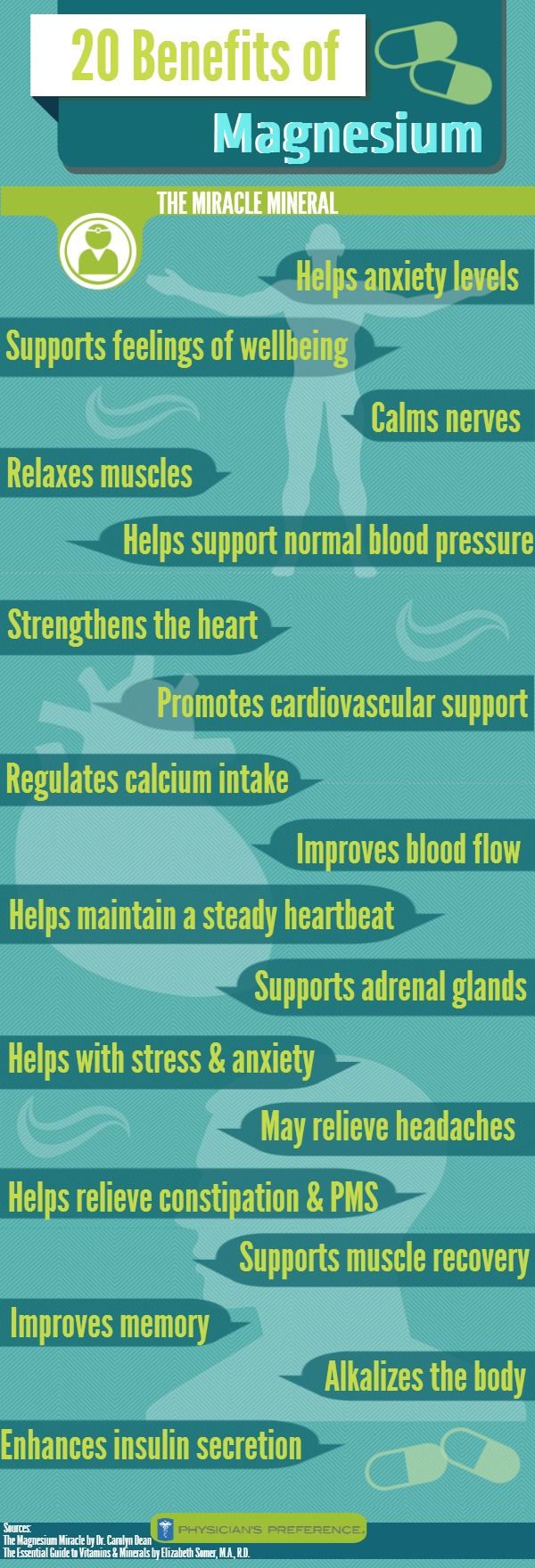
Provided by http://Nutrition Breakthroughs.com
Too little magnesium in one’s diet will make the body work harder. Good sources of magnesium include bran muffins, pumpkin seeds, barley, buckwheat flour, low-fat vanilla yogurt, trail mix, halibut steaks, garbanzo beans, lima beans, and spinach.
Most people think of calcium and phosphorus as the most important dietary components for bone health. But magnesium also plays an important role. It is involved in hundreds of biochemical reactions, many of which help keep not only bones strong, but the heart rhythm healthy and the nervous system functioning smoothly.
A study by the Agricultural Research Service of the U.S. Dept. of Agriculture reveals important findings on the effects of depleted body magnesium levels on energy metabolism. Specifically, it showed that inadequate magnesium is associated with a need for increased oxygen during exercise. They found that during moderate activity, those with low magnesium levels in muscle are likely to use more energy—and therefore to tire more quickly—than those with adequate levels.
After consuming the low-magnesium diet, volunteers showed a significant overall loss of magnesium. They had lowered muscle levels of magnesium, and their red blood cells were at the low end of the normal range.
The data shows that during the low-magnesium-status phase, the postmenopausal volunteers used more oxygen during physical activity, and their heart rates increased by about 10 beats per minute. “When the volunteers were low in magnesium, they needed more energy and more oxygen to do low-level activities than when they were in adequate-magnesium status,” says Lukaski, one of the study authors.
These findings are consistent with other studies showing that too little magnesium makes the body work harder. “The effects are likely to occur in individuals with low magnesium, regardless of whether the person is athletic or sedentary,” says Lukaski. “That means that athletes wouldn’t be able to work or train as long as they would if they had better magnesium levels. People need to eat adequate magnesium to make sure their hearts and muscles are healthy enough to meet the demands of daily living.”
The Recommended Dietary Allowance (RDA) for magnesium for women over age 31 is 320 milligrams (mg) daily and for men over age 31 is 420 mg daily.
This news is brought to you by http://Nutrition Breakthroughs and its natural sleep aid Sleep Minerals II. Sleep Minerals II is the original magnesium and calcium based sleep aid and is known for soothing even the worst insomnia. It helps everyone from teenagers, to women with menopause symptoms, to older seniors, to get a good night’s sleep.
Sadie D. from The Netherlands says: “I am ever so grateful that I discovered Sleep Minerals II after suffering with premenopause and now the real menopausal insomnia. I felt like I was slowly losing my mind due to the continual lack of sleep. I can’t express the relief of getting a good night’s sleep and being able to function properly.”
For more information on Sleep Minerals II visit this page.
Article source: ARS : News & Events.
Greetings to you,
An article from the science news website known as Eureka Alert shares the results of a study on how calcium extends lifespans in women.
Here is the news article:
Calcium supplements linked to longer lifespans in women – Study finds calcium-rich diet, supplements provide equal benefits
Chevy Chase, Maryland—Taking a calcium supplement of up to 1,000 mg per day can help women live longer, according to a recent study accepted for publication in The Endocrine Society’s Journal of Clinical Endocrinology & Metabolism (JCEM).
Calcium, an essential nutrient for bone health, is commonly found in dairy products as well as vitamins. Although calcium is an essential nutrient for bone health, past studies have linked calcium supplements to heart disease risk. Researchers analyzing data from the large-scale Canadian Multicentre Osteoporosis Study (CaMos) sought to clarify this issue and found moderate doses of calcium supplements had a beneficial effect in women.
“Our study found daily use of calcium supplements was associated with a lower risk of death among women,” said the study’s lead author, David Goltzman, MD, of McGill University in Montreal, Canada. “The benefit was seen for women who took doses of up to 1,000 mg per day, regardless of whether the supplement contained vitamin D.”
The study monitored the health of 9,033 Canadians between 1995 and 2007. During that period, 1,160 participants died. Although the data showed women who took calcium supplements had a lower mortality (death) risk, there was no statistical benefit for men. The study found no conclusive evidence that vitamin D had an impact on mortality.
“Higher amounts of calcium were potentially linked to longer lifespans in women, regardless of the source of the calcium,” Goltzman said. “That is, the same benefits were seen when the calcium came from dairy foods, non-dairy foods or supplements.”
This news is brought to you by http://NutritionBreakthroughs and Sleep Minerals II. Sleep Minerals II is the original calcium and magnesium based sleep remedy and is known for soothing even the worst insomnia. It helps everyone from teenagers, to women with menopause symptoms, to older seniors, to get a good night’s sleep. It also supplies highly absorbable calcium for supporting overall health.
For more information on Sleep Minerals II visit here.
Best of health,
Jobee Knight
President
Nutrition Breakthroughs
Source: http://www.eurekalert.org/pub_releases/2013-05/tes-csl052013.php
 Diets high in processed ingredients (especially sugar) have been shown to contribute to crow’s feet, wrinkles, and fine lines because it damages the tissue that is responsible for keeping the skin smooth.
A diet without live foods: foods like salads, including those containing magnesium which is a natural detoxifier, etc., can cause a lack of luster in the skin and hair. Salads, raw juicing, and raw foods do the opposite by giving your skin a natural glow.
It’s difficult to get enough magnesium through foods because of modern food processing methods and because the mineral has been depleted from soils, so supplementation with an absorbable form, such as magnesium citrate powder that can be mixed with water, can help both skin and overall health. This is according to Carolyn Dean, M.D., a doctor and nutrition expert and author of The Complete Natural Guide to Women’s Health.
This news is brought to you by Nutrition Breakthroughs and the natural sleep aid Sleep Minerals II. Sleep Minerals II is the original drug free magnesium and calcium sleep aid and is known for soothing even the worst insomnia. It helps everyone from teenagers, to women with menopause symptoms, to older seniors, to get a good night’s sleep.
For more information on Sleep Minerals II visit http://www.NutritionBreakthroughs.com/
Article source: http://www.nutritionalmagnesium.org/magnesiuma-nd-skincare/
 ScienceDaily – A healthy diet is especially important during the menopause — a period in which the risk of suffering from health problems increases. For the current study, various programs have analyzed the diet of peri- and postmenopausal women in Spain, alongside the troubles that come with this transition. The results show that all of those groups studied have a deficient intake of vitamin D.
Marina Pollán, researcher at the Carlos III Institute of Health in Spain and one of the authors of the study explains that “biological and physiological changes in women caused by the menopause come with a greater risk of developing health problems in which diet plays an important role. These include diabetes, osteoporosis, cardiovascular disease and certain types of cancer.”
Therefore, the analysis of dietary patterns during and after the menopause is of particular interest because of its health implications. However, in Spain there have been very few studies that have assessed the diet of peri- and postmenopausal women.
In order to study these dietary habits, the authors of the study analysed 3574 women from the age of 45 to 68 from October 2007 to July 2008. Each program contained a minimum of 500 women from seven Spanish cities and involved a food frequency questionnaire validated by the Spanish population.
The results show that obesity rates stand at 29% whereas 42% of menopausal subjects are overweight. Average calorie intake was 2053 calories (with 43% of energy intake coming from carbohydrates, 36% from fats and 20% from proteins). Researchers highlight that practically all of the women received the recommended intake of all the vitamins, apart from D and E.
The case of vitamin D is striking given that none of the groups reached 50% of their RDA (Recommended Daily Allowance). The average total intake was 2.14 micrograms per day, which constitutes just 39% of the RDA for women of this age group.
“A diet with less fat and protein that is high in vegetables, nuts, and carbohydrate-rich foods will even out the energy balance and correct levels of vitamin D and E,” according to the researchers.
Comments from the blog author Nutrition Breakthroughs:
Women in the pre-menopause and menopause time period can reap many benefits from increasing their intake of vitamin D, calcium and magnesium. These nutrients support the heart and bones, and are also effective remedies for sleeplessness and insomnia.
Regarding mineral deficiency at the time of menopause, nutritionist Adelle Davis says, “The amount of calcium in a woman’s blood parallels the activity of the ovaries. During the menopause, the lack of ovarian hormones (estrogen and progesterone) can cause severe calcium deficiency symptoms to occur, including irritability, hot flashes, night sweats, leg cramps, and insomnia. These problems can be easily overcome if the intakes of calcium, magnesium, and vitamin D are all generously increased and are well absorbed.”
One insomnia remedy becoming popular among menopausal women is Sleep Minerals II from http://www.nutritionbreakthroughs. Sleep Minerals II contains powerful forms of the best known minerals for relaxation and sleep — calcium and magnesium, combined with vitamin D and zinc. The ingredients are formulated in a softgel with healthy oils, making them more quickly absorbable than tablets or capsules and providing a deeper, longer-lasting sleep.
Valerie H. of Santa Clarita, California says: “I had such bad menopause insomnia it took me hours to fall asleep even though I was extremely tired. My legs also had crawling and tingling feelings at night. I got the Sleep Minerals and after a few days, it started to work really well. I fall asleep now within 20 minutes and no more restless legs.”
For more information on Sleep Minerals II, visit http://www.nutritionbreakthroughs.com/html/sleep_remedy_for_insomnia_help
——————————
Greetings to you,
Magnesium deficiency is very common these days. A recent government study shows that 68% of Americans do not consume the recommended daily intake of magnesium. I’ve included a helpful chart below that contains some of the top magnesium rich foods. Magnesium supplements are a good option as well, particularly those containing magnesium citrate which is very absorbable.
Sidney Baker, M.D., a practicing doctor with a special interest in the nutritional aspects of chronic health problems says: “Magnesium deficiency can affect virtually every organ and system of the body. One may experience muscle twitches, cramps, soreness, back aches, neck pain, tension headaches, and fatigue or weakness.”
Studies show that magnesium can soothe insomnia, support heart health, normalize blood sugar, relieve headaches and ease menopause symptoms. In one study from the University of Iran, people with insomnia were given magnesium tablets twice a day for eight weeks. They experienced significant increases in quality sleep time, with less night time interruptions and fewer early morning awakenings.
This news is brought to you by Nutrition Breakthroughs. For more information on the original magnesium and calcium based sleep aid, visit the Sleep Minerals II web page.
To your good health,
Jobee Knight
Nutrition Breakthroughs.com
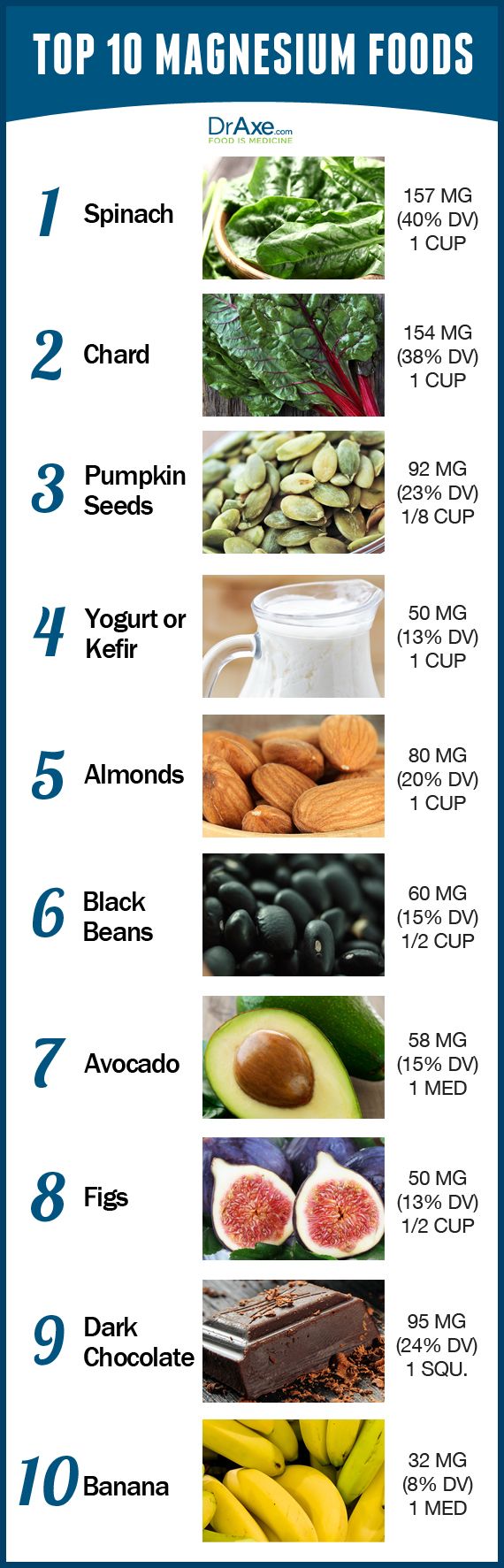
Frequently Asked Question #1 on Sleep Minerals II, Effective Natural Sleep Aid
Posted on: November 8, 2014
Greetings to you,
Sleep Minerals II is an effective natural sleep aid from Nutrition Breakthroughs. It is the original drug-free calcium and magnesium formula for relaxation and better sleep. It contains powerful forms of these minerals in combination with vitamin D and zinc. The ingredients are formulated in a softgel with healthy oils, making them more quickly absorbable than tablets or capsules and providing a deeper, longer-lasting sleep.
Frequently Asked Question #1:
- Can I continue to take my regular calcium and magnesium supplement, or the calcium and magnesium provided in my multiple vitamin/mineral when I start taking Sleep Minerals II? Will I be getting too many minerals?
It is totally fine to continue to take your regular supplements. These are generally taken during the day, whereas Sleep Minerals II is taken in the evening. Also, the calcium and magnesium in a hard tablet or a capsule is different than the form of minerals found in Sleep Minerals II, and is generally not absorbed as well. So there isn’t a large chance of getting too many minerals.
The minerals in Sleep Minerals II are mixed with healthy rice bran oil and this combination forms a creamy paste inside the softgel. This is why it is assimilated so well into the body and this makes it soothing and effective as a natural sleep remedy.
One thing that can happen if you take too many minerals for your system is your bowels may become too loose or you may become groggy in the morning. If this happens, you can reduce your dose of Sleep Minerals, or take less than one softgel if you’re taking only one. This is done by gently biting one end open and squeezing out half or less, and drinking it down. It can also be spread on some food. Save the rest in a baggie or other container.
Here’s to your good sleep.
Best of health,
Jobee Knight
Nutrition Breakthroughs
For more information on Sleep Minerals II, visit http://www.nutritionbreakthroughs.com/html/sleep_remedy_for_insomnia_help.html
 News on Natural Remedies, Good Sleep and Good Health