

News on Natural Remedies, Good Sleep and Good Health

Posts Tagged ‘insomnia remedy

By Matthew Picklo

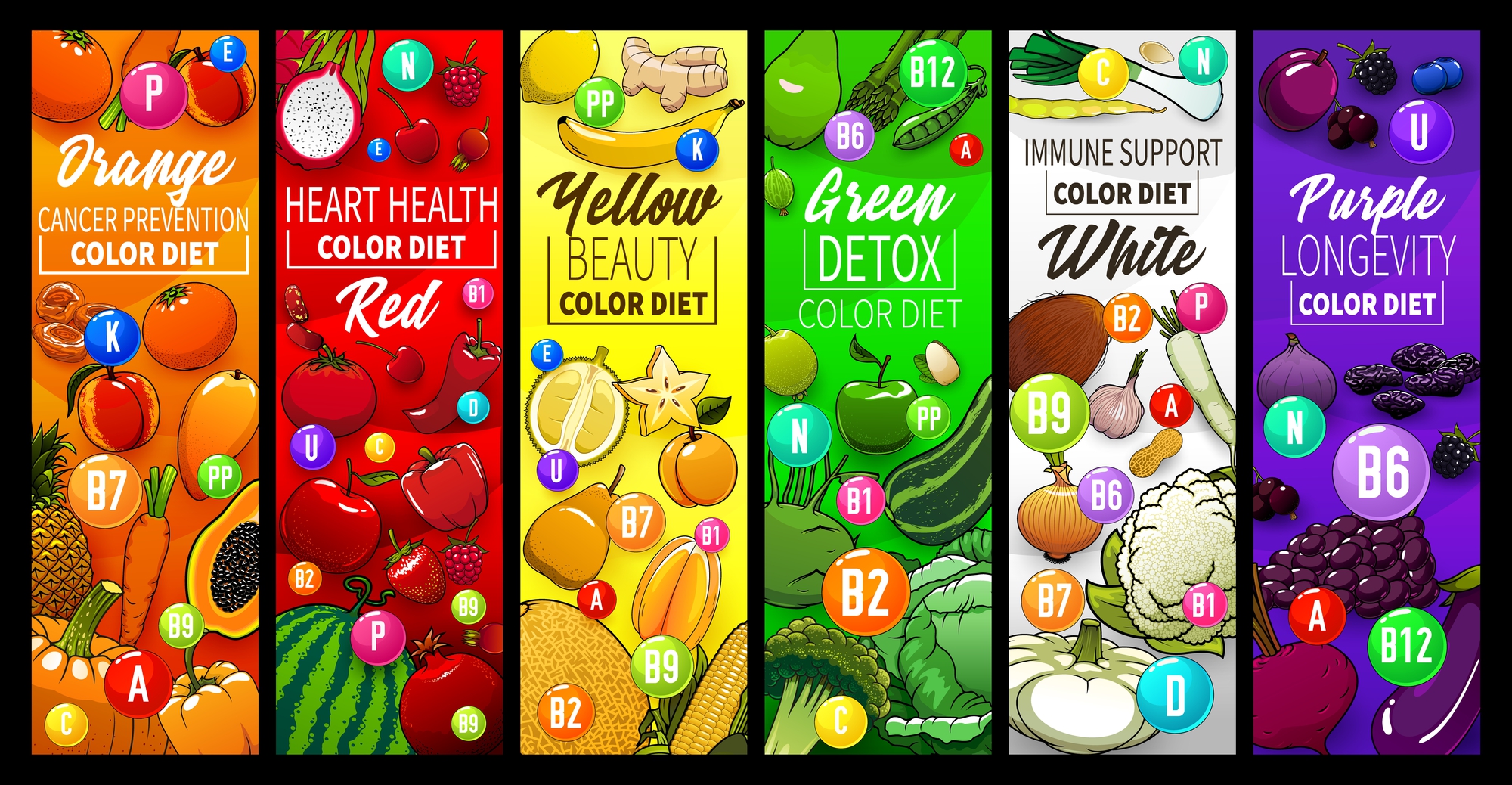
Have you thought about the many colors of our foods?  They catch our eye and add so much to the appeal of our meals – particularly fruits and vegetables.  Research shows that the colors of our foods may also be related to the health benefits they provide.

The pigments that give plant foods their vibrant colors are of value to the plants themselves, as well as to those who consume them.  These colorful fruit and vegetable pigments also serve to attract feeding animals who later help distribute the plants’ seeds.

Plant pigments have long been of interest to food chemists who have studied their contributions to the visual appeal of foods.  In recent years, there also has been an explosion of interest in the health potentials of the pigments that are responsible for food colors.

There are several types of pigments in foods.  One group is the “anthocyanins”, a term derived from the Greek words for “flower” and “blue”.  Anthocyanins are present in many fruits including cherries, blueberries, blackberries, and cranberries.  They also are found in colored grains such as purple corn, red rice, black rice, purple carrots and blue potatoes. 

One of the richest sources of anthocyanins is the chokecherry.  Black rice, which has a purple-black bran, also has very high levels of anthocyanins. In ancient China, it was known as “forbidden rice”, as it and was only eaten by the nobility.  Anthocyanins appear to protect plant tissues from damage by ultraviolet light.  They may also be anti-microbial.

Laboratory studies suggest that the anthocyanins in foods benefit health by reducing inflammation and preventing oxidative damage to cells, a process associated with diabetes and cardiovascular disease.  Studies have shown this for anthocyanin-rich fruit juices, and scientists are now asking whether some anthocyanins may be more useful than others, and how they function in the body.

Another group of plant pigments are the carotenoids – a large group of more than 600 compounds that give vegetables and fruits their yellow, orange and red colors. Some familiar sources include tomatoes, carrots, yellow squash and spinach.  The most common carotenoids are beta-carotene, lycopene and lutein.

Beta-carotene is related chemically to vitamin A, which is essential for vision and functions in maintaining healthy bones, immune function and may other vital functions.  In fact, the body can convert beta-carotene to vitamin A.  Spinach, carrots, orange juice and cantaloupe are particularly good sources of beta-carotene.

Lycopene is present in tomatoes, tomato sauce and tomato juice.  It is of current interest in cancer research, as studies have associated reduced prostate cancer risk for men with relatively high blood levels of lycopene.

Lutein is accumulated by the key visual area of the retina called the macula where it is thought to protect against potentially damaging effects of light.  It is thought that lutein may reduce the risk of macular degeneration, which is a major cause of visual impairment in people aged fifty years and older.  Good sources of lutein include green leafy vegetables such as spinach, kale, and turnips greens.  USDA scientists have found that eggs can be an important source of lutein.

Understanding how diet and physical activity can prevent disease and promote health is central to the research mission of the USDA Grand Forks Human Nutrition Research Center, or GFHNRC. This includes better understanding of the health roles of anthocyanins and carotenoids.

More information to help you make healthful and colorful food choices can be found at MyPyramid.gov.

………
Comments from the blog author Nutrition Breakthroughs: When deciding what to eat, seek out brightly colored fruits and vegetables for greater health. Good eating leads to good health for all parts of your body, including your heart and brain, and leads to higher levels of energy during the day and better, deeper sleep at night.

This article is shared with you by Nutrition Breakthroughs, maker of the effective natural sleep remedy for insomnia help Sleep Minerals II. Sleep Minerals II contains highly absorbable forms of magnesium, zinc, and calcium, as well as Vitamin D, all mixed with healthy oils in a softgel form for fast absorption.  If you or someone you care about needs to get better, deeper sleep, visit the Sleep Minerals II page on Amazon.

via ars.usda.gov

Teenagers are a special breed, having to face all the challenges of being in an in-between stage of life; not quite a child anymore and not yet an adult.  Along with an acceleration of social interests and activities, they also sustain accelerated physical growth and increased nutritional needs.

According to the U.S. Department of Agriculture, 90% of teen girls and 70% of teen boys aren’t getting enough calcium.  Their bones are growing the fastest during the teen years and they need more calcium than at any other time of life.  The calcium deficiency can translate into irritability, nervous tension, hyperactivity, and insomnia.

Adelle Davis was the first nutritionist to base her recommendations on scientific research studies.  She says: “If these hyperactive kids were recognized as victims of malnutrition and given, instead of drugs, a completely adequate diet, especially high in calcium, magnesium, and vitamins B6 and D; the majority might soon be as relaxed as sacks of cotton, their minds far more alert, their energies restored to normal.  I have seen it happen many, many times.”

To shed some light on teenage sleeping habits, a study was published in an issue of the Journal of Adolescent Health,  Researchers found that two-thirds of teenage high school students are sleeping less than they need to, when they actually need 9.5 hours of sleep.  Danice Eaton, author of the study and a research scientist in Atlanta said, “….Research (on teens) has shown that a lack of sleep can increase depression, negative physical health, headaches, poor school performance, school absenteeism and drowsy driving.”

There is a correlation between electronics use and insomnia in teens.  A study from the Journal of Pediatrics published a survey of Philadelphia-area teens.  It was found that two-thirds had a television in their bedroom, one third had a computer, 90% had their own cell phone and 79% had a personal music device.  “These technological devices activate the mind. It’s like having a stressful work conversation just before getting into bed,” said Dr. Jonathan Pletcher, at the Children’s Hospital of Pittsburgh.

Dr. Pletcher doesn’t recommend sleep medication for teens, saying that,  “The risks for this age group far outweigh the benefits.”  He recommends shutting down the computer, TV, and cell phone well before bedtime and doing some relaxing and calming activities before bed.

Due to a deficiency of crucial minerals at the teenage time of life, calcium and magnesium supplements can be an effective sleep remedy.  One natural insomnia remedy that’s gaining in popularity for all ages is Sleep Minerals II from Nutrition Breakthroughs.

Sleep Minerals II contains highly absorbable forms of the best minerals for sleep and relaxation: Calcium, magnesium and Vitamin D. The ingredients are delivered in a softgel form with healthy carrier oils, making them more easily assimilated than capsules or tablets and providing a deeper, longer-lasting sleep.

One mother of a teenage son who was suffering with insomnia, was grateful to find Sleep Minerals II.  She says: “Our son began to have trouble sleeping about a year and a half ago. He was up until 2:00 a.m., and then he got up at 5:00.  This continued for quite a while.  He was miserable and so were we.  He’s an athlete and a student and we just couldn’t live like this.”

“We had spent hundreds of dollars on testing and supplements with a naturopath and it just didn’t work.  I searched on the Internet and found Sleep Minerals II.  I thought to myself, ‘I’ll give it a try, there’s nothing harmful in it’.  Well, from the get-go it helped Mitchell sleep better.  He’s been using it as a sleep remedy for some time now.  He is sleeping well and is so happy and healthy.  He’s a normal teenager again.  I just can’t say enough about what this product has done for us.”

Besides supplementing with key minerals, there are additional tips to help teens sleep better.  Here is a summary from the Mayo Clinic and National Sleep Foundation:

* Consuming caffeine close to bedtime can interfere with one’s sleep, so avoid coffee, tea, soda pop and chocolate late in the afternoon.  Nicotine and alcohol will also interfere with sleep.
* Limit stimulating activities and the use of electronics right before bedtime.
* Reduce extracurricular activities. Sometimes teens are overextended and participate in too many after-school activities, too late into the evening.
* Practice relaxing and calming activities before going to bed. For example, do gentle stretches, take a warm bath, or read a pleasant book.
* Make the bedroom a sleep haven. Keep it cool, quiet and dark. If needed, get eyeshades, earplugs, and blackout curtains. Let in the bright light in the morning to signal the body to wake up.
* Get regular exercise during the day, but not closer than 3 hours before bedtime.
* Establish a regular bedtime and wake-time schedule and stick to it, coming as close to it as possible on the weekends. A consistent sleep schedule makes it easier to fall asleep.

Let’s help our teens get the sleep and nutrition they need!

For more information on Sleep Minerals II, visit here

A recent Gallup Poll survey reported that magnesium consumption decreases as we age, with 79% of adults 55 and over reportedly eating below the recommended dietary allowance  (RDA) of magnesium.

In addition, a National Institutes of Health (NIH) fact sheet says that older adults are at increased risk of magnesium deficiency due to their decreased ability to absorb the mineral. The diseases to which the elderly are vulnerable, and some of the drugs used in therapy, also contribute to magnesium loss.

“A potential magnesium deficiency is a matter of concern for many individuals of all ages, but for the elderly, it could be particularly serious,” said Richard Rivlin, M.D., Chief of the Nutrition Division at New York Hospital, Cornell Medical Center.

“The prevalence of heart disease, diabetes and even leg cramps increases dramatically among older persons, and these are all health conditions in which magnesium deficiency has been found,” Rivlin said.

Diabetes

Researchers at the Harvard School of Public Health evaluated the dietary intake of specific nutrients for more than 85,000 women and more than 42,000 men, in data supplied over 18 years for the women and over 12 years for the men.  They found that the men and women whose diets included the largest amounts of magnesium were the least likely to develop type 2 diabetes.  Most of the participants in the study consumed magnesium through foods, such as whole grains, nuts and green leafy vegetables.

Osteoporosis

A lack of magnesium is also associated with osteoporosis.  Bone health is supported by many factors, most notably calcium and vitamin D. However, some evidence suggests that magnesium deficiency may be an additional risk factor for postmenopausal osteoporosis.  This may be due to the fact that magnesium deficiency alters calcium metabolism and the hormones that regulate calcium.  In one study of older adults from the American Journal of Clinical Nutrition, a greater magnesium intake maintained bone mineral density to a higher degree than a lower intake.

Insomnia Remedy

A recent National Sleep Foundation poll found that a majority of older adults (67%) report having frequent sleep problems. This translates to 37 million older adults in the U.S. having some form of insomnia. Particularly for older people, a possible underlying nutritional cause of insomnia may be a deficiency of certain minerals.  James F. Balch, M.D., author of Prescription for Nutritional Healing, writes: “A lack of the nutrients calcium and magnesium will cause you to wake up after a few hours and not be able to return to sleep.”

Types of Magnesium

Some forms of magnesium are more digestible than others – an important factor because our digestive enzymes and our ability to absorb nutrients lessen with age. Magnesium citrate is a unique form of magnesium in which the magnesium is bonded with citric acid to make it more absorbable.

Supplements with Magnesium

The combination of minerals included in a supplement and the presence of vitamin cofactors (such as calcium and vitamin D) are key. Formulas should contain a 2 to 1 ratio of calcium to magnesium. The original research on this recommended ratio appeared in 1935 in the Journal of Physiological Reviews.  In addition, softgels made with carrier oils allow the minerals to be better absorbed than tablets or capsules.

One formula that has these qualities and is gaining in popularity is Sleep Minerals II from Nutrition Breakthroughs.  Sleep Minerals II contains highly absorbable forms of the best minerals for sleep and relaxation: Calcium, magnesium and Vitamin D. The ingredients are delivered in a softgel form with healthy carrier oils, providing a deeper, longer-lasting sleep.

Wendy R. of Honolulu, Hawaii says: “My friends know that I’ve had insomnia for a very long time. Surprisingly, I received the Sleep Minerals II and took it and I actually slept. This thing really works. I wanted to say, its funny, but people know I have insomnia and once in a while a co-worker will ask me how I slept. In the past, if I ever got a good nights sleep I’d say “I slept like a baby”, but that’s the wrong analogy. Those little guys get up every two hours. I am actually beginning to sleep like an adult — a much-rested adult.”

Richard Rivlin, M.D. summed up the Gallup Poll survey results by saying: “It is clear that consumers are largely unaware of the role of magnesium — a nutrient that is essential for the function of other minerals like calcium, as well as the normal operation of the heart and muscles.”

For more information, visit the Sleep Minerals II page. 

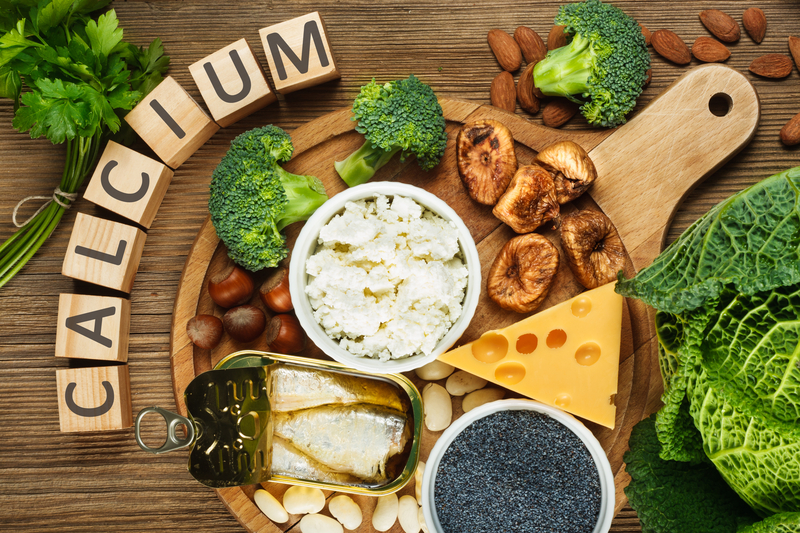
Calcium benefits are numerous and far-reaching.  It is one of the most essential minerals for maintaining overall health, yet many people don’t get enough of it.

While most know that calcium is vital for strong bones, research has revealed that calcium benefits go far beyond that.

From supporting heart function to aiding in weight management, calcium is a true powerhouse nutrient. Let’s explore the many ways calcium enhances health, backed by science.

1. Strengthens Bones and Teeth

It’s no secret that calcium is vital for bone health. According to a study published in The Journal of Bone and Mineral Research, adequate calcium intake helps maintain bone density and reduces the risk of osteoporosis, a condition that weakens bones and increases fracture risk. Calcium also plays a key role in strengthening teeth, preventing decay and gum disease.

2. Supports Heart Health

Calcium helps regulate heart function by ensuring proper muscle contractions, including those of the heart. Research in The American Journal of Medicine found that people with sufficient calcium intake had a lower risk of high blood pressure and cardiovascular disease. It also helps blood vessels relax and contract properly, promoting healthy circulation.

3. Aids in Weight Management

Surprisingly, calcium can play a role in weight control. A study in Obesity Research found that individuals who consumed more calcium, especially from dairy sources, had lower body fat levels and found it easier to manage their weight. Calcium may help regulate fat storage and breakdown, making it an important part of a balanced diet.

4. Reduces the Risk of Colon Cancer

Research published in The Journal of the National Cancer Institute suggests that calcium may reduce the risk of colorectal cancer. It’s believed that calcium binds to harmful compounds in the intestines, preventing them from damaging colon cells and reducing cancer risk.

5. Supports Muscle Function and Nerve Health

Calcium is essential for muscle contraction and nerve communication. Without it, muscles may cramp, and nerve signals may become sluggish. According to The Journal of Physiology, calcium enables the transmission of signals between the brain and body, ensuring smooth muscle movements and reducing the risk of spasms.

6. Promotes Better Sleep and Reduces Insomnia

Calcium plays an important role in sleep regulation. A study in The European Neurology Journal found that calcium helps the brain use the amino acid tryptophan (a component of protein) to produce melatonin, the sleep-inducing hormone. Low calcium levels have been linked to sleep disturbances and insomnia. Consuming calcium-rich foods before bed may enhance sleep quality and duration.

Best Food Sources of Calcium

To get enough calcium, it’s best to consume a variety of calcium-rich foods. Here are the top sources:

Dairy Sources:

  • Milk
  • Yogurt
  • Cheese

Non-Dairy Sources:

  • Leafy greens (kale, bok choy, collard greens)
  • Almonds
  • Sardines (with bones)
  • Chia seeds
  • Sesame seeds
  • Figs

Calcium Benefits for Good Sleep

This natural health news is shared by Nutrition Breakthroughs, maker of the original calcium and magnesium based sleep aid Sleep Minerals II.

Wendy R. of Honolulu, Hawaii says: “My friends know that I’ve had chronic insomnia for a long time. Surprisingly, I received the Sleep Minerals II and began taking it and found this thing really works. In the past if I ever got a good night’s sleep I’d say ‘I slept like a baby’, but that’s the wrong comparison. Those little guys get up every two hours. I am actually beginning to sleep like an adult — a much-rested adult.”

Summary

Getting enough calcium is essential for a strong, healthy body. Whether through dairy or plant-based sources, adding more calcium-rich foods and supplements to your diet can improve bone health, heart function, weight management, and even reduce disease risks. It can also enhance sleep quality and quantity and help remedy insomnia. So, start making calcium a priority today – your body will thank you!

Find out more info on the effective natural sleep aid Sleep Minerals II.

Calcium benefits are numerous and far-reaching.  It is one of the most essential minerals for maintaining overall health, yet many people don’t get enough of it.

While most know that calcium is vital for strong bones, research has revealed that calcium benefits go far beyond that.

From supporting heart function to aiding in weight management, calcium is a true powerhouse nutrient. Let’s explore the many ways calcium enhances health, backed by science.

1. Strengthens Bones and Teeth

It’s no secret that calcium is vital for bone health. According to a study published in The Journal of Bone and Mineral Research, adequate calcium intake helps maintain bone density and reduces the risk of osteoporosis, a condition that weakens bones and increases fracture risk. Calcium also plays a key role in strengthening teeth, preventing decay and gum disease.

2. Supports Heart Health

Calcium helps regulate heart function by ensuring proper muscle contractions, including those of the heart. Research in The American Journal of Medicine found that people with sufficient calcium intake had a lower risk of high blood pressure and cardiovascular disease. It also helps blood vessels relax and contract properly, promoting healthy circulation.

3. Aids in Weight Management

Surprisingly, calcium can play a role in weight control. A study in Obesity Research found that individuals who consumed more calcium, especially from dairy sources, had lower body fat levels and found it easier to manage their weight. Calcium may help regulate fat storage and breakdown, making it an important part of a balanced diet.

4. Reduces the Risk of Colon Cancer

Research published in The Journal of the National Cancer Institute suggests that calcium may reduce the risk of colorectal cancer. It’s believed that calcium binds to harmful compounds in the intestines, preventing them from damaging colon cells and reducing cancer risk.

5. Supports Muscle Function and Nerve Health

Calcium is essential for muscle contraction and nerve communication. Without it, muscles may cramp, and nerve signals may become sluggish. According to The Journal of Physiology, calcium enables the transmission of signals between the brain and body, ensuring smooth muscle movements and reducing the risk of spasms.

6. Promotes Better Sleep and Reduces Insomnia

Calcium plays an important role in sleep regulation. A study in The European Neurology Journal found that calcium helps the brain use the amino acid tryptophan (a component of protein) to produce melatonin, the sleep-inducing hormone. Low calcium levels have been linked to sleep disturbances and insomnia. Consuming calcium-rich foods before bed may enhance sleep quality and duration.

Best Food Sources of Calcium

To get enough calcium, it’s best to consume a variety of calcium-rich foods. Here are the top sources:

Dairy Sources:

  • Milk
  • Yogurt
  • Cheese

Non-Dairy Sources:

  • Leafy greens (kale, bok choy, collard greens)
  • Almonds
  • Sardines (with bones)
  • Chia seeds
  • Sesame seeds
  • Figs

Calcium Benefits for Good Sleep

This natural health news is shared by Nutrition Breakthroughs, maker of the original calcium and magnesium based sleep aid Sleep Minerals II.

***** Wendy R. of Honolulu, Hawaii says: “My friends know that I’ve had chronic insomnia for a long time. Surprisingly, I received the Sleep Minerals II and began taking it and found this thing really works. In the past if I ever got a good night’s sleep I’d say ‘I slept like a baby’, but that’s the wrong comparison. Those little guys get up every two hours. I am actually beginning to sleep like an adult — a much-rested adult.”

Summary

Getting enough calcium is essential for a strong, healthy body. Whether through dairy or plant-based sources, adding more calcium-rich foods and supplements to your diet can improve bone health, heart function, weight management, and even reduce disease risks. It can also enhance sleep quality and quantity and help remedy insomnia. So, start making calcium a priority today – your body will thank you!

Find out more info on the effective natural sleep aid Sleep Minerals II.

Recent discoveries in the fields of natural remedies and nutrition have uncovered promising breakthroughs in the treatment of chronic health problems such as insomnia, arthritis, and anxiety.

These groundbreaking studies highlight the benefits of specific natural remedies that can improve health outcomes without the possible side effects and addiction of medical drugs.

A study published in the “Journal of Sleep Research” (2023) has revealed that calcium, magnesium, and zinc significantly improve sleep quality in individuals suffering from insomnia. These essential minerals are found in various natural foods, including leafy greens, nuts, seeds, and fruits like cherries and bananas.

Participants in the study who supplemented their diet with magnesium and zinc reported better sleep quality, falling asleep faster, and waking up less frequently throughout the night. Sleep specialists recommend magnesium as a key element for enhancing melatonin, a hormone made in the brain that is essential for good sleep..

The benefits of omega-3 fatty acids, widely known for their anti-inflammatory properties, have been further reconfirmed by a “Nutrition Research Reviews” (2023) publication. The study demonstrated that omega-3-rich foods like fatty fish, flaxseeds, and walnuts can significantly reduce joint pain and stiffness in individuals with arthritis.

Another recent study, which focused on the mineral MSM, was published in the journal “Osteoarthritis Cartilage.” The results showed that compared to placebo, MSM produced significant decreases in knee pain and significant improvement in physical function.  The use of MSM also resulted in better performance of the activities of daily living, as well as reduction in stress and better cardiovascular health.

With arthritis affecting millions of people globally, natural remedies offer an effective alternative to non-steroidal anti-inflammatory drugs (NSAIDs), which are often associated with harmful side effects such as gastrointestinal issues and cardiovascular risks.  Joints and More from Nutrition Breakthroughs is a popular example of a supplement containing pure MSM.

***** R. Boulos of Houston, TX. says: “I’ve been taking the Joints and More supplement and it’s helping a great deal. After taking it twice a day, I notice that when I wake up in the morning the pain I was having in my front and back shoulders is almost gone.”

In the realm of herbal remedies, a recent discovery is the potential of the herb ashwagandha to alleviate stress and anxiety and improve mood stability. Published in “Phytotherapy Research” (2024), the study showed that participants who took ashwagandha supplements over 8 weeks had a notable reduction in cortisol levels, a hormone made in the adrenal glands that is responsible for stress.

Insomnia is a widespread issue, with 30% of the people in the U.S. having sleeping problems (per the National Council on Aging). With the recent discovery that calcium, magnesium, and zinc can significantly improve sleep quality and quantity, these minerals are becoming more popular as ingredients in natural sleep aids.  One example is Sleep Minerals II from Nutrition Breakthroughs, widely known as the original calcium and magnesium based sleep aid.

***** Doctor P. P. of Houston, Texas says: “I had developed sleeping problems and took two different sleeping medications over the course of several weeks. When I discontinued them the insomnia came back even worse. I literally got about 20 hours of sleep in 6 weeks time. Sleep Minerals II was just what I needed. I’ve been taking it for a couple weeks and getting many hours of sleep a night. As a doctor I would definitely avoid prescribing sleeping drugs — I would recommend Sleep Minerals II.”

As the demand for natural remedies continues to rise, these new discoveries offer hope for individuals who seek alternative solutions for managing chronic health problems.

This health news is shared with you by Nutrition Breakthroughs, maker of the effective natural sleep aid Sleep Minerals II, and the natural solution for joint relief, allergies, pain relief and increased energy, Joints and More.

This article at Nutrition Breakthroughs reveals several proven natural remedies for insomnia in menopause, as well as those that work for hot flashes and night sweats.

The North American Menopause Society reports that an estimated 6,000 U.S. women reach menopause each day, which translates to over 2 million women every year.

Starting with Vitamin E and continuing on with five other researched and proven remedies, you’ll have learned some very useful information when you’re done!

———————————————-

This health news is shared by Nutrition Breakthroughs, maker of the original calcium and magnesium based sleep aid Sleep Minerals II, and Joints and More, a natural supplement for joint relief, less aches and pains, and more energy.

Cilantro is an herb with small green, fan-shaped leaves and long, tender stalks.

According to Medical News Today, cilantro fights pain and inflammation, enhances skin health and has anti-fungal and anti-cancer properties. Per Dr. Josh Axe, this plant removes heavy metals from the body, cleanses the urinary tract, settles digestive upset, protects against food poisoning and acts as a sedative.

See the details of these health benefits, as well as many ways to use cilantro in dishes here on the Nutrition Breakthroughs blog.

——————————————————

This natural health news is provided by Nutrition Breakthroughs, a publisher of nutrition articles and supplier of natural remedies since 2002. Nutrition Breakthroughs makes Sleep Minerals II, the effective natural sleep aid with calcium, magnesium, zinc and vitamin D, and also Joints and More, the natural solution for joint relief, arthritis, aches and pains, stronger hair, better nails, and more energy.

Sleep better with Sleep Minerals II natural sleep aidThere are a high percentage of people who encounter nightly insomnia and sleeplessness all over the world.  In the United States, the National Sleep Foundation reports that up to 25% of adults have tried sleeping drugs in an effort to get some sleep.  These medications come with extensive side effects and are not always effective.

Sleep Minerals II from Nutrition Breakthroughs is a natural insomnia remedy that contains highly absorbable forms of calcium and magnesium.  Customer reviews show that it works well for sleeplessness and insomnia, as well as for heart health, restless leg syndrome, bone strength, muscle cramps, menopause insomnia, hot flashes, night sweats, and teenage insomnia.

Sleep Minerals II also contains vitamin D and zinc and is delivered in a softgel form mixed with natural rice bran oil, making it better assimilated than tablets or capsules and providing a deeper, longer-lasting sleep.

James F. Balch, M.D., author of “Prescription for Nutritional Healing,” writes that: “A lack of the nutrients calcium and magnesium will cause you to wake up after a few hours and not be able to return to sleep.”

Here are some of the latest reviews of Sleep Minerals II from customers all over the world:

S.K. of Indianapolis, Indiana says: “I have been using Sleep Minerals II. I use it religiously every single night. I suffered from YEARS of anxiety-related insomnia. Nothing helped. My doctor couldn’t find a medicinal combination of medications to treat my anxiety well enough to allow me to get some good sleep. On my first night of Sleep Minerals II, I was able to sleep all the way through the night. I’ve been using it for almost two years now. I am absolutely 1000% satisfied with this product and have even recommended it to my friends and family when they discuss their sleep issues with me.”

K. C. of Homer, New York says: “I am writing to you a true believer of Sleep Minerals II.  I never write product reviews…. good or bad.  I had originally ordered your sleep minerals product and thought I would give it a try.  Well I had given it to the entire family.  We ran out of it and I really thought it wasn’t working.  I quickly realized within a couple nights that without them the entire household was not falling asleep as easily as they were before!  So I immediately ordered more.  I will not let that happen again.”

For more information, visit the Sleep Minerals II page.

I.C. of Ontario, Canada says: “I have Lupus, which is an autoimmune condition.  I’m not allowed to take vitamins like vitamin C or anything that builds up my immune system.  If I do, my immune system gets stronger and attacks me.  I have diabetes, a thyroid condition, arthritis and other issues.  The Sleep Minerals is just subtle enough that it helps me sleep and gives me the minerals I need – especially calcium. I have arthritis throughout my whole body and the minerals help this a lot.  In fact, the Sleep Minerals lessens all of my symptoms greatly and has helped me to go into remission.”

W.W. of Perth, Australia says: “I have been taking the Sleep Minerals for the past 15 nights and am noticing an improvement in my ability to go back to sleep when waking during the night.  I have also been able to start reducing the medication that I have been taking for the past 7 years for sleep.  I will definitely keep taking them and hope to keep reducing the prescription meds and continue to feel more rested during the day.”

For more information, visit the Sleep Minerals II page.

J.H. of Manitoba, Canada says: “Sleep Minerals II has made a huge difference in my life as I was having debilitating leg cramps that used to occur every night.  My legs were sore even into the next day.  These have now become history.  My sleep is also so much better and now I don’t worry constantly about my calcium and magnesium levels.  I am 70 years old and look forward to a very healthy old age. I suffered with sleep deprivation for a very long time and I will continue to pass the word on to my friends about how Sleep Minerals II has changed my life.”

M. T. of Tasmania, Australia says: “I received the Sleep Minerals II about a week ago and have been taking the softgels about an hour before bed. The last two nights I have slept well. The best side effect I have found, however, is that the night sweats and hot flashes I had constantly throughout the day, have almost completely stopped. And if I do have one, it is 95% less than I previously experienced. So far I’m very happy with the Sleep Minerals.”

For more information, visit the Sleep Minerals II page.


Article source: http://www.nutritionbreakthroughs.com/blog/2018/02/08/newest-reviews-of-sleep-minerals-ii-worldwide/

Tags: , , , , , , , , , , , , , , , , , , , , , , , , , , , , , , , , , , , , , , , , , , , , , , , , , , , , , , , , , , , , , , , , , , , , , , , , , , , , , , , , , , , , , , , , , , , ,

vitamin e foodsA study from the journal “Oxidative Medicine and Cellular Longevity” has demonstrated that vitamin E can prevent and treat the loss of muscle mass and strength that occurs as people age.  This loss of muscle is known as “sarcopenia”.

Regarding the word “oxidative” that is included in the journal name, this refers to the process in our bodies where we process the oxygen we breathe in, and our cells produce energy from it.

This process can become imbalanced and create a state of “oxidative stress” if we don’t consume enough “anti” oxidants such as vitamins E, C and A.  Besides the body’s own natural metabolism functions, sources of oxidative stress can include pollution, medications or drugs, smoke, infection, stress, toxins, or a poor diet.

The researchers explain that vitamin E creates healthy muscles because a reduced level of vitamin E or a deficiency in the body is associated with an increased risk of muscle atrophy (shrinkage).  The vitamin can prevent muscle damage and encourage muscle regeneration.

Muscles in the body are particularly susceptible to oxidative damage as these are the site of the highest consumption of oxygen. Vitamin E is a fat soluble vitamin that greatly boosts cellular antioxidant capacity.  Because of this, vitamin E can be beneficial for preventing the effects of aging and for also treating infections, cardiovascular diseases, diabetes and neurological disorders.

Several studies have demonstrated an association between vitamin E levels and the amount of muscle strength or weakness.  One study in Italy was done with 1,156 participants between 65 years old and 102.  Knee extension strength tests showed that a daily intake of vitamin E is significantly related to a person’s total physical performance and strength.

Another group of scientists proved the beneficial effects of vitamin E in reversing muscle damage during extensive exercise in men.  The men took 800 units of Vitamin E daily for 28 days.  After a downhill run, their oxidative stress indicators were measured and were shown to be markedly reduced in both the older and younger men.

Vitamin E has many pathways by which it brings its beneficial health effects.  In addition to being a powerful antioxidant, it is also an effective anti-inflammatory vitamin.  It may halt the overall inflammation in the body by suppressing certain reactive cells of the immune system.  These inflammatory responses and cells have a direct affect on muscle strength and mass as well, so vitamin E does its good deeds in benefiting the muscles in this additional way.

Inactivity and immobility can lead to muscle wasting, so the researchers highly encourage low intensity exercises as an effective means to increase muscle strength and performance.  This may include walking, lifting light weights, doing squats, etc.  This also increases a person’s ability to balance and control the body well.  Combining a healthy diet with nutrition supplements and exercise is the most highly recommended approach to improved muscle strength.

Vitamin E has also been shown to ease arthritis pain and stiffness.  One study showed that pain parameters were significantly decreased after vitamin E treatment when compared with placebo.

This natural health news is provided by Nutrition Breakthroughs, a publisher of nutrition articles and supplier of natural remedies since 2002. Nutrition Breakthroughs makes Sleep Minerals II, the effective natural sleep aid with calcium, magnesium, zinc and vitamin D, and also Joints and More, the natural solution for joint relief, aches and pains, stronger hair and nails and more energy.


Article source: http://www.nutritionbreakthroughs.com/blog/2018/03/22/new-research-vitamin-e-prevents-muscle-loss-with-aging/

Tags: , , , , , , , , , , , , , , , , , , , , , , , , , , , , , , , , , , , , , , , , , , , , , , , , , , , , , , , , , , , , , , , , , , , , , , , , , , , , , , , , , , , , , , , , , , , , , , , , , , , , , , , , , , , ,