Posts Tagged ‘fruits and vegetables’
What Exactly Are Antioxidants and Their Health Benefits and Foods? – from Wynter’s Wellness Blog
Posted on: December 25, 2023

As a nutritional writer, I often find myself looking for ways to explain what antioxidants are. Well, this article from Wynter’s Wellness does a good job at it. If you’ve always wondered what antioxidants are and the many ways they help our health, this article is for you!
————–
This news is shared by Nutrition Breakthroughs. They provide science-based health articles that are designed to clarify and simplify the subjects of good nutrition and natural health. They make the original calcium and magnesium based sleep aid Sleep Minerals II, and also Joints and More, a natural supplement for joint relief, less aches and pains, and more energy.
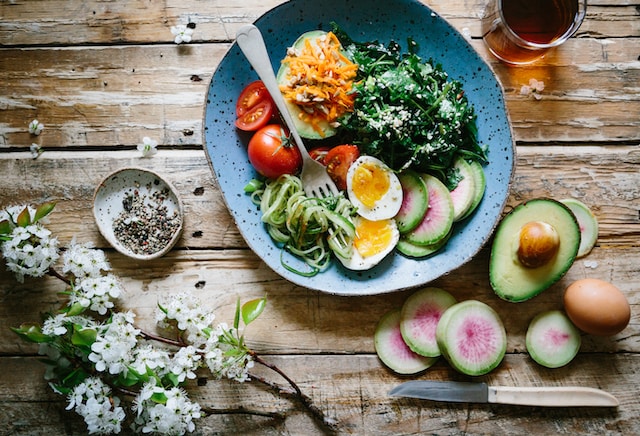
In the world of nutrition, myths and news headlines can often overshadow the truths, which can leave us wondering about what to put on our plates.
The larger truth is that we are all unique individuals who may have different nutritional needs. There are many different diets such as Mediterranean, Paleo, Keto, Low-Carb, Vegetarian, Gluten-Free, etc.
Often, when it comes down to every-day reality, there’s no “one diet fits all” approach and eating a variety of healthy foods is what matters. The best advice is to enjoy whole, unprocessed single foods like (Continue reading) ….
———————————————
This health news is shared by Nutrition Breakthroughs, maker of the original calcium and magnesium based sleep aid Sleep Minerals II, and Joints and More, a natural supplement for joint relief, less aches and pains, and more energy.

What you eat has a significant impact on your health. A healthy diet can help you maintain a healthy weight, reduce your risk of chronic diseases such as heart disease and diabetes. […]
9 Easy Ways To Make Your Diet Healthier — Feel Young For Life
Here is a helpful article that gives you tips to make your diet healthier. A healthy diet not only helps you maintain a healthy weight, but it also promotes healthy nails, hair, and skin and reduces the risk of chronic disease.
Check it out!
This health news is shared by Nutrition Breakthroughs, maker of the original calcium and magnesium based sleep aid Sleep Minerals II, and also Joints and More, for joint relief, stronger hair and nails, and more energy.
Posted on: May 1, 2020
It might surprise you to learn that vitamins are a relatively recent discovery. Only in the last hundred years or so has our understanding of these food constituents developed. Even today our knowledge about nutrition and the optimum diet is still developing. Prior to the discovery of vitamins the accepted theory was that as long […]
via Discovering Why Fresh Is Best – The Hard Way — Olwen Anderson Naturopath & Counsellor
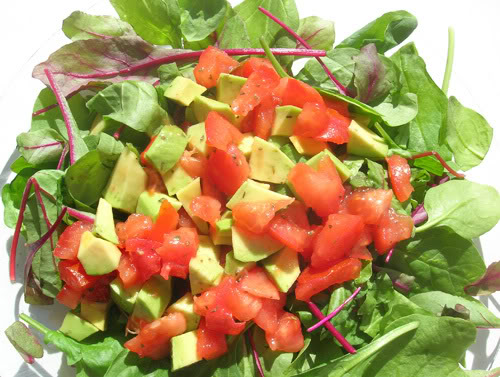 This is a most interesting article from Olwen Anderson, Nutritionist and Naturopath. She discusses some various ways of eating and experiments that have been made — and she gives some advice on which particular foods should always be included in our diets to support good health and a long life.
* What’s more important: taking vitamin supplements or eating certain types of foods?
* What should we keep in mind about diets that exclude several food groups?
* Find out in this article!
————————————————-
This natural health news is shared by Nutrition Breakthroughs, a publisher of nutrition news and a supplier of natural remedies since 2002. Nutrition Breakthroughs makes Sleep Minerals II, the effective natural sleep aid with calcium, magnesium, zinc and vitamin D.
Discovering Why Fresh Is Best – The Hard Way: Olwen Anderson Naturopath & Counsellor
Greetings to you,
Included below is a healthy reference chart with the top ten vitamin C foods. Vitamin C is a vital nutrient for health. Although most animals can make vitamin C from scratch, humans have lost the ability and must get it from food, chiefly fresh fruits and vegetables. Recent research studies are showing many health benefits for vitamin C.
Vitamin C helps maintain blood vessels, strengthens bones and teeth, heals wounds, fights infections, and supports heart and eye health. Vitamin C is a key player in the production of collagen, which is the most abundant protein in the body and is a component of muscle, joints, bone, skin, hair and nails.
The daily value (DV) of vitamin C is 60 milligrams. Daily values are developed by the U.S. Food and Drug Administration to help people determine how much they should take of vitamins and minerals. However, Nobel Prize winner Linus Pauling, famous for his work with high levels of vitamin C for disease, suggests higher levels.
According to a study from the American Journal of Clinical Nutrition, recent scientific evidence indicates an increased intake of vitamin C is associated with a reduced risk of chronic diseases such as cancer, cardiovascular disease and cataract, probably through antioxidant mechanisms.
An antioxidant is a nutrient that counteracts the harmful effects of oxygen in the body. An unhealthful diet, as well as the normal processes of digestion and metabolism, can produce excess oxygen which contributes to aging and disease. The key antioxidants are vitamin C and vitamin E.
A Scandinavian researcher conducted a review of 21 studies that tested between 1 and 8 grams (1,000 to 8,000 milligrams) of Vitamin C for the common cold. He concluded that “in each of the twenty-one studies, Vitamin C reduced the duration of the cold and the severity of the symptoms by an average of 23%. Even much lower amounts of vitamin C such as 100 milligrams have been found to be beneficial.
Cataracts are an eye condition where the clarity is reduced in the lens, resulting in blurred vision. Research was recently published in an eye health journal which found that high daily intakes of fruit and vegetables provided greater blood levels of vitamins C and E and decreased the frequency of cataract and cataract surgery.
According to the Linus Pauling Institute, two observational studies discovered that vitamin C from the diet is associated with better skin appearance, with significant decreases in skin wrinkling. In addition, using topical applications of vitamin C in a skin cream for several months has been shown to increase the production of collagen in skin, reduce signs of skin roughness and reduce wrinkling.
This news is shared with you by Nutrition Breakthroughs, provider of natural health articles and effective natural remedies since 2001. Nutrition Breakthroughs makes original calcium and magnesium based sleep aid, Sleep Minerals II.
 Shared by http://Nutrition Breakthroughs.com
Hello,
Here is a great chart that has the best ways and methods to select the highest quality foods, including meats, dairy, fruits and vegetables. These are proven ways to increase your health and and the health of those you care about.
Here’s to your good health!
Nutrition Breakthroughs
Maker of Natural Remedies for Sleep and Joint Health
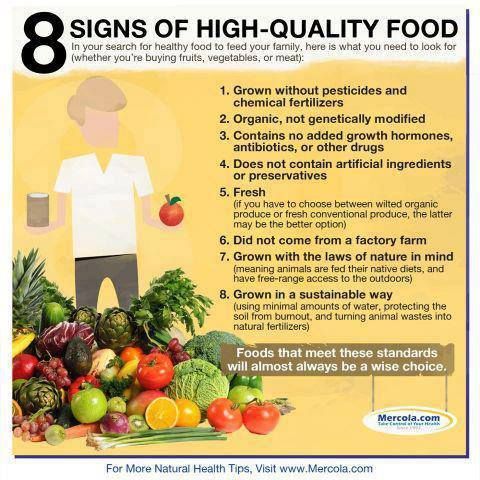 Article source: http://www.nutritionbreakthroughs.com/blog/2015/07/21/8-ways-to-select-the-highest-quality-food/
By Jack Saari, U.S. Dept. of Agriculture, Human Nutrition Research Center
The most naturally colorful place in a supermarket is the produce department. Recent studies indicate that those colors are sending us a message. It seems that the color-producing chemicals in fruits and vegetables, nature’s packaging scheme, are advertising the health benefits of those plants.
What are these chemicals? A term coined to describe plant chemicals is phytonutrient, ‘phyto’ meaning plant-based. Some phytonutrients, colors or pigments, may already be familiar to you. These include lycopene, which makes tomatoes red; lutein, the color of corn; and beta-carotene, which gives carrots their orange color. The green color of chlorophyll is evident in leafy vegetables, but in many cases hides the presence of other pigments such as lutein and beta-carotene.
Other chemicals may be less familiar, for instance, the broad class of compounds called anthocyanins, which impart the vibrant reds (strawberries, cherries), blues (blueberries) and purples (grapes, plums) to many fruits. How do these colored chemicals protect us? A clue is provided by how they protect plants. While plants need light to survive, excess light energy can be destructive. In times of plant stress, light energy beyond what plants can use causes formation of highly reactive oxygen radicals. This so-called oxidant stress can damage the plant. In agricultural terms, this reduces yield.
Carotenoids in plants, in particular, lutein and zeazanthin, have been shown to prevent this damage by acting as antioxidants. Many of the colored phytonutrients have structures that make them good antioxidants. To increase yield, plant scientists are trying to find ways to increase the amounts of these naturally protective chemicals in crops.
Nutritionists in turn are trying to increase the amounts of plant-based foods in our diets. That’s because the colored phytonutrients can do for us what they do in plants. Many diseases have at their core the excess production of oxygen radicals. These radicals can mutate DNA to cause cancer. They can oxidize LDL (bad cholesterol) to promote atherosclerosis. Oxygen radicals can trigger clotting, which can lead to strokes and heart attacks.
Excess light, in addition to damaging plants, can damage the eye. In general, aging is thought by many scientists to result from accumulation of oxygen radical damage. Scientists are finding that consumption of plants with their high concentrations of antioxidant phytonutrients can combat many of the diseases mediated by oxygen radicals.
But fighting oxidant stress may not be all they do. Research is beginning to show effects of phytonutrients on cancer growth, hormone function, immune response, inflammation and blood vessel function that are independent of their antioxidant nature. From these findings, it is not surprising that consumption of tomato products has been linked to reduction of both cancer and cardiovascular disease.
Foods containing alpha- and beta-carotene, such as carrots and spinach, have been shown to reduce coronary heart disease. Lutein and zeazanthin, present in corn, carrots and dark green vegetables, are also components of the eye’s macula and thus essential for prevention of macular degeneration. Consumption of blueberries has been shown to improve memory, coordination and balance in aging rats. Strawberry extracts have been shown to prevent aging as simulated by a high oxygen environment in rats. Sour cherries appear to benefit arthritis sufferers by reducing inflammation.
And don’t ignore white. Though unpigmented vegetables such as garlic and white onions may lack colorful pigments, they nonetheless contain important protective phytochemicals.
Another side benefit of adding colorful plant-based foods to your diet is that they replace high-calorie foods in your diet. Along with exercise, this can contribute to weight reduction. As we know, excess weight is a risk factor for both cancer and heart disease.
How many servings of fruits and vegetables should we eat a day?
The U.S. Department of Agriculture recommendation (mypyramid.gov) actually is five to nine servings a day three to five of vegetables and two to four of fruit.
You may balk at the idea of nine servings, but don’t be distressed by the number. Serving sizes are not that big. Most would fit in the palm of your hand. The key is variety, not bulk.
So get healthier. Go out and color your diet.
Comments from the blog author Nutrition Breakthroughs: When deciding what to eat, seek out brightly colored fruits and vegetables for greater health. Good eating leads to good health for all parts of your body, including your heart and brain, and leads to higher levels of energy during the day and better, deeper sleep at night.
This article is provided to you by http://www.NutritionBreakthroughs.com, maker of the effective sleep remedy for insomnia help “Sleep Minerals II”. Sleep Minerals II contains highly absorbable forms of magnesium and calcium, as well as Vitamin D and healthy oils. If you need to get better, deeper sleep, visit this link:
http://www.nutritionbreakthroughs.com/html/sleep_remedy_for_insomnia_help.html
By Jack Saari, U.S. Dept. of Agriculture, Human Nutrition Research Center
The most naturally colorful place in a supermarket is the produce department. Recent studies indicate that those colors are sending us a message. It seems that the color-producing chemicals in fruits and vegetables, nature’s packaging scheme, are advertising the health benefits of those plants.
What are these chemicals? A term coined to describe plant chemicals is phytonutrient, ‘phyto’ meaning plant-based. Some phytonutrients, colors or pigments, may already be familiar to you. These include lycopene, which makes tomatoes red; lutein, the color of corn; and beta-carotene, which gives carrots their orange color. The green color of chlorophyll is evident in leafy vegetables, but in many cases hides the presence of other pigments such as lutein and beta-carotene.
Other chemicals may be less familiar, for instance, the broad class of compounds called anthocyanins, which impart the vibrant reds (strawberries, cherries), blues (blueberries) and purples (grapes, plums) to many fruits. How do these colored chemicals protect us? A clue is provided by how they protect plants. While plants need light to survive, excess light energy can be destructive. In times of plant stress, light energy beyond what plants can use causes formation of highly reactive oxygen radicals. This so-called oxidant stress can damage the plant. In agricultural terms, this reduces yield.
Carotenoids in plants, in particular, lutein and zeazanthin, have been shown to prevent this damage by acting as antioxidants. Many of the colored phytonutrients have structures that make them good antioxidants. To increase yield, plant scientists are trying to find ways to increase the amounts of these naturally protective chemicals in crops.
Nutritionists in turn are trying to increase the amounts of plant-based foods in our diets. That’s because the colored phytonutrients can do for us what they do in plants. Many diseases have at their core the excess production of oxygen radicals. These radicals can mutate DNA to cause cancer. They can oxidize LDL (bad cholesterol) to promote atherosclerosis. Oxygen radicals can trigger clotting, which can lead to strokes and heart attacks.
Excess light, in addition to damaging plants, can damage the eye. In general, aging is thought by many scientists to result from accumulation of oxygen radical damage. Scientists are finding that consumption of plants with their high concentrations of antioxidant phytonutrients can combat many of the diseases mediated by oxygen radicals.
But fighting oxidant stress may not be all they do. Research is beginning to show effects of phytonutrients on cancer growth, hormone function, immune response, inflammation and blood vessel function that are independent of their antioxidant nature. From these findings, it is not surprising that consumption of tomato products has been linked to reduction of both cancer and cardiovascular disease.
Foods containing alpha- and beta-carotene, such as carrots and spinach, have been shown to reduce coronary heart disease. Lutein and zeazanthin, present in corn, carrots and dark green vegetables, are also components of the eye’s macula and thus essential for prevention of macular degeneration. Consumption of blueberries has been shown to improve memory, coordination and balance in aging rats. Strawberry extracts have been shown to prevent aging as simulated by a high oxygen environment in rats. Sour cherries appear to benefit arthritis sufferers by reducing inflammation.
And don’t ignore white. Though unpigmented vegetables such as garlic and white onions may lack colorful pigments, they nonetheless contain important protective phytochemicals.
Another side benefit of adding colorful plant-based foods to your diet is that they replace high-calorie foods in your diet. Along with exercise, this can contribute to weight reduction. As we know, excess weight is a risk factor for both cancer and heart disease.
How many servings of fruits and vegetables should we eat a day?
The U.S. Department of Agriculture recommendation (www.mypyramid.gov) actually is five to nine servings a day three to five of vegetables and two to four of fruit.
You may balk at the idea of nine servings, but don’t be distressed by the number. Serving sizes are not that big. Most would fit in the palm of your hand. The key is variety, not bulk.
So get healthier. Go out and color your diet.
——————————————————Comments from the blog author Nutrition Breakthroughs: When deciding what to eat, seek out brightly colored fruits and vegetables for greater health. Good eating leads to good health for all parts of your body, including your heart and brain, and leads to higher levels of energy during the day and better, deeper sleep at night.
This article is provided to you by http://www.NutritionBreakthroughs.com, maker of the effective sleep remedy for insomnia help “Sleep Minerals II”. Sleep Minerals II contains highly absorbable forms of magnesium and calcium, as well as Vitamins D and K and the mineral boron. If you or someone you care about needs to get better, deeper sleep, take a look at the Sleep Minerals II customer reviews this link: http://www.nutritionbreakthroughs.com/html/sleep_remedy_for_insomnia_help.html
 News on Natural Remedies, Good Sleep and Good Health