News on Natural Remedies, Good Sleep and Good Health

Posts Tagged ‘calcium and magnesium sleep

In a fast-paced world where sleep can sometimes feel like an unattainable luxury, finding natural ways to drift off peacefully can be a life-saver.

Thankfully, there are some drinks for sleep that are packed with ingredients that promote a deeper, longer-lasting rest. Have a look at these top 10 drinks that can help you achieve a night of restful slumber, featuring natural vitamins, minerals and herbs.

Chamomile tea

Chamomile tea is the superstar of bedtime drinks for sleep. It contains apigenin, a powerful plant substance that binds to areas in the brain to promote sleepiness and reduce insomnia  Think of it as a gentle nudge towards your pillow (from a 2011 study).

Sour Cherry Juice for Sleep

Tart cherry juice is a natural source of melatonin, the hormone responsible for regulating the sleep and wake cycles. Research has shown that drinking tart cherry juice can significantly improve sleep duration and quality of sleep (from a 2010 study).

Warm milk

Warm milk isn’t just a comforting childhood memory. It’s rich in calcium and tryptophan, an amino acid that boosts melatonin levels, promoting sleep.

Almond Milk

Almond milk is a fantastic source of magnesium and calcium, both of which are crucial for good sleep. Magnesium helps relax the muscles and nerves and calms the body and mind (from a study in the Journal of Natural Medicine).

Banana Smoothie

Bananas are loaded with magnesium, potassium, and vitamin B6, which aid in the production of melatonin. Blend a fresh or frozen banana with one cup of milk or almond milk and a half cup of ice, and you’ve got a delicious, sleep-inducing smoothie (from the Role of Bananas in the Sleep-Wake Cycle; Journal of Food Science and Technology).

Lemon Balm Tea

Lemon balm, a member of the mint family, has been shown to reduce anxiety and improve sleep. Its calming effects can help ease you into a restful night’s sleep (from a 2006 study).

Golden Milk

Golden milk, made with turmeric, milk, and honey, is not only delicious but also packed with sleep-enhancing properties. Turmeric contains curcumin, which has been shown to reduce inflammation and improve mood, indirectly promoting better sleep (from a 2019 study).

To make golden milk, combine 1 cup milk (or almond, coconut, oat milk), a half teaspoon turmeric powder, and one teaspoon honey or maple syrup.  Boil and then simmer for 3 to 5 minutes, cool and enjoy.

Oat Straw Tea

Oat straw is an herb rich in calcium, magnesium, and vitamins. It’s known for its calming effects on the nervous system, making it an excellent choice for a bedtime beverage (from Nutritional Neuroscience).

Passionflower Tea

Passionflower tea can increase levels of GABA, a brain chemical that helps reduce stress and promote relaxation (from a Phytotherapy Journal; meaning plant therapy).

Coconut Water

Coconut water is rich in magnesium and potassium.  If there is a deficiency of these minerals, it can lead to insomnia, leg cramps, and more. Coconut water is high in minerals and is a hydrating and soothing option for winding down at the end of the day.

Sip, Relax and Sleep

Try whichever one first that is the most appealing to you and start with small amounts.  Observe the effects it has on your sleep and see if it agrees with you.  If it doesn’t help, try the next one.  You will certainly find one or more natural drinks for sleep that will help you relax.  If you are taking any medications, keep in touch with your doctor and let them know which drinks you are trying.

With these delicious and scientifically-backed drinks for sleep, you’ll be on your way to a peaceful, rejuvenating night’s rest. So raise a cup to sweet dreams, sleep well, and wake up refreshed and ready to tackle the day!

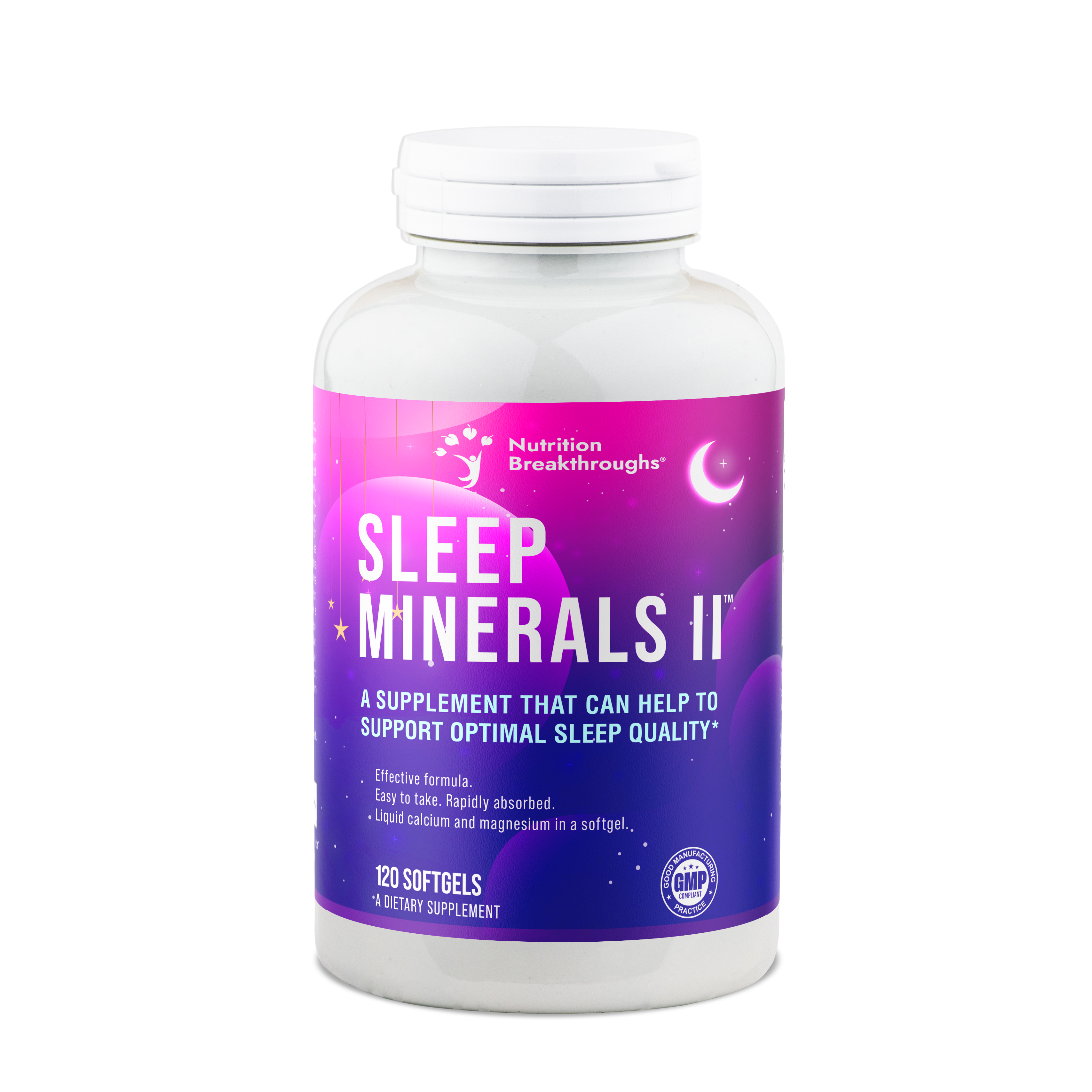
This health news is shared by Nutrition Breakthroughs, maker of the original calcium and magnesium based sleep aid Sleep Minerals II.

Suzanne G. of Tucson, Arizona says: “I have had insomnia for most of my life and the longer I take Sleep Minerals II, the better I sleep. The best thing is that I can now get back to sleep if I wake up in the night. It has given me such a sense of peace to know that I now can be well rested during the day. I also find my brain less foggy from lack of sleep. I have tried many products on the market and this is the one that is gold. Thank you so much for producing a quality product!”

References

  1. Pigeon, W. R., Carr, M., Gorman, C., & Perlis, M. (2010). Effects of a tart cherry juice beverage on the sleep of older adults with insomnia: a pilot study. Journal of Medicinal Food, 13(3), 579-583.
  2. Zick, S. M., Wright, B. D., Sen, A., & Arnedt, J. T. (2011). Preliminary examination of the efficacy and safety of a standardized chamomile extract for chronic primary insomnia: a randomized placebo-controlled pilot study. BMC Complementary and Alternative Medicine, 11(1), 78.
  3. Barbagallo, M., & Dominguez, L. J. (2010). Magnesium and aging. Current Pharmaceutical Design, 16(7), 832-839.
  4. Balderas, J., González-Dávalos, L., & Alonso, R. (2013). Role of bananas in the sleep-wake cycle. Journal of Food Science and Technology, 50(6), 1269-1276.
  5. Kennedy, D. O., Little, W., & Scholey, A. B. (2006). Attenuation of laboratory-induced stress in humans after acute administration of Melissa officinalis (Lemon Balm). Psychosomatic Medicine, 68(5), 732-737.
  6. Jahromi, S. R., Maleki, M., & Berrang, J. M. (2019). The effects of curcumin on sleep deprivation: a review. Neurochemical Research, 44(3), 499-507.
  7. Mitchell, J., Smith, M., & Macleod, K. (2011). Oat straw extract improves cognitive performance in healthy adults. Nutritional Neuroscience, 14(5), 236-242.
  8. Ngan, A., & Conduit, R. (2011). A double-blind, placebo-controlled investigation of the effects of Passiflora incarnata (passionflower) herbal tea on subjective sleep quality. Phytotherapy Research, 25(8), 1153-1159.

In a fast-paced world where sleep can sometimes feel like an unattainable luxury, finding natural ways to drift off peacefully can be a life-saver.

Thankfully, there are some drinks for sleep that are packed with ingredients that promote a deeper, longer-lasting rest. Have a look at these top 10 drinks that can help you achieve a night of restful slumber, featuring natural vitamins, minerals and herbs.

Chamomile tea

Chamomile tea is the superstar of bedtime drinks for sleep. It contains apigenin, a powerful plant substance that binds to areas in the brain to promote sleepiness and reduce insomnia  Think of it as a gentle nudge towards your pillow (from a 2011 study).

Sour Cherry Juice for Sleep

Tart cherry juice is a natural source of melatonin, the hormone responsible for regulating the sleep and wake cycles. Research has shown that drinking tart cherry juice can significantly improve sleep duration and quality of sleep (from a 2010 study).

Warm milk

Warm milk isn’t just a comforting childhood memory. It’s rich in calcium and tryptophan, an amino acid that boosts melatonin levels, promoting sleep.

Almond Milk

Almond milk is a fantastic source of magnesium and calcium, both of which are crucial for good sleep. Magnesium helps relax the muscles and nerves and calms the body and mind (from a study in the Journal of Natural Medicine).

Banana Smoothie

Bananas are loaded with magnesium, potassium, and vitamin B6, which aid in the production of melatonin. Blend a fresh or frozen banana with one cup of milk or almond milk and a half cup of ice, and you’ve got a delicious, sleep-inducing smoothie (from the Role of Bananas in the Sleep-Wake Cycle; Journal of Food Science and Technology).

Lemon Balm Tea

Lemon balm, a member of the mint family, has been shown to reduce anxiety and improve sleep. Its calming effects can help ease you into a restful night’s sleep (from a 2006 study).

Golden Milk

Golden milk, made with turmeric, milk, and honey, is not only delicious but also packed with sleep-enhancing properties. Turmeric contains curcumin, which has been shown to reduce inflammation and improve mood, indirectly promoting better sleep (from a 2019 study).

To make golden milk, combine 1 cup milk (or almond, coconut, oat milk), a half teaspoon turmeric powder, and one teaspoon honey or maple syrup.  Boil and then simmer for 3 to 5 minutes, cool and enjoy.

Oat Straw Tea

Oat straw is an herb rich in calcium, magnesium, and vitamins. It’s known for its calming effects on the nervous system, making it an excellent choice for a bedtime beverage (from Nutritional Neuroscience).

Passionflower Tea

Passionflower tea can increase levels of GABA, a brain chemical that helps reduce stress and promote relaxation (from a Phytotherapy Journal; meaning plant therapy).

Coconut Water

Coconut water is rich in magnesium and potassium.  If there is a deficiency of these minerals, it can lead to insomnia, leg cramps, and more. Coconut water is high in minerals and is a hydrating and soothing option for winding down at the end of the day.

Sip, Relax and Sleep

Try whichever one first that is the most appealing to you and start with small amounts.  Observe the effects it has on your sleep and see if it agrees with you.  If it doesn’t help, try the next one.  You will certainly find one or more natural drinks for sleep that will help you relax.  If you are taking any medications, keep in touch with your doctor and let them know which drinks you are trying.

With these delicious and scientifically-backed drinks for sleep, you’ll be on your way to a peaceful, rejuvenating night’s rest. So raise a cup to sweet dreams, sleep well, and wake up refreshed and ready to tackle the day!

This health news is shared by Nutrition Breakthroughs, maker of the original calcium and magnesium based sleep aid Sleep Minerals II, and Joints and More, a natural supplement for joint relief, less aches and pains, stronger hair and nails, and more energy.

References

  1. Pigeon, W. R., Carr, M., Gorman, C., & Perlis, M. (2010). Effects of a tart cherry juice beverage on the sleep of older adults with insomnia: a pilot study. Journal of Medicinal Food, 13(3), 579-583.
  2. Zick, S. M., Wright, B. D., Sen, A., & Arnedt, J. T. (2011). Preliminary examination of the efficacy and safety of a standardized chamomile extract for chronic primary insomnia: a randomized placebo-controlled pilot study. BMC Complementary and Alternative Medicine, 11(1), 78.
  3. Barbagallo, M., & Dominguez, L. J. (2010). Magnesium and aging. Current Pharmaceutical Design, 16(7), 832-839.
  4. Balderas, J., González-Dávalos, L., & Alonso, R. (2013). Role of bananas in the sleep-wake cycle. Journal of Food Science and Technology, 50(6), 1269-1276.
  5. Kennedy, D. O., Little, W., & Scholey, A. B. (2006). Attenuation of laboratory-induced stress in humans after acute administration of Melissa officinalis (Lemon Balm). Psychosomatic Medicine, 68(5), 732-737.
  6. Jahromi, S. R., Maleki, M., & Berrang, J. M. (2019). The effects of curcumin on sleep deprivation: a review. Neurochemical Research, 44(3), 499-507.
  7. Mitchell, J., Smith, M., & Macleod, K. (2011). Oat straw extract improves cognitive performance in healthy adults. Nutritional Neuroscience, 14(5), 236-242.
  8. Ngan, A., & Conduit, R. (2011). A double-blind, placebo-controlled investigation of the effects of Passiflora incarnata (passionflower) herbal tea on subjective sleep quality. Phytotherapy Research, 25(8), 1153-1159.
sleep minerals II

Sleep Minerals II is the original and time-tested calcium and magnesium remedy for better sleep.

Nutrition Breakthroughs has enhanced the product to provide an upgraded formula for those struggling with sleeplessness or insomnia.

With increased amounts of zinc, a shift to sunflower lecithin from soy lecithin, and a reduced serving size, the new formula provides increased benefits for those who seek a more restful night’s sleep.

Sleep Minerals II contains calcium, magnesium, vitamin D and zinc, formulated in a softgel with healthy oils.  The softgel is a unique form that is absorbed and digested more rapidly and fully than tablets or capsules.

Zinc is a vital mineral for sleep regulation and it is also the most important mineral for immune function.  The amount of zinc present in the body is a factor that can determine the quality and quantity of sleep.  Zinc aids in the manufacture of chemical messengers in the brain such as melatonin and serotonin, which support a sound night’s sleep and help to regulate the sleep-wake cycle.

According to the U.S. Human Nutrition Research Center on Aging, about half of U.S. women consume less than two-thirds of the Recommended Dietary Daily Allowance of 11 mg. to 12 mg. of zinc. And the amount of zinc people absorb from their meals decreases with advancing age.  The new version of Sleep Minerals II provides 12 mg. of zinc in each softgel.

The balance of calcium and zinc are important to overall health.  In one study from the Human Nutrition Research Center, 18 women increased their calcium intake and this resulted in their absorption of zinc significantly reducing.  This happened regardless of whether they got the extra calcium from milk or from a calcium supplement.

In a second study from the same source, zinc absorption dropped by half when a group of 10 men and women took a calcium supplement with a single test meal. However, adding zinc to the calcium supplement acted to offset this effect.

On its own, calcium is directly related to our cycles of sleep. In one study published in the European Neurology Journal, researchers found that calcium levels in the body are higher during the deepest levels of sleep, such as the rapid eye movement (REM) phase.

This is the phase where dreaming occurs. The study concluded that disturbances in sleep, especially the absence of REM deep sleep or disturbed REM sleep, are related to a calcium deficiency.

Sleep in magnesium deficiency is usually agitated with frequent nighttime awakenings. Chronic sleeplessness is one of the main symptoms of magnesium deficiency.  On the other hand, a high magnesium diet has been found to be associated with deeper, less interrupted sleep. This was proven in a study done by James Penland at the Human Nutrition Research Center in North Dakota.

Regarding vitamin D, researchers in Texas found a definite link between vitamin D deficiency and the current global epidemic of sleep disorders. Their clinical trial followed 1500 patients over a 2-year period.

A consistent level of vitamin D was maintained in the participant’s blood over many months. This produced normal sleep for most of them, regardless of their type of sleep disorder.

Nutrition Breakthroughs is pleased to include sunflower lecithin in the new formula, replacing the former soy lecithin.  Sunflower lecithin is not only a more allergen-friendly option but it provides additional health benefits such as supporting brain function and healthier cholesterol levels.  When used in nutritional supplements, lecithin is known for improving the stability and smooth mixture of the ingredients.

Sleep Minerals II contains all of the most proven and effective minerals and vitamins for good sleep.  It continues to be a safe, drug-free and gentle option for those seeking a time-tested natural sleep remedy. It helps with falling asleep faster, staying asleep longer, sleeping deeper, and waking up refreshed.

***** Wendy R. of Honolulu, Hawaii says: “My friends know that I’ve had chronic insomnia for a long time. Surprisingly, I received the Sleep Minerals II and began taking it and found this thing really works. In the past if I ever got a good night’s sleep I’d say ‘I slept like a baby’, but that’s the wrong comparison. Those little guys get up every two hours. I am actually beginning to sleep like an adult — a much-rested adult.”

***** L.R.C. of Massachusetts says: “I had become dependent on sleeping drugs and couldn’t sleep without them. Now I take the Sleep Minerals before bed and I can sleep through the whole night without drugs. I’m also able to easily fall back to sleep if I do have to get up. Another benefit is this helps alleviate my chronic fatigue and aches and pains.”

Visit the Sleep Minerals II page for more information.

If you suffer from chronic back pain, you might find getting enough quality sleep a real problem.

While it might seem impossible, there are plenty of ways you can try that have been shown to help those with lower back pain or chronic back pain get the sleep they desperately need.

Let me share with you the tips I give my patients when it comes to sleeping with back pain (Continue reading) ….

———————————————

This health news is shared by Nutrition Breakthroughs, maker of the original calcium and magnesium based sleep aid Sleep Minerals II, and Joints and More, a natural supplement for joint relief, less aches and pains, and more energy.

Sleep better with Sleep Minerals II natural sleep aidThere are a high percentage of people who encounter nightly insomnia and sleeplessness all over the world.  In the United States, the National Sleep Foundation reports that up to 25% of adults have tried sleeping drugs in an effort to get some sleep.  These medications come with extensive side effects and are not always effective.

Sleep Minerals II from Nutrition Breakthroughs is a natural insomnia remedy that contains highly absorbable forms of calcium and magnesium.  Customer reviews show that it works well for sleeplessness and insomnia, as well as for heart health, restless leg syndrome, bone strength, muscle cramps, menopause insomnia, hot flashes, night sweats, and teenage insomnia.

Sleep Minerals II also contains vitamin D and zinc and is delivered in a softgel form mixed with natural rice bran oil, making it better assimilated than tablets or capsules and providing a deeper, longer-lasting sleep.

James F. Balch, M.D., author of “Prescription for Nutritional Healing,” writes that: “A lack of the nutrients calcium and magnesium will cause you to wake up after a few hours and not be able to return to sleep.”

Here are some of the latest reviews of Sleep Minerals II from customers all over the world:

S.K. of Indianapolis, Indiana says: “I have been using Sleep Minerals II. I use it religiously every single night. I suffered from YEARS of anxiety-related insomnia. Nothing helped. My doctor couldn’t find a medicinal combination of medications to treat my anxiety well enough to allow me to get some good sleep. On my first night of Sleep Minerals II, I was able to sleep all the way through the night. I’ve been using it for almost two years now. I am absolutely 1000% satisfied with this product and have even recommended it to my friends and family when they discuss their sleep issues with me.”

K. C. of Homer, New York says: “I am writing to you a true believer of Sleep Minerals II.  I never write product reviews…. good or bad.  I had originally ordered your sleep minerals product and thought I would give it a try.  Well I had given it to the entire family.  We ran out of it and I really thought it wasn’t working.  I quickly realized within a couple nights that without them the entire household was not falling asleep as easily as they were before!  So I immediately ordered more.  I will not let that happen again.”

For more information, visit the Sleep Minerals II page.

I.C. of Ontario, Canada says: “I have Lupus, which is an autoimmune condition.  I’m not allowed to take vitamins like vitamin C or anything that builds up my immune system.  If I do, my immune system gets stronger and attacks me.  I have diabetes, a thyroid condition, arthritis and other issues.  The Sleep Minerals is just subtle enough that it helps me sleep and gives me the minerals I need – especially calcium. I have arthritis throughout my whole body and the minerals help this a lot.  In fact, the Sleep Minerals lessens all of my symptoms greatly and has helped me to go into remission.”

W.W. of Perth, Australia says: “I have been taking the Sleep Minerals for the past 15 nights and am noticing an improvement in my ability to go back to sleep when waking during the night.  I have also been able to start reducing the medication that I have been taking for the past 7 years for sleep.  I will definitely keep taking them and hope to keep reducing the prescription meds and continue to feel more rested during the day.”

For more information, visit the Sleep Minerals II page.

J.H. of Manitoba, Canada says: “Sleep Minerals II has made a huge difference in my life as I was having debilitating leg cramps that used to occur every night.  My legs were sore even into the next day.  These have now become history.  My sleep is also so much better and now I don’t worry constantly about my calcium and magnesium levels.  I am 70 years old and look forward to a very healthy old age. I suffered with sleep deprivation for a very long time and I will continue to pass the word on to my friends about how Sleep Minerals II has changed my life.”

M. T. of Tasmania, Australia says: “I received the Sleep Minerals II about a week ago and have been taking the softgels about an hour before bed. The last two nights I have slept well. The best side effect I have found, however, is that the night sweats and hot flashes I had constantly throughout the day, have almost completely stopped. And if I do have one, it is 95% less than I previously experienced. So far I’m very happy with the Sleep Minerals.”

For more information, visit the Sleep Minerals II page.


Article source: http://www.nutritionbreakthroughs.com/blog/2018/02/08/newest-reviews-of-sleep-minerals-ii-worldwide/

Tags: , , , , , , , , , , , , , , , , , , , , , , , , , , , , , , , , , , , , , , , , , , , , , , , , , , , , , , , , , , , , , , , , , , , , , , , , , , , , , , , , , , , , , , , , , , , ,

sleeping ladyThe National Sleep Foundation defines insomnia as difficulty with falling asleep, staying asleep, or both, especially when someone has the opportunity to do so.  The effects of insomnia include fatigue, low energy, decreased productivity at work and school, depression, and an increased chance of accidents.

Sleeping drugs are resorted to by up to 25% of the U.S. population, yet because of their strong side effects and next-day grogginess, many people are actively seeking natural remedies to calm insomnia and provide them with restful sleep.  The well-known sleep minerals calcium and magnesium are good examples of relaxing nutritional therapies for insomnia.

James F. Balch, M.D., author of Prescription for Nutritional Healing, writes: “A lack of the nutrients calcium and magnesium will cause you to wake up after a few hours and not be able to return to sleep.”  And Doctor William Sears writes: “Calcium helps the brain use the amino acid tryptophan to manufacture the sleep-inducing substance melatonin.”

Two interesting studies from the Journal of Advanced Nursing have emerged which show that listening to soothing music before bedtime is another effective way to reduce sleeping problems.  In the first study, 94 students between 19 and 28 years old with sleeping difficulties were divided into three groups. Group one listened to relaxing classical music for 45 minutes at bedtime.  Group two listened to an audio book, and group three made no changes to their bedtime routine.

The results showed that after the 3-week study period, classical music was proven to significantly improve sleep quality.  Symptoms of depression were reduced markedly.  There were no improvements in sleep in the other two groups.

The second study took place in Taiwan with 60 adults between the ages of 60 and 83.  They were divided into two groups.  Half of the participants were allowed to listen to their choice of music from among several different sedative music tapes at bedtime.  At the end of the study, the group listening to the music experienced longer sleep duration, less night time awakenings, better perceived sleep quality and fewer daytime symptoms of insomnia.

The researchers noted that music can decrease anxiety and blood pressure and can cause its positive effects on sleep due to muscle relaxation and providing a distraction from repeated thoughts.

This natural health news is provided by Nutrition Breakthroughs, a publisher of nutrition articles and supplier of natural remedies since 2002. Nutrition Breakthroughs makes Sleep Minerals II, the effective natural sleep aid with calcium, magnesium, zinc and vitamin D.

Sleep Minerals II contains highly absorbable forms of calcium and magnesium and is effective for sleeplessness and insomnia, as well as for heart health, restless leg syndrome, bone strength, menopause insomnia and teenage insomnia. It is delivered in a softgel form mixed with natural rice bran oil, making it better assimilated than tablets or capsules and providing a deeper, longer-lasting sleep.

Tammy M. of Meridian, Idaho says: “I was plagued with insomnia for five years and desperate for a breakthrough. Nothing has helped me more than Sleep Minerals — I*m so sold on them I could go door to door promoting them.  I*m 60 years old and have never slept so soundly.”

Music and minerals may just be the very best combination for combating insomnia and increasing energy and well-being.


Article source: http://www.nutritionbreakthroughs.com/blog/2017/10/31/insomnia-remedies-soothing-music-proven-to-be-effective/

Sleep better with Sleep Minerals IINews from ScienceDaily .com

Prior research has shown not getting enough sleep can impact your weight, but new research from Brigham Young University in Utah finds the consistency of your bed time and wake time can also influence body fat.

Exercise science professor Bruce Bailey studied more than 300 women from two major Western U.S. universities over the course of several weeks and found that those with the best sleeping habits had healthier weights.

The main findings from the study, published online in the American Journal of Health Promotion revealed that a consistent bed time and, especially, a consistent wake time are related to lower body fat.  Getting less than 6.5 or more than 8.5 hours of sleep per night is associated with higher body fat.  Quality of sleep is important for body composition.

Women in the study were first assessed for body composition, and then were given an activity tracker to record their movements during the day and their sleep patterns at night. Researchers tracked sleep patterns of the participants for one week.

The most surprising finding from the study, according to the researchers, was the link between bed time and wake time consistency and body weight. Study participants who went to bed and woke up at, or around the same time each day had lower body fat. Those with more than 90 minutes of variation in sleep and wake time during the week had higher body fat than those with less than 60 minutes of variation.

Wake time was particularly linked to body fat: Those who woke up at the same time each morning had lower body fat. Staying up late and even sleeping in may be doing more harm than good, professor Bailey said.

“We have these internal clocks and throwing them off and not allowing them to get into a pattern does have an impact on our physiology,” Bailey said.  Bailey related consistent sleep patterns to having good sleep practices. When sleep practices are altered, it can influence physical activity patterns, and affect some of the hormones related to food consumption contributing to excess body fat.

Bailey and his team also found there was a sweet spot for amount of sleep: Those who slept between 8 and 8.5 hours per night had the lowest body fat.  Sleep quality also proved to have a strong relationship to body fat. Sleep quality is a measure of how effective sleep is, or how much time spent in bed is spent sleeping. Those who had better sleep quality had lower body fat.

To improve sleep quality Bailey recommended exercising, keeping the temperature in the room cool, having a quiet room, having a dark room, and using beds only for sleeping.

This health news is provided by Nutrition Breakthroughs, a publisher of nutrition articles and supplier of effective natural remedies since 2002. Nutrition Breakthroughs makes the original calcium and magnesium based sleep aid Sleep Minerals II, as well as Joints and More, the natural solution for joint relief, aches and pains, stronger hair and nails, and more energy.

Tammy M. of Meridian, Idaho says: “I was plagued with insomnia for five years and was desperate for a breakthrough.  Nothing has helped me more than Sleep Minerals II — I’m so sold on them I could go door to door promoting them.  I’m 60 years old and have never slept so soundly.”

Article source: http://www.sciencedaily.com/releases/2013/11/131118133050.htm

Tags: , , , , , , , , , , , , , , , , , , , , , , , , , , , , , , , , , , , , , , , , , , , , , , , , , , , , , , , , , , , , , , , , , , , , , , , , , , , , , , , , , , , , , , , , , , , , , , , , , , ,

Sleep foods chartThe National Institutes of Health reports that about thirty percent of the population experiences disrupted sleep and insomnia. Because sleeping drugs are addictive and come with side effects, many people are reaching out for natural sleep remedies.

Research studies are confirming that certain foods are high in the natural sleep hormone known as melatonin, and other foods are proving themselves good sources of potassium, calcium and magnesium.

In a study from the University of California San Diego, researchers examined the effects of potassium supplementation on sleep quality. A placebo-controlled study compared one week of potassium chloride supplements to one week of identical placebo capsules. Their results were published in the journal “Sleep”, and showed that potassium significantly increased sleep efficiency due to less awakenings after falling asleep.  Good food sources of potassium include bananas, baked potatoes, baked sweet potatoes and broccoli.

The tart “Montmorency” cherry contains a significant level of melatonin per a study done at the University Of Texas Health Science Center. Cherries are available in a concentrated supplement form that can be taken in the evening to improve the quality of sleep. Other ways cherries can be eaten include fresh cherries, frozen cherries and cherry juice. Cherry juice should be diluted with water or sparkling water as it is high in natural sugars.

Researchers have measured the effect that different types of rice have as sleep remedies. Mahatma rice (low carbohydrate rice) was compared to Jasmine rice (high in carbohydrates) for their effects on sleep quality. The rice was eaten either four hours before bedtime or one hour before bedtime. The study from the American Journal of Clinical Nutrition found  that a high carbohydrate-based meal resulted in a significant shortening of the time needed to fall asleep when eating it four hours before bed.  Brown rice is also a healthful choice.

Almonds are a very good source magnesium and can help with better sleep.  James F. Balch, M.D., author of Prescription for Nutritional Healing, writes: “A lack of the nutrients calcium and magnesium will cause you to wake up after a few hours and not be able to return to sleep.” Eating a handful or two of almonds before bed can be helpful.

A recently released study on magnesium supplements for sleep came from the University of Medical Sciences in Iran. It included 46 older adults, aged 60 to 75, who were experiencing insomnia. However, it’s interesting to note that the researchers recommend their results be extended as a helpful aid to all ages of the general population.

The people were divided into two groups. One group received placebos, while the other received magnesium oxide tablets twice a day (250 milligrams each) for eight weeks. In the group that was given magnesium, the subjects experienced significant increases in sleep time, with less night time interruptions and fewer early morning awakenings. Magnesium can be found in dark leafy greens, nuts, seeds, fish, beans, whole grains and avocados.

Jobee Knight, a nutritional researcher and founder of Nutrition Breakthroughs in Glendale, CA., is someone who fought her own battle against sleeplessness and insomnia. She decided to put her background to use by searching out effective natural ingredients for relaxation and deeper sleep.

The result was Sleep Minerals II, which contains highly absorbable forms of the best minerals for sleep and relaxation: Calcium and magnesium with Vitamin D. The ingredients are delivered in a softgel form with healthy carrier oils, making them more easily assimilated than capsules or tablets and providing a deeper, longer-lasting sleep.

Doctor P. of Houston, Texas says: “I had developed severe sleeping problems and took two different sleeping medications over the course of several weeks. When I discontinued them the insomnia came back even worse. Sleep Minerals II was just what I needed. I’ve been taking it and getting many hours of sleep a night. As a doctor I would definitely avoid prescribing sleeping drugs — I would recommend Sleep Minerals II.”

Chris M. of the United Kingdom says: “I take one softgel of Sleep Minerals II before bed every night and within 20 minutes I am asleep. The difference in the quality of my sleep and the ease with which I get to sleep using this product is monumental. I have stopped obsessing about sleep or dreading bedtime — I just take a softgel and drift off. If I stop taking them, within a week my sleep starts to lighten in quality, the amount of my sleep diminishes, and my old insomniac patterns reappear.”

For more information, visit the Sleep Sleep Minerals II page.


Article source: http://www.nutritionbreakthroughs.com/blog/2015/09/30/sleep-foods-chart-top-proven-foods-for-insomnia/

magnesium sleepBy Forrest Nielsen
From the Human Nutrition Research Center of the U.S. Dept. of Agriculture

Can’t sleep? You are not alone. Not being able to sleep, or insomnia, is a common complaint, especially among people older than 50. More than half of all people aged 65 years and older have sleep problems.

Not surprisingly, lack of sleep is caused mainly by factors that are more common later in life, such as breathing problems, illness and medications. Yet, scientists have proved that poor sleep is not a natural part of aging.

Five common complaints are trouble falling asleep, waking up, awaking too early, needing to nap and not feeling rested.

Lack of sleep is a health concern because it can cause attention and memory problems, depressed mood and body chemistry changes that foster heart disease, diabetes and osteoporosis.

A factor getting more attention recently is poor nutrition. A low intake of the mineral magnesium may be one nutritional factor causing sleep problems.

Magnesium plays a key role in the body’s chemistry that regulates sleep. This may be why persons with long-term lack of sleep, or abnormal brain waves during deep sleep, often have low magnesium in their blood.

Some small studies with humans and rats also suggest that magnesium is needed for good sleep. Magnesium treatment increased deep sleep and improved brain waves during sleep in 12 elderly subjects. Magnesium treatment decreased time to fall asleep and improved sleep quality of 11 alcoholic patients who often have a low magnesium status. Magnesium deficiency increased time awake at the expense of deep sleep in rats. Feeding magnesium to the rats restored their sleep patterns to normal.

The diets of many people do not contain enough magnesium for good health and sleep. In 1997, the United States Food and Nutrition Board set the recommended dietary allowance (or daily intake) for magnesium at 320 milligrams for women and 420 milligrams for men between ages 51 and 70.

A national food consumption survey found that many Americans, especially older women, consume less than the recommended amount for magnesium.  Another risk factor for low magnesium status in older women is the use of calcium supplements without magnesium for bone health. High calcium intakes can make magnesium deficiency worse.

Perhaps, you have heard or read of the folk remedy of drinking a glass of warm milk before going to bed if you have trouble with falling asleep. This remedy may work for some people because milk is a fair source for magnesium. A glass of milk provides about 30 milligrams of magnesium. This amount of magnesium could be the difference between a deficient and adequate magnesium status for many people.

Other foods that have good amounts of magnesium are whole grains, nuts and green leafy vegetables. Green leafy vegetables are a good source of magnesium because the green color is chlorophyll, a chemical that contains magnesium and converts sunlight into food energy.

*********************************************

This health news is provided by Nutrition Breakthroughs, maker of the effective natural sleep aid featuring calcium and magnesium, Sleep Minerals II.

Kimberly B. of Troy Michigan says: “I have been taking Sleep Minerals II for about a month now. I have tried everything out there and this supplement is amazing. I have suffered with insomnia for two and a half years and have had restless leg syndrome my entire life. This is the first relief I’ve ever had…it’s gone for a month now.”

For more information, visit the Sleep Minerals II page.

Source: Grand Forks Human Nutrition Research Center : Do you have trouble sleeping? More magnesium might help.

Sleep Minerals IIAlmost six out of ten Americans experience insomnia and sleep problems at least a few nights a week, as reported in a recent study done by the National Sleep Foundation. Insomnia is defined as “An inability to fall asleep or remain asleep long enough to feel rested, especially when the problem continues over time.”

In an effort to combat this, as many as twenty-five percent of the people in the U.S. turn to sleep drugs. Because most people would prefer to avoid the side effects and addiction of sleep medications, research scientists have been busy studying nutritional and lifestyle approaches to getting better sleep.

Tip # 1 – We live in an electronics-oriented world, from computers, to cell phones, to texting, to reading books on tablets. These tools help increase our efficiency and ability to work and learn and communicate, but when it comes to getting good sound sleep, they can interfere.

One study from a university in New York found that exposure to light from electronic displays can suppress melatonin by about twenty two percent. Melatonin is a hormone made in the brain that helps to regulate the sleep/wake cycle. It is present in higher amounts at night. The researchers recommend shutting off all electronic devices at least one hour before bedtime and doing some relaxing things before bed.

Tip # 2 – Regarding sounder, deeper sleep resulting from taking walks, studies at the University of Arizona have found that walking more than six blocks a day at a normal pace significantly improves sleep at night for women.  Scientists suspect that walking helps to set our biological clock into a consistent sleep pattern. Walking can help increase “endorphins”, which are protein-like chemicals made in the brain that can have a relaxing effect, a pain-relieving effect, and can also reduce stress and increase well-being.

Tip # 3 – Sometimes hunger can strike at 2:00 or 3:00 in the morning and keep one awake. If this occurs, eat something with high protein such as turkey. Turkey contains tryptophan, which is an amino acid (a component of protein) that has a calming effect. According to Ray Sahelian, M.D., “Tryptophan ….can be converted at night into melatonin, the sleep-inducing hormone.”

As a note, concentrated tryptophan capsules are not recommended as they can create grogginess in the morning and take some time to wear off. Other foods that are high in tryptophan include nuts, seeds, chicken, fish, oats, beans, lentils, and eggs.

Tip # 4 – When taking natural sleep aids, it’s good to remember that each person is a unique individual and doing some experimenting with the dosage can be instrumental in achieving success. At first, err on the side of taking too little rather than too much. Another thing to keep in mind is that natural aids are not drugs and they may not work immediately with the first dose or even the first few doses. It can take up to a couple weeks to see results.

James F. Balch, M.D., author of Prescription for Nutritional Healing, writes: “A lack of the nutrients calcium and magnesium will cause you to wake up after a few hours and not be able to return to sleep.” In one study published in the European Neurology Journal, researchers found that calcium levels in the body are higher during some of the deepest levels of sleep, such as the rapid eye movement (REM) phase. In the study, taking calcium restored normal sleep patterns.

One example of a mineral-based sleep remedy is Sleep Minerals II from Nutrition Breakthroughs. This sleep aid contains highly absorbable forms of calcium, magnesium and vitamin D. The ingredients are delivered in a softgel form with healthy carrier oils, making them more easily assimilated than capsules or tablets and providing a deeper, longer-lasting sleep.

Richard P. of Parkville, Maryland says: “The Sleep Minerals are making quite a difference. I was regularly waking up at around 3:00 a.m. and after a few days use my sleep improved quite a lot. I wake up once a night to go to the bathroom, but the great thing is, I then fall back asleep and sleep several more hours. This has been a great improvement.”

A few small changes in one’s life can go a long way towards remedying insomnia and giving oneself the gift of consistent, good sleep.

For more information on Sleep Minerals II, visit here.

Article source: http://www.nutritionbreakthroughs.com/blog/2015/01/31/four-researched-tips-to-remedy-insomnia-and-improve-sleep/