News on Natural Remedies, Good Sleep and Good Health

Archive for the ‘good health’ Category

Included below is a fascinating chart with a wealth of info on essential fatty acids. Essential fatty acids are natural, healthy fats the body cannot make on its own — hence the term “essential”.  These are called Omega 3 and Omega 6 fats.  Omega 3 fats are things like fish, fish oil, olive oil, avocado, seeds and green vegetables.

Omega 6 fats include vegetable oils like safflower oil and corn oil, as well as mayonnaise, fried foods, dairy and beef.  Many people eat more Omega 6 fats than Omega 3’s and when the balance between the fats becomes imbalanced, many health problems can occur.

One study of people with dry eyes was recently published in the journal “Cornea”.  They were given a daily dose of fish oil and flax oil.  At the end of the 90-day study, 70% of the participants with dry eye had no symptoms and also had an increase in tear production and volume.

In the journal “Proceedings of the Nutrition Society,” researchers analyzed several controlled trials of fish oil use for arthritis.  The trials showed a reduction in tender joint counts and a decreased use of anti-inflammatory drugs with fish oil supplementation.  An important research note was that anti-inflammatory drugs can adversely affect the heart.  Fish oil is known to have a direct, positive effect on the heart.

To your good health,

Jobee Knight
Nutrition Breakthroughs
Maker of natural sleep aids and joint relief products
Toll-free: 888-861-0326

essential fatty acids benefits


Article source: http://www.nutritionbreakthroughs.com/blog/2015/03/18/studies-on-essential-fatty-acid-benefits-and-a-great-chart/

Here is a beneficial chart for you below on how to get better sleep in 24 hours.  This chart is full of great tips on how to remedy insomnia and sleep better, many of which are supported by research studies.

For example, studies at the University of Arizona have found that walking more than six blocks a day at a normal pace significantly improves sleep at night.

Regarding the benefits of taking calcium at bed time, one study published in the European Neurology Journal discovered that the normal course of sleep is restored following the normalization of the blood calcium level.

This news is provided to you by Nutrition Breakthroughs, maker of the effective natural sleep aid Sleep Minerals II.

Sleep Better in 24 Hours


Article source: http://www.nutritionbreakthroughs.com/blog/2015/05/25/chart-get-better-sleep-in-24-hours-remedy-insomnia/

sleeping_ladyGreetings,

The Nutrition Breakthroughs Blog has provided several articles on the best foods to help you sleep, and those that follow below are the top 5 most popular ones of all time.

1. Sleep Foods Chart: The Top Proven Foods for Insomnia

This article features a chart that summarizes research studies on foods that are high in the natural sleep hormone known as melatonin. Other foods are proving themselves good sources of potassium, calcium and magnesium – all shown to help remedy insomnia.

2. Melatonin Rich Fruits for Sleep: Studies from Nutrition Breakthroughs   fruit melatonin

Melatonin levels start rising in the evening and go up to a peak level in the early hours of the morning, perhaps around 2:00 or 3:00 a.m, and then they reduce. This may partially explain why some people can sleep fine for a few hours and then suddenly find themselves wide awake.

The research study showing how tropical fruits increase melatonin was published in the Journal of Agriculture and Food Chemistry.  See the details in this article.

3. Insomnia Remedies: The Best and Worst Foods for Promoting Sleep

This article includes a great, short chart that contains the five best foods and five worst foods for promoting sleep.

Some foods can act as natural sleep aids, while others can make your time in bed a struggle with tossing and turning all night.

heathiest foods4. Food for Sleep: Study Says Salmon Remedies Insomnia

Researchers in Norway have proved that eating fish has a positive impact on good sleep and overall daily functioning.

5. Insomnia Remedies: The Science Behind Sleep Inducing Foods

This article focuses on articles from research journals that have studied which foods are best for inducing sleep, and it also has some doctor recommendations on good bedtime snacks.

This collection of natural health articles on foods for sleep is brought to you by Nutrition Breakthroughs, a publisher of nutrition articles and supplier of effective natural remedies since 2001. Nutrition breakthroughs makes Sleep Minerals II, the effective natural sleep aid with calcium, magnesium, zinc, and vitamin D, and also Joints and More, the natural solution for joint relief, aches and pains, stronger hair and nails and more energy.


Article source: http://www.nutritionbreakthroughs.com/blog/2016/10/01/foods-to-help-you-sleep-top-5-articles-from-nutrition-breakthroughs/

Greetings to you,

The chart below is an intriguing illustration of the top 12 researched health benefits of olive oil — one of the most nutritious foods around.  One example of its power is a new study reported in Science Daily that found extra virgin olive oil, long-known for its heart health benefits, has been identified for its rapid destruction of human cancer cells in a laboratory setting.

Other studies have found that olive oil can protect against hypertension, heart disease, stroke, Alzheimer’s disease, diabetes and osteoporosis.

Some good ways to eat olive is to use it in salad dressings and on vegetables, rub it on meat and fish before cooking to keep it moist, use it instead of butter in sauces and gravies, spread it on fresh bread, and saute or cook food with it.

To your good health,

Jobee Knight
Nutrition Breakthroughs
Maker of effective natural sleep aids and joint and pain relief remedies
Toll-free: 888-861-0326

Olive oil benefits
Article source: http://www.nutritionbreakthroughs.com/blog/2015/03/21/olive-oil-has-many-researched-health-benefits/


FibromyalgiaThe Journal of Manipulative and Physiological Therapeutics published a study on fibromyalgia titled: “Hair calcium and magnesium levels in patients with fibromyalgia: a case center study.

Note: In order to understand the results of this study, it’s important to clarify that when a hair analysis finds a high amount of calcium, it usually indicates a deficiency of calcium in the body. The high calcium reading often represents a loss of calcium into the soft issues. One reason for the loss is that the calcium consumed was not soluble or able to be assimilated. This deficiency can lead to muscle cramping or pain; signs of low calcium, and also symptoms of fibromyalgia.

Here is a summary of the study:

Fibromyalgia is not an uncommon condition. Because its cause has yet to be identified, treatments can frequently lead to unsatisfactory outcomes. Some patients with fibromyalgia were observed to have high “hair calcium and magnesium levels compared with healthy subjects. Because of this and because supplementing calcium and magnesium to fibromyalgia subjects has reduced the number of tender points, it is worth investigating if patients with fibromyalgia have significantly higher hair calcium and magnesium levels than their healthy counterparts.

The study reviewed twelve patients who had hair analysis performed and who met the criteria of fibromyalgia as defined by the American College of Rheumatology.  These patients were then matched by age and sex to twelve healthy subjects selected consecutively from the same patient files, who had hair analysis performed for checkup purposes. Tests were used to determine if the hair calcium and magnesium levels in patients with fibromyalgia were significantly higher than in the other subjects.

The results: The tests showed that patients with fibromyalgia had significantly higher calcium and magnesium levels than the other subjects.

The conclusion: In the presence of high hair calcium and magnesium levels (and thus deficiency), calcium and magnesium supplements may be indicated as an additional treatment of fibromyalgia.

This article is provided by Nutrition Breakthroughs, maker of the effective natural insomnia remedy Sleep Minerals II. Sleep Minerals II contains highly absorbable forms of calcium, magnesium and vitamin D: all combined in a softgel with carrier oils. Softgels are better absorbed than capsules or tablets. The essential fatty acids in natural oils have been shown to increase mineral absorption.  Sleep Minerals II can also help with muscle cramps, painful muscles or soreness.

For more information on Sleep Minerals II click here.
Article source: http://www.nutritionbreakthroughs.com/html/fibromyalgia_a_calcium_magnesi.html

fruit melatoninGetting a good night’s sleep is a satisfying, energizing, and vital part of a healthy life.  However, per the National Sleep Foundation, almost six out of ten Americans report having insomnia at least a few nights a week..

Melatonin is a natural hormone made in the brain by the pineal gland that helps regulate the sleep and wake cycles.  Researchers in recent studies have found that eating tropical fruits such as pineapples and bananas, and also certain vegetables, can naturally increase melatonin in the body and help to improve sleep.

Melatonin levels start rising in the evening and go up to a peak level in the early hours of the morning, perhaps around 2:00 or 3:00 a.m, and then it reduces.  Melatonin production also declines with increasing age. This may partially explain why some people can sleep fine for a few hours and then suddenly find themselves wide awake in the night and unable to go back to sleep.

The research study showing how tropical fruits increase melatonin was published in the Journal of Agriculture and Food Chemistry.  Thirty healthy volunteers ate one fruit at a time with a one-week wash-out period between fruits.  Significant increases in melatonin were observed after eating pineapple (a 266% increase), banana (180%) and orange (47%).  The researchers made important discoveries about fruit consumption for those people with age-related melatonin deficiency symptoms such as sleeplessness and insomnia.

Eating more vegetables can increase melatonin levels in the body as well.  Ninety-four Japanese women participated in a recent study.  Half of the women ate high amounts of selected vegetables for 65 days, while the other half were told to avoid the same vegetables.

At the end of the study, the average daily intake of melatonin from eating the vegetables was 1,288 nanograms, while the non-vegetable group had an increase of a mere 5.3 nanograms.  (For reference, a nanogram is a common measurement in research studies and equals one billionth of a gram, and there are 28 grams in an ounce).  Another Japanese study tracked consumption of vegetables such as tomato, pumpkin, spinach, Japanese radish, cabbage, carrot, etc., and discovered there was 16% more melatonin in the women with the highest vegetable intake.

Supplements of synthetic melatonin are made commercially in a lab.  Because they often offer several milligrams per supplement, which is far more than the body makes naturally, common side effects of these supplements can include daytime sleepiness, dizziness, headaches, nightmares, anxiety and irritability.  Melatonin supplements are only recommended for short-term use and are best used under the guidance of a doctor.

In addition to fruits and vegetables, the brain can be assisted in its melatonin production by taking calcium supplements. William Sears, M.D. writes: “Calcium helps the brain use the amino acid tryptophan to manufacture the sleep-inducing substance melatonin. This explains why dairy products, which contain both tryptophan and calcium, are one of the top sleep-inducing foods.”  It’s important to note that a balanced ratio of calcium and magnesium (in a 2 to 1 ratio) is important to overall health, and that these two minerals should be taken together for best results.

Digestibility and absorption are important factors in selecting the best forms of calcium and magnesium to use. For example, Sleep Minerals II from Nutrition Breakthroughs is a natural insomnia remedy that contains highly absorbable forms of these minerals and it’s effective for sleeplessness and insomnia, as well as for heart health, restless leg syndrome, bone strength, menopause insomnia and teenage insomnia. Sleep Minerals also contains vitamin D and zinc and is delivered in a softgel form mixed with natural rice bran oil, making it better assimilated than tablets or capsules and providing a deeper, longer-lasting sleep.

Richard P. of Parkville, Maryland says: “The Sleep Minerals are making quite a difference.  I was regularly waking up at around 3:00 a.m. and after a few days of use my sleep improved quite a lot. I wake up once a night to go to the bathroom, but the great thing is, I then fall back asleep and sleep several more hours.  This has been a great improvement.”

Fruits, vegetables and absorbable forms of calcium and magnesium are good remedies to increase melatonin in the body and help with better sleep.  For more information, visit the Sleep Minerals II page.


Article source: http://www.nutritionbreakthroughs.com/blog/2016/03/20/melatonin-rich-fruits-for-sleep-studies-from-nutrition-breakthroughs/

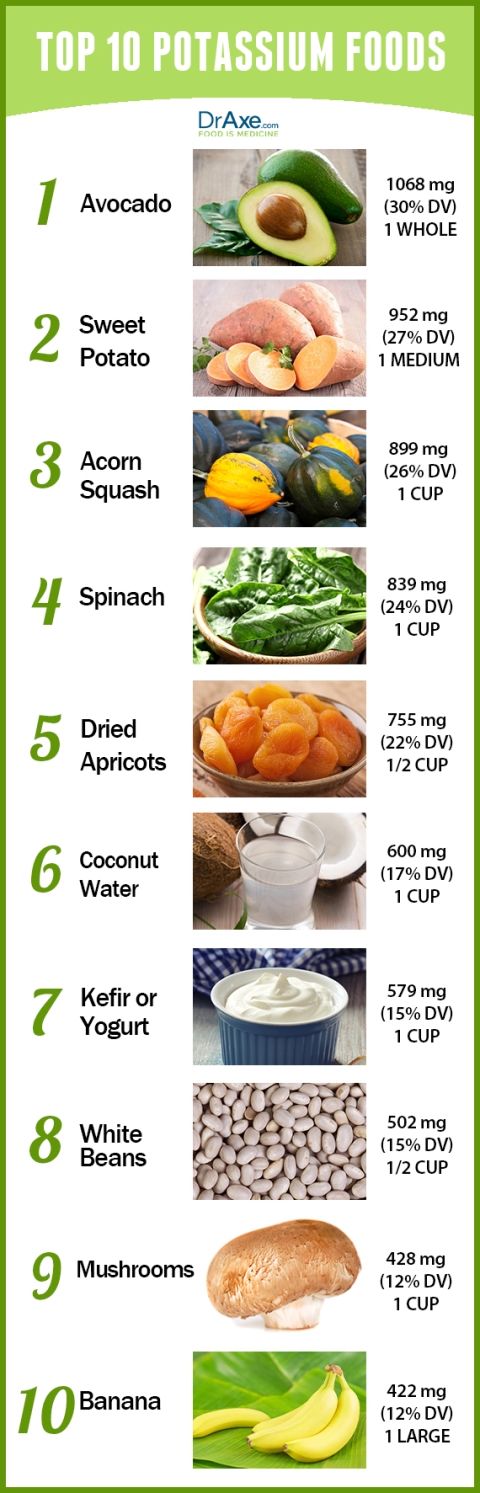
Included is a super-healthy chart below with the top 10 potassium rich foods.  Potassium is found in many fruits and vegetables, so the main source of a potassium deficiency would be not eating enough of these.

Studies have showed that potassium lowers blood pressure, improves blood vessel function, reduces risk of stroke, strengthens muscles, helps preserve bone density, prevents kidney stones and remedies insomnia.

One recent study from the Journal “Sleep” researched the effects of potassium supplements on sleep quality.  The researchers gathered data from wrist monitors and notes made in sleep diaries.  Normal young males on a low-potassium diet participated in the study.  After one week of taking potassium supplements, there were significant improvements in their quality of sleep and less waking up during the night.

One of the healthiest, highest sources of potassium is the banana, which contains 400 milligrams.  Other good sources are avocados, prunes, spinach, sunflower seeds and almonds.

This health news is shared with you by Nutrition Breakthroughs, maker of the original calcium and magnesium based sleep aid Sleep Minerals II, as well as Joints and More, the natural solution for joint relief, aches and pains, and stronger hair and nails.

Potassium Foods
Article source: http://www.nutritionbreakthroughs.com/blog/2015/08/23/top-10-potassium-rich-foods-and-health-benefits/

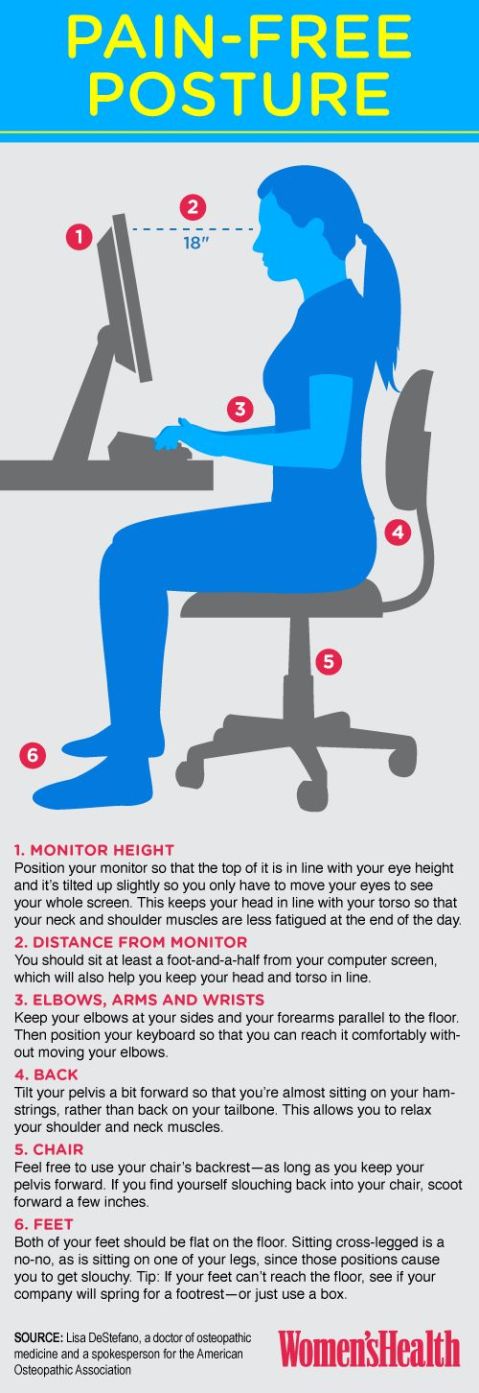
This is a great chart for learning and keeping good posture and staying pain-free at the computer — things we can all use in this Internet Age!

Best of health,

Jobee Knight
NutritionBreakthroughs.com
Maker of the Effective Natural Sleep Remedy Sleep Minerals II

Posture

Article source: http://www.nutritionbreakthroughs.com/blog/2014/01/09/good-tips-for-pain-free-posture-at-the-computer/

vitamin a sleepWhich vitamins and minerals are the most famous ones for their role in supporting good sleep?  These definitely would be calcium, magnesium and vitamin D.

For example, a study in the European Neurology Journal tested calcium levels in the blood during sleep and discovered that calcium peaks at a high point during the deepest levels of sleep such as the rapid eye movement phase (REM), when dreaming occurs.

Recent studies are showing that a lesser-known vitamin also plays a vital role in preventing insomnia – the eye strengthening Vitamin A.

With the National Sleep Foundation reporting that close to 60% of Americans are experiencing sleeplessness and insomnia at least a few nights per week, many people are spending a lot of time and energy searching for some effective, natural ways to sleep better.  One study on vitamin A that’s related to sleep was published in the PLOS Journal (Public Library of Science).

The researchers selected 2,459 adults aged 20 to 85.  They discovered that people who have lower blood levels of vitamin A have higher odds of having a shorter sleep duration (i.e. 5-6 hours per night), compared to those with more vitamin A having a better sleep duration (7-8 hours per night).

Vitamin A, long-known for its benefits to healthy eyes and vision, is also a key to helping regulate the sleep-wake cycle.  When light from the sun enters the eyes, it’s vitamin A that provides the middle step for the brain to then know it’s day and not night.  With adequate vitamin A in the eyes at night when it’s dark, one’s night vision will be strong – unless most of the vitamin A is used up for its light translation duties in the day time. If the eyes are weaker at night, this is a possible sign of vitamin A deficiency. When the vitamin A sunlight signal grows weaker, the body knows it’s nearing time to go to sleep.

The best ways to get adequate vitamin A is through whole foods – namely egg yolks, butter, vegetables with a green, yellow and orange color, liver and cod liver oil.  Vitamin A supplements are also an option, but are best taken as part of a diet that includes healthy sources of vitamin A, as well as good sources of other important vitamins and minerals.  Eating a healthy diet would include grass fed meats, poultry and fish, a rainbow of organic vegetables, and good fats like avocados, coconut oil and olive oil.

Another thing to consider for helping to prevent insomnia is reducing the use of electronics and TV at night or at least turning them off an hour before bed, in order to limit their melatonin-blocking effects. In an article from the Lighting Research Center at Rensselaer Polytechnic Institute, the researchers said: “Our study showed that a two-hour exposure to light from self-luminous electronic displays can suppress melatonin by about 22 percent.  Stimulating the human circadian (wake-sleep cycle) system to this level may affect sleep in those using the devices prior to bedtime.”

Magnesium has been shown in several studies to relieve insomnia. In one study from the University of Iran, people with insomnia were given magnesium tablets twice a day for eight weeks.  They experienced significant increases in quality sleep time, with less night time interruptions and fewer early morning awakenings.  Magnesium can be found in foods such as green leafy vegetables, pumpkin seeds, almonds, avocados, figs, bananas, brown rice, and other nuts and seeds.  Magnesium supplements are a good option as well, particularly those containing magnesium citrate which is highly absorbable.

One supplement shown to have good results for insomnia is Sleep Minerals II from Nutrition Breakthroughs.  This formula contains highly absorbable forms of calcium citrate and magnesium citrate, the best minerals for sleeplessness and insomnia, as well as for heart health, restless legs syndrome, bone strength and menopause insomnia.  It also includes vitamin D and zinc and is delivered in a softgel form with healthy carrier oils, making it more quickly absorbable than tablets or capsules and providing a deeper, longer-lasting sleep.

Tammy M. of Meridian, Idaho says: “I was plagued with insomnia for five years and desperate for a breakthrough. Nothing has helped me more than Sleep Minerals — I*m so sold on them I could go door to door promoting them.  I*m 60 years old and have never slept so soundly.”

To sum it up, good strategies for sleeping well and avoiding insomnia include having some good sun exposure during the day, limiting use of electronic devices at night, doing some regular moderate exercise, eating a nutritious diet, and using some key supplements.

This natural health news is provided by Nutrition Breakthroughs, a publisher of nutrition articles and supplier of effective natural remedies since 2001. Nutrition breakthroughs makes Sleep Minerals II, the effective natural sleep aid with calcium, magnesium, zinc and vitamin D, and also Joints and More, the natural solution for joint relief, aches and pains, stronger hair and nails and more energy.


Article source: http://www.nutritionbreakthroughs.com/blog/2016/10/10/sleep-vitamins-and-remedies-vitamin-a-proven-beneficial/

Chamomile tea benefits.jpgChamomile flowers are a member of the daisy family with their bright gold cones shining in the center of white petals.

With more than one million cups of chamomile tea consumed every day and supplements of chamomile capsules, liquid extracts, ointments, and essential oils in wide use, chamomile is one of the most highly used and research-proven medicinal plants.  It has been studied for use with insomnia, heart conditions, colds, inflammation, skin eczema, upset stomach, osteoporosis, anxiety, sore throat, wound healing and more.

Chamomile for Sleep and Insomnia

Chamomile has long been used as a natural sleep aid and insomnia remedy.  The powerful oils contained in its flowers provide a calming effect for sleeplessness, nervousness and anxiety.  In one study, heart patients were given chamomile tea and then fell into a deep sleep.  In another study with animals done in Japan, relaxation was increased and the time needed to fall asleep was significantly reduced.  In an 8-week study of people with anxiety, chamomile was shown to greatly reduce symptoms and increase well-being.

Stomach Conditions Helped by Chamomile

Chamomile is one of the main “go to” herbs for digestive disorders like upset stomach, ulcers, diarrhea and gas.  It helps to relax muscle contractions, particularly in the smooth muscles that make up the intestines.  In one journal study from Switzerland, the herbal combination of iberis (an herb in the cabbage family), peppermint and chamomile were shown to be effective in the treatment of stomach indigestion, irritation and inflammation.

Eczema and Skin Conditions

Inflammation of the skin is widely treated and remedied by topical chamomile preparations.  It has the ability to penetrate into the deeper layers of the skin and help with eczema and other skin inflammations.  In a European medical journal, a cream with chamomile extract was tested against a hydrocortisone cream.  After a 2-week treatment, the chamomile cream showed a mild superiority in effectiveness over hydrocortisone.

Osteoporosis and Bone Health

In the Journal of Agriculture and Food Chemistry, chamomile extract was studied for its ability to prevent the bone loss that can occur as people age.  Chamomile demonstrated the ability to help mineralize bone cells and showed an anti-estrogenic quality.  The researchers noted that this may be due to chamomile having a quality as a possible regulator of excess estrogen in the body.

Calcium and Chamomile – A Winning Duo

Calcium is also directly related to our good sleep. In one study, called “The Nutritional Relationships of Magnesium”, the author notes that the type of insomnia associated with a calcium deficiency causes difficulty with falling asleep.  This same study says that “Muscle cramps associated with a calcium deficiency often occur at night and without exertion.”

In another study published in the European Neurology Journal, researchers found that calcium levels in the body are higher during some of the deepest levels of sleep, such as the rapid eye movement (REM) phase when most dreaming occurs.  This study discovered that disturbances in sleep, especially the absence of REM deep sleep or disturbed REM sleep, are related to a calcium deficiency.

Best Minerals for Sleep

One natural insomnia remedy showing good results is Sleep Minerals II from Nutrition Breakthroughs.  This sleep aid contains powerful forms of calcium and magnesium, the best known minerals for relaxation and sleep, as well as for restless leg syndrome, stomach health, teenage insomnia and menopause insomnia.  The ingredients include vitamin D and zinc and are formulated in a softgel with healthy oils, making them more quickly absorbable than tablets or capsules and providing a deeper, longer-lasting sleep.

Kimberly B. of Troy, Michigan says: “I have been taking Sleep Minerals II for about a month now. I have tried everything out there and this supplement is amazing. I have suffered with insomnia for 2 1/2 years. I have also had restless leg syndrome my entire life and this is the first relief I’ve ever had…gone for a month now.”

Richard P. of Parkville, Maryland says: “The Sleep Minerals are making quite a difference.  I was regularly waking up at around 3:00 a.m. and after a few days use my sleep improved quite a lot.  I wake up once a night to go to the bathroom, but the great thing is, I then fall back asleep and sleep several more hours.  This has been a great improvement.”

Summary

Anyone who has a strong allergy to plants like daisies or ragweed (with its tiny green flowers) should start with a very small amount of chamomile, whether using it as a tea, supplement or skin ointment.  Most people can gain benefits from chamomile without any reactions.  It is one of nature’s most potent herbs and can help with calming insomnia, anxiety, muscle spasms, PMS, skin inflammations, stomach disorders, hemorrhoids, diarrhea, arthritis and more.

As a first line of defense against sleeplessness and insomnia, chamomile and calcium are good bets.  Coming from the worlds of herbal and mineral sleep aids, they are normally taken safely without addictive qualities or side effects.

This natural health news is provided by Nutrition Breakthroughs, a publisher of nutrition articles and supplier of effective natural remedies since 2001. Nutrition Breakthroughs makes Sleep Minerals II, the effective natural sleep aid with calcium, magnesium, zinc and vitamin D, and also Joints and More, the natural solution for joint relief, aches and pains, stronger hair and nails and more energy.


Article source: http://www.nutritionbreakthroughs.com/blog/2017/02/12/chamomile-tea-benefits-proven-for-sleep-stomach-bone-health/