

News on Natural Remedies, Good Sleep and Good Health

Posts Tagged ‘warm milk insomnia

Is magnesium better than melatonin for sleep? Magnesium has many benefits for good health, one of them being its action as an effective natural sleep aid.

Melatonin supplements are also used as a sleep remedy.  These two ingredients have different qualities, different health effects, and different possible side effects. 

James F. Balch, M.D., author of Prescription for Nutritional Healing, writes: “A lack of the nutrients magnesium and calcium will cause you to wake up after a few hours and not be able to return to sleep.”

In contrast with mineral supplements, melatonin is a hormone which is produced by the pineal gland, located in the center of the brain. At night or in the dark, the pineal gland naturally releases melatonin to regulate the sleep cycle.

The body produces less melatonin with advancing age and while melatonin doesn’t require a prescription, it’s a potent hormone. It can help with sleeplessness. If too much is taken, it can result in grogginess, dizziness, stomach  cramps and make it more difficult to wake up in the morning.

Is it better to take magnesium at night?  One of the main symptoms of magnesium deficiency is chronic insomnia, accompanied with with frequent nighttime awakenings.  On the other hand, a high magnesium diet has been found to be associated with deeper, less interrupted sleep.

This is per a study done by James Penland at the Human Nutrition Research Center in North Dakota.  Another study from the Human Nutrition Research Center found that a magnesium citrate supplement increased sleep quality in adults aged 51 to 85.

Magnesium has hundreds of health effects in the body. According to the University of Maryland Medical Center web site, inadequate magnesium appears to reduce serotonin levels in the brain.  One study found that magnesium was just as effective as an antidepressant drug in treating depression. 

In addition, researchers at Stockholm’s Karolinska Institute reported that for every 100 milligram increase in magnesium intake, the risk of developing type-2 diabetes decreased by 15 per cent.  Other studies have shown that people with migraine headaches have low concentrations of magnesium in their body.

Mildred Seelig, M.D., the leading medical researcher on magnesium says: “Many people needlessly suffer pain – including … migraines and muscle cramps – because they don’t get enough magnesium.”

Which form of magnesium is best for sleep?  A recent study on magnesium for sleep came from the University of Medical Sciences in Iran. Its subjects were 46 older adults, aged 60 to 75, who were experiencing insomnia. However, it’s interesting to note that the researchers recommend their results be extended to all ages of the general population as helpful advice.

In the University study, the subjects were divided into two groups. One group received placebos, while the other received magnesium oxide tablets twice a day (250 milligrams each) for eight weeks.

In the group that was given magnesium, the subjects experienced significant increases in sleep time and sleep efficiency (which is the time spent in bed vs the time spent sleeping).  They also had less night time interruptions and fewer early morning awakenings. Magnesium citrate is another form that has been proven helpful for better sleep.

One possible side effect from taking too much magnesium is that the bowels may become too loose or stomach discomfort can occur — at which point less can be taken. If this side effect happens, magnesium should be taken with a full meal or a healthy snack. 

Another important nutritional tip that can help to avoid any deficiencies is to balance magnesium with calcium and vitamin D rather than taking it alone.  The recommended ratio is 2 to 1 or twice as much calcium as magnesium.

According to the Mayo Clinic, possible side effects of melatonin include stomach cramps, anxiety, irritability, confusion and short-term depression.  Melatonin supplements can interact with various medications such as blood-thinning medications, medications that suppress the immune system, diabetes medications and birth control pills.  Prolonged use may also inhibit the body’s own natural ability to produce melatonin.

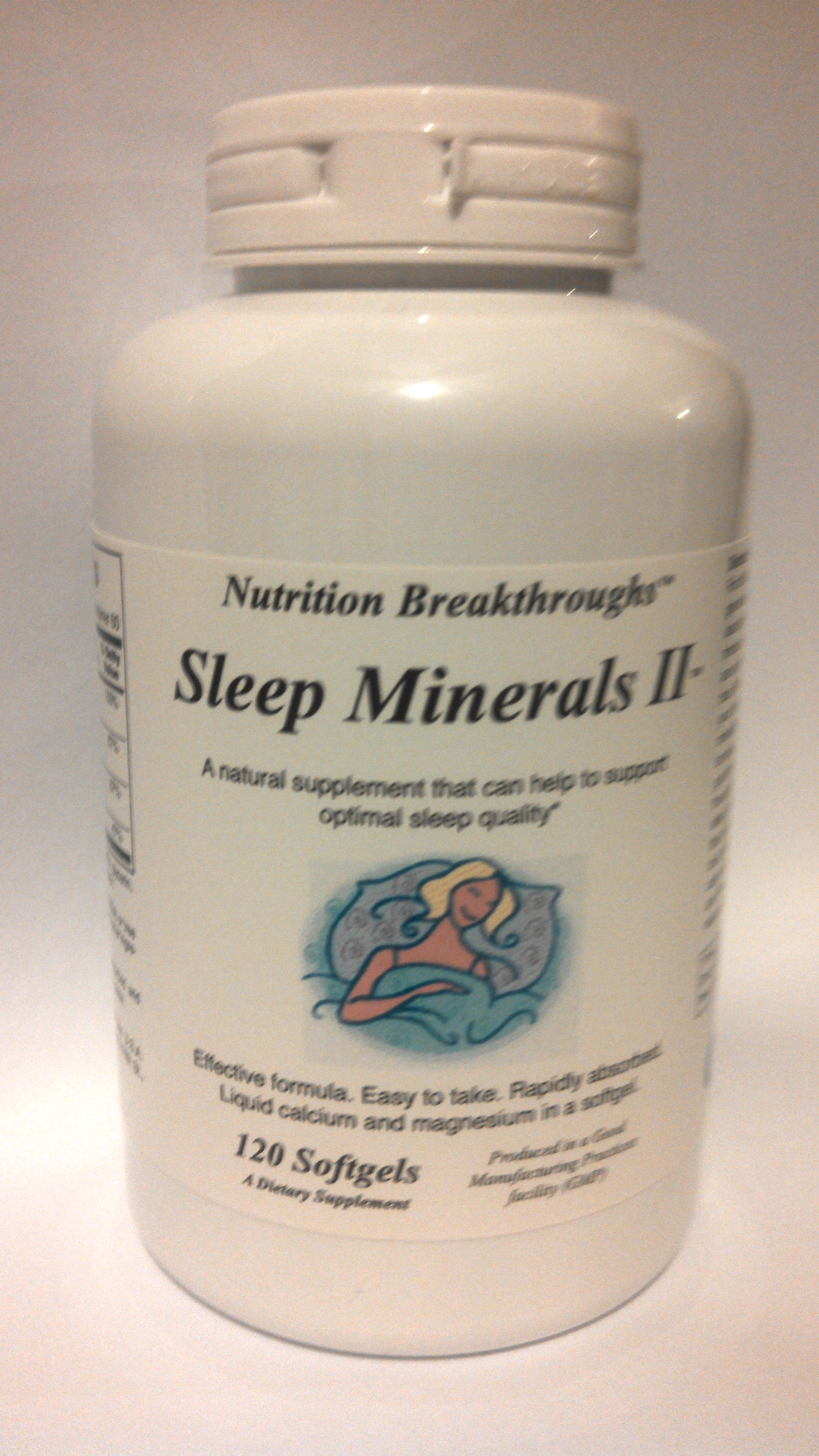
This health news is brought to you by Nutrition Breakthroughs and their natural sleep aid Sleep Minerals II.  Sleep Minerals II is the original magnesium and calcium based remedy and is known for soothing even the worst, long-term insomnia.  It also contains vitamin D and zinc and helps everyone from teenagers, to women with menopause symptoms, to older seniors, to get a good night’s sleep.

Richard P. of Parkville, Maryland says: “The Sleep Minerals are making quite a difference.  I was regularly waking up at around 3:00 a.m. and after a few days use my sleep improved quite a lot. I wake up once a night to go to the bathroom, but the great thing is, I then fall back asleep and sleep several more hours.  This has been a great improvement.”

Tammy M. of Meridian, Idaho says: “I was plagued with insomnia for five years and desperate for a breakthrough. Nothing has helped me more than Sleep Minerals. I’m so sold on them I could go door to door promoting them.  I’m 60 years old and have never slept so soundly.”

For more information on Sleep Minerals II visit this page.

Tags: , , , , , , , , , , , , , , , , , , , , , , , , , , , , , , , , , , , , , , , , , , , , , , , , , , , , , , , , , , , , , , , , , , , , , , , , , , , , , , , , , , , , , , , , ,

A short but sweet post with good tips on beating insomnia and sleeping better. One revision I would make is that melatonin should only be used short-term, as otherwise it may suppress the body’s own ability to make this natural sleep enhancer. For recommended supplements, I would add calcium, magnesium and vitamin D, as they are proven by science to enhance good sleep naturally.

This health news is shared with you by Nutrition Breakthroughs, maker of the effective natural sleep aid Sleep Minerals II, and the natural solution for joint relief, allergies, pain relief and increased energy, Joints and More.

Tags: , , , , , , , , , , , , , , , , , , , , , , , , , , , , , , , , , , , , , , , , , , , , , , , , , , , , , , , , , , , , , , , , , , , , , , , , , , , , , , , , , , , , , ,

Consuming extra calcium from dairy products or supplements could put older women at risk of low zinc — unless they get extra zinc, too.

That’s the word from two studies at the U.S. Dept of Agriculture, Human Nutrition Research Center in Boston.

Zinc’s many functions include helping to maintain a healthy immune system, skin and appetite.

Calcium supplement sales have soared with the growing awareness that high intakes of this mineral help prevent osteoporosis. Richard J. Wood and associates looked for a zinc-calcium interaction in elderly women because, as a group, they tend to have low zinc intakes.

About half of U.S. women consume less than two-thirds the Recommended Dietary Allowance of 12 mg, according to survey data. And the amount of zinc people absorb from their meals decreases with age.

In one of the new studies, 18 relatively healthy women past menopause increased calcium intake to 1,360 milligrams daily — a little higher than the 1,200 mg now recommended for people over age 50. Their zinc absorption dropped by an average of about 2 milligrams. This happened regardless of whether they got the extra calcium from milk or from a calcium supplement. The study lasted 36 days.

In a second study, zinc absorption dropped by half when a group of 10 men and women took a calcium supplement with a single test meal. But adding nearly 8 milligrams of zinc to the calcium supplement offset this effect.

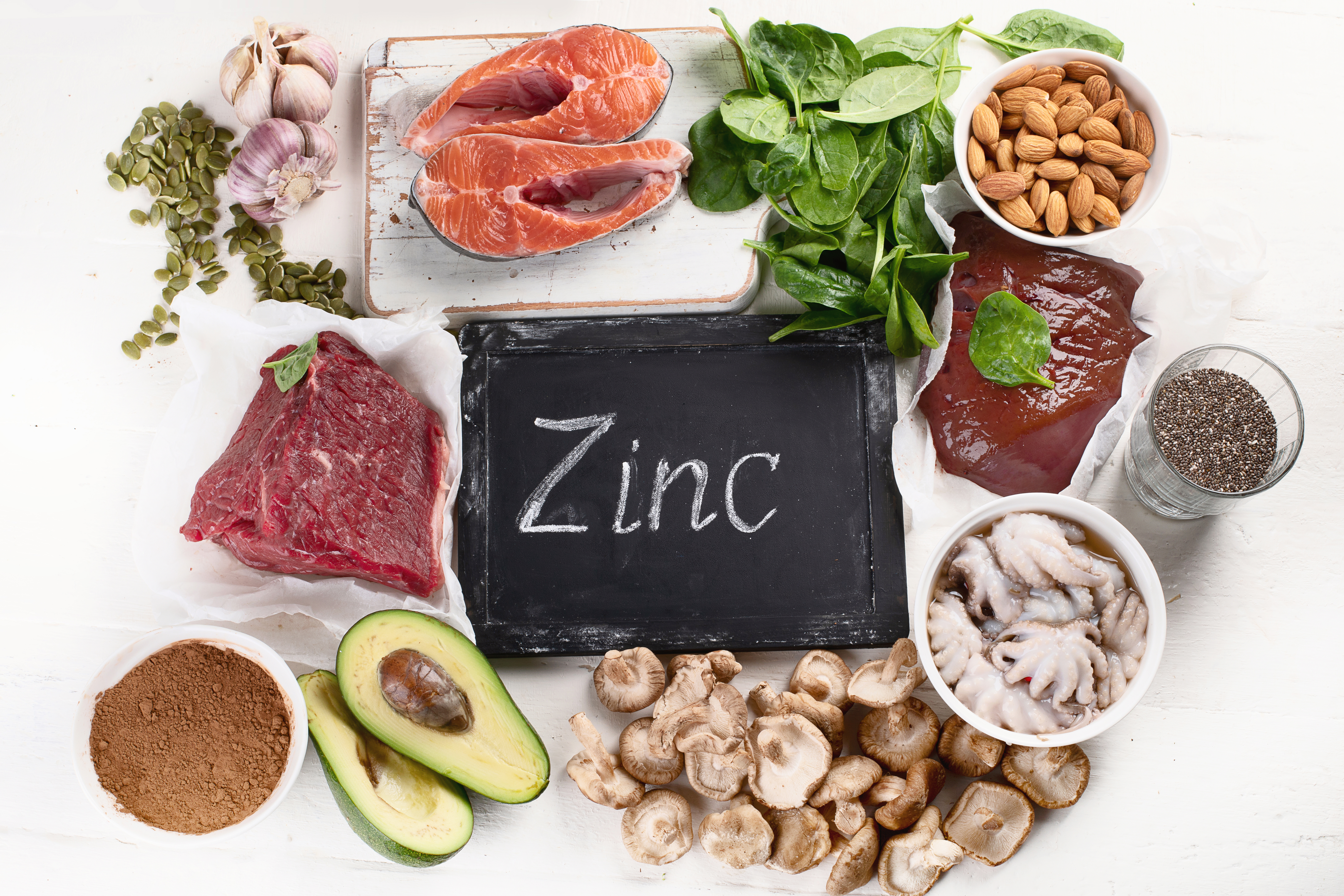
This data points in the direction that people taking extra calcium should also increase their zinc intake. The richest dietary sources of zinc are oysters, liver and beef, followed by whole grains, nuts, popcorn, poultry and lamb. Zinc supplements are also widely available.

Comments from the blog author Nutrition Breakthroughs: Calcium is directly related to our cycles of sleep. In one study, published in the European Neurology Journal, researchers found that calcium levels in the body are higher during some of the deepest levels of sleep, such as the rapid eye movement (REM) phase.

The study concluded that disturbances in sleep, especially the absence of REM deep sleep or disturbed REM sleep, are related to a calcium deficiency.  Supplements containing calcium for sleep should also contain magnesium, vitamin D and zinc to ensure a balance of ingredients.

This news is provided by Nutrition Breakthroughs. Since 2001 Nutrition Breakthroughs has provided natural health articles and effective natural remedies.  Their mission is to provide nutritional supplements that get results and help people to avoid drugs and their side effects.

Since 2009, their natural sleep remedy Sleep Minerals II has been keeping that promise — by soothing even the worst insomnia with absorbable calcium, magnesium, vitamin D and zinc, and helping everyone from teenagers, to women with menopause symptoms, to those with restless leg syndrome, to get a good night’s sleep.

Kimberly B. of Troy Michigan says: “I have been taking Sleep Minerals II for about a month now. I have tried everything out there and this supplement is amazing. I have suffered with insomnia for two and a half years and have had restless leg syndrome my entire life. This is the first relief I’ve ever had…it’s gone for a month now.”

For more information on Sleep Minerals II, visit here.

Tags: , , , , , , , , , , , , , , , , , , , , , , , , , , , , , , , , , , , , , , , , , , , , , , , , , , , , , , , , , , , , , , , , , , , , , , , , , , , , , , , ,

Rice bran oil is a heart-healthy oil that is used in cooking, salad oil and nutritional supplements.

It is extracted from the outer bran coats of rice.  It is a rich source of vitamins, minerals, amino acids and essential fatty acids that help fight disease and promote good health.

Research studies have found that this oil reduces blood pressure and cholesterol, remedies menopausal symptoms such as hot flashes, strengthens the immune system and protects the retina of the eye.

Rice bran oil is rich in two types of natural vitamin E and also high in Oryzanol (a word that sounds like “Original”), which is a powerful antioxidant only found in rice bran oil.  Antioxidants protect our tissues from deterioration and help to slow the aging process.

One example of rice oil benefiting the heart health is a study done by a team of cardiovascular scientists in Japan. The 60-day study was conducted with 300 men and women and found that a combination of rice bran oil and sesame oil reduced blood pressure by 14 points and lowered cholesterol by 26%. The oil consisted of 80% rice bran oil and 20% sesame oil.

Menopause symptoms such as hot flashes, night sweats and insomnia can plague women who are at pre-menopause or menopause.  In a study of menopausal women, researchers gave the participants the active component of rice bran oil in supplement form.  After four to six weeks, 90% of the women had some form of relief, with 40% claiming “excellent” improvement.  The women also experienced significantly reduced cholesterol levels.

Our immune system protects and defends us from disease in all its forms.  It is made up of a network of cells, tissues, and organs that work together to protect the body. The main cells involved are white blood cells called “leukocytes” which create antibodies that neutralize toxins and infections.

From the journal of Phytotherapy Research (phyto refers to plants) comes a study showing that rice bran oil evokes a significant increase in antibodies that greatly enhance immune activity.

Rice bran oil can help calcium to be absorbed better into the body.  In a review article from “Progress in Lipid Research” (a lipid is a natural fat or oil), the authors write that healthy oils increase mineral utilization by enhancing the effects of vitamin D – a vitamin that works alongside calcium and magnesium.  As a result, oils such as this can help calcium to be deposited into bone and improve bone strength.

This health news is provided by Nutrition Breakthroughs, maker of the effective natural sleep aid Sleep Minerals II.  This sleep remedy features calcium, magnesium and vitamin D, all mixed with rice bran oil in a highly absorbable softgel.

Kimberly B. of Troy, Michigan gives her review and says: “I have been taking Sleep Minerals II for about a month now. I have tried everything out there and this supplement is amazing. I have suffered with insomnia for 2 1/2 years. I have also had restless leg syndrome my entire life and this is the first relief I’ve ever had…gone for a month now.”

For more information on Sleep Minerals II visit this page.

Tags: , , , , , , , , , , , , , , , , , , , , , , , , , , , , , , , , , , , , , , , , , , , , , , , , , , , , , , , , , , , , , , , , , , , , , , , , , , , , , , , , , , , , , , , , , , , , , , , , , , ,

A nice and concise article on walking from Daily Interesting Blogs. I’m happy to share it with my readers. This info is shared by Sleep Minerals II, for deeper sleep and better health, and Joints and More, for joint support, stronger hair and nails and more.

Greetings to you,

Walking is very beneficial to many aspects of our health and well-being.  Check out the chart on the Nutrition Breakthroughs blog for the top ones. 

Studies show that walking can increase energy, strengthen the heart, relax stiff joints, boost one’s immunity, create better muscle tone in the legs and also burn calories.

When we walk, the brain becomes stronger and one’s mood is lifted – (Continue reading) …

———————————

This health news is shared by Nutrition Breakthroughs, maker of the original calcium and magnesium based sleep aid Sleep Minerals II, and Joints and More, a natural supplement for joint relief, less aches and pains, and more energy

Sleep Minerals II
Nutrition Breakthroughs would like every customer of Sleep Minerals II to get the full benefits of the product and enjoy the restful, deep sleep they desire.  Here are some tips and advice we’ve put together over the years, from learning how to coach people to use the product successfully.

Sleep Minerals II has been newly improved to feature rice bran oil as its main oil ingredient.  Rice bran oil is rich in two types of natural vitamin E and also high in Oryzanol (a word that sounds like “Original”), which is a powerful antioxidant only found in rice bran oil.  Antioxidants protect our tissues from deterioration and help slow the aging process.

Rice bran oil is proven in studies to lower cholesterol and blood pressure levels, remedy menopausal symptoms such as hot flashes and strengthen the immune system.

If you are an existing customer, it’s possible that you may need to take less of this new formula.  The softgel shell is made of natural gelatin and it has a slightly yellowish hue. The amounts of vitamin D and magnesium in the product have been increased, and zinc has been added as it contributes to healthy bones, eyes and digestion. We have received many testimonials for this formula.  Here is one of them:

Richard P. of Parkville, Maryland says: “The Sleep Minerals are making quite a difference.  I was regularly waking up at around 3:00 a.m. and after a week or so my sleep improved quite a lot.  I wake once a night to go to the bathroom, but the great thing is, I then fall back asleep and sleep several more hours. This has been a great improvement.”

Here are the tips on using Sleep Minerals II:

1) Some of my customers have asked me with amazement: “What is in this product? Is it really all-natural?” I want you to know that even though the product is effective at helping people fall sleep or get back to sleep in the night, it is made from only natural minerals and vitamins — it’s just a potent formula.  Sleep Minerals II is a safe product.  The factory that makes it has been certified as having Good Manufacturing Practices (GMP) and all ingredients are sourced in the USA.

2) Keep the bottle of softgels by your bed. For difficulty falling asleep, take 1 softgel with water 30 to 45 minutes before bed.  Go to the bathroom before bed so you’re not woken up to go too often during the night.   If you are sensitive to supplements or minerals, start with 1 softgel for several nights. In any case, its best to stay with one softgel for about a week.  If you are unable to get to sleep, increase to 2 softgels before bed.  Reduce the dose if you become drowsy during the day or your bowels become too loose.  Use 1 softgel for kids over 10

3) Gradually building up the minerals in your system is the best approach to gaining better sleep.  It may take days or weeks of use to get the best results.  Some people start noticing good effects after the first or second week of use – some sooner, some later.  Be sure to continue taking the product, as consistency is the key.

4) If you are taking the product before bedtime and have a drowsy feeling in the morning or your bowels become too loose, you can take it earlier than at bedtime. For example, take it with dinner or an hour or two before bedtime with a snack, rather than 45 minutes before bedtime. If one softgel continues to be too much, you can cut or bite one end open and squeeze half the contents of one softgel into your mouth or onto a cracker with peanut butter (or another topping) and swallow it down.  Save the other half in a baggie.  This is worth doing if you find you need to, as some people require less to get results.  Even if you’re taking just half a softgel, it’s important to be consistent with it.

5) Occasionally, if someone takes too many softgels for them, the calcium may have a stimulating effect.  If this occurs, reduce the amount you’re taking and it should have a more relaxing effect.  For others, taking too many may leave them feeling tired during the day.  In this case, reduce the dose.

6) If you prefer not to swallow the softgels, bite or cut one end open and squeeze the contents into your mouth and drink it down.  You can also mix it with food or spread it on food. It’s like a creamy paste inside with mixed minerals. This paste is the essence of what makes the minerals so very absorbable.

7) If you are taking any medications in the evening, its best to take them at least an hour apart from the Sleep Minerals.  This is because each thing may have a different effect and its best to keep them separate.

In addition to insomnia, this product also provides excellent nutritional support for restless leg syndrome, bone health, muscle cramps, menopausal symptoms, heart health, stomach health, premenstrual syndrome, and teenage insomnia.

We look forward to staying in touch with you and to hearing any questions, comments, or beneficial improvements to your sleep.  Let us know how you do.

For more information on Sleep Minerals II, visit http://www.nutritionbreakthroughs.com/html/sleep_remedy_for_insomnia_help.html.


Article source: http://www.nutritionbreakthroughs.com/blog/2013/03/27/how-to-take-sleep-minerals-ii-the-natural-insomnia-remedy/

Tags: , , , , , , , , , , , , , , , , , , , , , , , , , , , , , , , , , , , , , , , , , , , , , , , , , , , , , , , , , , , , , , , , , , , , , , , ,

Magnesium energyMagnesium: Sleep Better and Reduce Insomnia — from the Poliquin Group

Magnesium has a calming effect on the nervous system, meaning that if you are deficient your heart rate and nervous system will be sent into overdrive.

Additionally, lack of magnesium has shown to alter electrical activity in the brain, causing agitated sleep and frequent awakenings.

A recent study of people with poor sleep quality as measured with the Pittsburg Sleep Quality Index found that taking a magnesium supplement decreased chronic inflammatory stress levels and improved sleep quality.  The researchers suggested that adding magnesium to their diets decreased the participants’ nervous activity, effectively reducing stress and allowing them to relax.

Take note that in this study, lower magnesium levels were also associated with a higher body mass index, indicating the connection between body fat percentage and magnesium levels.

A second study supported the relationship between low magnesium levels, sleep deprivation, nervous system stimulation, and elevated heart rate response to exercise. Participants were chronically sleep restricted and it was found that a decrease in magnesium levels coincided with increasing levels of sleep deprivation.

At the same time, stress hormone concentration increased—an indication of nervous stimulation—which was suggested as the reason for the diminishing magnesium levels. Meanwhile, heart rate was elevated after a fatiguing exercise test, lending support to the connection between low magnesium, high stress, and anxiety.

TAKEAWAY : Take Magnesium to help you sleep restfully throughout the night and de-stress.

Comments from the blog author Nutrition Breakthroughs:  Regarding the use of minerals for better sleep, one study called “The Nutritional Relationships of Magnesium”, notes that the type of insomnia associated with a calcium deficiency causes difficulty with falling asleep. The classical sign of magnesium deficiency is insomnia characterized by falling asleep easily, but awakening frequently throughout the night, with individuals finding themselves tired even after several hours of sleep.

It’s important to note that a balanced calcium magnesium ratio is important to overall health, and these two minerals should be taken together for best results (in a two to one ratio with twice as much calcium and magnesium).  The original research on this recommended ratio appeared in 1935 in the Journal of Physiological Reviews.

In addition, a softgel form containing healthy carrier oils mixed with the minerals is more digestible than tablets or capsules, and provides a deeper, longer-lasting sleep. One formula that has these qualities and is gaining in popularity with people of all ages is Sleep Minerals II from Nutrition Breakthroughs.

Sleep Minerals II contains highly absorbable forms of the best minerals for relaxation — calcium and magnesium, combined with vitamin d, zinc, and heart-healthy rice bran oil in a softgel.

Kimberly B. of Troy, Michigan says: “I have been taking Sleep Minerals II for about a month now. I have tried everything out there and this supplement is amazing. I have suffered with insomnia for 2 1/2 years. I have also had restless leg syndrome my entire life and this is the first relief I’ve ever had…gone for a month now.”

For more information on Sleep Minerals II visit this information page.


young women calf pain on white backgroundBy Dr. Joseph Mercola, a physician trained in both traditional and natural medicine who provides up-to-date natural health information.

******************************
This article is shared by Nutrition Breakthroughs, maker of the effective calcium, magnesium and vitamin D based sleep aid Sleep Minerals II.
******************************

A charley horse, or muscle cramp particularly in your calf muscles, is an incredibly common condition that results in your muscles becoming tight, stiff and extremely painful. If you’re an adult, there’s a good chance you’ve had one at some point (and likely multiple points) during your lifetime.

In case you’re a trivia buff and wondering why these muscle cramps are referred to as “charley horses” (a name that’s primarily used in North America), it’s said to be a tribute to Charley “Old Hoss” Radbourne, an 1880s-era baseball pitcher who often suffered from muscle cramps during games.

Another version states the term came from a lame work horse named Charley who limped around doing various jobs around the baseball park (also in the 1880s).

Whenever a baseball player would get injured or have a cramp in the lower legs, thus limping around like Charley the horse, teammates would call the player “Charley Horse.” Regardless of the name’s origin, the pain of a charley horse is unmistakable and can be excruciating.

What Causes a Charley Horse?

According to the Cochrane Database of Systematic Reviews, about 1 in every 3 adults is affected by muscle cramps in their lower limbs. In many cases, the pain is temporary and goes away on its own, but for some the cramps interfere with sleep, quality of life and daily activities.

In one study of more than 500 people aged 60 years and older, 31 percent reported being woken up by muscle cramps and 15 percent had cramps more than three times a month. Anyone can get a charley horse, but they’re most common in the following populations and scenarios:

  • During exercise
  • At nighttime, especially in the elderly
  • In pregnant women
  • In people with neurological disease
  • During kidney dialysis

It’s not clear what triggers a charley horse to occur, but it is thought the cramp may be related to a rapidly firing nerve (up to 150 electrical dischargers per second), which causes the muscle to tense up, as opposed to an issue with the muscle tissue itself.

Many medications are also associated with muscle cramps, including statin cholesterol-lowering drugs, ACE inhibitors (blood pressure drugs), certain asthma drugs, diuretics and more. In addition, the following factors may also increase your risk of a charley horse:

  • Poor blood circulation in your legs
  • Muscle fatigue
  • Dehydration
  • Mineral deficiencies, including magnesium, potassium or calcium

magnesium and menopauseIs Magnesium Deficiency Causing Your Charley Horses?

By some estimates, up to 80 percent of Americans are not getting enough magnesium and may be deficient. Other research shows only about 25 percent of U.S. adults are getting the recommended daily amount of 310 to 320 milligrams (mg) for women and 400 to 420 for men.

Magnesium is often thought of primarily as a mineral for your heart and bones, but this is misleading. Researchers have now detected 3,751 magnesium-binding sites on human proteins, indicating that its role in human health and disease may have been vastly underestimated.

Further, if you suffer from charley horses, low levels of magnesium could be to blame. Magnesium is necessary for activating muscles and nerves, and a key sign of ongoing magnesium deficiency can be muscle contractions and cramps like charley horses.

Magnesium deficiency may be particularly problematic for your muscles in the presence of an overabundance of calcium. Americans in general tend to have a higher calcium-to-magnesium ratio in their diet, averaging about 3.5-to-1.

If you have too much calcium and not enough magnesium, your muscles will tend to go into spasm. According to Dr. Carolyn Dean, a medical and naturopathic doctor:

“What happens is the muscle and nerve function that magnesium is responsible for is diminished. If you don’t have enough magnesium, your muscles go into spasm.

Calcium causes muscle to contract. If you had a balance, the muscles would do their thing. They’d relax, contract and create their activity.”

This underscores the importance of eating a nutritious diet, which will naturally give you optimal amounts of the minerals and other nutrients your body needs.

Eating plenty of organic leafy green vegetables, nuts and seeds every day, and drinking fresh green vegetable juice will help keep your magnesium stores replenished. In addition, Epsom salt is a magnesium sulfate that can absorb into your body through your skin.

Soaking in a bath with Epsom salts is an excellent way to not only help prevent magnesium deficiency but also to soothe and relieve the pain of a charley horse.

potassiumLow Potassium Levels May Also Trigger a Charley Horse

Potassium is a mineral and electrolyte. (An electrolyte is a substance that produces an electrical conducting solution when dissolved in water. Electrolytes carry a charge and are essential for life. In our bodies, electrolytes include sodium, potassium, calcium and magnesium).

Potassium is essential for your cells, tissues and organs to function properly. It plays a vital role in heart health, digestive and muscular function, bone health and more. One of the symptoms of low potassium levels is muscle cramps.

While potassium is found in many foods commonly consumed in the U.S. — including fruits, vegetables, dairy products, salmon, sardines and nuts — only 2 percent of U.S. adults get the recommended daily amount of 4,700 mg.

This is especially problematic because potassium is a nutrient that needs to be kept in proper balance with sodium in your blood. If you consume too much sodium, which is common if you eat a lot of processed foods, you’ll have an increased need for potassium.

Others who are at particular risk of low potassium, or hypokalemia, are those with chronic malabsorption syndromes, such as Crohn’s disease, or those taking heart medicine (particularly loop diuretics). However, anyone who eats a poor diet — an excess of processed foods and not enough fresh, whole foods — is potentially at risk of inadequate potassium levels and related muscle cramps.

Green vegetable juicing is an excellent way to ensure you’re getting enough nutrients for optimal health, including about 300 mg to 400 mg of potassium per cup. Some additional rich sources of potassium are:

  • Lima beans (955 mg/cup)
  • Winter squash (896 mg/cup)
  • Cooked spinach (839 mg/cup)
  • Avocado (500 mg per medium)

Foods rich in calciumToo Little Calcium May Trigger Muscle Cramps

While too much calcium in the absence of magnesium can be problematic for muscle cramps, so too can a calcium deficiency. Low blood levels of calcium (as well as magnesium) may increase the excitability of nerve endings and the muscles they stimulate.

This may be a trigger for muscle cramps, especially in the elderly and during pregnancy. If you’re deficient in vitamin D, meanwhile, your body may have inadequate calcium absorption, again predisposing you to muscle cramps.

It’s very important to maintain a proper balance of calcium, magnesium, vitamin D and also vitamin K2, as these four nutrients perform an intricate dance together, with one supporting the other. If you’re calcium deficient, your best bet is to increase consumption of foods high in calcium before opting for a supplement. This is because many high-calcium foods also contain naturally high amounts of vitamin K2; nature cleverly gives us these two nutrients in combination, so they work optimally.

Good sources of calcium include nuts, seeds and raw, organic, grass-fed dairy especially cheeses, and vegetables, although veggies aren’t high in vitamin K2. One exception is fermented vegetables where a starter culture specifically designed to produce ample amounts of vitamin K2 was used.

Homemade bone broth is another excellent source. Simply simmer leftover bones over low heat for an entire day to extract the calcium from the bones. You can use this broth for soups and stews or drink it straight.

What to Do If You Get a Charley Horse

A charley horse often occurs without notice, sometimes waking you up from sound sleep. If you’re lying down when the pain starts, stand up and put some weight on your foot. Walking around will help to increase blood circulation to your muscles and possibly help to soothe and relax the cramp.

charley horse stretch leg crampYou can also try a simple stretch. If the cramp is in your calf in the back of your lower leg, pull your toes and foot upward until you feel a stretch in the back of your leg. You can also do this sitting down with your legs outstretched. Put a towel around your feet and gently pull both ends toward you until you feel a stretch.

As mentioned, soaking in an Epsom salt bath may also help to relieve pain (and possibly help with prevention). Massaging the area and applying a heat pack, which will increase blood flow to the area, promoting healing and soothing pain, may also help.

Staying well-hydrated is also important for muscle cramp prevention. You’ll want to drink enough pure filtered water so that your urine is pale yellow in color. In addition, performing regular stretching exercises on your legs may help reduce your risk of a charley horse.

This article is shared by Nutrition Breakthroughs, maker of the effective calcium, magnesium and vitamin D based sleep aid Sleep Minerals II.


Get your free copy of “Take Control of Your Health eBook” by Dr. Mercola, here:
https://www.mercola.com/ebook/take-control-of-your-health.aspx

Tags: , , , , , , , , , , , , , , , , , , , , , , , , , , , , , , , , , , , , , , , , , , , , , , , , , , , , , , , , , , , , , , , , , , , , , , , , , , , , , , , , , , , , , , , ,

young women calf pain on white backgroundBy Dr. Joseph Mercola, a physician trained in both traditional and natural medicine who provides up-to-date natural health information.
***************************************
This article is shared by Nutrition Breakthroughs, maker of the effective calcium, magnesium and vitamin D based sleep aid Sleep Minerals II.
*********************************************
A charley horse, or muscle cramp particularly in your calf muscles, is an incredibly common condition that results in your muscles becoming tight, stiff and extremely painful. If you’re an adult, there’s a good chance you’ve had one at some point (and likely multiple points) during your lifetime.

In case you’re a trivia buff and wondering why these muscle cramps are referred to as “charley horses” (a name that’s primarily used in North America), it’s said to be a tribute to Charley “Old Hoss” Radbourne, an 1880s-era baseball pitcher who often suffered from muscle cramps during games.

Another version states the term came from a lame work horse named Charley who limped around doing various jobs around the baseball park (also in the 1880s).

Whenever a baseball player would get injured or have a cramp in the lower legs, thus limping around like Charley the horse, teammates would call the player “Charley Horse.” Regardless of the name’s origin, the pain of a charley horse is unmistakable and can be excruciating.

What Causes a Charley Horse?

According to the Cochrane Database of Systematic Reviews, about 1 in every 3 adults is affected by muscle cramps in their lower limbs. In many cases, the pain is temporary and goes away on its own, but for some the cramps interfere with sleep, quality of life and daily activities.

In one study of more than 500 people aged 60 years and older, 31 percent reported being woken up by muscle cramps and 15 percent had cramps more than three times a month. Anyone can get a charley horse, but they’re most common in the following populations and scenarios:

  • During exercise
  • At nighttime, especially in the elderly
  • In pregnant women
  • In people with neurological disease
  • During kidney dialysis

It’s not clear what triggers a charley horse to occur, but it is thought the cramp may be related to a rapidly firing nerve (up to 150 electrical dischargers per second), which causes the muscle to tense up, as opposed to an issue with the muscle tissue itself.

Many medications are also associated with muscle cramps, including statin cholesterol-lowering drugs, ACE inhibitors (blood pressure drugs), certain asthma drugs, diuretics and more. In addition, the following factors may also increase your risk of a charley horse:

  • Poor blood circulation in your legs
  • Muscle fatigue
  • Dehydration
  • Mineral deficiencies, including magnesium, potassium or calcium

magnesium and menopauseIs Magnesium Deficiency Causing Your Charley Horses?

By some estimates, up to 80 percent of Americans are not getting enough magnesium and may be deficient. Other research shows only about 25 percent of U.S. adults are getting the recommended daily amount of 310 to 320 milligrams (mg) for women and 400 to 420 for men.

Magnesium is often thought of primarily as a mineral for your heart and bones, but this is misleading. Researchers have now detected 3,751 magnesium-binding sites on human proteins, indicating that its role in human health and disease may have been vastly underestimated.

Further, if you suffer from charley horses, low levels of magnesium could be to blame. Magnesium is necessary for activating muscles and nerves, and a key sign of ongoing magnesium deficiency can be muscle contractions and cramps like charley horses.

Magnesium deficiency may be particularly problematic for your muscles in the presence of an overabundance of calcium. Americans in general tend to have a higher calcium-to-magnesium ratio in their diet, averaging about 3.5-to-1.

If you have too much calcium and not enough magnesium, your muscles will tend to go into spasm. According to Dr. Carolyn Dean, a medical and naturopathic doctor:

“What happens is the muscle and nerve function that magnesium is responsible for is diminished. If you don’t have enough magnesium, your muscles go into spasm.

Calcium causes muscle to contract. If you had a balance, the muscles would do their thing. They’d relax, contract and create their activity.”

This underscores the importance of eating a nutritious diet, which will naturally give you optimal amounts of the minerals and other nutrients your body needs.

Eating plenty of organic leafy green vegetables, nuts and seeds every day, and drinking fresh green vegetable juice will help keep your magnesium stores replenished. In addition, Epsom salt is a magnesium sulfate that can absorb into your body through your skin.

Soaking in a bath with Epsom salts is an excellent way to not only help prevent magnesium deficiency but also to soothe and relieve the pain of a charley horse.

potassiumLow Potassium Levels May Also Trigger a Charley Horse

Potassium is a mineral and electrolyte. (An electrolyte is a substance that produces an electrical conducting solution when dissolved in water. Electrolytes carry a charge and are essential for life. In our bodies, electrolytes include sodium, potassium, calcium and magnesium).

Potassium is essential for your cells, tissues and organs to function properly. It plays a vital role in heart health, digestive and muscular function, bone health and more. One of the symptoms of low potassium levels is muscle cramps.

While potassium is found in many foods commonly consumed in the U.S. — including fruits, vegetables, dairy products, salmon, sardines and nuts — only 2 percent of U.S. adults get the recommended daily amount of 4,700 mg.

This is especially problematic because potassium is a nutrient that needs to be kept in proper balance with sodium in your blood. If you consume too much sodium, which is common if you eat a lot of processed foods, you’ll have an increased need for potassium.

Others who are at particular risk of low potassium, or hypokalemia, are those with chronic malabsorption syndromes, such as Crohn’s disease, or those taking heart medicine (particularly loop diuretics). However, anyone who eats a poor diet — an excess of processed foods and not enough fresh, whole foods — is potentially at risk of inadequate potassium levels and related muscle cramps.

Green vegetable juicing is an excellent way to ensure you’re getting enough nutrients for optimal health, including about 300 mg to 400 mg of potassium per cup. Some additional rich sources of potassium are:

  • Lima beans (955 mg/cup)
  • Winter squash (896 mg/cup)
  • Cooked spinach (839 mg/cup)
  • Avocado (500 mg per medium)

Foods rich in calciumToo Little Calcium May Trigger Muscle Cramps

While too much calcium in the absence of magnesium can be problematic for muscle cramps, so too can a calcium deficiency. Low blood levels of calcium (as well as magnesium) may increase the excitability of nerve endings and the muscles they stimulate.

This may be a trigger for muscle cramps, especially in the elderly and during pregnancy. If you’re deficient in vitamin D, meanwhile, your body may have inadequate calcium absorption, again predisposing you to muscle cramps.

It’s very important to maintain a proper balance of calcium, magnesium, vitamin D and also vitamin K2, as these four nutrients perform an intricate dance together, with one supporting the other. If you’re calcium deficient, your best bet is to increase consumption of foods high in calcium before opting for a supplement. This is because many high-calcium foods also contain naturally high amounts of vitamin K2; nature cleverly gives us these two nutrients in combination, so they work optimally.

Good sources of calcium include nuts, seeds and raw, organic, grass-fed dairy especially cheeses, and vegetables, although veggies aren’t high in vitamin K2. One exception is fermented vegetables where a starter culture specifically designed to produce ample amounts of vitamin K2 was used.

Homemade bone broth is another excellent source. Simply simmer leftover bones over low heat for an entire day to extract the calcium from the bones. You can use this broth for soups and stews or drink it straight.

What to Do If You Get a Charley Horse

A charley horse often occurs without notice, sometimes waking you up from sound sleep. If you’re lying down when the pain starts, stand up and put some weight on your foot. Walking around will help to increase blood circulation to your muscles and possibly help to soothe and relax the cramp.

charley horse stretch leg crampYou can also try a simple stretch. If the cramp is in your calf in the back of your lower leg, pull your toes and foot upward until you feel a stretch in the back of your leg. You can also do this sitting down with your legs outstretched. Put a towel around your feet and gently pull both ends toward you until you feel a stretch.

As mentioned, soaking in an Epsom salt bath may also help to relieve pain (and possibly help with prevention). Massaging the area and applying a heat pack, which will increase blood flow to the area, promoting healing and soothing pain, may also help.

Staying well-hydrated is also important for muscle cramp prevention. You’ll want to drink enough pure filtered water so that your urine is pale yellow in color. In addition, performing regular stretching exercises on your legs may help reduce your risk of a charley horse.

This article is shared by Nutrition Breakthroughs, maker of the effective calcium, magnesium and vitamin D based sleep aid Sleep Minerals II.


Visit www.Mercola.com for quality natural health information.

Tags: , , , , , , , , , , , , , , , , , , , , , , , , , , , , , , , , , , , , , , , , , , , , , , , , , , , , , , , , , , , , , , , , , , , , , , , , , , , , , , , , , , , , , , , ,

Archives