Posts Tagged ‘sleep remedies’
The famous vitamin E is renowned for combating aging by keeping joint degeneration at bay and increasing eye and heart health. What is not so well known is that vitamin E can help aging skin to retain its smoothness, moisture and beauty.
This health news is shared with you by Nutrition Breakthroughs, maker of the effective natural sleep aid Sleep Minerals II, and the natural solution for joint relief, allergies, pain relief and increased energy, Joints and More.

If you’ve ever gone to bed tired but found yourself tossing and turning no matter how exhausted you feel, you’re not alone.
Often, the problem isn’t just the day’s stress but also how we transition from the busy hours into bedtime.
A calming routine acts like a signal to your body that it’s time to relax, let go, and prepare for rest. A “Bridge” if you will, between a hectic day and a peaceful night. Here’s a simple, enjoyable evening ritual you can try tonight.
Step 1: Set an Evening Reminder
Sometimes we get caught up in tasks and don’t realize how late it’s gotten. Try setting an alarm about an hour before bed. When it goes off, treat it as your cue to start winding down. This way, bedtime becomes a gentle routine instead of a rushed afterthought.
Step 2: Take a Warm Bath or Shower
A warm bath is more than just relaxing. When you step out of the warm water, your body temperature drops slightly, which naturally signals that it’s time to sleep. You can try adding calming touches like Epsom salts (rich in magnesium) or a few drops of lavender oil (if essential oils agree with you), to make it extra soothing.
Step 3: Do Gentle Stretches
Gentle stretching releases tight muscles and helps calm your nervous system. A few simple moves, like rolling your shoulders, stretching your arms overhead, or bending forward to loosen your back, can make a big difference. A seated twist from side to side can also loosen the back muscles for even deeper relaxation.
Step 4: Read a Book (the Old-Fashioned Kind)
Put away your phone or tablet, since the blue light they give off can make it harder to fall asleep. Instead, pick up a physical book or magazine. Choose something lighthearted or inspiring rather than suspenseful. Within minutes, you’ll feel more relaxed.
Step 5: Listen to Calming Music
Soft, slow-paced music can reduce your heart rate and ease anxiety. Classical, acoustic, or nature sounds like ocean waves or rainfall are all excellent options. Keep the volume low so the music feels more like a background comfort than a performance.
Step 6: Write a To-Do List for Tomorrow
If your brain races at night with thoughts of what needs to get done, this step can be a lifesaver. Jotting down tomorrow’s tasks frees your mind from having to hold onto them. You’ll feel lighter knowing that everything is captured on paper and ready for you the next day.
Step 7: Take Calming Minerals Before Bed
Magnesium and calcium are two minerals that play a key role in relaxation and sleep. Magnesium helps muscles release tension and calms the nervous system, while calcium supports the brain’s ability to use amino acids that promote deeper rest. Taking them in the evening, with a light snack if needed, can set the stage for a smoother night.
Step 8: Dim the Lights and Unplug
Finally, lower the lights around your home to mimic the natural setting of the sun. Bright light tricks the brain into thinking it’s still daytime. By dimming lights, turning off electronics, and letting your environment match your routine, you’re giving your body the strongest signal of all: it’s time for sleep.
Summing it Up
A calming bedtime routine doesn’t need to be complicated. With simple steps like stretching, reading, writing a to-do list, and taking calming minerals, you can create a nightly ritual that tells your body it’s safe to rest. With practice, your evenings will become more peaceful — and your nights more refreshing.
Sleep Minerals II
This natural health news is provided by Nutrition Breakthroughs, a publisher of nutrition articles and supplier of effective natural remedies since 2002. Nutrition Breakthroughs makes Sleep Minerals II, the effective natural sleep aid with calcium, magnesium, zinc and vitamin D
L.R.C. of Massachusetts says: “I had become dependent on sleeping drugs and couldn’t sleep without them. Now I take the Sleep Minerals II before bed and I can sleep through the whole night without drugs. I’m also able to easily fall back to sleep if I do have to get up. Another benefit is this helps alleviate my chronic fatigue and aches and pains.”
A short but sweet post with good tips on beating insomnia and sleeping better. One revision I would make is that melatonin should only be used short-term, as otherwise it may suppress the body’s own ability to make this natural sleep enhancer. For recommended supplements, I would add calcium, magnesium and vitamin D, as they are proven by science to enhance good sleep naturally.
This health news is shared with you by Nutrition Breakthroughs, maker of the effective natural sleep aid Sleep Minerals II, and the natural solution for joint relief, allergies, pain relief and increased energy, Joints and More.

Vitamin D isn’t just another nutrient — it’s a powerful hormone your body makes when sunlight hits your skin. That’s why it’s often called the “sunshine vitamin.”
But here’s the challenge: Many people don’t get enough sunlight or vitamin D-rich foods, which makes deficiency very common. Studies suggest over 40% of Americans have low levels. (Forrest & Stuhldreher, 2011).
Why Vitamin D Is So Important
Vitamin D does more than support bone strength. It acts like a hormone, influencing multiple systems in the body.
- Bone and Muscle Health: Vitamin D helps the body absorb calcium and phosphorus, two minerals essential for bone strength and muscle function. A lack of vitamin D increases the risk of osteoporosis and fractures, especially in older adults [(Holick, 2007, New England Journal of Medicine)].
- Immune Function: Adequate vitamin D levels support the immune system, reducing the risk of respiratory infections and autoimmune conditions
- Mood and Brain Health: Research links vitamin D deficiency with a higher risk of depression and cognitive decline.
- Sleep Support:: Vitamin D is proven to provide better sleep quality (“The world epidemic of sleep disorders is linked to vitamin D deficiency” – Gominak & Stumpf, 2012).
Common Sources of Vitamin D
Since few foods naturally contain vitamin D, sunlight and supplementation often play the biggest role in maintaining healthy levels.
- Sunlight: The body can produce vitamin D after 10–30 minutes of midday sun exposure on the skin, depending on skin tone, location, and season [(Holick, 2007, NEJM)].
- Foods: Fatty fish (salmon, sardines, mackerel), egg yolks, and fortified foods such as milk, orange juice, and cereals provide vitamin D.
- Supplements: Vitamin D3 (cholecalciferol) is more effective at raising blood levels than vitamin D2 (ergocalciferol).
How Much Vitamin D Do You Need?
The recommended dietary allowance (RDA) varies by age:
- Adults under 70: 600 IU per day
- Adults over 70: 800 IU per day
- Some experts suggest higher levels (1,000–2,000 IU daily) may be beneficial for certain populations.
Blood tests are the best way to determine vitamin D status.
Risks of Deficiency
A lack of vitamin D can lead to:
- Rickets in children, a condition causing bone weakness and deformities
- Osteoporosis and fractures in adults
- Higher risk of infections, fatigue, and mood disorders
People at higher risk include those with darker skin, limited sun exposure, older adults, and individuals with digestive disorders that reduce nutrient absorption.
Key Nutrients That Work With Vitamin D
Vitamin D works best with these other nutrients:
- Magnesium – supports vitamin D metabolism.
- Vitamin A – balances fat-soluble vitamin intake (naturally found in cod liver oil, along with vitamin D).
Final Thoughts
Vitamin D is more than just a nutrient — it’s a foundation for bone health, immune strength, and mood improvement. If you’re not getting enough from sunlight and food, supplementation can help fill the gap.
FAQ – Frequently Asked Questions
Q: Can I get enough vitamin D from food alone?
A: It’s possible, but difficult. Fatty fish and fortified foods help, but most people still need sunlight or supplements.
Q: Is too much vitamin D harmful?
A: Yes. Excess vitamin D can cause calcium buildup in the blood, leading to kidney and heart issues. Stick to safe daily limits unless advised otherwise by a professional.
Q: Does sunscreen block vitamin D production?
A: Sunscreen can reduce vitamin D synthesis. Moderate sun exposure without burning usually provides enough.
Q: Should I take vitamin D2 or D3?
A: Vitamin D3 is generally more effective at raising blood levels, though both can be beneficial.
Nutrition Breakthroughs
This natural health news is provided by Nutrition Breakthroughs, a publisher of nutrition articles and supplier of effective natural remedies since 2002. Nutrition Breakthroughs makes Sleep Minerals II, the effective natural sleep aid with calcium, magnesium, zinc and vitamin D.
Suzanne G. of Tucson, Arizona says: “I am now taking two Sleep Mineral II capsules each night. I have had insomnia for most of my life and the longer I take Sleep Minerals, the better I sleep. The best thing is that I can now get back to sleep if I wake up in the night. It has given me such a sense of peace to know that I now can be well rested during the day.. I have tried many products on the market and this is the one that is gold. Thank you so much for producing a quality product!”
Peel It Back: Let’s Look at the Health Benefits of Bananas! – Cooking with Kathy Man Blog
Posted on: September 13, 2025

Here’s a health article worth reading. So many aspects of our health benefit from eating a banana. Put it on oatmeal, or yogurt, or spread some nut butter on it. Bananas can also help with better sleep – just eat one that’s a bit unripe so there’s not as much natural sugar in it. This health news is shared with you by Nutrition Breakthroughs, maker of the effective natural sleep aid Sleep Minerals II, and the natural solution for joint relief, allergies, pain relief and increased energy, Joints and More.

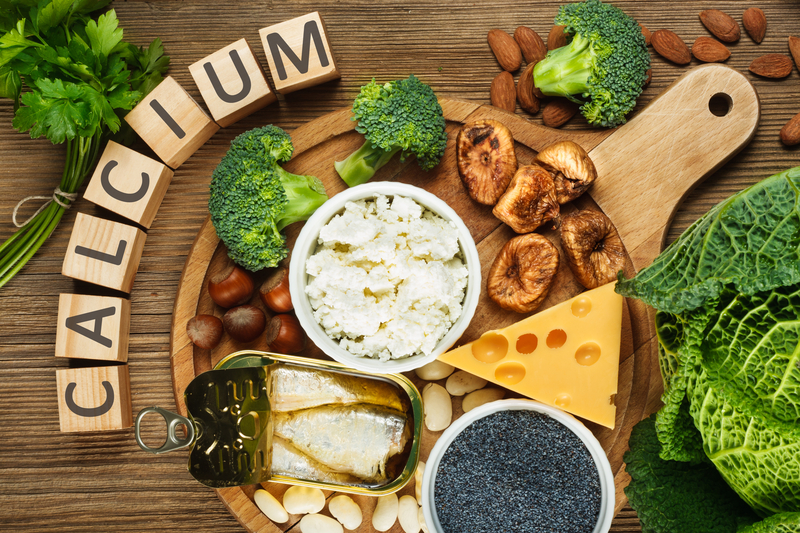
Calcium benefits are numerous and far-reaching. It is one of the most essential minerals for maintaining overall health, yet many people don’t get enough of it.
While most know that calcium is vital for strong bones, research has revealed that calcium benefits go far beyond that.
From supporting heart function to aiding in weight management, calcium is a true powerhouse nutrient. Let’s explore the many ways calcium enhances health, backed by science.
1. Strengthens Bones and Teeth
It’s no secret that calcium is vital for bone health. According to a study published in The Journal of Bone and Mineral Research, adequate calcium intake helps maintain bone density and reduces the risk of osteoporosis, a condition that weakens bones and increases fracture risk. Calcium also plays a key role in strengthening teeth, preventing decay and gum disease.
2. Supports Heart Health
Calcium helps regulate heart function by ensuring proper muscle contractions, including those of the heart. Research in The American Journal of Medicine found that people with sufficient calcium intake had a lower risk of high blood pressure and cardiovascular disease. It also helps blood vessels relax and contract properly, promoting healthy circulation.
3. Aids in Weight Management
Surprisingly, calcium can play a role in weight control. A study in Obesity Research found that individuals who consumed more calcium, especially from dairy sources, had lower body fat levels and found it easier to manage their weight. Calcium may help regulate fat storage and breakdown, making it an important part of a balanced diet.
4. Reduces the Risk of Colon Cancer
Research published in The Journal of the National Cancer Institute suggests that calcium may reduce the risk of colorectal cancer. It’s believed that calcium binds to harmful compounds in the intestines, preventing them from damaging colon cells and reducing cancer risk.
5. Supports Muscle Function and Nerve Health
Calcium is essential for muscle contraction and nerve communication. Without it, muscles may cramp, and nerve signals may become sluggish. According to The Journal of Physiology, calcium enables the transmission of signals between the brain and body, ensuring smooth muscle movements and reducing the risk of spasms.
6. Promotes Better Sleep and Reduces Insomnia
Calcium plays an important role in sleep regulation. A study in The European Neurology Journal found that calcium helps the brain use the amino acid tryptophan (a component of protein) to produce melatonin, the sleep-inducing hormone. Low calcium levels have been linked to sleep disturbances and insomnia. Consuming calcium-rich foods before bed may enhance sleep quality and duration.
Best Food Sources of Calcium
To get enough calcium, it’s best to consume a variety of calcium-rich foods. Here are the top sources:
Dairy Sources:
- Milk
- Yogurt
- Cheese
Non-Dairy Sources:
- Leafy greens (kale, bok choy, collard greens)
- Almonds
- Sardines (with bones)
- Chia seeds
- Sesame seeds
- Figs
Calcium Benefits for Good Sleep
This natural health news is shared by Nutrition Breakthroughs, maker of the original calcium and magnesium based sleep aid Sleep Minerals II.
***** Wendy R. of Honolulu, Hawaii says: “My friends know that I’ve had chronic insomnia for a long time. Surprisingly, I received the Sleep Minerals II and began taking it and found this thing really works. In the past if I ever got a good night’s sleep I’d say ‘I slept like a baby’, but that’s the wrong comparison. Those little guys get up every two hours. I am actually beginning to sleep like an adult — a much-rested adult.”
Summary
Getting enough calcium is essential for a strong, healthy body. Whether through dairy or plant-based sources, adding more calcium-rich foods and supplements to your diet can improve bone health, heart function, weight management, and even reduce disease risks. It can also enhance sleep quality and quantity and help remedy insomnia. So, start making calcium a priority today – your body will thank you!
Find out more info on the effective natural sleep aid Sleep Minerals II.

Sleep Minerals II is the original and time-tested calcium and magnesium remedy for better sleep.
Nutrition Breakthroughs has enhanced the product to provide an upgraded formula for those struggling with sleeplessness or insomnia.
With increased amounts of zinc, a shift to sunflower lecithin from soy lecithin, and a reduced serving size, the new formula provides increased benefits for those who seek a more restful night’s sleep.
Check out all the details and benefits here.
Be healthy and sleep well!
Jobee Knight
Nutrition Breakthroughs
Maker of Sleep Minerals II and Joints and More
The U.S. FDA (Food and Drug Administration) recently updated their web page that describes the many potential side effects of sleep drugs.
On their site, they state that “Complex behaviors are a potential side effect of sedative-hypnotic products – a class of drugs used to help a person fall asleep and stay asleep. These include making phone calls, sleep-eating, and getting into the car and driving while not fully awake. Most people do not remember these events later.” (Continue reading to see the full article and the proven natural remedies available) ….
——————-
This health news is shared by Nutrition Breakthroughs, maker of the original calcium and magnesium based sleep aid Sleep Minerals II, and Joints and More, a natural supplement for joint relief, less aches and pains, and more energy.

Studies are showing that certain minerals can have a positive effect of the quality of our sleep. One of these is potassium.
A study in the journal “Sleep” found that sleep improved and had more (Continue reading) …
——
This health news is shared by Nutrition Breakthroughs, maker of the original calcium and magnesium based sleep aid Sleep Minerals II, and Joints and More, a natural supplement for joint relief, less aches and pains, and more energy.

This article at Nutrition Breakthroughs reveals several proven natural remedies for insomnia in menopause, as well as those that work for hot flashes and night sweats.
The North American Menopause Society reports that an estimated 6,000 U.S. women reach menopause each day, which translates to over 2 million women every year.
Starting with Vitamin E and continuing on with five other researched and proven remedies, you’ll have learned some very useful information when you’re done!
———————————————-
This health news is shared by Nutrition Breakthroughs, maker of the original calcium and magnesium based sleep aid Sleep Minerals II, and Joints and More, a natural supplement for joint relief, less aches and pains, and more energy.
 News on Natural Remedies, Good Sleep and Good Health