News on Natural Remedies, Good Sleep and Good Health

Posts Tagged ‘sleep aid

Here is a beneficial chart for you below on how to get better sleep in 24 hours.  This chart is full of great tips on how to remedy insomnia and sleep better, many of which are supported by research studies.

For example, studies at the University of Arizona have found that walking more than six blocks a day at a normal pace significantly improves sleep at night.

Regarding the benefits of taking calcium at bed time, one study published in the European Neurology Journal discovered that the normal course of sleep is restored following the normalization of the blood calcium level.

This news is provided to you by Nutrition Breakthroughs, maker of the effective natural sleep aid Sleep Minerals II.

Sleep Better in 24 Hours


Article source: http://www.nutritionbreakthroughs.com/blog/2015/05/25/chart-get-better-sleep-in-24-hours-remedy-insomnia/


FibromyalgiaThe Journal of Manipulative and Physiological Therapeutics published a study on fibromyalgia titled: “Hair calcium and magnesium levels in patients with fibromyalgia: a case center study.

Note: In order to understand the results of this study, it’s important to clarify that when a hair analysis finds a high amount of calcium, it usually indicates a deficiency of calcium in the body. The high calcium reading often represents a loss of calcium into the soft issues. One reason for the loss is that the calcium consumed was not soluble or able to be assimilated. This deficiency can lead to muscle cramping or pain; signs of low calcium, and also symptoms of fibromyalgia.

Here is a summary of the study:

Fibromyalgia is not an uncommon condition. Because its cause has yet to be identified, treatments can frequently lead to unsatisfactory outcomes. Some patients with fibromyalgia were observed to have high “hair calcium and magnesium levels compared with healthy subjects. Because of this and because supplementing calcium and magnesium to fibromyalgia subjects has reduced the number of tender points, it is worth investigating if patients with fibromyalgia have significantly higher hair calcium and magnesium levels than their healthy counterparts.

The study reviewed twelve patients who had hair analysis performed and who met the criteria of fibromyalgia as defined by the American College of Rheumatology.  These patients were then matched by age and sex to twelve healthy subjects selected consecutively from the same patient files, who had hair analysis performed for checkup purposes. Tests were used to determine if the hair calcium and magnesium levels in patients with fibromyalgia were significantly higher than in the other subjects.

The results: The tests showed that patients with fibromyalgia had significantly higher calcium and magnesium levels than the other subjects.

The conclusion: In the presence of high hair calcium and magnesium levels (and thus deficiency), calcium and magnesium supplements may be indicated as an additional treatment of fibromyalgia.

This article is provided by Nutrition Breakthroughs, maker of the effective natural insomnia remedy Sleep Minerals II. Sleep Minerals II contains highly absorbable forms of calcium, magnesium and vitamin D: all combined in a softgel with carrier oils. Softgels are better absorbed than capsules or tablets. The essential fatty acids in natural oils have been shown to increase mineral absorption.  Sleep Minerals II can also help with muscle cramps, painful muscles or soreness.

For more information on Sleep Minerals II click here.
Article source: http://www.nutritionbreakthroughs.com/html/fibromyalgia_a_calcium_magnesi.html

fruit melatoninGetting a good night’s sleep is a satisfying, energizing, and vital part of a healthy life.  However, per the National Sleep Foundation, almost six out of ten Americans report having insomnia at least a few nights a week..

Melatonin is a natural hormone made in the brain by the pineal gland that helps regulate the sleep and wake cycles.  Researchers in recent studies have found that eating tropical fruits such as pineapples and bananas, and also certain vegetables, can naturally increase melatonin in the body and help to improve sleep.

Melatonin levels start rising in the evening and go up to a peak level in the early hours of the morning, perhaps around 2:00 or 3:00 a.m, and then it reduces.  Melatonin production also declines with increasing age. This may partially explain why some people can sleep fine for a few hours and then suddenly find themselves wide awake in the night and unable to go back to sleep.

The research study showing how tropical fruits increase melatonin was published in the Journal of Agriculture and Food Chemistry.  Thirty healthy volunteers ate one fruit at a time with a one-week wash-out period between fruits.  Significant increases in melatonin were observed after eating pineapple (a 266% increase), banana (180%) and orange (47%).  The researchers made important discoveries about fruit consumption for those people with age-related melatonin deficiency symptoms such as sleeplessness and insomnia.

Eating more vegetables can increase melatonin levels in the body as well.  Ninety-four Japanese women participated in a recent study.  Half of the women ate high amounts of selected vegetables for 65 days, while the other half were told to avoid the same vegetables.

At the end of the study, the average daily intake of melatonin from eating the vegetables was 1,288 nanograms, while the non-vegetable group had an increase of a mere 5.3 nanograms.  (For reference, a nanogram is a common measurement in research studies and equals one billionth of a gram, and there are 28 grams in an ounce).  Another Japanese study tracked consumption of vegetables such as tomato, pumpkin, spinach, Japanese radish, cabbage, carrot, etc., and discovered there was 16% more melatonin in the women with the highest vegetable intake.

Supplements of synthetic melatonin are made commercially in a lab.  Because they often offer several milligrams per supplement, which is far more than the body makes naturally, common side effects of these supplements can include daytime sleepiness, dizziness, headaches, nightmares, anxiety and irritability.  Melatonin supplements are only recommended for short-term use and are best used under the guidance of a doctor.

In addition to fruits and vegetables, the brain can be assisted in its melatonin production by taking calcium supplements. William Sears, M.D. writes: “Calcium helps the brain use the amino acid tryptophan to manufacture the sleep-inducing substance melatonin. This explains why dairy products, which contain both tryptophan and calcium, are one of the top sleep-inducing foods.”  It’s important to note that a balanced ratio of calcium and magnesium (in a 2 to 1 ratio) is important to overall health, and that these two minerals should be taken together for best results.

Digestibility and absorption are important factors in selecting the best forms of calcium and magnesium to use. For example, Sleep Minerals II from Nutrition Breakthroughs is a natural insomnia remedy that contains highly absorbable forms of these minerals and it’s effective for sleeplessness and insomnia, as well as for heart health, restless leg syndrome, bone strength, menopause insomnia and teenage insomnia. Sleep Minerals also contains vitamin D and zinc and is delivered in a softgel form mixed with natural rice bran oil, making it better assimilated than tablets or capsules and providing a deeper, longer-lasting sleep.

Richard P. of Parkville, Maryland says: “The Sleep Minerals are making quite a difference.  I was regularly waking up at around 3:00 a.m. and after a few days of use my sleep improved quite a lot. I wake up once a night to go to the bathroom, but the great thing is, I then fall back asleep and sleep several more hours.  This has been a great improvement.”

Fruits, vegetables and absorbable forms of calcium and magnesium are good remedies to increase melatonin in the body and help with better sleep.  For more information, visit the Sleep Minerals II page.


Article source: http://www.nutritionbreakthroughs.com/blog/2016/03/20/melatonin-rich-fruits-for-sleep-studies-from-nutrition-breakthroughs/

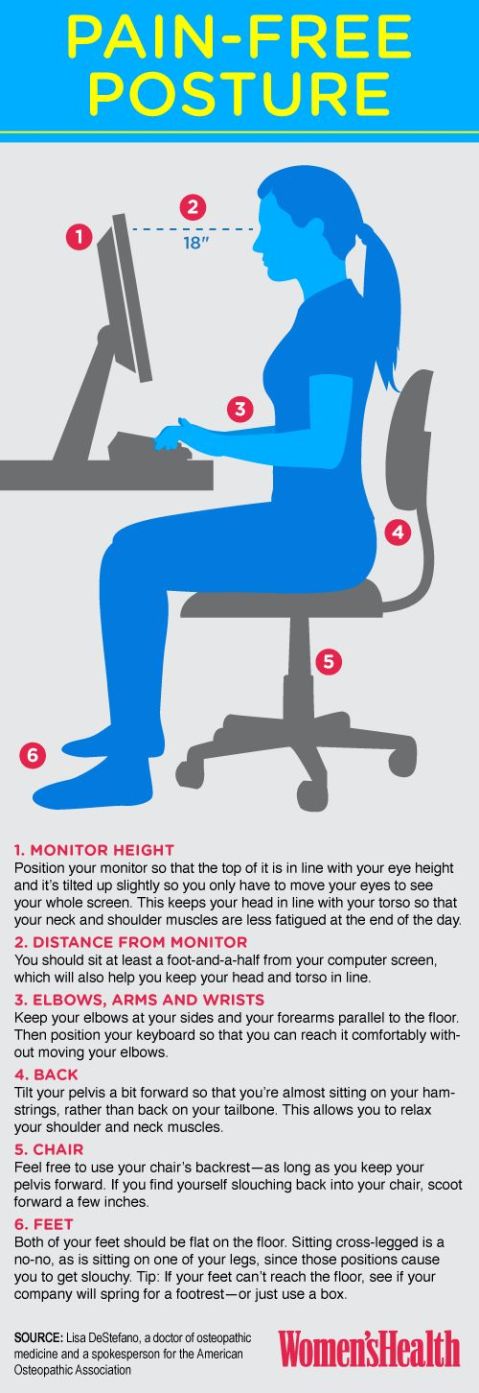
This is a great chart for learning and keeping good posture and staying pain-free at the computer — things we can all use in this Internet Age!

Best of health,

Jobee Knight
NutritionBreakthroughs.com
Maker of the Effective Natural Sleep Remedy Sleep Minerals II

Posture

Article source: http://www.nutritionbreakthroughs.com/blog/2014/01/09/good-tips-for-pain-free-posture-at-the-computer/

vitamin a sleepWhich vitamins and minerals are the most famous ones for their role in supporting good sleep?  These definitely would be calcium, magnesium and vitamin D.

For example, a study in the European Neurology Journal tested calcium levels in the blood during sleep and discovered that calcium peaks at a high point during the deepest levels of sleep such as the rapid eye movement phase (REM), when dreaming occurs.

Recent studies are showing that a lesser-known vitamin also plays a vital role in preventing insomnia – the eye strengthening Vitamin A.

With the National Sleep Foundation reporting that close to 60% of Americans are experiencing sleeplessness and insomnia at least a few nights per week, many people are spending a lot of time and energy searching for some effective, natural ways to sleep better.  One study on vitamin A that’s related to sleep was published in the PLOS Journal (Public Library of Science).

The researchers selected 2,459 adults aged 20 to 85.  They discovered that people who have lower blood levels of vitamin A have higher odds of having a shorter sleep duration (i.e. 5-6 hours per night), compared to those with more vitamin A having a better sleep duration (7-8 hours per night).

Vitamin A, long-known for its benefits to healthy eyes and vision, is also a key to helping regulate the sleep-wake cycle.  When light from the sun enters the eyes, it’s vitamin A that provides the middle step for the brain to then know it’s day and not night.  With adequate vitamin A in the eyes at night when it’s dark, one’s night vision will be strong – unless most of the vitamin A is used up for its light translation duties in the day time. If the eyes are weaker at night, this is a possible sign of vitamin A deficiency. When the vitamin A sunlight signal grows weaker, the body knows it’s nearing time to go to sleep.

The best ways to get adequate vitamin A is through whole foods – namely egg yolks, butter, vegetables with a green, yellow and orange color, liver and cod liver oil.  Vitamin A supplements are also an option, but are best taken as part of a diet that includes healthy sources of vitamin A, as well as good sources of other important vitamins and minerals.  Eating a healthy diet would include grass fed meats, poultry and fish, a rainbow of organic vegetables, and good fats like avocados, coconut oil and olive oil.

Another thing to consider for helping to prevent insomnia is reducing the use of electronics and TV at night or at least turning them off an hour before bed, in order to limit their melatonin-blocking effects. In an article from the Lighting Research Center at Rensselaer Polytechnic Institute, the researchers said: “Our study showed that a two-hour exposure to light from self-luminous electronic displays can suppress melatonin by about 22 percent.  Stimulating the human circadian (wake-sleep cycle) system to this level may affect sleep in those using the devices prior to bedtime.”

Magnesium has been shown in several studies to relieve insomnia. In one study from the University of Iran, people with insomnia were given magnesium tablets twice a day for eight weeks.  They experienced significant increases in quality sleep time, with less night time interruptions and fewer early morning awakenings.  Magnesium can be found in foods such as green leafy vegetables, pumpkin seeds, almonds, avocados, figs, bananas, brown rice, and other nuts and seeds.  Magnesium supplements are a good option as well, particularly those containing magnesium citrate which is highly absorbable.

One supplement shown to have good results for insomnia is Sleep Minerals II from Nutrition Breakthroughs.  This formula contains highly absorbable forms of calcium citrate and magnesium citrate, the best minerals for sleeplessness and insomnia, as well as for heart health, restless legs syndrome, bone strength and menopause insomnia.  It also includes vitamin D and zinc and is delivered in a softgel form with healthy carrier oils, making it more quickly absorbable than tablets or capsules and providing a deeper, longer-lasting sleep.

Tammy M. of Meridian, Idaho says: “I was plagued with insomnia for five years and desperate for a breakthrough. Nothing has helped me more than Sleep Minerals — I*m so sold on them I could go door to door promoting them.  I*m 60 years old and have never slept so soundly.”

To sum it up, good strategies for sleeping well and avoiding insomnia include having some good sun exposure during the day, limiting use of electronic devices at night, doing some regular moderate exercise, eating a nutritious diet, and using some key supplements.

This natural health news is provided by Nutrition Breakthroughs, a publisher of nutrition articles and supplier of effective natural remedies since 2001. Nutrition breakthroughs makes Sleep Minerals II, the effective natural sleep aid with calcium, magnesium, zinc and vitamin D, and also Joints and More, the natural solution for joint relief, aches and pains, stronger hair and nails and more energy.


Article source: http://www.nutritionbreakthroughs.com/blog/2016/10/10/sleep-vitamins-and-remedies-vitamin-a-proven-beneficial/

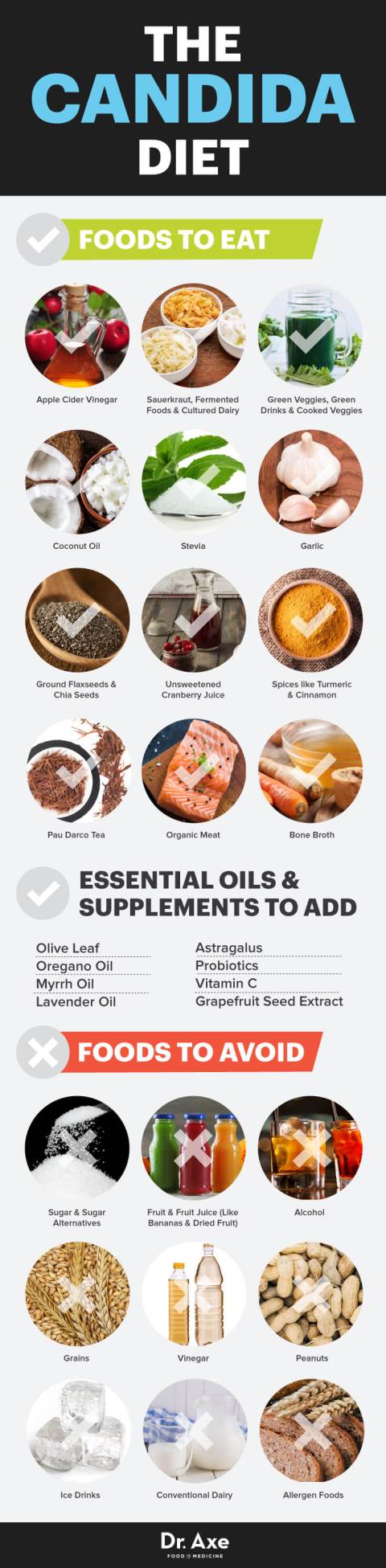
What is Candida? It is one of the natural microscopic organisms that live in our intestines and mouth. Candida is a yeast-like fungus that has the role of helping to digest food. Normally the stomach has an abundance of healthy bacteria that keep Candida under control, but an overgrowth can take place if a person eats a lot of sugar or highly processed foods, takes birth control pills, drinks alcohol or takes antibiotics.

Researchers have been on the trail of natural options in order to provide people who have Candida overgrowth with some alternatives to antifungal drugs. In fact, studies have revealed several natural remedies. How can a person know if they have Candida overgrowth? Some of the signs and symptoms include trouble focusing, chronic fatigue, depression, insomnia, stomach gas, congestion, allergies, recurring yeast or urinary tract infections, headaches and joint pain.

One of the top proven remedies for Candida is Turmeric. Turmeric is frequently used in Asian dishes and curry powders and it gives these their bright yellow color.  Curcumin is the active ingredient in turmeric that provides its many health benefits. One research study on turmeric comes from the Canadian Journal of Microbiology.  The researchers found that turmeric is effective against fourteen different strains of Candida.

Probiotics such as the healthy bacteria found in yogurt, have been found to combat Candida.  Physiology is the study of the normal functions of living organisms and their parts. A leading journal of physiology reported that probiotic therapy is successful in treating fungal colonization of the intestinal tract.  More specifically, acidophilus heals fungal infection, as well as the accompanying stomach inflammation.

Coconut oil was proven in a recent animal study in Massachusetts to reduce the amount of Candida in the gut by more than 90%. The researches emphasized that antifungal drugs can be used to decrease and control Candida and prevent it from spreading to the bloodstream, but repeated use of antifungal drugs can lead to drug resistant-strains of fungal diseases. “Food can be a powerful ally in reducing the risk of disease,” said Alice Lichtenstein at Tufts University in Massachusetts.

Hippocrates, the “Father of Medicine”, sums this up the best when he said: “Let thy food be thy medicine and thy medicine be thy food”.

This natural health news is provided by Nutrition Breakthroughs, a publisher of nutrition articles and a supplier of effective natural remedies since 2002. Nutrition Breakthroughs makes the original calcium and magnesium based natural sleep aid Sleep Minerals II, as well as Joints and More, the natural solution for joint relief, aches and pains, stronger hair and nails, and more energy.

Candida Diet

Article source from Nutrition Breakthroughs: http://www.nutritionbreakthroughs.com/blog/2016/02/27/candida-diet-what-to-eat-and-avoid-for-success/

magnesium sleepWhat qualities make magnesium such an essential mineral, required by the body for literally hundreds of its functions? One key feature of magnesium is that it’s a partner or “co-factor” with enzymes that allows them to do their work.

Enzymes are energized protein molecules that initiate chemical reactions inside the cells – orchestrating life’s processes in every organ, gland, tissue and cell.

Research studies are finding that magnesium affects over 300 processes in the body, relaxes muscles and nerves, and helps insomnia, hot flashes, heart health, bone strength, diabetes, migraine headaches and more.

According to the Human Nutrition Research Center of the U.S. Dept. of Agriculture, one of the main symptoms of magnesium deficiency is chronic insomnia, restless sleep and frequent awakenings during the night. In one of their studies, a diet high in magnesium contributed to deeper sleep with fewer interruptions.

Another study from the University of Medical Sciences in Iran was done with 46 adults who were experiencing insomnia. Two magnesium tablets twice a day (250 mg. each) resulted in significant increases in sleep time and reduced cortisol levels in the body, which is a stress hormone that can keep people awake.

Hot flashes and night sweats are common symptoms of premenopause and menopause. Regarding magnesium for menopause, a study was done at the Virginia University Health System. Women who experienced hot flashes many times per week received 400 milligrams of magnesium for 4 weeks — increasing to 800 milligrams per day if needed. At the end of the study, the magnesium supplements had reduced their frequency of hot flashes by half. Fatigue, sweating, and distress were also significantly reduced.

Magnesium is also magnificent for the heart. In a study from the American Journal of Clinical Nutrition, research scientists examined data from thousands of women over the course of a 26-year follow up period. The women who consumed the highest amounts of magnesium had a 34% reduced risk of sudden cardiac death. Another study from the journal “Circulation” found that magnesium supplements allow people with heart disease to exercise for longer times and it actually helps repair the ability of blood vessels to open up.

Supplements with well-absorbed forms of magnesium are becoming increasingly popular for those with insomnia. One of the more effective sleep aids is Sleep Minerals II from Nutrition Breakthroughs. It contains calcium and magnesium in combination with vitamin D and zinc. The minerals and vitamins are formulated in a softgel with healthy oils; creating a creamy paste inside that results in quick absorption and a deeper, longer-lasting sleep.

Kimberly B. of Troy, Michigan says: “I have been taking Sleep Minerals II for about a month now. I have tried everything out there and this supplement is amazing. I have suffered with insomnia for 2 1/2 years. I have also had restless leg syndrome my entire life and this is the first relief I’ve ever had…gone for a month now.”

Magnesium is one of the super-heroes of natural remedies. This health news is shared by Nutrition Breakthroughs, maker of the original calcium and magnesium based sleep aid Sleep Minerals II. For more information on the many benefits of magnesium and calcium, visit the Sleep Minerals II page.


Article source: http://www.nutritionbreakthroughs.com/blog/2015/08/14/proven-magnesium-benefits-for-insomnia-hot-flashes-heart-bones/

Vitamin C heartVitamin C is one of the most famous vitamins as it benefits so many areas of health. It isn’t stored in the body and its highest sources are fresh vegetables and fruits.

Vitamin C strengthens bones and teeth, heals wounds, fights infections, smooths skin wrinkles (by helping to make collagen), and supports heart and eye health.

Especially for a healthy heart, vitamin C benefits have been the topic of research studies for its ability to lower blood pressure and increase the health of blood vessels.

A recent study from research scientist Dr. Caitlin Dow at the University of Colorado at Boulder, focused on 35 obese or overweight adults. These adults are often advised to walk for exercise, but they can find it a challenge to include it in their daily lives.

Dr. Dow’s research found that 500 mg. of time-release vitamin C taken daily, reduces blood vessel constriction as much as walking does.

Overweight and obese people were chosen for the study as they have higher levels of a certain vessel-constricting protein which makes their blood vessels less responsive to blood flow — thus increasing the risk of developing vascular or heart disease.  Exercise has been shown to reduce the effects of this protein and to benefit blood vessels.

The University of Colorado study compared the daily use of vitamin C heart supplements to daily walking in a group of 35 sedentary, overweight individuals. Blood flow was measured before and after each alternate remedy.

The results: Daily supplementation of vitamin C (500 mg/day, time-released), reduced blood vessel constriction as much as the walking exercise did. They recommend that Vitamin C supplementation represents an effective lifestyle strategy for this condition.

In addition to this current study, the American Journal of Clinical Nutrition published a review of 29 research trials on people with high blood pressure and concluded that vitamin C has a useful role in lowering it.

This health news is shared by Nutrition Breakthroughs, a provider of natural health articles and effective natural remedies since 2001. Nutrition Breakthroughs makes the original calcium and magnesium based sleep aid Sleep Minerals II, as well as Joints and More, the natural solution for joint relief, aches and pains and stronger hair and nails.

Hello,

Included below is a great chart showing the top 10 Vitamin D rich foods. Vitamin D is known as the “Sunshine Vitamin” as spending time outdoors in the sun is known to increase vitamin D in the body via the skin. Our ancestors spent a considerable amount of their time outdoors, but for the first time in history, large amounts of the world population spend most of their time inside their offices and homes.

The American Journal of Clinical Nutrition recommends some regular sun exposure (usually 5–10 min of exposure of the arms and legs or the hands, arms, and face, 2 or 3 times per week) and increased dietary and supplemental vitamin D to guarantee getting enough and preventing a vitamin D deficiency. The foods highest in vitamin D are featured in the chart below.

Vitamin D supports healthy bones, reduces diabetes risk, strengthens the immune system, remedies insomnia and soothes skin conditions. One study on vitamin D supplements for people with insomnia was published in the journal “Medical Hypothesis”. The researchers followed 1500 patients over a 2 year period. A consistent level of vitamin D3 was maintained in their blood over many months.

This produced normal sleep in most of the participants, regardless of their type of sleep disorder. During the research, the authors discovered the presence of high concentrations of vitamin D “receiving sites” or “receptors” in those areas of the brain that are related to the onset and maintenance of sleep.

Vitamin D supports healthy bones. Vitamin D deficiency is a known cause of rickets (soft bones) in children and osteoporosis in adults.The pioneering nutritionist Adelle Davis writes about vitamin D in her book “Let’s Get Well”. She says: “Vitamin D increases calcium absorption…and controls the enzymes necessary to deposit minerals in bones and teeth. This vitamin can be produced on the skin by sunshine provided the oils have not been washed off (the skin).”

A study from the Journal of Investigative Medicine found that vitamin D has important functions beyond those of supporting calcium and bones in the body.  It concluded that vitamin D is a boost to immunity and a deficiency of the vitamin is common in autoimmune disease – a disease where the body’s immune system attacks healthy cells by mistake. These include multiple sclerosis, rheumatoid arthritis, diabetes and inflammatory bowel disease.

In the “Top 10 vitamin D Foods” chart below, the foods are shown with their amounts of vitamin D and what percentage of the recommended daily value (DV) they have. For example, 3 ounces of sardines provides 164 IU (international units) of vitamin D and this is 41% of the recommended daily intake of 400 IU. Daily values are developed by the U.S. Food and Drug Administration to help provide a general guideline, however doses of 1,000 to 2,000 IU or more daily are not uncommon.

Good vitamin D foods include cod liver oil, sardines, salmon, mackerel, eggs, herring, raw maitake mushrooms, and vitamin D fortified milk and yogurt.

This health news is shared by Nutrition Breakthroughs, a provider of natural health articles and effective natural remedies since 2001. Nutrition Breakthroughs makes the original calcium and magnesium based sleep aid Sleep Minerals II, as well as Joints and More, the natural solution for joint relief, aches and pains and stronger hair and nails.

Enjoy the chart….

Vitamin D foodsShared by www.NutritionBreakthroughs

Greetings to you,

Included below is a healthy reference chart with the top ten vitamin C foods. Vitamin C is a vital nutrient for health. Although most animals can make vitamin C from scratch, humans have lost the ability and must get it from food, chiefly fresh fruits and vegetables. Recent research studies are showing many health benefits for vitamin C.

Vitamin C helps maintain blood vessels, strengthens bones and teeth, heals wounds, fights infections, and supports heart and eye health.  Vitamin C is a key player in the production of collagen, which is the most abundant protein in the body and is a component of muscle, joints, bone, skin, hair and nails.

The daily value (DV) of vitamin C is 60 milligrams. Daily values are developed by the U.S. Food and Drug Administration to help people determine how much they should take of vitamins and minerals. However, Nobel Prize winner Linus Pauling, famous for his work with high levels of vitamin C for disease, suggests higher levels.

According to a study from the American Journal of Clinical Nutrition, recent scientific evidence indicates an increased intake of vitamin C is associated with a reduced risk of chronic diseases such as cancer, cardiovascular disease and cataract, probably through antioxidant mechanisms.

An antioxidant is a nutrient that counteracts the harmful effects of oxygen in the body. An unhealthful diet, as well as the normal processes of digestion and metabolism, can produce excess oxygen which contributes to aging and disease. The key antioxidants are vitamin C and vitamin E.

A Scandinavian researcher conducted a review of 21 studies that tested between 1 and 8 grams (1,000 to 8,000 milligrams) of Vitamin C for the common cold. He concluded that “in each of the twenty-one studies, Vitamin C reduced the duration of the cold and the severity of the symptoms by an average of 23%. Even much lower amounts of vitamin C such as 100 milligrams have been found to be beneficial.

Cataracts are an eye condition where the clarity is reduced in the lens, resulting in blurred vision. Research was recently published in an eye health journal which found that high daily intakes of fruit and vegetables provided greater blood levels of vitamins C and E and decreased the frequency of cataract and cataract surgery.

According to the Linus Pauling Institute, two observational studies discovered that vitamin C from the diet is associated with better skin appearance, with significant decreases in skin wrinkling. In addition, using topical applications of vitamin C in a skin cream for several months has been shown to increase the production of collagen in skin, reduce signs of skin roughness and reduce wrinkling.

This news is shared with you by Nutrition Breakthroughs, provider of natural health articles and effective natural remedies since 2001. Nutrition Breakthroughs makes original calcium and magnesium based sleep aid, Sleep Minerals II.

Vitamin c foods - top tenShared by http://Nutrition Breakthroughs.com


Archives