Posts Tagged ‘reviews of sleep minerals ii from nutrition breakthroughs’
 Rice bran oil is a heart-healthy oil that is used in cooking, salad oil and nutritional supplements. It is extracted from the outer bran coats of rice. It is a rich source of vitamins, minerals, amino acids and essential fatty acids that help fight disease and promote good health.
Research studies have found that rice bran oil reduces blood pressure and cholesterol, remedies menopausal symptoms such as hot flashes, strengthens the immune system and protects the retina of the eye. Rice bran oil is rich in two types of natural vitamin E and also high in Oryzanol (a word that sounds like “Original”), which is a powerful antioxidant only found in rice bran oil. Antioxidants protect our tissues from deterioration and help to slow the aging process.
One example of rice bran oil benefiting heart health is a study done by a team of cardiovascular scientists in Japan. The 60-day study was conducted with 300 men and women and found that a combination of rice bran oil and sesame oil reduced blood pressure by 14 points and lowered cholesterol by 26%. The oil consisted of 80% rice bran oil and 20% sesame oil.
Menopause symptoms such as hot flashes, night sweats and insomnia can plague women who are at pre-menopause or menopause. In a study of menopausal women, researchers gave the participants the active component of rice bran oil in supplement form. After four to six weeks, 90% of the women had some form of relief, with 40% claiming “excellent” improvement. The women also experienced significantly reduced cholesterol levels.
Our immune system protects and defends us from disease in all its forms. It is made up of a network of cells, tissues, and organs that work together to protect the body. The main cells involved are white blood cells called “leukocytes” which create antibodies that neutralize toxins and infections. From the journal of Phytotherapy Research (phyto refers to plants) comes a study showing that rice bran oil evokes a significant increase in antibodies that greatly enhance immune activity.
Rice bran oil can help calcium to be absorbed better into the body. In a review article from “Progress in Lipid Research” (a lipid is a natural fat or oil), the authors write that healthy oils increase mineral utilization by enhancing the effects of vitamin D – a vitamin that works alongside calcium and magnesium. As a result, oils such as rice bran oil can help calcium to be deposited into bone and improve bone strength.
This health news is provided by Nutrition Breakthroughs, maker of the effective natural sleep aid Sleep Minerals II. This sleep remedy features calcium, magnesium and vitamin D, all mixed with rice bran oil in a highly absorbable softgel.
Kimberly B. of Troy, Michigan gives her review and says: “I have been taking Sleep Minerals II for about a month now. I have tried everything out there and this supplement is amazing. I have suffered with insomnia for 2 1/2 years. I have also had restless leg syndrome my entire life and this is the first relief I’ve ever had…gone for a month now.”
For more information on Sleep Minerals II visit this info page.
Article source: http://www.nutritionbreakthroughs.com/blog/2015/02/23/studies-find-rice-bran-oil-benefits-menopause-cholesterol-immunity-more/
According to the National Sleep Foundation (NSF), almost six out of ten Americans report having insomnia and sleep problems at least a few nights a week. Insomnia is defined as “An inability to fall asleep or remain asleep long enough to feel rested, especially when the problem continues over time.” In an effort to combat this, as many as 25 percent of the people in the United States use medications to help them sleep.
Most sleeping pills can have multiple side effects, staying in the bloodstream and giving a hangover effect the next day and beyond. They tend to be addictive, can increase the risk of car and work accidents and may impair one’s memory and performance on the job and at home.
Sleep Minerals II is the original drug-free calcium and magnesium based sleep aid. The minerals are uniquely formulated in a softgel with natural oils, making them highly absorbable. The product soothes insomnia and helps everyone from older adults, to teenagers, to women with menopause symptoms, to get a good night’s sleep. It also calms restless leg syndrome.
James F. Balch, M.D., author of “Prescription for Nutritional Healing,” writes: “A lack of the nutrients calcium and magnesium will cause you to wake up after a few hours and not be able to return to sleep.”
Alex R. of Ramseur, North Carolina shares his review and says: “Sleep Minerals II has been a blessing for me. It has given me the opportunity to withdraw from a highly addictive sleep medication over time, and has allowed me to sleep while going through this most difficult ordeal. What’s great about it is it doesn’t lose its effectiveness, which is something that happens with medications. I am most thankful for this product.”
Chris M. of the United Kingdom says: “I take one softgel of Sleep Minerals II before bed every night and within 20 minutes I am asleep. The difference in the quality of my sleep and the ease with which I get to sleep using this product is monumental. I have stopped obsessing about sleep or dreading bedtime — I just take a softgel and drift off. If I stop taking them, within a week my sleep starts to lighten in quality, the amount of my sleep diminishes, and my old insomniac patterns reappear.”
Richard P. of Parkville, Maryland says: “The Sleep Minerals are making quite a difference. I was regularly waking at around 3:00 a.m. and after a few days use my sleep improved quite a lot. I wake once a night to go to the bathroom, but the great thing is; I then fall back asleep and sleep several more hours. This has been a great improvement.”
Sadie D. from The Netherlands says: “I am ever so grateful that I discovered Sleep Minerals II after suffering with premenopause and now the real menopausal insomnia. I felt like I was slowly losing my mind due to the continual lack of sleep. I can’t express the relief of getting a good night’s sleep and being able to function properly.”
For more information on Sleep Minerals II, visit this information page.
Jill C. of Ellensburg, Washington says: “My husband has been struggling with restless leg syndrome (RLS) his whole life. Coming back from a deployment in Iraq five years ago made his RLS become magnificently worse, creating nightly insomnia. He couldn’t sleep more than three to five hours unless taking an addictive prescribed narcotic, which he became tolerant to and the insomnia came back with no answers. Now he’s been taking Sleep Minerals II for a week and every night has had a great night’s sleep. We are thrilled.”
Tammy M. of Meridian, Idaho says: “I was plagued with insomnia for five years and desperate for a breakthrough. Nothing has helped me more than the Sleep Minerals — I’m so sold on them I could go door to door promoting them. I’m 60 years old and have never slept so soundly. Thank you for making sleep a reality for so many people.”
This news is provided by http://www.NutritionBreakthroughs. Since 2001 Nutrition Breakthroughs has provided natural health articles and effective natural remedies. Their mission is to provide nutritional supplements that get results and help people to avoid drugs and their side effects.
For more information on Sleep Minerals II, visit this information page.
 Magnesium is an essential mineral for staying healthy and is required for more than 300 biochemical reactions in the body. Multiple health benefits of magnesium include transmission of nerve impulses, body temperature regulation, detoxification, energy production, and the formation of healthy bones and teeth.
Health specialists have always emphasized the importance of including adequate amounts of vitamins and minerals in our daily diet. Zinc, calcium, and magnesium are three of the most important minerals essential for good health. Magnesium aids in the absorption of calcium by the body, while zinc actively supports the body’s immune system.
Women of all ages benefit immensely from the intake of magnesium. Besides keeping osteoporosis at bay, magnesium health benefits in women include relief from symptoms of menopause and premenstrual syndrome (PMS). It also minimizes the risk of premature labor.
The other crucial health benefits of magnesium include protein synthesis, relief from bronchospasm (constricted airways) in the lungs, and improvement of parathyroid function. It boosts the bio-availability of vitamin B6 and cholesterol, improves muscle functioning, and prevents osteoporosis, insomnia, constipation, heart attacks, hypertension, constipation, migraines, kidney stones, and gallstones.
Good dietary sources of magnesium include nuts (especially almonds), whole grains, wheat germ, fish, and green leafy vegetables. As with most nutrients, daily needs for magnesium cannot be met from food alone which is why magnesium dietary supplements are recommended as well.
The top five health benefits of magnesium are:
Magnesium may reverse osteoporosis
Multiple research studies conducted have suggested that calcium supplemented with magnesium improves bone mineral density. Magnesium deficiency alters calcium metabolism and the hormones that regulate calcium, resulting in osteoporosis. Intake of recommended levels of magnesium is important because it averts osteoporosis.
Magnesium prevents cardiovascular diseases
One of the most important benefits of magnesium is that it is associated with lowering the risk of coronary heart diseases. Dietary surveys have suggested that sufficient magnesium intake may reduce the chance of having a stroke. Magnesium deficiency increases the risk of abnormal heart rhythms, which increases the risk of complications after a heart attack. Therefore, consuming recommended amounts of magnesium dietary supplements may be beneficial to the cardiovascular system.
Magnesium regulates high blood pressure
Magnesium plays a key role in regulating blood pressure naturally. Magnesium supplements and a diet including plenty of fruits and vegetables, which are good sources of potassium and magnesium, are consistently associated with lowering blood pressure.
Magnesium treats diabetes
Studies show that individuals with a magnesium deficiency have a risk of developing type-2 diabetes and severe diabetic retinopathy. Magnesium aids in carbohydrate metabolism and influences the release and activity of insulin, thereby controlling blood glucose levels. It has been proven that for every 100 milligrams of increase in magnesium daily intake, there was a 15 percent decrease in the risk of developing type-2 diabetes.
Magnesium treats migraines, insomnia and depression
The numerous magnesium health benefits also include the treatment of migraines, insomnia, and symptoms of depression. Magnesium is also known to cure panic attacks, stress, anxiety, and undue agitations. Magnesium supplements considerably reduce the severity of such attacks and may also help in reducing the rate of recurrence.
Because magnesium is so essential to energy production, common symptoms of magnesium depletion include fatigue, along with headaches, insomnia, and muscle pain, cramps, and spasms.
A note from the blog author: Taking a daily magnesium supplement is a great help that supports many areas of our health and using it before bed is a great help for better, deeper sleep.
***********************************************************************
This news is brought to you by Nutrition Breakthroughs, maker of the effective natural sleep aid Sleep Minerals II. Sleep Minerals II contains highly absorbable forms of magnesium and calcium, along with vitamin D and zinc.
Article by Dr. Carolyn Dean, courtesy of NewsMaxHealth – http://www.newsmaxhealth.com/mktnews/magnesium-health-benefits-of-magnesium-supplements/2014/08/27/id/591254/
 (From NaturalNews) For better sleep, the body needs healthy foods and nutrients. Many nutrients are known to have a calming effect on the nervous system and help promote good sleep. Whole foods contain many of these natural insomnia cures, but supplements are also available to ensure that you obtain the proper dietary amounts.
Calcium
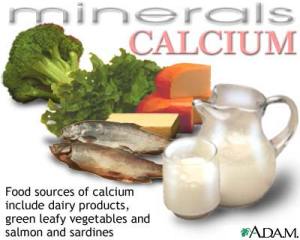
Nature’s tranquilizer. Some feel that calcium is best absorbed in the evening, suggesting that the folk medicine suggestion of a glass of milk before bedtime might be a good idea. Natural forms of calcium are dairy foods as well as green vegetables and sesame. A spoon of sesame seeds has ten times the calcium as a similar amount of milk. Spinach is also high in calcium. Take 1000 milligrams of calcium daily.
Magnesium
Needed to absorb calcium. Many calcium supplements also contain magnesium. Epsom salts are made of magnesium and an Epsom salt bath is one way to absorb magnesium. Magnesium is a muscle relaxant as well as important for balancing blood sugar and blood pressure. Natural sources of magnesium are halibut, peanuts, whole grains, spinach, bananas, avocadoes, and nuts and seeds. Diabetes and those on diuretics need to insure proper intake of magnesium, as much magnesium is lost through urine. Symptoms of deficiency are muscle spasms, nausea and loss of appetite.
Vitamin D
Another nutrient needed to support calcium uptake in the body. Milk products are regularly fortified with vitamin D. Research has shown that it is difficult to obtain enough vitamin D from exposure to the sun, especially in winter months, or north of New York or San Francisco, so supplementation is advised.
L-theanine
One of the ingredients of green tea. This amino acid is known to have calming properties. Research has shown theanine to calm the brain by producing alpha waves. Aside from its calming effects, theanine may also lower blood pressure.
5-HTP
The abbreviation for L-5-hydroxlytryptophan, which is a chemical byproduct of the amino acid L-Tryptophan. These nutrients are high in the protein contained in turkey and some say is responsible for the post-Thanksgiving sleepiness. Some have used tryptophan as a mood enhancer, as well, as it is known to help with serotonin mechanisms in the brain.
GABA is one of the brain’s neurotransmitters. The full name of this nutrient, which used to treat depression, is gamma-Aminobutyric acid. Its function is to regulate muscle tone and the excitability of nerves.
This health news is brought to you by http://NutritionBreakthroughs.com. Since 2009, their natural sleep remedy Sleep Minerals II (featuring highly absorbable calcium, magnesium and vitamin D) has been soothing even the worst insomnia and helping everyone from teenagers, to women with menopause symptoms, to (those with restless leg syndrome) seniors to get a good night’s sleep.
Richard P. of Parkville, Maryland says: “The Sleep Minerals are making quite a difference. I was regularly waking at around 3:00 a.m. and after a few days use my sleep improved quite a lot. I wake once a night to go to the bathroom, but the great thing is, I then fall back asleep and sleep several more hours. This has been a great improvement.”
For more information visit the Sleep Minerals II page.
via Vitamins Help You Sleep Better and Cure Insomnia – NaturalNews.com.
Greetings to you,
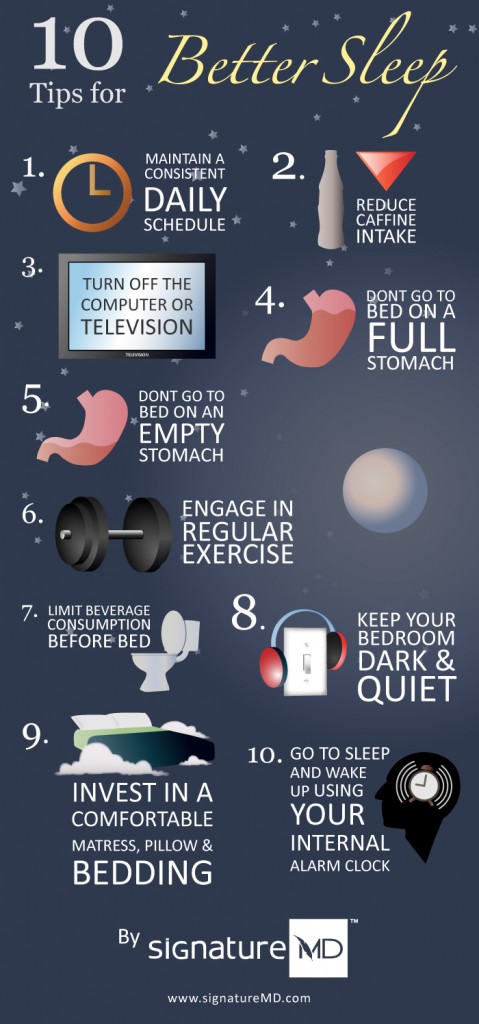
Included is an informative chart below with some practical “Do’s” and “Don’ts” for falling asleep and sleeping better. One suggestion is to avoid using electronics that have a back-lit screen within an hour before bedtime. This refers to texting, working on a computer or watching TV.
A recent study from the Journal of Applied Physiology found that the bright light of a computer screen may alter the body’s biological clock by suppressing the natural production of melatonin.
Two tips to add to the chart are to take walks and to use some absorbable calcium before bed. Studies at the University of Oklahoma Health Sciences Center have found that exercise improves sleep as effectively as sleeping drugs, but without the side effects.
Calcium is directly related to our cycles of sleep. In one study, published in the European Neurology Journal, researchers found that calcium levels in the body are higher during some of the deepest levels of sleep, such as the rapid eye movement (REM) phase. The study concluded that disturbances in sleep, especially the absence of REM deep sleep or disturbed REM sleep, are related to a calcium deficiency.
One sleep remedy becoming popular for those who wish to avoid sleeping drugs is Sleep Minerals II from Nutrition Breakthroughs. This sleep aid contains highly absorbable forms of calcium, magnesium and vitamin D. The ingredients are delivered in a softgel form with healthy carrier oils, making them more easily assimilated than capsules or tablets and providing a deeper, longer-lasting sleep.
Alex R. of Ramseur, North Carolina shares his review of Sleep Minerals II and says: “Sleep Minerals II has been a blessing for me. It has given me the opportunity to withdraw from a highly addictive sleep medication over time, and has allowed me to sleep while going through this most difficult ordeal. What’s great about it is it doesn’t lose its effectiveness, which is something that happens with sleep medications. I am most thankful for this product.”
Here’s to your good sleep,
Jobee Knight
Nutrition Breakthroughs
Maker of Sleep Minerals II
 Provided by NuritionBreakthroughs.com
 Article provided courtesy of The Life Extension Foundation
Seeing green? It’s not pure coincidence. People are finally catching on to the health benefits of leafy greens and many are including them in their everyday diet. And it’s not all that surprising.
Greens are a great source of antioxidants (natural cell protectors), fiber, vitamins, and minerals.
Plus, they’re also low in calories and carbs, making them an ideal food for those of us who are watching our waistlines.
Not feeling the green movement yet? Read on. Maybe this will finally sway you!
What Are Leafy Greens?
First, let’s clarify what we mean by leafy greens. They include (but are not limited to) spinach, watercress, bok choy, collard greens, chard, mustard greens, romaine lettuce, arugula, and the very popular kale.
Easy enough? Now let’s move on to their health benefits.
Leafy Greens May Prevent Diabetes
A British study revealed people who ate about one and a half servings of leafy greens a week were 14% less likely to develop diabetes.1
In this review, scientists investigated the intake of fruit and vegetables on the incidence of type 2 diabetes. In the analysis, leafy greens beat out other fruits and vegetables.
Leafy greens are great sources of magnesium and vitamin K, nutrients with anti-diabetic effects.
Leafy Greens Protect DNA
Exercise is great for your body, but there is a downside: The production of free radicals that can damage your DNA. It turns out leafy greens may help with this too.
In a study, participants given watercress before workouts and for an extended period of time had less evidence of DNA damage compared to a control period.2
Leafy Greens May Prevent Chronic Disease and Heart Disease
The Nurses’ Health Study is one of the most important studies to date. It has examined the health habits of people over the years and has provided us with important health information.
In one analysis that included over 100,000 people, the intake of green leafy vegetables was associated with a lower risk of major chronic disease and cardiovascular disease over a 14-year period.3
The association was stronger for leafy greens than for other groups of fruits or vegetables.
Leafy Greens Protect your Vision
Of the many beneficial compounds in leafy greens, two are of particular importance to your eyes: lutein and zeaxanthin. They play a critical role in preventing macular degeneration, the most common cause of age-related blindness.4
Lutein and zeaxanthin are found naturally in your eyes. They act like natural “sunscreen,” filtering out harmful UV light, and act as antioxidants.
Lutein and zeaxanthin can also be found in dietary supplements.
This health news is shared with you by Nutrition Breakthroughs, maker of the effective natural insomnia remedy Sleep Minerals II. Sleep Minerals II is the original magnesium and calcium based sleep remedy and is known for soothing even the worst insomnia. It helps everyone from teenagers, to women with menopause symptoms, to those with restless leg syndrome, to older seniors, to get a good night’s sleep.
Article is from LEF.org (The Life Extension Foundation): 5 Big Reasons to Eat Leafy Greens.
Greetings to you,
There is a great chart included below with 10 tips for better sleep. The additional tip is to take highly absorbable calcium and magnesium softgels before bed. In one study, published in the European Neurology Journal, researchers found that calcium levels in the body are higher during some of the deepest levels of sleep, such as the rapid eye movement (REM) phase. Restoration to the normal course of sleep was achieved following the normalization of the blood calcium level.
William Sears, M.D. writes: “Calcium helps the brain use the amino acid tryptophan to manufacture the sleep-inducing substance melatonin. This explains why dairy products, which contain both tryptophan and calcium, are one of the top sleep-inducing foods.”
In magnesium deficiency, chronic insomnia is one of the main, central symptoms. Sleep is usually agitated with frequent nighttime awakenings. On the other hand, a high magnesium, low aluminum diet has been found to be associated with deeper, less interrupted sleep. This was proven in a study done by James Penland at the Human Nutrition Research Center in North Dakota.
Sleep Minerals II is an effective insomnia remedy that contains highly absorbable forms of calcium and magnesium – the best minerals for insomnia, as well as for restless legs syndrome, bone strength, teenage insomnia, and menopause insomnia.
The formula also includes vitamin D and zinc and is delivered in a softgel form with healthy carrier oils, making it more quickly assimilated than tablets or capsules and providing a better, longer-lasting sleep. Oils such as rice bran oil have been shown to increase mineral absorption and improve bone density.
Richard P. of Parkville, Maryland says: “The Sleep Minerals are making quite a difference. I was regularly waking up at around 3:00 a.m. and after a few days use my sleep improved quite a lot. I wake up once a night to go to the bathroom, but the great thing is, I then fall back asleep and sleep several more hours. This has been a great improvement.”
For more information on Sleep Minerals II, click here.
Here’s to your good sleep,
Jobee Knight
President
Nutrition Breakthroughs.com
Studies Confirm Best Calcium/Magnesium Ratio – Dynamic Duo Remedies Insomnia
Posted on: March 6, 2014
 Calcium and magnesium have long been major players in the quest for achieving vibrant health. The pioneering nutritionist Adelle Davis says: “Calcium can be as soothing as a mother, as relaxing as a sedative, and as life-saving as an oxygen tent.” And James F. Balch, M.D., author of Prescription for Nutritional Healing says: “Supplementing with magnesium helps prevent irritability, nervousness, muscle weakness, high blood pressure, and heart disease.”
Nutrition-smart consumers should know the correct way to balance calcium and magnesium when taking supplements and be aware that the two act together as a synergistic team. Deficiencies of these minerals can contribute to nervous tension, an inability to relax, and insomnia. Dr. Balch says: “A lack of the nutrients calcium and magnesium will cause you to wake up after a few hours and not be able to return to sleep.”
In a breakthrough analysis study from the American Journal of Clinical Nutrition, Margaret Seelig, M.D. forwards the evidence that calcium and magnesium should be taken in a two to one ratio. Seelig says: “The Ca/Mg ratio of two to one (twice as much calcium as magnesium) has long been considered physiologic and best for normal functioning. This was confirmed on the basis of long-term metabolic studies in young men and women done by the Research Division of the U.S. Department of Agriculture.”
Seelig continues: “There is an example in Finland showing the effects of a diet which provides a high Ca/Mg intake of 4 to1, as well as high salt and alcohol intakes. This high Ca/Mg dietary ratio contributes to that country’s highest stroke and heart disease rate in the world in young and middle aged men. In Finland, this ratio of 4 to1 is common from childhood throughout life and osteoporosis is prevalent. (On the other hand), Japan, which has the most favorable Ca/Mg ratio, has the lowest incidence of heart disease.”
One way that a health-conscious consumer can find their way through the storm of conflicting nutritional advice is to base their choices on sound research studies. Adelle Davis was one of the first nutritionists to form her recommendations on scientific evidence. In her book ”Let’s Eat Right to Keep Fit”, she says: “The correct proportion appears to be approximately twice as much calcium as magnesium…Whenever a calcium supplement is used, magnesium likewise must be increased.”
An example of a well-balanced mineral supplement is Sleep Minerals II from NutritionBreakthroughs.com. It is a natural insomnia remedy which contains highly absorbable forms of calcium and magnesium, the best minerals for sleeplessness and insomnia, as well as for heart health, restless legs syndrome, bone strength, and menopause insomnia. The formula also includes vitamin D and zinc and is delivered in a softgel form with healthy carrier oils, making it more quickly absorbable than tablets or capsules and providing a deeper, longer-lasting sleep.
Richard P. of Parkville, Maryland says: “The Sleep Minerals are making quite a difference. I was regularly waking at around 3:00 a.m. and after a few days use my sleep improved quite a lot. I wake once a night to go to the bathroom, but the great thing is, I then fall back asleep and sleep several more hours. This has been a great improvement.”
Margaret Seelig, M.D. concludes that: “Administration of calcium supplements should be accompanied by appropriate magnesium supplementation. Increasing the magnesium intake protects against the risk of magnesium deficiency.”
For more information, visit the on Sleep Minerals II page.
 News on Natural Remedies, Good Sleep and Good Health