Posts Tagged ‘natural sleep remedies’
Is magnesium better than melatonin for sleep? Magnesium has many benefits for good health, one of them being its action as an effective natural sleep aid.
Melatonin supplements are also used as a sleep remedy. These two ingredients have different qualities, different health effects, and different possible side effects.
James F. Balch, M.D., author of Prescription for Nutritional Healing, writes: “A lack of the nutrients magnesium and calcium will cause you to wake up after a few hours and not be able to return to sleep.”
In contrast with mineral supplements, melatonin is a hormone which is produced by the pineal gland, located in the center of the brain. At night or in the dark, the pineal gland naturally releases melatonin to regulate the sleep cycle.
The body produces less melatonin with advancing age and while melatonin doesn’t require a prescription, it’s a potent hormone. It can help with sleeplessness. If too much is taken, it can result in grogginess, dizziness, stomach cramps and make it more difficult to wake up in the morning.
Is it better to take magnesium at night? One of the main symptoms of magnesium deficiency is chronic insomnia, accompanied with with frequent nighttime awakenings. On the other hand, a high magnesium diet has been found to be associated with deeper, less interrupted sleep.
This is per a study done by James Penland at the Human Nutrition Research Center in North Dakota. Another study from the Human Nutrition Research Center found that a magnesium citrate supplement increased sleep quality in adults aged 51 to 85.
Magnesium has hundreds of health effects in the body. According to the University of Maryland Medical Center web site, inadequate magnesium appears to reduce serotonin levels in the brain. One study found that magnesium was just as effective as an antidepressant drug in treating depression.
In addition, researchers at Stockholm’s Karolinska Institute reported that for every 100 milligram increase in magnesium intake, the risk of developing type-2 diabetes decreased by 15 per cent. Other studies have shown that people with migraine headaches have low concentrations of magnesium in their body.
Mildred Seelig, M.D., the leading medical researcher on magnesium says: “Many people needlessly suffer pain – including … migraines and muscle cramps – because they don’t get enough magnesium.”
Which form of magnesium is best for sleep? A recent study on magnesium for sleep came from the University of Medical Sciences in Iran. Its subjects were 46 older adults, aged 60 to 75, who were experiencing insomnia. However, it’s interesting to note that the researchers recommend their results be extended to all ages of the general population as helpful advice.
In the University study, the subjects were divided into two groups. One group received placebos, while the other received magnesium oxide tablets twice a day (250 milligrams each) for eight weeks.
In the group that was given magnesium, the subjects experienced significant increases in sleep time and sleep efficiency (which is the time spent in bed vs the time spent sleeping). They also had less night time interruptions and fewer early morning awakenings. Magnesium citrate is another form that has been proven helpful for better sleep.
One possible side effect from taking too much magnesium is that the bowels may become too loose or stomach discomfort can occur — at which point less can be taken. If this side effect happens, magnesium should be taken with a full meal or a healthy snack.
Another important nutritional tip that can help to avoid any deficiencies is to balance magnesium with calcium and vitamin D rather than taking it alone. The recommended ratio is 2 to 1 or twice as much calcium as magnesium.
According to the Mayo Clinic, possible side effects of melatonin include stomach cramps, anxiety, irritability, confusion and short-term depression. Melatonin supplements can interact with various medications such as blood-thinning medications, medications that suppress the immune system, diabetes medications and birth control pills. Prolonged use may also inhibit the body’s own natural ability to produce melatonin.
This health news is brought to you by Nutrition Breakthroughs and their natural sleep aid Sleep Minerals II. Sleep Minerals II is the original magnesium and calcium based remedy and is known for soothing even the worst, long-term insomnia. It also contains vitamin D and zinc and helps everyone from teenagers, to women with menopause symptoms, to older seniors, to get a good night’s sleep.
Richard P. of Parkville, Maryland says: “The Sleep Minerals are making quite a difference. I was regularly waking up at around 3:00 a.m. and after a few days use my sleep improved quite a lot. I wake up once a night to go to the bathroom, but the great thing is, I then fall back asleep and sleep several more hours. This has been a great improvement.”
Tammy M. of Meridian, Idaho says: “I was plagued with insomnia for five years and desperate for a breakthrough. Nothing has helped me more than Sleep Minerals. I’m so sold on them I could go door to door promoting them. I’m 60 years old and have never slept so soundly.”
For more information on Sleep Minerals II visit this page.
The famous vitamin E is renowned for combating aging by keeping joint degeneration at bay and increasing eye and heart health. What is not so well known is that vitamin E can help aging skin to retain its smoothness, moisture and beauty.
This health news is shared with you by Nutrition Breakthroughs, maker of the effective natural sleep aid Sleep Minerals II, and the natural solution for joint relief, allergies, pain relief and increased energy, Joints and More.
A short but sweet post with good tips on beating insomnia and sleeping better. One revision I would make is that melatonin should only be used short-term, as otherwise it may suppress the body’s own ability to make this natural sleep enhancer. For recommended supplements, I would add calcium, magnesium and vitamin D, as they are proven by science to enhance good sleep naturally.
This health news is shared with you by Nutrition Breakthroughs, maker of the effective natural sleep aid Sleep Minerals II, and the natural solution for joint relief, allergies, pain relief and increased energy, Joints and More.
Tiny Seeds, Big Power: My Journey Into the World of Flaxseeds – Katherine’s Blog
Posted on: October 10, 2025
Here’s a very nice overview of the benefits of flaxseeds, along with many easy recipes for greater health and beauty. Flaxseeds are also a proven remedy for hot flashes, night sweats and menopause symptoms.
This health news is shared with you by Nutrition Breakthroughs, maker of the effective natural sleep aid Sleep Minerals II, and the natural solution for joint relief, allergies, pain relief and increased energy, Joints and More.

Vitamin D isn’t just another nutrient — it’s a powerful hormone your body makes when sunlight hits your skin. That’s why it’s often called the “sunshine vitamin.”
But here’s the challenge: Many people don’t get enough sunlight or vitamin D-rich foods, which makes deficiency very common. Studies suggest over 40% of Americans have low levels. (Forrest & Stuhldreher, 2011).
Why Vitamin D Is So Important
Vitamin D does more than support bone strength. It acts like a hormone, influencing multiple systems in the body.
- Bone and Muscle Health: Vitamin D helps the body absorb calcium and phosphorus, two minerals essential for bone strength and muscle function. A lack of vitamin D increases the risk of osteoporosis and fractures, especially in older adults [(Holick, 2007, New England Journal of Medicine)].
- Immune Function: Adequate vitamin D levels support the immune system, reducing the risk of respiratory infections and autoimmune conditions
- Mood and Brain Health: Research links vitamin D deficiency with a higher risk of depression and cognitive decline.
- Sleep Support:: Vitamin D is proven to provide better sleep quality (“The world epidemic of sleep disorders is linked to vitamin D deficiency” – Gominak & Stumpf, 2012).
Common Sources of Vitamin D
Since few foods naturally contain vitamin D, sunlight and supplementation often play the biggest role in maintaining healthy levels.
- Sunlight: The body can produce vitamin D after 10–30 minutes of midday sun exposure on the skin, depending on skin tone, location, and season [(Holick, 2007, NEJM)].
- Foods: Fatty fish (salmon, sardines, mackerel), egg yolks, and fortified foods such as milk, orange juice, and cereals provide vitamin D.
- Supplements: Vitamin D3 (cholecalciferol) is more effective at raising blood levels than vitamin D2 (ergocalciferol).
How Much Vitamin D Do You Need?
The recommended dietary allowance (RDA) varies by age:
- Adults under 70: 600 IU per day
- Adults over 70: 800 IU per day
- Some experts suggest higher levels (1,000–2,000 IU daily) may be beneficial for certain populations.
Blood tests are the best way to determine vitamin D status.
Risks of Deficiency
A lack of vitamin D can lead to:
- Rickets in children, a condition causing bone weakness and deformities
- Osteoporosis and fractures in adults
- Higher risk of infections, fatigue, and mood disorders
People at higher risk include those with darker skin, limited sun exposure, older adults, and individuals with digestive disorders that reduce nutrient absorption.
Key Nutrients That Work With Vitamin D
Vitamin D works best with these other nutrients:
- Magnesium – supports vitamin D metabolism.
- Vitamin A – balances fat-soluble vitamin intake (naturally found in cod liver oil, along with vitamin D).
Final Thoughts
Vitamin D is more than just a nutrient — it’s a foundation for bone health, immune strength, and mood improvement. If you’re not getting enough from sunlight and food, supplementation can help fill the gap.
FAQ – Frequently Asked Questions
Q: Can I get enough vitamin D from food alone?
A: It’s possible, but difficult. Fatty fish and fortified foods help, but most people still need sunlight or supplements.
Q: Is too much vitamin D harmful?
A: Yes. Excess vitamin D can cause calcium buildup in the blood, leading to kidney and heart issues. Stick to safe daily limits unless advised otherwise by a professional.
Q: Does sunscreen block vitamin D production?
A: Sunscreen can reduce vitamin D synthesis. Moderate sun exposure without burning usually provides enough.
Q: Should I take vitamin D2 or D3?
A: Vitamin D3 is generally more effective at raising blood levels, though both can be beneficial.
Nutrition Breakthroughs
This natural health news is provided by Nutrition Breakthroughs, a publisher of nutrition articles and supplier of effective natural remedies since 2002. Nutrition Breakthroughs makes Sleep Minerals II, the effective natural sleep aid with calcium, magnesium, zinc and vitamin D.
Suzanne G. of Tucson, Arizona says: “I am now taking two Sleep Mineral II capsules each night. I have had insomnia for most of my life and the longer I take Sleep Minerals, the better I sleep. The best thing is that I can now get back to sleep if I wake up in the night. It has given me such a sense of peace to know that I now can be well rested during the day.. I have tried many products on the market and this is the one that is gold. Thank you so much for producing a quality product!”
What Does “Organic” Mean?
Posted on: September 30, 2025
Greetings to you,
Here is a very useful link to the Organic.org website, which gives a great definition of organic and also tells us how to know if a food product is organic or not:
http://www.organic.org/education/faqs
This tip is provided to you courtesy of Nutrition Breakthroughs, maker of the effective natural insomnia remedy Sleep Minerals II.
Best of health,
Jobee Knight
Nutrition Breakthroughs
Tiny Seeds, Big Power: My Journey Into the World of Flaxseeds – Katherine’s Blog
Posted on: August 21, 2025
Lovely, short article on the benefits of flax seeds and how to use them in various ways for good benefits. This health news is shared with you by Nutrition Breakthroughs, maker of the effective natural sleep aid Sleep Minerals II, and the natural solution for joint relief, allergies, pain relief and increased energy, Joints and More.
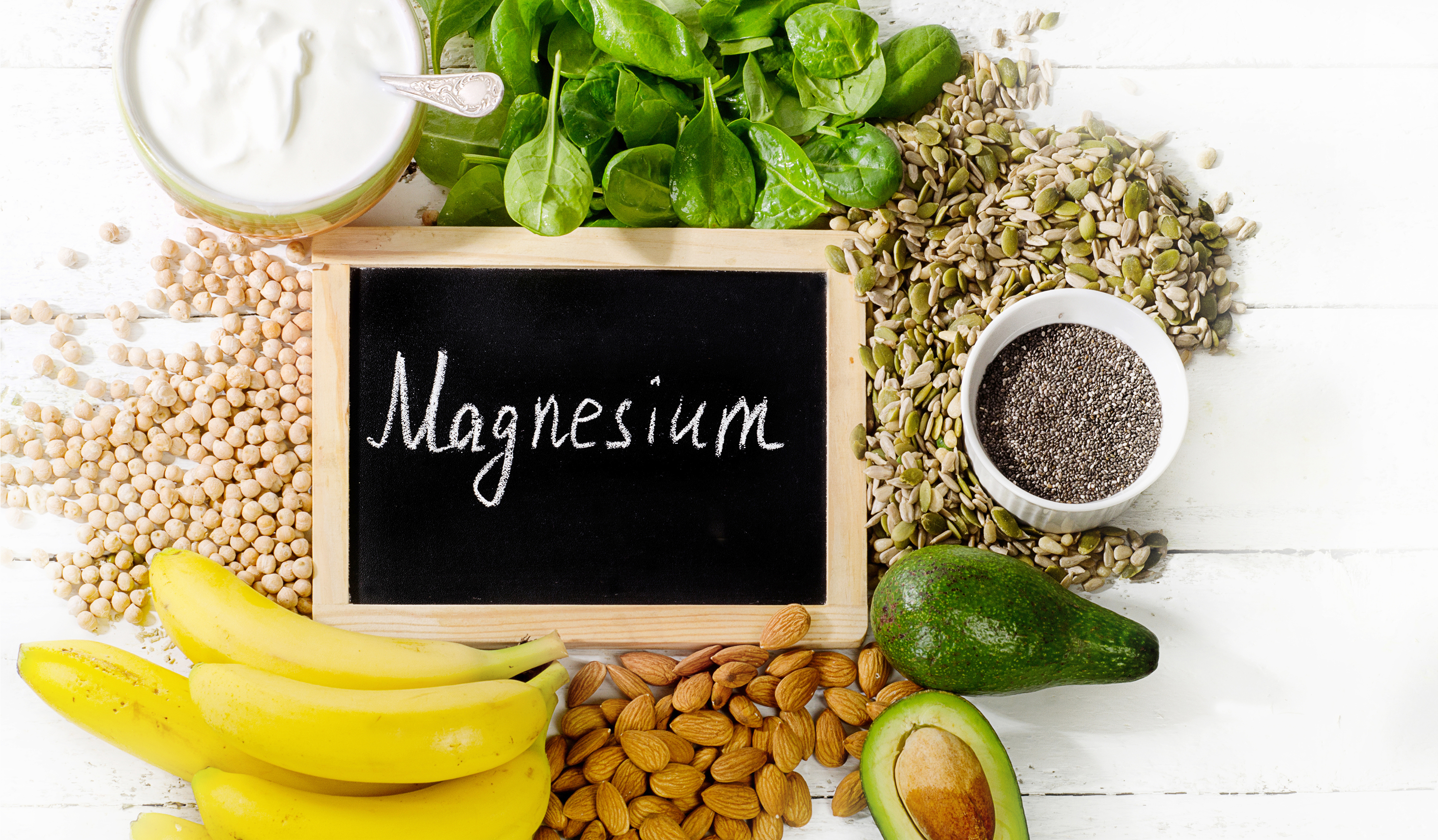
This is a valuable guide and overview of the health benefits of magnesium, its deficiency symptoms, its best food sources and more. According to the National Health and Nutrition Examination Survey, 50% of adults are deficient in magnesium and 75% of older adults are deficient
This health news is shared with you by Nutrition Breakthroughs, maker of the effective natural sleep aid Sleep Minerals II, and the natural solution for joint relief, allergies, pain relief and increased energy, Joints and More.

Ahhh Chooooo! Over twenty percent of Americans suffer from chronic allergies or hay fever. Many are seeking to reap the benefits from natural remedies for the sneezing, runny nose, teary eyes and scratchy throat.
Allergies are the result of the immune system’s overreaction to a normally harmless substance, such as pollen, animal hair or indoor dust mites.
Specifically, an allergy occurs when the immune system develops a sensitivity and attacks … (continue reading)
———————————
This news is shared by Nutrition Breakthroughs. They provide science-based health articles that are designed to clarify and simplify the subjects of good nutrition and natural health. They make the original calcium and magnesium based sleep aid Sleep Minerals II, and also Joints and More, a natural supplement for joint relief, less aches and pains, and more energy.

This article at Nutrition Breakthroughs reveals several proven natural remedies for insomnia in menopause, as well as those that work for hot flashes and night sweats.
The North American Menopause Society reports that an estimated 6,000 U.S. women reach menopause each day, which translates to over 2 million women every year.
Starting with Vitamin E and continuing on with five other researched and proven remedies, you’ll have learned some very useful information when you’re done!
———————————————-
This health news is shared by Nutrition Breakthroughs, maker of the original calcium and magnesium based sleep aid Sleep Minerals II, and Joints and More, a natural supplement for joint relief, less aches and pains, and more energy.
 News on Natural Remedies, Good Sleep and Good Health