News on Natural Remedies, Good Sleep and Good Health

Posts Tagged ‘menopause symptoms

young women calf pain on white backgroundBy Dr. Joseph Mercola, a physician trained in both traditional and natural medicine who provides up-to-date natural health information.
***************************************
This article is shared by Nutrition Breakthroughs, maker of the effective calcium, magnesium and vitamin D based sleep aid Sleep Minerals II.
*********************************************
A charley horse, or muscle cramp particularly in your calf muscles, is an incredibly common condition that results in your muscles becoming tight, stiff and extremely painful. If you’re an adult, there’s a good chance you’ve had one at some point (and likely multiple points) during your lifetime.

In case you’re a trivia buff and wondering why these muscle cramps are referred to as “charley horses” (a name that’s primarily used in North America), it’s said to be a tribute to Charley “Old Hoss” Radbourne, an 1880s-era baseball pitcher who often suffered from muscle cramps during games.

Another version states the term came from a lame work horse named Charley who limped around doing various jobs around the baseball park (also in the 1880s).

Whenever a baseball player would get injured or have a cramp in the lower legs, thus limping around like Charley the horse, teammates would call the player “Charley Horse.” Regardless of the name’s origin, the pain of a charley horse is unmistakable and can be excruciating.

What Causes a Charley Horse?

According to the Cochrane Database of Systematic Reviews, about 1 in every 3 adults is affected by muscle cramps in their lower limbs. In many cases, the pain is temporary and goes away on its own, but for some the cramps interfere with sleep, quality of life and daily activities.

In one study of more than 500 people aged 60 years and older, 31 percent reported being woken up by muscle cramps and 15 percent had cramps more than three times a month. Anyone can get a charley horse, but they’re most common in the following populations and scenarios:

  • During exercise
  • At nighttime, especially in the elderly
  • In pregnant women
  • In people with neurological disease
  • During kidney dialysis

It’s not clear what triggers a charley horse to occur, but it is thought the cramp may be related to a rapidly firing nerve (up to 150 electrical dischargers per second), which causes the muscle to tense up, as opposed to an issue with the muscle tissue itself.

Many medications are also associated with muscle cramps, including statin cholesterol-lowering drugs, ACE inhibitors (blood pressure drugs), certain asthma drugs, diuretics and more. In addition, the following factors may also increase your risk of a charley horse:

  • Poor blood circulation in your legs
  • Muscle fatigue
  • Dehydration
  • Mineral deficiencies, including magnesium, potassium or calcium

magnesium and menopauseIs Magnesium Deficiency Causing Your Charley Horses?

By some estimates, up to 80 percent of Americans are not getting enough magnesium and may be deficient. Other research shows only about 25 percent of U.S. adults are getting the recommended daily amount of 310 to 320 milligrams (mg) for women and 400 to 420 for men.

Magnesium is often thought of primarily as a mineral for your heart and bones, but this is misleading. Researchers have now detected 3,751 magnesium-binding sites on human proteins, indicating that its role in human health and disease may have been vastly underestimated.

Further, if you suffer from charley horses, low levels of magnesium could be to blame. Magnesium is necessary for activating muscles and nerves, and a key sign of ongoing magnesium deficiency can be muscle contractions and cramps like charley horses.

Magnesium deficiency may be particularly problematic for your muscles in the presence of an overabundance of calcium. Americans in general tend to have a higher calcium-to-magnesium ratio in their diet, averaging about 3.5-to-1.

If you have too much calcium and not enough magnesium, your muscles will tend to go into spasm. According to Dr. Carolyn Dean, a medical and naturopathic doctor:

“What happens is the muscle and nerve function that magnesium is responsible for is diminished. If you don’t have enough magnesium, your muscles go into spasm.

Calcium causes muscle to contract. If you had a balance, the muscles would do their thing. They’d relax, contract and create their activity.”

This underscores the importance of eating a nutritious diet, which will naturally give you optimal amounts of the minerals and other nutrients your body needs.

Eating plenty of organic leafy green vegetables, nuts and seeds every day, and drinking fresh green vegetable juice will help keep your magnesium stores replenished. In addition, Epsom salt is a magnesium sulfate that can absorb into your body through your skin.

Soaking in a bath with Epsom salts is an excellent way to not only help prevent magnesium deficiency but also to soothe and relieve the pain of a charley horse.

potassiumLow Potassium Levels May Also Trigger a Charley Horse

Potassium is a mineral and electrolyte. (An electrolyte is a substance that produces an electrical conducting solution when dissolved in water. Electrolytes carry a charge and are essential for life. In our bodies, electrolytes include sodium, potassium, calcium and magnesium).

Potassium is essential for your cells, tissues and organs to function properly. It plays a vital role in heart health, digestive and muscular function, bone health and more. One of the symptoms of low potassium levels is muscle cramps.

While potassium is found in many foods commonly consumed in the U.S. — including fruits, vegetables, dairy products, salmon, sardines and nuts — only 2 percent of U.S. adults get the recommended daily amount of 4,700 mg.

This is especially problematic because potassium is a nutrient that needs to be kept in proper balance with sodium in your blood. If you consume too much sodium, which is common if you eat a lot of processed foods, you’ll have an increased need for potassium.

Others who are at particular risk of low potassium, or hypokalemia, are those with chronic malabsorption syndromes, such as Crohn’s disease, or those taking heart medicine (particularly loop diuretics). However, anyone who eats a poor diet — an excess of processed foods and not enough fresh, whole foods — is potentially at risk of inadequate potassium levels and related muscle cramps.

Green vegetable juicing is an excellent way to ensure you’re getting enough nutrients for optimal health, including about 300 mg to 400 mg of potassium per cup. Some additional rich sources of potassium are:

  • Lima beans (955 mg/cup)
  • Winter squash (896 mg/cup)
  • Cooked spinach (839 mg/cup)
  • Avocado (500 mg per medium)

Foods rich in calciumToo Little Calcium May Trigger Muscle Cramps

While too much calcium in the absence of magnesium can be problematic for muscle cramps, so too can a calcium deficiency. Low blood levels of calcium (as well as magnesium) may increase the excitability of nerve endings and the muscles they stimulate.

This may be a trigger for muscle cramps, especially in the elderly and during pregnancy. If you’re deficient in vitamin D, meanwhile, your body may have inadequate calcium absorption, again predisposing you to muscle cramps.

It’s very important to maintain a proper balance of calcium, magnesium, vitamin D and also vitamin K2, as these four nutrients perform an intricate dance together, with one supporting the other. If you’re calcium deficient, your best bet is to increase consumption of foods high in calcium before opting for a supplement. This is because many high-calcium foods also contain naturally high amounts of vitamin K2; nature cleverly gives us these two nutrients in combination, so they work optimally.

Good sources of calcium include nuts, seeds and raw, organic, grass-fed dairy especially cheeses, and vegetables, although veggies aren’t high in vitamin K2. One exception is fermented vegetables where a starter culture specifically designed to produce ample amounts of vitamin K2 was used.

Homemade bone broth is another excellent source. Simply simmer leftover bones over low heat for an entire day to extract the calcium from the bones. You can use this broth for soups and stews or drink it straight.

What to Do If You Get a Charley Horse

A charley horse often occurs without notice, sometimes waking you up from sound sleep. If you’re lying down when the pain starts, stand up and put some weight on your foot. Walking around will help to increase blood circulation to your muscles and possibly help to soothe and relax the cramp.

charley horse stretch leg crampYou can also try a simple stretch. If the cramp is in your calf in the back of your lower leg, pull your toes and foot upward until you feel a stretch in the back of your leg. You can also do this sitting down with your legs outstretched. Put a towel around your feet and gently pull both ends toward you until you feel a stretch.

As mentioned, soaking in an Epsom salt bath may also help to relieve pain (and possibly help with prevention). Massaging the area and applying a heat pack, which will increase blood flow to the area, promoting healing and soothing pain, may also help.

Staying well-hydrated is also important for muscle cramp prevention. You’ll want to drink enough pure filtered water so that your urine is pale yellow in color. In addition, performing regular stretching exercises on your legs may help reduce your risk of a charley horse.

This article is shared by Nutrition Breakthroughs, maker of the effective calcium, magnesium and vitamin D based sleep aid Sleep Minerals II.


Visit www.Mercola.com for quality natural health information.

Tags: , , , , , , , , , , , , , , , , , , , , , , , , , , , , , , , , , , , , , , , , , , , , , , , , , , , , , , , , , , , , , , , , , , , , , , , , , , , , , , , , , , , , , , , ,

college students improve sleepSleep is such valuable and vital part of life and health.  Almost six out of ten Americans report having sleeplessness and insomnia at least a few nights a week, according to the National Sleep Foundation.

More and more research is being done that connects the benefits of good sleep to greater well-being, lower disease rates, more happiness, sharper mental capabilities and less fatigue.

A newly completed joint study from the Division of Sleep Disorders at Brigham and Women’s Hospital and the Massachusetts Institute of Technology in Boston has found that 204 college students have been benefited greatly by getting regular, good sleep.  These students, who were between the ages of 18 and 25, participated in a 30-day study that measured their sleeping times and duration.

When the students made the transition from irregular sleep patterns to regular sleep during the week, there were measurable, significant improvements in their levels of evening and morning happiness, a higher level of healthiness and better calmness and composure during the week.  There was even increased well-being on the day following the week of improved sleep.

The lead author, Akane Sano, PhD, who is a research scientist at the Massachusetts Institute of Technology in Cambridge, said that:  “Irregular sleep-wake schedules are common in our modern society.  Our results indicate the importance of sleep regularity, in addition to sleep duration, and that regular sleep is associated with improved well-being.”

In another interesting study that was published by the American Academy of Sleep Medicine, professional baseball players increased their hours of sleep over a five night period and then demonstrated significant improvements in mental processing speed.  In addition, their tension, fatigue and sleepiness during the day, all decreased by over one-third.

Cheri D. Mah, lead researcher at the University of California San Francisco Human Performance Center said: “Our study indicates that short-term sleep extension of one additional hour for five days resulted in demonstrated benefits for the visual search abilities of athletes, as well as improvement in their quick response.  Fatigue over a season can negatively impact performance and sleep extension during periods of high training volumes may be a practical recovery strategy.”

For a nutritional approach to insomnia, the minerals calcium and magnesium have been shown to be effective sleep remedies that can increase the quality of life.  In a study from the University of Medical Sciences in Iran, research was done with 46 adults who were experiencing insomnia.  Taking magnesium oxide tablets resulted in significant increases in sleep time and reduced the cortisol levels in their bodies, which is a stress hormone that can keep people awake.

In another research study from the Human Nutrition Research Center of the U.S. Dept. of Agriculture, scientists found that a high magnesium diet is associated with deeper, less interrupted sleep. Foods high in magnesium include green leafy vegetables, black beans, pumpkin seeds, almonds, avocados, figs, bananas, brown rice, and nuts and seeds.

One supplement with highly absorbable forms of magnesium and calcium is Sleep Minerals II from Nutrition Breakthroughs. These are the most well researched minerals for insomnia and waking during the night, as well as for heart health, aches and pains, bone strength and menopause insomnia.  Sleep Minerals II includes vitamin D and zinc and is delivered in a softgel form with healthy carrier oils, making it more quickly absorbable than tablets or capsules.  This provides a deeper, longer-lasting sleep.

L.R.C. of Massachusetts says: “I had become dependent on sleeping drugs and couldn’t sleep without them. Now I take the Sleep Minerals before bed and I can sleep through the night without drugs. I’m also able to easily fall back to sleep if I do have to get up. Another benefit is it helps alleviate my chronic fatigue and aches and pains.”

The benefits of achieving better sleep are appearing in countless research studies and the energy invested in obtaining it is well worth the effort. For more information, visit the Sleep Minerals II page.


Article source: http://www.nutritionbreakthroughs.com/blog/2017/07/29/studies-show-better-sleep-benefits-college-students-and-pro-baseball-players/

Greetings to you,

I’ve included a great chart for you below that has some proven tips on getting a good night’s sleep each night.  There are only two tips it’s missing: Taking a walk each day, and using some absorbable calcium and magnesium before bed.

Studies at the University of Arizona found that walking more than six blocks a day at a normal pace significantly improved sleep at night.

Regarding minerals, a study called “The Nutritional Relationships of Magnesium” discusses the differences between calcium and magnesium and their effects on sleep.  The type of insomnia associated with a calcium deficiency causes difficulty with falling asleep.

The classical sign of magnesium deficiency is insomnia characterized by falling asleep easily, but awakening frequently throughout the night, with individuals finding themselves tired even after several hours of sleep.

This health news and the chart below is brought to you by Nutrition Breakthroughs, maker of the original calcium and magnesium based sleep aid Sleep Minerals II

To your good health,

Jobee Knight
Nutrition Breakthroughs

Provided  to you courtesy of Sleep Minerals II

Article source: http://www.nutritionbreakthroughs.com/blog/2014/09/12/how-to-fall-asleep-faster-and-sleep-better-some-dos-and-donts/


Tags: , , , , , , , , , , , , , , , , , , , , , , , , , , , , , , , , , , , , , , , , , , , , , , , , , , , , , , , , , , , , , , , , , , , , , , , , , , , , ,

magnesium and menopauseThe North American Menopause Society writes that menopause is a normal, natural event, defined as the occurrence of the final menstrual period.  It takes place on average, around the age of 51.  Regarding the vital role of magnesium, the University of Maryland Medical Center says that magnesium levels in the body tend to decrease during menopause due to the lowered levels of estrogen.

Restoring magnesium to a healthy level can not only help to reduce menopause symptoms such as insomnia, hot flashes, depression, osteoporosis and anxiety, but it can also help to increase the health of a woman’s organs and her overall health.  Magnesium is one of the most vital minerals and is involved in over 300 functions in the body.

Mark Hyman M.D. says: Think of magnesium as the relaxation mineral. Anything that is tight, irritable, crampy, and stiff — whether it is a body part or an even a mood — is a sign of magnesium deficiency. It is an antidote to stress…and it can help improve your sleep.”

In a study from the University of Medical Sciences in Iran, research was done with 46 adults who were experiencing insomnia.  Taking two magnesium oxide tablets twice a day resulted in significant increases in sleep time and reduced cortisol levels in the body, which is a stress hormone made by the adrenal glands that can keep one awake.

In another research study from the Human Nutrition Research Center of the U.S. Dept. of Agriculture, scientists found that a high magnesium diet is associated with deeper, less interrupted sleep.  The best magnesium-rich foods to eat include dark leafy greens (spinach, chard), nuts and seeds (particularly pumpkin seeds), fish, avocado and fruit.  Bananas and figs are good sources.

Hot flashes and night sweats are the most common complaints in the pre-menopause and menopause time.  Mineral supplements such as magnesium and calcium have been shown to remedy these and provide relief.  One example is a study from the Virginia Commonwealth University Health System.  Women with at least 14 hot flashes a week received 400 milligrams of magnesium oxide for 4 weeks, increasing to 800 mg. per day if needed.

At the end of the study, the magnesium supplements had reduced their frequency of hot flashes from 52 to 28 per week, a 41.4% reduction.  Fatigue, sweating, and distress were also significantly reduced.

The women participating in the study were breast cancer survivors, thus they were unable to take the usual hot flash medications that have estrogenic activity such as hormone replacement or soy supplements.  Many women, breast cancer survivors or not, prefer to take a non estrogen-active natural remedy for hot flashes and night sweats, and the researchers concluded that magnesium appears to safely reduce hot flashes, with few side effects and at minimal cost.

Women after menopause may find themselves with thinner bones, osteoporosis and a larger waistline.  One recent study from Spain involved a study of 78 post menopausal women aged 44 to 76.  The researchers sought to discover a relationship between magnesium deficiency and a risk for obesity and osteoporosis after menopause.  Blood tests were taken to determine their magnesium levels.  The scientists found that magnesium consumption (from magnesium-rich sources) was insufficient in 36% of the women and that 72% had deficient levels of magnesium in their blood.

The study results found positive correlations between magnesium intake and a smaller waist.  Higher magnesium levels in the blood were also correlated with lower cholesterol levels. With 38% of the subjects in the study being overweight, the researchers noted the importance of postmenopausal women maintaining a good intake of magnesium in order to prevent deficiencies and degenerative physical conditions.

One supplement shown to be effective for insomnia and hot flashes is Sleep Minerals II from Nutrition Breakthroughs.  This formula contains highly absorbable magnesium and calcium, the best minerals for sleeplessness and insomnia, as well as for menopause insomnia, heart health, restless legs syndrome and bone strength.  It also includes vitamin D and zinc and is delivered in a softgel form with healthy carrier oils, making it more quickly absorbable than tablets or capsules and providing a deeper, longer-lasting sleep.

Anita L. of New Caney, Texas says: “I was having hot flashes every 30 minutes to an hour through the night and was so miserable.  After about two weeks of taking the Sleep Minerals, I noticed an incredible difference with my sleep.  I have much less interruption from flashes, I’m sleeping much better and I’m a lot more comfortable.”

Sadie D. from The Netherlands says: “I am ever so grateful that I discovered Sleep Minerals II after suffering with premenopause and now the real menopausal insomnia.  I felt like I was slowly losing my mind due to the continual lack of sleep.  I can’t express the relief of getting a good night’s sleep and being able to function properly.”

A healthy plan is to make good use of magnesium-rich foods and supplements for effective, natural relief of menopause symptoms.

This natural health news is provided by Nutrition Breakthroughs, a publisher of nutrition articles and supplier of effective natural remedies since 2001. Nutrition breakthroughs makes Sleep Minerals II, the effective natural sleep aid with calcium, magnesium, zinc and vitamin D, and also Joints and More, the natural solution for joint relief, aches and pains, stronger hair and nails and more energy.


Article source: http://www.nutritionbreakthroughs.com/blog/2016/08/28/magnesium-and-menopause-proven-for-insomnia-and-hot-flashes/

Sleep Minerals IIRestless leg syndrome (RLS) is a form of insomnia that causes an overwhelming urge to move the legs when they are at rest, especially during sleep. Those who have restless leg syndrome experience unpleasant sensations in the legs described as creeping, crawling, tingling, pulling or painful. Recent research studies have found that people with restless leg syndrome have a magnesium deficiency.

In one study from the Romanian Journal of Neurology, researchers conducted tests in people with restless leg syndrome. They found agitated sleep and frequent periods of night time awakenings, with significantly less of the deeper “rapid eye movement” (REM) sleep – also found in other forms of insomnia caused by magnesium deficiency.

Mineral-based sleep aids are becoming more popular with RLS sufferers. One example is Sleep Minerals II, a drug-free, calcium and magnesium based sleep aid that is one of the more effective restless leg syndrome remedies. The minerals are formulated in a softgel with natural oils, making them more highly absorbable than tablets or capsules. This formula helps everyone from older adults, to teenagers, to women with menopause symptoms, as well as those with restless leg syndrome – to get a good night’s sleep.

Kimberly B. of Troy Michigan gives her review and says: “I have been taking Sleep Minerals II for about a month now. I have tried everything out there and this supplement is amazing. I have suffered with insomnia for two and a half years and have had restless leg syndrome my entire life. This is the first relief I’ve ever had…it’s gone for a month now.”

J.M. of Florida says: “My restless legs were so bad that after 5:00 p.m. I could hardly sit down for two minutes without my legs moving. After taking the Sleep Minerals II for a while, my restless leg syndrome is greatly diminished and I’ve noticed I’m getting more and more sleep.”

Valerie. H. in Santa Clarita, CA. says: “I had such bad menopause insomnia that I couldn’t fall asleep.  It took me hours to get to sleep even though I was very tired.  I also had creepy crawly feelings in my legs at night.  I got the Sleep Minerals II and started taking it.  I fall asleep now within 20 minutes and no more restless legs.”

Jill C. of Ellensburg, Washington says: “My husband has been struggling with restless leg syndrome his whole life. He couldn’t sleep more than three to five hours unless he took an addictive prescribed narcotic, which he became tolerant to and the insomnia came back with no answers. Now he’s been taking Sleep Minerals II for a week and every night he’s had a great night’s sleep.”

This health news is shared with you by Nutrition Breakthroughs, provider of natural health articles and effective natural remedies since 2001. Nutrition Breakthroughs makes the original calcium and magnesium based natural sleep aid Sleep Minerals II, as well as Joints and More, the natural solution for joint relief, aches and pains, stronger hair and nails, and more energy.

Cranberries for Bladder InfectionsAnyone who has experienced a bladder infection can attest to the unpleasant symptoms of lower abdomen pain, a burning feeling during urination, an urgency to urinate frequently, and possibly cloudy urine.

Bladder infections can interfere with sleep and create insomnia by causing frequent trips to the bathroom during the night. Both women and men can develop bladder infections.

A couple of good tips would be to drink at least eight 8-ounce glasses of fluid a day, especially chlorine-free (non-tap) water, and to decrease the amount of refined white sugar in the diet. The last fluids should be consumed about an hour before bedtime in order to let the bladder empty before bed.

Regarding white sugar, the American Journal of Clinical Nutrition reported that when healthy volunteers consumed a large amount of refined sugar, their immune system’s white blood cells had an impaired ability to destroy bacteria for at least five hours.

Antibiotics are the standard medical treatment for bladder infections, and while they are sometimes necessary, those who do not want to regularly use antibiotics have the option of benefiting from a well-documented nutritional remedy.

Cranberry concentrate in capsule form, together with cranberry juice, can be extremely helpful.  Cranberry makes the urine more acidic and creates an environment which is hard for bacteria to live in.  It has the unique ability to interfere with bacteria establishing a foothold on the bladder wall and when taken regularly, especially in capsule form, it can help to break the cycle of repeated bladder infections.

One research study with women who had a history of recurring bladder infections, found that daily treatment with cranberry concentrate capsules (400 mg twice per day) for three months, significantly reduced the recurrence of urinary tract infections.  Drinking cranberry juice is also helpful, but remember to drink a natural cranberry juice that is unsweetened or sweetened from natural fruit sources, rather a cranberry juice cocktail sweetened with white sugar.

This health news is provided by Nutrition Breakthroughs. Since 2001 Nutrition Breakthroughs has been providing natural health articles and effective natural remedies.  Their mission is to provide nutritional supplements that work and get results, and therefore help people to avoid drugs and their side effects.

Since 2009, their natural sleep aid Sleep Minerals II has been keeping that promise, by soothing even the worst insomnia and helping everyone from teenagers to seniors, to women with menopause symptoms, to get a good night’s sleep.  For more information on Sleep Minerals II, see this web page.

Article source: http://www.nutritionbreakthroughs.com/html/say_good-bye_to_bladder_infect.html

evening primrose oil hot flashesEvening primrose oil comes from the seeds of a yellow wildflower that grows throughout the United States.  It contains a special kind of fatty acid that the body converts to a beneficial hormone-like substance. Capsules containing evening primrose oil are frequently used as natural remedies by women to help relieve menopause symptoms like hot flashes and night sweats, as well as premenstrual syndrome.

In one study from the Archives of Gynecology and Obstetrics, researchers tested the effect of evening primrose oil on 56 menopausal women aged 45 to 59 with menopausal hot flashes.  The women were given two capsules per day of evening primrose oil (500 mg per capsule) for a continuous 6 weeks.  The results showed there was a 42% improvement in the severity of hot flashes, as well as beneficial improvements in their life activities and quality of life.

Regarding PMS symptoms such as headache, food cravings and joint pain, insomnia, breast pain and fatigue, a research study evaluated the effectiveness of evening primrose oil in sixty-eight women with PMS. They received one to two grams per day (1,000 mg. to 2,000 mg.). The timing of the capsules was arranged so the women received them three days before their usual PMS symptoms began, up until the beginning of menstruation.

The women completed questionnaires which showed that 61% found complete relief of their symptoms and 23% had partial relief, with these results obtained after three months of supplementation. Relief of breast pain was the symptom most benefited. (Reference: Evening primrose oil in the treatment of premenstrual syndrome. Clinical Uses of Essential Fatty Acids. Montreal: Eden Press).

Mineral supplements such as magnesium and calcium have also been found to be natural remedies for hot flashes and night sweats. One recent example is a study from the Virginia Commonwealth University Health System. Women with at least 14 hot flashes a week, received 400 milligrams of magnesium oxide for 4 weeks, increasing to 800 milligrams per day if needed. At the end of the study, the magnesium supplements had reduced their frequency of hot flashes from 52 to 28 per week — a 41% reduction. Fatigue, sweating, and distress were also significantly reduced.

This news is brought to you by Nutrition Breakthroughs, provider of natural health articles and effective natural remedies since 2001. Nutrition Breakthroughs makes the effective calcium and magnesium based natural sleep aid Sleep Minerals II, as well as Joints and More, the natural solution for joint relief, aches and pains, allergies, stronger hair and nails, and more energy.

Article source: http://www.nutritionbreakthroughs.com/blog/2015/04/14/menopause-hot-flashes-improved-by-evening-primrose-oil/

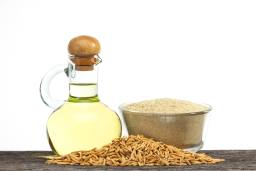
Rice bran oilRice bran oil is a heart-healthy oil that is used in cooking, salad oil and nutritional supplements. It is extracted from the outer bran coats of rice. It is a rich source of vitamins, minerals, amino acids and essential fatty acids that help fight disease and promote good health.

Research studies have found that rice bran oil reduces blood pressure and cholesterol, remedies menopausal symptoms such as hot flashes, strengthens the immune system and protects the retina of the eye. Rice bran oil is rich in two types of natural vitamin E and also high in Oryzanol (a word that sounds like “Original”), which is a powerful antioxidant only found in rice bran oil. Antioxidants protect our tissues from deterioration and help to slow the aging process.

One example of rice bran oil benefiting heart health is a study done by a team of cardiovascular scientists in Japan. The 60-day study was conducted with 300 men and women and found that a combination of rice bran oil and sesame oil reduced blood pressure by 14 points and lowered cholesterol by 26%. The oil consisted of 80% rice bran oil and 20% sesame oil.

Menopause symptoms such as hot flashes, night sweats and insomnia can plague women who are at pre-menopause or menopause. In a study of menopausal women, researchers gave the participants the active component of rice bran oil in supplement form. After four to six weeks, 90% of the women had some form of relief, with 40% claiming “excellent” improvement. The women also experienced significantly reduced cholesterol levels.

Our immune system protects and defends us from disease in all its forms. It is made up of a network of cells, tissues, and organs that work together to protect the body. The main cells involved are white blood cells called “leukocytes” which create antibodies that neutralize toxins and infections. From the journal of Phytotherapy Research (phyto refers to plants) comes a study showing that rice bran oil evokes a significant increase in antibodies that greatly enhance immune activity.

Rice bran oil can help calcium to be absorbed better into the body. In a review article from “Progress in Lipid Research” (a lipid is a natural fat or oil), the authors write that healthy oils increase mineral utilization by enhancing the effects of vitamin D – a vitamin that works alongside calcium and magnesium. As a result, oils such as rice bran oil can help calcium to be deposited into bone and improve bone strength.

This health news is provided by Nutrition Breakthroughs, maker of the effective natural sleep aid Sleep Minerals II. This sleep remedy features calcium, magnesium and vitamin D, all mixed with rice bran oil in a highly absorbable softgel.

Kimberly B. of Troy, Michigan gives her review and says: “I have been taking Sleep Minerals II for about a month now. I have tried everything out there and this supplement is amazing. I have suffered with insomnia for 2 1/2 years. I have also had restless leg syndrome my entire life and this is the first relief I’ve ever had…gone for a month now.”

For more information on Sleep Minerals II visit this info page.

Article source: http://www.nutritionbreakthroughs.com/blog/2015/02/23/studies-find-rice-bran-oil-benefits-menopause-cholesterol-immunity-more/

Tags: , , , , , , , , , , , , , , , , , , , , , , , , , , , , , , , , , , , , , , , , , , , , , , , , , , , , , , , , , , , , , , , , , , , , , , , , , , , , , , , , , , , , , , , ,

According to the National Sleep Foundation (NSF), almost six out of ten Americans report having insomnia and sleep problems at least a few nights a week. Insomnia is defined as “An inability to fall asleep or remain asleep long enough to feel rested, especially when the problem continues over time.” In an effort to combat this, as many as 25 percent of the people in the United States use medications to help them sleep.

Most sleeping pills can have multiple side effects, staying in the bloodstream and giving a hangover effect the next day and beyond. They tend to be addictive, can increase the risk of car and work accidents and may impair one’s memory and performance on the job and at home.

Sleep Minerals II is the original drug-free calcium and magnesium based sleep aid. The minerals are uniquely formulated in a softgel with natural oils, making them highly absorbable. The product soothes insomnia and helps everyone from older adults, to teenagers, to women with menopause symptoms, to get a good night’s sleep. It also calms restless leg syndrome.

James F. Balch, M.D., author of “Prescription for Nutritional Healing,” writes: “A lack of the nutrients calcium and magnesium will cause you to wake up after a few hours and not be able to return to sleep.”

Alex R. of Ramseur, North Carolina shares his review and says: “Sleep Minerals II has been a blessing for me. It has given me the opportunity to withdraw from a highly addictive sleep medication over time, and has allowed me to sleep while going through this most difficult ordeal. What’s great about it is it doesn’t lose its effectiveness, which is something that happens with medications. I am most thankful for this product.”

Chris M. of the United Kingdom says: “I take one softgel of Sleep Minerals II before bed every night and within 20 minutes I am asleep. The difference in the quality of my sleep and the ease with which I get to sleep using this product is monumental. I have stopped obsessing about sleep or dreading bedtime — I just take a softgel and drift off. If I stop taking them, within a week my sleep starts to lighten in quality, the amount of my sleep diminishes, and my old insomniac patterns reappear.”

Richard P. of Parkville, Maryland says: “The Sleep Minerals are making quite a difference. I was regularly waking at around 3:00 a.m. and after a few days use my sleep improved quite a lot. I wake once a night to go to the bathroom, but the great thing is; I then fall back asleep and sleep several more hours. This has been a great improvement.”

Sadie D. from The Netherlands says: “I am ever so grateful that I discovered Sleep Minerals II after suffering with premenopause and now the real menopausal insomnia. I felt like I was slowly losing my mind due to the continual lack of sleep. I can’t express the relief of getting a good night’s sleep and being able to function properly.”

For more information on Sleep Minerals II, visit this information page.

Jill C. of Ellensburg, Washington says: “My husband has been struggling with restless leg syndrome (RLS) his whole life. Coming back from a deployment in Iraq five years ago made his RLS become magnificently worse, creating nightly insomnia. He couldn’t sleep more than three to five hours unless taking an addictive prescribed narcotic, which he became tolerant to and the insomnia came back with no answers. Now he’s been taking Sleep Minerals II for a week and every night has had a great night’s sleep. We are thrilled.”

Tammy M. of Meridian, Idaho says: “I was plagued with insomnia for five years and desperate for a breakthrough. Nothing has helped me more than the Sleep Minerals — I’m so sold on them I could go door to door promoting them. I’m 60 years old and have never slept so soundly. Thank you for making sleep a reality for so many people.”

This news is provided by http://www.NutritionBreakthroughs. Since 2001 Nutrition Breakthroughs has provided natural health articles and effective natural remedies. Their mission is to provide nutritional supplements that get results and help people to avoid drugs and their side effects.

For more information on Sleep Minerals II, visit this information page.

Tags: , , , , , , , , , , , , , , , , , , , , , , , , , , , , , , , , , , , , , , , , , , , , , , , , , , , , , , , , , , , , , , , , , , , , , , , , , , , , , , , , , , , , , ,

magnesium sleepMagnesium is an essential mineral for staying healthy and is required for more than 300 biochemical reactions in the body. Multiple health benefits of magnesium include transmission of nerve impulses, body temperature regulation, detoxification, energy production, and the formation of healthy bones and teeth.

Health specialists have always emphasized the importance of including adequate amounts of vitamins and minerals in our daily diet. Zinc, calcium, and magnesium are three of the most important minerals essential for good health. Magnesium aids in the absorption of calcium by the body, while zinc actively supports the body’s immune system.

Women of all ages benefit immensely from the intake of magnesium. Besides keeping osteoporosis at bay, magnesium health benefits in women include relief from symptoms of menopause and premenstrual syndrome (PMS). It also minimizes the risk of premature labor.

The other crucial health benefits of magnesium include protein synthesis, relief from bronchospasm (constricted airways) in the lungs, and improvement of parathyroid function. It boosts the bio-availability of vitamin B6 and cholesterol, improves muscle functioning, and prevents osteoporosis, insomnia, constipation, heart attacks, hypertension, constipation, migraines, kidney stones, and gallstones.

Good dietary sources of magnesium include nuts (especially almonds), whole grains, wheat germ, fish, and green leafy vegetables. As with most nutrients, daily needs for magnesium cannot be met from food alone which is why magnesium dietary supplements are recommended as well.

The top five health benefits of magnesium are:

Magnesium may reverse osteoporosis

Multiple research studies conducted have suggested that calcium supplemented with magnesium improves bone mineral density. Magnesium deficiency alters calcium metabolism and the hormones that regulate calcium, resulting in osteoporosis. Intake of recommended levels of magnesium is important because it averts osteoporosis.

Magnesium prevents cardiovascular diseases

One of the most important benefits of magnesium is that it is associated with lowering the risk of coronary heart diseases. Dietary surveys have suggested that sufficient magnesium intake may reduce the chance of having a stroke. Magnesium deficiency increases the risk of abnormal heart rhythms, which increases the risk of complications after a heart attack. Therefore, consuming recommended amounts of magnesium dietary supplements may be beneficial to the cardiovascular system.

Magnesium regulates high blood pressure

Magnesium plays a key role in regulating blood pressure naturally. Magnesium supplements and a diet including plenty of fruits and vegetables, which are good sources of potassium and magnesium, are consistently associated with lowering blood pressure.

Magnesium treats diabetes

Studies show that individuals with a magnesium deficiency have a risk of developing type-2 diabetes and severe diabetic retinopathy. Magnesium aids in carbohydrate metabolism and influences the release and activity of insulin, thereby controlling blood glucose levels. It has been proven that for every 100 milligrams of increase in magnesium daily intake, there was a 15 percent decrease in the risk of developing type-2 diabetes.

Magnesium treats migraines, insomnia and depression

The numerous magnesium health benefits also include the treatment of migraines, insomnia, and symptoms of depression. Magnesium is also known to cure panic attacks, stress, anxiety, and undue agitations. Magnesium supplements considerably reduce the severity of such attacks and may also help in reducing the rate of recurrence.

Because magnesium is so essential to energy production, common symptoms of magnesium depletion include fatigue, along with headaches, insomnia, and muscle pain, cramps, and spasms.

A note from the blog author: Taking a daily magnesium supplement is a great help that supports many areas of our health and using it before bed is a great help for better, deeper sleep.

***********************************************************************
This news is brought to you by Nutrition Breakthroughs, maker of the effective natural sleep aid Sleep Minerals II.  Sleep Minerals II contains highly absorbable forms of magnesium and calcium, along with vitamin D and zinc.

Article by Dr. Carolyn Dean, courtesy of NewsMaxHealth – http://www.newsmaxhealth.com/mktnews/magnesium-health-benefits-of-magnesium-supplements/2014/08/27/id/591254/

Tags: , , , , , , , , , , , , , , , , , , , , , , , , , , , , , , , , , , , , , , , , , , , , , , , , , , , , , , , , , , , , , , , , , , ,

Archives