Posts Tagged ‘magnesium sleep’
The Best Daily Health Practices, According to Research – from Health | Inspiration Blog
Posted on: September 29, 2025
Here’s a very informative and beneficial article. It contains things I would truly like to do, and they aren’t that hard. Just pick one to start with and improve your health. Getting regular, rejuvenating sleep may be one of the most important ones.
This health news is shared with you by Nutrition Breakthroughs, maker of the effective natural sleep aid Sleep Minerals II, and the natural solution for joint relief, allergies, pain relief and increased energy, Joints and More.
Greens in Every Meal: A Simple Strategy for Boosting Your Health – Nutrition Focused Blog
Posted on: September 23, 2025
Here’s some great, healthy advice about easy ways to get more good greens into your life! If you just take one or two of these ideas and put them to use, your health will be boosted.
This health news is shared with you by Nutrition Breakthroughs, maker of the effective natural sleep aid Sleep Minerals II, and the natural solution for joint relief, allergies, pain relief and increased energy, Joints and More.
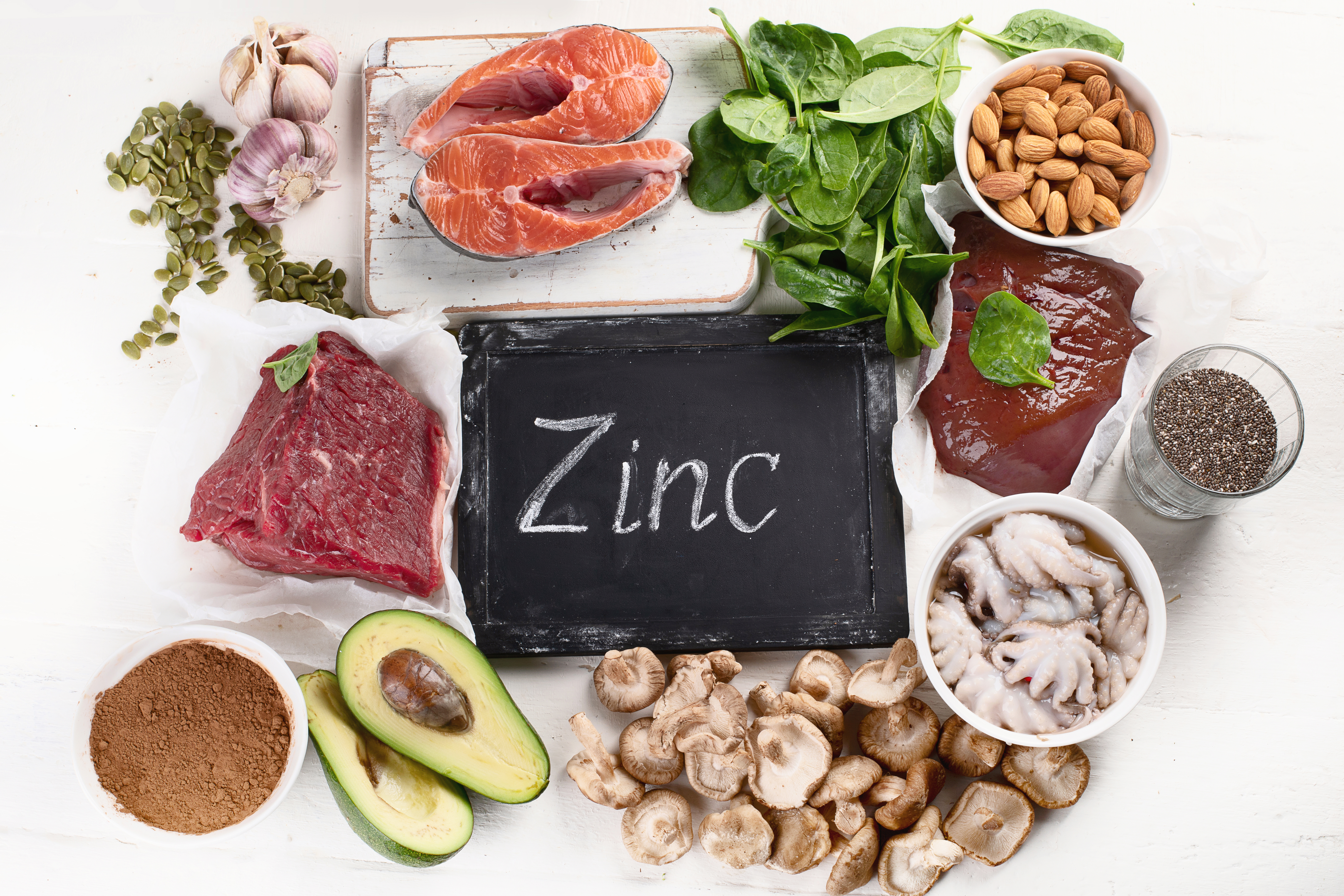
Consuming extra calcium from dairy products or supplements could put older women at risk of low zinc — unless they get extra zinc, too.
That’s the word from two studies at the U.S. Dept of Agriculture, Human Nutrition Research Center in Boston.
Zinc’s many functions include helping to maintain a healthy immune system, skin and appetite.
Calcium supplement sales have soared with the growing awareness that high intakes of this mineral help prevent osteoporosis. Richard J. Wood and associates looked for a zinc-calcium interaction in elderly women because, as a group, they tend to have low zinc intakes.
About half of U.S. women consume less than two-thirds the Recommended Dietary Allowance of 12 mg, according to survey data. And the amount of zinc people absorb from their meals decreases with age.
In one of the new studies, 18 relatively healthy women past menopause increased calcium intake to 1,360 milligrams daily — a little higher than the 1,200 mg now recommended for people over age 50. Their zinc absorption dropped by an average of about 2 milligrams. This happened regardless of whether they got the extra calcium from milk or from a calcium supplement. The study lasted 36 days.
In a second study, zinc absorption dropped by half when a group of 10 men and women took a calcium supplement with a single test meal. But adding nearly 8 milligrams of zinc to the calcium supplement offset this effect.
This data points in the direction that people taking extra calcium should also increase their zinc intake. The richest dietary sources of zinc are oysters, liver and beef, followed by whole grains, nuts, popcorn, poultry and lamb. Zinc supplements are also widely available.
Comments from the blog author Nutrition Breakthroughs: Calcium is directly related to our cycles of sleep. In one study, published in the European Neurology Journal, researchers found that calcium levels in the body are higher during some of the deepest levels of sleep, such as the rapid eye movement (REM) phase.
The study concluded that disturbances in sleep, especially the absence of REM deep sleep or disturbed REM sleep, are related to a calcium deficiency. Supplements containing calcium for sleep should also contain magnesium, vitamin D and zinc to ensure a balance of ingredients.
This news is provided by Nutrition Breakthroughs. Since 2001 Nutrition Breakthroughs has provided natural health articles and effective natural remedies. Their mission is to provide nutritional supplements that get results and help people to avoid drugs and their side effects.
Since 2009, their natural sleep remedy Sleep Minerals II has been keeping that promise — by soothing even the worst insomnia with absorbable calcium, magnesium, vitamin D and zinc, and helping everyone from teenagers, to women with menopause symptoms, to those with restless leg syndrome, to get a good night’s sleep.
Kimberly B. of Troy Michigan says: “I have been taking Sleep Minerals II for about a month now. I have tried everything out there and this supplement is amazing. I have suffered with insomnia for two and a half years and have had restless leg syndrome my entire life. This is the first relief I’ve ever had…it’s gone for a month now.”
For more information on Sleep Minerals II, visit here.

Rice bran oil is a heart-healthy oil that is used in cooking, salad oil and nutritional supplements.
It is extracted from the outer bran coats of rice. It is a rich source of vitamins, minerals, amino acids and essential fatty acids that help fight disease and promote good health.
Research studies have found that this oil reduces blood pressure and cholesterol, remedies menopausal symptoms such as hot flashes, strengthens the immune system and protects the retina of the eye.
Rice bran oil is rich in two types of natural vitamin E and also high in Oryzanol (a word that sounds like “Original”), which is a powerful antioxidant only found in rice bran oil. Antioxidants protect our tissues from deterioration and help to slow the aging process.
One example of rice oil benefiting the heart health is a study done by a team of cardiovascular scientists in Japan. The 60-day study was conducted with 300 men and women and found that a combination of rice bran oil and sesame oil reduced blood pressure by 14 points and lowered cholesterol by 26%. The oil consisted of 80% rice bran oil and 20% sesame oil.
Menopause symptoms such as hot flashes, night sweats and insomnia can plague women who are at pre-menopause or menopause. In a study of menopausal women, researchers gave the participants the active component of rice bran oil in supplement form. After four to six weeks, 90% of the women had some form of relief, with 40% claiming “excellent” improvement. The women also experienced significantly reduced cholesterol levels.
Our immune system protects and defends us from disease in all its forms. It is made up of a network of cells, tissues, and organs that work together to protect the body. The main cells involved are white blood cells called “leukocytes” which create antibodies that neutralize toxins and infections.
From the journal of Phytotherapy Research (phyto refers to plants) comes a study showing that rice bran oil evokes a significant increase in antibodies that greatly enhance immune activity.
Rice bran oil can help calcium to be absorbed better into the body. In a review article from “Progress in Lipid Research” (a lipid is a natural fat or oil), the authors write that healthy oils increase mineral utilization by enhancing the effects of vitamin D – a vitamin that works alongside calcium and magnesium. As a result, oils such as this can help calcium to be deposited into bone and improve bone strength.
This health news is provided by Nutrition Breakthroughs, maker of the effective natural sleep aid Sleep Minerals II. This sleep remedy features calcium, magnesium and vitamin D, all mixed with rice bran oil in a highly absorbable softgel.
Kimberly B. of Troy, Michigan gives her review and says: “I have been taking Sleep Minerals II for about a month now. I have tried everything out there and this supplement is amazing. I have suffered with insomnia for 2 1/2 years. I have also had restless leg syndrome my entire life and this is the first relief I’ve ever had…gone for a month now.”
For more information on Sleep Minerals II visit this page.

Millions of people turn to prescription sleeping pills each night in an effort to get some sleep, but these come with side effects and addiction.
Research published in the British Medical Journal links these drugs to dizziness, memory problems, dependence, and a higher risk of falls and accidents.
With these warnings, more people are looking for safer, more natural alternatives. One effective product that has gained popularity is Sleep Minerals II from Nutrition Breakthroughs, a natural remedy for deeper sleep and better health.
Sleep Minerals II combines four key nutrients: calcium, magnesium, vitamin D, and zinc. Together, these minerals not only encourage deep, refreshing sleep, but also strengthen bones and joints, boost immunity, calm restless legs, relieve muscle cramps, and ease menopause symptoms.
Many people have asked the following Frequently Asked Questions. Here are the answers.
- WHAT MAKES SLEEP MINERALS II SO EFFECTIVE?
It is the original, drug-free, calcium and magnesium formula for better sleep, with thousands helped over the last 19 years. It features a special softgel form with the ingredients mixed with healthy oils. This creates a creamy paste inside that absorbs into the body more deeply than tablets, capsules or gummies.
It also provides great nutritional support for bone health, muscle cramps, stomach health, menopause insomnia, and restless leg syndrome.
- WHAT ARE THE DIRECTIONS FOR USING SLEEP MINERALS II?
For any difficulty with falling asleep or staying asleep, take one softgel with water, 30 to 45 minutes before bed. It’s helpful to take it with a bit of food.
Stay with one softgel for at least a week or two to let the minerals build up in your system. Sometimes a person will need to take two.
Reduce the dose if you become drowsy during the day. You can also take it earlier than at bedtime, such as at dinner time or a couple hours before bed with a healthy snack.
Another option is to take a half softgel before bed and another half if you wake up in the night and can’t get back to sleep.
- HOW LONG DOES IT TAKE TO WORK?
Some people start noticing good effects after the first or second week of use – some sooner, some later. Be sure to continue taking the product as being consistent is key.
- WHAT ELSE CAN I DO TO GET BETTER SLEEP?
Go outside for a walk each day and look around at your surroundings. It’s not so much the exercise factor as the extroversion factor. Look at things that are larger than the things you normally look at or focus on inside. This will help the body to relax.
If it’s too cold, walk around in a large indoor space. Walk until you feel refreshed. Also, do some mild exercises such a stretching. If you work at a computer, take regular breaks and spend part of your time standing.
Focus on eating healthy, whole foods like proteins, vegetables, fruits, nuts, seeds, olive oil, and whole grains. Reduce junk foods or fast foods.
- IS SLEEP MINERALS II SAFE TO BE TAKEN WITH MEDICATION?
This supplement is generally safe, containing natural vitamins and minerals and is not habit forming. If you’re taking any medication, its best to take it at least an hour or two apart from the Sleep Minerals, as each thing may have a different effect.
6. DO YOU OFFER A GUARANTEE?
Yes, your purchase is covered by a 30-day money-back guarantee. Stay in touch with us as sometimes the use of the product needs to be customized to individual needs. Contact us with any questions that come up and you’ll get a quick response.
Email: info@nutritionbreakthroughs.com
- WHAT IF I DON’T DO WELL WITH SWALLOWING PILLS?
There are some options for you. One is that you can pierce the end of the softgel open with a sharp knife and squeeze the creamy paste out and drink it down with water. It can also be spread onto some food or a cracker with nut butter (or a different topping) and then eaten.
- CAN I CONTINUE TO TAKE MY REGULAR CALCIUM AND MAGNESIUM SUPPLEMENT OR MULTIPLE VITAMIN-MINERAL SUPPLEMENT?
It is totally fine to continue to take your regular supplements. These are generally taken during the day, whereas Sleep Minerals II is taken in the evening.
The calcium and magnesium in a hard tablet or a capsule is different than the softgel form of minerals found in Sleep Minerals II, and is generally not absorbed as well. So there isn’t a large chance of getting too many minerals.
Two happy customers share their reviews:
⭐⭐⭐⭐⭐ Suzanne G. of Tucson, Arizona says: “I am now taking two Sleep Mineral II capsules each night. I have had insomnia for most of my life and the longer I take Sleep Minerals, the better I sleep. The best thing is that I can now get back to sleep if I wake up in the night. It has given me such a sense of peace to know that I now can be well rested during the day. I have tried many products on the market and this is the one that is gold. Thank you so much for producing a quality product!”
⭐⭐⭐⭐⭐ Richard P. of Parkville, Maryland says: “The Sleep Minerals II are making quite a difference. I was regularly waking up at around 3:00 a.m. and after a few days use my sleep improved quite a lot. I wake up once a night to go to the bathroom, but the great thing is, I then fall back asleep and sleep several more hours. This has been a great improvement.
For more details, visit the Sleep Minerals II page.
Here is a simple and useful article on things you can do to boost your immunity and good health. Add one or two of these things and watch your health improve! This health news is shared with you by Nutrition Breakthroughs, maker of the effective natural sleep aid Sleep Minerals II, and the natural solution for joint relief, allergies, pain relief and increased energy, Joints and More.
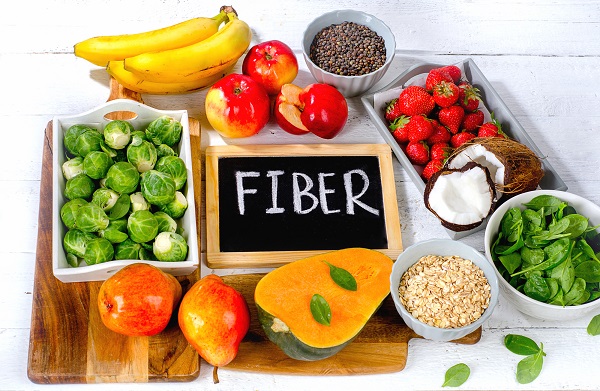
In the ever-evolving landscape of nutrition and wellness, one dietary component that continues to stand the test of time is fiber.
Often applauded as a key player in maintaining a healthy lifestyle, high fiber foods offer a variety of benefits that contribute to our overall health and well-being. This article describes what fiber is, what its proven health benefits are, and the top foods that contain it.
What is Fiber?
Fiber, the indigestible part of plant foods, is a versatile compound that comes in two forms: soluble and insoluble. Soluble fiber dissolves in water, forming a gel-like substance that aids in regulating blood sugar levels and lowering cholesterol. Insoluble fiber adds bulk to the stool, promoting healthy digestion and preventing constipation. Together, these forms contribute to the overall health of our digestive system.
Health Benefits of High Fiber Foods:
- Digestive Harmony: Insoluble fiber, found in vegetables like broccoli and Brussels sprouts, promotes regular bowel movements, preventing constipation and maintaining a healthy digestive system. Studies in the “Journal of Nutrition” emphasize its role in preventing gastrointestinal disorders.
- Heart-Friendly Nutrients: Soluble fiber-rich foods, such as berries and oats, contribute to heart health by lowering cholesterol levels. Research published in the “American Journal of Clinical Nutrition” suggests that a diet high in soluble fiber may significantly reduce the risk of cardiovascular diseases, providing a positive impact on overall longevity.
- Blood Sugar Stability: Fibrous fruits like apples and pears contain soluble fiber that aids in stabilizing blood sugar levels. A study in “Diabetes Care” highlights the positive impact of soluble fiber in reducing the risk of type 2 diabetes and supporting overall blood sugar regulation.
- Weight Management Support: High fiber foods, such as nuts and seeds, contribute to weight management by promoting a feeling of fullness. Research in the “International Journal of Obesity” supports the fact that incorporating nuts and seeds into the diet can assist in weight loss and maintenance.
Studies on How Fiber Extends Life:
Numerous studies have explored the correlation between high fiber intake and an extended life. A comprehensive analysis published in the “British Medical Journal” found that a diet rich in fiber is associated with a longer, healthier life. This is proof of the enduring impact of integrating fiber into our daily meals. A 25% reduction in death from all causes was observed for those consuming the most fiber.
7 of the Best High Fiber Foods with Studies on Their Benefits:
- Broccoli: Rich in insoluble fiber, broccoli promotes intestinal health. Studies in the “International Journal of Molecular Sciences” suggest that compounds in broccoli may have anti-cancer properties, contributing to a longer and healthier life.
- Berries (Blueberries, Raspberries): Packed with soluble fiber and antioxidants, berries support heart health. Research in the “Journal of Agricultural and Food Chemistry” indicates that the compounds in berries may have anti-aging effects.
- Almonds: Almonds, a fiber-rich nut, contribute to weight management. The “Journal of Nutrition” suggests that the inclusion of nuts in the diet is associated with a reduced risk of cardiovascular diseases.
- Avocado: Avocado, which is high in both soluble and insoluble fiber, supports heart health. A study in the “Journal of the American Heart Association” suggests that avocado consumption is linked to improved cardiovascular outcomes.
- Spinach: Spinach is a fiber-packed leafy green. A study in the “European Journal of Nutrition” suggests that the fiber and antioxidants in spinach may contribute to improved gut health.
- Oranges: Oranges, rich in soluble fiber, contribute to blood sugar stability. Studies in “Diabetes Care” emphasize the positive impact of citrus fruits on reducing the risk of type 2 diabetes.
- Sweet Potatoes: Sweet potatoes, a fiber-rich vegetable, supports digestive health. The “Journal of Medicinal Food” highlights the potential anti-inflammatory and anti-cancer effects of the antioxidants in sweet potatoes.
Other High Fiber Foods:
In addition to the foods mentioned above, other high fiber foods include Brussels sprouts, kale, artichokes, lentils, bananas, peas, apples, chia seeds, sunflower seeds and carrots. These foods add diversity to a fiber-rich diet.
Lowest Fiber Foods:
Low fiber foods include highly processed snacks and foods like bread, biscuits, pancakes, cookies, chips, and sugary beverages.
Conclusion:
From supporting digestive health to fostering heart-friendly environments, high fiber foods contribute to a longer, healthier life. As we enjoy the vibrant flavors of fruits, vegetables, nuts, and seeds, lets envision the prospect of a long-lived future filled with health and vitality.
This health news is provided by Nutrition Breakthroughs, maker of the original calcium and magnesium based sleep aid Sleep Minerals II, and Joints and More, a natural supplement for joint relief, less aches and pains, and more energy.
Wendy R. of Honolulu, Hawaii says: “My friends know that I’ve had chronic insomnia for a long time. Surprisingly, I received the Sleep Minerals II and began taking it and found this thing really works. In the past if I ever got a good night’s sleep I’d say ‘I slept like a baby’, but that’s the wrong comparison. Those little guys get up every two hours. I am actually beginning to sleep like an adult — a much-rested adult.”
What is Grounding? Can it Reduce Stress, Lower Inflammation and Improve Sleep?
Posted on: September 19, 2025
Grounding, also called earthing, is a technique that involves doing activities that “ground” or electrically reconnect you to the earth. These activities may include being in direct contact with the soil (earth) like walking barefoot on the grass, or using a grounding mat or device that creates a pathway between the body and the ground. It has some studies behind it for helping with inflammation, sleep and stress. Have a peek at the studies in this article.
This health news is shared with you by Nutrition Breakthroughs, maker of the effective natural sleep aid Sleep Minerals II, and the natural solution for joint relief, allergies, pain relief and increased energy, Joints and More.

Most of us love the feeling of warm sunlight on our skin. It brightens our mood, makes outdoor adventures more fun, and gives everything a golden glow.
But sunlight is more than just pretty -it’s actually one of nature’s best health boosters.
From stronger bones to better sleep, stepping into the sunshine can give your mind and body a surprising number of benefits. Let’s explore why soaking up some rays is so good for you.
- Sunshine and Vitamin D: The Dynamic Duo
One of the biggest reasons sunlight is so important is because it helps your body make vitamin D. This vitamin is sometimes called the “sunshine vitamin” because your skin produces it when exposed to ultraviolet B (UVB) rays from the sun. Vitamin D is essential for strong bones, healthy muscles, and even a powerful immune system.
Research published in the Journal of Investigative Medicine (2011) found that people with healthy vitamin D levels had better resistance to infections. It’s also key for preventing osteoporosis, a condition where bones become weak and brittle. Just 10–20 minutes of sunshine a few times a week can often be enough to keep your vitamin D levels in good shape — though this can vary depending on your skin tone, where you live, and the time of year.
- Sunshine Boosts Your Mood
Ever notice how your spirits lift after a sunny day? That’s not just your imagination. Sunlight helps your brain release serotonin, a chemical that makes you feel calm, focused, and happy. Low levels of serotonin are linked to depression, which some people experience during darker winter months.
A review in The Lancet (2020) found that light therapy — exposing people to bright artificial light — was effective in improving mood and reducing depression symptoms. Natural sunlight works in a similar way, giving your spirits a natural lift.
- Better Sleep Thanks to the Sun
Here’s a fun fact: catching rays during the day can help you sleep better at night. How? Sunlight helps regulate your body’s circadian rhythm, which is your internal clock that tells you when to feel awake and when to feel sleepy.
Morning sunlight in particular signals your brain that it’s time to be alert. Later in the day, your body naturally releases melatonin, the “sleep hormone,” when it’s dark. A study in the Journal of Clinical Sleep Medicine (2014) showed that office workers with more natural light exposure slept longer and better than those without it.
- Sunlight Can Help Your Heart
Moderate sun exposure might even give your heart health a little boost. When sunlight hits your skin, it can help lower blood pressure by triggering the release of nitric oxide, a molecule that relaxes blood vessels. A study in the Journal of Investigative Dermatology (2014) suggested that this process could reduce the risk of heart disease.
- Social and Active Benefits
Finally, let’s not forget the lifestyle perks. Sunny weather encourages people to get outside — whether that’s walking, playing sports, or just hanging out with friends. Being outdoors often means more physical activity, which supports a healthier body and a sharper mind.
So, How Much Sun Do You Need?
Experts recommend a balance — enough to enjoy the benefits, but not so much that you risk sunburn or skin damage. 10–15 minutes of direct midday sun exposure on your face, arms, and legs, several times a week, is enough to get enough Vitamin D.
The ideal time is between 10 a.m. and 3 p.m., as the sun’s healthy rays are strongest then. Darker skin tones require longer exposure. If you like, you can use sunscreen on other parts of your body and take breaks in the shade as needed.
Summary
Sunlight is one of life’s simplest and most powerful health tools. It helps your body create essential vitamins, lifts your mood, improves sleep, and can even support your heart. So, the next time the sun is shining, step outside, take a deep breath, and let nature do some of its best work
Nutrition Breakthroughs
This health news is shared by Nutrition Breakthroughs, maker of the original calcium and magnesium based sleep aid Sleep Minerals II, and Joints and More, a natural supplement for joint relief, less aches and pains, stronger hair and nails, and more energy.
Tammy M. of Meridian, Idaho says: “I was plagued with insomnia for five years and desperate for a breakthrough. Nothing has helped me more than Sleep Minerals — I’m so sold on them I could go door to door promoting them. I’m 60 years old and have never slept so soundly.”

Get strong! Its a great reserve to have. This health news is provided by Nutrition Breakthroughs, maker of the effective natural sleep aid Sleep Minerals II, and the natural solution for joint relief, allergies, pain relief and increased energy, Joints and More.
 News on Natural Remedies, Good Sleep and Good Health