News on Natural Remedies, Good Sleep and Good Health

Posts Tagged ‘magnesium rich foods

This health news is shared with you by Nutrition Breakthroughs, maker of the effective natural sleep aid Sleep Minerals II (with magnesium, calcium, vitamin D and zinc), and the natural solution for joint relief, allergies, pain relief and increased energy, Joints and More.

This is a valuable guide and overview of the health benefits of magnesium, its deficiency symptoms, its best food sources and more. According to the National Health and Nutrition Examination Survey, 50% of adults are deficient in magnesium and 75% of older adults are deficient

This health news is shared with you by Nutrition Breakthroughs, maker of the effective natural sleep aid Sleep Minerals II, and the natural solution for joint relief, allergies, pain relief and increased energy, Joints and More.

Tags: , , , , , , , , , , , , , , , , , , , , , , , , , , , , , , , , , , , , , , , , , , , , , , , , , , , , , , , , , , , , , , , , , , , , , , , , , , , , , , , , , , , , , , , , , , , , , , , , , , , , , , , , , , , , , , , , , , , , , , , ,

magnesiumGreetings,

Here’s a link to an interesting article from HealthLine on some proven natural remedies.

9 Home Remedies Backed by Science

The ninth remedy is magnesium-rich foods.  Magnesium helps everything from muscles and bones, to tiredness and headaches.  It’s also a known natural remedy for sleeplessness and insomnia.

Some of the best magnesium-rich foods include almonds and other nuts, bananas, spinach, avocados, pumpkin seeds, yogurt, salmon and figs.

——————————————————–

This natural health news is shared by Nutrition Breakthroughs, a publisher of nutrition news and a supplier of natural remedies since 2002.  Nutrition Breakthroughs makes Sleep Minerals II, the effective natural sleep aid with calcium, magnesium, zinc and vitamin D.


college students improve sleepSleep is such valuable and vital part of life and health.  Almost six out of ten Americans report having sleeplessness and insomnia at least a few nights a week, according to the National Sleep Foundation.

More and more research is being done that connects the benefits of good sleep to greater well-being, lower disease rates, more happiness, sharper mental capabilities and less fatigue.

A newly completed joint study from the Division of Sleep Disorders at Brigham and Women’s Hospital and the Massachusetts Institute of Technology in Boston has found that 204 college students have been benefited greatly by getting regular, good sleep.  These students, who were between the ages of 18 and 25, participated in a 30-day study that measured their sleeping times and duration.

When the students made the transition from irregular sleep patterns to regular sleep during the week, there were measurable, significant improvements in their levels of evening and morning happiness, a higher level of healthiness and better calmness and composure during the week.  There was even increased well-being on the day following the week of improved sleep.

The lead author, Akane Sano, PhD, who is a research scientist at the Massachusetts Institute of Technology in Cambridge, said that:  “Irregular sleep-wake schedules are common in our modern society.  Our results indicate the importance of sleep regularity, in addition to sleep duration, and that regular sleep is associated with improved well-being.”

In another interesting study that was published by the American Academy of Sleep Medicine, professional baseball players increased their hours of sleep over a five night period and then demonstrated significant improvements in mental processing speed.  In addition, their tension, fatigue and sleepiness during the day, all decreased by over one-third.

Cheri D. Mah, lead researcher at the University of California San Francisco Human Performance Center said: “Our study indicates that short-term sleep extension of one additional hour for five days resulted in demonstrated benefits for the visual search abilities of athletes, as well as improvement in their quick response.  Fatigue over a season can negatively impact performance and sleep extension during periods of high training volumes may be a practical recovery strategy.”

For a nutritional approach to insomnia, the minerals calcium and magnesium have been shown to be effective sleep remedies that can increase the quality of life.  In a study from the University of Medical Sciences in Iran, research was done with 46 adults who were experiencing insomnia.  Taking magnesium oxide tablets resulted in significant increases in sleep time and reduced the cortisol levels in their bodies, which is a stress hormone that can keep people awake.

In another research study from the Human Nutrition Research Center of the U.S. Dept. of Agriculture, scientists found that a high magnesium diet is associated with deeper, less interrupted sleep. Foods high in magnesium include green leafy vegetables, black beans, pumpkin seeds, almonds, avocados, figs, bananas, brown rice, and nuts and seeds.

One supplement with highly absorbable forms of magnesium and calcium is Sleep Minerals II from Nutrition Breakthroughs. These are the most well researched minerals for insomnia and waking during the night, as well as for heart health, aches and pains, bone strength and menopause insomnia.  Sleep Minerals II includes vitamin D and zinc and is delivered in a softgel form with healthy carrier oils, making it more quickly absorbable than tablets or capsules.  This provides a deeper, longer-lasting sleep.

L.R.C. of Massachusetts says: “I had become dependent on sleeping drugs and couldn’t sleep without them. Now I take the Sleep Minerals before bed and I can sleep through the night without drugs. I’m also able to easily fall back to sleep if I do have to get up. Another benefit is it helps alleviate my chronic fatigue and aches and pains.”

The benefits of achieving better sleep are appearing in countless research studies and the energy invested in obtaining it is well worth the effort. For more information, visit the Sleep Minerals II page.


Article source: http://www.nutritionbreakthroughs.com/blog/2017/07/29/studies-show-better-sleep-benefits-college-students-and-pro-baseball-players/

There are roughly 151 calories in one ounce (28 grams) of shell-free pumpkin seeds, mainly from fat and protein.In addition, a 1-oz (28-gram) serving contains (1)

  • Fiber: 1.7 grams.
  • Carbs: 5 grams.
  • Protein: 7 grams.
  • Fat: 13 grams (6 of which are omega-6s).
  • Vitamin K: 18% of the RDI.
  • Phosphorous: 33% of the RDI.
  • Manganese: 42% of the RDI.
  • Magnesium: 37% of the RDI.
  • Iron: 23% of the RDI.
  • Zinc: 14% of the RDI.
  • Copper: 19% of the RDI.

They also contain lots of antioxidants and a decent amount of polyunsaturated fatty acids, potassium, vitamin B2 (riboflavin) and folate.

Pumpkin seeds and seed oil also contain many other nutrients that have been shown to provide health benefits (23).

Bottom Line: Pumpkin seeds are rich in antioxidants, iron, zinc, magnesium and many other nutrients. An ounce (28 grams) contains about 151 calories.

2. High in Antioxidants

Pumpkin seeds contain antioxidants like carotenoids (the yellow, red, and orange colors in vegetables) and vitamin E.

Antioxidants can reduce inflammation and protect your cells from harmful free radicals. Because of this, consuming foods rich in antioxidants can help protect against many different diseases.

It is thought that the high levels of antioxidants in pumpkins seeds are partly responsible for their positive effects on health.

In one study, inflammation was reduced when rats with arthritis were given pumpkin seed oil. Rats given an anti-inflammatory drug experienced negative side effects, whereas rats given pumpkin seed oil had no side effects.

Bottom Line: Pumpkin seeds are full of antioxidants that may help protect against disease and reduce inflammation.

3. Linked to a Reduced Risk of Certain Cancers

Hand Holding Pumpkin Seeds

Diets rich in pumpkin seeds have been associated with lower levels of stomach, breast, lung, prostate and colon cancers (5).

A large observational study found that eating them was associated with a reduced risk of breast cancer in postmenopausal women (9).

Others studies suggest that the lignans in pumpkin seeds may play a key role in the prevention and treatment of breast cancer (10). Lignans are special plant chemicals that can help to balance hormones.

Further test-tube studies found that a supplement containing pumpkin seeds had the potential to slow down the growth of prostate cancer cells.

Bottom Line: Some evidence suggests that pumpkin seeds may help to prevent certain cancers.

4. Improve Prostate and Bladder Health

Pumpkin seeds may help relieve symptoms of benign prostatic hyperplasia (BPH), a condition where the prostate gland enlarges and can cause problems with urination.

Several studies in humans found that eating these seeds reduced symptoms that are associated with BPH (13).

A study of over 1,400 men looked at the effects of consuming pumpkin seeds on BPH. After one year, men receiving them reported reduced symptoms and a better quality of life.

There is also research to suggest that taking pumpkin seeds or their products as supplements can help treat symptoms of an overactive bladder.

One study found that taking a supplement of 10 grams of pumpkin seed extract daily improved urinary function in 45 men and women with overactive bladders.

Bottom Line: Pumpkin seeds may reduce symptoms of benign prostate enlargement and an overactive bladder.

5. Very High in Magnesium

Bucket of Pumpkin Seeds

Pumpkin seeds are one of the best natural sources of magnesium. This is important, since magnesium deficiency is common in many Western countries.

In the US, around 79% of adults had a magnesium intake below the recommended daily amount.

Magnesium is necessary for more than 600 chemical reactions in the body. Adequate levels of magnesium are important for:

  • Controlling blood pressure
  • Reducing heart disease risk
  • Forming and maintaining healthy bones (19).
  • Regulating blood sugar levels

Bottom Line: Pumpkin seeds are a rich source of magnesium. Healthy magnesium levels are important for your blood pressure, heart health, bone health and blood sugar levels.

6. May Improve Heart Health

Bowl of Pumpkin Seeds on a Wooden Table

Pumpkin seeds are a good source of antioxidants, magnesium, zinc and fatty acids, all of which may help keep your heart healthy.

Animal studies have also shown that pumpkin seed oil can help reduce high blood pressure and high cholesterol levels.

These are two important risk factors for heart disease.

A study involving 35 postmenopausal women found that pumpkin seed oil supplements reduced diastolic blood pressure by 7% and increased the “good” HDL cholesterol by 16% over a 12-week period (25).

Other studies suggest that it may be the nitric oxide enzymes contained in pumpkin seed oil that are responsible for its positive effects on heart health.

Nitric oxide helps expand blood vessels, improving blood flow and reducing the risk of plaque growth in the arteries.

Bottom Line: Nutrients in pumpkin seeds may help keep your heart healthy by reducing blood pressure and increasing good cholesterol.

7. Can Lower Blood Sugar Levels

sack-of-pumpkin-seeds-and-wooden-scoop

Animal studies have shown that pumpkin, pumpkin seeds, pumpkin seed powder and pumpkin juice can reduce blood sugar.

This is especially important for people with diabetes, who may struggle to control their blood sugar levels.

Several studies have found that supplementing the diet with pumpkin juice or seed powder reduced blood sugar levels in people with type 2 diabetes.

The high magnesium content of pumpkin seeds may be responsible for its positive effect on diabetes.

An observational study involving over 127,000 men and women found that diets rich in magnesium were associated with a 33% lower risk of type 2 diabetes in men and a 34% lower risk in women.

More research is needed to confirm this beneficial effect on blood sugar levels.

Bottom Line: Pumpkin seeds may help reduce blood sugar levels for people with type 2 diabetes. However, more research is needed.

8. Very High in Fiber

Pumpkin seeds are a great source of dietary fiber. Whole seeds provide 5.2 grams of fiber in a single 1-oz (28-gram) serving.

However, pumpkin kernels with the shell removed contain 1.7 grams of fiber per ounce. These are the green pumpkin seeds available in most supermarkets.

A diet high in fiber can promote good digestive health.

In addition, high-fiber diets have been associated with a reduced risk of heart disease, type 2 diabetes and obesity.

Bottom Line: Whole pumpkin seeds are an excellent source of fiber. Diets high in fiber are associated with many health benefits, including a reduced risk of heart disease, diabetes and obesity.

9. May Improve Sperm Quality

Pumpkin Seeds

Low zinc levels are associated with reduced sperm quality and an increased risk of infertility in men.

Since pumpkin seeds are a rich source of zinc, they may help improve sperm quality.

Evidence from one study in mice suggests they may also help protect human sperm from damage caused by chemotherapy and autoimmune diseases.

Pumpkin seeds are also high in antioxidants and other nutrients that can contribute to healthy testosterone levels and improve overall health.

Together, all these factors may benefit fertility levels and reproductive function, especially in men.

Bottom Line: The high zinc content of pumpkin seeds may help improve sperm quality and fertility in men.

10. May Help Improve Sleep

If you have trouble sleeping, you may want to eat some pumpkin seeds before bed. They’re a natural source of tryptophan, an amino acid that can help promote sleep.

Consuming around 1 gram of tryptophan daily is thought to help improve sleep.

However, you would need to eat around 7 oz (200 grams) of pumpkin seeds to get the necessary 1 gram of tryptophan.

The zinc in these seeds can also help convert tryptophan to serotonin, which is then changed into melatonin, the hormone that regulates your sleep cycle.

In addition, pumpkin seeds are an excellent source of magnesium. Adequate magnesium levels have also been associated with better sleep (34).

Some small studies have found that taking a magnesium supplement improved sleep quality and total sleep time in people with low magnesium levels (3536).

Bottom Line: Pumpkin seeds are a good source of tryptophan, zinc and magnesium, all of which help promote good sleep.

11. Easy to Add to Your Diet

Soup, Bread and Pumpkin Seeds

If you’d like to experience the benefits of pumpkin seeds, they’re easy to incorporate into your diet.

In many countries, they’re a popular snack that can be eaten either raw or roasted, salted or unsalted.

As well as eating them alone, you can add them to smoothies or to Greek yogurt and fruit.

You could incorporate them into meals by sprinkling them into salads, soups or cereals. Some people use pumpkin seeds in baking, as an ingredient for sweet or savory bread and cakes.

However, as with many seeds and nuts, they contain phytic acid, which can reduce the bioavailability of some nutrients you eat.

If you eat seeds and nuts regularly, you may want to soak or sprout them to reduce the phytic acid content. Roasting them may also help.

Bottom Line: Pumpkin seeds can be easily incorporated into the diet as a snack or as an additional ingredient in meals or baking.

Do Pumpkin Seeds Have Any Other Benefits?

The rich nutrient content of pumpkin seeds means they may provide many other health benefits, such as improved energy, mood and immune function.

Eating them can help solve dietary deficiencies and may protect against various health problems.

This health news is shared by Nutrition Breakthroughs, a publisher of nutrition articles and supplier of effective natural remedies since 2002. Nutrition Breakthroughs makes the original calcium and magnesium based sleep aid Sleep Minerals II.

Article Source: https://authoritynutrition.com/11-benefits-of-pumpkin-seeds/

Related Article: New Chart on the Benefits of Seeds: Flax, Chia, Pumpkin — http://www.nutritionbreakthroughs.com/blog/2015/02/15/new-chart-on-the-benefits-of-seeds-flax-chia-pumpkin/

Tags: , , , , , , , , , , , , , , , , , , , , , , , , , , , , , , , , , , , , , , , , , , , , , , , , , , , , , , , , , , , , , , , , , , , , , , , , , , , , , , , , , , , , , , , , , , , , ,

magnesium and menopauseThe North American Menopause Society writes that menopause is a normal, natural event, defined as the occurrence of the final menstrual period.  It takes place on average, around the age of 51.  Regarding the vital role of magnesium, the University of Maryland Medical Center says that magnesium levels in the body tend to decrease during menopause due to the lowered levels of estrogen.

Restoring magnesium to a healthy level can not only help to reduce menopause symptoms such as insomnia, hot flashes, depression, osteoporosis and anxiety, but it can also help to increase the health of a woman’s organs and her overall health.  Magnesium is one of the most vital minerals and is involved in over 300 functions in the body.

Mark Hyman M.D. says: Think of magnesium as the relaxation mineral. Anything that is tight, irritable, crampy, and stiff — whether it is a body part or an even a mood — is a sign of magnesium deficiency. It is an antidote to stress…and it can help improve your sleep.”

In a study from the University of Medical Sciences in Iran, research was done with 46 adults who were experiencing insomnia.  Taking two magnesium oxide tablets twice a day resulted in significant increases in sleep time and reduced cortisol levels in the body, which is a stress hormone made by the adrenal glands that can keep one awake.

In another research study from the Human Nutrition Research Center of the U.S. Dept. of Agriculture, scientists found that a high magnesium diet is associated with deeper, less interrupted sleep.  The best magnesium-rich foods to eat include dark leafy greens (spinach, chard), nuts and seeds (particularly pumpkin seeds), fish, avocado and fruit.  Bananas and figs are good sources.

Hot flashes and night sweats are the most common complaints in the pre-menopause and menopause time.  Mineral supplements such as magnesium and calcium have been shown to remedy these and provide relief.  One example is a study from the Virginia Commonwealth University Health System.  Women with at least 14 hot flashes a week received 400 milligrams of magnesium oxide for 4 weeks, increasing to 800 mg. per day if needed.

At the end of the study, the magnesium supplements had reduced their frequency of hot flashes from 52 to 28 per week, a 41.4% reduction.  Fatigue, sweating, and distress were also significantly reduced.

The women participating in the study were breast cancer survivors, thus they were unable to take the usual hot flash medications that have estrogenic activity such as hormone replacement or soy supplements.  Many women, breast cancer survivors or not, prefer to take a non estrogen-active natural remedy for hot flashes and night sweats, and the researchers concluded that magnesium appears to safely reduce hot flashes, with few side effects and at minimal cost.

Women after menopause may find themselves with thinner bones, osteoporosis and a larger waistline.  One recent study from Spain involved a study of 78 post menopausal women aged 44 to 76.  The researchers sought to discover a relationship between magnesium deficiency and a risk for obesity and osteoporosis after menopause.  Blood tests were taken to determine their magnesium levels.  The scientists found that magnesium consumption (from magnesium-rich sources) was insufficient in 36% of the women and that 72% had deficient levels of magnesium in their blood.

The study results found positive correlations between magnesium intake and a smaller waist.  Higher magnesium levels in the blood were also correlated with lower cholesterol levels. With 38% of the subjects in the study being overweight, the researchers noted the importance of postmenopausal women maintaining a good intake of magnesium in order to prevent deficiencies and degenerative physical conditions.

One supplement shown to be effective for insomnia and hot flashes is Sleep Minerals II from Nutrition Breakthroughs.  This formula contains highly absorbable magnesium and calcium, the best minerals for sleeplessness and insomnia, as well as for menopause insomnia, heart health, restless legs syndrome and bone strength.  It also includes vitamin D and zinc and is delivered in a softgel form with healthy carrier oils, making it more quickly absorbable than tablets or capsules and providing a deeper, longer-lasting sleep.

Anita L. of New Caney, Texas says: “I was having hot flashes every 30 minutes to an hour through the night and was so miserable.  After about two weeks of taking the Sleep Minerals, I noticed an incredible difference with my sleep.  I have much less interruption from flashes, I’m sleeping much better and I’m a lot more comfortable.”

Sadie D. from The Netherlands says: “I am ever so grateful that I discovered Sleep Minerals II after suffering with premenopause and now the real menopausal insomnia.  I felt like I was slowly losing my mind due to the continual lack of sleep.  I can’t express the relief of getting a good night’s sleep and being able to function properly.”

A healthy plan is to make good use of magnesium-rich foods and supplements for effective, natural relief of menopause symptoms.

This natural health news is provided by Nutrition Breakthroughs, a publisher of nutrition articles and supplier of effective natural remedies since 2001. Nutrition breakthroughs makes Sleep Minerals II, the effective natural sleep aid with calcium, magnesium, zinc and vitamin D, and also Joints and More, the natural solution for joint relief, aches and pains, stronger hair and nails and more energy.


Article source: http://www.nutritionbreakthroughs.com/blog/2016/08/28/magnesium-and-menopause-proven-for-insomnia-and-hot-flashes/

Magnesium foods

Magnesium deficiency is very common these days.  A recent government study shows that 68% of Americans do not consume the recommended daily intake of magnesium, which is 400 milligrams per day.

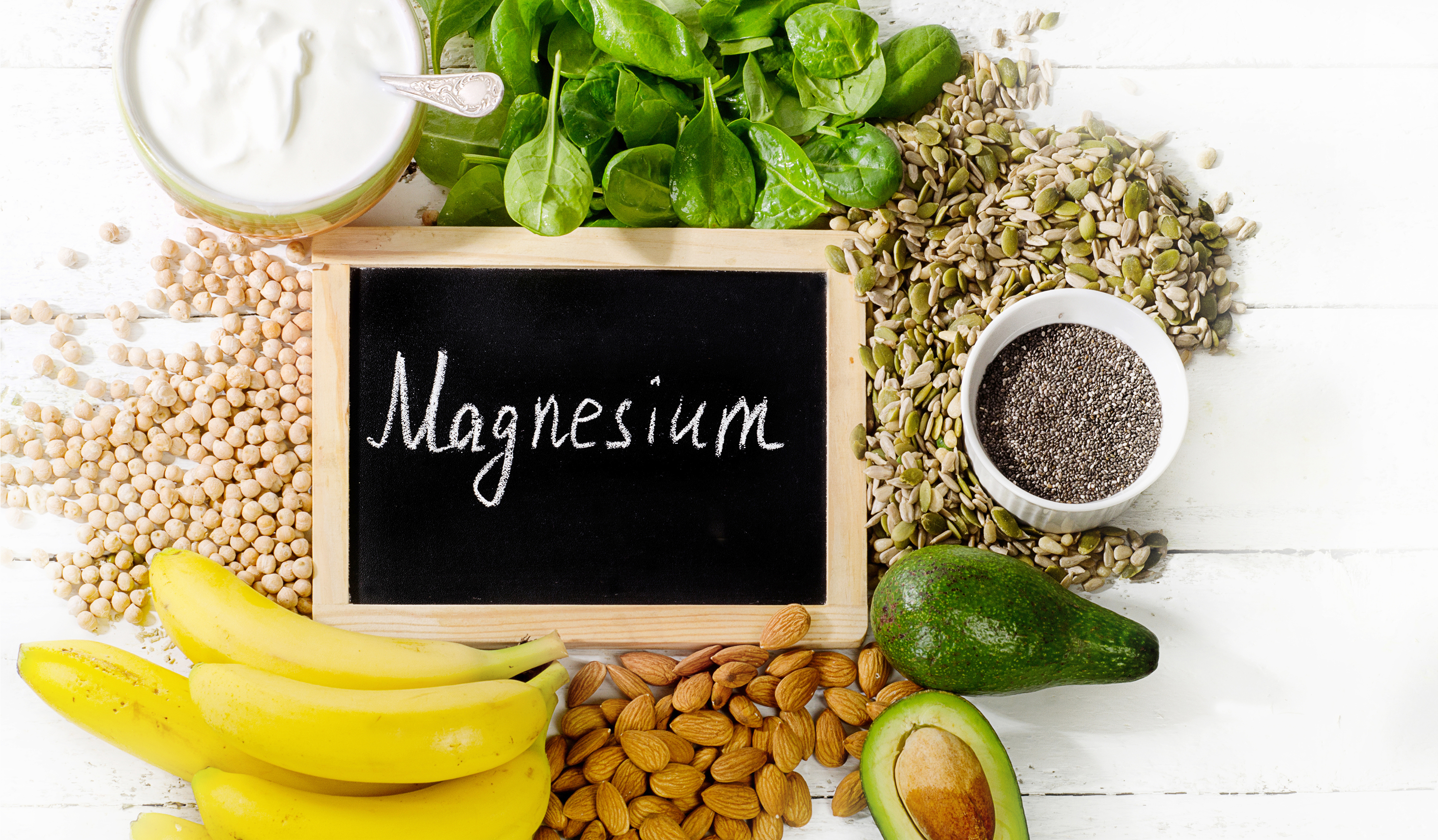
Magnesium can be found in foods such as green leafy vegetables, black beans, pumpkin seeds, almonds, avocados, figs, bananas, brown rice, and other beans, nuts and seeds. Magnesium supplements are a good option as well, particularly those containing magnesium citrate which is very absorbable.

Sidney Baker, M.D., a practicing doctor with a special interest in the nutritional aspects of chronic health problems says: “Magnesium deficiency can affect virtually every organ and system of the body. One may experience muscle twitches, cramps, soreness, back aches, neck pain, tension headaches, and fatigue or weakness.”

Studies show that magnesium can soothe insomnia, support heart health, normalize blood sugar, relieve headaches and ease menopause symptoms.  In one study from the University of Iran, people with insomnia were given magnesium tablets twice a day for eight weeks.  They experienced significant increases in quality sleep time, with less night time interruptions and fewer early morning awakenings.

Magnesium can help prevent diabetes.  Researchers at the Harvard School of Public Health evaluated the dietary intake of specific nutrients for more than 85,000 women and 42,000 men.  They found that the men and women whose diets included the largest amounts of magnesium were the least likely to develop type 2 diabetes.  Most of the participants consumed magnesium through foods, such as whole grains, nuts and green leafy vegetables.

Studies have found that people with migraine headaches have low concentrations of magnesium in their body. The word “cephalalgia” literally means head pain or headache. In a German study of 81 migraine patients published in the journal “Cephalalgia”, 42 percent of the people taking oral magnesium reduced both the duration and intensity of their migraine attacks. They also reduced their reliance on medications to control migraines.

One supplement shown to be helpful for insomnia and pain is Sleep Minerals II from www.Nutrition Breakthroughs. This formula contains highly absorbable forms of calcium citrate and magnesium citrate, the best minerals for sleeplessness and insomnia, as well as for heart health, aches and pains, bone strength and menopause insomnia.

Sleep Minerals II also includes vitamin D and zinc and is delivered in a softgel form with healthy carrier oils, making it more quickly absorbable than tablets or capsules and providing a deeper, longer-lasting sleep.

L.R.C. of Massachusetts says: “I had become dependent on sleeping drugs and couldn’t sleep without them. Now I take the Sleep Minerals before bed and I can sleep through the night without drugs. I’m also able to easily fall back to sleep if I do have to get up. Another benefit is it helps alleviate my chronic fatigue and aches and pains.”

For more information, visit the Sleep Minerals II page.

Greetings to you,

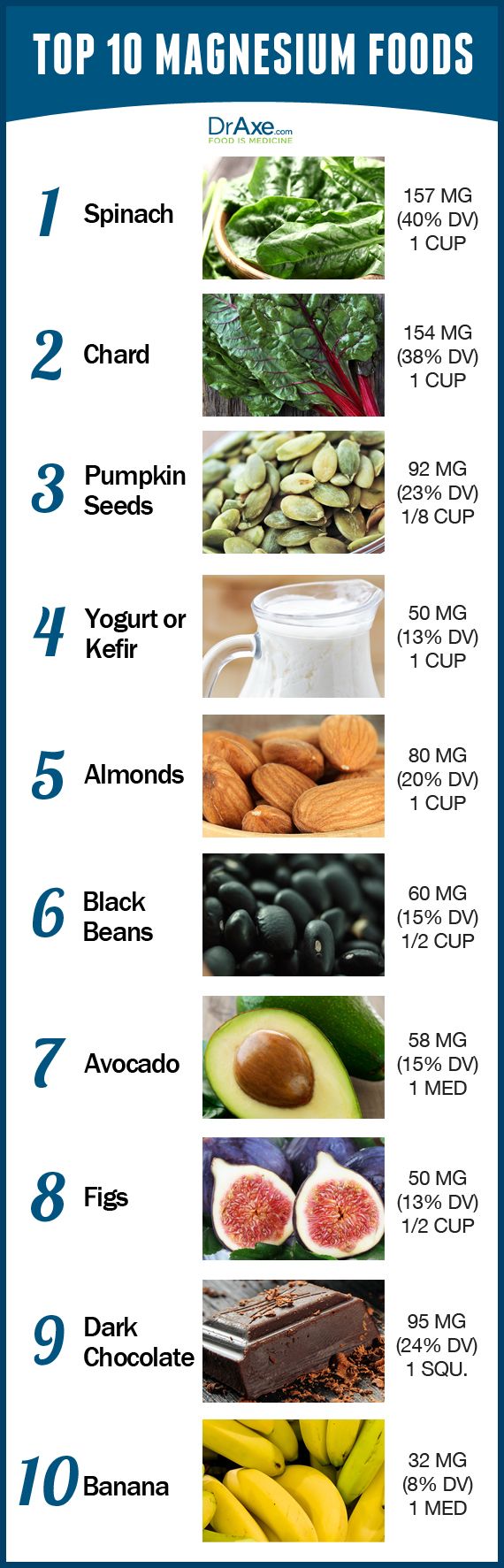
Magnesium deficiency is very common these days.  A recent government study shows that 68% of Americans do not consume the recommended daily intake of magnesium.  I’ve included a helpful chart below that contains some of the top magnesium rich foods.  Magnesium supplements are a good option as well, particularly those containing magnesium citrate which is very absorbable.

Sidney Baker, M.D., a practicing doctor with a special interest in the nutritional aspects of chronic health problems says: “Magnesium deficiency can affect virtually every organ and system of the body. One may experience muscle twitches, cramps, soreness, back aches, neck pain, tension headaches, and fatigue or weakness.”

Studies show that magnesium can soothe insomnia, support heart health, normalize blood sugar, relieve headaches and ease menopause symptoms.  In one study from the University of Iran, people with insomnia were given magnesium tablets twice a day for eight weeks.  They experienced significant increases in quality sleep time, with less night time interruptions and fewer early morning awakenings.

This news is brought to you by Nutrition Breakthroughs. For more information on the original magnesium and calcium based sleep aid, visit the Sleep Minerals II web page.

To your good health,

Jobee Knight
Nutrition Breakthroughs.com

Magnesium Foods


Tags: , , , , , , , , , , , , , , , , , , , , , , , , , , , , , , , , , , , , , , , , , , , , , , , , , , , , , , , , , , , , , , , , , , , , , , , , , ,