Posts Tagged ‘magnesium insomnia’
Study Links Vitamin D Deficiency to Global Epidemic of Insomnia and Sleep Disorders
Posted on: January 17, 2026

Vitamin D is known as the “Sunshine Vitamin” because spending time outdoors in the sun is known to increase vitamin D in the body via the skin.
Our ancestors spent a considerable amount of their time outdoors, but for the first time in history, large amounts of the world population spend most of their time inside their offices and homes.
Researchers at the East Texas Medical Center and the University of North Carolina have discovered that vitamin D helps to regulate the sleep-wake cycle. They’ve found a definite link between vitamin D deficiency and the current global epidemic of sleep disorders.
Rapid eye movement sleep (REM) is one of the deepest levels of sleep. It is the level in which dreaming occurs, and its related to good memory and learning. A disruption of REM sleep or an absence of it, is one form of insomnia. Other sleep disorders include sleep apnea – which involves interrupted or obstructed breathing or snoring during the night; insomnia from hormone fluctuations such as with menstruation or menopause; restless leg syndrome; and periodic limb movement disorder, a condition where the person moves their limbs involuntarily during sleep.
The results of the clinical trial of vitamin D supplementation was published in a recent issue of the journal “Medical Hypothesis”. The researchers followed 1500 patients over a 2 year period. A consistent level of vitamin D3 was maintained in their blood over many months. This produced normal sleep in most of the participants, regardless of their type of sleep disorder, which suggests that many types of insomnia may share the same cause. During the research, the authors discovered the presence of high concentrations of vitamin D “receiving sites” or “receptors” in those areas of the brain that are related to the onset and maintenance of sleep.
Calcium is also directly related to our cycles of sleep. In one study, published in the European Neurology Journal, researchers found that calcium levels in the body are higher during the rapid eye movement (REM) phase. This study concluded that disturbances in sleep, especially the absence of REM deep sleep or disturbed REM sleep, are related to a calcium deficiency. Restoration to the normal course of sleep was achieved following the normalization of the blood calcium level. As a note, calcium works best when its balanced with magnesium in a two to one ratio (with twice as much calcium as magnesium).
Natural insomnia remedies containing vitamin D and calcium can be helpful with both falling asleep and staying asleep during the night. One remedy that’s designed for many forms of insomnia is Sleep Minerals II from Nutrition Breakthroughs. This sleep aid contains highly absorbable forms of vitamin D3, calcium, and magnesium, the best ingredients for sleeplessness and insomnia, as well as for heart health, restless legs syndrome, bone strength, menopause insomnia and teenage insomnia. The formula is delivered in a softgel form with healthy carrier oils, making it more rapidly absorbable than tablets or capsules and providing a deeper, longer-lasting sleep.
Doctor P. P. of Houston, Texas says: “I had developed sleeping problems and took two different sleep medications over the course of several weeks. When I discontinued them, the insomnia came back even worse. Sleep Minerals II was just what I needed. I’ve been taking it for a couple weeks now and getting many hours of sleep a night. As a doctor I would definitely avoid prescribing sleeping drugs – I would recommend Sleep Minerals II.”
The authors of the vitamin D study noted that sleeping disorders have played a role in the development of medical conditions such as hypertension, heart disease, stroke, diabetes, depression, and chronic pain — all of which have become widespread similarly to insomnia. The authors suggest further research be done on the management of vitamin D levels in a variety of medical conditions related to sleep.
For more information on Sleep Minerals II, click here.
A Comparison of the Top Natural Sleep Remedies from Nutrition Breakthroughs
Posted on: January 16, 2026
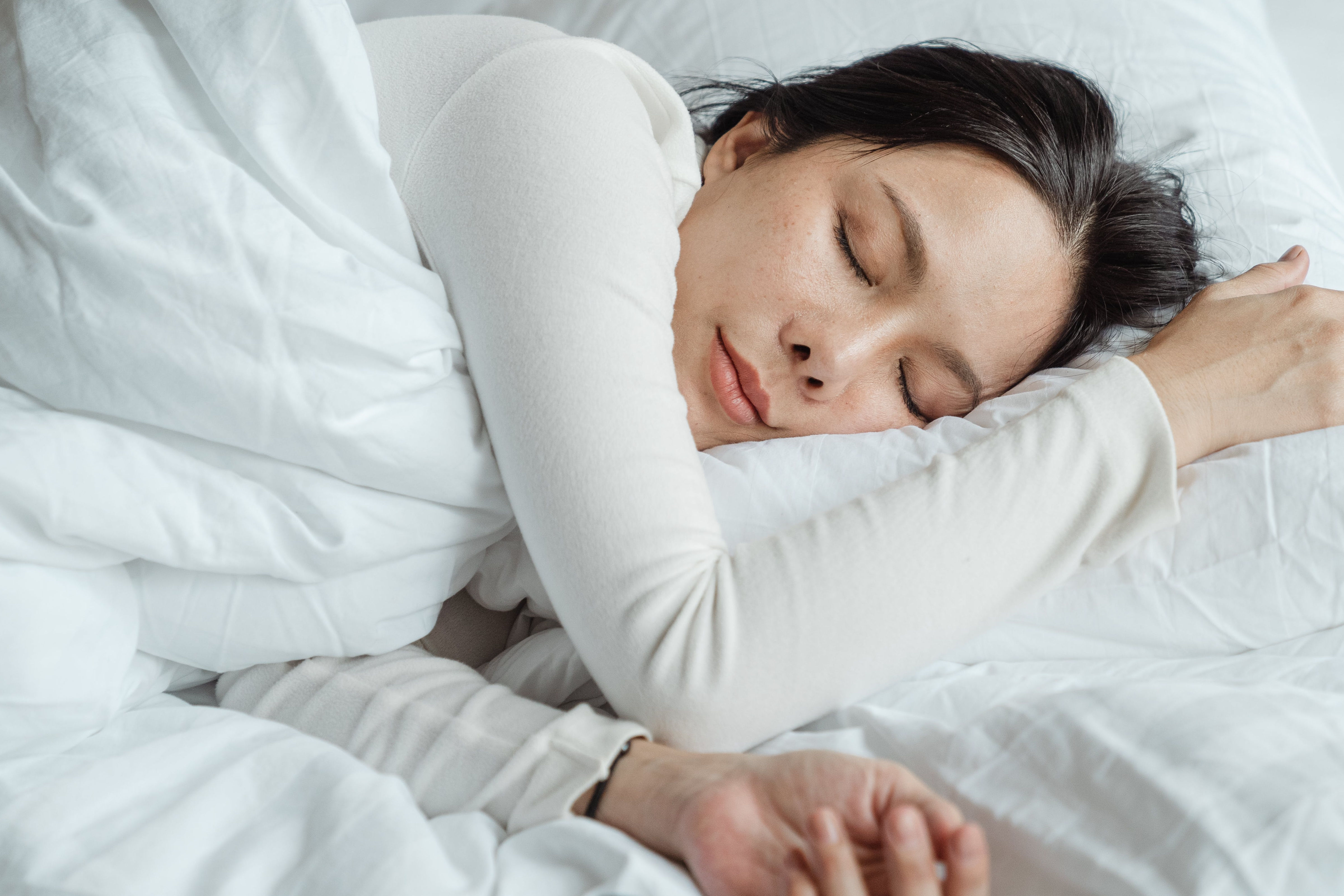
According to a recent study by the National Institutes of Health (NIH), 1.6 million American adults with insomnia have gotten a deeper, more restful night’s sleep by using natural and alternative remedies. The most widely known natural insomnia remedies for sleep are the minerals calcium and magnesium, the natural hormone melatonin, and the amino acid tryptophan.
The NIH study on Complementary and Alternative Medicine found that ”A majority of people who used natural therapies for their insomnia reported they were helpful.” Many adults who suffer with sleeplessness would prefer to avoid the side effects of sleep medications such as memory loss, headache, nausea, depression, dizziness, confusion, a hangover effect, and possible addiction.
Melatonin is a naturally occurring hormone produced by the pineal gland, which is located in the center of the brain. At night or in the dark, the pineal gland releases melatonin to regulate the sleep cycle. The body produces less melatonin with advancing age. While melatonin doesn’t require a prescription, it is a potent hormone. If too much is taken, it can make it more difficult to wake up and may result in daytime grogginess. It is best used under the supervision of a doctor as it may also suppress the body’s own innate ability to produce melatonin.
Tryptophan is an amino acid (a component of protein) that is found in turkey, tuna, bananas, dates, oats and dairy products. It has been used for people with insomnia because it is converted into serotonin, a chemical messenger in the brain that’s involved in mood, appetite and sleep.
A related compound to tryptophan that occurs naturally in the body is 5 hydroxytryptophan (5-HTP), This may also be helpful for insomnia. Possible side effects with 5-HTP include nausea, stomach upset and decreased sex drive. It should not be used along with antidepressant drugs.
The minerals calcium and magnesium may be the best choice for insomnia. They are proven natural relaxants and provide many additional health benefits. Calcium is directly related to our cycles of sleep. One study in the European Neurology Journal found that calcium levels were higher during some of the deeper levels of sleep, such as the rapid eye movement (REM) phase. Calcium causes the release of the sleep-inducing amino acid tryptophan.
Magnesium has been successfully used for sleeplessness. Sleep in magnesium
deficiency is usually agitated with frequent nighttime awakenings. James F. Balch, M.D., author of Prescription for Nutritional Healing says: “Supplementing with magnesium helps prevent irritability, nervousness, muscle weakness, high blood pressure, and heart disease.”
Calcium is well-known for its ability to help strengthen bones, alleviate symptoms of premenstrual syndrome, and protect against colon cancer. One possible side effect from taking too much calcium or magnesium is diarrhea, at which point less can be used.
Digestibility and absorption are important factors in selecting the best forms of calcium and magnesium to use as a sleep remedy. For example, Sleep Minerals II from Nutrition Breakthroughs is a natural insomnia remedy that contains highly absorbable forms of these minerals. It also contains vitamin D and zinc and is delivered in a softgel form with healthy carrier oils, making it better assimilated than tablets or capsules and providing a deeper, longer-lasting sleep.
Alex R. of Ramseur, North Carolina says: “Sleep Minerals II has been a blessing for me. It has given me the opportunity to withdraw from a highly addictive sleep medication over time, and has allowed me to sleep while going through this most difficult ordeal. What’s great about it is it doesn’t lose its effectiveness, which is something that happens with medications. I am most thankful for this product.”
The NIH study confirms that millions of people are benefiting from natural remedies for insomnia. Indeed, these are far better than putting a drug-based, potentially addictive chemical into your body. One good tip is to seek remedies that not only help you sleep more deeply, but also have additional benefits to your overall health.
For more information on Sleep Minerals II click here.
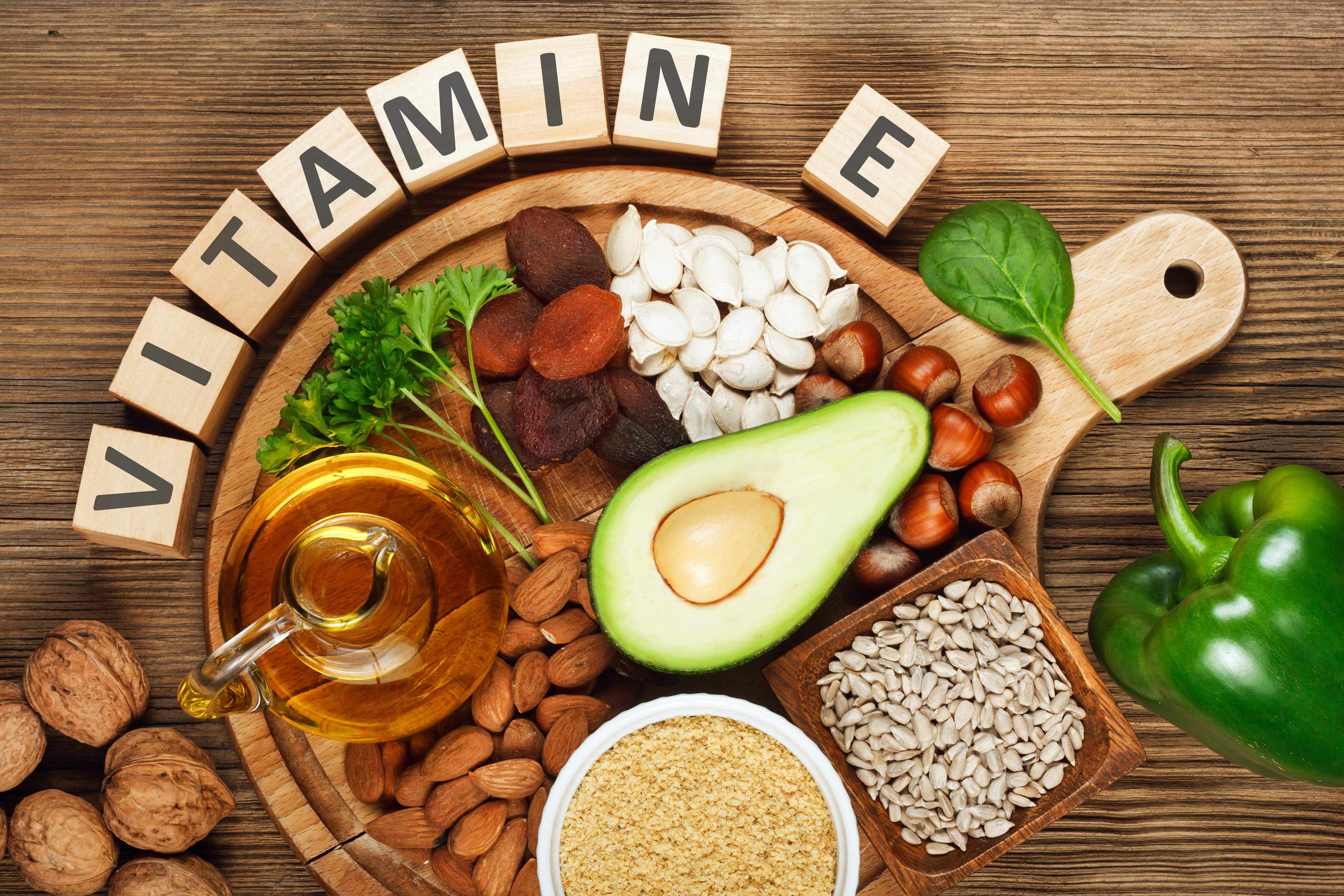
The famous vitamin E is renowned for combating aging by keeping joint degeneration at bay and increasing eye and heart health. What is not so well known is that vitamin E can help aging skin to retain its smoothness, moisture and beauty.
The secret to vitamin E’s importance for both internal health and external beauty is similar to that of the other antioxidant vitamins (A and C) — and their ability to undo the “free radical” damage that causes skin to develop lines and lose elasticity and firmness.
Free radicals are damaging molecules that come from a reaction of oxygen inside the body. They come from pollution, smoke, (continue reading) …
————————–
This health news is shared by Nutrition Breakthroughs, maker of the original calcium and magnesium based sleep aid Sleep Minerals II, and Joints and More, a natural supplement for joint relief, less aches and pains, and more energy.

Teenagers are a special breed, having to face all the challenges of being in an in-between stage of life; not quite a child anymore and not yet an adult. Along with an acceleration of social interests and activities, they also sustain accelerated physical growth and increased nutritional needs.
According to the U.S. Department of Agriculture, 90% of teen girls and 70% of teen boys aren’t getting enough calcium. Their bones are growing the fastest during the teen years and they need more calcium than at any other time of life. The calcium deficiency can translate into irritability, nervous tension, hyperactivity, and insomnia.
Adelle Davis was the first nutritionist to base her recommendations on scientific research studies. She says: “If these hyperactive kids were recognized as victims of malnutrition and given, instead of drugs, a completely adequate diet, especially high in calcium, magnesium, and vitamins B6 and D; the majority might soon be as relaxed as sacks of cotton, their minds far more alert, their energies restored to normal. I have seen it happen many, many times.”
To shed some light on teenage sleeping habits, a study was published in an issue of the Journal of Adolescent Health, Researchers found that two-thirds of teenage high school students are sleeping less than they need to, when they actually need 9.5 hours of sleep. Danice Eaton, author of the study and a research scientist in Atlanta said, “….Research (on teens) has shown that a lack of sleep can increase depression, negative physical health, headaches, poor school performance, school absenteeism and drowsy driving.”
There is a correlation between electronics use and insomnia in teens. A study from the Journal of Pediatrics published a survey of Philadelphia-area teens. It was found that two-thirds had a television in their bedroom, one third had a computer, 90% had their own cell phone and 79% had a personal music device. “These technological devices activate the mind. It’s like having a stressful work conversation just before getting into bed,” said Dr. Jonathan Pletcher, at the Children’s Hospital of Pittsburgh.
Dr. Pletcher doesn’t recommend sleep medication for teens, saying that, “The risks for this age group far outweigh the benefits.” He recommends shutting down the computer, TV, and cell phone well before bedtime and doing some relaxing and calming activities before bed.
Due to a deficiency of crucial minerals at the teenage time of life, calcium and magnesium supplements can be an effective sleep remedy. One natural insomnia remedy that’s gaining in popularity for all ages is Sleep Minerals II from Nutrition Breakthroughs.
Sleep Minerals II contains highly absorbable forms of the best minerals for sleep and relaxation: Calcium, magnesium and Vitamin D. The ingredients are delivered in a softgel form with healthy carrier oils, making them more easily assimilated than capsules or tablets and providing a deeper, longer-lasting sleep.
One mother of a teenage son who was suffering with insomnia, was grateful to find Sleep Minerals II. She says: “Our son began to have trouble sleeping about a year and a half ago. He was up until 2:00 a.m., and then he got up at 5:00. This continued for quite a while. He was miserable and so were we. He’s an athlete and a student and we just couldn’t live like this.”
“We had spent hundreds of dollars on testing and supplements with a naturopath and it just didn’t work. I searched on the Internet and found Sleep Minerals II. I thought to myself, ‘I’ll give it a try, there’s nothing harmful in it’. Well, from the get-go it helped Mitchell sleep better. He’s been using it as a sleep remedy for some time now. He is sleeping well and is so happy and healthy. He’s a normal teenager again. I just can’t say enough about what this product has done for us.”
Besides supplementing with key minerals, there are additional tips to help teens sleep better. Here is a summary from the Mayo Clinic and National Sleep Foundation:
* Consuming caffeine close to bedtime can interfere with one’s sleep, so avoid coffee, tea, soda pop and chocolate late in the afternoon. Nicotine and alcohol will also interfere with sleep.
* Limit stimulating activities and the use of electronics right before bedtime.
* Reduce extracurricular activities. Sometimes teens are overextended and participate in too many after-school activities, too late into the evening.
* Practice relaxing and calming activities before going to bed. For example, do gentle stretches, take a warm bath, or read a pleasant book.
* Make the bedroom a sleep haven. Keep it cool, quiet and dark. If needed, get eyeshades, earplugs, and blackout curtains. Let in the bright light in the morning to signal the body to wake up.
* Get regular exercise during the day, but not closer than 3 hours before bedtime.
* Establish a regular bedtime and wake-time schedule and stick to it, coming as close to it as possible on the weekends. A consistent sleep schedule makes it easier to fall asleep.
Let’s help our teens get the sleep and nutrition they need!
For more information on Sleep Minerals II, visit here.

A bright smile, white teeth and healthy gums are something everyone would like to enjoy. Gingivitis is a very common form of inflammatory gum disease caused by bacteria in the mouth.
It causes gums to become red, swollen and bleed easily during brushing or flossing. If left untreated, gingivitis can lead to an even more severe form of gum disease called periodontitis, which also may harm the bones underneath the gums.
Symptoms of periodontitis include bad breath, toothache, loose teeth, receding gums or tooth loss. According to the study called “Prevalence of Periodontitis in Adults”, almost half of all American adults have mild, moderate or severe periodontal disease. For those who are 65 or older, the percentage increases to 70%.
Researchers have previously discovered that people who consume low amounts of calcium and vitamin D can develop bone loss and osteoporosis. Scientists at the Saint Louis University Center for Advanced Dental Education reasoned that because vitamin D also has antimicrobial effects and can remedy the inflammatory response, it would be reasonable to pursue a study to determine whether calcium and vitamin D may have a positive effect on periodontal disease.
The study included 51 people who were receiving periodontal maintenance therapy. 23 were taking vitamin D and calcium during the study and 28 did not. All of the participants had at least two areas in their mouth that had loss of gum tissue and reduced support around the teeth.
At the end of the study, those taking the vitamin D and calcium had fewer bleeding sites, less attachment loss, and smaller open spaces between the teeth and gums. The researchers concluded there was a good trend for improved health of the gums, teeth, and bones in the mouth with the use of these nutritional supplements.
Studies have also proven that calcium can prevent osteoporosis, reduce high blood pressure, relax the nerves and muscles, prevent colon cancer and kidney stones, and act as an effective remedy for insomnia and sleeplessness.
In one study called “The Nutritional Relationships of Magnesium”, the author notes that the type of insomnia associated with a calcium deficiency is one that causes difficulty with falling asleep. On the other hand, the classical sign of magnesium deficiency is insomnia characterized by falling asleep easily, but awakening frequently throughout the night, and with individuals finding themselves tired even after several hours of sleep.
It’s important to note that a balanced calcium magnesium ratio is important to overall health, and these two minerals should be taken together for best results (in a two to one ratio with twice as much calcium and magnesium). The original research on this recommended ratio appeared in 1935 in the Journal of Physiological Reviews.
William Sears, M.D. writes: “Calcium helps the brain use the amino acid tryptophan to manufacture the sleep-inducing substance melatonin. This explains why dairy products, which contain both tryptophan and calcium, are some of the top sleep-inducing foods.”
Jobee Knight, a nutritional researcher and founder of Nutrition Breakthroughs in Glendale California, is someone who fought her own battle against sleeplessness and insomnia. She decided to put her background to use by searching out effective natural insomnia remedies for relaxation and deeper sleep.
The result was Sleep Minerals II, a natural sleep remedy that contains highly absorbable forms of calcium and magnesium, combined with vitamin D and zinc. These are the most effective minerals for sleeplessness as well as for menopause insomnia, heart health, restless leg syndrome and bone strength. The ingredients are formulated in a softgel with healthy oils, making them more quickly absorbable than tablets or capsules and providing a deeper, longer-lasting sleep.
Tammy M. of Meridian, Idaho says: “I was plagued with insomnia for five years and desperate for a breakthrough. Nothing has helped me more than the Sleep Minerals. I’m so sold on them I could go door to door promoting them. I’m 60 years old and have never slept so soundly.”
Calcium and vitamin D are two of the key cornerstones of good health. They play many roles in the body and both should be included in the diet.
This natural health news is provided by Nutrition Breakthroughs, a publisher of nutrition articles and a supplier of effective natural remedies since 2002. Nutrition Breakthroughs makes the original calcium, magnesium and vitamin D based natural sleep aid Sleep Minerals II, as well as Joints and More, the natural solution for joint relief, aches and pains, stronger hair and nails, and more energy.
Magnesium Deficiency in Older Adults May Contribute to Insomnia, Osteoporosis and Diabetes
Posted on: December 24, 2025

A recent Gallup Poll survey reported that magnesium consumption decreases as we age, with 79% of adults 55 and over reportedly eating below the recommended dietary allowance (RDA) of magnesium.
In addition, a National Institutes of Health (NIH) fact sheet says that older adults are at increased risk of magnesium deficiency due to their decreased ability to absorb the mineral. The diseases to which the elderly are vulnerable, and some of the drugs used in therapy, also contribute to magnesium loss.
“A potential magnesium deficiency is a matter of concern for many individuals of all ages, but for the elderly, it could be particularly serious,” said Richard Rivlin, M.D., Chief of the Nutrition Division at New York Hospital, Cornell Medical Center.
“The prevalence of heart disease, diabetes and even leg cramps increases dramatically among older persons, and these are all health conditions in which magnesium deficiency has been found,” Rivlin said.
Diabetes
Researchers at the Harvard School of Public Health evaluated the dietary intake of specific nutrients for more than 85,000 women and more than 42,000 men, in data supplied over 18 years for the women and over 12 years for the men. They found that the men and women whose diets included the largest amounts of magnesium were the least likely to develop type 2 diabetes. Most of the participants in the study consumed magnesium through foods, such as whole grains, nuts and green leafy vegetables.
Osteoporosis
A lack of magnesium is also associated with osteoporosis. Bone health is supported by many factors, most notably calcium and vitamin D. However, some evidence suggests that magnesium deficiency may be an additional risk factor for postmenopausal osteoporosis. This may be due to the fact that magnesium deficiency alters calcium metabolism and the hormones that regulate calcium. In one study of older adults from the American Journal of Clinical Nutrition, a greater magnesium intake maintained bone mineral density to a higher degree than a lower intake.
Insomnia Remedy
A recent National Sleep Foundation poll found that a majority of older adults (67%) report having frequent sleep problems. This translates to 37 million older adults in the U.S. having some form of insomnia. Particularly for older people, a possible underlying nutritional cause of insomnia may be a deficiency of certain minerals. James F. Balch, M.D., author of Prescription for Nutritional Healing, writes: “A lack of the nutrients calcium and magnesium will cause you to wake up after a few hours and not be able to return to sleep.”
Types of Magnesium
Some forms of magnesium are more digestible than others – an important factor because our digestive enzymes and our ability to absorb nutrients lessen with age. Magnesium citrate is a unique form of magnesium in which the magnesium is bonded with citric acid to make it more absorbable.
Supplements with Magnesium
The combination of minerals included in a supplement and the presence of vitamin cofactors (such as calcium and vitamin D) are key. Formulas should contain a 2 to 1 ratio of calcium to magnesium. The original research on this recommended ratio appeared in 1935 in the Journal of Physiological Reviews. In addition, softgels made with carrier oils allow the minerals to be better absorbed than tablets or capsules.
One formula that has these qualities and is gaining in popularity is Sleep Minerals II from Nutrition Breakthroughs. Sleep Minerals II contains highly absorbable forms of the best minerals for sleep and relaxation: Calcium, magnesium and Vitamin D. The ingredients are delivered in a softgel form with healthy carrier oils, providing a deeper, longer-lasting sleep.
Wendy R. of Honolulu, Hawaii says: “My friends know that I’ve had insomnia for a very long time. Surprisingly, I received the Sleep Minerals II and took it and I actually slept. This thing really works. I wanted to say, its funny, but people know I have insomnia and once in a while a co-worker will ask me how I slept. In the past, if I ever got a good nights sleep I’d say “I slept like a baby”, but that’s the wrong analogy. Those little guys get up every two hours. I am actually beginning to sleep like an adult — a much-rested adult.”
Richard Rivlin, M.D. summed up the Gallup Poll survey results by saying: “It is clear that consumers are largely unaware of the role of magnesium — a nutrient that is essential for the function of other minerals like calcium, as well as the normal operation of the heart and muscles.”
For more information, visit the Sleep Minerals II page.

By Susan Doktor
Look around your house and ask yourself, what couldn’t I live without? If you’re like nearly half the population, your smartphone is on the list.
That’s because our smartphones connect us to so many other things we love, from the people who are precious to us to the music that enriches our lives.
Knowing that we can’t live without our smartphones raises a question, though. How can we live more healthfully with them? From finding the best cellular service plan, to choosing a cell phone case that reflects our unique personalities, we invest a lot of time ensuring we have the best smartphone experience. You might want to think about it this way: adopting healthy cell phone habits is part of your overall smartphone optimization plan.
Cell Phone Safety During Cold and Flu Season
While the greatest risk of being infected with colds and the flu comes from inhaling airborne droplets released by people who are ill, a virus can also spread via contaminated surfaces. Plastic and metal, two of the materials commonly used to manufacture smartphones, can harbor a virus for two to three days.
What’s more, because we hold our phones close to our faces and speak directly into them, they are more likely than other objects — like countertops or pots and pans, for example — to carry traces of a virus.
The first step you can take to reduce your risk comes down to common sense. For best cell phone safety, don’t share your smartphone with others and don’t use other people’s phones. That means not handing your phone to someone else to view your Facebook photos. If someone wants to do a quick Google search on your phone, do it for them.
Don’t reach over to hand someone their phone just to be courteous. Our phones have become so ever-present in our lives, we are barely aware of how often we touch them.
Keep it Clean
It’s also a smart practice to disinfect your phone periodically. Phone manufacturers have recently advised users that common disinfectants like alcohol and bleach wipes can be used to clean screens without damaging them. But some products might be too harsh so it’s best to follow your phone’s manufacturer’s advice on the subject. If you’re into gadgets, you may also want to consider one of the phone disinfecting devices that uses UVC light to kill germs.
UVC is ultraviolet light. Ultraviolet light is a type of radiation that makes black-light posters glow and is responsible for summer tans. Light in the UVC wavelength can be used for disinfecting water, sterilizing surfaces, destroying harmful micro-organisms in food products and also in the air.
UVC light has been used for years to stop the spread of disease. It’s also a component of the best air purifiers for home use. Choose a model that encloses your phone and bathes it in light, rather than a wand-style model, to avoid exposing yourself or others to the low level of radiation the devices emit.
Cut it Short
There is a body of evidence connecting too much screen time to health problems, whether it’s cold and flu season or not. In studies of cell phone safety, screen time has been linked to obesity and it can also disrupt our sleep patterns. Studies show that poor sleep can lead to chronic inflammation, an underlying cause of health problems ranging from asthma to heart conditions.
Shutting the cell phone and computer off a couple hours before bedtime can lead to a better night’s sleep. The light from these devices has been shown to reduce the sleep-inducing hormone known as melatonin and make it harder to stay asleep at night. Another tip for better sleep would be to take some highly absorbable forms of calcium and magnesium such as those found in the natural sleep aid Sleep Minerals II. Magnesium has been proven to help reduce the harmful effects of radiation from cell phones.
Caring for Kids
Some parents have all but given up trying to limit their kids’ screen time. But limiting our kids’ use of smartphones remains important. Ironically, while adults may experience a greater sense of connectedness by using their phones, too much screen time can make kids less interested in being with their friends and family.
The shows and games that appear to keep the kids’ minds engaged may actually impair their thinking and learning abilities later in life. It’s safe to say that family members of all ages can improve their health by taking steps to use their cell phones safely.
Author Bio:
Susan Doktor is a journalist and businesswoman who hails from New York City. She writes guest and ghost-blogs internationally on a wide range of topics, including health, technology, finance and consumer products.
Functional Foods & Their Benefits: Everything You Need to Know – from Detoxpri Blog
Posted on: November 30, 2025

Here’s a nicely written article that is simple and easy to digest, just like the foods it suggests. Whole foods are always best, and organic if possible. Better eating leads to better health and better sleep.
This health news is shared with you by Nutrition Breakthroughs, maker of the effective natural sleep aid Sleep Minerals II, and the natural solution for joint relief, allergies, pain relief and increased energy, Joints and More.
Greens in Every Meal: A Simple Strategy for Boosting Your Health – Nutrition Focused Blog
Posted on: November 29, 2025

Here’s some great, healthy advice about easy ways to get more good greens into your life! If you just take one or two of these ideas and put them to use, your health will be boosted.
This health news is shared with you by Nutrition Breakthroughs, maker of the effective natural sleep aid Sleep Minerals II, and the natural solution for joint relief, allergies, pain relief and increased energy, Joints and More.
How Sleep Works for your Skin (and how to get the most out of it) Creabealounge Blog
Posted on: November 27, 2025

Great post on the anti-aging benefits of good sleep for our skin, and how to maximize this with tips for smooth, glowing skin. Don’t miss this one!
This health news is shared with you by Nutrition Breakthroughs, maker of the effective natural sleep aid Sleep Minerals II, and the natural solution for joint relief, allergies, pain relief and increased energy, Joints and More.
 News on Natural Remedies, Good Sleep and Good Health