Posts Tagged ‘magnesium heart’
Heart-Healthy Diet: Essential Foods for a Healthy Cardiovascular System – Detoxpri Blog
Posted on: November 18, 2025


Heart conditions remain a major health concern worldwide, but the good news is that specific heart healthy foods and supplements can significantly improve cardiovascular health.
According to recent scientific research, these nutrients can support stronger heart function, lower cholesterol, reduce inflammation, and reduce the risk of heart disease.
Top Heart Healthy Foods
- Fatty Fish – Salmon, mackerel, and sardines are rich in omega-3 fatty acids, which help lower blood pressure and reduce inflammation. A study in the Journal of the American College of Cardiology (2017) found that omega-3 intake is associated with a lower risk of coronary heart disease.
- Berries – Blueberries, strawberries, and raspberries contain antioxidants that improve blood vessel function. The American Journal of Clinical Nutrition (2013) found that regular berry consumption reduces the risk of heart attacks, particularly in women.
- Nuts – Almonds and walnuts provide heart-healthy fats, fiber, and magnesium. A study in the New England Journal of Medicine (2013) showed that people who ate nuts regularly had a 20% lower risk of heart disease.
- Leafy Greens – Spinach, kale, and Swiss chard are packed with nitrates (natural chemicals found in the body), which improve artery function and reduce blood pressure, according to a 2015 study in Hypertension.
- Olive Oil – Olive oil is rich in monounsaturated fats; natural fats found in nuts, avocado, olives, and oils. Olive oil helps to lower the bad form of cholesterol. The PREDIMED Study (2018) confirmed that a Mediterranean diet rich in olive oil reduces heart disease risk.
Best Supplements for Heart Health
- Coenzyme Q10 (CoQ10) – This antioxidant improves energy production in heart cells. A 2014 study in Circulation: Heart Failure found that CoQ10 supplementation reduced heart failure mortality rates. Top food sources of CoQ10 include beef, chicken, pistachios, and fatty fish like salmon and tuna.
- Magnesium – Essential for regulating blood pressure and heart rhythm. A study in The American Journal of Clinical Nutrition (2016) linked higher magnesium intake to a lower risk of stroke and heart disease.
- Omega-3 Fish Oil – This is the supplement version of the omega-3 fatty acids found in fish. These heart-healthy oils are shown in multiple studies, including JAMA Cardiology (2019), to lower excess fats in the blood and t reduce heart disease risk.
- Garlic Extract – Studies in the Journal of Nutrition (2016) found that garlic supplements can reduce blood pressure and cholesterol levels.
Reduce Heart Disease Risk with Natural Remedies
A healthy lifestyle that includes the best heart healthy foods can promote cardiovascular wellness and strengthen many other organs as well. Consuming nutrient-rich foods such as fatty fish, berries, nuts, and leafy greens provides essential vitamins and minerals that help regulate blood pressure, reduce inflammation, and support overall heart function.
In addition to a heart-friendly diet, regular physical activity strengthens the cardiovascular system. Mild exercises such as walking, swimming, cycling, and yoga stretching can improve heart function, lower blood pressure, and enhance overall endurance.
Studies have shown that even 30 minutes of moderate exercise most days of the week can significantly lower the risk of heart disease. Here’s to your strong and healthy heart!
This natural health news is shared by Nutrition Breakthroughs, maker of the original calcium and magnesium based natural sleep aid, Sleep Minerals II. Rich with magnesium, this supplement is a balanced way to strengthen the heart.
***** Tammy B. of Spotsylvania, Virginia says: “I have been using the Sleep Minerals II. and I do notice a difference. Specifically, my legs don’t seem to be restless anymore and my hip and knee joints don’t ache. I haven’t done anything else differently so I have to give all the credit to this product. I didn’t take the Sleep Minerals one night and the next few nights were extremely miserable for me as I worked to get back on schedule. I usually sleep well and the best part is…. I’m waking up refreshed.”

Magnesium deficiency is very common these days. A recent government study shows that 68% of Americans do not consume the recommended daily intake of magnesium, which is 400 milligrams per day.
Magnesium can be found in foods such as green leafy vegetables, black beans, pumpkin seeds, almonds, avocados, figs, bananas, brown rice, and other beans, nuts and seeds. Magnesium supplements are a good option as well, particularly those containing magnesium citrate which is very absorbable.
Sidney Baker, M.D., a practicing doctor with a special interest in the nutritional aspects of chronic health problems says: “Magnesium deficiency can affect virtually every organ and system of the body. One may experience muscle twitches, cramps, soreness, back aches, neck pain, tension headaches, and fatigue or weakness.”
Studies show that magnesium can soothe insomnia, support heart health, normalize blood sugar, relieve headaches and ease menopause symptoms. In one study from the University of Iran, people with insomnia were given magnesium tablets twice a day for eight weeks. They experienced significant increases in quality sleep time, with less night time interruptions and fewer early morning awakenings.
Magnesium can help prevent diabetes. Researchers at the Harvard School of Public Health evaluated the dietary intake of specific nutrients for more than 85,000 women and 42,000 men. They found that the men and women whose diets included the largest amounts of magnesium were the least likely to develop type 2 diabetes. Most of the participants consumed magnesium through foods, such as whole grains, nuts and green leafy vegetables.
Studies have found that people with migraine headaches have low concentrations of magnesium in their body. The word “cephalalgia” literally means head pain or headache. In a German study of 81 migraine patients published in the journal “Cephalalgia”, 42 percent of the people taking oral magnesium reduced both the duration and intensity of their migraine attacks. They also reduced their reliance on medications to control migraines.
One supplement shown to be helpful for insomnia and pain is Sleep Minerals II from Nutrition Breakthroughs. This formula contains highly absorbable forms of calcium citrate and magnesium citrate, the best minerals for sleeplessness and insomnia, as well as for heart health, aches and pains, bone strength and menopause insomnia.
Sleep Minerals II also includes vitamin D and zinc and is delivered in a softgel form with healthy carrier oils, making it more quickly absorbable than tablets or capsules and providing a deeper, longer-lasting sleep.
L.R.C. of Massachusetts says: “I had become dependent on sleeping drugs and couldn’t sleep without them. Now I take the Sleep Minerals before bed and I can sleep through the night without drugs. I’m also able to easily fall back to sleep if I do have to get up. Another benefit is it helps alleviate my chronic fatigue and aches and pains.”
For more information, visit the Sleep Minerals II page.
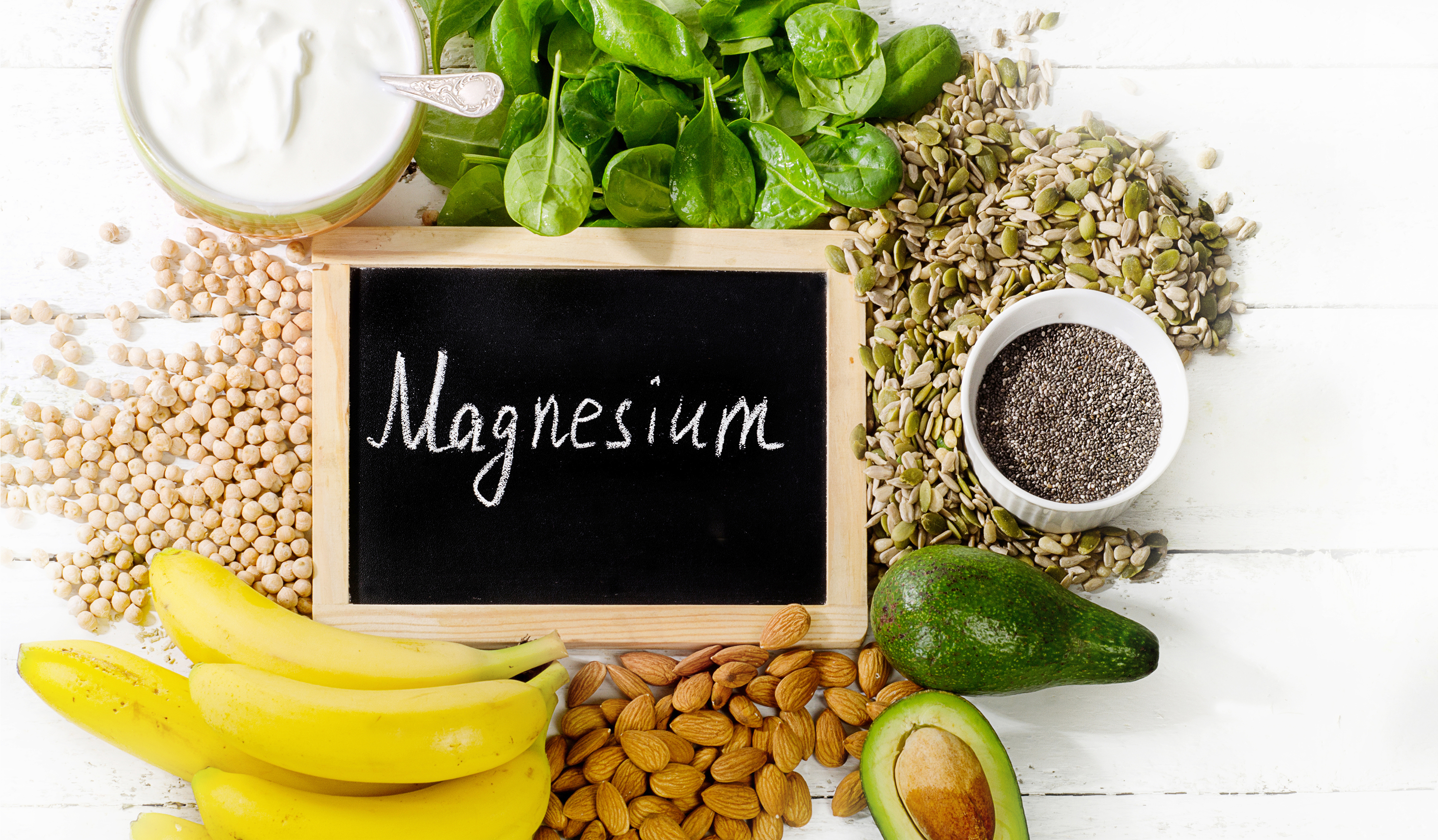
This is a valuable guide and overview of the health benefits of magnesium, its deficiency symptoms, its best food sources and more. According to the National Health and Nutrition Examination Survey, 50% of adults are deficient in magnesium and 75% of older adults are deficient
This health news is shared with you by Nutrition Breakthroughs, maker of the effective natural sleep aid Sleep Minerals II, and the natural solution for joint relief, allergies, pain relief and increased energy, Joints and More.
Heart conditions remain a major health concern worldwide, but the good news is that specific heart healthy foods and supplements can significantly improve cardiovascular health.
According to recent scientific research, these nutrients can support stronger heart function, lower cholesterol, reduce inflammation, and reduce the risk of heart disease.
Top Heart Healthy Foods
- Fatty Fish – Salmon, mackerel, and sardines are rich in omega-3 fatty acids, which help lower blood pressure and reduce inflammation. A study in the Journal of the American College of Cardiology (2017) found that omega-3 intake is associated with a lower risk of coronary heart disease.
- Berries – Blueberries, strawberries, and raspberries contain antioxidants that improve blood vessel function. The American Journal of Clinical Nutrition (2013) found that regular berry consumption reduces the risk of heart attacks, particularly in women.
- Nuts – Almonds and walnuts provide heart-healthy fats, fiber, and magnesium. A study in the New England Journal of Medicine (2013) showed that people who ate nuts regularly had a 20% lower risk of heart disease.
- Leafy Greens – Spinach, kale, and Swiss chard are packed with nitrates (natural chemicals found in the body), which improve artery function and reduce blood pressure, according to a 2015 study in Hypertension.
- Olive Oil – Olive oil is rich in monounsaturated fats; natural fats found in nuts, avocado, olives, and oils. Olive oil helps to lower the bad form of cholesterol. The PREDIMED Study (2018) confirmed that a Mediterranean diet rich in olive oil reduces heart disease risk.
Best Supplements for Heart Health
- Coenzyme Q10 (CoQ10) – This antioxidant improves energy production in heart cells. A 2014 study in Circulation: Heart Failure found that CoQ10 supplementation reduced heart failure mortality rates. Top food sources of CoQ10 include beef, chicken, pistachios, and fatty fish like salmon and tuna.
- Magnesium – Essential for regulating blood pressure and heart rhythm. A study in The American Journal of Clinical Nutrition (2016) linked higher magnesium intake to a lower risk of stroke and heart disease.
- Omega-3 Fish Oil – This is the supplement version of the omega-3 fatty acids found in fish. These heart-healthy oils are shown in multiple studies, including JAMA Cardiology (2019), to lower excess fats in the blood and t reduce heart disease risk.
- Garlic Extract – Studies in the Journal of Nutrition (2016) found that garlic supplements can reduce blood pressure and cholesterol levels.
Reduce Heart Disease Risk with Natural Remedies
A healthy lifestyle that includes the best heart healthy foods can promote cardiovascular wellness and strengthen many other organs as well. Consuming nutrient-rich foods such as fatty fish, berries, nuts, and leafy greens provides essential vitamins and minerals that help regulate blood pressure, reduce inflammation, and support overall heart function.
In addition to a heart-friendly diet, regular physical activity strengthens the cardiovascular system. Mild exercises such as walking, swimming, cycling, and yoga stretching can improve heart function, lower blood pressure, and enhance overall endurance.
Studies have shown that even 30 minutes of moderate exercise most days of the week can significantly lower the risk of heart disease. Here’s to your strong and healthy heart!
This natural health news is shared by Nutrition Breakthroughs, maker of the original calcium and magnesium based natural sleep aid, Sleep Minerals II. Rich with magnesium, this supplement is a balanced way to strengthen the heart.
***** Tammy B. of Spotsylvania, Virginia says: “I have been using the Sleep Minerals II. and I do notice a difference. Specifically, my legs don’t seem to be restless anymore and my hip and knee joints don’t ache. I haven’t done anything else differently so I have to give all the credit to this product. I didn’t take the Sleep Minerals one night and the next few nights were extremely miserable for me as I worked to get back on schedule. I usually sleep well and the best part is…. I’m waking up refreshed.”
Natural Remedies: Magnesium Benefits Insomnia, Hot Flashes, Heart and Bones
Posted on: December 6, 2015
 What qualities make magnesium such an essential mineral, required by the body for literally hundreds of its functions? One key feature of magnesium is that it’s a partner or “co-factor” with enzymes that allows them to do their work.
Enzymes are energized protein molecules that initiate chemical reactions inside the cells – orchestrating life’s processes in every organ, gland, tissue and cell.
Research studies are finding that magnesium affects over 300 processes in the body, relaxes muscles and nerves, and helps insomnia, hot flashes, heart health, bone strength, diabetes, migraine headaches and more.
According to the Human Nutrition Research Center of the U.S. Dept. of Agriculture, one of the main symptoms of magnesium deficiency is chronic insomnia, restless sleep and frequent awakenings during the night. In one of their studies, a diet high in magnesium contributed to deeper sleep with fewer interruptions.
Another study from the University of Medical Sciences in Iran was done with 46 adults who were experiencing insomnia. Two magnesium tablets twice a day (250 mg. each) resulted in significant increases in sleep time and reduced cortisol levels in the body, which is a stress hormone that can keep people awake.
Hot flashes and night sweats are common symptoms of premenopause and menopause. Regarding magnesium for menopause, a study was done at the Virginia University Health System. Women who experienced hot flashes many times per week received 400 milligrams of magnesium for 4 weeks — increasing to 800 milligrams per day if needed. At the end of the study, the magnesium supplements had reduced their frequency of hot flashes by half. Fatigue, sweating, and distress were also significantly reduced.
Magnesium is also magnificent for the heart. In a study from the American Journal of Clinical Nutrition, research scientists examined data from thousands of women over the course of a 26-year follow up period. The women who consumed the highest amounts of magnesium had a 34% reduced risk of sudden cardiac death. Another study from the journal “Circulation” found that magnesium supplements allow people with heart disease to exercise for longer times and it actually helps repair the ability of blood vessels to open up.
Supplements with well-absorbed forms of magnesium are becoming increasingly popular for those with insomnia. One of the more effective sleep aids is Sleep Minerals II from Nutrition Breakthroughs. It contains calcium and magnesium in combination with vitamin D and zinc. The minerals and vitamins are formulated in a softgel with healthy oils; creating a creamy paste inside that results in quick absorption and a deeper, longer-lasting sleep.
Kimberly B. of Troy, Michigan says: “I have been taking Sleep Minerals II for about a month now. I have tried everything out there and this supplement is amazing. I have suffered with insomnia for 2 1/2 years. I have also had restless leg syndrome my entire life and this is the first relief I’ve ever had…gone for a month now.”
Magnesium is one of the super-heroes of natural remedies. This health news is shared by Nutrition Breakthroughs, maker of the original calcium and magnesium based sleep aid Sleep Minerals II. For more information on the many benefits of magnesium and calcium, visit the Sleep Minerals II page.
Article source: http://www.nutritionbreakthroughs.com/blog/2015/08/14/proven-magnesium-benefits-for-insomnia-hot-flashes-heart-bones/

Magnesium deficiency is very common these days. A recent government study shows that 68% of Americans do not consume the recommended daily intake of magnesium, which is 400 milligrams per day.
Magnesium can be found in foods such as green leafy vegetables, black beans, pumpkin seeds, almonds, avocados, figs, bananas, brown rice, and other beans, nuts and seeds. Magnesium supplements are a good option as well, particularly those containing magnesium citrate which is very absorbable.
Sidney Baker, M.D., a practicing doctor with a special interest in the nutritional aspects of chronic health problems says: “Magnesium deficiency can affect virtually every organ and system of the body. One may experience muscle twitches, cramps, soreness, back aches, neck pain, tension headaches, and fatigue or weakness.”
Studies show that magnesium can soothe insomnia, support heart health, normalize blood sugar, relieve headaches and ease menopause symptoms. In one study from the University of Iran, people with insomnia were given magnesium tablets twice a day for eight weeks. They experienced significant increases in quality sleep time, with less night time interruptions and fewer early morning awakenings.
Magnesium can help prevent diabetes. Researchers at the Harvard School of Public Health evaluated the dietary intake of specific nutrients for more than 85,000 women and 42,000 men. They found that the men and women whose diets included the largest amounts of magnesium were the least likely to develop type 2 diabetes. Most of the participants consumed magnesium through foods, such as whole grains, nuts and green leafy vegetables.
Studies have found that people with migraine headaches have low concentrations of magnesium in their body. The word “cephalalgia” literally means head pain or headache. In a German study of 81 migraine patients published in the journal “Cephalalgia”, 42 percent of the people taking oral magnesium reduced both the duration and intensity of their migraine attacks. They also reduced their reliance on medications to control migraines.
One supplement shown to be helpful for insomnia and pain is Sleep Minerals II from www.Nutrition Breakthroughs. This formula contains highly absorbable forms of calcium citrate and magnesium citrate, the best minerals for sleeplessness and insomnia, as well as for heart health, aches and pains, bone strength and menopause insomnia.
Sleep Minerals II also includes vitamin D and zinc and is delivered in a softgel form with healthy carrier oils, making it more quickly absorbable than tablets or capsules and providing a deeper, longer-lasting sleep.
L.R.C. of Massachusetts says: “I had become dependent on sleeping drugs and couldn’t sleep without them. Now I take the Sleep Minerals before bed and I can sleep through the night without drugs. I’m also able to easily fall back to sleep if I do have to get up. Another benefit is it helps alleviate my chronic fatigue and aches and pains.”
For more information, visit the Sleep Minerals II page.
 Greetings,
Below is an informative chart containing five signs of magnesium deficiency. These include poor sleep and insomnia, ringing ears, muscle cramps, abnormal heart function and kidney stones.
Chronic insomnia is one of the main symptoms of magnesium deficiency. Sleep in magnesium deficiency is usually agitated with frequent nighttime awakenings. On the other hand a high magnesium diet has been found to be associated with deeper, less interrupted sleep. This was proven in a study done at the Human Nutrition Research Center in North Dakota.
When taking magnesium supplements it is important to balance it with calcium. The recommended ratio is twice as much calcium as magnesium.
This health news is provided by Nutrition Breakthroughs. Since 2001 Nutrition Breakthroughs has provided natural health articles and effective natural remedies. Their mission is to provide nutritional supplements that get results and help people to avoid drugs and their side effects.
Since 2009, their natural sleep remedy Sleep Minerals II has been keeping that promise — by soothing even the worst insomnia and helping everyone from teenagers, to women with menopause symptoms, to seniors to get a good night’s sleep.

Greetings to you,
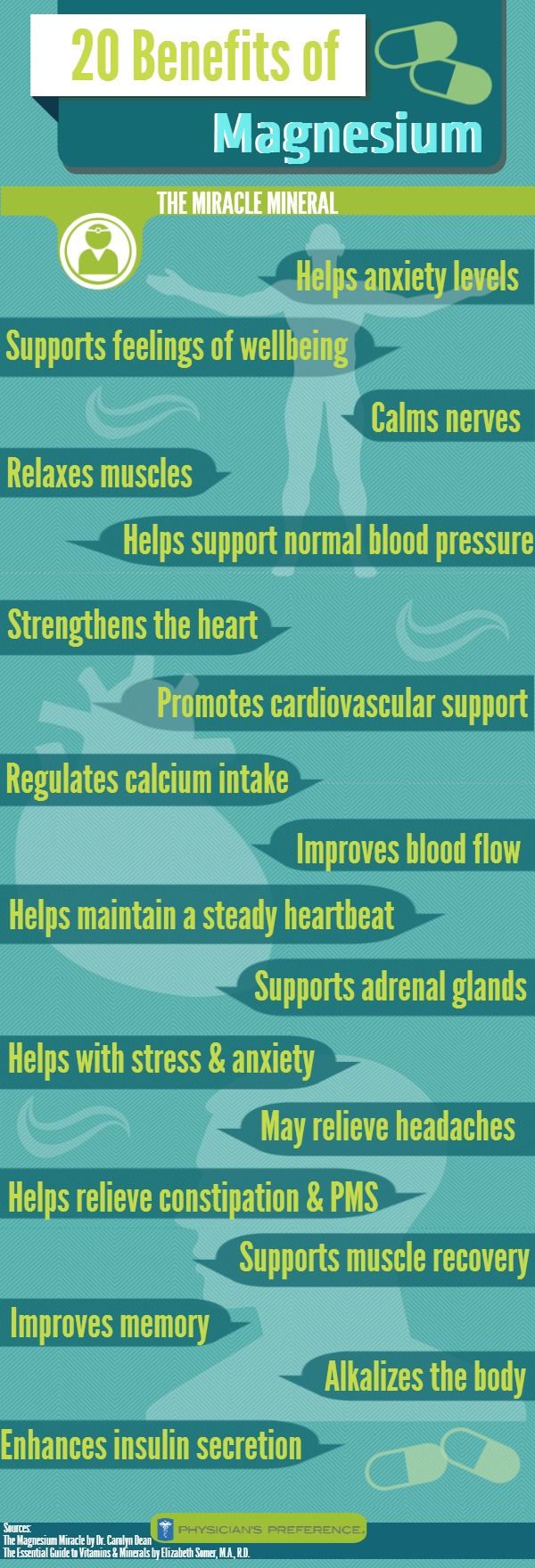
Included below is a vital health chart that contains the top 20 health benefits of magnesium. Some of these benefits include remedying sleeplessness and insomnia, calming the nerves, strengthening the heart, lowering blood pressure, relieving headaches and soothing PMS.
Chronic insomnia is one of the main symptoms of magnesium deficiency. Sleep in magnesium deficiency is usually agitated with frequent nighttime awakenings. On the other hand, a high magnesium diet has been found to be associated with deeper, less interrupted sleep. This was shown in a study done by the Human Nutrition Research Center in North Dakota.
This news is brought to you by Nutrition Breakthroughs, maker of Sleep Minerals II. Sleep Minerals II is the original magnesium and calcium based sleep remedy, known for soothing even the worst insomnia. It helps everyone from teenagers, to women with menopause symptoms, to older seniors, to get a good night’s sleep. For more information, visit the Sleep Minerals II page.
To your health,
Jobee Knight
Nutrition Breakthroughs
Provided by http://Nutrition Breakthroughs.com
Greetings to you,
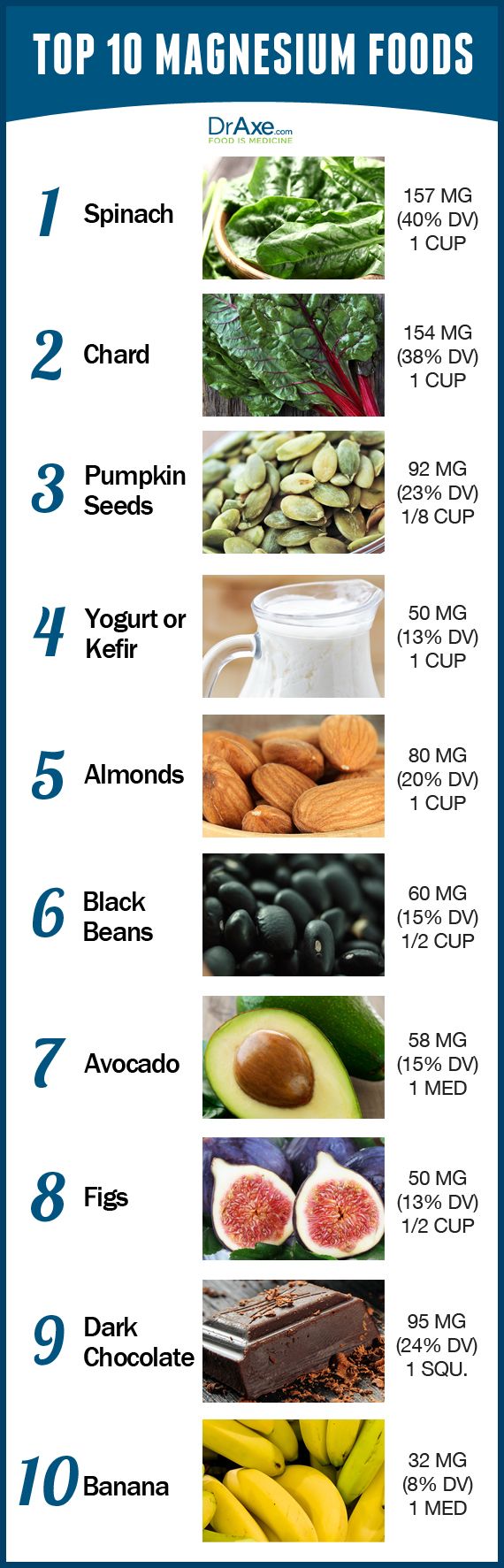
Magnesium deficiency is very common these days. A recent government study shows that 68% of Americans do not consume the recommended daily intake of magnesium. I’ve included a helpful chart below that contains some of the top magnesium rich foods. Magnesium supplements are a good option as well, particularly those containing magnesium citrate which is very absorbable.
Sidney Baker, M.D., a practicing doctor with a special interest in the nutritional aspects of chronic health problems says: “Magnesium deficiency can affect virtually every organ and system of the body. One may experience muscle twitches, cramps, soreness, back aches, neck pain, tension headaches, and fatigue or weakness.”
Studies show that magnesium can soothe insomnia, support heart health, normalize blood sugar, relieve headaches and ease menopause symptoms. In one study from the University of Iran, people with insomnia were given magnesium tablets twice a day for eight weeks. They experienced significant increases in quality sleep time, with less night time interruptions and fewer early morning awakenings.
This news is brought to you by Nutrition Breakthroughs. For more information on the original magnesium and calcium based sleep aid, visit the Sleep Minerals II web page.
To your good health,
Jobee Knight
Nutrition Breakthroughs.com
 News on Natural Remedies, Good Sleep and Good Health