News on Natural Remedies, Good Sleep and Good Health

Posts Tagged ‘Magnesium foods

Better sleep is something that millions of people with insomnia are looking for.

Per the American Academy of Sleep Medicine survey results, about 1 in 8 people, or 12% of Americans said they have been diagnosed with chronic insomnia.

What if one of the the keys to restful slumber could be related to what you put on your plate? Recent studies reveal that certain healthy carbohydrates can work wonders for improving sleep quality, helping you fall asleep faster and wake up less often. Here’s a breakdown of the top sleep-friendly carbs and how they benefit your body.

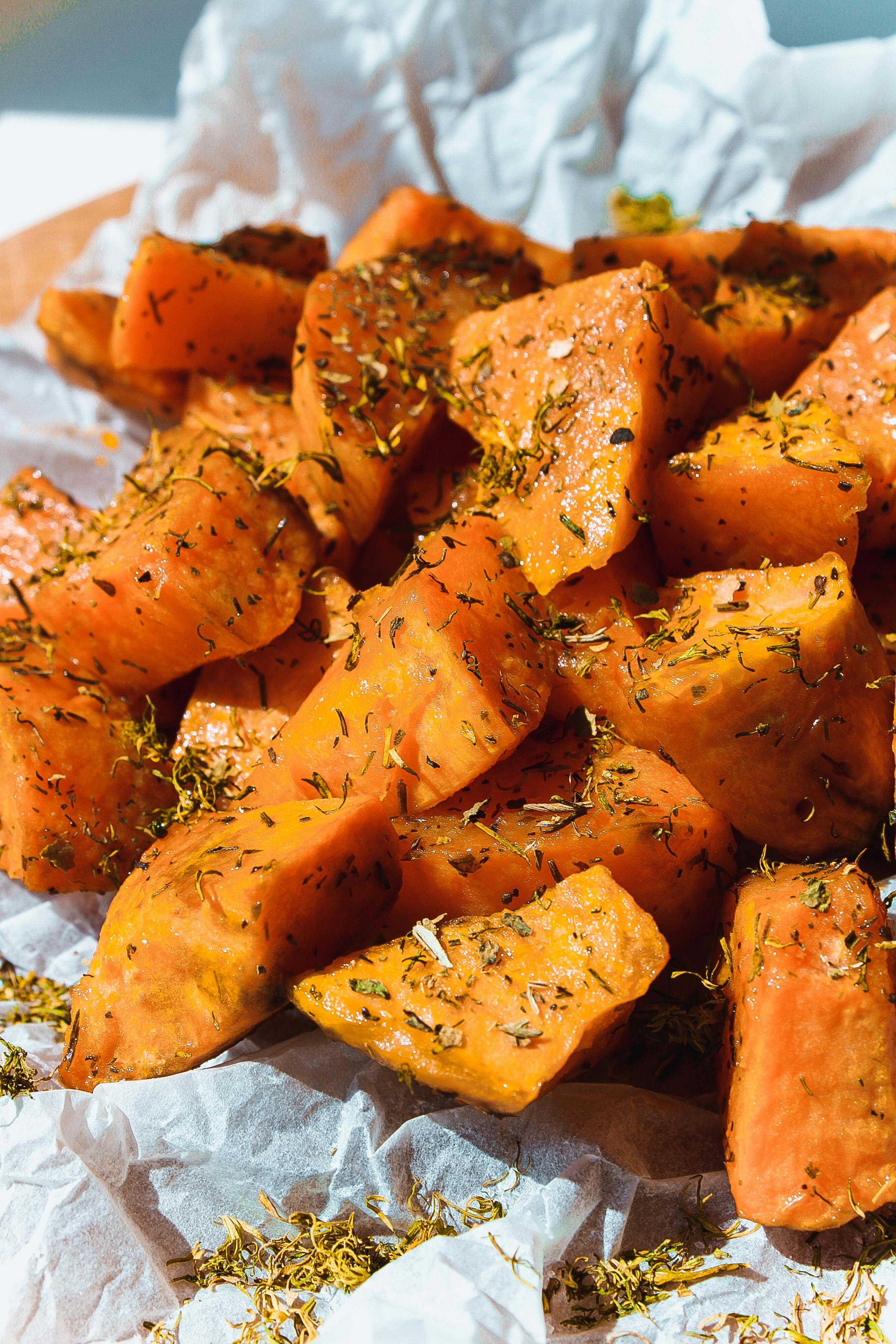
Sweet Potatoes: A Sleep Superfood

Sweet potatoes are not only delicious but also packed with sleep-promoting nutrients. High in potassium and magnesium, they help relax your muscles and reduce nighttime cramping.  A 2022 study in the *Journal of Clinical Sleep Medicine* highlighted that potassium-rich diets can reduce nighttime disruptions, making sweet potatoes an excellent choice for dinner.

Oats: The Comfort Carb

A bowl of oatmeal isn’t just a comforting snack; it’s a scientifically proven sleep booster. Oats are high in melatonin, a hormone that regulates sleep cycles, and they’re also a great source of calcium, which helps the brain use the amino acid tryptophan to produce melatonin. Plus, oats contain slow-digesting fiber that keeps blood sugar stable, preventing nighttime awakenings. According to a study in *Nutrients*, calcium is a vital nutrient for improving deep sleep.

Bananas: Nature’s Nightcap

Bananas are a natural sleep aid, loaded with magnesium, potassium, and vitamin C, which supports healthy nerves and reduces stress. They also contain tryptophan, an amino acid that promotes relaxation. Regarding the magnesium contained in bananas, an analysis of several different studies explored the impact of magnesium supplementation on sleep quality. The findings revealed that magnesium not only improves overall sleep quality but also enhances sleep duration.

Brown Rice: For Slow and Steady Rest

Brown rice is a fantastic option for those who wake up frequently during the night.  This whole grain provides steady energy and contains GABA, a natural brain chemical known for its calming effects on the nervous system. The Healthline website shared a study showing improved sleep from GABA supplementation. Brown rice is also a good source of the mineral manganese, which promotes strong, dense bones when combined with calcium and vitamin D.

According to the National Council on Aging, brown rice contains many of the B vitamins including B1, B3, B6, and B9. Vitamin B9, also known as folate, is a key player in helping the body produce serotonin and melatonin for a good night’s sleep

Quinoa: Iron for Strong Sleep

Quinoa is a complete protein and a top choice for vegetarians seeking sleep-friendly carbs. In addition to magnesium, quinoa is rich in iron, which supports healthy oxygen flow to the brain and reduces fatigue.  A 2023 study in *Advances in Nutrition* found that iron-rich diets can significantly reduce a form of insomnia known as restless leg syndrome.

A Recipe for Restful Nights

Incorporating these foods into your daily meals can pave the way for a relaxing night’s sleep. Whether it’s a sweet potato mash for dinner, a banana-oat smoothie before bed, or a quinoa salad for lunch, these healthy carbs will help you fall asleep better and wake up feeling refreshed.

Supplements for Better Sleep and Good Health

This natural health news is shared by Nutrition Breakthroughs, maker of the original and effective calcium and magnesium based sleep aid Sleep Minerals II (also containing vitamin D and zinc).

***** Suzanne G. of Tucson, Arizona says: “I am now taking the Sleep Minerals II capsules each night. I have had insomnia for most of my life and the longer I take Sleep Minerals, the better I sleep. The best thing is that I can now get back to sleep if I wake up in the night. It has given me such a sense of peace to know that I now can be well rested during the day. I also find my brain less foggy from lack of sleep. I have tried many products on the market and this is the one that is gold. Thank you so much for producing a quality product!”

This health news is shared with you by Nutrition Breakthroughs, maker of the effective natural sleep aid Sleep Minerals II (with magnesium, calcium, vitamin D and zinc), and the natural solution for joint relief, allergies, pain relief and increased energy, Joints and More.

This is a valuable guide and overview of the health benefits of magnesium, its deficiency symptoms, its best food sources and more. According to the National Health and Nutrition Examination Survey, 50% of adults are deficient in magnesium and 75% of older adults are deficient

This health news is shared with you by Nutrition Breakthroughs, maker of the effective natural sleep aid Sleep Minerals II, and the natural solution for joint relief, allergies, pain relief and increased energy, Joints and More.

Tags: , , , , , , , , , , , , , , , , , , , , , , , , , , , , , , , , , , , , , , , , , , , , , , , , , , , , , , , , , , , , , , , , , , , , , , , , , , , , , , , , , , , , , , , , , , , , , , , , , , , , , , , , , , , , , , , , , , , , , , , ,

Better sleep is something that millions of people with insomnia are looking for.

Per the American Academy of Sleep Medicine survey results, about 1 in 8 people, or 12% of Americans said they have been diagnosed with chronic insomnia.

What if one of the the keys to restful slumber could be related to what you put on your plate? Recent studies reveal that certain healthy carbohydrates can work wonders for improving sleep quality, helping you fall asleep faster and wake up less often. Here’s a breakdown of the top sleep-friendly carbs and how they benefit your body.

Sweet Potatoes: A Sleep Superfood

Sweet potatoes are not only delicious but also packed with sleep-promoting nutrients. High in potassium and magnesium, they help relax your muscles and reduce nighttime cramping.  A 2022 study in the *Journal of Clinical Sleep Medicine* highlighted that potassium-rich diets can reduce nighttime disruptions, making sweet potatoes an excellent choice for dinner.

Oats: The Comfort Carb

A bowl of oatmeal isn’t just a comforting snack; it’s a scientifically proven sleep booster. Oats are high in melatonin, a hormone that regulates sleep cycles, and they’re also a great source of calcium, which helps the brain use the amino acid tryptophan to produce melatonin. Plus, oats contain slow-digesting fiber that keeps blood sugar stable, preventing nighttime awakenings. According to a study in *Nutrients*, calcium is a vital nutrient for improving deep sleep.

Bananas: Nature’s Nightcap

Bananas are a natural sleep aid, loaded with magnesium, potassium, and vitamin C, which supports healthy nerves and reduces stress. They also contain tryptophan, an amino acid that promotes relaxation. Regarding the magnesium contained in bananas, an analysis of several different studies explored the impact of magnesium supplementation on sleep quality. The findings revealed that magnesium not only improves overall sleep quality but also enhances sleep duration.

Brown Rice: For Slow and Steady Rest

Brown rice is a fantastic option for those who wake up frequently during the night.  This whole grain provides steady energy and contains GABA, a natural brain chemical known for its calming effects on the nervous system. The Healthline website shared a study showing improved sleep from GABA supplementation. Brown rice is also a good source of the mineral manganese, which promotes strong, dense bones when combined with calcium and vitamin D.

According to the National Council on Aging, brown rice contains many of the B vitamins including B1, B3, B6, and B9. Vitamin B9, also known as folate, is a key player in helping the body produce serotonin and melatonin for a good night’s sleep

Quinoa: Iron for Strong Sleep

Quinoa is a complete protein and a top choice for vegetarians seeking sleep-friendly carbs. In addition to magnesium, quinoa is rich in iron, which supports healthy oxygen flow to the brain and reduces fatigue.  A 2023 study in *Advances in Nutrition* found that iron-rich diets can significantly reduce a form of insomnia known as restless leg syndrome.

A Recipe for Restful Nights

Incorporating these foods into your daily meals can pave the way for a relaxing night’s sleep. Whether it’s a sweet potato mash for dinner, a banana-oat smoothie before bed, or a quinoa salad for lunch, these healthy carbs will help you fall asleep better and wake up feeling refreshed.

Supplements for Better Sleep and Good Health

This natural health news is shared by Nutrition Breakthroughs, maker of the original and effective calcium and magnesium based sleep aid Sleep Minerals II (also containing vitamin D and zinc).

***** Suzanne G. of Tucson, Arizona says: “I am now taking the Sleep Minerals II capsules each night. I have had insomnia for most of my life and the longer I take Sleep Minerals, the better I sleep. The best thing is that I can now get back to sleep if I wake up in the night. It has given me such a sense of peace to know that I now can be well rested during the day. I also find my brain less foggy from lack of sleep. I have tried many products on the market and this is the one that is gold. Thank you so much for producing a quality product!”

Better sleep is something that millions of people with insomnia are looking for.

Per the American Academy of Sleep Medicine survey results, about 1 in 8 people, or 12% of Americans said they have been diagnosed with chronic insomnia.

What if one of the the keys to restful slumber could be related to what you put on your plate? (Continue reading to see the best carbs for better sleep ….)

———————————-
This natural health news is shared by Nutrition Breakthroughs, maker of the original and effective calcium and magnesium based sleep aid Sleep Minerals II (also containing vitamin D and zinc), and Joints and More, a natural supplement with MSM for joint support, less aches and pains, stronger hair and nails, and more energy.

Sleeping well through the night is vital for your health and for carrying out your daytime tasks efficiently. Here are some types of foods to avoid in the evening in order to get your best sleep […]

Food that keeps you awake at night! — Natural goodness

A nice, informative article from the Natural Goodness blog. The same goes for her video. She is a helpful source of natural health information. As a note, the best foods for good sleep include those high in magnesium such as avocado, banana, nuts, seeds and leafy greens. In addition, taking some absorbable forms of calcium and magnesium at night can help with a better, deeper night’s sleep.

—————————–

This health news is shared by Nutrition Breakthroughs, maker of the original calcium and magnesium based sleep aid Sleep Minerals II, and Joints and More, a natural supplement for joint relief, less aches and pains and more energy.

magnesiumGreetings,

Here’s a link to an interesting article from HealthLine on some proven natural remedies.

9 Home Remedies Backed by Science

The ninth remedy is magnesium-rich foods.  Magnesium helps everything from muscles and bones, to tiredness and headaches.  It’s also a known natural remedy for sleeplessness and insomnia.

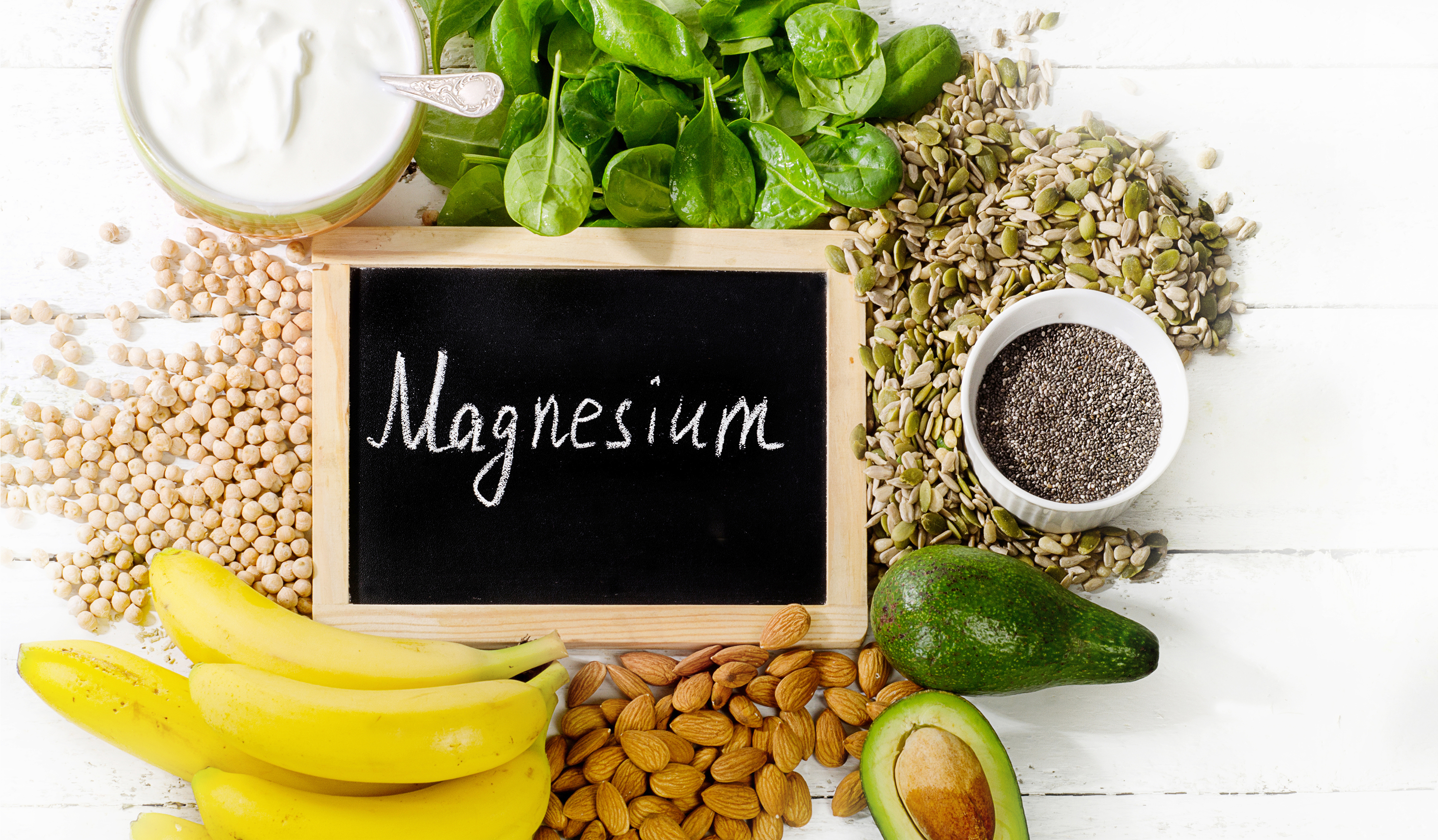
Some of the best magnesium-rich foods include almonds and other nuts, bananas, spinach, avocados, pumpkin seeds, yogurt, salmon and figs.

——————————————————–

This natural health news is shared by Nutrition Breakthroughs, a publisher of nutrition news and a supplier of natural remedies since 2002.  Nutrition Breakthroughs makes Sleep Minerals II, the effective natural sleep aid with calcium, magnesium, zinc and vitamin D.


insomnia, stress, sleep remediesBy Jessica Velasco | Courtesy of Natural News

******************************
Shared by Nutrition Breakthroughs,
maker of the effective calcium and magnesium based sleep aid Sleep Minerals II

******************************
You are what you eat,” as the saying goes. Apparently, what you eat affects how you sleep too.

Studies have found that nutrition has a huge impact on how well you do (or do not) sleep. Ensuring that you get sufficient amounts of the four nutrients listed below is a great step toward ridding yourself of sleep troubles and insomnia.

Foods rich in calcium1. Calcium

It is common knowledge that calcium is necessary for bone development. What is not as well-known is the subtle role that calcium plays in allowing your body to sleep well.

Calcium naturally soothes the nervous system, which speeds up the process of quieting down the mind prior to sleep. When you are stressed, calcium levels are rapidly depleted, which makes it even harder to fall asleep.

Good sources of calcium are organic dairy products, beans, nuts, seeds, seaweed, broccoli, and calcium-fortified products.

If you decide to take calcium supplements before bed, remember that your vitamin should also contain vitamin D as vitamin D facilitates calcium absorption.

2. MagnesiumFoods High in Magnesium on  wooden table.

Magnesium deficiency can lead to unexplained anxiety and nervousness, which makes it difficult to fall asleep.

Even worse is that once asleep, people with magnesium deficiency sleep lightly and wake up frequently. As a result, it is difficult to feel rested even in the morning even if you were able to fall asleep.

To counteract a deficiency, eat foods that are high in magnesium like almonds, cashews, and bran.

3. B-Complex Vitamins

Several vitamins are included in the B-complex. Vitamins B3, B5, B9, and B12 are particularly important in the body for regulating sleep cycles.

Vitamin B3, also known as niacin, is recommended to help people with depression or those who wake up frequently to sleep better. Vitamin B3 also enhances the effectiveness of tryptophan, an amino acid that aids in the production of serotonin (a mood regulator).

Vitamin B5, also known as pantothenic acid, can help reduce feelings of anxiety or stress. Without enough vitamin B5, you may start to feel fatigued yet unable to sleep.

In its natural state, the vitamin B9 is called folatefolic acid is the term used when the nutrient is man-made. Whether you get folate from your diet or folic acid from a supplement, it is yet another B vitamin deficiency that can exacerbate insomnia. Folate is found in green leafy vegetables (spinach, lettuce, broccoli), beans, peas, lentils, lemons, bananas, and melons.

Vitamin B12, also known as cobalamin, helps the body maintain its circadian rhythms, which control the sleep and wake cycles. Without enough B12, you may start to feel irritable, exhausted, and have trouble focusing and falling asleep. Many doctors recommend vitamin B12 to treat insomnia and possibly rectify other sleep disorders.

zinc foods4. Zinc

A study on the zinc levels of adults found that higher levels resulted in participants sleeping uninterrupted for longer duration.

Zinc is found in beef, lamb, sesame seeds, pumpkin seeds, cashews, turkey and lentils.

In closing, if you suffer from insomnia or sleep disturbances, take a moment to consider your diet. In general, if you eat well, you sleep well. Talk to your doctor about potential absorption issues that can lead to deficiencies, which in turn can cause insomnia.

A note from Nutrition Breakthroughs: Supplements that encourage good digestion and absorption of food and vitamins include digestive enzymes and probiotics such as acidophilus. Fermented foods like sauerkraut also add beneficial bacteria to the stomach.

This health news is shared by Nutrition Breakthroughs, a publisher of nutrition articles and supplier of effective natural remedies since 2002. Nutrition Breakthroughs makes the original calcium and magnesium based sleep aid Sleep Minerals II.


Article Source: http://blogs.naturalnews.com/four-nutritional-deficiencies-can-cause-insomnia/

There are roughly 151 calories in one ounce (28 grams) of shell-free pumpkin seeds, mainly from fat and protein.In addition, a 1-oz (28-gram) serving contains (1)

  • Fiber: 1.7 grams.
  • Carbs: 5 grams.
  • Protein: 7 grams.
  • Fat: 13 grams (6 of which are omega-6s).
  • Vitamin K: 18% of the RDI.
  • Phosphorous: 33% of the RDI.
  • Manganese: 42% of the RDI.
  • Magnesium: 37% of the RDI.
  • Iron: 23% of the RDI.
  • Zinc: 14% of the RDI.
  • Copper: 19% of the RDI.

They also contain lots of antioxidants and a decent amount of polyunsaturated fatty acids, potassium, vitamin B2 (riboflavin) and folate.

Pumpkin seeds and seed oil also contain many other nutrients that have been shown to provide health benefits (23).

Bottom Line: Pumpkin seeds are rich in antioxidants, iron, zinc, magnesium and many other nutrients. An ounce (28 grams) contains about 151 calories.

2. High in Antioxidants

Pumpkin seeds contain antioxidants like carotenoids (the yellow, red, and orange colors in vegetables) and vitamin E.

Antioxidants can reduce inflammation and protect your cells from harmful free radicals. Because of this, consuming foods rich in antioxidants can help protect against many different diseases.

It is thought that the high levels of antioxidants in pumpkins seeds are partly responsible for their positive effects on health.

In one study, inflammation was reduced when rats with arthritis were given pumpkin seed oil. Rats given an anti-inflammatory drug experienced negative side effects, whereas rats given pumpkin seed oil had no side effects.

Bottom Line: Pumpkin seeds are full of antioxidants that may help protect against disease and reduce inflammation.

3. Linked to a Reduced Risk of Certain Cancers

Hand Holding Pumpkin Seeds

Diets rich in pumpkin seeds have been associated with lower levels of stomach, breast, lung, prostate and colon cancers (5).

A large observational study found that eating them was associated with a reduced risk of breast cancer in postmenopausal women (9).

Others studies suggest that the lignans in pumpkin seeds may play a key role in the prevention and treatment of breast cancer (10). Lignans are special plant chemicals that can help to balance hormones.

Further test-tube studies found that a supplement containing pumpkin seeds had the potential to slow down the growth of prostate cancer cells.

Bottom Line: Some evidence suggests that pumpkin seeds may help to prevent certain cancers.

4. Improve Prostate and Bladder Health

Pumpkin seeds may help relieve symptoms of benign prostatic hyperplasia (BPH), a condition where the prostate gland enlarges and can cause problems with urination.

Several studies in humans found that eating these seeds reduced symptoms that are associated with BPH (13).

A study of over 1,400 men looked at the effects of consuming pumpkin seeds on BPH. After one year, men receiving them reported reduced symptoms and a better quality of life.

There is also research to suggest that taking pumpkin seeds or their products as supplements can help treat symptoms of an overactive bladder.

One study found that taking a supplement of 10 grams of pumpkin seed extract daily improved urinary function in 45 men and women with overactive bladders.

Bottom Line: Pumpkin seeds may reduce symptoms of benign prostate enlargement and an overactive bladder.

5. Very High in Magnesium

Bucket of Pumpkin Seeds

Pumpkin seeds are one of the best natural sources of magnesium. This is important, since magnesium deficiency is common in many Western countries.

In the US, around 79% of adults had a magnesium intake below the recommended daily amount.

Magnesium is necessary for more than 600 chemical reactions in the body. Adequate levels of magnesium are important for:

  • Controlling blood pressure
  • Reducing heart disease risk
  • Forming and maintaining healthy bones (19).
  • Regulating blood sugar levels

Bottom Line: Pumpkin seeds are a rich source of magnesium. Healthy magnesium levels are important for your blood pressure, heart health, bone health and blood sugar levels.

6. May Improve Heart Health

Bowl of Pumpkin Seeds on a Wooden Table

Pumpkin seeds are a good source of antioxidants, magnesium, zinc and fatty acids, all of which may help keep your heart healthy.

Animal studies have also shown that pumpkin seed oil can help reduce high blood pressure and high cholesterol levels.

These are two important risk factors for heart disease.

A study involving 35 postmenopausal women found that pumpkin seed oil supplements reduced diastolic blood pressure by 7% and increased the “good” HDL cholesterol by 16% over a 12-week period (25).

Other studies suggest that it may be the nitric oxide enzymes contained in pumpkin seed oil that are responsible for its positive effects on heart health.

Nitric oxide helps expand blood vessels, improving blood flow and reducing the risk of plaque growth in the arteries.

Bottom Line: Nutrients in pumpkin seeds may help keep your heart healthy by reducing blood pressure and increasing good cholesterol.

7. Can Lower Blood Sugar Levels

sack-of-pumpkin-seeds-and-wooden-scoop

Animal studies have shown that pumpkin, pumpkin seeds, pumpkin seed powder and pumpkin juice can reduce blood sugar.

This is especially important for people with diabetes, who may struggle to control their blood sugar levels.

Several studies have found that supplementing the diet with pumpkin juice or seed powder reduced blood sugar levels in people with type 2 diabetes.

The high magnesium content of pumpkin seeds may be responsible for its positive effect on diabetes.

An observational study involving over 127,000 men and women found that diets rich in magnesium were associated with a 33% lower risk of type 2 diabetes in men and a 34% lower risk in women.

More research is needed to confirm this beneficial effect on blood sugar levels.

Bottom Line: Pumpkin seeds may help reduce blood sugar levels for people with type 2 diabetes. However, more research is needed.

8. Very High in Fiber

Pumpkin seeds are a great source of dietary fiber. Whole seeds provide 5.2 grams of fiber in a single 1-oz (28-gram) serving.

However, pumpkin kernels with the shell removed contain 1.7 grams of fiber per ounce. These are the green pumpkin seeds available in most supermarkets.

A diet high in fiber can promote good digestive health.

In addition, high-fiber diets have been associated with a reduced risk of heart disease, type 2 diabetes and obesity.

Bottom Line: Whole pumpkin seeds are an excellent source of fiber. Diets high in fiber are associated with many health benefits, including a reduced risk of heart disease, diabetes and obesity.

9. May Improve Sperm Quality

Pumpkin Seeds

Low zinc levels are associated with reduced sperm quality and an increased risk of infertility in men.

Since pumpkin seeds are a rich source of zinc, they may help improve sperm quality.

Evidence from one study in mice suggests they may also help protect human sperm from damage caused by chemotherapy and autoimmune diseases.

Pumpkin seeds are also high in antioxidants and other nutrients that can contribute to healthy testosterone levels and improve overall health.

Together, all these factors may benefit fertility levels and reproductive function, especially in men.

Bottom Line: The high zinc content of pumpkin seeds may help improve sperm quality and fertility in men.

10. May Help Improve Sleep

If you have trouble sleeping, you may want to eat some pumpkin seeds before bed. They’re a natural source of tryptophan, an amino acid that can help promote sleep.

Consuming around 1 gram of tryptophan daily is thought to help improve sleep.

However, you would need to eat around 7 oz (200 grams) of pumpkin seeds to get the necessary 1 gram of tryptophan.

The zinc in these seeds can also help convert tryptophan to serotonin, which is then changed into melatonin, the hormone that regulates your sleep cycle.

In addition, pumpkin seeds are an excellent source of magnesium. Adequate magnesium levels have also been associated with better sleep (34).

Some small studies have found that taking a magnesium supplement improved sleep quality and total sleep time in people with low magnesium levels (3536).

Bottom Line: Pumpkin seeds are a good source of tryptophan, zinc and magnesium, all of which help promote good sleep.

11. Easy to Add to Your Diet

Soup, Bread and Pumpkin Seeds

If you’d like to experience the benefits of pumpkin seeds, they’re easy to incorporate into your diet.

In many countries, they’re a popular snack that can be eaten either raw or roasted, salted or unsalted.

As well as eating them alone, you can add them to smoothies or to Greek yogurt and fruit.

You could incorporate them into meals by sprinkling them into salads, soups or cereals. Some people use pumpkin seeds in baking, as an ingredient for sweet or savory bread and cakes.

However, as with many seeds and nuts, they contain phytic acid, which can reduce the bioavailability of some nutrients you eat.

If you eat seeds and nuts regularly, you may want to soak or sprout them to reduce the phytic acid content. Roasting them may also help.

Bottom Line: Pumpkin seeds can be easily incorporated into the diet as a snack or as an additional ingredient in meals or baking.

Do Pumpkin Seeds Have Any Other Benefits?

The rich nutrient content of pumpkin seeds means they may provide many other health benefits, such as improved energy, mood and immune function.

Eating them can help solve dietary deficiencies and may protect against various health problems.

This health news is shared by Nutrition Breakthroughs, a publisher of nutrition articles and supplier of effective natural remedies since 2002. Nutrition Breakthroughs makes the original calcium and magnesium based sleep aid Sleep Minerals II.

Article Source: https://authoritynutrition.com/11-benefits-of-pumpkin-seeds/

Related Article: New Chart on the Benefits of Seeds: Flax, Chia, Pumpkin — http://www.nutritionbreakthroughs.com/blog/2015/02/15/new-chart-on-the-benefits-of-seeds-flax-chia-pumpkin/

Tags: , , , , , , , , , , , , , , , , , , , , , , , , , , , , , , , , , , , , , , , , , , , , , , , , , , , , , , , , , , , , , , , , , , , , , , , , , , , , , , , , , , , , , , , , , , , , ,

magnesium sleepBy Forrest Nielsen
From the Human Nutrition Research Center of the U.S. Dept. of Agriculture

Can’t sleep? You are not alone. Not being able to sleep, or insomnia, is a common complaint, especially among people older than 50. More than half of all people aged 65 years and older have sleep problems.

Not surprisingly, lack of sleep is caused mainly by factors that are more common later in life, such as breathing problems, illness and medications. Yet, scientists have proved that poor sleep is not a natural part of aging.

Five common complaints are trouble falling asleep, waking up, awaking too early, needing to nap and not feeling rested.

Lack of sleep is a health concern because it can cause attention and memory problems, depressed mood and body chemistry changes that foster heart disease, diabetes and osteoporosis.

A factor getting more attention recently is poor nutrition. A low intake of the mineral magnesium may be one nutritional factor causing sleep problems.

Magnesium plays a key role in the body’s chemistry that regulates sleep. This may be why persons with long-term lack of sleep, or abnormal brain waves during deep sleep, often have low magnesium in their blood.

Some small studies with humans and rats also suggest that magnesium is needed for good sleep. Magnesium treatment increased deep sleep and improved brain waves during sleep in 12 elderly subjects. Magnesium treatment decreased time to fall asleep and improved sleep quality of 11 alcoholic patients who often have a low magnesium status. Magnesium deficiency increased time awake at the expense of deep sleep in rats. Feeding magnesium to the rats restored their sleep patterns to normal.

The diets of many people do not contain enough magnesium for good health and sleep. In 1997, the United States Food and Nutrition Board set the recommended dietary allowance (or daily intake) for magnesium at 320 milligrams for women and 420 milligrams for men between ages 51 and 70.

A national food consumption survey found that many Americans, especially older women, consume less than the recommended amount for magnesium.  Another risk factor for low magnesium status in older women is the use of calcium supplements without magnesium for bone health. High calcium intakes can make magnesium deficiency worse.

Perhaps, you have heard or read of the folk remedy of drinking a glass of warm milk before going to bed if you have trouble with falling asleep. This remedy may work for some people because milk is a fair source for magnesium. A glass of milk provides about 30 milligrams of magnesium. This amount of magnesium could be the difference between a deficient and adequate magnesium status for many people.

Other foods that have good amounts of magnesium are whole grains, nuts and green leafy vegetables. Green leafy vegetables are a good source of magnesium because the green color is chlorophyll, a chemical that contains magnesium and converts sunlight into food energy.

*********************************************

This health news is provided by Nutrition Breakthroughs, maker of the effective natural sleep aid featuring calcium and magnesium, Sleep Minerals II.

Kimberly B. of Troy Michigan says: “I have been taking Sleep Minerals II for about a month now. I have tried everything out there and this supplement is amazing. I have suffered with insomnia for two and a half years and have had restless leg syndrome my entire life. This is the first relief I’ve ever had…it’s gone for a month now.”

For more information, visit the Sleep Minerals II page.

Source: Grand Forks Human Nutrition Research Center : Do you have trouble sleeping? More magnesium might help.