News on Natural Remedies, Good Sleep and Good Health

Posts Tagged ‘magnesium deficiency insomnia

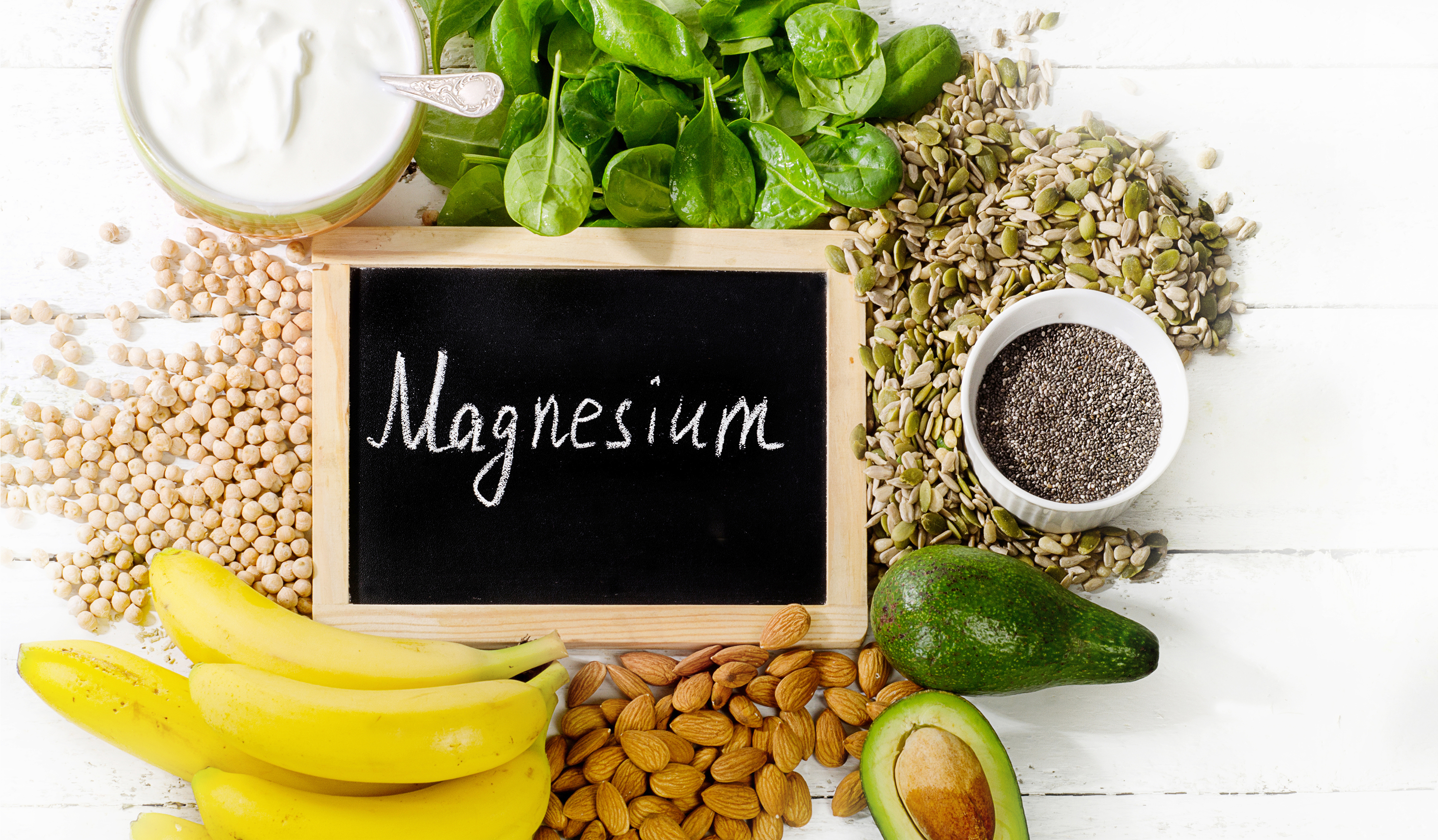
Magnesium energyMagnesium: Sleep Better and Reduce Insomnia — from the Poliquin Group

Magnesium has a calming effect on the nervous system, meaning that if you are deficient your heart rate and nervous system will be sent into overdrive.

Additionally, lack of magnesium has shown to alter electrical activity in the brain, causing agitated sleep and frequent awakenings.

A recent study of people with poor sleep quality as measured with the Pittsburg Sleep Quality Index found that taking a magnesium supplement decreased chronic inflammatory stress levels and improved sleep quality.  The researchers suggested that adding magnesium to their diets decreased the participants’ nervous activity, effectively reducing stress and allowing them to relax.

Take note that in this study, lower magnesium levels were also associated with a higher body mass index, indicating the connection between body fat percentage and magnesium levels.

A second study supported the relationship between low magnesium levels, sleep deprivation, nervous system stimulation, and elevated heart rate response to exercise. Participants were chronically sleep restricted and it was found that a decrease in magnesium levels coincided with increasing levels of sleep deprivation.

At the same time, stress hormone concentration increased—an indication of nervous stimulation—which was suggested as the reason for the diminishing magnesium levels. Meanwhile, heart rate was elevated after a fatiguing exercise test, lending support to the connection between low magnesium, high stress, and anxiety.

TAKEAWAY : Take Magnesium to help you sleep restfully throughout the night and de-stress.

Comments from the blog author Nutrition Breakthroughs:  Regarding the use of minerals for better sleep, one study called “The Nutritional Relationships of Magnesium”, notes that the type of insomnia associated with a calcium deficiency causes difficulty with falling asleep. The classical sign of magnesium deficiency is insomnia characterized by falling asleep easily, but awakening frequently throughout the night, with individuals finding themselves tired even after several hours of sleep.

It’s important to note that a balanced calcium magnesium ratio is important to overall health, and these two minerals should be taken together for best results (in a two to one ratio with twice as much calcium and magnesium).  The original research on this recommended ratio appeared in 1935 in the Journal of Physiological Reviews.

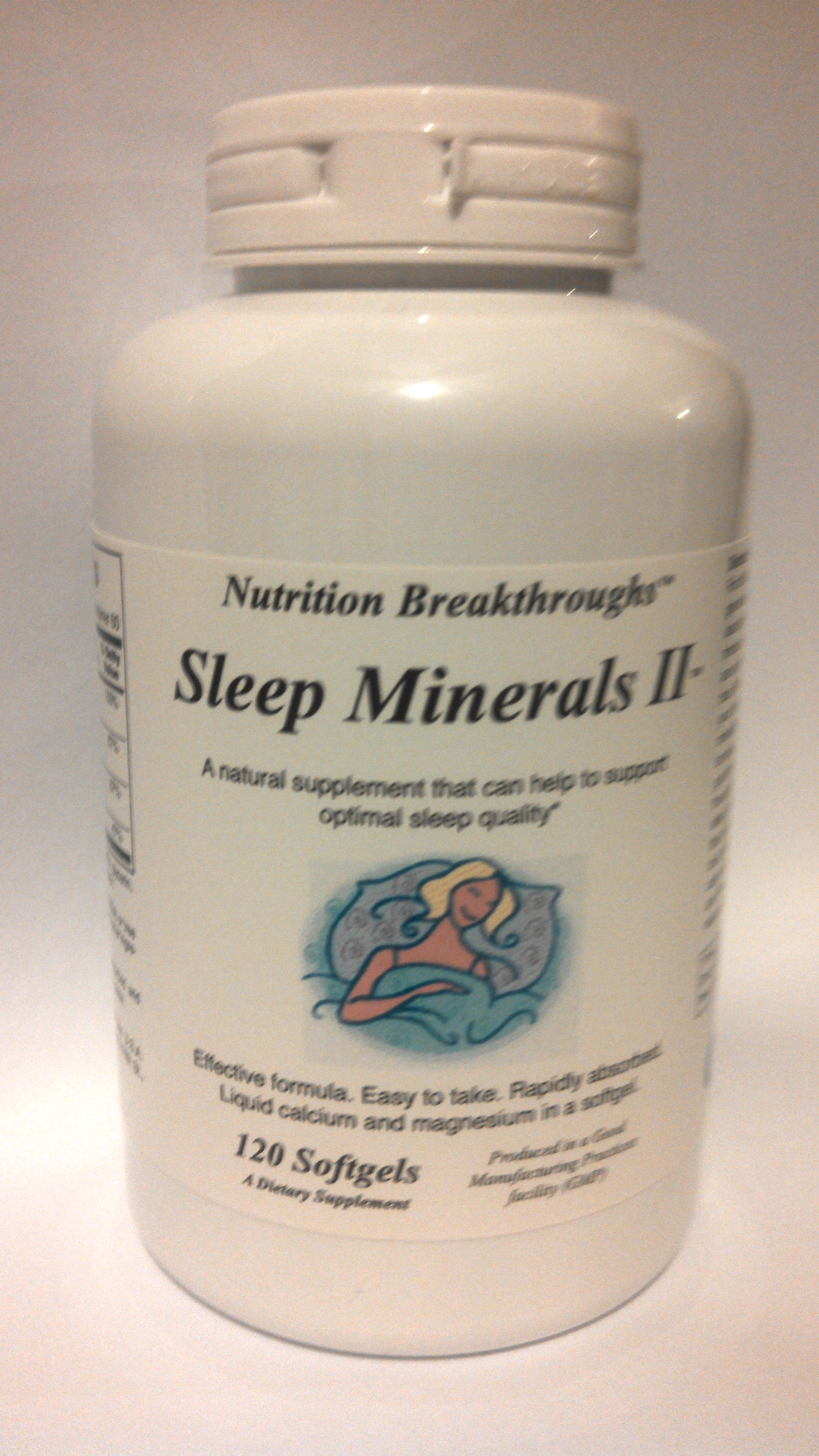
In addition, a softgel form containing healthy carrier oils mixed with the minerals is more digestible than tablets or capsules, and provides a deeper, longer-lasting sleep. One formula that has these qualities and is gaining in popularity with people of all ages is Sleep Minerals II from Nutrition Breakthroughs.

Sleep Minerals II contains highly absorbable forms of the best minerals for relaxation — calcium and magnesium, combined with vitamin d, zinc, and heart-healthy rice bran oil in a softgel.

Kimberly B. of Troy, Michigan says: “I have been taking Sleep Minerals II for about a month now. I have tried everything out there and this supplement is amazing. I have suffered with insomnia for 2 1/2 years. I have also had restless leg syndrome my entire life and this is the first relief I’ve ever had…gone for a month now.”

For more information on Sleep Minerals II visit this information page.


Spider Plant Cleans Air

By Dr. Joseph Mercola, a physician trained in both traditional and natural medicine who provides up-to-date natural health information.

***************************************
This article is shared by Nutrition Breakthroughs, maker of the effective calcium, magnesium and vitamin D based sleep aid Sleep Minerals II.
***************************************

Did you know that some air pollutants are 100 times more concentrated in your home than they are outside? You are dependent on quality air to support your respiratory system and your overall health.

Unfortunately, several sociological studies demonstrate the average amount of time a person living in the U.S. spends indoors is close to 92 percent of their day. The data indicates people who are employed spend 2 percent of their time outside and 6 percent in transit between home and work.

This means the quality of the indoor air you breathe is very important to your long-term health. According the Environmental Protection Agency (EPA), poor indoor air quality is one of the top public health risks you face each day.

Poor quality air has been linked to a number of different health effects that may be experienced immediately or several years later. Understanding and controlling the indoor air pollution you are exposed to by making small changes to your living space may help reduce your health risks.

Your Indoor Air Quality May Be 100 Times Worse Than Outside

indoor-air-pollutionYou may think of outdoor air as being polluted and your indoor air as clean because you don’t detect chemical smells or notice smog in the air at home or in the office. As it turns out, the air in your home may be more dangerous to your health than the air outdoors.

According to the EPA (Environmental Protection Agency), the levels of indoor air pollution in your home may be between two and five times higher than they are outside. Some of the different pollutants you breathe can even be as much as 100 times more concentrated inside.

Many newer homes and buildings are also built with an eye toward reducing utility costs. This requires the building or home owner to purposefully ventilate the building for air exchange. Although these buildings lower utility costs, they increase your risk of health conditions when not ventilated.

Both the National Cancer Institute (NCI) and the Centers for Disease Control and Prevention (CDC) have established that 80 percent of all cancers may be attributed to factors from your environment.

Rather than genetic factors being responsible for the majority of cancers, exposure to carcinogenic chemicals and toxins are among the causative factors.

This was proposed as far back as 1977, when four scientists explained evidence from their data indicating 80 percent of all cancers were triggered by environmental factors. Their studies included data relating to variations in geography, changes to risk over time, migrants, correlations studies and case reports.

What Is in the Air You Breathe?

The source of indoor pollution is a combination of interactions between the building, the occupants, climate, construction, furnishings and contaminated sources.Pollution generated by occupants is related to tobacco smoke and the products you may bring into your home, such as air fresheners and cleaning supplies.

There are a number of different contributors to the rise in poor air quality in your home or office. Although volatile organic compounds (VOCs) is listed as one contributor, there are hundreds of different products you may find in your home that emit VOCs. The variety of contributors to indoor pollution include:

Asbestos Bacteria and viruses Building and paint products
Carbon monoxide Carpets Cleaning supplies and household chemicals
Cockroaches Dust mites and dust Formaldehyde
Lead Pet dander Radon
Secondhand smoke VOCs Fire retardants

VOCs are a specific and rather dangerous type of pollution emitted from products such as aerosol sprays, cleaning supplies, wood preservatives, hobby supplies and pressed wood products. Some of the more familiar names are benzene, formaldehyde and toluene.

Most of the health studies have focused on exposure to one VOC, so less is known about the effects on your health when these chemicals are found in combination.Although the toxicity levels for each of the separate VOCs has been determined, there are no real safe levels, and in combination those toxic levels may be lower.

How Indoor Air Pollution Impacts Your Health

Indoor air pollution can result in both short-term and long-term effects on your health. Children are especially vulnerable to chemicals and pollutants, both in their home and their school. Stay watchful for symptoms of air pollution in your children and get involved in your school district to improve the quality of their air.

Short-term symptoms of exposure to indoor air pollution resemble symptoms you experience from an allergy or a cold. They include:

Worsening asthma Itchy watery eyes Headaches
Dizziness Fatigue Scratchy throat
Runny nose

While these symptoms usually disappear within a couple hours after no longer being exposed to the pollutant, long-term health conditions don’t simply resolve by removing yourself from the polluted environment. These health conditions include:

  • Bronchitis, asthma and emphysema
  • Accelerated aging of lung tissue and lung cancer
  • High blood pressure,heart attack and stroke
  • Shortened lifespan
  • Decreased cognitive function

Houseplants Improve Your Home Environment

Jade Plant for Cleaner Air

Houseplants are very functional decorations for your home and office that brighten your space, improve your mood and clean your air.

Several studies have found potted plants improve your work and living space by reducing your blood pressure, improving your attention and productivity, lowering your anxiety levels and raising your job satisfaction.

Other research has demonstrated that doing tasks around plants has led to a higher degree of accuracy and better results in the task performed. Memory retention and concentration also improved in this study. The researchers found that exposure to plants improved memory performance by 20 percent.

Research has also demonstrated that indoor plants kept close to an individual’s space at work had a statistically significant effect on how many sick days they took and their level of productivity. These associations may have practical significance when applied to a large number of workers over time.

Plants may also be used for phytoremediation, or the mitigation of pollution in air, soil and water. Scientists from the National Aeronautics and Space Administration (NASA), University of Georgia and Pennsylvania State University have demonstrated that potted plants in your home can improve your air quality.

Plants remove pollutants by absorbing them through their leaves and roots, in much the same way they clean the outdoor air from the pollution given off by manufacturing plants, cars and heating systems.

Plants You May Use to Decorate and Improve Your Air Quality

Most leafy plants are adept at removing some pollution from your indoor air. However, scientists have also discovered there are several that are better at removing VOCs from your home and workplace. NASA was behind some of the initial research in 1989 to determine specific plants that might be useful to reduce pollution in sealed environments.

Researchers have continued to investigate the abilities of different plants to clean your indoor air of pollution. More recent research has identified these 12 houseplants as those that are most beneficial, and the specific VOCs they are adept at removing. The results from this study are on the agenda of a meeting of the American Chemical Society.

Jade Plant

Particularly good at absorbing toluene emitted from gasoline, paint, kerosene and lacquers. These plants flourish in medium light, single pot and room temperature. Allow the soil to dry between watering; brown leaves indicate they need more water.

Spider Plant

These plants can absorb up to 90 percent of formaldehyde and carbon monoxide from tobacco smoke and O-xylene from fuels and P-xylene found in plastics. (This plant is also called the airplane plant.) It is resilient and survives well even if you don’t have a green thumb. The plant is safe for your pets and easy to grow.

scarlet star plantScarlet Star Plant

In the family of Bromeliads, as is the pineapple, this plant easily purifies the air of 90 percent of benzenes emitted from glues, furniture wax, detergent and paint. These plants are easy to grow indoors and have very few problems with pests. They withstand drought well, but never overwater them.

Caribbean Tree Cactus

These lovely cactus plants can absorb up to 80 percent of the ethylbenzene in the space they are kept. This chemical is emitted from electronic products, construction material, garden care products, toys and furniture.

Most cactus plants will do well in pots with the right amount of food, light and water. Although they withstand the drought well, they do require more water indoors than they do in the ground.

Dracaena

Dracaena PlantThese beautiful variegated leaf plants absorb 90 percent of the acetone from household cleaners and nail polish remover.

Ferns

These leafy plants require a lot of water and provide humidity for your home.

Peace Lily

These plants come in either a solid color or variegated leaf variety. They bloom in the spring and don’t require much light. Keep them close at hand in your office as they absorb electromagnetic radiation from your digital devices and humidify the air.

English Ivy

Easy to grow and care for, they are excellent at absorbing the toxins from cigarette smoke and cleansing the air for people suffering from asthma.

Ficus

Slightly more difficult to care for, the Ficus cleanses odors from the air and reduces toxic substances from your home and office. There are several varieties of the plant.

Snake Plant or Mother-in-Law’s Tongue

This plant is easy to care for and grows well. It removes benzene and formaldehyde and increases the oxygen supply in the room at night.

Philodendron

Philodendron Houseplant These are favorite plants as they are easily grown and look great in hanging pots. They efficiently detoxify formaldehyde but are toxic to cats and dogs.

Bamboo Palm

Also known as the Reed Palm, this plant thrives indoors and readily absorbs formaldehyde outgassing from furniture. If you’ve purchased a new chair or couch you may want to decorate with a couple of these plants.

A Note from Nutrition Breakthroughs: Keep as many of these plants as possible in your home and work environment to help purify the air and protect your health.

This article is shared by Nutrition Breakthroughs, maker of the effective calcium, magnesium and vitamin D based sleep aid Sleep Minerals II.

Get a free e-book from Dr. Mercola on how to take control of your health, at this link – https://www.mercola.com/ebook/take-control-of-your-health.aspx

vitamin e foodsA study from the journal “Oxidative Medicine and Cellular Longevity” has demonstrated that vitamin E can prevent and treat the loss of muscle mass and strength that occurs as people age.  This loss of muscle is known as “sarcopenia”.

Regarding the word “oxidative” that is included in the journal name, this refers to the process in our bodies where we process the oxygen we breathe in, and our cells produce energy from it.

This process can become imbalanced and create a state of “oxidative stress” if we don’t consume enough “anti” oxidants such as vitamins E, C and A.  Besides the body’s own natural metabolism functions, sources of oxidative stress can include pollution, medications or drugs, smoke, infection, stress, toxins, or a poor diet.

The researchers explain that vitamin E creates healthy muscles because a reduced level of vitamin E or a deficiency in the body is associated with an increased risk of muscle atrophy (shrinkage).  The vitamin can prevent muscle damage and encourage muscle regeneration.

Muscles in the body are particularly susceptible to oxidative damage as these are the site of the highest consumption of oxygen. Vitamin E is a fat soluble vitamin that greatly boosts cellular antioxidant capacity.  Because of this, vitamin E can be beneficial for preventing the effects of aging and for also treating infections, cardiovascular diseases, diabetes and neurological disorders.

Several studies have demonstrated an association between vitamin E levels and the amount of muscle strength or weakness.  One study in Italy was done with 1,156 participants between 65 years old and 102.  Knee extension strength tests showed that a daily intake of vitamin E is significantly related to a person’s total physical performance and strength.

Another group of scientists proved the beneficial effects of vitamin E in reversing muscle damage during extensive exercise in men.  The men took 800 units of Vitamin E daily for 28 days.  After a downhill run, their oxidative stress indicators were measured and were shown to be markedly reduced in both the older and younger men.

Vitamin E has many pathways by which it brings its beneficial health effects.  In addition to being a powerful antioxidant, it is also an effective anti-inflammatory vitamin.  It may halt the overall inflammation in the body by suppressing certain reactive cells of the immune system.  These inflammatory responses and cells have a direct affect on muscle strength and mass as well, so vitamin E does its good deeds in benefiting the muscles in this additional way.

Inactivity and immobility can lead to muscle wasting, so the researchers highly encourage low intensity exercises as an effective means to increase muscle strength and performance.  This may include walking, lifting light weights, doing squats, etc.  This also increases a person’s ability to balance and control the body well.  Combining a healthy diet with nutrition supplements and exercise is the most highly recommended approach to improved muscle strength.

Vitamin E has also been shown to ease arthritis pain and stiffness.  One study showed that pain parameters were significantly decreased after vitamin E treatment when compared with placebo.

This natural health news is provided by Nutrition Breakthroughs, a publisher of nutrition articles and supplier of natural remedies since 2002. Nutrition Breakthroughs makes Sleep Minerals II, the effective natural sleep aid with calcium, magnesium, zinc and vitamin D, and also Joints and More, the natural solution for joint relief, aches and pains, stronger hair and nails and more energy.


Article source: http://www.nutritionbreakthroughs.com/blog/2018/03/22/new-research-vitamin-e-prevents-muscle-loss-with-aging/

Tags: , , , , , , , , , , , , , , , , , , , , , , , , , , , , , , , , , , , , , , , , , , , , , , , , , , , , , , , , , , , , , , , , , , , , , , , , , , , , , , , , , , , , , , , , , , , , , , , , , , , , , , , , , , , ,

insomnia, stress, sleep remediesBy Jessica Velasco | Courtesy of Natural News

******************************
Shared by Nutrition Breakthroughs,
maker of the effective calcium and magnesium based sleep aid Sleep Minerals II

******************************
You are what you eat,” as the saying goes. Apparently, what you eat affects how you sleep too.

Studies have found that nutrition has a huge impact on how well you do (or do not) sleep. Ensuring that you get sufficient amounts of the four nutrients listed below is a great step toward ridding yourself of sleep troubles and insomnia.

Foods rich in calcium1. Calcium

It is common knowledge that calcium is necessary for bone development. What is not as well-known is the subtle role that calcium plays in allowing your body to sleep well.

Calcium naturally soothes the nervous system, which speeds up the process of quieting down the mind prior to sleep. When you are stressed, calcium levels are rapidly depleted, which makes it even harder to fall asleep.

Good sources of calcium are organic dairy products, beans, nuts, seeds, seaweed, broccoli, and calcium-fortified products.

If you decide to take calcium supplements before bed, remember that your vitamin should also contain vitamin D as vitamin D facilitates calcium absorption.

2. MagnesiumFoods High in Magnesium on  wooden table.

Magnesium deficiency can lead to unexplained anxiety and nervousness, which makes it difficult to fall asleep.

Even worse is that once asleep, people with magnesium deficiency sleep lightly and wake up frequently. As a result, it is difficult to feel rested even in the morning even if you were able to fall asleep.

To counteract a deficiency, eat foods that are high in magnesium like almonds, cashews, and bran.

3. B-Complex Vitamins

Several vitamins are included in the B-complex. Vitamins B3, B5, B9, and B12 are particularly important in the body for regulating sleep cycles.

Vitamin B3, also known as niacin, is recommended to help people with depression or those who wake up frequently to sleep better. Vitamin B3 also enhances the effectiveness of tryptophan, an amino acid that aids in the production of serotonin (a mood regulator).

Vitamin B5, also known as pantothenic acid, can help reduce feelings of anxiety or stress. Without enough vitamin B5, you may start to feel fatigued yet unable to sleep.

In its natural state, the vitamin B9 is called folatefolic acid is the term used when the nutrient is man-made. Whether you get folate from your diet or folic acid from a supplement, it is yet another B vitamin deficiency that can exacerbate insomnia. Folate is found in green leafy vegetables (spinach, lettuce, broccoli), beans, peas, lentils, lemons, bananas, and melons.

Vitamin B12, also known as cobalamin, helps the body maintain its circadian rhythms, which control the sleep and wake cycles. Without enough B12, you may start to feel irritable, exhausted, and have trouble focusing and falling asleep. Many doctors recommend vitamin B12 to treat insomnia and possibly rectify other sleep disorders.

zinc foods4. Zinc

A study on the zinc levels of adults found that higher levels resulted in participants sleeping uninterrupted for longer duration.

Zinc is found in beef, lamb, sesame seeds, pumpkin seeds, cashews, turkey and lentils.

In closing, if you suffer from insomnia or sleep disturbances, take a moment to consider your diet. In general, if you eat well, you sleep well. Talk to your doctor about potential absorption issues that can lead to deficiencies, which in turn can cause insomnia.

A note from Nutrition Breakthroughs: Supplements that encourage good digestion and absorption of food and vitamins include digestive enzymes and probiotics such as acidophilus. Fermented foods like sauerkraut also add beneficial bacteria to the stomach.

This health news is shared by Nutrition Breakthroughs, a publisher of nutrition articles and supplier of effective natural remedies since 2002. Nutrition Breakthroughs makes the original calcium and magnesium based sleep aid Sleep Minerals II.


Article Source: http://blogs.naturalnews.com/four-nutritional-deficiencies-can-cause-insomnia/

young women calf pain on white backgroundBy Dr. Joseph Mercola, a physician trained in both traditional and natural medicine who provides up-to-date natural health information.

******************************
This article is shared by Nutrition Breakthroughs, maker of the effective calcium, magnesium and vitamin D based sleep aid Sleep Minerals II.
******************************

A charley horse, or muscle cramp particularly in your calf muscles, is an incredibly common condition that results in your muscles becoming tight, stiff and extremely painful. If you’re an adult, there’s a good chance you’ve had one at some point (and likely multiple points) during your lifetime.

In case you’re a trivia buff and wondering why these muscle cramps are referred to as “charley horses” (a name that’s primarily used in North America), it’s said to be a tribute to Charley “Old Hoss” Radbourne, an 1880s-era baseball pitcher who often suffered from muscle cramps during games.

Another version states the term came from a lame work horse named Charley who limped around doing various jobs around the baseball park (also in the 1880s).

Whenever a baseball player would get injured or have a cramp in the lower legs, thus limping around like Charley the horse, teammates would call the player “Charley Horse.” Regardless of the name’s origin, the pain of a charley horse is unmistakable and can be excruciating.

What Causes a Charley Horse?

According to the Cochrane Database of Systematic Reviews, about 1 in every 3 adults is affected by muscle cramps in their lower limbs. In many cases, the pain is temporary and goes away on its own, but for some the cramps interfere with sleep, quality of life and daily activities.

In one study of more than 500 people aged 60 years and older, 31 percent reported being woken up by muscle cramps and 15 percent had cramps more than three times a month. Anyone can get a charley horse, but they’re most common in the following populations and scenarios:

  • During exercise
  • At nighttime, especially in the elderly
  • In pregnant women
  • In people with neurological disease
  • During kidney dialysis

It’s not clear what triggers a charley horse to occur, but it is thought the cramp may be related to a rapidly firing nerve (up to 150 electrical dischargers per second), which causes the muscle to tense up, as opposed to an issue with the muscle tissue itself.

Many medications are also associated with muscle cramps, including statin cholesterol-lowering drugs, ACE inhibitors (blood pressure drugs), certain asthma drugs, diuretics and more. In addition, the following factors may also increase your risk of a charley horse:

  • Poor blood circulation in your legs
  • Muscle fatigue
  • Dehydration
  • Mineral deficiencies, including magnesium, potassium or calcium

magnesium and menopauseIs Magnesium Deficiency Causing Your Charley Horses?

By some estimates, up to 80 percent of Americans are not getting enough magnesium and may be deficient. Other research shows only about 25 percent of U.S. adults are getting the recommended daily amount of 310 to 320 milligrams (mg) for women and 400 to 420 for men.

Magnesium is often thought of primarily as a mineral for your heart and bones, but this is misleading. Researchers have now detected 3,751 magnesium-binding sites on human proteins, indicating that its role in human health and disease may have been vastly underestimated.

Further, if you suffer from charley horses, low levels of magnesium could be to blame. Magnesium is necessary for activating muscles and nerves, and a key sign of ongoing magnesium deficiency can be muscle contractions and cramps like charley horses.

Magnesium deficiency may be particularly problematic for your muscles in the presence of an overabundance of calcium. Americans in general tend to have a higher calcium-to-magnesium ratio in their diet, averaging about 3.5-to-1.

If you have too much calcium and not enough magnesium, your muscles will tend to go into spasm. According to Dr. Carolyn Dean, a medical and naturopathic doctor:

“What happens is the muscle and nerve function that magnesium is responsible for is diminished. If you don’t have enough magnesium, your muscles go into spasm.

Calcium causes muscle to contract. If you had a balance, the muscles would do their thing. They’d relax, contract and create their activity.”

This underscores the importance of eating a nutritious diet, which will naturally give you optimal amounts of the minerals and other nutrients your body needs.

Eating plenty of organic leafy green vegetables, nuts and seeds every day, and drinking fresh green vegetable juice will help keep your magnesium stores replenished. In addition, Epsom salt is a magnesium sulfate that can absorb into your body through your skin.

Soaking in a bath with Epsom salts is an excellent way to not only help prevent magnesium deficiency but also to soothe and relieve the pain of a charley horse.

potassiumLow Potassium Levels May Also Trigger a Charley Horse

Potassium is a mineral and electrolyte. (An electrolyte is a substance that produces an electrical conducting solution when dissolved in water. Electrolytes carry a charge and are essential for life. In our bodies, electrolytes include sodium, potassium, calcium and magnesium).

Potassium is essential for your cells, tissues and organs to function properly. It plays a vital role in heart health, digestive and muscular function, bone health and more. One of the symptoms of low potassium levels is muscle cramps.

While potassium is found in many foods commonly consumed in the U.S. — including fruits, vegetables, dairy products, salmon, sardines and nuts — only 2 percent of U.S. adults get the recommended daily amount of 4,700 mg.

This is especially problematic because potassium is a nutrient that needs to be kept in proper balance with sodium in your blood. If you consume too much sodium, which is common if you eat a lot of processed foods, you’ll have an increased need for potassium.

Others who are at particular risk of low potassium, or hypokalemia, are those with chronic malabsorption syndromes, such as Crohn’s disease, or those taking heart medicine (particularly loop diuretics). However, anyone who eats a poor diet — an excess of processed foods and not enough fresh, whole foods — is potentially at risk of inadequate potassium levels and related muscle cramps.

Green vegetable juicing is an excellent way to ensure you’re getting enough nutrients for optimal health, including about 300 mg to 400 mg of potassium per cup. Some additional rich sources of potassium are:

  • Lima beans (955 mg/cup)
  • Winter squash (896 mg/cup)
  • Cooked spinach (839 mg/cup)
  • Avocado (500 mg per medium)

Foods rich in calciumToo Little Calcium May Trigger Muscle Cramps

While too much calcium in the absence of magnesium can be problematic for muscle cramps, so too can a calcium deficiency. Low blood levels of calcium (as well as magnesium) may increase the excitability of nerve endings and the muscles they stimulate.

This may be a trigger for muscle cramps, especially in the elderly and during pregnancy. If you’re deficient in vitamin D, meanwhile, your body may have inadequate calcium absorption, again predisposing you to muscle cramps.

It’s very important to maintain a proper balance of calcium, magnesium, vitamin D and also vitamin K2, as these four nutrients perform an intricate dance together, with one supporting the other. If you’re calcium deficient, your best bet is to increase consumption of foods high in calcium before opting for a supplement. This is because many high-calcium foods also contain naturally high amounts of vitamin K2; nature cleverly gives us these two nutrients in combination, so they work optimally.

Good sources of calcium include nuts, seeds and raw, organic, grass-fed dairy especially cheeses, and vegetables, although veggies aren’t high in vitamin K2. One exception is fermented vegetables where a starter culture specifically designed to produce ample amounts of vitamin K2 was used.

Homemade bone broth is another excellent source. Simply simmer leftover bones over low heat for an entire day to extract the calcium from the bones. You can use this broth for soups and stews or drink it straight.

What to Do If You Get a Charley Horse

A charley horse often occurs without notice, sometimes waking you up from sound sleep. If you’re lying down when the pain starts, stand up and put some weight on your foot. Walking around will help to increase blood circulation to your muscles and possibly help to soothe and relax the cramp.

charley horse stretch leg crampYou can also try a simple stretch. If the cramp is in your calf in the back of your lower leg, pull your toes and foot upward until you feel a stretch in the back of your leg. You can also do this sitting down with your legs outstretched. Put a towel around your feet and gently pull both ends toward you until you feel a stretch.

As mentioned, soaking in an Epsom salt bath may also help to relieve pain (and possibly help with prevention). Massaging the area and applying a heat pack, which will increase blood flow to the area, promoting healing and soothing pain, may also help.

Staying well-hydrated is also important for muscle cramp prevention. You’ll want to drink enough pure filtered water so that your urine is pale yellow in color. In addition, performing regular stretching exercises on your legs may help reduce your risk of a charley horse.

This article is shared by Nutrition Breakthroughs, maker of the effective calcium, magnesium and vitamin D based sleep aid Sleep Minerals II.


Get your free copy of “Take Control of Your Health eBook” by Dr. Mercola, here:
https://www.mercola.com/ebook/take-control-of-your-health.aspx

Tags: , , , , , , , , , , , , , , , , , , , , , , , , , , , , , , , , , , , , , , , , , , , , , , , , , , , , , , , , , , , , , , , , , , , , , , , , , , , , , , , , , , , , , , , ,

Sleep better with Sleep Minerals IINews from ScienceDaily .com

Prior research has shown not getting enough sleep can impact your weight, but new research from Brigham Young University in Utah finds the consistency of your bed time and wake time can also influence body fat.

Exercise science professor Bruce Bailey studied more than 300 women from two major Western U.S. universities over the course of several weeks and found that those with the best sleeping habits had healthier weights.

The main findings from the study, published online in the American Journal of Health Promotion revealed that a consistent bed time and, especially, a consistent wake time are related to lower body fat.  Getting less than 6.5 or more than 8.5 hours of sleep per night is associated with higher body fat.  Quality of sleep is important for body composition.

Women in the study were first assessed for body composition, and then were given an activity tracker to record their movements during the day and their sleep patterns at night. Researchers tracked sleep patterns of the participants for one week.

The most surprising finding from the study, according to the researchers, was the link between bed time and wake time consistency and body weight. Study participants who went to bed and woke up at, or around the same time each day had lower body fat. Those with more than 90 minutes of variation in sleep and wake time during the week had higher body fat than those with less than 60 minutes of variation.

Wake time was particularly linked to body fat: Those who woke up at the same time each morning had lower body fat. Staying up late and even sleeping in may be doing more harm than good, professor Bailey said.

“We have these internal clocks and throwing them off and not allowing them to get into a pattern does have an impact on our physiology,” Bailey said.  Bailey related consistent sleep patterns to having good sleep practices. When sleep practices are altered, it can influence physical activity patterns, and affect some of the hormones related to food consumption contributing to excess body fat.

Bailey and his team also found there was a sweet spot for amount of sleep: Those who slept between 8 and 8.5 hours per night had the lowest body fat.  Sleep quality also proved to have a strong relationship to body fat. Sleep quality is a measure of how effective sleep is, or how much time spent in bed is spent sleeping. Those who had better sleep quality had lower body fat.

To improve sleep quality Bailey recommended exercising, keeping the temperature in the room cool, having a quiet room, having a dark room, and using beds only for sleeping.

This health news is provided by Nutrition Breakthroughs, a publisher of nutrition articles and supplier of effective natural remedies since 2002. Nutrition Breakthroughs makes the original calcium and magnesium based sleep aid Sleep Minerals II, as well as Joints and More, the natural solution for joint relief, aches and pains, stronger hair and nails, and more energy.

Tammy M. of Meridian, Idaho says: “I was plagued with insomnia for five years and was desperate for a breakthrough.  Nothing has helped me more than Sleep Minerals II — I’m so sold on them I could go door to door promoting them.  I’m 60 years old and have never slept so soundly.”

Article source: http://www.sciencedaily.com/releases/2013/11/131118133050.htm

Tags: , , , , , , , , , , , , , , , , , , , , , , , , , , , , , , , , , , , , , , , , , , , , , , , , , , , , , , , , , , , , , , , , , , , , , , , , , , , , , , , , , , , , , , , , , , , , , , , , , , ,

young women calf pain on white backgroundBy Dr. Joseph Mercola, a physician trained in both traditional and natural medicine who provides up-to-date natural health information.
***************************************
This article is shared by Nutrition Breakthroughs, maker of the effective calcium, magnesium and vitamin D based sleep aid Sleep Minerals II.
*********************************************
A charley horse, or muscle cramp particularly in your calf muscles, is an incredibly common condition that results in your muscles becoming tight, stiff and extremely painful. If you’re an adult, there’s a good chance you’ve had one at some point (and likely multiple points) during your lifetime.

In case you’re a trivia buff and wondering why these muscle cramps are referred to as “charley horses” (a name that’s primarily used in North America), it’s said to be a tribute to Charley “Old Hoss” Radbourne, an 1880s-era baseball pitcher who often suffered from muscle cramps during games.

Another version states the term came from a lame work horse named Charley who limped around doing various jobs around the baseball park (also in the 1880s).

Whenever a baseball player would get injured or have a cramp in the lower legs, thus limping around like Charley the horse, teammates would call the player “Charley Horse.” Regardless of the name’s origin, the pain of a charley horse is unmistakable and can be excruciating.

What Causes a Charley Horse?

According to the Cochrane Database of Systematic Reviews, about 1 in every 3 adults is affected by muscle cramps in their lower limbs. In many cases, the pain is temporary and goes away on its own, but for some the cramps interfere with sleep, quality of life and daily activities.

In one study of more than 500 people aged 60 years and older, 31 percent reported being woken up by muscle cramps and 15 percent had cramps more than three times a month. Anyone can get a charley horse, but they’re most common in the following populations and scenarios:

  • During exercise
  • At nighttime, especially in the elderly
  • In pregnant women
  • In people with neurological disease
  • During kidney dialysis

It’s not clear what triggers a charley horse to occur, but it is thought the cramp may be related to a rapidly firing nerve (up to 150 electrical dischargers per second), which causes the muscle to tense up, as opposed to an issue with the muscle tissue itself.

Many medications are also associated with muscle cramps, including statin cholesterol-lowering drugs, ACE inhibitors (blood pressure drugs), certain asthma drugs, diuretics and more. In addition, the following factors may also increase your risk of a charley horse:

  • Poor blood circulation in your legs
  • Muscle fatigue
  • Dehydration
  • Mineral deficiencies, including magnesium, potassium or calcium

magnesium and menopauseIs Magnesium Deficiency Causing Your Charley Horses?

By some estimates, up to 80 percent of Americans are not getting enough magnesium and may be deficient. Other research shows only about 25 percent of U.S. adults are getting the recommended daily amount of 310 to 320 milligrams (mg) for women and 400 to 420 for men.

Magnesium is often thought of primarily as a mineral for your heart and bones, but this is misleading. Researchers have now detected 3,751 magnesium-binding sites on human proteins, indicating that its role in human health and disease may have been vastly underestimated.

Further, if you suffer from charley horses, low levels of magnesium could be to blame. Magnesium is necessary for activating muscles and nerves, and a key sign of ongoing magnesium deficiency can be muscle contractions and cramps like charley horses.

Magnesium deficiency may be particularly problematic for your muscles in the presence of an overabundance of calcium. Americans in general tend to have a higher calcium-to-magnesium ratio in their diet, averaging about 3.5-to-1.

If you have too much calcium and not enough magnesium, your muscles will tend to go into spasm. According to Dr. Carolyn Dean, a medical and naturopathic doctor:

“What happens is the muscle and nerve function that magnesium is responsible for is diminished. If you don’t have enough magnesium, your muscles go into spasm.

Calcium causes muscle to contract. If you had a balance, the muscles would do their thing. They’d relax, contract and create their activity.”

This underscores the importance of eating a nutritious diet, which will naturally give you optimal amounts of the minerals and other nutrients your body needs.

Eating plenty of organic leafy green vegetables, nuts and seeds every day, and drinking fresh green vegetable juice will help keep your magnesium stores replenished. In addition, Epsom salt is a magnesium sulfate that can absorb into your body through your skin.

Soaking in a bath with Epsom salts is an excellent way to not only help prevent magnesium deficiency but also to soothe and relieve the pain of a charley horse.

potassiumLow Potassium Levels May Also Trigger a Charley Horse

Potassium is a mineral and electrolyte. (An electrolyte is a substance that produces an electrical conducting solution when dissolved in water. Electrolytes carry a charge and are essential for life. In our bodies, electrolytes include sodium, potassium, calcium and magnesium).

Potassium is essential for your cells, tissues and organs to function properly. It plays a vital role in heart health, digestive and muscular function, bone health and more. One of the symptoms of low potassium levels is muscle cramps.

While potassium is found in many foods commonly consumed in the U.S. — including fruits, vegetables, dairy products, salmon, sardines and nuts — only 2 percent of U.S. adults get the recommended daily amount of 4,700 mg.

This is especially problematic because potassium is a nutrient that needs to be kept in proper balance with sodium in your blood. If you consume too much sodium, which is common if you eat a lot of processed foods, you’ll have an increased need for potassium.

Others who are at particular risk of low potassium, or hypokalemia, are those with chronic malabsorption syndromes, such as Crohn’s disease, or those taking heart medicine (particularly loop diuretics). However, anyone who eats a poor diet — an excess of processed foods and not enough fresh, whole foods — is potentially at risk of inadequate potassium levels and related muscle cramps.

Green vegetable juicing is an excellent way to ensure you’re getting enough nutrients for optimal health, including about 300 mg to 400 mg of potassium per cup. Some additional rich sources of potassium are:

  • Lima beans (955 mg/cup)
  • Winter squash (896 mg/cup)
  • Cooked spinach (839 mg/cup)
  • Avocado (500 mg per medium)

Foods rich in calciumToo Little Calcium May Trigger Muscle Cramps

While too much calcium in the absence of magnesium can be problematic for muscle cramps, so too can a calcium deficiency. Low blood levels of calcium (as well as magnesium) may increase the excitability of nerve endings and the muscles they stimulate.

This may be a trigger for muscle cramps, especially in the elderly and during pregnancy. If you’re deficient in vitamin D, meanwhile, your body may have inadequate calcium absorption, again predisposing you to muscle cramps.

It’s very important to maintain a proper balance of calcium, magnesium, vitamin D and also vitamin K2, as these four nutrients perform an intricate dance together, with one supporting the other. If you’re calcium deficient, your best bet is to increase consumption of foods high in calcium before opting for a supplement. This is because many high-calcium foods also contain naturally high amounts of vitamin K2; nature cleverly gives us these two nutrients in combination, so they work optimally.

Good sources of calcium include nuts, seeds and raw, organic, grass-fed dairy especially cheeses, and vegetables, although veggies aren’t high in vitamin K2. One exception is fermented vegetables where a starter culture specifically designed to produce ample amounts of vitamin K2 was used.

Homemade bone broth is another excellent source. Simply simmer leftover bones over low heat for an entire day to extract the calcium from the bones. You can use this broth for soups and stews or drink it straight.

What to Do If You Get a Charley Horse

A charley horse often occurs without notice, sometimes waking you up from sound sleep. If you’re lying down when the pain starts, stand up and put some weight on your foot. Walking around will help to increase blood circulation to your muscles and possibly help to soothe and relax the cramp.

charley horse stretch leg crampYou can also try a simple stretch. If the cramp is in your calf in the back of your lower leg, pull your toes and foot upward until you feel a stretch in the back of your leg. You can also do this sitting down with your legs outstretched. Put a towel around your feet and gently pull both ends toward you until you feel a stretch.

As mentioned, soaking in an Epsom salt bath may also help to relieve pain (and possibly help with prevention). Massaging the area and applying a heat pack, which will increase blood flow to the area, promoting healing and soothing pain, may also help.

Staying well-hydrated is also important for muscle cramp prevention. You’ll want to drink enough pure filtered water so that your urine is pale yellow in color. In addition, performing regular stretching exercises on your legs may help reduce your risk of a charley horse.

This article is shared by Nutrition Breakthroughs, maker of the effective calcium, magnesium and vitamin D based sleep aid Sleep Minerals II.


Visit www.Mercola.com for quality natural health information.

Tags: , , , , , , , , , , , , , , , , , , , , , , , , , , , , , , , , , , , , , , , , , , , , , , , , , , , , , , , , , , , , , , , , , , , , , , , , , , , , , , , , , , , , , , , ,

college students improve sleepSleep is such valuable and vital part of life and health.  Almost six out of ten Americans report having sleeplessness and insomnia at least a few nights a week, according to the National Sleep Foundation.

More and more research is being done that connects the benefits of good sleep to greater well-being, lower disease rates, more happiness, sharper mental capabilities and less fatigue.

A newly completed joint study from the Division of Sleep Disorders at Brigham and Women’s Hospital and the Massachusetts Institute of Technology in Boston has found that 204 college students have been benefited greatly by getting regular, good sleep.  These students, who were between the ages of 18 and 25, participated in a 30-day study that measured their sleeping times and duration.

When the students made the transition from irregular sleep patterns to regular sleep during the week, there were measurable, significant improvements in their levels of evening and morning happiness, a higher level of healthiness and better calmness and composure during the week.  There was even increased well-being on the day following the week of improved sleep.

The lead author, Akane Sano, PhD, who is a research scientist at the Massachusetts Institute of Technology in Cambridge, said that:  “Irregular sleep-wake schedules are common in our modern society.  Our results indicate the importance of sleep regularity, in addition to sleep duration, and that regular sleep is associated with improved well-being.”

In another interesting study that was published by the American Academy of Sleep Medicine, professional baseball players increased their hours of sleep over a five night period and then demonstrated significant improvements in mental processing speed.  In addition, their tension, fatigue and sleepiness during the day, all decreased by over one-third.

Cheri D. Mah, lead researcher at the University of California San Francisco Human Performance Center said: “Our study indicates that short-term sleep extension of one additional hour for five days resulted in demonstrated benefits for the visual search abilities of athletes, as well as improvement in their quick response.  Fatigue over a season can negatively impact performance and sleep extension during periods of high training volumes may be a practical recovery strategy.”

For a nutritional approach to insomnia, the minerals calcium and magnesium have been shown to be effective sleep remedies that can increase the quality of life.  In a study from the University of Medical Sciences in Iran, research was done with 46 adults who were experiencing insomnia.  Taking magnesium oxide tablets resulted in significant increases in sleep time and reduced the cortisol levels in their bodies, which is a stress hormone that can keep people awake.

In another research study from the Human Nutrition Research Center of the U.S. Dept. of Agriculture, scientists found that a high magnesium diet is associated with deeper, less interrupted sleep. Foods high in magnesium include green leafy vegetables, black beans, pumpkin seeds, almonds, avocados, figs, bananas, brown rice, and nuts and seeds.

One supplement with highly absorbable forms of magnesium and calcium is Sleep Minerals II from Nutrition Breakthroughs. These are the most well researched minerals for insomnia and waking during the night, as well as for heart health, aches and pains, bone strength and menopause insomnia.  Sleep Minerals II includes vitamin D and zinc and is delivered in a softgel form with healthy carrier oils, making it more quickly absorbable than tablets or capsules.  This provides a deeper, longer-lasting sleep.

L.R.C. of Massachusetts says: “I had become dependent on sleeping drugs and couldn’t sleep without them. Now I take the Sleep Minerals before bed and I can sleep through the night without drugs. I’m also able to easily fall back to sleep if I do have to get up. Another benefit is it helps alleviate my chronic fatigue and aches and pains.”

The benefits of achieving better sleep are appearing in countless research studies and the energy invested in obtaining it is well worth the effort. For more information, visit the Sleep Minerals II page.


Article source: http://www.nutritionbreakthroughs.com/blog/2017/07/29/studies-show-better-sleep-benefits-college-students-and-pro-baseball-players/

Greetings to you,

I’ve included a great chart for you below that has some proven tips on getting a good night’s sleep each night.  There are only two tips it’s missing: Taking a walk each day, and using some absorbable calcium and magnesium before bed.

Studies at the University of Arizona found that walking more than six blocks a day at a normal pace significantly improved sleep at night.

Regarding minerals, a study called “The Nutritional Relationships of Magnesium” discusses the differences between calcium and magnesium and their effects on sleep.  The type of insomnia associated with a calcium deficiency causes difficulty with falling asleep.

The classical sign of magnesium deficiency is insomnia characterized by falling asleep easily, but awakening frequently throughout the night, with individuals finding themselves tired even after several hours of sleep.

This health news and the chart below is brought to you by Nutrition Breakthroughs, maker of the original calcium and magnesium based sleep aid Sleep Minerals II

To your good health,

Jobee Knight
Nutrition Breakthroughs

Provided  to you courtesy of Sleep Minerals II

Article source: http://www.nutritionbreakthroughs.com/blog/2014/09/12/how-to-fall-asleep-faster-and-sleep-better-some-dos-and-donts/


Tags: , , , , , , , , , , , , , , , , , , , , , , , , , , , , , , , , , , , , , , , , , , , , , , , , , , , , , , , , , , , , , , , , , , , , , , , , , , , , ,
There are roughly 151 calories in one ounce (28 grams) of shell-free pumpkin seeds, mainly from fat and protein.In addition, a 1-oz (28-gram) serving contains (1)

  • Fiber: 1.7 grams.
  • Carbs: 5 grams.
  • Protein: 7 grams.
  • Fat: 13 grams (6 of which are omega-6s).
  • Vitamin K: 18% of the RDI.
  • Phosphorous: 33% of the RDI.
  • Manganese: 42% of the RDI.
  • Magnesium: 37% of the RDI.
  • Iron: 23% of the RDI.
  • Zinc: 14% of the RDI.
  • Copper: 19% of the RDI.

They also contain lots of antioxidants and a decent amount of polyunsaturated fatty acids, potassium, vitamin B2 (riboflavin) and folate.

Pumpkin seeds and seed oil also contain many other nutrients that have been shown to provide health benefits (23).

Bottom Line: Pumpkin seeds are rich in antioxidants, iron, zinc, magnesium and many other nutrients. An ounce (28 grams) contains about 151 calories.

2. High in Antioxidants

Pumpkin seeds contain antioxidants like carotenoids (the yellow, red, and orange colors in vegetables) and vitamin E.

Antioxidants can reduce inflammation and protect your cells from harmful free radicals. Because of this, consuming foods rich in antioxidants can help protect against many different diseases.

It is thought that the high levels of antioxidants in pumpkins seeds are partly responsible for their positive effects on health.

In one study, inflammation was reduced when rats with arthritis were given pumpkin seed oil. Rats given an anti-inflammatory drug experienced negative side effects, whereas rats given pumpkin seed oil had no side effects.

Bottom Line: Pumpkin seeds are full of antioxidants that may help protect against disease and reduce inflammation.

3. Linked to a Reduced Risk of Certain Cancers

Hand Holding Pumpkin Seeds

Diets rich in pumpkin seeds have been associated with lower levels of stomach, breast, lung, prostate and colon cancers (5).

A large observational study found that eating them was associated with a reduced risk of breast cancer in postmenopausal women (9).

Others studies suggest that the lignans in pumpkin seeds may play a key role in the prevention and treatment of breast cancer (10). Lignans are special plant chemicals that can help to balance hormones.

Further test-tube studies found that a supplement containing pumpkin seeds had the potential to slow down the growth of prostate cancer cells.

Bottom Line: Some evidence suggests that pumpkin seeds may help to prevent certain cancers.

4. Improve Prostate and Bladder Health

Pumpkin seeds may help relieve symptoms of benign prostatic hyperplasia (BPH), a condition where the prostate gland enlarges and can cause problems with urination.

Several studies in humans found that eating these seeds reduced symptoms that are associated with BPH (13).

A study of over 1,400 men looked at the effects of consuming pumpkin seeds on BPH. After one year, men receiving them reported reduced symptoms and a better quality of life.

There is also research to suggest that taking pumpkin seeds or their products as supplements can help treat symptoms of an overactive bladder.

One study found that taking a supplement of 10 grams of pumpkin seed extract daily improved urinary function in 45 men and women with overactive bladders.

Bottom Line: Pumpkin seeds may reduce symptoms of benign prostate enlargement and an overactive bladder.

5. Very High in Magnesium

Bucket of Pumpkin Seeds

Pumpkin seeds are one of the best natural sources of magnesium. This is important, since magnesium deficiency is common in many Western countries.

In the US, around 79% of adults had a magnesium intake below the recommended daily amount.

Magnesium is necessary for more than 600 chemical reactions in the body. Adequate levels of magnesium are important for:

  • Controlling blood pressure
  • Reducing heart disease risk
  • Forming and maintaining healthy bones (19).
  • Regulating blood sugar levels

Bottom Line: Pumpkin seeds are a rich source of magnesium. Healthy magnesium levels are important for your blood pressure, heart health, bone health and blood sugar levels.

6. May Improve Heart Health

Bowl of Pumpkin Seeds on a Wooden Table

Pumpkin seeds are a good source of antioxidants, magnesium, zinc and fatty acids, all of which may help keep your heart healthy.

Animal studies have also shown that pumpkin seed oil can help reduce high blood pressure and high cholesterol levels.

These are two important risk factors for heart disease.

A study involving 35 postmenopausal women found that pumpkin seed oil supplements reduced diastolic blood pressure by 7% and increased the “good” HDL cholesterol by 16% over a 12-week period (25).

Other studies suggest that it may be the nitric oxide enzymes contained in pumpkin seed oil that are responsible for its positive effects on heart health.

Nitric oxide helps expand blood vessels, improving blood flow and reducing the risk of plaque growth in the arteries.

Bottom Line: Nutrients in pumpkin seeds may help keep your heart healthy by reducing blood pressure and increasing good cholesterol.

7. Can Lower Blood Sugar Levels

sack-of-pumpkin-seeds-and-wooden-scoop

Animal studies have shown that pumpkin, pumpkin seeds, pumpkin seed powder and pumpkin juice can reduce blood sugar.

This is especially important for people with diabetes, who may struggle to control their blood sugar levels.

Several studies have found that supplementing the diet with pumpkin juice or seed powder reduced blood sugar levels in people with type 2 diabetes.

The high magnesium content of pumpkin seeds may be responsible for its positive effect on diabetes.

An observational study involving over 127,000 men and women found that diets rich in magnesium were associated with a 33% lower risk of type 2 diabetes in men and a 34% lower risk in women.

More research is needed to confirm this beneficial effect on blood sugar levels.

Bottom Line: Pumpkin seeds may help reduce blood sugar levels for people with type 2 diabetes. However, more research is needed.

8. Very High in Fiber

Pumpkin seeds are a great source of dietary fiber. Whole seeds provide 5.2 grams of fiber in a single 1-oz (28-gram) serving.

However, pumpkin kernels with the shell removed contain 1.7 grams of fiber per ounce. These are the green pumpkin seeds available in most supermarkets.

A diet high in fiber can promote good digestive health.

In addition, high-fiber diets have been associated with a reduced risk of heart disease, type 2 diabetes and obesity.

Bottom Line: Whole pumpkin seeds are an excellent source of fiber. Diets high in fiber are associated with many health benefits, including a reduced risk of heart disease, diabetes and obesity.

9. May Improve Sperm Quality

Pumpkin Seeds

Low zinc levels are associated with reduced sperm quality and an increased risk of infertility in men.

Since pumpkin seeds are a rich source of zinc, they may help improve sperm quality.

Evidence from one study in mice suggests they may also help protect human sperm from damage caused by chemotherapy and autoimmune diseases.

Pumpkin seeds are also high in antioxidants and other nutrients that can contribute to healthy testosterone levels and improve overall health.

Together, all these factors may benefit fertility levels and reproductive function, especially in men.

Bottom Line: The high zinc content of pumpkin seeds may help improve sperm quality and fertility in men.

10. May Help Improve Sleep

If you have trouble sleeping, you may want to eat some pumpkin seeds before bed. They’re a natural source of tryptophan, an amino acid that can help promote sleep.

Consuming around 1 gram of tryptophan daily is thought to help improve sleep.

However, you would need to eat around 7 oz (200 grams) of pumpkin seeds to get the necessary 1 gram of tryptophan.

The zinc in these seeds can also help convert tryptophan to serotonin, which is then changed into melatonin, the hormone that regulates your sleep cycle.

In addition, pumpkin seeds are an excellent source of magnesium. Adequate magnesium levels have also been associated with better sleep (34).

Some small studies have found that taking a magnesium supplement improved sleep quality and total sleep time in people with low magnesium levels (3536).

Bottom Line: Pumpkin seeds are a good source of tryptophan, zinc and magnesium, all of which help promote good sleep.

11. Easy to Add to Your Diet

Soup, Bread and Pumpkin Seeds

If you’d like to experience the benefits of pumpkin seeds, they’re easy to incorporate into your diet.

In many countries, they’re a popular snack that can be eaten either raw or roasted, salted or unsalted.

As well as eating them alone, you can add them to smoothies or to Greek yogurt and fruit.

You could incorporate them into meals by sprinkling them into salads, soups or cereals. Some people use pumpkin seeds in baking, as an ingredient for sweet or savory bread and cakes.

However, as with many seeds and nuts, they contain phytic acid, which can reduce the bioavailability of some nutrients you eat.

If you eat seeds and nuts regularly, you may want to soak or sprout them to reduce the phytic acid content. Roasting them may also help.

Bottom Line: Pumpkin seeds can be easily incorporated into the diet as a snack or as an additional ingredient in meals or baking.

Do Pumpkin Seeds Have Any Other Benefits?

The rich nutrient content of pumpkin seeds means they may provide many other health benefits, such as improved energy, mood and immune function.

Eating them can help solve dietary deficiencies and may protect against various health problems.

This health news is shared by Nutrition Breakthroughs, a publisher of nutrition articles and supplier of effective natural remedies since 2002. Nutrition Breakthroughs makes the original calcium and magnesium based sleep aid Sleep Minerals II.

Article Source: https://authoritynutrition.com/11-benefits-of-pumpkin-seeds/

Related Article: New Chart on the Benefits of Seeds: Flax, Chia, Pumpkin — http://www.nutritionbreakthroughs.com/blog/2015/02/15/new-chart-on-the-benefits-of-seeds-flax-chia-pumpkin/

Tags: , , , , , , , , , , , , , , , , , , , , , , , , , , , , , , , , , , , , , , , , , , , , , , , , , , , , , , , , , , , , , , , , , , , , , , , , , , , , , , , , , , , , , , , , , , , , ,