Posts Tagged ‘heart health’
Vitamin C is one of the most famous vitamins as it benefits so many areas of health. It isn’t stored in the body and its highest sources are fresh vegetables and fruits.
Vitamin C strengthens bones and teeth, heals wounds, fights infections, smooths skin wrinkles (by helping to make collagen), and supports heart and eye health.
Especially for a healthy heart, vitamin C benefits have been the topic of research studies for its ability to lower blood pressure and increase the health of blood vessels.
A recent study from research scientist Dr. Caitlin Dow at the University of Colorado at Boulder, focused on 35 obese or overweight adults. These adults are often advised to walk for exercise, but they can find it a challenge to include it in their daily lives.
Dr. Dow’s research found that 500 mg. of time-release vitamin C taken daily, reduces blood vessel constriction as much as walking does.
Overweight and obese people were chosen for the study as they have higher levels of a certain vessel-constricting protein which makes their blood vessels less responsive to blood flow — thus increasing the risk of developing vascular or heart disease. Exercise has been shown to reduce the effects of this protein and to benefit blood vessels.
The University of Colorado study compared the daily use of vitamin C heart supplements to daily walking in a group of 35 sedentary, overweight individuals. Blood flow was measured before and after each alternate remedy.
The results: Daily supplementation of vitamin C (500 mg/day, time-released), reduced blood vessel constriction as much as the walking exercise did. They recommend that Vitamin C supplementation represents an effective lifestyle strategy for this condition.
In addition to this current study, the American Journal of Clinical Nutrition published a review of 29 research trials on people with high blood pressure and concluded that vitamin C has a useful role in lowering it.
This health news is shared by Nutrition Breakthroughs, a provider of natural health articles and effective natural remedies since 2001. Nutrition Breakthroughs makes the original calcium and magnesium based sleep aid Sleep Minerals II, as well as Joints and More, the natural solution for joint relief, aches and pains and stronger hair and nails.
 A study that was published in a recent issue of the British medical journal Lancet found that taking up or maintaining light to moderate physical activity reduces heart attacks and extends the lifespan for middle aged to older men. A study that was published in a recent issue of the British medical journal Lancet found that taking up or maintaining light to moderate physical activity reduces heart attacks and extends the lifespan for middle aged to older men.It is interesting to note that this began as a heart disease study, but it ended up finding that exercise extends life and reduces heart attacks in all men, with or without heart disease. The research spanned 20 years. The Department of Primary Care and Population Sciences at the Royal Free Hospital in London conducted it. Almost 8,000 men, aged 40-59 were selected from 24 British towns and were enrolled in the study. The researchers kept track of their physical activity and exercise information. The men who were sedentary, inactive, and who did a lot of sitting at the beginning of the study, and who began at least light exercise activity several years later, had a significantly lower death rate from all causes than those who remained sedentary.The study concluded that taking up or maintaining light physical activity improved the life span and reduced heart attacks for both groups of men (those who had heart disease and those who didn’t). These results are actually quite sweeping – By doing some light to moderate exercise all men can significantly strengthen their heart and increase their lifespan. This health news is shared with you by Nutrition Breakthroughs, maker of the effective natural sleep aid Sleep Minerals II, and the natural solution for joint relief, allergies, pain relief and increased energy, Joints and More. |

Vitamin K2 is an often-overlooked vitamin that plays a crucial role in several aspects of our health, from heart and bone health, to dental health, to pregnancy support. In this article from Nutrition Breakthroughs, we explore the fascinating world of Vitamin K2, from its food sources to its remarkable benefits.
——————–
This health news is shared with you by Nutrition Breakthroughs, maker of the effective natural sleep aid Sleep Minerals II, and the natural solution for joint relief, allergies, pain relief and increased energy, Joints and More.
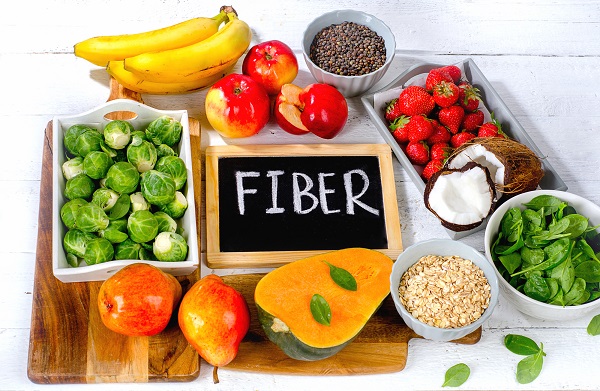
In the ever-evolving landscape of nutrition and wellness, one dietary component that continues to stand the test of time is fiber.
Often applauded as a key player in maintaining a healthy lifestyle, high fiber foods offer a variety of benefits that contribute to our overall health and well-being. This article describes what fiber is, what its proven health benefits are, and the top foods that contain it.
What is Fiber?
Fiber, the indigestible part of plant foods, is a versatile compound that comes in two forms: soluble and insoluble. Soluble fiber dissolves in water, forming a gel-like substance that aids in regulating blood sugar levels and lowering cholesterol. Insoluble fiber adds bulk to the stool, promoting healthy digestion and preventing constipation. Together, these forms contribute to the overall health of our digestive system.
Health Benefits of High Fiber Foods:
- Digestive Harmony: Insoluble fiber, found in vegetables like broccoli and Brussels sprouts, promotes regular bowel movements, preventing constipation and maintaining a healthy digestive system. Studies in the “Journal of Nutrition” emphasize its role in preventing gastrointestinal disorders.
- Heart-Friendly Nutrients: Soluble fiber-rich foods, such as berries and oats, contribute to heart health by lowering cholesterol levels. Research published in the “American Journal of Clinical Nutrition” suggests that a diet high in soluble fiber may significantly reduce the risk of cardiovascular diseases, providing a positive impact on overall longevity.
- Blood Sugar Stability: Fibrous fruits like apples and pears contain soluble fiber that aids in stabilizing blood sugar levels. A study in “Diabetes Care” highlights the positive impact of soluble fiber in reducing the risk of type 2 diabetes and supporting overall blood sugar regulation.
- Weight Management Support: High fiber foods, such as nuts and seeds, contribute to weight management by promoting a feeling of fullness. Research in the “International Journal of Obesity” supports the fact that incorporating nuts and seeds into the diet can assist in weight loss and maintenance.
Studies on How Fiber Extends Life:
Numerous studies have explored the correlation between high fiber intake and an extended life. A comprehensive analysis published in the “British Medical Journal” found that a diet rich in fiber is associated with a longer, healthier life. This is proof of the enduring impact of integrating fiber into our daily meals. A 25% reduction in death from all causes was observed for those consuming the most fiber.
7 of the Best High Fiber Foods with Studies on Their Benefits:
- Broccoli: Rich in insoluble fiber, broccoli promotes intestinal health. Studies in the “International Journal of Molecular Sciences” suggest that compounds in broccoli may have anti-cancer properties, contributing to a longer and healthier life.
- Berries (Blueberries, Raspberries): Packed with soluble fiber and antioxidants, berries support heart health. Research in the “Journal of Agricultural and Food Chemistry” indicates that the compounds in berries may have anti-aging effects.
- Almonds: Almonds, a fiber-rich nut, contribute to weight management. The “Journal of Nutrition” suggests that the inclusion of nuts in the diet is associated with a reduced risk of cardiovascular diseases.
- Avocado: Avocado, which is high in both soluble and insoluble fiber, supports heart health. A study in the “Journal of the American Heart Association” suggests that avocado consumption is linked to improved cardiovascular outcomes.
- Spinach: Spinach is a fiber-packed leafy green. A study in the “European Journal of Nutrition” suggests that the fiber and antioxidants in spinach may contribute to improved gut health.
- Oranges: Oranges, rich in soluble fiber, contribute to blood sugar stability. Studies in “Diabetes Care” emphasize the positive impact of citrus fruits on reducing the risk of type 2 diabetes.
- Sweet Potatoes: Sweet potatoes, a fiber-rich vegetable, supports digestive health. The “Journal of Medicinal Food” highlights the potential anti-inflammatory and anti-cancer effects of the antioxidants in sweet potatoes.
Other High Fiber Foods:
In addition to the foods mentioned above, other high fiber foods include Brussels sprouts, kale, artichokes, lentils, bananas, peas, apples, chia seeds, sunflower seeds and carrots. These foods add diversity to a fiber-rich diet.
Lowest Fiber Foods:
Low fiber foods include highly processed snacks and foods like bread, biscuits, pancakes, cookies, chips, and sugary beverages.
Conclusion:
From supporting digestive health to fostering heart-friendly environments, high fiber foods contribute to a longer, healthier life. As we enjoy the vibrant flavors of fruits, vegetables, nuts, and seeds, lets envision the prospect of a long-lived future filled with health and vitality.
This health news is provided by Nutrition Breakthroughs, maker of the original calcium and magnesium based sleep aid Sleep Minerals II, and Joints and More, a natural supplement for joint relief, less aches and pains, and more energy.
Wendy R. of Honolulu, Hawaii says: “My friends know that I’ve had chronic insomnia for a long time. Surprisingly, I received the Sleep Minerals II and began taking it and found this thing really works. In the past if I ever got a good night’s sleep I’d say ‘I slept like a baby’, but that’s the wrong comparison. Those little guys get up every two hours. I am actually beginning to sleep like an adult — a much-rested adult.”
Vitamin K2 is an often-overlooked vitamin that plays a crucial role in several aspects of our health, from heart and bone health, to dental health, to pregnancy support. In this article from Nutrition Breakthroughs, we explore the fascinating world of Vitamin K2, from its food sources to its remarkable benefits.
—————————————————–
This health news is shared by Nutrition Breakthroughs, maker of the original calcium and magnesium based sleep aid Sleep Minerals II, and Joints and More, a natural supplement for joint relief, less aches and pains, and more energy.
|
A revealing discovery was made In the middle of the seventeenth century. As the heart is basically a muscle, its strength can be greatly increased with Another study found that lack of physical activity is a definite Brisk walking is an excellent choice of exercise (one of the best), and so is stair There are some unique heart-loving foods and supplements that have proven Cholesterol is not an entirely bad thing — In fact, it is vital for the health of Garlic is a favorite plant for lowering cholesterol. It also inhibits Vitamin E and C are powerful antioxidant vitamins. An *anti* oxidant is a One study of 11,178 people, aged 67 to 105 years old, found very good results Coenzyme Q10 is another uniquely potent antioxidant. It is also known as Keep your heart happily humming along by doing a variety of enjoyable This natural health news is provided by Nutrition Breakthroughs, REFERENCES: 1. Blair SN, Kohl HW III, Paffenbarger RS Jr, Clark DG, Cooper KH, Gibbons 2. Powell KE, Thompson PD, Caspersen CJ, Kendrick JS. Physical activity 3. Franklin BA, Vander L, Wrisley D, Rubenfire M. Aerobic requirements of 4 Kromhout D, Bosschieter EB, de Lezenne Coulander C. The inverse relation 5. Grahame K. Goode, MB “Dietary Supplementation With Marine Fish Oil 6. Stampfer M, et al. Vitamin E consumption and the risk of coronary heart
Article source: |
 News on Natural Remedies, Good Sleep and Good Health