Posts Tagged ‘health’
Is magnesium better than melatonin for sleep? Magnesium has many benefits for good health, one of them being its action as an effective natural sleep aid.
Melatonin supplements are also used as a sleep remedy. These two ingredients have different qualities, different health effects, and different possible side effects.
James F. Balch, M.D., author of Prescription for Nutritional Healing, writes: “A lack of the nutrients magnesium and calcium will cause you to wake up after a few hours and not be able to return to sleep.”
In contrast with mineral supplements, melatonin is a hormone which is produced by the pineal gland, located in the center of the brain. At night or in the dark, the pineal gland naturally releases melatonin to regulate the sleep cycle.
The body produces less melatonin with advancing age and while melatonin doesn’t require a prescription, it’s a potent hormone. It can help with sleeplessness. If too much is taken, it can result in grogginess, dizziness, stomach cramps and make it more difficult to wake up in the morning.
Is it better to take magnesium at night? One of the main symptoms of magnesium deficiency is chronic insomnia, accompanied with with frequent nighttime awakenings. On the other hand, a high magnesium diet has been found to be associated with deeper, less interrupted sleep.
This is per a study done by James Penland at the Human Nutrition Research Center in North Dakota. Another study from the Human Nutrition Research Center found that a magnesium citrate supplement increased sleep quality in adults aged 51 to 85.
Magnesium has hundreds of health effects in the body. According to the University of Maryland Medical Center web site, inadequate magnesium appears to reduce serotonin levels in the brain. One study found that magnesium was just as effective as an antidepressant drug in treating depression.
In addition, researchers at Stockholm’s Karolinska Institute reported that for every 100 milligram increase in magnesium intake, the risk of developing type-2 diabetes decreased by 15 per cent. Other studies have shown that people with migraine headaches have low concentrations of magnesium in their body.
Mildred Seelig, M.D., the leading medical researcher on magnesium says: “Many people needlessly suffer pain – including … migraines and muscle cramps – because they don’t get enough magnesium.”
Which form of magnesium is best for sleep? A recent study on magnesium for sleep came from the University of Medical Sciences in Iran. Its subjects were 46 older adults, aged 60 to 75, who were experiencing insomnia. However, it’s interesting to note that the researchers recommend their results be extended to all ages of the general population as helpful advice.
In the University study, the subjects were divided into two groups. One group received placebos, while the other received magnesium oxide tablets twice a day (250 milligrams each) for eight weeks.
In the group that was given magnesium, the subjects experienced significant increases in sleep time and sleep efficiency (which is the time spent in bed vs the time spent sleeping). They also had less night time interruptions and fewer early morning awakenings. Magnesium citrate is another form that has been proven helpful for better sleep.
One possible side effect from taking too much magnesium is that the bowels may become too loose or stomach discomfort can occur — at which point less can be taken. If this side effect happens, magnesium should be taken with a full meal or a healthy snack.
Another important nutritional tip that can help to avoid any deficiencies is to balance magnesium with calcium and vitamin D rather than taking it alone. The recommended ratio is 2 to 1 or twice as much calcium as magnesium.
According to the Mayo Clinic, possible side effects of melatonin include stomach cramps, anxiety, irritability, confusion and short-term depression. Melatonin supplements can interact with various medications such as blood-thinning medications, medications that suppress the immune system, diabetes medications and birth control pills. Prolonged use may also inhibit the body’s own natural ability to produce melatonin.
This health news is brought to you by Nutrition Breakthroughs and their natural sleep aid Sleep Minerals II. Sleep Minerals II is the original magnesium and calcium based remedy and is known for soothing even the worst, long-term insomnia. It also contains vitamin D and zinc and helps everyone from teenagers, to women with menopause symptoms, to older seniors, to get a good night’s sleep.
Richard P. of Parkville, Maryland says: “The Sleep Minerals are making quite a difference. I was regularly waking up at around 3:00 a.m. and after a few days use my sleep improved quite a lot. I wake up once a night to go to the bathroom, but the great thing is, I then fall back asleep and sleep several more hours. This has been a great improvement.”
Tammy M. of Meridian, Idaho says: “I was plagued with insomnia for five years and desperate for a breakthrough. Nothing has helped me more than Sleep Minerals. I’m so sold on them I could go door to door promoting them. I’m 60 years old and have never slept so soundly.”
For more information, visit Sleep Minerals II.

By Forrest H. Nielsen, U.S. Dept of Agriculture, Human Nutrition Research Center
Magnesium is the fourth most abundant mineral element in the human body, following calcium, sodium and potassium. Magnesium enables many biochemical reactions necessary for life. However, much attention has been directed recently towards another role of this element: The movement of (small particles) of calcium and potassium, as well as (other) molecules across nerve cell membranes.
These roles are important for nerve conduction, muscle contraction, blood vessel relaxation and tensing and thus blood pressure, and a normal heart beat. Epidemiological (studies of populations) findings and supplementation trials show that people’s magnesium status is associated with the severity and frequency of migraine headaches, some forms of heart attacks, high blood pressure, sleep disorders and mood disturbances. Carefully controlled human studies at the Grand Forks Human Nutrition Research Center and elsewhere are being done to conclusively show that inadequate magnesium intake can result in these maladies.
For instance, in studies on women past menopause at the Grand Forks Human Nutrition Research Center, we found that a low magnesium diet resulted in heart rhythm changes, which were halted by a diet providing about 300 mg of magnesium daily. In a much more severe form, some of these changes in heart rhythm or beat can result in heart muscle contractions that do not move blood throughout the body and lead to death. So magnesium is definitely needed for a healthy heart.
The same studies also showed that a diet inadequate in magnesium caused changes in brain waves–electrical activity in the brain–when women were at rest. Other researchers have found in both human and animal studies that magnesium deficiency results in sleep disturbances, such as agitated sleep and frequent periods of awakenings. This has been related to changes in electrical activity in the brain. It looks like magnesium is important for a good night’s sleep.
Studies show that about half of migraine headache sufferers have a low amount of ionized (particles of) magnesium in the blood, which suggests a low magnesium status. And magnesium supplementation reduces the number and duration of migraines, including menstrual migraines, in some people. The findings suggest that too little magnesium can worsen the suffering from migraine headaches.
The Food and Nutrition Board of the National Academy of Sciences recently provided new recommended intakes for magnesium. The Dietary Reference Intake, or DRI, is the new term for Recommended Dietary Allowance (RDA). For magnesium, the DRI is 400 milligrams per day for men aged 19 to 30 years, and 420 milligrams per day for males over age 30. The DRI is 310 milligrams per day for women aged 19 to 30 years and 320 milligrams per day for women over age 30.
Dietary surveys show that the diet of many Americans does not consistently provide the DRI for magnesium. Older people are especially prone to consuming a diet inadequate in magnesium. Good sources of magnesium are leafy vegetables, nuts, skim milk and whole grains.
Comment from the blog author Nutrition Breakthroughs:
Chronic insomnia is one of the main symptoms of magnesium deficiency. Sleep in magnesium deficiency is usually agitated with frequent nighttime awakenings. On the other hand, a high magnesium diet has been found to be associated with deeper, less interrupted sleep. This was proven in a study done by James Penland at the Human Nutrition Research Center in North Dakota. The study was titled “Effects of trace element nutrition on sleep patterns in adult
women.”
Sleep Minerals II is a natural sleep remedy from Nutrition Breakthroughs that contains highly absorbable forms of calcium and magnesium, the best minerals for sleeplessness and insomnia, as well as for heart health, restless legs syndrome, bone strength and menopause insomnia. The formula also includes vitamin D and zinc and is delivered in a softgel form with healthy carrier oils, making it more fully absorbable and fastger-acting than tablets or capsules. The oils help the ingredients to provide a deeper, longer-lasting sleep.
Valerie H. of Santa Clarita, California says: “I had such severe menopause insomnia it took me hours to fall asleep even though I was extremely tired. My legs also had crawling and tingling feelings at night. I got the Sleep Minerals and after a few days, it started to work really well. I fall asleep now within 20 minutes and no more restless legs.”
For more information, visit Sleep Minerals II.
Source: Human Nutrition Research Center: http://www.ars.usda.gov/
Study Links Vitamin D Deficiency to Global Epidemic of Insomnia and Sleep Disorders
Posted on: January 17, 2026

Vitamin D is known as the “Sunshine Vitamin” because spending time outdoors in the sun is known to increase vitamin D in the body via the skin.
Our ancestors spent a considerable amount of their time outdoors, but for the first time in history, large amounts of the world population spend most of their time inside their offices and homes.
Researchers at the East Texas Medical Center and the University of North Carolina have discovered that vitamin D helps to regulate the sleep-wake cycle. They’ve found a definite link between vitamin D deficiency and the current global epidemic of sleep disorders.
Rapid eye movement sleep (REM) is one of the deepest levels of sleep. It is the level in which dreaming occurs, and its related to good memory and learning. A disruption of REM sleep or an absence of it, is one form of insomnia. Other sleep disorders include sleep apnea – which involves interrupted or obstructed breathing or snoring during the night; insomnia from hormone fluctuations such as with menstruation or menopause; restless leg syndrome; and periodic limb movement disorder, a condition where the person moves their limbs involuntarily during sleep.
The results of the clinical trial of vitamin D supplementation was published in a recent issue of the journal “Medical Hypothesis”. The researchers followed 1500 patients over a 2 year period. A consistent level of vitamin D3 was maintained in their blood over many months. This produced normal sleep in most of the participants, regardless of their type of sleep disorder, which suggests that many types of insomnia may share the same cause. During the research, the authors discovered the presence of high concentrations of vitamin D “receiving sites” or “receptors” in those areas of the brain that are related to the onset and maintenance of sleep.
Calcium is also directly related to our cycles of sleep. In one study, published in the European Neurology Journal, researchers found that calcium levels in the body are higher during the rapid eye movement (REM) phase. This study concluded that disturbances in sleep, especially the absence of REM deep sleep or disturbed REM sleep, are related to a calcium deficiency. Restoration to the normal course of sleep was achieved following the normalization of the blood calcium level. As a note, calcium works best when its balanced with magnesium in a two to one ratio (with twice as much calcium as magnesium).
Natural insomnia remedies containing vitamin D and calcium can be helpful with both falling asleep and staying asleep during the night. One remedy that’s designed for many forms of insomnia is Sleep Minerals II from Nutrition Breakthroughs. This sleep aid contains highly absorbable forms of vitamin D3, calcium, and magnesium, the best ingredients for sleeplessness and insomnia, as well as for heart health, restless legs syndrome, bone strength, menopause insomnia and teenage insomnia. The formula is delivered in a softgel form with healthy carrier oils, making it more rapidly absorbable than tablets or capsules and providing a deeper, longer-lasting sleep.
Doctor P. P. of Houston, Texas says: “I had developed sleeping problems and took two different sleep medications over the course of several weeks. When I discontinued them, the insomnia came back even worse. Sleep Minerals II was just what I needed. I’ve been taking it for a couple weeks now and getting many hours of sleep a night. As a doctor I would definitely avoid prescribing sleeping drugs – I would recommend Sleep Minerals II.”
The authors of the vitamin D study noted that sleeping disorders have played a role in the development of medical conditions such as hypertension, heart disease, stroke, diabetes, depression, and chronic pain — all of which have become widespread similarly to insomnia. The authors suggest further research be done on the management of vitamin D levels in a variety of medical conditions related to sleep.
For more information on Sleep Minerals II, click here.

This is a helpful article about drinks that can calm inflammation and increase health. By the way, tart cherry juice and bone broth are both proven ways to fall asleep more quickly and easily and sleep better overall.
This health news is shared with you by Nutrition Breakthroughs, maker of the effective natural sleep aid Sleep Minerals II, and the natural solution for joint relief, allergies, pain relief and increased energy, Joints and More.
The Healthy Colors of Your Diet (from the Human Nutrition Research Center) ….
Posted on: January 1, 2026
By Matthew Picklo
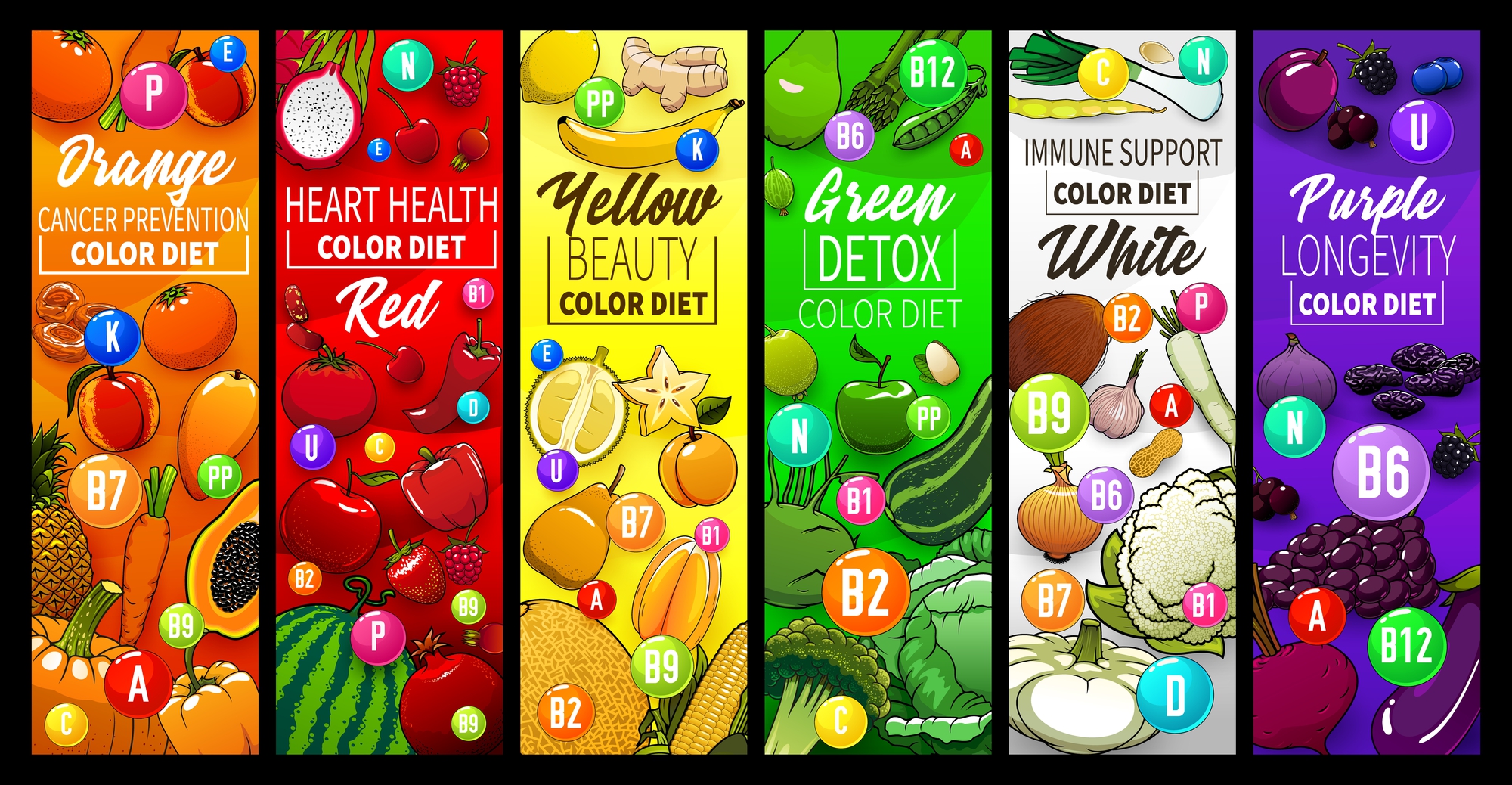
Have you thought about the many colors of our foods? They catch our eye and add so much to the appeal of our meals – particularly fruits and vegetables. Research shows that the colors of our foods may also be related to the health benefits they provide.
The pigments that give plant foods their vibrant colors are of value to the plants themselves, as well as to those who consume them. These colorful fruit and vegetable pigments also serve to attract feeding animals who later help distribute the plants’ seeds.
Plant pigments have long been of interest to food chemists who have studied their contributions to the visual appeal of foods. In recent years, there also has been an explosion of interest in the health potentials of the pigments that are responsible for food colors.
There are several types of pigments in foods. One group is the “anthocyanins”, a term derived from the Greek words for “flower” and “blue”. Anthocyanins are present in many fruits including cherries, blueberries, blackberries, and cranberries. They also are found in colored grains such as purple corn, red rice, black rice, purple carrots and blue potatoes.
One of the richest sources of anthocyanins is the chokecherry. Black rice, which has a purple-black bran, also has very high levels of anthocyanins. In ancient China, it was known as “forbidden rice”, as it and was only eaten by the nobility. Anthocyanins appear to protect plant tissues from damage by ultraviolet light. They may also be anti-microbial.
Laboratory studies suggest that the anthocyanins in foods benefit health by reducing inflammation and preventing oxidative damage to cells, a process associated with diabetes and cardiovascular disease. Studies have shown this for anthocyanin-rich fruit juices, and scientists are now asking whether some anthocyanins may be more useful than others, and how they function in the body.
Another group of plant pigments are the carotenoids – a large group of more than 600 compounds that give vegetables and fruits their yellow, orange and red colors. Some familiar sources include tomatoes, carrots, yellow squash and spinach. The most common carotenoids are beta-carotene, lycopene and lutein.
Beta-carotene is related chemically to vitamin A, which is essential for vision and functions in maintaining healthy bones, immune function and may other vital functions. In fact, the body can convert beta-carotene to vitamin A. Spinach, carrots, orange juice and cantaloupe are particularly good sources of beta-carotene.
Lycopene is present in tomatoes, tomato sauce and tomato juice. It is of current interest in cancer research, as studies have associated reduced prostate cancer risk for men with relatively high blood levels of lycopene.
Lutein is accumulated by the key visual area of the retina called the macula where it is thought to protect against potentially damaging effects of light. It is thought that lutein may reduce the risk of macular degeneration, which is a major cause of visual impairment in people aged fifty years and older. Good sources of lutein include green leafy vegetables such as spinach, kale, and turnips greens. USDA scientists have found that eggs can be an important source of lutein.
Understanding how diet and physical activity can prevent disease and promote health is central to the research mission of the USDA Grand Forks Human Nutrition Research Center, or GFHNRC. This includes better understanding of the health roles of anthocyanins and carotenoids.
More information to help you make healthful and colorful food choices can be found at MyPyramid.gov.
………
Comments from the blog author Nutrition Breakthroughs: When deciding what to eat, seek out brightly colored fruits and vegetables for greater health. Good eating leads to good health for all parts of your body, including your heart and brain, and leads to higher levels of energy during the day and better, deeper sleep at night.
This article is shared with you by Nutrition Breakthroughs, maker of the effective natural sleep remedy for insomnia help Sleep Minerals II. Sleep Minerals II contains highly absorbable forms of magnesium, zinc, and calcium, as well as Vitamin D, all mixed with healthy oils in a softgel form for fast absorption. If you or someone you care about needs to get better, deeper sleep, visit the Sleep Minerals II page on Amazon.
via ars.usda.gov
Health Studies: Cranberries Boost Immunity, Oral Health, Bladder Health, More
Posted on: December 27, 2025

Best known for their juice, sauce and dried versions for snacking, cranberries are little red fruit gems that are high in vitamins C and E. They have been shown in research studies to boost immunity, fight oral bacteria, prevent and treat urinary tract infections, and improve heart and skin health.
Cranberries benefit oral health by preventing bacteria from binding to the teeth, according to Researchers at the Eastman Department of Dentistry at the University of Rochester Medical Center. The research team found evidence that cranberry juice disrupts the formation of the building block of plaque, and certain properties in the juice disarm the bacteria that cause tooth decay.
Similarly, cranberries help prevent bacteria from adhering to the urinary tract walls, thus fighting off infections of the bladder. One research study with women who had a history of recurring bladder infections, found that daily treatment with cranberry concentrate capsules (400 mg. twice per day for three months) significantly reduced the recurrence of urinary tract infections.
Drinking cranberry juice is helpful, but it’s important to select a natural cranberry juice that is unsweetened or sweetened from fruit sources, rather a cranberry juice cocktail sweetened with white sugar. It should be diluted with water in order to lessen the natural acidity in the juice.
Regarding white sugar, the American Journal of Clinical Nutrition reported that when healthy volunteers consumed a large amount of refined sugar, their immune system‘s white blood cells had an impaired ability to destroy bacteria for at least five hours.
Other ways to get more cranberries into the diet is to enjoy them in trail mixes, add frozen cranberries to smoothies, throw a few into a muffin recipe, or use dried cranberries in a salad or vegetable side dish. Cranberry powder supplements are available and may provide the most benefits.
This news is brought to you by Nutrition Breakthroughs, provider of natural health articles and effective natural remedies since 2001. Learn more about the natural sleep aids and natural joint support products made by Nutrition Breakthroughs.
Magnesium Deficiency in Older Adults May Contribute to Insomnia, Osteoporosis and Diabetes
Posted on: December 24, 2025

A recent Gallup Poll survey reported that magnesium consumption decreases as we age, with 79% of adults 55 and over reportedly eating below the recommended dietary allowance (RDA) of magnesium.
In addition, a National Institutes of Health (NIH) fact sheet says that older adults are at increased risk of magnesium deficiency due to their decreased ability to absorb the mineral. The diseases to which the elderly are vulnerable, and some of the drugs used in therapy, also contribute to magnesium loss.
“A potential magnesium deficiency is a matter of concern for many individuals of all ages, but for the elderly, it could be particularly serious,” said Richard Rivlin, M.D., Chief of the Nutrition Division at New York Hospital, Cornell Medical Center.
“The prevalence of heart disease, diabetes and even leg cramps increases dramatically among older persons, and these are all health conditions in which magnesium deficiency has been found,” Rivlin said.
Diabetes
Researchers at the Harvard School of Public Health evaluated the dietary intake of specific nutrients for more than 85,000 women and more than 42,000 men, in data supplied over 18 years for the women and over 12 years for the men. They found that the men and women whose diets included the largest amounts of magnesium were the least likely to develop type 2 diabetes. Most of the participants in the study consumed magnesium through foods, such as whole grains, nuts and green leafy vegetables.
Osteoporosis
A lack of magnesium is also associated with osteoporosis. Bone health is supported by many factors, most notably calcium and vitamin D. However, some evidence suggests that magnesium deficiency may be an additional risk factor for postmenopausal osteoporosis. This may be due to the fact that magnesium deficiency alters calcium metabolism and the hormones that regulate calcium. In one study of older adults from the American Journal of Clinical Nutrition, a greater magnesium intake maintained bone mineral density to a higher degree than a lower intake.
Insomnia Remedy
A recent National Sleep Foundation poll found that a majority of older adults (67%) report having frequent sleep problems. This translates to 37 million older adults in the U.S. having some form of insomnia. Particularly for older people, a possible underlying nutritional cause of insomnia may be a deficiency of certain minerals. James F. Balch, M.D., author of Prescription for Nutritional Healing, writes: “A lack of the nutrients calcium and magnesium will cause you to wake up after a few hours and not be able to return to sleep.”
Types of Magnesium
Some forms of magnesium are more digestible than others – an important factor because our digestive enzymes and our ability to absorb nutrients lessen with age. Magnesium citrate is a unique form of magnesium in which the magnesium is bonded with citric acid to make it more absorbable.
Supplements with Magnesium
The combination of minerals included in a supplement and the presence of vitamin cofactors (such as calcium and vitamin D) are key. Formulas should contain a 2 to 1 ratio of calcium to magnesium. The original research on this recommended ratio appeared in 1935 in the Journal of Physiological Reviews. In addition, softgels made with carrier oils allow the minerals to be better absorbed than tablets or capsules.
One formula that has these qualities and is gaining in popularity is Sleep Minerals II from Nutrition Breakthroughs. Sleep Minerals II contains highly absorbable forms of the best minerals for sleep and relaxation: Calcium, magnesium and Vitamin D. The ingredients are delivered in a softgel form with healthy carrier oils, providing a deeper, longer-lasting sleep.
Wendy R. of Honolulu, Hawaii says: “My friends know that I’ve had insomnia for a very long time. Surprisingly, I received the Sleep Minerals II and took it and I actually slept. This thing really works. I wanted to say, its funny, but people know I have insomnia and once in a while a co-worker will ask me how I slept. In the past, if I ever got a good nights sleep I’d say “I slept like a baby”, but that’s the wrong analogy. Those little guys get up every two hours. I am actually beginning to sleep like an adult — a much-rested adult.”
Richard Rivlin, M.D. summed up the Gallup Poll survey results by saying: “It is clear that consumers are largely unaware of the role of magnesium — a nutrient that is essential for the function of other minerals like calcium, as well as the normal operation of the heart and muscles.”
For more information, visit the Sleep Minerals II page.

This makes a lot of sense and is a great contribution to overall circulation and health. I always feel better when I do some leg lifts.
This health news is shared with you by Nutrition Breakthroughs, maker of the effective natural sleep aid Sleep Minerals II, and the natural solution for joint relief, allergies, pain relief and increased energy, Joints and More.
Why Perfumes and Sprays Are Toxic to Your Health (And Why You Don’t Need Them to Feel Beautiful)By Julia Joy Valentine
Posted on: December 20, 2025

What a beautiful and truthful post. Have a look at the chemical reality of perfumes and fragrances!
This health news is shared with you by Nutrition Breakthroughs, maker of the effective natural sleep aid Sleep Minerals II, and the natural solution for joint relief, allergies, pain relief and increased energy, Joints and More.

Better sleep is something that millions of people with insomnia are looking for.
Per the American Academy of Sleep Medicine survey results, about 1 in 8 people, or 12% of Americans said they have been diagnosed with chronic insomnia.
What if one of the the keys to restful slumber could be related to what you put on your plate? Recent studies reveal that certain healthy carbohydrates can work wonders for improving sleep quality, helping you fall asleep faster and wake up less often. Here’s a breakdown of the top sleep-friendly carbs and how they benefit your body.
Sweet Potatoes: A Sleep Superfood
Sweet potatoes are not only delicious but also packed with sleep-promoting nutrients. High in potassium and magnesium, they help relax your muscles and reduce nighttime cramping. A 2022 study in the *Journal of Clinical Sleep Medicine* highlighted that potassium-rich diets can reduce nighttime disruptions, making sweet potatoes an excellent choice for dinner.
Oats: The Comfort Carb
A bowl of oatmeal isn’t just a comforting snack; it’s a scientifically proven sleep booster. Oats are high in melatonin, a hormone that regulates sleep cycles, and they’re also a great source of calcium, which helps the brain use the amino acid tryptophan to produce melatonin. Plus, oats contain slow-digesting fiber that keeps blood sugar stable, preventing nighttime awakenings. According to a study in *Nutrients*, calcium is a vital nutrient for improving deep sleep.
Bananas: Nature’s Nightcap
Bananas are a natural sleep aid, loaded with magnesium, potassium, and vitamin C, which supports healthy nerves and reduces stress. They also contain tryptophan, an amino acid that promotes relaxation. Regarding the magnesium contained in bananas, an analysis of several different studies explored the impact of magnesium supplementation on sleep quality. The findings revealed that magnesium not only improves overall sleep quality but also enhances sleep duration.
Brown Rice: For Slow and Steady Rest
Brown rice is a fantastic option for those who wake up frequently during the night. This whole grain provides steady energy and contains GABA, a natural brain chemical known for its calming effects on the nervous system. The Healthline website shared a study showing improved sleep from GABA supplementation. Brown rice is also a good source of the mineral manganese, which promotes strong, dense bones when combined with calcium and vitamin D.
According to the National Council on Aging, brown rice contains many of the B vitamins including B1, B3, B6, and B9. Vitamin B9, also known as folate, is a key player in helping the body produce serotonin and melatonin for a good night’s sleep
Quinoa: Iron for Strong Sleep
Quinoa is a complete protein and a top choice for vegetarians seeking sleep-friendly carbs. In addition to magnesium, quinoa is rich in iron, which supports healthy oxygen flow to the brain and reduces fatigue. A 2023 study in *Advances in Nutrition* found that iron-rich diets can significantly reduce a form of insomnia known as restless leg syndrome.
A Recipe for Restful Nights
Incorporating these foods into your daily meals can pave the way for a relaxing night’s sleep. Whether it’s a sweet potato mash for dinner, a banana-oat smoothie before bed, or a quinoa salad for lunch, these healthy carbs will help you fall asleep better and wake up feeling refreshed.
Supplements for Better Sleep and Good Health
This natural health news is shared by Nutrition Breakthroughs, maker of the original and effective calcium and magnesium based sleep aid Sleep Minerals II (also containing vitamin D and zinc).
***** Suzanne G. of Tucson, Arizona says: “I am now taking the Sleep Minerals II capsules each night. I have had insomnia for most of my life and the longer I take Sleep Minerals, the better I sleep. The best thing is that I can now get back to sleep if I wake up in the night. It has given me such a sense of peace to know that I now can be well rested during the day. I also find my brain less foggy from lack of sleep. I have tried many products on the market and this is the one that is gold. Thank you so much for producing a quality product!”
 News on Natural Remedies, Good Sleep and Good Health