Posts Tagged ‘food’

Sleep quality is influenced by more than just bedtime routines. One often overlooked factor is blood sugar fluctuations at night. Glucose is the body’s fuel for all of its cells and it travels through the blood – so it has become known as “blood sugar.”
Your body naturally experiences a drop in glucose during the early sleep period, and sometimes in the middle of the night. For some people, especially those sensitive to blood sugar changes, this dip can trigger waking, restlessness, or lighter sleep stages.
When blood sugar drops too low, the body can release stress hormones, such as adrenaline and cortisol, to stabilize glucose levels. These hormones can disrupt sleep and make it harder to achieve deep, restorative rest.
Over time, repeated nighttime awakenings due to blood sugar dips can lead to chronic fatigue, irritability, and even increased risk for metabolic disorders.
How to support stable blood sugar overnight:
- Evening snacks: A small snack combining protein and complex carbohydrates, like a slice of whole-grain toast with almond butter or Greek yogurt with berries, helps maintain steadier blood sugar levels.
- Meal timing: Eating dinner at consistent times each evening helps the body anticipate blood sugar patterns and reduces sudden dips.
- Minerals for balance: Magnesium and zinc help regulate glucose metabolism and insulin function, which in turn supports stable nighttime blood sugar.
- Limit sugar at night: High-sugar desserts late in the evening can trigger spikes and crashes, causing more wakefulness.
Other lifestyle factors also play a role. Getting outside for light exposure, regular activity during the day, and stress management help keep your body’s internal clock aligned, making your blood sugar patterns more predictable and sleep more restorative.
References:
- Magnesium and sleep: Nutrients Journal, 2012
- Zinc and glucose metabolism: Journal of Trace Elements in Medicine and Biology, 2014
FAQ:
Q1: Are snacks always necessary before bed?
A2: Only if your blood sugar tends to dip or if your dinner was early. Choose balanced, nutrient-rich options.
Q2: Can supplements help?
A3: Magnesium or zinc supplements may help maintain steady blood sugar and support deeper sleep.
This natural health news is provided by Nutrition Breakthroughs, a publisher of nutrition articles and supplier of effective natural remedies since 2002. Nutrition Breakthroughs makes Sleep Minerals II, the original drug-free mineral formula for better sleep with calcium, magnesium, zinc and vitamin D.
*****Julianne H. of Canada says: “I continue to tell my friends about how Sleep Minerals II has changed my life. I am fully retired now but still remember driving to work and wondering if I would make it there due to sleep deprivation.”
“And the debilitating leg cramps that used to occur every night have now become history. My legs were sore even into the next day. It’s great to be sleeping so much better, no more sore legs, and my calcium levels are being kept constant.”
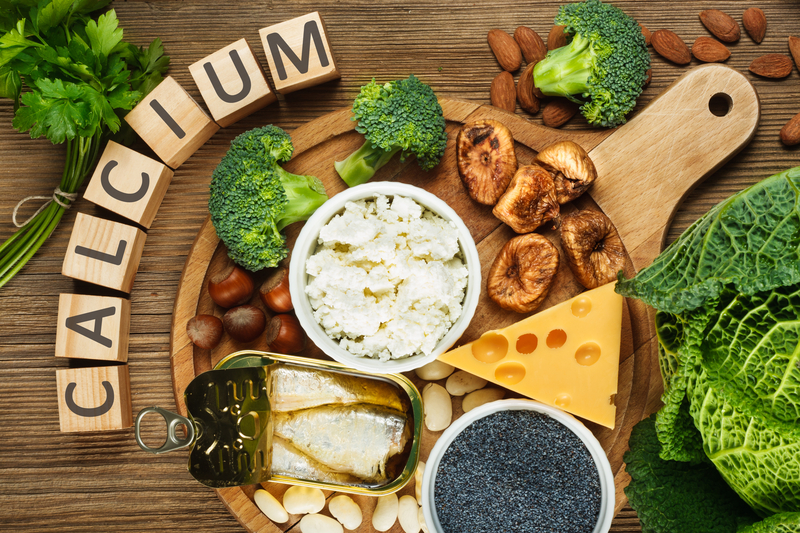
Calcium benefits are numerous and far-reaching. It is one of the most essential minerals for maintaining overall health, yet many people don’t get enough of it.
While most know that calcium is vital for strong bones, research has revealed that calcium benefits go far beyond that.
From supporting heart function to aiding in weight management, calcium is a true powerhouse nutrient. Let’s explore the many ways calcium enhances health, backed by science.
1. Strengthens Bones and Teeth
It’s no secret that calcium is vital for bone health. According to a study published in The Journal of Bone and Mineral Research, adequate calcium intake helps maintain bone density and reduces the risk of osteoporosis, a condition that weakens bones and increases fracture risk. Calcium also plays a key role in strengthening teeth, preventing decay and gum disease.
2. Supports Heart Health
Calcium helps regulate heart function by ensuring proper muscle contractions, including those of the heart. Research in The American Journal of Medicine found that people with sufficient calcium intake had a lower risk of high blood pressure and cardiovascular disease. It also helps blood vessels relax and contract properly, promoting healthy circulation.
3. Aids in Weight Management
Surprisingly, calcium can play a role in weight control. A study in Obesity Research found that individuals who consumed more calcium, especially from dairy sources, had lower body fat levels and found it easier to manage their weight. Calcium may help regulate fat storage and breakdown, making it an important part of a balanced diet.
4. Reduces the Risk of Colon Cancer
Research published in The Journal of the National Cancer Institute suggests that calcium may reduce the risk of colorectal cancer. It’s believed that calcium binds to harmful compounds in the intestines, preventing them from damaging colon cells and reducing cancer risk.
5. Supports Muscle Function and Nerve Health
Calcium is essential for muscle contraction and nerve communication. Without it, muscles may cramp, and nerve signals may become sluggish. According to The Journal of Physiology, calcium enables the transmission of signals between the brain and body, ensuring smooth muscle movements and reducing the risk of spasms.
6. Promotes Better Sleep and Reduces Insomnia
Calcium plays an important role in sleep regulation. A study in The European Neurology Journal found that calcium helps the brain use the amino acid tryptophan (a component of protein) to produce melatonin, the sleep-inducing hormone. Low calcium levels have been linked to sleep disturbances and insomnia. Consuming calcium-rich foods before bed may enhance sleep quality and duration.
Best Food Sources of Calcium
To get enough calcium, it’s best to consume a variety of calcium-rich foods. Here are the top sources:
Dairy Sources:
- Milk
- Yogurt
- Cheese
Non-Dairy Sources:
- Leafy greens (kale, bok choy, collard greens)
- Almonds
- Sardines (with bones)
- Chia seeds
- Sesame seeds
- Figs
Calcium Benefits for Good Sleep
This natural health news is shared by Nutrition Breakthroughs, maker of the original calcium and magnesium based sleep aid Sleep Minerals II.
Wendy R. of Honolulu, Hawaii says: “My friends know that I’ve had chronic insomnia for a long time. Surprisingly, I received the Sleep Minerals II and began taking it and found this thing really works. In the past if I ever got a good night’s sleep I’d say ‘I slept like a baby’, but that’s the wrong comparison. Those little guys get up every two hours. I am actually beginning to sleep like an adult — a much-rested adult.”
Summary
Getting enough calcium is essential for a strong, healthy body. Whether through dairy or plant-based sources, adding more calcium-rich foods and supplements to your diet can improve bone health, heart function, weight management, and even reduce disease risks. It can also enhance sleep quality and quantity and help remedy insomnia. So, start making calcium a priority today – your body will thank you!
Find out more info on the effective natural sleep aid Sleep Minerals II.
Greetings to you,
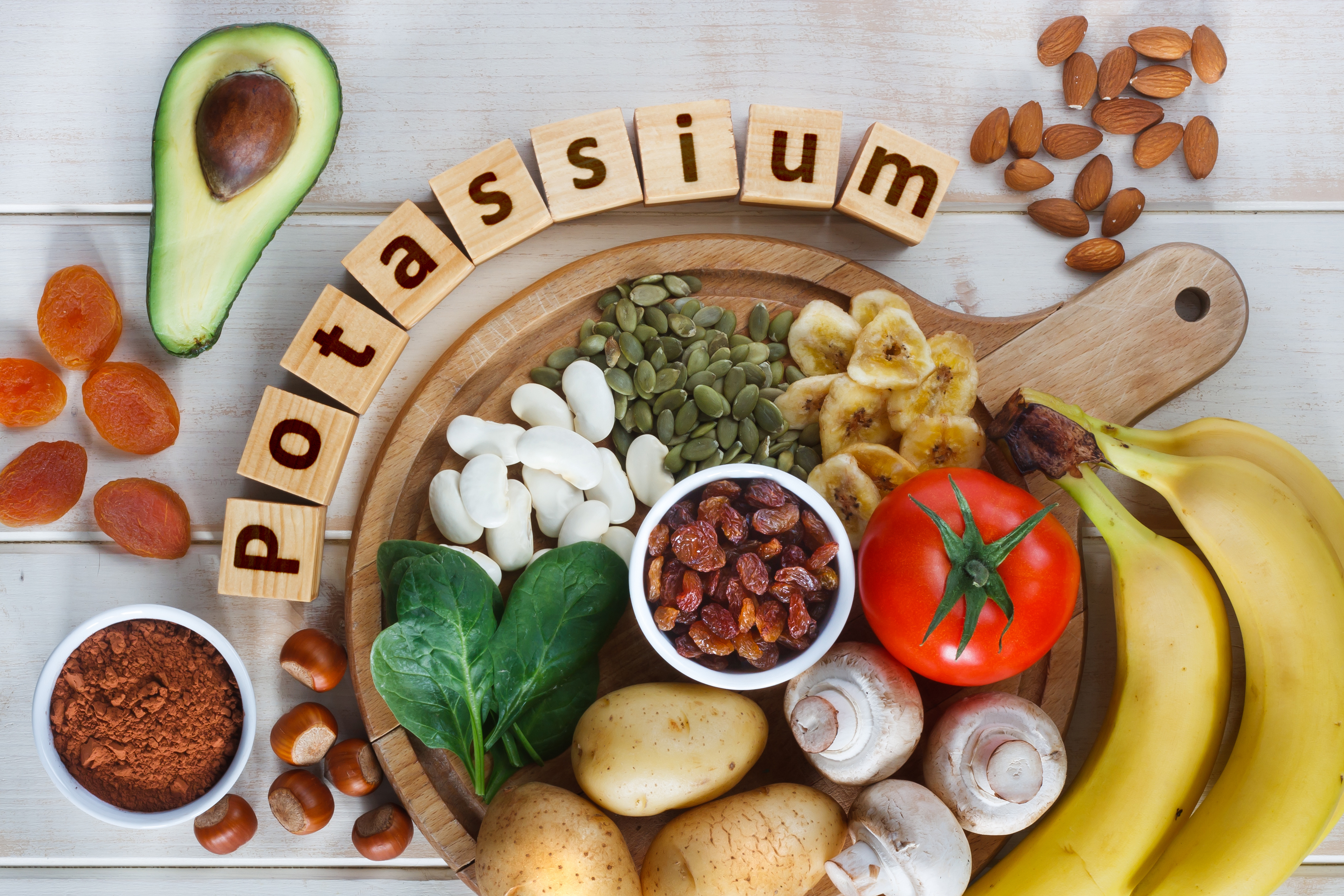
Here’s a link to a valuable article by Dr. Josh Axe on the “Top 10 Potassium Rich Foods.”
https://draxe.com/nutrition/top-10-potassium-rich-foods
Potassium has many health benefits and it is best gotten from foods, although supplements are also available. Potassium is one of the key natural remedies as it supports bone and muscle strength, as well as a healthy heart and good blood pressure. It is the third most abundant mineral in the body.
Enjoy eating those potassium rich foods!
__________________________________________________
This natural health news is shared by Nutrition Breakthroughs, a publisher of nutrition news and a supplier of natural remedies since 2002. Nutrition Breakthroughs makes Sleep Minerals II, the effective natural sleep aid with calcium, magnesium, zinc and vitamin D.
Welcome back to another edition of our “Fun Facts on Nutrition!” Get ready to be intrigued by some fascinating and little-known facts about food. Here’s to your enjoyment of a fun and nutritious Friday.
- Potatoes Were the First Food Grown in Space
In 1995, NASA and the University of Wisconsin collaborated to grow potatoes in space aboard the space shuttle Columbia. This experiment was part of a larger effort to develop sustainable food sources for long-term space missions. Talk about out-of-this-world nutrition.
Reference: Wheeler, R. M. (2010). Plants for human life support in space: From Myers to Mars. Gravitational and Space Biology Bulletin, 23(2), 25-35.
2. Bell Peppers Have More Vitamin C Than Oranges
While oranges are famous for their vitamin C content, bell peppers actually contain even more. A single cup of chopped red bell pepper provides nearly three times the vitamin C of an orange. Plus, they’re low in calories and rich in health-giving plant chemicals known as antioxidants, making them a perfect snack.
Reference: Howard, L. R., et al. (2000). Antioxidant activity and fruit quality changes in bell pepper. Journal of Agricultural and Food Chemistry, 48(4), 1713-1720.
3. Avocados Are Actually Berries and Have Many Benefits
Surprise. Avocados are technically berries. They contain one large seed, fitting the botanical definition of a berry. Avocados are also nutritional powerhouses, full of healthy fats, fiber, potassium, and vitamins C, E, and K.
In addition, there are many studies showing the benefits of avocado for heart health, as well as for weight management and anti-aging effects.
Reference: Dreher, M. L., & Davenport, A. J. (2013). Hass avocado composition and potential health effects. Critical Reviews in Food Science and Nutrition, 53(7), 738-750.
Fun and Health Go Hand-in-Hand
Isn’t nutrition interesting? These fun facts on nutrition highlight the amazing world of food. We’ll bring you more inspiring nutritional facts for your excellent health.
This health news is shared by Nutrition Breakthroughs, maker of the original calcium and magnesium based sleep aid Sleep Minerals II, and Joints and More, a natural supplement for joint relief, less aches and pains, stronger hair and nails, and more energy.

Avocados are a healthy, creamy, tasty food, whether they sit on top of a sandwich, an omelet or a salad — or become transformed into guacamole. Avocados balance hormones, contain beneficial fats, and feature over twenty vitamins and minerals.
They are a uniquely high source of plant sterols, which is the part of the plant that corresponds to cholesterol in people. Eating plant sterols has been proven to lower cholesterol and increase heart health in several research studies from sources like the American Journal of Clinical Nutrition.
Another key benefit of avocados is their ability to block estrogen absorption in the body. They contain key plant sterols that can reduce excess estrogen. This allows increased progesterone to be present in women and testosterone in men.
Some of the causes of excess estrogen include exposure to toxins and pollutants in the environment, chemical estrogens in plastics, hormones from food, and toxic cleaning products. Eating some avocado regularly can take the edge off the toxic load and provide better hormonal balance.
Increased estrogen levels can lead to weight gain, tiredness, headaches, water retention, breast tenderness and insomnia. Regarding excess weight, one study in the “Nutrition Journal” showed that adding half an avocado to the lunch time meal resulted in a feeling of satisfaction and a 40% reduction in the desire to eat during the 3 hours after lunch.
According to Michael Lam, M.D. who specializes in nutritional medicine: ”Plants contain over 5,000 known sterols that have progesterone enhancing effects. People who eat more wholesome plant foods have a far lower incidence of menopause symptoms because their pre- and post-menopause levels of (hormones) do not drop as significantly.”
The avocado is a pear-shaped fruit that is free of cholesterol and salt and is a high source of potassium. They are high in fiber and also contain lutein, which is a plant pigment that is proven to strengthen the eyes. Eating avocados can help prevent heart disease with its healthy fats that reduce cholesterol in the body. Adding some avocado to meals is a great way to help balance hormones – half an avocado is a good amount.
Avocado oil is another concentrated form of plant sterols that can be used for cooking in any high heat application like stir-fry, bar-b-q or roasting. It also makes a great base for salad dressings and sauces. An avocado in any form is a great food for overall health and particularly good hormonal health.
This news is brought to you by Nutrition Breakthroughs, provider of natural health articles and effective natural remedies since 2001. Learn more about the natural sleep aids and natural joint relief products made by Nutrition Breakthroughs.

Welcome to another edition of “Fun Nutrition Facts!” Get ready to be entertained and inspired by some fascinating tidbits about the food we eat. Let’s dive in …
- Peppers Can Help with Pain Relief
Capsaicin is a plant chemical found in the fruit of chili peppers that gives them their burning sensation and sense of heat. Capsaicin is known for its pain-relieving properties. It works by desensitizing nerve receptors and is often used in topical creams to alleviate pain from arthritis and other conditions. Spicy but soothing!
Reference: Anand, P., & Bley, K. (2011). Topical capsaicin for pain management: Therapeutic potential and mechanisms of action of the new capsaicin 8% patch. British Journal of Anaesthesia, 107(4), 490-502.
- Cranberries Can Prevent Urinary Tract Infections
Cranberries contain proanthocyanidins – plant chemicals that give the fruit or flowers of plants their red, blue, or purple colors. This plant substance can prevent bacteria from adhering to the walls of the urinary tract. This makes cranberries effective in preventing urinary tract infections (UTIs) and they’re also helpful for gum health by preventing oral bacterial from binding together. Enjoy cranberry juice or dried unsweetened cranberries for a tasty health boost.
Reference: Jepson, R. G., Williams, G., & Craig, J. C. (2012). Cranberries for preventing urinary tract infections. Cochrane Database of Systematic Reviews, (10), CD001321.
- Kiwi Fruit Can Improve Sleep Quality
Eating two kiwis an hour before bedtime can improve sleep quality per recent studies. Kiwis are rich in serotonin and antioxidants (substances that keep cells healthy), both of which can help you fall asleep faster and sleep more soundly. Sweet dreams are made of kiwis.
Reference: Lin, H. H., Tsai, P. S., & Fang, S. C. (2011). Effect of kiwifruit consumption on sleep quality in adults with sleep problems. Asia Pacific Journal of Clinical Nutrition, 20(2), 169-174.
Fun and Health Go Hand-in-Hand
Isn’t nutrition fascinating? From pain-relieving peppers to sleep-enhancing kiwis, these fun nutrition facts highlight the amazing world of food. Each week, we’ll bring you more surprising and inspiring nutritional facts to help you on your journey to healthier eating. Stay tuned!
This natural health news is shared by Nutrition Breakthroughs, maker of the original and effective calcium and magnesium based sleep aid Sleep Minerals II, and Joints and More, a natural supplement for joint relief, less aches and pains, stronger hair and nails, and more energy.

Vitamin C is one of the most famous vitamins as it benefits so many areas of health. It isn’t stored in the body and its highest sources are fresh vegetables and fruits.
Vitamin C strengthens bones and teeth, heals wounds, fights infections, smooths skin wrinkles (by helping to make collagen), and supports heart and eye health.
Especially for a healthy heart, vitamin C benefits have been the topic of research studies for its ability to lower blood pressure and increase the health of blood vessels.
A recent study from research scientist Dr. Caitlin Dow at the University of Colorado at Boulder, focused on 35 obese or overweight adults. These adults are often advised to walk for exercise, but they can find it a challenge to include it in their daily lives.
Dr. Dow’s research found that 500 mg. of time-release vitamin C taken daily, reduces blood vessel constriction as much as walking does.
Overweight and obese people were chosen for the study as they have higher levels of a certain vessel-constricting protein which makes their blood vessels less responsive to blood flow — thus increasing the risk of developing vascular or heart disease. Exercise has been shown to reduce the effects of this protein and to benefit blood vessels.
The University of Colorado study compared the daily use of vitamin C heart supplements to daily walking in a group of 35 sedentary, overweight individuals. Blood flow was measured before and after each alternate remedy.
The results: Daily supplementation of vitamin C (500 mg/day, time-released), reduced blood vessel constriction as much as the walking exercise did. They recommend that Vitamin C supplementation represents an effective lifestyle strategy for this condition.
In addition to this current study, the American Journal of Clinical Nutrition published a review of 29 research trials on people with high blood pressure and concluded that vitamin C has a useful role in lowering it.
This health news is shared by Nutrition Breakthroughs, a provider of natural health articles and effective natural remedies since 2001. Nutrition Breakthroughs makes the original calcium and magnesium based sleep aid Sleep Minerals II, as well as Joints and More, the natural solution for joint relief, aches and pains and stronger hair and nails.

There is a great handy chart on the Nutrition Breakthroughs website that contains some of the top natural remedies.
These are well-known healthy counterparts for many common medications. Add these powerhouse foods to your diet for any of the conditions shown.
An example of one of the most effective natural remedies is (Continue reading to see the chart!) …
—————————–
This natural health news is shared by Nutrition Breakthroughs, a publisher of nutrition articles and supplier of natural remedies since 2002. Nutrition Breakthroughs makes Sleep Minerals II, the effective natural sleep aid with calcium, magnesium, zinc and vitamin D, and also Joints and More, the natural solution for joint relief, arthritis, aches and pains, stronger hair, better nails, and more energy.

Is magnesium better than melatonin for sleep? Magnesium has many benefits for good health, one of them being its action as an effective natural sleep aid.
Melatonin supplements are also used as a sleep remedy. These two ingredients have different qualities, different health effects, and different possible side effects.
James F. Balch, M.D., author of Prescription for Nutritional Healing, writes: “A lack of the nutrients magnesium and calcium will cause you to wake up after a few hours and not be able to return to sleep.”
In contrast with mineral supplements, melatonin is a hormone which is produced by the pineal gland, located in the center of the brain. At night or in the dark, the pineal gland naturally releases melatonin to regulate the sleep cycle.
The body produces less melatonin with advancing age and while melatonin doesn’t require a prescription, it’s a potent hormone. It can help with sleeplessness. If too much is taken, it can result in grogginess, dizziness, stomach cramps and make it more difficult to wake up in the morning.
Is it better to take magnesium at night? One of the main symptoms of magnesium deficiency is chronic insomnia, accompanied with with frequent nighttime awakenings. On the other hand, a high magnesium diet has been found to be associated with deeper, less interrupted sleep.
This is per a study done by James Penland at the Human Nutrition Research Center in North Dakota. Another study from the Human Nutrition Research Center found that a magnesium citrate supplement increased sleep quality in adults aged 51 to 85.
Magnesium has hundreds of health effects in the body. According to the University of Maryland Medical Center web site, inadequate magnesium appears to reduce serotonin levels in the brain. One study found that magnesium was just as effective as an antidepressant drug in treating depression.
In addition, researchers at Stockholm’s Karolinska Institute reported that for every 100 milligram increase in magnesium intake, the risk of developing type-2 diabetes decreased by 15 per cent. Other studies have shown that people with migraine headaches have low concentrations of magnesium in their body.
Mildred Seelig, M.D., the leading medical researcher on magnesium says: “Many people needlessly suffer pain – including … migraines and muscle cramps – because they don’t get enough magnesium.”
Which form of magnesium is best for sleep? A recent study on magnesium for sleep came from the University of Medical Sciences in Iran. Its subjects were 46 older adults, aged 60 to 75, who were experiencing insomnia. However, it’s interesting to note that the researchers recommend their results be extended to all ages of the general population as helpful advice.
In the University study, the subjects were divided into two groups. One group received placebos, while the other received magnesium oxide tablets twice a day (250 milligrams each) for eight weeks.
In the group that was given magnesium, the subjects experienced significant increases in sleep time and sleep efficiency (which is the time spent in bed vs the time spent sleeping). They also had less night time interruptions and fewer early morning awakenings. Magnesium citrate is another form that has been proven helpful for better sleep.
One possible side effect from taking too much magnesium is that the bowels may become too loose or stomach discomfort can occur — at which point less can be taken. If this side effect happens, magnesium should be taken with a full meal or a healthy snack.
Another important nutritional tip that can help to avoid any deficiencies is to balance magnesium with calcium and vitamin D rather than taking it alone. The recommended ratio is 2 to 1 or twice as much calcium as magnesium.
According to the Mayo Clinic, possible side effects of melatonin include stomach cramps, anxiety, irritability, confusion and short-term depression. Melatonin supplements can interact with various medications such as blood-thinning medications, medications that suppress the immune system, diabetes medications and birth control pills. Prolonged use may also inhibit the body’s own natural ability to produce melatonin.
This health news is brought to you by Nutrition Breakthroughs and their natural sleep aid Sleep Minerals II. Sleep Minerals II is the original magnesium and calcium based remedy and is known for soothing even the worst, long-term insomnia. It also contains vitamin D and zinc and helps everyone from teenagers, to women with menopause symptoms, to older seniors, to get a good night’s sleep.
Richard P. of Parkville, Maryland says: “The Sleep Minerals are making quite a difference. I was regularly waking up at around 3:00 a.m. and after a few days use my sleep improved quite a lot. I wake up once a night to go to the bathroom, but the great thing is, I then fall back asleep and sleep several more hours. This has been a great improvement.”
Tammy M. of Meridian, Idaho says: “I was plagued with insomnia for five years and desperate for a breakthrough. Nothing has helped me more than Sleep Minerals. I’m so sold on them I could go door to door promoting them. I’m 60 years old and have never slept so soundly.”
For more information, visit Sleep Minerals II.
20 Interesting and Surprising Facts About Canada You Probably Didn’t Know! Mutlu Çiçekler Blog
Posted on: January 18, 2026

I usually repost articles from WordPress writers on natural remedies and good health, but today I’m reposting this blog article from Mutlu Cicekler. The only food-related info in it pertains to maple syrup and Hawaiian pizza, but the Canadian facts are interesting and intriguing!
This health news is shared with you by Nutrition Breakthroughs, maker of the effective natural sleep aid Sleep Minerals II, and the natural solution for joint relief, allergies, pain relief and increased energy, Joints and More.
 News on Natural Remedies, Good Sleep and Good Health