Posts Tagged ‘deeper sleep’

Sleep quality is influenced by more than just bedtime routines. One often overlooked factor is blood sugar fluctuations at night. Glucose is the body’s fuel for all of its cells and it travels through the blood – so it has become known as “blood sugar.”
Your body naturally experiences a drop in glucose during the early sleep period, and sometimes in the middle of the night. For some people, especially those sensitive to blood sugar changes, this dip can trigger waking, restlessness, or lighter sleep stages.
When blood sugar drops too low, the body can release stress hormones, such as adrenaline and cortisol, to stabilize glucose levels. These hormones can disrupt sleep and make it harder to achieve deep, restorative rest.
Over time, repeated nighttime awakenings due to blood sugar dips can lead to chronic fatigue, irritability, and even increased risk for metabolic disorders.
How to support stable blood sugar overnight:
- Evening snacks: A small snack combining protein and complex carbohydrates, like a slice of whole-grain toast with almond butter or Greek yogurt with berries, helps maintain steadier blood sugar levels.
- Meal timing: Eating dinner at consistent times each evening helps the body anticipate blood sugar patterns and reduces sudden dips.
- Minerals for balance: Magnesium and zinc help regulate glucose metabolism and insulin function, which in turn supports stable nighttime blood sugar.
- Limit sugar at night: High-sugar desserts late in the evening can trigger spikes and crashes, causing more wakefulness.
Other lifestyle factors also play a role. Getting outside for light exposure, regular activity during the day, and stress management help keep your body’s internal clock aligned, making your blood sugar patterns more predictable and sleep more restorative.
References:
- Magnesium and sleep: Nutrients Journal, 2012
- Zinc and glucose metabolism: Journal of Trace Elements in Medicine and Biology, 2014
FAQ:
Q1: Are snacks always necessary before bed?
A2: Only if your blood sugar tends to dip or if your dinner was early. Choose balanced, nutrient-rich options.
Q2: Can supplements help?
A3: Magnesium or zinc supplements may help maintain steady blood sugar and support deeper sleep.
This natural health news is provided by Nutrition Breakthroughs, a publisher of nutrition articles and supplier of effective natural remedies since 2002. Nutrition Breakthroughs makes Sleep Minerals II, the original drug-free mineral formula for better sleep with calcium, magnesium, zinc and vitamin D.
*****Julianne H. of Canada says: “I continue to tell my friends about how Sleep Minerals II has changed my life. I am fully retired now but still remember driving to work and wondering if I would make it there due to sleep deprivation.”
“And the debilitating leg cramps that used to occur every night have now become history. My legs were sore even into the next day. It’s great to be sleeping so much better, no more sore legs, and my calcium levels are being kept constant.”
The Healthy Colors of Your Diet (from the Human Nutrition Research Center) ….
Posted on: January 1, 2026
By Matthew Picklo
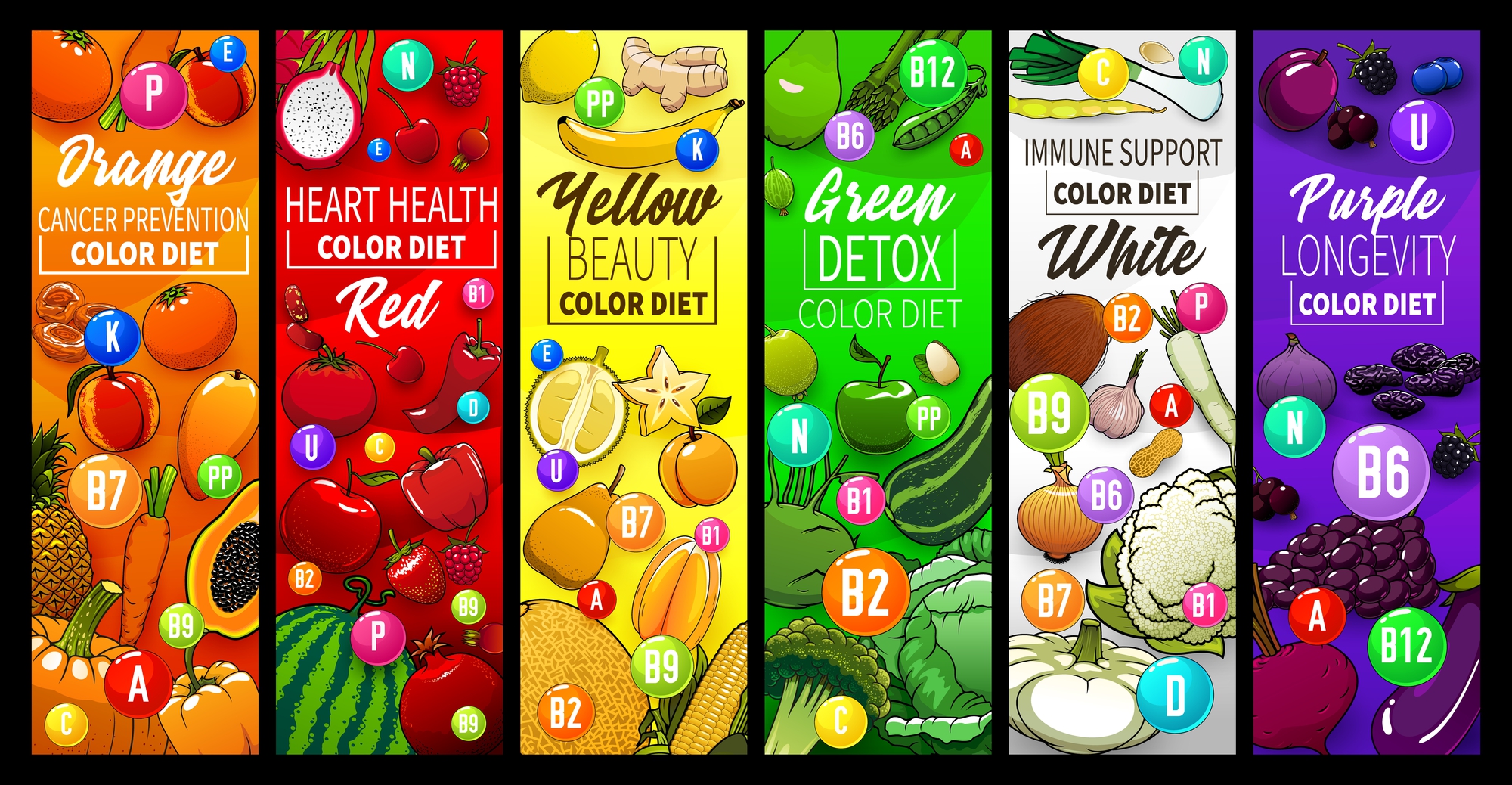
Have you thought about the many colors of our foods? They catch our eye and add so much to the appeal of our meals – particularly fruits and vegetables. Research shows that the colors of our foods may also be related to the health benefits they provide.
The pigments that give plant foods their vibrant colors are of value to the plants themselves, as well as to those who consume them. These colorful fruit and vegetable pigments also serve to attract feeding animals who later help distribute the plants’ seeds.
Plant pigments have long been of interest to food chemists who have studied their contributions to the visual appeal of foods. In recent years, there also has been an explosion of interest in the health potentials of the pigments that are responsible for food colors.
There are several types of pigments in foods. One group is the “anthocyanins”, a term derived from the Greek words for “flower” and “blue”. Anthocyanins are present in many fruits including cherries, blueberries, blackberries, and cranberries. They also are found in colored grains such as purple corn, red rice, black rice, purple carrots and blue potatoes.
One of the richest sources of anthocyanins is the chokecherry. Black rice, which has a purple-black bran, also has very high levels of anthocyanins. In ancient China, it was known as “forbidden rice”, as it and was only eaten by the nobility. Anthocyanins appear to protect plant tissues from damage by ultraviolet light. They may also be anti-microbial.
Laboratory studies suggest that the anthocyanins in foods benefit health by reducing inflammation and preventing oxidative damage to cells, a process associated with diabetes and cardiovascular disease. Studies have shown this for anthocyanin-rich fruit juices, and scientists are now asking whether some anthocyanins may be more useful than others, and how they function in the body.
Another group of plant pigments are the carotenoids – a large group of more than 600 compounds that give vegetables and fruits their yellow, orange and red colors. Some familiar sources include tomatoes, carrots, yellow squash and spinach. The most common carotenoids are beta-carotene, lycopene and lutein.
Beta-carotene is related chemically to vitamin A, which is essential for vision and functions in maintaining healthy bones, immune function and may other vital functions. In fact, the body can convert beta-carotene to vitamin A. Spinach, carrots, orange juice and cantaloupe are particularly good sources of beta-carotene.
Lycopene is present in tomatoes, tomato sauce and tomato juice. It is of current interest in cancer research, as studies have associated reduced prostate cancer risk for men with relatively high blood levels of lycopene.
Lutein is accumulated by the key visual area of the retina called the macula where it is thought to protect against potentially damaging effects of light. It is thought that lutein may reduce the risk of macular degeneration, which is a major cause of visual impairment in people aged fifty years and older. Good sources of lutein include green leafy vegetables such as spinach, kale, and turnips greens. USDA scientists have found that eggs can be an important source of lutein.
Understanding how diet and physical activity can prevent disease and promote health is central to the research mission of the USDA Grand Forks Human Nutrition Research Center, or GFHNRC. This includes better understanding of the health roles of anthocyanins and carotenoids.
More information to help you make healthful and colorful food choices can be found at MyPyramid.gov.
………
Comments from the blog author Nutrition Breakthroughs: When deciding what to eat, seek out brightly colored fruits and vegetables for greater health. Good eating leads to good health for all parts of your body, including your heart and brain, and leads to higher levels of energy during the day and better, deeper sleep at night.
This article is shared with you by Nutrition Breakthroughs, maker of the effective natural sleep remedy for insomnia help Sleep Minerals II. Sleep Minerals II contains highly absorbable forms of magnesium, zinc, and calcium, as well as Vitamin D, all mixed with healthy oils in a softgel form for fast absorption. If you or someone you care about needs to get better, deeper sleep, visit the Sleep Minerals II page on Amazon.
via ars.usda.gov

Recent studies have highlighted the significant benefits of zinc in promoting better sleep quality.
These findings come as welcome news to the 50 to 70 million adults in the United States suffering from sleep disorders, many of whom turn to medications for relief.
These figures come from the U.S. Centers for Disease Control and Prevention (CDC).
Research published in the International Journal of Molecular Sciences demonstrates that zinc can help individuals fall asleep faster, stay asleep longer, and wake up feeling refreshed.
Zinc is a vital mineral for sleep regulation and it is also the most important mineral for immune function. The amount of zinc present in the body is a factor that can determine the quality and quantity of sleep. Zinc aids in the manufacture of chemical messengers in the brain such as melatonin and serotonin, which support a sound night’s sleep and help to regulate the sleep-wake cycle.
In another study, published in the Workplace Health and Safety Journal, researchers found that participants who supplemented with zinc experienced shorter sleep latency, meaning they fell asleep more quickly compared to those who did not take zinc. The study also indicated that zinc contributed to increased sleep duration and improved overall sleep quality.
These benefits make zinc a promising natural alternative to traditional sleeping pills, which can have numerous side effects and lead to addiction. With over 9 million Americans using prescription sleep aids (per the CDC), zinc offers a natural solution that can enhance sleep without the risk of dependency or adverse effects.
The popular natural sleep aid Sleep Minerals II from Nutrition Breakthroughs combines zinc with calcium, magnesium, and vitamin D to create an effective natural remedy for sleep troubles. The blend of these essential minerals works synergistically to promote relaxation and improve sleep quality.
L.R.C. of Massachusetts says: “I had become dependent on sleeping drugs and couldn’t sleep without them. Now I take the Sleep Minerals before bed and I can sleep through the night without drugs. I’m also able to easily fall back to sleep if I do have to get up. Another benefit is this helps alleviate my chronic fatigue and aches and pains.”
For those seeking a natural way to improve sleep, Sleep Minerals II can be found online at the Nutrition Breakthroughs website and at Amazon. By addressing nutrient deficiencies and supporting the body’s natural sleep processes, Sleep Minerals II offers a safe and effective alternative to sleeping pills, harnessing the power of zinc and other vital minerals.
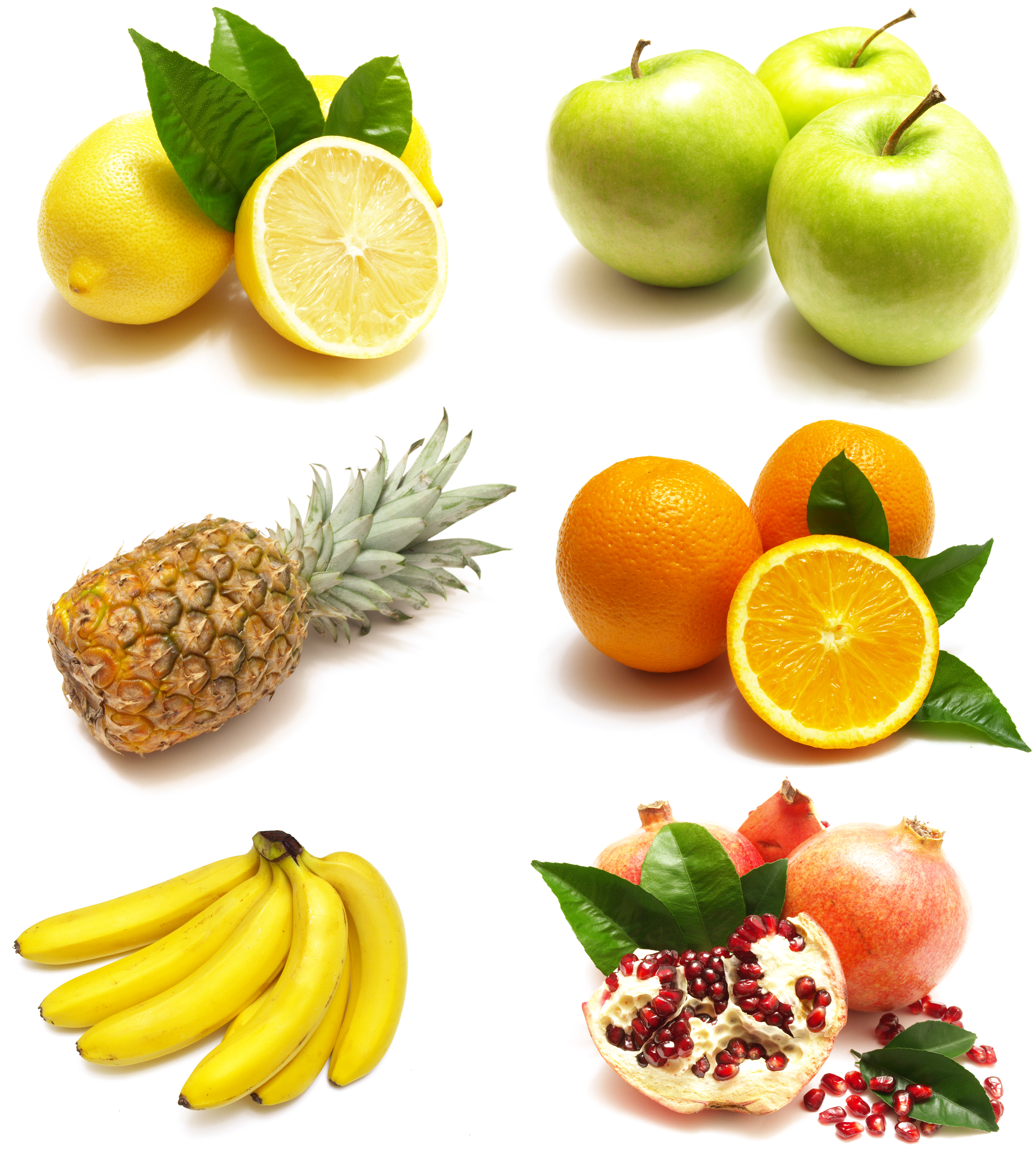
Studies are showing that certain minerals can have a positive effect of the quality of our sleep. One of these is potassium.
A study in the journal “Sleep” found that sleep improved and had more (Continue reading) …
——
This health news is shared by Nutrition Breakthroughs, maker of the original calcium and magnesium based sleep aid Sleep Minerals II, and Joints and More, a natural supplement for joint relief, less aches and pains, and more energy.
Greetings to you,
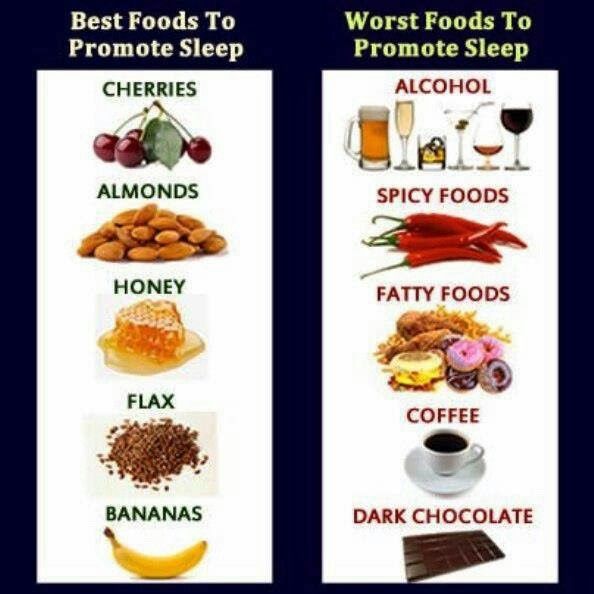
It’s Jobee Knight from Nutrition Breakthroughs. I’ve included a helpful chart below that contains some of the best foods for promoting sleep, as well as some of the worst foods. Some foods can act as a natural sleep aid, while some can make one’s time in bed a struggle with tossing and turning all night.
This news is brought to you by Sleep Minerals II, the original drug-free calcium and magnesium formula for deeper sleep. A new review just came in from Tammy M. of Meridian, Idaho who says: “I was plagued with insomnia for 5 years and desperate for a breakthrough. Nothing has helped me more than Sleep Minerals — I’m so sold on them I could go door to door promoting them. I’m 60 years old and have never slept so soundly.”
For more information, visit the Sleep Minerals II page.
Best of health,
Jobee Knight
www.NutritionBreakthroughs.com
 From ScienceDaily .com
A placebo-controlled study by the University of Oxford in the United Kingdom suggests that higher levels of omega-3 (DHA), the group of fatty acids found in algae and seafood, are associated with better sleep. The researchers explored whether 16 weeks of daily 600 mg. supplements of algae sources would improve the sleep of 362 children.
The children who took part in the study were not selected for sleep problems, but were all struggling readers at a mainstream primary school. At the outset, the parents filled in a child sleep questionnaire, which revealed that 40% of the children in the study suffered from regular sleep disturbances. Of the children rated as having poor sleep, the researchers fitted wrist sensors to 43 of them to monitor their movements in bed over five nights.
This exploratory study showed that the children on a course of daily supplements of omega-3 had nearly one hour (58 minutes) more sleep and seven fewer waking episodes per night compared with the children taking the corn or soybean placebo. The findings are due to be published in the Journal of Sleep Research.
This news is brought to you by Nutrition Breakthroughs.com. Since 2001 Nutrition Breakthroughs has been providing natural health articles and effective natural remedies. Their mission is to provide nutritional supplements that get results, and therefore help people to avoid addictive drugs and their side effects.
Since 2009, their natural sleep remedy Sleep Minerals II has been keeping that promise — by soothing even the worst insomnia and helping everyone from teenagers, to women with menopause symptoms, to seniors, to get a good night’s sleep.
For more information on the effective natural insomnia remedy Sleep Minerals II, visit http://www.NutritionBreakthroughs.com/html/Sleep_Aid
Article source: http://www.sciencedaily.com/releases/2014/03/140306103931.htm
By Matthew Picklo
Have you thought about the many colors of our foods? They catch our eye and add so much to the appeal of our meals – particularly fruits and vegetables. Research shows that the colors of our foods may also be related to the health benefits they provide.
The pigments that give plant foods their vibrant colors are of value to the plants themselves, as well as to those who consume them. These colorful fruit and vegetable pigments also serve to attract feeding animals who later help distribute the plants’ seeds.
Plant pigments have long been of interest to food chemists who have studied their contributions to the visual appeal of foods. In recent years, there also has been an explosion of interest in the health potentials of the pigments that are responsible for food colors.
There are several types of pigments in foods. One group is the “anthocyanins”, a term derived from the Greek words for “flower” and “blue”. Anthocyanins are present in many fruits including cherries, blueberries, blackberries, and cranberries. They also are found in colored grains such as purple corn, red rice, black rice, purple carrots and blue potatoes. One of the richest sources of anthocyanins is the chokecherry. Black rice, which has a purple-black bran, also has very high levels of anthocyanins. In ancient China, it was known as “forbidden rice”, as it and was only eaten by the nobility. Anthocyanins appear to protect plant tissues from damage by ultraviolet light. They may also be anti-microbial.
Laboratory studies suggest that the anthocyanins in foods benefit health by reducing inflammation and preventing oxidative damage to cells, a process associated with diabetes and cardiovascular disease. Studies have shown this for anthocyanin-rich fruit juices, and scientists are now asking whether some anthocyanins may be more useful than others, and how they function in the body.
Another group of plant pigments are the carotenoids – a large group of more than 600 compounds that give vegetables and fruits their yellow, orange and red colors. Some familiar sources include tomatoes, carrots, yellow squash and spinach. The most common carotenoids are beta-carotene, lycopene and lutein.
Beta-carotene is related chemically to vitamin A, which is essential for vision and functions in maintaining healthy bones, immune function and may other vital functions. In fact, the body can convert beta-carotene to vitamin A. Spinach, carrots, orange juice and cantaloupe are particularly good sources of beta-carotene.
Lycopene is present in tomatoes, tomato sauce and tomato juice. It is of current interest in cancer research, as studies have associated reduced prostate cancer risk for men with relatively high blood levels of lycopene.
Lutein is accumulated by the key visual area of the retina called the macula where it is thought to protect against potentially damaging effects of light. It is thought that lutein may reduce the risk of macular degeneration, which is a major cause of visual impairment in people aged fifty years and older. Good sources of lutein include green leafy vegetables such as spinach, kale, and turnips greens. USDA scientists have found that eggs can be an important source of lutein.
Understanding how diet and physical activity can prevent disease and promote health is central to the research mission of the USDA Grand Forks Human Nutrition Research Center, or GFHNRC. This includes better understanding of the health roles of anthocyanins and carotenoids.
More information to help you make healthful and colorful food choices can be found at MyPyramid.gov.
………Comments from the blog author Nutrition Breakthroughs: When deciding what to eat, seek out brightly colored fruits and vegetables for greater health. Good eating leads to good health for all parts of your body, including your heart and brain, and leads to higher levels of energy during the day and better, deeper sleep at night.
This article is provided to you by http://www.NutritionBreakthroughs.com, maker of the effective sleep remedy for insomnia help “Sleep Minerals II”. Sleep Minerals II contains highly absorbable forms of magnesium and calcium, as well as Vitamins D and K and the mineral boron. If you or someone you care about needs to get better, deeper sleep, visit this link: http://www.nutritionbreakthroughs.com/html/sleep_remedy_for_insomnia_help.html
via ars.usda.gov

ScienceDaily – New research has found that if you want some of the many health benefits associated with eating broccoli or other cruciferous vegetables, you need to eat the real thing — a key phytochemical (plant chemical) in these vegetables is poorly absorbed and of far less value if taken as a supplement. The study, published by scientists in the Linus Pauling Institute at Oregon State University, is one of the first of its type to determine whether some of the healthy compounds found in cruciferous vegetables can be just as easily obtained through supplements. The answer is no.
And not only do you need to eat the whole foods, you have to go easy on cooking them.
“The issue of whether important nutrients can be obtained through whole foods or with supplements is never simple,” said Emily Ho, an Oregon State University (OSU) associate professor in the OSU School of Biological and Population Health Sciences, and principal investigator with the Linus Pauling Institute.
“Some vitamins and nutrients, like the folic acid often recommended for pregnant women, are actually better-absorbed as a supplement than through food,” Ho said. “Adequate levels of nutrients like vitamin D are often difficult to obtain in most diets. But the particular compounds that we believe give broccoli and related vegetables their health value need to come from the complete food.”
….Broccoli has been of particular interest to scientists because it contains the highest levels of certain (plant chemicals) that many believe may reduce the risk of prostate, breast, lung and colorectal cancer. When eaten as a raw or lightly-cooked food, enzymes in the broccoli help (our health greatly). Note: slight edits were made by the blog author Nutrition Breakthroughs.
This article is provided to you by http://www.NutritionBreakthroughs.com, maker of the effective sleep remedy for insomnia help “Sleep Minerals II”. Sleep Minerals II contains highly absorbable forms of magnesium and calcium, as well as Vitamins D and K and the mineral boron. If you or someone you care about needs to get better, deeper sleep, take a look at the Sleep Minerals II customer reviews at this link: http://www.nutritionbreakthroughs.com/html/sleep_remedy_for_insomnia_help.html
 News on Natural Remedies, Good Sleep and Good Health