Posts Tagged ‘vitamins for sleep’
Healing Naturally: Home Remedies That Help You Conquer a Cold Faster – Health Shred Blog
Posted on: February 9, 2026

Here’s some mighty good advice for conquering colds and flus faster. Proven natural remedies are the way to go!
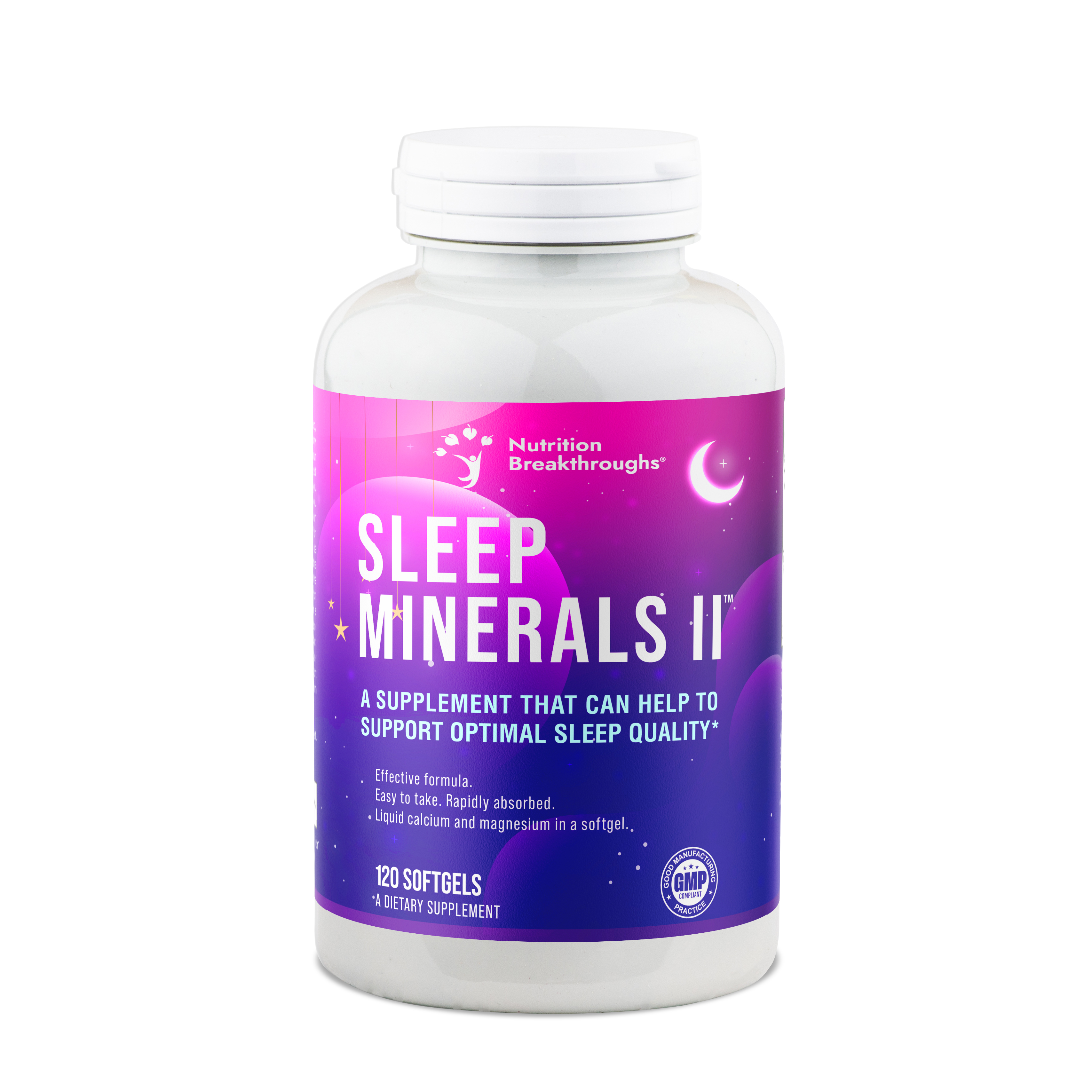
This health news is shared with you by Nutrition Breakthroughs, maker of the effective natural sleep aid Sleep Minerals II, and the natural solution for joint relief, allergies, pain relief and increased energy, Joints and More.
According to the National Sleep Foundation (NSF), almost six out of ten Americans report having insomnia and sleep problems at least a few nights a week.
Insomnia is defined as “An inability to fall asleep or remain asleep long enough to feel rested, especially when the problem continues over time.”
In an effort to combat this, as many as 25 percent of the people in the United States use medications to help them sleep.
Most sleeping pills can have multiple side effects, staying in the bloodstream and giving a hangover effect the next day and beyond.
They tend to be addictive, can increase the risk of car and work accidents and may impair one’s memory and performance on the job and at home.
Sleep Minerals II is the original drug-free calcium and magnesium based sleep aid. The minerals are uniquely formulated in a softgel with natural oils, making them highly absorbable. The product soothes insomnia and helps everyone from older adults, to teenagers, to women with menopause symptoms, to get a good night’s sleep. It also calms restless leg syndrome.
James F. Balch, M.D., author of “Prescription for Nutritional Healing,” writes: “A lack of the nutrients calcium and magnesium will cause you to wake up after a few hours and not be able to return to sleep.”
Alex R. of Ramseur, North Carolina shares his review and says: “Sleep Minerals II has been a blessing for me. It has given me the opportunity to withdraw from a highly addictive sleep medication over time, and has allowed me to sleep while going through this most difficult ordeal. What’s great about it is it doesn’t lose its effectiveness, which is something that happens with medications. I am most thankful for this product.”
Chris M. of the United Kingdom says: “I take one softgel of Sleep Minerals II before bed every night and within 20 minutes I am asleep. The difference in the quality of my sleep and the ease with which I get to sleep using this product is monumental. I have stopped obsessing about sleep or dreading bedtime — I just take a softgel and drift off. If I stop taking them, within a week my sleep starts to lighten in quality, the amount of my sleep diminishes, and my old insomniac patterns reappear.”
Richard P. of Parkville, Maryland says: “The Sleep Minerals are making quite a difference. I was regularly waking at around 3:00 a.m. and after a few days use my sleep improved quite a lot. I wake once a night to go to the bathroom, but the great thing is; I then fall back asleep and sleep several more hours. This has been a great improvement.”
Sadie D. from The Netherlands says: “I am ever so grateful that I discovered Sleep Minerals II after suffering with premenopause and now the real menopausal insomnia. I felt like I was slowly losing my mind due to the continual lack of sleep. I can’t express the relief of getting a good night’s sleep and being able to function properly.”
For more information on Sleep Minerals II, visit this information page.
Jill C. of Ellensburg, Washington says: “My husband has been struggling with restless leg syndrome (RLS) his whole life. Coming back from a deployment in Iraq five years ago made his RLS become magnificently worse, creating nightly insomnia. He couldn’t sleep more than three to five hours unless taking an addictive prescribed narcotic, which he became tolerant to and the insomnia came back with no answers. Now he’s been taking Sleep Minerals II for a week and every night has had a great night’s sleep. We are thrilled.”
Tammy M. of Meridian, Idaho says: “I was plagued with insomnia for five years and desperate for a breakthrough. Nothing has helped me more than the Sleep Minerals — I’m so sold on them I could go door to door promoting them. I’m 60 years old and have never slept so soundly. Thank you for making sleep a reality for so many people.”
This news is provided by Nutrition Breakthroughs. Since 2001 Nutrition Breakthroughs has provided natural health articles and effective natural remedies. Their mission is to provide nutritional supplements that get results and help people to avoid drugs and their side effects.
For more information on Sleep Minerals II, visit this information page.
Walking Outside vs. Treadmill Walking: Which Is Best for Your Health? And Tips for Beginner Walkers – Daily Interesting Blogs
Posted on: January 20, 2026

A nice and concise article on walking from Daily Interesting Blogs. I’m happy to share it with my readers. This info is shared by Sleep Minerals II, for deeper sleep and better health, and Joints and More, for joint support, stronger hair and nails and more.
Is magnesium better than melatonin for sleep? Magnesium has many benefits for good health, one of them being its action as an effective natural sleep aid.
Melatonin supplements are also used as a sleep remedy. These two ingredients have different qualities, different health effects, and different possible side effects.
James F. Balch, M.D., author of Prescription for Nutritional Healing, writes: “A lack of the nutrients magnesium and calcium will cause you to wake up after a few hours and not be able to return to sleep.”
In contrast with mineral supplements, melatonin is a hormone which is produced by the pineal gland, located in the center of the brain. At night or in the dark, the pineal gland naturally releases melatonin to regulate the sleep cycle.
The body produces less melatonin with advancing age and while melatonin doesn’t require a prescription, it’s a potent hormone. It can help with sleeplessness. If too much is taken, it can result in grogginess, dizziness, stomach cramps and make it more difficult to wake up in the morning.
Is it better to take magnesium at night? One of the main symptoms of magnesium deficiency is chronic insomnia, accompanied with with frequent nighttime awakenings. On the other hand, a high magnesium diet has been found to be associated with deeper, less interrupted sleep.
This is per a study done by James Penland at the Human Nutrition Research Center in North Dakota. Another study from the Human Nutrition Research Center found that a magnesium citrate supplement increased sleep quality in adults aged 51 to 85.
Magnesium has hundreds of health effects in the body. According to the University of Maryland Medical Center web site, inadequate magnesium appears to reduce serotonin levels in the brain. One study found that magnesium was just as effective as an antidepressant drug in treating depression.
In addition, researchers at Stockholm’s Karolinska Institute reported that for every 100 milligram increase in magnesium intake, the risk of developing type-2 diabetes decreased by 15 per cent. Other studies have shown that people with migraine headaches have low concentrations of magnesium in their body.
Mildred Seelig, M.D., the leading medical researcher on magnesium says: “Many people needlessly suffer pain – including … migraines and muscle cramps – because they don’t get enough magnesium.”
Which form of magnesium is best for sleep? A recent study on magnesium for sleep came from the University of Medical Sciences in Iran. Its subjects were 46 older adults, aged 60 to 75, who were experiencing insomnia. However, it’s interesting to note that the researchers recommend their results be extended to all ages of the general population as helpful advice.
In the University study, the subjects were divided into two groups. One group received placebos, while the other received magnesium oxide tablets twice a day (250 milligrams each) for eight weeks.
In the group that was given magnesium, the subjects experienced significant increases in sleep time and sleep efficiency (which is the time spent in bed vs the time spent sleeping). They also had less night time interruptions and fewer early morning awakenings. Magnesium citrate is another form that has been proven helpful for better sleep.
One possible side effect from taking too much magnesium is that the bowels may become too loose or stomach discomfort can occur — at which point less can be taken. If this side effect happens, magnesium should be taken with a full meal or a healthy snack.
Another important nutritional tip that can help to avoid any deficiencies is to balance magnesium with calcium and vitamin D rather than taking it alone. The recommended ratio is 2 to 1 or twice as much calcium as magnesium.
According to the Mayo Clinic, possible side effects of melatonin include stomach cramps, anxiety, irritability, confusion and short-term depression. Melatonin supplements can interact with various medications such as blood-thinning medications, medications that suppress the immune system, diabetes medications and birth control pills. Prolonged use may also inhibit the body’s own natural ability to produce melatonin.
This health news is brought to you by Nutrition Breakthroughs and their natural sleep aid Sleep Minerals II. Sleep Minerals II is the original magnesium and calcium based remedy and is known for soothing even the worst, long-term insomnia. It also contains vitamin D and zinc and helps everyone from teenagers, to women with menopause symptoms, to older seniors, to get a good night’s sleep.
Richard P. of Parkville, Maryland says: “The Sleep Minerals are making quite a difference. I was regularly waking up at around 3:00 a.m. and after a few days use my sleep improved quite a lot. I wake up once a night to go to the bathroom, but the great thing is, I then fall back asleep and sleep several more hours. This has been a great improvement.”
Tammy M. of Meridian, Idaho says: “I was plagued with insomnia for five years and desperate for a breakthrough. Nothing has helped me more than Sleep Minerals. I’m so sold on them I could go door to door promoting them. I’m 60 years old and have never slept so soundly.”
For more information, visit Sleep Minerals II.

Greetings to you,
It’s Jobee from Nutrition Breakthroughs. If you or someone you care about experiences holiday stress or insomnia during the holiday times, then these healthy tips will come in handy.
1. If you drink coffee, try to replace some of it with herbal teas such as chamomile, lemon balm or passionflower. These are all proven to calm and relax and help with better sleep.
2. Do some regular, gentle exercise that you enjoy. Some ideas would be walking, dancing, stretching or cycling.
3. Spend some time outdoors and if it’s very cold, bundle up! Especially if you spend a lot of time indoors in front of a computer screen, go outside and look at the trees, houses, clouds, buildings and other large objects. This helps the body and mind unwind and get some rest.
4. Turn off the TV, computer or cell phone at least an hour before bedtime. The lighted screens of these electronics have been found to reduce melatonin levels in the body, which is a natural hormone that regulates the sleep and wake cycles.
5. Enjoy the celebration of thanks and goodwill and if any difference of opinion starts to develop with a friend or family member, just move on to the next topic and direct their attention to something you know they like or admire.
Here’s to your good health, good sleep, and the very best of the season!
Jobee Knight, Nutrition Breakthroughs
Maker of the original calcium and magnesium based sleep aid Sleep Minerals II, and Joints and More, a natural supplement for joint relief, less aches and pains, and more energy.
Trouble Sleeping? More Magnesium May Help (from Human Nutrition Research Center)
Posted on: November 25, 2025

By Forrest Nielsen
Can’t sleep? You are not alone. Not being able to sleep, or insomnia, is a common complaint, especially among people older than 50. More than half of all people aged 65 years and older have sleep problems.
Not surprisingly, lack of sleep is caused mainly by factors that are more common later in life, such as breathing problems, illness and medications. Yet, scientists have proved that poor sleep is not a natural part of aging.
Five common complaints are trouble falling asleep, waking up, awaking too early, needing to nap and not feeling rested.
Lack of sleep is a health concern because it can cause attention and memory problems, depressed mood and body chemistry changes that foster heart disease, diabetes and osteoporosis.
A factor getting more attention recently is poor nutrition. A low intake of the mineral magnesium may be one nutritional factor causing sleep problems.
Magnesium plays a key role in the body’s chemistry that regulates sleep. This may be why persons with long-term lack of sleep, or abnormal brain waves during deep sleep, often have low magnesium in their blood.
Some small studies with humans and rats also suggest that magnesium is needed for good sleep. Magnesium treatment increased deep sleep and improved brain waves during sleep in 12 elderly subjects. Magnesium treatment decreased time to fall asleep and improved sleep quality of 11 alcoholic patients who often have a low magnesium status. Magnesium deficiency increased time awake at the expense of deep sleep in rats. Feeding magnesium to the rats restored their sleep patterns to normal.
The diets of many people do not contain enough magnesium for good health and sleep. In 1997, the United States Food and Nutrition Board set the recommended dietary allowance (or daily intake) for magnesium at 320 milligrams for women and 420 milligrams for men between ages 51 and 70.
A national food consumption survey found that many Americans, especially older women, consume less than the recommended amount for magnesium. Another risk factor for low magnesium status in older women is the use of calcium supplements without magnesium for bone health. High calcium intakes can make magnesium deficiency worse.
Perhaps, you have heard or read of the folk remedy of drinking a glass of warm milk before going to bed if you have trouble with falling asleep. This remedy may work for some people because milk is a fair source for magnesium. A glass of milk provides about 30 milligrams of magnesium. This amount of magnesium could be the difference between a deficient and adequate magnesium status for many people.
Other foods that have good amounts of magnesium are whole grains, nuts and green leafy vegetables. Green leafy vegetables are a good source of magnesium because the green color is chlorophyll, a chemical that contains magnesium and converts sunlight into food energy.
(From the Human Nutrition Research Center of the U.S. Dept. of Agriculture).
This health news is provided by Nutrition Breakthroughs, maker of the effective natural sleep aid featuring calcium and magnesium Sleep Minerals II.
Kimberly B. of Troy Michigan says: “I have been taking Sleep Minerals II for about a month now. I have tried everything out there and this supplement is amazing. I have suffered with insomnia for two and a half years and have had restless leg syndrome my entire life. This is the first relief I’ve ever had…it’s gone for a month now.”
For more information, visit the Sleep Minerals II page.
Healing Naturally: Home Remedies That Help You Conquer a Cold Faster – Health Shred Blog
Posted on: November 15, 2025
Here’s some mighty good advice for conquering colds and flus faster. Proven natural remedies are the way to go!
This health news is shared with you by Nutrition Breakthroughs, maker of the effective natural sleep aid Sleep Minerals II, and the natural solution for joint relief, allergies, pain relief and increased energy, Joints and More.
A short but sweet post with good tips on beating insomnia and sleeping better. One revision I would make is that melatonin should only be used short-term, as otherwise it may suppress the body’s own ability to make this natural sleep enhancer. For recommended supplements, I would add calcium, magnesium and vitamin D, as they are proven by science to enhance good sleep naturally.
This health news is shared with you by Nutrition Breakthroughs, maker of the effective natural sleep aid Sleep Minerals II, and the natural solution for joint relief, allergies, pain relief and increased energy, Joints and More.

Magnesium deficiency is very common these days. A recent government study shows that 68% of Americans do not consume the recommended daily intake of magnesium, which is 400 milligrams per day.
Magnesium can be found in foods such as green leafy vegetables, black beans, pumpkin seeds, almonds, avocados, figs, bananas, brown rice, and other beans, nuts and seeds. Magnesium supplements are a good option as well, particularly those containing magnesium citrate which is very absorbable.
Sidney Baker, M.D., a practicing doctor with a special interest in the nutritional aspects of chronic health problems says: “Magnesium deficiency can affect virtually every organ and system of the body. One may experience muscle twitches, cramps, soreness, back aches, neck pain, tension headaches, and fatigue or weakness.”
Studies show that magnesium can soothe insomnia, support heart health, normalize blood sugar, relieve headaches and ease menopause symptoms. In one study from the University of Iran, people with insomnia were given magnesium tablets twice a day for eight weeks. They experienced significant increases in quality sleep time, with less night time interruptions and fewer early morning awakenings.
Magnesium can help prevent diabetes. Researchers at the Harvard School of Public Health evaluated the dietary intake of specific nutrients for more than 85,000 women and 42,000 men. They found that the men and women whose diets included the largest amounts of magnesium were the least likely to develop type 2 diabetes. Most of the participants consumed magnesium through foods, such as whole grains, nuts and green leafy vegetables.
Studies have found that people with migraine headaches have low concentrations of magnesium in their body. The word “cephalalgia” literally means head pain or headache. In a German study of 81 migraine patients published in the journal “Cephalalgia”, 42 percent of the people taking oral magnesium reduced both the duration and intensity of their migraine attacks. They also reduced their reliance on medications to control migraines.
One supplement shown to be helpful for insomnia and pain is Sleep Minerals II from Nutrition Breakthroughs. This formula contains highly absorbable forms of calcium citrate and magnesium citrate, the best minerals for sleeplessness and insomnia, as well as for heart health, aches and pains, bone strength and menopause insomnia.
Sleep Minerals II also includes vitamin D and zinc and is delivered in a softgel form with healthy carrier oils, making it more quickly absorbable than tablets or capsules and providing a deeper, longer-lasting sleep.
L.R.C. of Massachusetts says: “I had become dependent on sleeping drugs and couldn’t sleep without them. Now I take the Sleep Minerals before bed and I can sleep through the night without drugs. I’m also able to easily fall back to sleep if I do have to get up. Another benefit is it helps alleviate my chronic fatigue and aches and pains.”
For more information, visit the Sleep Minerals II page.
Proven Natural Remedies for Sinuses, Colds and Flus – Show them the Exit Door!
Posted on: October 25, 2025

There’s a couple of great charts below that show some of the most famous and effective remedies for sinuses, infections, and colds (keep reading after the charts!).
For example, garlic is a commonly used cold medicine. It is widely used in Russia and is known there as “Russian Penicillin”.
Garlic supports immune function and it can kill bacteria, parasites, fungus and the flu virus. One test-tube study showed that fresh garlic kills various viruses, including one which can cause flu like symptoms.
Horseradish is another plant that can ease throat and upper respiratory tract infections. It has been shown specifically to destroy the flu virus and reduce the severity of flu infections in animals. This plant is a member of the mustard family.
You may have found that eating horseradish can make your eyes water and nose run. Indeed, it can create a similar release of watery fluids inside the bronchial passages of the lungs which helps to flush them out and wash away congestion.
Vitamin C is one of the most famous boosts to immunity and one of the best remedies for sinuses and discomfort. In addition to enhancing the activity of immune cells, vitamin C acts as a vital component in the production of collagen, the principal protein found in all connective tissues.
By helping to maintain the strength and integrity of connective tissue structures, vitamin C keeps infections from spreading throughout the body (from the Handbook of Vitamins).
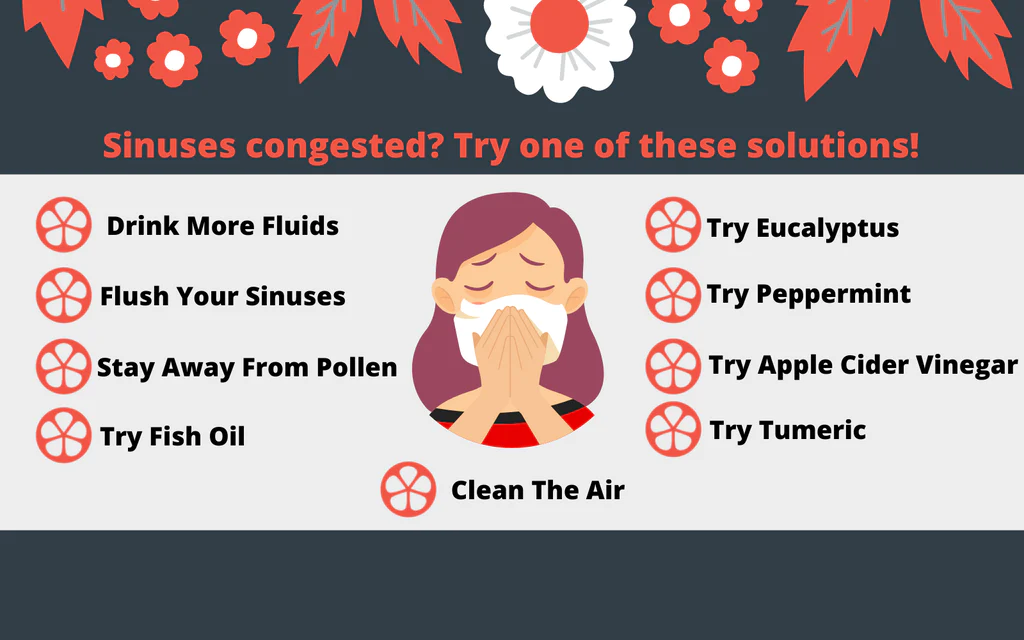
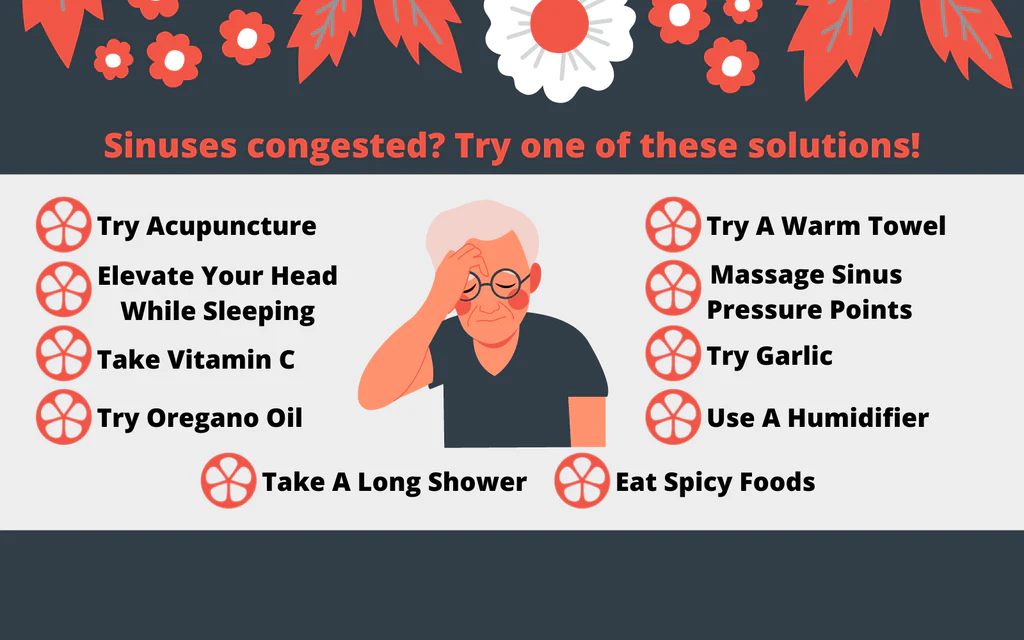
Enjoy the charts and here’s to your good health!These charts are shared courtesy of Oransi.com
This natural health news is presented by Nutrition Breakthroughs, a publisher of nutrition articles and supplier of natural remedies since 2002. Nutrition Breakthroughs makes Sleep Minerals II, the effective natural sleep aid with calcium, magnesium, zinc and vitamin D.
Sleep Minerals II may also be one of the good remedies for sinuses and colds. Calcium can lower fever and zinc accelerates the growth of immune cells while preventing the replication of cold-causing viruses.
In one study where people with colds were given zinc lozenges, sore throats disappeared after 1 day versus 3 days in the placebo group, nasal drainage in 4 days (versus 7 days), and headache in 2 days (versus 3 days).
For more information on Sleep Minerals II, visit this page.
 News on Natural Remedies, Good Sleep and Good Health