Posts Tagged ‘vitamin d sleep’

Not only are cherries one of the most satisfying and delicious foods around, they are rated by the American Journal of Nutrition in the “Top 50 List” of foods with the most powerful nutritional content and health benefits.
It’s the deep red, blue and purple colors of the top berries that contain the plant chemicals delivering a potent punch against disease. Recent research studies have discovered that health benefits of cherries include muscle pain relief, reducing inflammation, remedying insomnia, protection of brain cells, and relief for knee arthritis.
Many of the scientific studies on cherries are done with tart cherries or Montmorency cherries — usually sold as juice, dried, frozen, and in powdered supplement capsules. For those seeking a food-based remedy for sleeplessness and insomnia, the tart Montmorency cherry is known to contain high levels of melatonin, the hormone made in the brain that regulates the sleep-wake cycle.
The European Journal of Nutrition presented a placebo-controlled study that proved drinking tart cherry juice increases melatonin and improves sleep quality. Drinking the juice resulted in longer sleep times, less daytime napping and greater overall sleep efficiency (the ratio of the time spent in bed to the time actually spent sleeping).
Cherries also give proven relief for people who would like to reduce muscle pain or soreness after exercise or a lot of physical activity. A study from a sports nutrition journal discovered that runners who drank tart cherry juice prior to and during a race, experienced much less pain afterwards. The high levels of anti-inflammatory properties in cherries provided a protective effect against muscle damage.
In the battle against belly fat, cherries can be a good weapon. In one animal study from the University of Michigan, scientists mixed whole tart cherry powder in with a high fat diet. The animals that ate the cherries had a lower body weight, lower cholesterol and significantly lower levels of the kind of inflammation that’s linked to heart disease and diabetes in humans.
Osteoarthritis is the most common form of arthritis. It causes chronic joint pain, swelling, and reduced motion in joints. It can occur in any joint, but usually it affects hands, knees, hips or spine. In a recent study at the Baylor Research Institute, scientists gave tart cherry powder in capsules to people with knee osteoarthritis. At the end of the eight week study, over 50% of the people benefited with good increases in movement and significant reduction of pain.
Gout is a kind of arthritis that can cause an attack of sudden burning pain, stiffness, and swelling in a joint, usually in a big toe or in other bones of the foot. A study from the journal Arthritis & Rheumatism found that patients with gout who consumed cherries over a two-day period showed a 35% lower risk of gout attacks.
For better brain health as one ages, a study from the journal of Agriculture and Food Chemistry has proven that tart cherries protect brain cells from cell-damaging stress in a dose-dependent manner. In other words, when more cherries are eaten, there are more neuro-protective benefits for the brain. This shows a potential defense against conditions such as Alzheimer’s.
Cherries are certainly a delicious way to reduce pain and inflammation, as well as to help with a stronger heart and brain and ease insomnia and sleeplessness. Calcium and magnesium are also proven remedies for insomnia. Sleep Minerals II from Nutrition Breakthroughs is a popular supplement that contains highly absorbable forms of these minerals and is effective for an inability to sleep, as well as for heart health, restless leg syndrome, bone strength, menopause insomnia and teenage insomnia.
Tammy M. of Meridian, Idaho says: “I was plagued with insomnia for five years and desperate for a breakthrough. Nothing has helped me more than Sleep Minerals II — I’m so sold on them I could go door to door promoting them. I’m 60 years old and have never slept so soundly.”
This natural health news on the health benefits of cherries is provided by Nutrition Breakthroughs, a publisher of nutrition articles and effective natural remedies since 2001. Nutrition Breakthroughs, makes the original calcium and magnesium based sleep aid Sleep Minerals II, as well as Joints and More, the natural solution for joint relief, aches and pains, stronger hair and nails and more energy.
Healing Naturally: Home Remedies That Help You Conquer a Cold Faster – Health Shred Blog
Posted on: November 15, 2025

Here’s some mighty good advice for conquering colds and flus faster. Proven natural remedies are the way to go!
This health news is shared with you by Nutrition Breakthroughs, maker of the effective natural sleep aid Sleep Minerals II, and the natural solution for joint relief, allergies, pain relief and increased energy, Joints and More.

For anyone who has trouble falling asleep or staying asleep in the night, a growing body of research shows that certain fruits can naturally help to improve sleep quality.
Packed with essential minerals and vitamins, these fruits support your body in having a deeper, longer night’s sleep. This can lead to more energy in your day and more alertness, productivity, and quality time with family and friends.
Kiwi: The Sleep Booster
Kiwi is often celebrated for its impressive sleep-enhancing properties. This fruit is rich in serotonin, which helps regulate your sleep cycle. It’s also a great source of magnesium, known for its calming effects on the nervous system. A study published in the *Asia Pacific Journal of Clinical Nutrition* found that eating two kiwis an hour before bed improved sleep onset, duration, and quality (Liu, 2011). Plus, its high level of healthy plant chemicals promotes overall well-being, helping you rest more soundly.

Bananas: Magnesium-Packed for Relaxation
Bananas are another fruit known for sleep benefits. Packed with magnesium and potassium, bananas help relax your muscles, which is vital for preparing your body for restful sleep.
A study published in the *Journal of Research in Medical Sciences* revealed that magnesium can significantly improve insomnia in older adults (Abbasi, 2012). Bananas are also high in vitamin B6, which helps your body produce melatonin, a hormone crucial for regulating sleep cycles.
Cherries: Natural Melatonin Source
Cherries, especially tart cherries, are one of the few natural food sources of melatonin, the hormone that governs sleep-wake cycles. According to a study in the *European Journal of Nutrition*, consuming tart cherry juice improved sleep duration and efficiency in adults with insomnia (Howatson, 2012). The beneficial effects of melatonin in cherries helps to promote deeper, more restorative sleep.
Figs: A Calcium-Rich Sleep Aid
Figs are a lesser-known fruit that can do wonders for sleep. They are rich in calcium, a mineral that helps the brain use the amino acid tryptophan to manufacture melatonin. In addition to calcium, figs provide magnesium and potassium, which support muscle relaxation and help ease tension, both of which are key for a good night’s rest (Healthline, 2021).
Avocado: A Fruit with Vitamin D for Sleep Regulation
Avocado contains small amounts of vitamin D, as well as healthy fats. These plant-based fats help to increase the absorption of vitamin D from other foods such as mushrooms, eggs and fish. Low levels of vitamin D have been associated with shorter sleep durations and disturbed sleep patterns (from the journal “Medical Hypothesis”). Adding avocado to your evening snack, along with mushrooms or eggs, can help regulate your sleep cycle and promote longer periods of rest.
These fruits can pack some powerful sleep-enhancing benefits, helping you wake up refreshed and energized. Try incorporating these into your diet for a natural, delicious way to boost your sleep quality.
This natural health news is shared by Nutrition Breakthroughs, maker of the original and effective calcium and magnesium based sleep aid Sleep Minerals II, and Joints and More, a natural supplement for joint support, less aches and pains, stronger hair and nails, and more energy.
Suzanne G. of Tucson, Arizona says: “I am now taking the Sleep Minerals II each night. I have had insomnia for most of my life and the longer I take Sleep Minerals, the better I sleep. The best thing is that I can now get back to sleep if I wake up in the night. It has given me such a sense of peace to know that I now can be well rested during the day. I also find my brain less foggy from lack of sleep. I have tried many products on the market and this is the one that is gold. Thank you so much for producing a quality product!”
A short but sweet post with good tips on beating insomnia and sleeping better. One revision I would make is that melatonin should only be used short-term, as otherwise it may suppress the body’s own ability to make this natural sleep enhancer. For recommended supplements, I would add calcium, magnesium and vitamin D, as they are proven by science to enhance good sleep naturally.
This health news is shared with you by Nutrition Breakthroughs, maker of the effective natural sleep aid Sleep Minerals II, and the natural solution for joint relief, allergies, pain relief and increased energy, Joints and More.

Magnesium deficiency is very common these days. A recent government study shows that 68% of Americans do not consume the recommended daily intake of magnesium, which is 400 milligrams per day.
Magnesium can be found in foods such as green leafy vegetables, black beans, pumpkin seeds, almonds, avocados, figs, bananas, brown rice, and other beans, nuts and seeds. Magnesium supplements are a good option as well, particularly those containing magnesium citrate which is very absorbable.
Sidney Baker, M.D., a practicing doctor with a special interest in the nutritional aspects of chronic health problems says: “Magnesium deficiency can affect virtually every organ and system of the body. One may experience muscle twitches, cramps, soreness, back aches, neck pain, tension headaches, and fatigue or weakness.”
Studies show that magnesium can soothe insomnia, support heart health, normalize blood sugar, relieve headaches and ease menopause symptoms. In one study from the University of Iran, people with insomnia were given magnesium tablets twice a day for eight weeks. They experienced significant increases in quality sleep time, with less night time interruptions and fewer early morning awakenings.
Magnesium can help prevent diabetes. Researchers at the Harvard School of Public Health evaluated the dietary intake of specific nutrients for more than 85,000 women and 42,000 men. They found that the men and women whose diets included the largest amounts of magnesium were the least likely to develop type 2 diabetes. Most of the participants consumed magnesium through foods, such as whole grains, nuts and green leafy vegetables.
Studies have found that people with migraine headaches have low concentrations of magnesium in their body. The word “cephalalgia” literally means head pain or headache. In a German study of 81 migraine patients published in the journal “Cephalalgia”, 42 percent of the people taking oral magnesium reduced both the duration and intensity of their migraine attacks. They also reduced their reliance on medications to control migraines.
One supplement shown to be helpful for insomnia and pain is Sleep Minerals II from Nutrition Breakthroughs. This formula contains highly absorbable forms of calcium citrate and magnesium citrate, the best minerals for sleeplessness and insomnia, as well as for heart health, aches and pains, bone strength and menopause insomnia.
Sleep Minerals II also includes vitamin D and zinc and is delivered in a softgel form with healthy carrier oils, making it more quickly absorbable than tablets or capsules and providing a deeper, longer-lasting sleep.
L.R.C. of Massachusetts says: “I had become dependent on sleeping drugs and couldn’t sleep without them. Now I take the Sleep Minerals before bed and I can sleep through the night without drugs. I’m also able to easily fall back to sleep if I do have to get up. Another benefit is it helps alleviate my chronic fatigue and aches and pains.”
For more information, visit the Sleep Minerals II page.
Proven Natural Remedies for Sinuses, Colds and Flus – Show them the Exit Door!
Posted on: October 25, 2025

There’s a couple of great charts below that show some of the most famous and effective remedies for sinuses, infections, and colds (keep reading after the charts!).
For example, garlic is a commonly used cold medicine. It is widely used in Russia and is known there as “Russian Penicillin”.
Garlic supports immune function and it can kill bacteria, parasites, fungus and the flu virus. One test-tube study showed that fresh garlic kills various viruses, including one which can cause flu like symptoms.
Horseradish is another plant that can ease throat and upper respiratory tract infections. It has been shown specifically to destroy the flu virus and reduce the severity of flu infections in animals. This plant is a member of the mustard family.
You may have found that eating horseradish can make your eyes water and nose run. Indeed, it can create a similar release of watery fluids inside the bronchial passages of the lungs which helps to flush them out and wash away congestion.
Vitamin C is one of the most famous boosts to immunity and one of the best remedies for sinuses and discomfort. In addition to enhancing the activity of immune cells, vitamin C acts as a vital component in the production of collagen, the principal protein found in all connective tissues.
By helping to maintain the strength and integrity of connective tissue structures, vitamin C keeps infections from spreading throughout the body (from the Handbook of Vitamins).

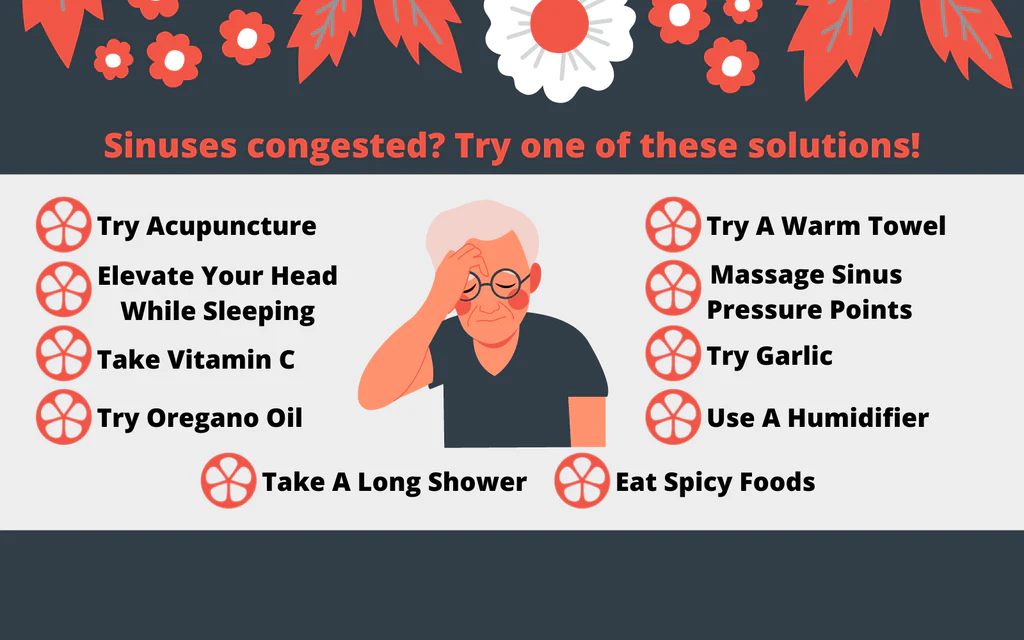
Enjoy the charts and here’s to your good health!These charts are shared courtesy of Oransi.com
This natural health news is presented by Nutrition Breakthroughs, a publisher of nutrition articles and supplier of natural remedies since 2002. Nutrition Breakthroughs makes Sleep Minerals II, the effective natural sleep aid with calcium, magnesium, zinc and vitamin D.
Sleep Minerals II may also be one of the good remedies for sinuses and colds. Calcium can lower fever and zinc accelerates the growth of immune cells while preventing the replication of cold-causing viruses.
In one study where people with colds were given zinc lozenges, sore throats disappeared after 1 day versus 3 days in the placebo group, nasal drainage in 4 days (versus 7 days), and headache in 2 days (versus 3 days).
For more information on Sleep Minerals II, visit this page.
Is magnesium better than melatonin for sleep? Magnesium has many benefits for good health, one of them being its action as an effective natural sleep aid.
Melatonin supplements are also used as a sleep remedy. These two ingredients have different qualities, different health effects, and different possible side effects.
James F. Balch, M.D., author of Prescription for Nutritional Healing, writes: “A lack of the nutrients magnesium and calcium will cause you to wake up after a few hours and not be able to return to sleep.”
In contrast with mineral supplements, melatonin is a hormone which is produced by the pineal gland, located in the center of the brain. At night or in the dark, the pineal gland naturally releases melatonin to regulate the sleep cycle.
The body produces less melatonin with advancing age and while melatonin doesn’t require a prescription, it’s a potent hormone. It can help with sleeplessness. If too much is taken, it can result in grogginess, dizziness, stomach cramps and make it more difficult to wake up in the morning.
Is it better to take magnesium at night? One of the main symptoms of magnesium deficiency is chronic insomnia, accompanied with with frequent nighttime awakenings. On the other hand, a high magnesium diet has been found to be associated with deeper, less interrupted sleep.
This is per a study done by James Penland at the Human Nutrition Research Center in North Dakota. Another study from the Human Nutrition Research Center found that a magnesium citrate supplement increased sleep quality in adults aged 51 to 85.
Magnesium has hundreds of health effects in the body. According to the University of Maryland Medical Center web site, inadequate magnesium appears to reduce serotonin levels in the brain. One study found that magnesium was just as effective as an antidepressant drug in treating depression.
In addition, researchers at Stockholm’s Karolinska Institute reported that for every 100 milligram increase in magnesium intake, the risk of developing type-2 diabetes decreased by 15 per cent. Other studies have shown that people with migraine headaches have low concentrations of magnesium in their body.
Mildred Seelig, M.D., the leading medical researcher on magnesium says: “Many people needlessly suffer pain – including … migraines and muscle cramps – because they don’t get enough magnesium.”
Which form of magnesium is best for sleep? A recent study on magnesium for sleep came from the University of Medical Sciences in Iran. Its subjects were 46 older adults, aged 60 to 75, who were experiencing insomnia. However, it’s interesting to note that the researchers recommend their results be extended to all ages of the general population as helpful advice.
In the University study, the subjects were divided into two groups. One group received placebos, while the other received magnesium oxide tablets twice a day (250 milligrams each) for eight weeks.
In the group that was given magnesium, the subjects experienced significant increases in sleep time and sleep efficiency (which is the time spent in bed vs the time spent sleeping). They also had less night time interruptions and fewer early morning awakenings. Magnesium citrate is another form that has been proven helpful for better sleep.
One possible side effect from taking too much magnesium is that the bowels may become too loose or stomach discomfort can occur — at which point less can be taken. If this side effect happens, magnesium should be taken with a full meal or a healthy snack.
Another important nutritional tip that can help to avoid any deficiencies is to balance magnesium with calcium and vitamin D rather than taking it alone. The recommended ratio is 2 to 1 or twice as much calcium as magnesium.
According to the Mayo Clinic, possible side effects of melatonin include stomach cramps, anxiety, irritability, confusion and short-term depression. Melatonin supplements can interact with various medications such as blood-thinning medications, medications that suppress the immune system, diabetes medications and birth control pills. Prolonged use may also inhibit the body’s own natural ability to produce melatonin.
This health news is brought to you by Nutrition Breakthroughs and their natural sleep aid Sleep Minerals II. Sleep Minerals II is the original magnesium and calcium based remedy and is known for soothing even the worst, long-term insomnia. It also contains vitamin D and zinc and helps everyone from teenagers, to women with menopause symptoms, to older seniors, to get a good night’s sleep.
Richard P. of Parkville, Maryland says: “The Sleep Minerals are making quite a difference. I was regularly waking up at around 3:00 a.m. and after a few days use my sleep improved quite a lot. I wake up once a night to go to the bathroom, but the great thing is, I then fall back asleep and sleep several more hours. This has been a great improvement.”
Tammy M. of Meridian, Idaho says: “I was plagued with insomnia for five years and desperate for a breakthrough. Nothing has helped me more than Sleep Minerals. I’m so sold on them I could go door to door promoting them. I’m 60 years old and have never slept so soundly.”
For more information on Sleep Minerals II visit this page.
The green egg wrap with spinach sounds very good to me. I’m going to try it. The other wrap is made with lentils. Both will be healthy.
This health news is shared with you by Nutrition Breakthroughs, maker of the effective natural sleep aid Sleep Minerals II, and the natural solution for joint relief, allergies, pain relief and increased energy, Joints and More.
A short but sweet post with good tips on beating insomnia and sleeping better. One revision I would make is that melatonin should only be used short-term, as otherwise it may suppress the body’s own ability to make this natural sleep enhancer. For recommended supplements, I would add calcium, magnesium and vitamin D, as they are proven by science to enhance good sleep naturally.
This health news is shared with you by Nutrition Breakthroughs, maker of the effective natural sleep aid Sleep Minerals II, and the natural solution for joint relief, allergies, pain relief and increased energy, Joints and More.

Vitamin D isn’t just another nutrient — it’s a powerful hormone your body makes when sunlight hits your skin. That’s why it’s often called the “sunshine vitamin.”
But here’s the challenge: Many people don’t get enough sunlight or vitamin D-rich foods, which makes deficiency very common. Studies suggest over 40% of Americans have low levels. (Forrest & Stuhldreher, 2011).
Why Vitamin D Is So Important
Vitamin D does more than support bone strength. It acts like a hormone, influencing multiple systems in the body.
- Bone and Muscle Health: Vitamin D helps the body absorb calcium and phosphorus, two minerals essential for bone strength and muscle function. A lack of vitamin D increases the risk of osteoporosis and fractures, especially in older adults [(Holick, 2007, New England Journal of Medicine)].
- Immune Function: Adequate vitamin D levels support the immune system, reducing the risk of respiratory infections and autoimmune conditions
- Mood and Brain Health: Research links vitamin D deficiency with a higher risk of depression and cognitive decline.
- Sleep Support:: Vitamin D is proven to provide better sleep quality (“The world epidemic of sleep disorders is linked to vitamin D deficiency” – Gominak & Stumpf, 2012).
Common Sources of Vitamin D
Since few foods naturally contain vitamin D, sunlight and supplementation often play the biggest role in maintaining healthy levels.
- Sunlight: The body can produce vitamin D after 10–30 minutes of midday sun exposure on the skin, depending on skin tone, location, and season [(Holick, 2007, NEJM)].
- Foods: Fatty fish (salmon, sardines, mackerel), egg yolks, and fortified foods such as milk, orange juice, and cereals provide vitamin D.
- Supplements: Vitamin D3 (cholecalciferol) is more effective at raising blood levels than vitamin D2 (ergocalciferol).
How Much Vitamin D Do You Need?
The recommended dietary allowance (RDA) varies by age:
- Adults under 70: 600 IU per day
- Adults over 70: 800 IU per day
- Some experts suggest higher levels (1,000–2,000 IU daily) may be beneficial for certain populations.
Blood tests are the best way to determine vitamin D status.
Risks of Deficiency
A lack of vitamin D can lead to:
- Rickets in children, a condition causing bone weakness and deformities
- Osteoporosis and fractures in adults
- Higher risk of infections, fatigue, and mood disorders
People at higher risk include those with darker skin, limited sun exposure, older adults, and individuals with digestive disorders that reduce nutrient absorption.
Key Nutrients That Work With Vitamin D
Vitamin D works best with these other nutrients:
- Magnesium – supports vitamin D metabolism.
- Vitamin A – balances fat-soluble vitamin intake (naturally found in cod liver oil, along with vitamin D).
Final Thoughts
Vitamin D is more than just a nutrient — it’s a foundation for bone health, immune strength, and mood improvement. If you’re not getting enough from sunlight and food, supplementation can help fill the gap.
FAQ – Frequently Asked Questions
Q: Can I get enough vitamin D from food alone?
A: It’s possible, but difficult. Fatty fish and fortified foods help, but most people still need sunlight or supplements.
Q: Is too much vitamin D harmful?
A: Yes. Excess vitamin D can cause calcium buildup in the blood, leading to kidney and heart issues. Stick to safe daily limits unless advised otherwise by a professional.
Q: Does sunscreen block vitamin D production?
A: Sunscreen can reduce vitamin D synthesis. Moderate sun exposure without burning usually provides enough.
Q: Should I take vitamin D2 or D3?
A: Vitamin D3 is generally more effective at raising blood levels, though both can be beneficial.
Nutrition Breakthroughs
This natural health news is provided by Nutrition Breakthroughs, a publisher of nutrition articles and supplier of effective natural remedies since 2002. Nutrition Breakthroughs makes Sleep Minerals II, the effective natural sleep aid with calcium, magnesium, zinc and vitamin D.
Suzanne G. of Tucson, Arizona says: “I am now taking two Sleep Mineral II capsules each night. I have had insomnia for most of my life and the longer I take Sleep Minerals, the better I sleep. The best thing is that I can now get back to sleep if I wake up in the night. It has given me such a sense of peace to know that I now can be well rested during the day.. I have tried many products on the market and this is the one that is gold. Thank you so much for producing a quality product!”
 News on Natural Remedies, Good Sleep and Good Health