Posts Tagged ‘teenagers sleep’
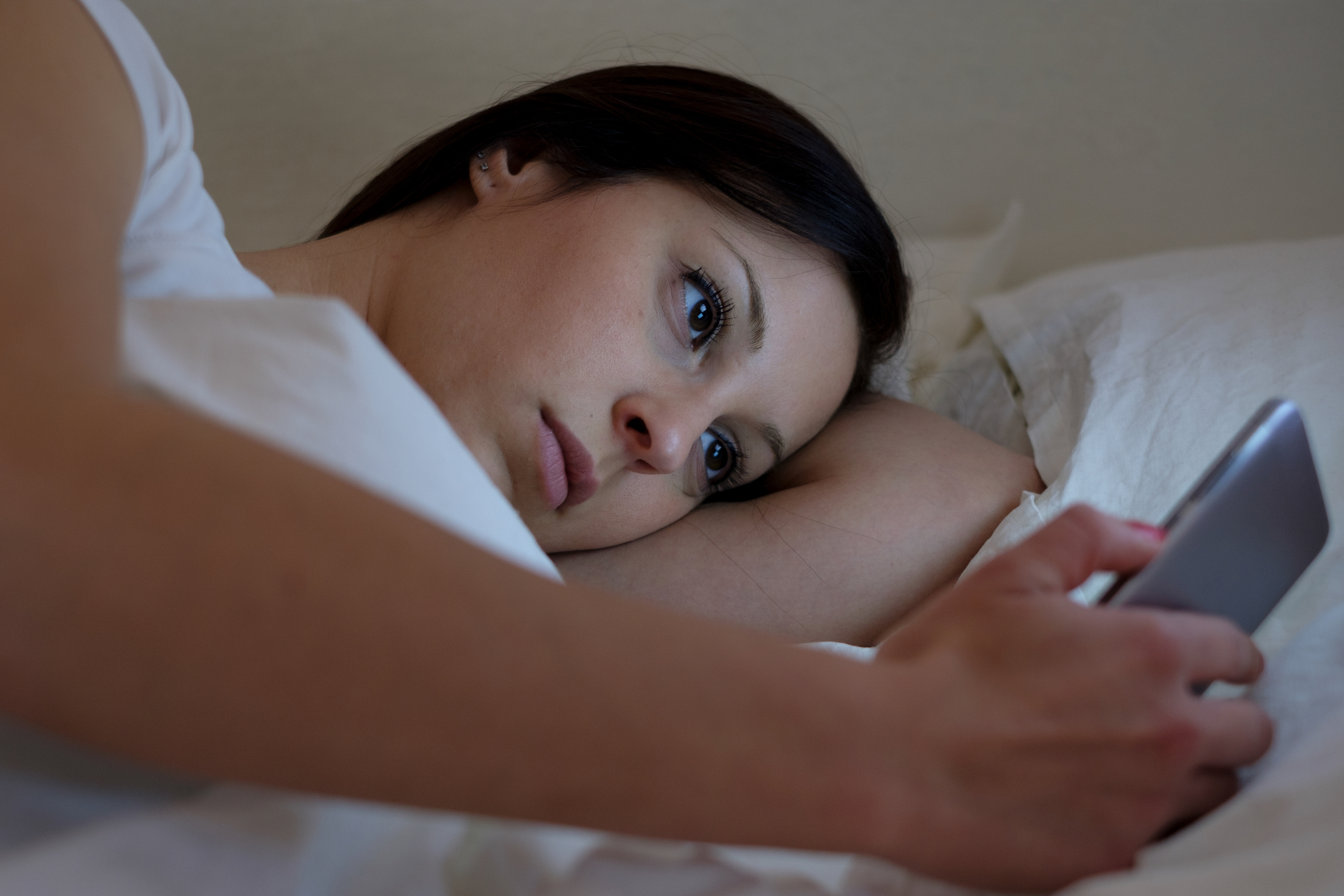
Teenagers are a special breed, having to face all the challenges of being in an in-between stage of life; not quite a child anymore and not yet an adult. Along with an acceleration of social interests and activities, they also sustain accelerated physical growth and increased nutritional needs.
According to the U.S. Department of Agriculture, 90% of teen girls and 70% of teen boys aren’t getting enough calcium. Their bones are growing the fastest during the teen years and they need more calcium than at any other time of life. The calcium deficiency can translate into irritability, nervous tension, hyperactivity, and insomnia.
Adelle Davis was the first nutritionist to base her recommendations on scientific research studies. She says: “If these hyperactive kids were recognized as victims of malnutrition and given, instead of drugs, a completely adequate diet, especially high in calcium, magnesium, and vitamins B6 and D; the majority might soon be as relaxed as sacks of cotton, their minds far more alert, their energies restored to normal. I have seen it happen many, many times.”
To shed some light on teenage sleeping habits, a study was published in an issue of the Journal of Adolescent Health, Researchers found that two-thirds of teenage high school students are sleeping less than they need to, when they actually need 9.5 hours of sleep. Danice Eaton, author of the study and a research scientist in Atlanta said, “….Research (on teens) has shown that a lack of sleep can increase depression, negative physical health, headaches, poor school performance, school absenteeism and drowsy driving.”
There is a correlation between electronics use and insomnia in teens. A study from the Journal of Pediatrics published a survey of Philadelphia-area teens. It was found that two-thirds had a television in their bedroom, one third had a computer, 90% had their own cell phone and 79% had a personal music device. “These technological devices activate the mind. It’s like having a stressful work conversation just before getting into bed,” said Dr. Jonathan Pletcher, at the Children’s Hospital of Pittsburgh.
Dr. Pletcher doesn’t recommend sleep medication for teens, saying that, “The risks for this age group far outweigh the benefits.” He recommends shutting down the computer, TV, and cell phone well before bedtime and doing some relaxing and calming activities before bed.
Due to a deficiency of crucial minerals at the teenage time of life, calcium and magnesium supplements can be an effective sleep remedy. One natural insomnia remedy that’s gaining in popularity for all ages is Sleep Minerals II from Nutrition Breakthroughs.
Sleep Minerals II contains highly absorbable forms of the best minerals for sleep and relaxation: Calcium, magnesium and Vitamin D. The ingredients are delivered in a softgel form with healthy carrier oils, making them more easily assimilated than capsules or tablets and providing a deeper, longer-lasting sleep.
One mother of a teenage son who was suffering with insomnia, was grateful to find Sleep Minerals II. She says: “Our son began to have trouble sleeping about a year and a half ago. He was up until 2:00 a.m., and then he got up at 5:00. This continued for quite a while. He was miserable and so were we. He’s an athlete and a student and we just couldn’t live like this.”
“We had spent hundreds of dollars on testing and supplements with a naturopath and it just didn’t work. I searched on the Internet and found Sleep Minerals II. I thought to myself, ‘I’ll give it a try, there’s nothing harmful in it’. Well, from the get-go it helped Mitchell sleep better. He’s been using it as a sleep remedy for some time now. He is sleeping well and is so happy and healthy. He’s a normal teenager again. I just can’t say enough about what this product has done for us.”
Besides supplementing with key minerals, there are additional tips to help teens sleep better. Here is a summary from the Mayo Clinic and National Sleep Foundation:
* Consuming caffeine close to bedtime can interfere with one’s sleep, so avoid coffee, tea, soda pop and chocolate late in the afternoon. Nicotine and alcohol will also interfere with sleep.
* Limit stimulating activities and the use of electronics right before bedtime.
* Reduce extracurricular activities. Sometimes teens are overextended and participate in too many after-school activities, too late into the evening.
* Practice relaxing and calming activities before going to bed. For example, do gentle stretches, take a warm bath, or read a pleasant book.
* Make the bedroom a sleep haven. Keep it cool, quiet and dark. If needed, get eyeshades, earplugs, and blackout curtains. Let in the bright light in the morning to signal the body to wake up.
* Get regular exercise during the day, but not closer than 3 hours before bedtime.
* Establish a regular bedtime and wake-time schedule and stick to it, coming as close to it as possible on the weekends. A consistent sleep schedule makes it easier to fall asleep.
Let’s help our teens get the sleep and nutrition they need!
For more information on Sleep Minerals II, visit here.
The key to being attractive and looking healthy? A good night’s sleep
Research: Beauty Sleep — Experimental Study on the Perceived Health and Attractiveness of Sleep Deprived People
If you want to look attractive and healthy, the best thing you can do is get a good night’s sleep, according to research from an article published on the website of the British Medical Journal.
For the first time, say the authors, there is scientific backing for the concept of beauty sleep.
The study, led by John Axelsson from the Karolinska Institutet in Sweden, investigated the relationship between sleep and the perceptions other people have of our attractiveness and health. The authors believe this research is important in today’s 24 hour society, with the number of people suffering from sleep disorders and disturbed sleep on the rise.
Twenty-three participants between the ages of 18 to 31 took part in the study. They were photographed between 2pm and 3pm on two occasions, once after normal sleep and once after being deprived of sleep. Smokers were excluded from the research and no alcohol was allowed for two days prior to the experiment.
The photographs were taken in a well-lit room and the distance to the camera was fixed. During both photography sessions participants wore no make-up, had their hair loose (combed back if they had long hair) and underwent similar cleaning or shaving procedures. They were asked to have a relaxed, neutral facial expression for both photos.
Sixty-five observers, who were blinded to the sleep status of the subjects, rated the photographs for attractiveness, a pleasing or non-pleasing appearance, and whether the individuals looked healthy/unhealthy or tired/not tired. The observers judged the faces of the sleep-deprived participants as less healthy, less attractive, and more tired.
The researchers concluded that the facial signals of sleep deprived people affect facial appearance, and judgments of attractiveness, pleasing appearance, health and tiredness. These signs are sufficient for others to judge them as less healthy and less attractive, lending the first scientific support to the concept of “beauty sleep”.
This news is provided by http://Nutrition Breakthroughs. Since 2009, their natural sleep aid Sleep Minerals II has been soothing insomnia and helping everyone from teenagers, to seniors, to women with menopause symptoms, to get a good night’s sleep. Sleep Minerals II can assist with maintaining one’s Beauty Sleep and attractiveness during times of sleeplessness.
Chris M. of the United Kingdom says: “I take one softgel of Sleep Minerals II before bed every night and within 20 minutes I am asleep. The difference in the quality of my sleep and the ease with which I get to sleep using this product is monumental. I have stopped obsessing about sleep or dreading bedtime — I just take a softgel and drift off. If I stop taking them, within a week my sleep starts to lighten in quality, the amount of my sleep diminishes, and my old insomniac patterns reappear.”
For more information, visit the Sleep Minerals II page.
Source: The British Medical Journal: http://www.bmj.com/content/341/bmj.c6614
Teenagers are a special breed, having to face all the challenges of being in an in-between stage of life; not quite a child anymore and not yet an adult. Along with an acceleration of social interests and activities, they also sustain accelerated physical growth and increased nutritional needs. According to the U.S. Department of Agriculture, 90% of teen girls and 70% of teen boys aren’t getting enough calcium. Their bones are growing the fastest during the teen years and they need more calcium than at any other time of life. The calcium deficiency can translate into irritability, nervous tension, hyperactivity, and insomnia.
Adelle Davis was the first nutritionist to base her recommendations on scientific research studies. She says: “If these hyperactive kids were recognized as victims of malnutrition and given, instead of drugs, a completely adequate diet, especially high in calcium, magnesium, and vitamins B6 and D; the majority might soon be as relaxed as sacks of cotton, their minds far more alert, their energies restored to normal. I have seen it happen many, many times.”
To shed some light on teenage sleeping habits, a study was published in a recent issue of the Journal of Adolescent Health, Researchers found that two-thirds of teenage high school students are sleeping less than they need to, when they actually need 9.5 hours of sleep. Danice Eaton, author of the study and a research scientist in Atlanta said, “….Research (on teens) has shown that a lack of sleep can increase depression, negative physical health, headaches, poor school performance, school absenteeism and drowsy driving.”
There is a correlation between electronics use and insomnia in teens. A study from the Journal of Pediatrics published a survey of Philadelphia-area teens. It was found that two-thirds had a television in their bedroom, one third had a computer, 90% had their own cell phone and 79% had a personal music device. “These technological devices activate the mind. It’s like having a stressful work conversation just before getting into bed,” said Dr. Jonathan Pletcher, at the Children’s Hospital of Pittsburgh.
Dr. Pletcher doesn’t recommend sleep medication for teens, saying that, “The risks for this age group far outweigh the benefits.” He recommends shutting down the computer, TV, and cell phone well before bedtime and doing some relaxing and calming activities before bed.
Due to a deficiency of crucial minerals at the teenage time of life, calcium and magnesium supplements can be an effective sleep remedy. One natural insomnia remedy that’s gaining in popularity for all ages is Sleep Minerals II from http://www.NutritionBreakthroughs.com.
Sleep Minerals II contains highly absorbable forms of the best minerals for sleep and relaxation: Calcium, magnesium and Vitamin D. The ingredients are delivered in a softgel form with healthy carrier oils, making them more easily assimilated than capsules or tablets and providing a deeper, longer-lasting sleep.
Wendy R. of Honolulu, Hawaii says: “My friends know that I’ve had chronic insomnia for a long time. I was surprised — I received the Sleep Minerals II and began taking it and I actually slept. In the past if I ever got a good nights sleep I’d say “I slept like a baby”, but that’s the wrong comparison. Those little guys get up every two hours, but I don’t anymore.”
Besides supplementing with key minerals, there are additional tips to help teens sleep better. Here is a summary from the Mayo Clinic and National Sleep Foundation:
* Consuming caffeine close to bedtime can interfere with one’s sleep, so avoid coffee, tea, soda pop and chocolate late in the afternoon. Nicotine and alcohol will also interfere with sleep.
* Limit stimulating activities and the use of electronics right before bedtime.
* Reduce extracurricular activities. Sometimes teens are overextended and participate in too many after-school activities, too late into the evening.
* Practice relaxing and calming activities before going to bed. For example, do gentle stretches, take a warm bath, or read a pleasant book.
* Make the bedroom a sleep haven. Keep it cool, quiet and dark. If needed, get eyeshades, earplugs, and blackout curtains. Let in the bright light in the morning to signal the body to wake up.
* Get regular exercise during the day, but not closer than 3 hours before bedtime.
* Establish a regular bedtime and wake-time schedule and stick to it, coming as close to it as possible on the weekends. A consistent sleep schedule makes it easier to fall asleep.
Let’s help our teens get the sleep and nutrition they need!
For more information on Sleep Minerals II, visit http://www.nutritionbreakthroughs.com/html/sleep_remedy_for_insomnia_help.html
Teenagers are a special breed, having to face all the challenges of being in an in-between stage of life; not quite a child anymore and not yet an adult. Along with an acceleration of social interests and activities, they also sustain accelerated physical growth and increased nutritional needs. According to the U.S. Department of Agriculture, 90% of teen girls and 70% of teen boys aren’t getting enough calcium. Their bones are growing the fastest during the teen years and they need more calcium than at any other time of life. The calcium deficiency can translate into irritability, nervous tension, hyperactivity, and insomnia.
Adelle Davis was the first nutritionist to base her recommendations on scientific research studies. She says: “If these hyperactive kids were recognized as victims of malnutrition and given, instead of drugs, a completely adequate diet, especially high in calcium, magnesium, and vitamins B6 and D; the majority might soon be as relaxed as sacks of cotton, their minds far more alert, their energies restored to normal. I have seen it happen many, many times.”
To shed some light on teenage sleeping habits, a study was published in the April 2010 issue of the Journal of Adolescent Health, Researchers found that two-thirds of teenage high school students are sleeping less than they need to, when they actually need 9.5 hours of sleep. Danice Eaton, author of the study and a research scientist in Atlanta said, “….Research (on teens) has shown that a lack of sleep can increase depression, negative physical health, headaches, poor school performance, school absenteeism and drowsy driving.”
There is a correlation between electronics use and insomnia in teens. A study from the Journal of Pediatrics published a survey of Philadelphia-area teens. It was found that two-thirds had a television in their bedroom, one third had a computer, 90% had their own cell phone and 79% had a personal music device. “These technological devices activate the mind. It’s like having a stressful work conversation just before getting into bed,” said Dr. Jonathan Pletcher, at the Children’s Hospital of Pittsburgh.
Dr. Pletcher doesn’t recommend sleep medication for teens, saying that, “The risks for this age group far outweigh the benefits.” He recommends shutting down the computer, TV, and cell phone well before bedtime and doing some relaxing and calming activities before bed.
Due to a deficiency of crucial minerals at the teenage time of life, calcium and magnesium supplements can be an effective sleep remedy. One natural insomnia remedy that’s gaining in popularity for all ages is Sleep Minerals II from http://www.NutritionBreakthroughs.com.
Sleep Minerals II contains highly absorbable forms of the best minerals for sleep and relaxation: Calcium, magnesium and Vitamin D. The ingredients are delivered in a softgel form with healthy carrier oils, making them more easily assimilated than capsules or tablets and providing a deeper, longer-lasting sleep.
One mother of a teenage son who was suffering with insomnia, was grateful to find Sleep Minerals II. She says: “Our son began to have trouble sleeping about a year and a half ago. He was up until 2:00 a.m., and then he got up at 5:00. This continued for quite a while. He was miserable and so were we. He’s an athlete and a student and we just couldn’t live like this.”
“We had spent hundreds of dollars on testing and supplements with a naturopath and it just didn’t work. I searched on the Internet and found Sleep Minerals II. I thought to myself, ‘I’ll give it a try, there’s nothing harmful in it’. Well, from the get-go it helped Mitchell sleep better. He’s been using it as a sleep remedy for some time now. He is sleeping well and is so happy and healthy. He’s a normal teenager again. I just can’t say enough about what this product has done for us.”
Besides supplementing with key minerals, there are additional tips to help teens sleep better. Here is a summary from the Mayo Clinic and National Sleep Foundation:
* Consuming caffeine close to bedtime can interfere with one’s sleep, so avoid coffee, tea, soda pop and chocolate late in the afternoon. Nicotine and alcohol will also interfere with sleep.
* Limit stimulating activities and the use of electronics right before bedtime.
* Reduce extracurricular activities. Sometimes teens are overextended and participate in too many after-school activities, too late into the evening.
* Practice relaxing and calming activities before going to bed. For example, do gentle stretches, take a warm bath, or read a pleasant book.
* Make the bedroom a sleep haven. Keep it cool, quiet and dark. If needed, get eyeshades, earplugs, and blackout curtains. Let in the bright light in the morning to signal the body to wake up.
* Get regular exercise during the day, but not closer than 3 hours before bedtime.
* Establish a regular bedtime and wake-time schedule and stick to it, coming as close to it as possible on the weekends. A consistent sleep schedule makes it easier to fall asleep.
Let’s help our teens get the sleep and nutrition they need!
For more information on Sleep Minerals II, visit http://www.nutritionbreakthroughs.com/html/sleep_remedy_for_insomnia_help.html
 News on Natural Remedies, Good Sleep and Good Health