Posts Tagged ‘stay asleep’

The U.S. Food and Drug Administration has announced it is requiring users of the insomnia drug Ambien and its generic counterparts (all drugs containing the active ingredient zolpidem), to take a lower recommended dose of these medications. They are particularly aiming this toward women, as the drug stays in their system much longer than with men. Women at the time of menopause frequently have sleep problems and insomnia, and some may turn to sleep medications.
Ellis Unger, M.D., director of the Office of Drug Evaluation in the FDA’s Center for Drug Evaluation and Research said: “Over the years FDA has received spontaneous adverse event reports of driving impairment and motor vehicle accidents associated with zolpidem, but these reports lacked the information necessary to fully understand whether and how zolpidem affected people’s mental alertness and ability to drive. Recently, data from clinical trials and other types of studies have become available, which allowed FDA to better characterize the risk of next-morning impairment.”
According to the FDA press release: “The FDA has informed the manufacturers that the recommended dosage of zolpidem for women should be lowered from 10 milligrams (mg) to 5 mg for immediate-release products (Ambien, Edluar, and Zolpimist) and from 12.5 mg to 6.25 mg for extended-release products (Ambien CR). For men, the FDA has informed the manufacturers that the labeling should recommend that health care professionals consider prescribing these lower doses.”
Along the lines of natural insomnia remedies, nature has provided us with some natural sleep aids and relaxants that have stood the test of time. Regarding mineral deficiency as we age and at the time of menopause, the pioneering nutritionist Adelle Davis says, “The amount of calcium in a woman’s blood parallels the activity of the ovaries. During the menopause, the lack of ovarian hormones (estrogen and progesterone) can cause severe calcium deficiency symptoms to occur, including irritability, hot flashes, night sweats, leg cramps, and insomnia. These problems can be easily overcome if the intakes of calcium, magnesium, and vitamin D are all generously increased and are well absorbed.”
Chronic insomnia is one of the main symptoms of magnesium deficiency. Sleeping with a magnesium deficiency is usually agitated, with frequent nighttime awakenings. On the other hand, a high magnesium diet has been found to be associated with deeper, less interrupted sleep. This was shown in a study done by James Penland at the Human Nutrition Research Center in North Dakota.
One natural sleep aid that is gaining in popularity is Sleep Minerals II from www.NutritionBreakthroughs. It contains highly absorbable forms of calcium and magnesium, the best minerals for sleeplessness and insomnia, as well as for restless leg syndrome, bone strength, aches and pains, and menopause insomnia. The formula also includes vitamin D and zinc and is delivered in a softgel form with healthy carrier oils, making the minerals more quickly assimilated than tablets or capsules. The softgel formulation provides a deeper, longer-lasting sleep and is an effective alternative to medications.
L.R.C. of Massachusetts says: “Due to some very stressful issues in my life, I hadn’t slept much in two and a half months before being prescribed sleeping drugs. I had become dependent on them and couldn’t sleep without them. I did my research on the Internet and came across Sleep Minerals II. I take this before bed and now I can sleep through the night without drugs. If I do have to get up, I can fall right back asleep. Another benefit is it also helps alleviate my chronic fatigue and aches and pains.”
Natural sleep aids can be effective against insomnia, without risking the side effects of drugs.
For more information on Sleep Minerals II visit this web site:

What are hot flashes?
A hot flash, also called hot flush, is a sudden feeling of warmth and often a breakout of sweating in the upper half of the body. When these occur at night, they are called night sweats. Hot flashes are caused by a reduced function in the body’s temperature regulation, which is brought about by changing hormone levels.
When estrogen in women, or testosterone in men is depleted, a rapid increase in skin temperature can occur due to dilatation (widening) of the skin blood vessels — and it can become frequent. This process of blood vessel dilation is the body’s way to release the heat.
Night sweats and hot flashes can become a form of insomnia in which a woman wakes up drenched in sweat and unable to sleep. Regarding mineral deficiency at the time of menopause, the pioneering nutritionist Adelle Davis says, “The amount of calcium in a woman’s blood parallels the activity of the ovaries. During the menopause, the lack of ovarian hormones (estrogen and progesterone) can cause severe calcium deficiency symptoms to occur, including irritability, hot flashes, night sweats, leg cramps, and insomnia. These problems can be easily overcome if the intakes of calcium, magnesium, and vitamin D are all generously increased and are well absorbed.”
One natural remedy that is showing good results for hot flashes and night sweats, as well as insomnia, is Sleep Minerals II from www.NutritionBreakthroughs. Sleep Minerals II contains powerful forms of calcium and magnesium, the best known minerals for sleeplessness, bone strength, and menopause symptoms such as hot flashes. The ingredients are formulated in a softgel with healthy oils, making them more quickly absorbable than tablets or capsules and providing a deeper, longer-lasting sleep.
Anita L. of New Caney, Texas says: “I was having hot flashes every 30 minutes to an hour through the night and was so miserable. After about two weeks of taking the Sleep Minerals, I noticed an incredible difference with my sleep. I have much less interruption from flashes, I’m sleeping much better, and I’m a lot more comfortable.”
Valerie H. of Santa Clarita, California says: “I had such severe menopause insomnia it took me hours to fall asleep even though I was extremely tired. My legs also had crawling and tingling feelings at night. I got the Sleep Minerals and after a few days, it started to work really well. I fall asleep now within 20 minutes and no more restless legs.”
For more information, visit the Sleep Minerals II page.
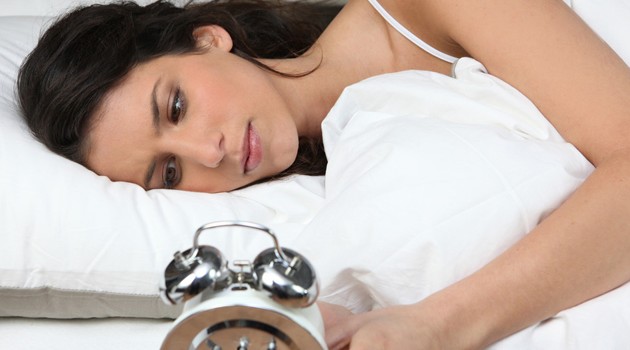
Source: http://www.lifed.com/the-5-best-natural-sleep-remedies
There are few things that feel worse than being exhausted, yet unable to sleep. In addition to insomnia (the inability to fall or stay asleep), many people also suffer from poor sleep quality, which can cause you to feel sleepy during the day despite getting eight or more hours of rest.
If you frequently have trouble getting a decent night’s sleep, it’s a good idea to see your doctor to rule out/treat any underlying conditions, such as sleep apnea or depression. For many people, sleep problems can be remedied naturally with lifestyle changes and proper nutrition. The following are five natural, safe and effective remedies that might help you get some good shut-eye.
1. Magnesium
Magnesium is an essential mineral that our bodies need for a multitude of biological roles, ranging from bone health to mental health. Human and animal studies also indicate that magnesium plays an important role in sleep, and that magnesium therapy can help insomnia sufferers. Although magnesium is available in a multitude of foods, the USDA says that 57 percent of Americans do not meet the recommended daily allowance (RDA) for magnesium. So how can you get more of this essential sleep nutrient? One method is to eat more foods with magnesium – fibrous foods, such as whole grains, nuts and vegetables are generally high in this mineral. Magnesium supplements in daily doses of less than 350 mg are also considered safe for most adults. Magnesium supplements can also help relieve constipation – another common consequence of a typical fiber-deficient American diet.
2. Sunlight
Although it may seem counterintuitive that bright light can actually help you sleep, getting enough natural light during the day is important for maintaining circadian rhythms that control our sleep-wake cycles. While many of us don’t get sufficient sunlight because we work indoors all day and/or live in a place that doesn’t get a lot of sunlight for much of the year, people who work night-shifts can be especially light-deprived. There is also a growing body of evidence suggesting that vitamin D, a nutrient we get from certain foods and from exposure to ultraviolet light, has wide-ranging health implications, and that a lack of it may cause insomnia and other serious health problems. To get enough sunlight and vitamin D for good health and good sleep, experts recommend getting 10 to 20 minutes of direct sunlight exposure each day – ideally, in the morning hours. Light therapy boxes and vitamin D supplements (in typical therapeutic doses) are also considered safe and effective.
3. Yoga
Another major culprit for poor sleep is a lack of physical activity. America’s population is largely sedentary, spending most of the day sitting in a chair at work, sitting in the car while commuting, and sitting in front of the TV when we get home. Unless we find a way to incorporate some exercise into our daily routine, your body may not be tired enough to sleep well at night – even though your mind is exhausted. Exercise is also important for relieving stress and tension that accompany our modern, hectic lifestyles. Although you should aim to get at least 20 to 30 minutes of exercise every day for good sleep and for good health in general, exercising vigorously within several hours of bedtime can actually interfere with your sleep. For this reason, gentle yoga, with its series of tension-relieving stretches and meditative elements, is an excellent type of exercise that you can practice in the evening to help you sleep – you can even do certain poses in bed! A 2010 University of Rochester study found that cancer survivors with insomnia who practiced gentle yoga for four weeks reported improved sleep quality and decreased use of sleep aids during the program’s duration.
4. Good sleep hygiene
Although it sounds like it might have to do with the cleanliness of your sheets, the term “sleep hygiene” is actually used to refer to your overall sleep environment and habits that can affect your sleep quality. Many of the factors that impact our sleep quality are environmental or have to do with our nighttime behaviors. The following elements are considered by sleep experts to be important components of good sleep hygiene:
* Going to sleep at the same time every night, and waking up at the same time each morning.
* Limiting or avoiding consumption of caffeine, nicotine and alcohol – all of which can impair sleep quality or make it hard to fall asleep.
* Avoiding late-night exposure to bright electronic screens, e.g., iPads, smartphones, TVs, computers, etc., which can disrupt circadian rhythms.
* Relaxing before bed with a warm bath or another restful activity. Lavender aromatherapy may also help relax you before bed to combat insomnia.
* Using the bedroom only for sleep and sex – not for watching TV or working from your laptop, for example.
* Making sure your sleeping environment is sufficiently cool, dark and quiet.
5. B-vitamins
Like magnesium and vitamin D, B-vitamins are also important nutrients for sleep. In particular, B-6 is important for the production of serotonin, a “feel good” hormone which aids sleep and combats anxiety and restlessness that can keep you awake; and folic acid (B-9) deficiency has been found in those with insomnia and in those with depression, a condition which is often implicated in insomnia. Vitamin B-12 is also needed for good sleep and mental health, and certain populations, including seniors and vegans, are more likely to be deficient in this vitamin. Additionally, niacin, or B-3, has been shown to increase REM sleep and help with depression. Good food sources of B vitamins include animal products such as fish and dairy, and whole, unprocessed foods such as whole grains, beans, and green, leafy vegetables. Taken at recommended doses, B vitamin supplements are also generally considered to be quite safe, as they are water-soluble, meaning that any excess vitamins will be excreted through the urine.
Comment from the blog author Nutrition Breakthroughs: This information is provided by http://NutritionBreakthroughs.com, maker of the effective natural insomnia remedy Sleep Minerals II. Sleep Minerals II contains highly absorbable forms of calcium and magnesium, the best minerals for sleep, relaxation, heart health, restless legs syndrome, bone strength and menopause insomnia. The formula also includes vitamin D and zinc, and is delivered in a softgel form with healthy carrier oils, making it more quickly absorbable than tablets or capsules and providing a deeper, longer-lasting sleep.
Kimberly B. of Troy, Michigan says: “I have been taking Sleep Minerals II for about a month now. I have tried everything out there and this supplement is amazing. I have suffered with insomnia for 2 1/2 years. I have also had restless leg syndrome my entire life and this is the first relief I’ve ever had…gone for a month now.”
For more information on Sleep Minerals II visit www.nutritionbreakthroughs.com/html/sleep_remedy_for_insomnia_help.html
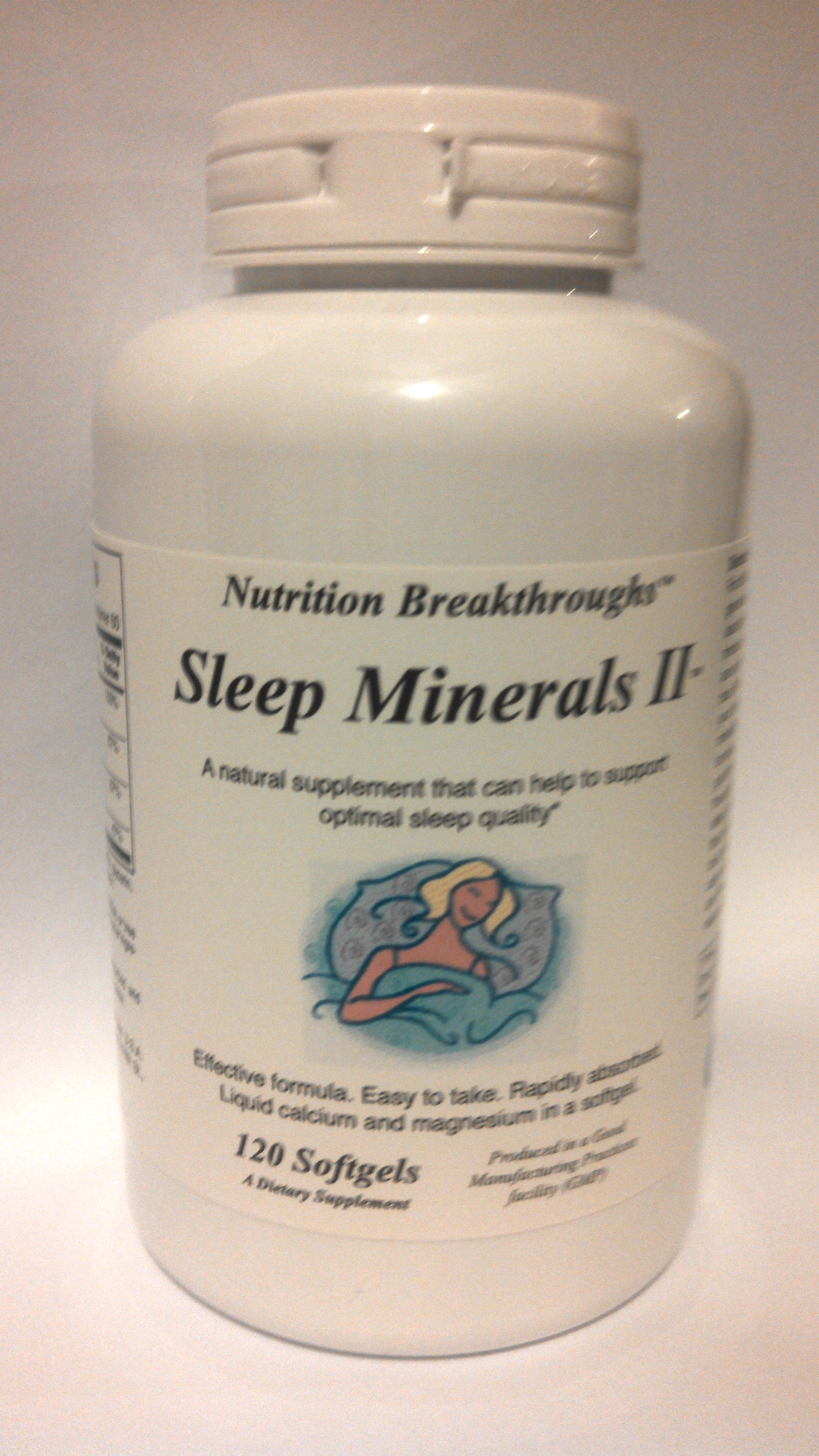
Sleep Minerals II from Nutrition Breakthroughs.com is one of the most effective all-natural insomnia remedies. It’s the original drug-free calcium and magnesium formula for better sleep. It calms sleeplessness and helps you to relax, fall asleep, and sleep deeper.
The ingredients are formulated in a softgel with healthy oils, making them more quickly absorbable than tablets or capsules and providing a deeper, longer-lasting sleep. Sleep Minerals II is also a proven remedy for restless leg syndrome, menopause insomnia, teenage insomnia, stomach health, strong bones, and correction of calcium and magnesium deficiencies.
Alex R. of Ramseur, North Carolina says: “Sleep Minerals II has been a blessing for me. It has given me the opportunity to withdraw from a highly addictive sleep medication over time, and has allowed me to sleep while going through this most difficult ordeal. What’s great about it is it doesn’t lose its effectiveness, which is something that happens with sleep medications. I am most thankful for this product.”
Kimberly B. of Troy Michigan says: “I have been taking Sleep Minerals II for about a month now. I have tried everything out there and this supplement is amazing. I have suffered with insomnia for two and a half years and have had restless leg syndrome my entire life. This is the first relief I’ve ever had…it’s gone for a month now.”
Anne and Bob B. of El Dorado Hills, California says: “We find the Sleep Minerals very helpful for my husbands restless leg syndrome. He does not do well on many medications and the drug the doctor prescribed for this was full of bad side effects. Out of pure desperation, I researched the internet and came up with an article about Sleep Minerals II and decided to try them. They have been wonderful. Bob continues to sleep much better and with very little, if any, movement in his legs.”
Richard P. of Parkville, Maryland says: “The Sleep Minerals are making quite a difference. I was regularly waking at around 3:00 a.m. and after a few days use of taking two, my sleep improved quite a lot. I wake once a night to go to the bathroom, but the great thing is, I then fall back asleep and sleep several more hours. This has been a great improvement.”
Anita L. of New Caney, Texas says: “I was having hot flashes every 30 minutes to an hour through the night and was so miserable. After about two weeks of taking the Sleep Minerals, I noticed an incredible difference with my sleep. I have much less interruption from flashes, I’m sleeping much better and I’m a lot more comfortable.”
Valerie H. of Santa Clarita, California says: “I had such severe menopause insomnia it took me hours to fall asleep even though I was extremely tired. My legs also had crawling and tingling feelings at night. I got the Sleep Minerals and after several days, it started to work really well. I fall asleep now within 20 minutes and no more restless legs.”
L.R.C. of Massachusetts says: “I had become dependent on sleeping drugs and couldn’t sleep without them. Now I take the Sleep Minerals before bed and I can sleep through the whole night without drugs. I’m also able to easily fall back to sleep if I do have to get up. Another benefit is it helps alleviate my chronic fatigue and aches and pains.”
For more information on Sleep Minerals II click here.

Remedies for Hot Flashes
A hot flash, also called a hot flush, is a sudden unexpected feeling of warmth and often a breakout of sweating in the upper half of the body. A night sweat is a “hot flash” that occurs in the night, often while one is sleeping. These flashes are experienced by 80% of women around the time of menopause, and men can also have them due to a lessening of testosterone in middle age.
At night time while a woman sleeps, her body temperature rises steeply just prior to a hot flash, and may cause her to wake up. The National Sleep Foundation writes that as many as 61% of post-menopausal women report having symptoms of insomnia and less satisfying sleep, due in part to hot flashes interrupting their sleep with frequent awakenings.
Dr. John R. Lee, M.D. explains the source of hot flashes in his book: “What Your Doctor May Not Tell You about Menopause”. There is an area of the brain that controls the amounts of estrogen and progesterone made by the ovaries. When these two hormones become depleted as in menopause, the brain sends out signals for the ovaries to make more hormones, but they no longer respond to these prompts.
The signaling system can go awry as the brain sends out more and more signals and actually begins to “shout”. This over-activity begins to affect adjacent areas of the brain; particularly the area that controls body temperature and sweating mechanisms — thus the occurrence of hot flashes.
Sometimes spicy food, hot beverages, caffeine, alcohol or cigarettes can bring on a hot flash. For help with night sweats in bed, keep the bedroom cool and keep a washcloth in a bowl of ice near the bed to use on the forehead or chest as needed. To minimize hot flashes during the summer weather, stay cool by using fans and drinking cold drinks. Keep air conditioners on and make sure that air is circulating throughout the room. Dress in layers so you can peel them off as needed.
Vitamins E and C have been shown in studies to help reduce hot flashes. One study supporting vitamin E was published in “Gynecologic and Obstetric Investigation” and concluded that vitamin E is effective and is a recommended treatment for hot flashes. Extensive research indicates that vitamin C strengthens blood vessels and acts as a potent health enhancement. In a study that combined vitamin C with bioflavonoids (the white matter on the inside of orange peels), 67% of the subjects reported complete relief from hot flashes.
The minerals calcium and magnesium can also help with deeper, sounder sleep, particularly because estrogen in women and testosterone in men helps to keep these minerals in circulation in the body, and when these hormones are depleted, more frequent mineral supplementation is needed.
Sleep Minerals II from http://www.NutritionBreakthroughs.com is an example of a natural insomnia remedy that provides good results for menopause symptoms. It contains highly absorbable forms of calcium and magnesium, the best minerals for sleep and insomnia, heart health, restless legs syndrome and bone strength. The formula also includes vitamin D and zinc and is delivered in a softgel form with healthy carrier oils, making it more quickly absorbable than tablets or capsules and providing a deeper, longer-lasting sleep.
Anita L. of New Caney, Texas says: “I was having hot flashes every 30 minutes to an hour through the night and was so miserable. After about two weeks of taking the Sleep Minerals, I noticed an incredible difference with my sleep. I have much less interruption from hot flashes, I’m sleeping much better and I’m a lot more comfortable.”
Valerie from Santa Clarita, California says: “I had such bad menopause insomnia that it took me hours to fall asleep even though I was extremely tired. My legs also had crawling and tingling feelings at night. I got the Sleep Minerals and took them and after a few days, it started to work really well. I fall asleep now within 20 minutes and no more restless legs.”
For more information on Sleep Minerals II, visit http://www.nutritionbreakthroughs.com/html/sleep_remedy_for_insomnia_help.html
A team of researchers at the Stanford University School of Medicine in California recently embarked upon a study to help determine the causes of insomnia among premenopausal and postmenopausal women. The team conducted phone interviews with 982 women and gathered information about their sleep history, frequency of hot flashes, and overall health.
They found that 51% of postmenopausal women suffer with hot flashes and that 79% of premenopausal women have them. Among the women with the most intense hot flashes (based on their severity and frequency), 81% of them experienced sleeplessness and insomnia.
The lead researcher said: “In this paper, we have observed without any doubt and in a significant way that hot flashes are associated with insomnia. This is the first observational study showing the link between insomnia and hot flashes while controlling for other factors that could account for insomnia in women.”
Night sweats and hot flashes can become a form of insomnia in which a woman can wake up drenched in sweat and unable to sleep. Regarding mineral deficiency at the time of menopause, the pioneering nutritionist Adelle Davis says in her book ‘Let’s Get Well’ that: “The amount of calcium in a woman’s blood parallels the activity of the ovaries. During the menopause, the lack of ovarian hormones (estrogen and progesterone) can cause severe calcium deficiency symptoms to occur, including irritability, hot flashes, night sweats, leg cramps, and insomnia. These problems can be easily overcome if the intakes of calcium, magnesium, and vitamin D are all generously increased and are well absorbed.”
Calcium is directly related to our cycles of sleep. In one study published in the European Neurology Journal, researchers found that calcium levels in the body are higher during some of the deepest levels of sleep, such as the rapid eye movement (REM) phase. The study concluded that disturbances in sleep, especially the absence of REM deep sleep or disturbed REM sleep, are related to a calcium deficiency. Restoration to the normal course of sleep was achieved following the normalization of the blood calcium level.
Regarding the use of vitamin D as an insomnia remedy, Researchers at the East Texas Medical Center recently discovered that vitamin D helps to regulate the sleep-wake cycle. They found a definite link between vitamin D deficiency and the current epidemic of sleep disorders. During the research, the authors discovered the presence of high concentrations of vitamin D “receiving sites” or “receptors” in those areas of the brain that are related to the onset and maintenance of sleep.
One natural insomnia remedy gaining in popularity with women is Sleep Minerals II from Nutrition Breakthroughs. Sleep Minerals II contains highly absorbable forms of calcium and magnesium, the best minerals for sleeplessness and insomnia, heart health, restless legs syndrome and bone strength. The formula also includes vitamin D and zinc and is delivered in a softgel form with healthy carrier oils. The mixture of oils and minerals makes it more quickly assimilated than tablets or capsules and provides a deeper, longer-lasting sleep.
Anita L. of New Caney, Texas says: “I was having hot flashes every 30 minutes to an hour through the night and was so miserable. After about two weeks of taking the Sleep Minerals, I noticed an incredible difference with my sleep. I have much less interruption from hot flashes, I’m sleeping much better, and I’m a lot more comfortable.”
The Stanford research study shows a definite link between hot flashes and insomnia and suggests that if a woman can address and remedy her hot flashes, she will also likely improve her insomnia.
For more information on Sleep Minerals II visit this page.
Antidepressant Medications Can Lead to Hot Flashes, Night Sweats and Insomnia
Posted on: November 29, 2013
Hot flashes and night sweats can create a sudden feeling of warmth and often a breakout of sweating in the upper half of the body. These flashes are experienced by 80% of women around the time of menopause, and also by men due to a lessening of testosterone in middle age. Hot flashes are normally brought on by a reduced function in the brain’s temperature regulation, caused by changing hormone levels. Night sweats that occur while sleeping can cause overheating and frequent awakenings.
Another source of hot flashes can be medications. According to WebMD, “Taking certain medications can lead to night sweats. Antidepressant medications are a common type of drug that can lead to night sweats. From 8% to 22% of people taking antidepressant drugs have night sweats. Other psychiatric drugs have also been associated with night sweats.”
The “Sleep in America” poll results from the National Sleep Foundation found that more than half of all Americans (60%) experience a sleep problem every night or almost every night. Interestingly, a ten-year study to discover which drugs are used to treat insomnia was published in the journal “Sleep”. The study found that prescriptions for sleeping medications have decreased by 53.7%, but that antidepressant drugs prescribed for insomnia have increased by a surprising 146%. Examples of antidepressants prescribed for insomnia are trazodone, doxepin, trimipramine, and amitriptyline.
Medications may not always have the desired effects. For example, Drugs.com says the following about an antidepressant drug called Welbutrin — “Nervous system side effects have frequently included headache (27%), insomnia (16% to 33%)….and sleep abnormalities.”
Nature has provided us with some natural sleep remedies and relaxants that have stood the test of time. Regarding mineral deficiency as we age and at the time of menopause, the pioneering nutritionist Adelle Davis says, “The amount of calcium in a woman’s blood parallels the activity of the ovaries. During the menopause, the lack of ovarian hormones (estrogen and progesterone) can cause severe calcium deficiency symptoms to occur, including irritability, hot flashes, night sweats, leg cramps, and insomnia. These problems can be easily overcome if the intakes of calcium, magnesium, and vitamin D are all generously increased and are well absorbed.”
One sleep remedy increasing in popularity is Sleep Minerals II from Nutrition Breakthroughs. This natural sleep aid contains highly absorbable forms of calcium and magnesium, the best minerals for sleeplessness and insomnia, as well as for restless legs syndrome, bone strength, aches and pains, and menopause insomnia. The formula also includes vitamin D and zinc and is delivered in a softgel form with healthy carrier oils, making the minerals more quickly assimilated than tablets or capsules. The softgel formulation provides a deeper, longer-lasting sleep and is an effective alternative to medications.
Alex R. of Ramseur, North Carolina says: “Sleep Minerals II has been a blessing for me. It has given me the opportunity to withdraw from a highly addictive sleep medication over time, and has allowed me to sleep while going through this most difficult ordeal. What’s great about it is it doesn’t lose its effectiveness, which is something that happens with sleep medications. I am most thankful for this product.”
For more information on Sleep Minerals II visit this page.
 News on Natural Remedies, Good Sleep and Good Health