News on Natural Remedies, Good Sleep and Good Health

Posts Tagged ‘sleep minerals

foods that promote sleepA good night’s sleep is one of the four main pillars of health, with the other three being eating healthy food, getting regular exercise, and having a positive outlook. The U.S. National Institutes of Health reports that up to 70 million U.S. adults experience sleeplessness and insomnia, with 63 billion dollars lost each year in productivity.

On a personal level, those who have trouble sleeping are familiar with the many ways it affects their lives.  In an effort to help people sleep better, research scientists are discovering that eating certain foods can have a profound effect on the quality of sleep.

One good example is a recent study from the Journal of Clinical Sleep Medicine.  Researchers in Norway have combined two of the major health pillars into one by proving that eating fish has a positive impact on good sleep and overall daily functioning.  In this study, 95 males were divided into two groups: one that ate salmon three times per week, and the other group that ate an alternative meal (chicken, pork or beef). During the 6 month study period, their quality of sleep was measured in several ways including the amount of time needed to fall asleep, and the actual time spent sleeping in bed vs. their time awake.

The results showed that eating fish had a positive impact on sleep in all the ways it was measured. The researchers mentioned that fish is a source of the amino acid tryptophan, which is a precursor for melatonin, and that other studies have found tryptophan in foods increases sleepiness in the evening. The fish group also reported better daily functioning, alertness and performance.

In this study, vitamin D levels were also found to have a significant impact on sleep quality.  Blood samples were collected during the study that measured the participant’s vitamin D, and those in the fish-eating group had a level that was closer to optimum.  The study revealed a major, positive relationship between daily functioning and a better vitamin D level.  Those eating the salmon had higher levels of vitamin D and had better sleep quality, shorter wake times and a higher percentage of sleeping time while in bed.

The study also uncovered that eating fish creates a positive improvement in heart rate variability.  This is a measurement of the length of time between heart beats, and a greater variability between the beats shows that a person is stronger, more adaptive and physically flexible.  In addition, the fish group had a significant increase in basic heart power.

Several other foods have also been proven to help with sleep and insomnia such as bananas, walnuts, tart cherries, turkey, almonds, and supplements containing potassium, vitamin D, zinc, calcium and magnesium.  In a study from the European Neurology Journal, researchers uncovered that calcium levels were higher in the body during the deepest levels of sleep and that insomnia is related to a calcium deficiency.  When the blood calcium level was normalized, optimum sleep was restored.

This natural health news is provided by Nutrition Breakthroughs, a publisher of nutrition articles and supplier of effective natural remedies since 2001. Nutrition Breakthroughs makes Sleep Minerals II, the effective natural sleep aid with calcium, magnesium, zinc and vitamin D, and also Joints and More, the natural solution for joint relief, aches and pains, stronger hair and nails and more energy.


Reference: Fish Consumption, Sleep and Daily Functioning – http://www.ncbi.nlm.nih.gov/pmc/articles/PMC4013386/

SalmonIn the quest for greater health and the prevention of disease, people are looking more and more to the quality of the foods they eat. Fast food, fried food, sweets, and foods made with genetically modified organisms (GMOs) are being replaced by healthier options.

Research studies are showing that food is more than mere nutrition to fill the stomach – it can ward off specific illnesses and lengthen one’s life.

The first of the three healthiest foods is almonds. A recent study published in the European Journal of Clinical Nutrition has found that eating 1.5 ounces of lightly salted, dry-roasted almonds each day (about 35 almonds) reduces overall hunger, does not affect body weight, and helps people to meet their ideal daily intake of Vitamin E.

Another study that was published on consuming nuts appeared in the New England Journal of Medicine. It showed that people who eat nuts live longer than those who don’t. The study included 76,464 women and 42,498 men and found that the more times per week nuts were eaten, the greater the reduction in risk of death. Those who ate more nuts had 29% less deaths from heart disease.

Wild-caught salmon is one of the healthiest foods on earth. Oily fish such as salmon, sardines and mackerel were shown in a Swedish study to prevent the development of arthritis. The women in the study who ate just one serving of oily fish per week cut their risk of getting arthritis by 52%. Fish and fish oils have also been shown to be a good arthritis remedy for those who have it.

One study from the Oxford University found that children who took fish oil supplements experienced better sleep at night, with fewer awakenings and nearly an hour more of sleep each night.

Regarding the use of fish oil for the health of the heart and arteries, a study was done at the Columbia University Medical Center in New York. Researchers there found that a diet rich in fish oils can prevent the accumulation of fat in the aorta, the main artery leaving the heart. The beneficial actions of fish oil that block cholesterol buildup in the arteries were found even at very high fat intakes.

Broccoli contains a potent rainbow of vitamins, minerals and plant nutrients. It is a cruciferous vegetable, meaning that it’s in the cabbage family. One key ingredient of broccoli known as “sulforaphane” has been shown to have anti-cancer benefits. The International Journal of Cancer presented a study of men diagnosed with prostate cancer. Those that consumed cruciferous vegetables had a statistically significant 59% decreased risk of prostate cancer progression.

Broccoli also contains a nutrient called indoles that can balance hormones by blocking excess estrogen in the body. This is important for women at the time of menopause when the level of progesterone drops to almost zero, while there is still estrogen present. An imbalance of hormones can contribute to menopause symptoms such as insomnia, hot flashes, irritability, night sweats, leg cramps, and mental depression.  Eating some raw broccoli a few times a week can help reduce the symptoms.

Broccoli should be eaten raw or lightly steamed in order to retain its higher levels of sulforaphane and provide the most health benefits. A study from the Netherlands showed that consumption of raw broccoli results in faster absorption and higher peak blood levels of sulforaphane compared to cooked broccoli.

This news is shared with you by Nutrition Breakthroughs, provider of natural health articles and effective natural remedies since 2001. Nutrition Breakthroughs makes the original calcium and magnesium based natural sleep aid Sleep Minerals II, as well as Joints and More, the natural solution for joint relief, aches and pains, stronger hair and nails, and more energy.


Article source: http://www.nutritionbreakthroughs.com/blog/2015/07/07/studies-on-the-top-3-healthiest-foods-shared-by-nutrition-breakthroughs/

laxative foodsIt can make a person feel so healthy and energetic to have smooth digestion and elimination, and it can feel equally as bad to experience an upset stomach, constipation or diarrhea.

With infrequent bowel movements, the digestive tract can retain a large quantity of toxic material that can accumulate over time and contribute to many chronic health problems and conditions. Nature has provided us with some time-tested and research-supported laxative foods that not only relieve constipation but also deliver many additional health benefits.

One of these foods is flaxseed, which has been proven to have a dual effectiveness for both constipation and diarrhea.  The study on flaxseed comes from the Natural Products Research Division of the Aga Khan Medical College in Pakistan.  Flaxseed oil and its gel-like fiber was given orally to people and it caused a dose-dependent increase in looser bowel movements – meaning that the higher the dose, the more effective it was. Flaxseed is also an effective remedy for hot flashes, other menopause symptoms and high cholesterol.

When studied for its anti-diarrheal effect, flaxseed oil reduced diarrhea by 50%, when it was induced by giving castor-oil.  This effect was discovered to be from the ability of flaxseed oil to prevent low potassium levels.  The researchers confirmed the medicinal use of flaxseed for both constipation and diarrhea, with a sound basis for both.

Aloe vera leaves are commonly used as a remedy for constipation and the laxative effect of their plant chemicals is well-proven.  In one study of 28 adults, aloe vera had a laxative response that was stronger than a stimulant called phenolphthalein.  The German Commission E, which is a governmental regulatory agency that has evaluated the usefulness of 300 different herbs, has approved aloe vera laxative preparations for use as a constipation treatment.  Aloe vera is also rich and vitamins and minerals and it enhances dental health when used as a mouthwash, heals canker sores and helps heal burns.

The stomach-friendly bacteria in yogurt known as “probiotics,” have been increasingly researched as a remedy for constipation.  Scientists from the School of Medicine at King’s College in London reviewed 14 studies involving 1,182 participants. The consensus of the studies is that certain strains of probiotics from supplements can speed up the movement of food through the intestines and it increase stool frequency.  Probiotics are widely available in supplements, yogurts (unsweetened is best), and foods such as sauerkraut and pickles. Probiotics are also known to strengthen immunity and encourage healthy skin.

Magnesium is a long-time, traditional and effective cure for constipation. A recent study from the European Journal of Clinical Nutrition confirmed this by their study of magnesium in 3,835 women in Japan — 26% of which had constipation.  The researchers found that low magnesium intake was associated with an increase in constipation. They also discovered that dietary fiber intake, intake of water, or water from other fluids were not associated with constipation. However, low intake of water from foods was definitely related to constipation.  The foods highest in water content include vegetables and fruits, and these are a great assistance for achieving smooth stomach health.  Magnesium is also a proven remedy for insomnia, heart health, bone strength and headaches.

This health news is provided by Nutrition Breakthroughs, a publisher of nutrition articles and supplier of effective natural remedies since 2002.  Nutrition Breakthroughs makes the original calcium and magnesium based natural sleep aid Sleep Minerals II, as well as Joints and More, the natural solution for joint relief, aches and pains, stronger hair and nails, and more energy.


Article source: http://www.nutritionbreakthroughs.com/blog/2016/04/24/best-laxative-foods-studies-on-flaxseed-aloe-vera-yogurt-magnesium/

Magnesium deficiency signsMagnesium is one of the most vital minerals for good health. It’s involved in over 300 functions in the body and is a required partner for enzymes which allows them to do their job.

Enzymes are high-energy protein molecules that are the spark for positive reactions in all the cells of the body and magnesium helps to provide the spark. A deficiency of magnesium can result in muscle aches and pains, leg cramps, fatigue, insomnia, migraine headaches, restless leg syndrome, bone loss, anxiety and high blood pressure.

Osteoporosis
From the journal of Biology and Trace Element Research comes a study showing that magnesium prevents bone loss in postmenopausal women. The women were given magnesium citrate for 30 days and at the end of the trial, the structural collagen in their bones increased and bone loss was halted.

Insomnia
In a study from the University of Medical Sciences in Iran, research was done with 46 adults who were experiencing insomnia.  Taking two magnesium oxide tablets twice a day resulted in significant increases in sleep time and reduced cortisol levels in the body, which is a stress hormone that can keep people awake. In another research study from the Human Nutrition Research Center of the U.S. Dept. of Agriculture, scientists found that a high magnesium diet is associated with deeper, less interrupted sleep.

High Blood Pressure
Hypertension or high blood pressure is a leading cause of stroke. A stroke happens when the blood supply to the brain is reduced, which causes damage to brain cells. The American Journal of Clinical Nutrition analyzed the role of magnesium in preventing stroke and found that taking magnesium each day reduces stroke risk by 8%.

Restless Leg Syndrome
A study from the Journal “Sleep” showed positive results for restless leg syndrome. Magnesium was administered orally in the evening over a period of 4-6 weeks. Following magnesium treatment, restless leg movements associated with waking in the night decreased significantly. The researchers said: “Our study indicates that magnesium treatment may be a useful alternative therapy.”

Migraines
Studies have found that people with migraine headaches have low concentrations of magnesium in their body. The word “cephalalgia” literally means head pain or headache. In a German study of 81 migraine patients published in the journal “Cephalalgia”, 42 percent of the people taking oral magnesium reduced both the duration and intensity of their migraine attacks. They also reduced their reliance on medications to control migraines.

One supplement shown to be effective for insomnia and pain is Sleep Minerals II from Nutrition Breakthroughs.  This formula contains highly absorbable magnesium citrate and calcium citrate, the best minerals for sleeplessness and insomnia, as well as for heart health, restless legs syndrome, bone strength and menopause insomnia.  It also includes vitamin D and zinc and is delivered in a softgel form with healthy carrier oils, making it more quickly absorbable than tablets or capsules and providing a deeper, longer-lasting sleep.

L.R.C. of Massachusetts says: “I had become dependent on sleeping drugs and couldn’t sleep without them. Now I take the Sleep Minerals before bed and I can sleep through the night without drugs. I’m also able to easily fall back to sleep if I do have to get up. Another benefit is it helps alleviate my chronic fatigue and aches and pains.”

Magnesium is more than a magnificent supplement. It’s a vital natural measure that can be used to maintain or restore one’s good health. For more information, visit the Sleep Minerals II page.


Article source: http://www.nutritionbreakthroughs.com/blog/2016/01/17/signs-of-magnesium-deficiency-studies-show-remedies/

adrenal fatigue The adrenal glands, also known as the “stress glands”, are a pair of vital organs about the size of a walnut that are nestled on top of each kidney. They provide life-giving hormones such as adrenalin, cortisol, estrogen and testosterone. New studies are showing natural vitamins and minerals that can support adrenal health.

Adrenaline is made in response to emotional or physical stress: It works to prepare the body for stress by increasing the heart rate and directing energy to the muscles.   Cortisol affects metabolism, immunity and blood sugar levels. The adrenals make many other hormones, including estrogen and testosterone, and in fact they take over the production of these after middle-age.

Too much or too little adrenal hormones can result in adrenal fatigue, muscle tension, irritability, poor focus, insomnia, depression, arthritis or blood sugar imbalances. Research studies are discovering that the B vitamins, vitamin C and magnesium have the ability to support adrenal function, overall health, and reduce the symptoms of stress.

B Vitamins

Vitamin B-5, also known as pantothenic acid, is used by the adrenal gland as a key component to manufacture its hormones and a deficiency of B-5 can result in impaired adrenal function. In a study from a Russian medical journal, the researchers examined the effects of vitamin B-5 and found that one single dose had a significant effect on the adrenals by increasing hormone production and gland functioning.

Folic acid (vitamin B-8) and cobalamin (vitamin B-12) have also been studied for their effects on adrenal health. To do this, researchers from the Dept. of Medicine in Lund Sweden injected cortisol into 30 healthy young males for only four days and found that their levels of B-8 and B-12 were significantly depleted.

These findings show that in the presence of excess stress hormones, B vitamins are removed from the body.  Foods and supplements high in B vitamins can reduce the effects of stress.

Because all the B vitamins work together as a team, it’s important to take a supplement that contains them all in a complex,  to avoid  creating deficiencies in any not taken.

The full B complex includes Vitamin B1 (thiamine), Vitamin B2 (riboflavin), Vitamin B3 (niacin or nicotinic acid), Vitamin B5 (pantothenic acid), Vitamin B6 (pyridoxine), Vitamin B7 (biotin), Vitamin B9 (folic acid) and Vitamin B12 (cobalamin).

Foods high in B complex vitamins include nuts, seeds, eggs, berries, meat, organ meat, fish, poultry, whole grains and leafy vegetables.

Vitamin C

The adrenal glands are “endocrine glands” – meaning one of those that produce hormones and put them directly into the bloodstream to be carried to target organs a distance away. From the journal “Endocrine Research” comes a review of vitamin C and its effects on adrenal function.

The researchers note that the highest amounts of vitamin C in the body are found in the adrenals and the vitamin is used to make all of the adrenal hormones. When one is faced with stress, vitamin C is rapidly used up to make cortisol.  From a review of cell culture studies and other research, they conclude that vitamin C deficiency creates lowered adrenal hormones; an inability to keep them stored, and impaired adrenal cell health. Vitamin C is another crucial one to take for adrenal health.

Magnesium

From the journal “Medical Hypotheses” comes an article called “Rapid Recovery from Major Depression Using Magnesium Treatment”. The writer notes that magnesium deficiency can be caused by eating processed foods, by the action of the stress hormones (which push magnesium out of the cells), and from consuming an improper ratio of calcium to magnesium in the diet. Case histories are mentioned that show recovery from major depression in less than seven days by using 125 mg. to 300 mg. of magnesium with each meal and at bedtime.

Moderate Exercise

A study from the journal “Expert Review of Endocrinology Metabolism” reviewed the role of exercise as a modifier of stress. The study notes that emotional, environmental and other stresses can have long lasting ill effects on one’s health, and that regular amounts of moderate daily exercise (in combination with good nutrition) can enhance and improve the treatment of stress-related health problems. Because fatigue goes along with adrenal issues, it’s best to pick those times during the day when one’s energy is at high points to do some exercise.

General Adrenal Health Tips

Some good general tips for supporting the adrenals would be to reduce sugars, desserts, fast foods, caffeine, unhealthy oils and fried foods in the diet. Focus on salads, vegetables and healthy proteins like fish, turkey and grass-fed beef. Include oils like olive oil, coconut oil, flax oil, walnuts, pecans, pumpkin seeds and avocados. Get some time outside in the sun each day and do some walking or other moderate exercise daily.

This health news is shared with you by Nutrition Breakthroughs, a provider of nutrition articles and effective natural remedies since 2001. Nutrition Breakthroughs makes the original calcium and magnesium based natural sleep aid Sleep Minerals II. Because the minerals in Sleep Minerals II are in a highly absorbable softgel form, they also help with stress relief, relaxation, restless leg syndrome and more. For more information, visit the Sleep Minerals II page.


References: Rapid recovery from major depression using magnesium treatment – http://www.ncbi.nlm.nih.gov/pubmed/16542786

Vitamin C is an important cofactor for both adrenal cortex and adrenal medulla – http://www.ncbi.nlm.nih.gov/pubmed/15666839

Stress and the neuroendocrine system: the role of exercise as a stressor and modifier of stress – http://www.ncbi.nlm.nih.gov/pmc/articles/PMC2953272/

Pantothenic acid and adrenal function – http://www.altmedrev.com/publications/16/3/263.pdf

Article source: http://www.nutritionbreakthroughs.com/blog/2015/12/19/adrenal-fatigue-studies-show-promising-natural-remedies/

Vitamin D is known as the “Sunshine Vitamin” because spending time outdoors in the sun vitamin d3is known to increase vitamin D levels in the body via the skin.  Our ancestors spent a considerable amount of their time outdoors, but for the first time in history, large amounts of the world population spend most of their time inside their offices and homes.

This has lead to a widespread vitamin D deficiency.  Spending some time in the sun a few days a week is good, and when taking supplements, vitamin D3 is the best form.

Besides strengthening muscle and bone, researchers have also discovered that vitamin D helps to regulate the sleep-wake cycle and its deficiency has a role in the current global epidemic of sleep disorders. This makes vitamin D a vital benefit in insomnia, which is another condition that can often plague menopausal women.

The newest vitamin D study from Brazil focused on muscle strength in postmenopausal women and took place over a nine-month period.  It was a placebo controlled trial and was double-blinded – which means that neither the participants nor the researchers knew which women received the vitamin D and which didn’t.  Three types of tests were used to measure muscle strength: A chair rising test that measured leg strength when standing up from a chair, a total body x-ray, and a hand-grip test.

At the conclusion of the trial, the women who received the placebo ended up having reduced muscle mass and muscle degeneration of 6.8%.  They also had twice as many falls as the vitamin D group.  On the other hand, the women who took the vitamin D supplement had a major increase in their muscle strength of over 25% — even when taken 12 years after menopause. The results of the research were presented at the annual meeting of the North American Menopause Society.

Dr. L.M Cangussu of the Botucatu Medical School at Sao Paulo State University in Brazil said: “We concluded that the supplementation of Vitamin D alone provided significant protection against the occurrence of sarcopenia, which is a degenerative loss of skeletal muscle.”

Vitamin D has many vital roles in the health of the body, including supporting the heart, brain and nerves.  Additionally, a study from the Journal of Investigative Medicine found that vitamin D is a strong boost to immunity and that deficiency is common in autoimmune disease – a group of diseases where the body’s immune system attacks healthy cells by mistake. These include multiple sclerosis, rheumatoid arthritis, diabetes and inflammatory bowel disease.

Foods containing vitamin D on a wooden background. View from aboveSome good vitamin D-rich foods include cod liver oil, sardines, salmon, mackerel, eggs and herring. The best supplement form to take is vitamin D3, as this is the natural form made by the sun on skin, rather than D2.

This natural health news is provided by Nutrition Breakthroughs, a publisher of nutrition articles and supplier of effective natural remedies since 2001. Nutrition breakthroughs makes Sleep Minerals II, the effective natural sleep aid with calcium, magnesium and vitamin D3, as well as Joints and More, the natural solution for joint relief, aches and pains, stronger hair and nails and more energy.


Article source: http://www.nutritionbreakthroughs.com/blog/2016/06/26/new-menopause-study-vitamin-d-builds-muscle-strength/

Herbal remedies.Sage is a delicious herb used in cooking, particularly with poultry and pasta sauces, and it has a long history of use for medicinal purposes. It belongs to the mint family, along with oregano, rosemary and thyme.
It’s been used by herbalists to treat sore throats, strengthen the nervous system and improve brain function. The German Health Commission officially approved the use of sage for excessive sweating and one German study found sage to reduce excessive perspiration by 50%. Sage leaf is also a well-researched remedy for hot flashes and night sweats in menopause.

In a breakthrough study from Switzerland, researchers examined the use of a fresh sage preparation for treating hot flashes and other menopause symptoms in women. The women were an average age of 56, they were menopausal for at least 12 months, and they experienced 5 or more hot flashes per day. The women took a daily tablet of fresh sage leaves for 8 weeks.

The average number of hot flashes decreased considerably each week from week 1 to week 8. Mild hot flashes decreased by 46%, moderate flashes decreased by 62%, severe hot flashes decreased by 79%, and very severe ones decreased by 100%. The Swiss researchers concluded that fresh sage has great value in the treatment of hot flashes and other related menopause symptoms.

Italian scientists have also taken an interest in studying sage for women at menopause. They set out to study the effects of a combination of sage and alfalfa leaves on symptoms such as hot flashes, night sweats, insomnia, dizziness, headaches and heart palpitations.

The Italian study lasted for three months and followed thirty menopausal women who took a sage and alfalfa supplement daily. At the end of the study, hot flushes and night sweats had completely disappeared in twenty of them and the others had reduced symptoms – making the combination of sage and alfalfa an effective remedy for menopause discomforts.

The minerals calcium and magnesium have also been the subject of studies on hot flashes. One study from the Virginia University Health System found that magnesium supplements reduced hot flash frequency in women from 52 to 28 per week — a 41% reduction.

One natural sleep aid with benefits for hot flashes is Sleep Minerals II from Nutrition Breakthroughs. This softgel formula contains highly absorbable forms of calcium and magnesium, the best minerals for sleeplessness and insomnia, as well as for hot flashes, night sweats, heart health, restless legs syndrome, bone strength, teenage insomnia and menopause insomnia.

Anita L. of New Caney, Texas says: “I was having hot flashes every 30 minutes to an hour through the night and was so miserable. After about two weeks of taking the Sleep Minerals, I noticed an incredible difference with my sleep. I have much less interruption from flashes, I’m sleeping much better and I’m a lot more comfortable.”

Natural menopause remedies such as sage, alfalfa, calcium and magnesium are healthy options for women with hot flashes and insomnia. For more information on Sleep Minerals II visit this page.

Sleep foods chart

The National Institutes of Health reports that about thirty percent of the population experiences disrupted sleep and insomnia. Because sleeping drugs are addictive and come with side effects, many people are reaching out for natural sleep remedies.

Research studies are confirming that certain foods are high in the natural sleep hormone known as melatonin, and other foods are proving themselves good sources of potassium, calcium and magnesium.  These foods make good natural remedies for sleep.

In a study from the University of California San Diego, researchers examined the effects of potassium supplementation on sleep quality. A placebo-controlled study compared one week of potassium chloride supplements to one week of identical placebo capsules. Their results were published in the journal “Sleep”, and showed that potassium significantly increased sleep efficiency due to less awakenings after falling asleep.  Good food sources of potassium include bananas, baked potatoes, baked sweet potatoes and broccoli.

The tart “Montmorency” cherry contains a significant level of melatonIn per a study done at the University Of Texas Health Science Center. Cherries are available in a concentrated supplement form that can be taken in the evening to improve the quality of sleep. Other ways cherries can be eaten include fresh cherries, frozen cherries and cherry juice. Cherry juice should be diluted with water or sparkling water as it is high in natural sugars.

Researchers have measured the effect that different types of rice have as sleep remedies. Mahatma rice (low carbohydrate rice) was compared to Jasmine rice (high in carbohydrates) for their effects on sleep quality. The rice was eaten either four hours before bedtime or one hour before bedtime. The study from the American Journal of Clinical Nutrition found  that a high carbohydrate-based meal resulted in a significant shortening of the time needed to fall asleep when eating it four hours before bed.  Brown rice is also a healthful choice.

Almonds are a very good source magnesium and can help with better sleep.  James F. Balch, M.D., author of Prescription for Nutritional Healing, writes: “A lack of the nutrients calcium and magnesium will cause you to wake up after a few hours and not be able to return to sleep.” Eating a handful or two of almonds before bed can be helpful.

A recently released study on magnesium supplements for sleep came from the University of Medical Sciences in Iran. It included 46 older adults, aged 60 to 75, who were experiencing insomnia. However, it’s interesting to note that the researchers recommend their results be extended as a helpful aid to all ages of the general population.

The people were divided into two groups. One group received placebos, while the other received magnesium oxide tablets twice a day (250 milligrams each) for eight weeks. In the group that was given magnesium, the subjects experienced significant increases in sleep time, with less night time interruptions and fewer early morning awakenings. Magnesium can be found in dark leafy greens, nuts, seeds, fish, beans, whole grains and avocados.

Jobee Knight, a nutritional researcher and founder of Nutrition Breakthroughs in Glendale, CA., is someone who fought her own battle against sleeplessness and insomnia. She decided to put her background to use by searching out effective natural ingredients for relaxation and deeper sleep.

The result was Sleep Minerals II, which contains highly absorbable forms of the best minerals for sleep and relaxation: Calcium and magnesium with Vitamin D. The ingredients are delivered in a softgel form with healthy carrier oils, making them more easily assimilated than capsules or tablets and providing a deeper, longer-lasting sleep.

Doctor P. of Houston, Texas says: “I had developed severe sleeping problems and took two different sleeping medications over the course of several weeks. When I discontinued them the insomnia came back even worse. Sleep Minerals II was just what I needed. I’ve been taking it and getting many hours of sleep a night. As a doctor I would definitely avoid prescribing sleeping drugs — I would recommend Sleep Minerals II.”

Chris M. of the United Kingdom says: “I take one softgel of Sleep Minerals II before bed every night and within 20 minutes I am asleep. The difference in the quality of my sleep and the ease with which I get to sleep using this product is monumental. I have stopped obsessing about sleep or dreading bedtime — I just take a softgel and drift off. If I stop taking them, within a week my sleep starts to lighten in quality, the amount of my sleep diminishes, and my old insomniac patterns reappear.”

For more information, visit the Sleep Sleep Minerals II page.


Article source: http://www.nutritionbreakthroughs.com/blog/2015/09/30/sleep-foods-chart-top-proven-foods-for-insomnia/

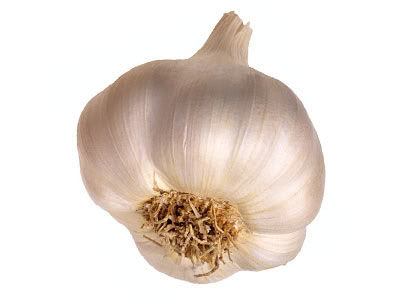
Garlic health benefitsIt has been said that all current drugs and medications are simply versions of herbs and foods that can be patented by the drug companies.

These herbs have been freely used throughout history for their healing benefits. The biggest jewel in the crown of all medicinal herbs is garlic. In earlier days, when antibiotics and other drugs weren’t in existence, the garlic clove stood in the place of the pharmaceutical industry for its large rainbow of potent health benefits.

Recent studies are confirming and substantiating the power of garlic. The ingredient in garlic that gives it its medicinal qualities is allicin.  Garlic is also high in sulfur and the vitamins B6, C and B1. Garlic was once known as “Russian Penicillin” because of its ability to act as a natural antibiotic against bacteria, viruses, fungus and colds, as well as its ability to strengthen the body to prevent overall disease.

1. Garlic Prevents the Common Cold – “Advances in Therapy” Journal

This study included 146 people who received either a placebo or an allicin-containing garlic supplement for 12 weeks. The participants recorded any common cold symptoms and infections in a daily diary. At the end of the study, there were 63% less colds in the garlic group and they recovered much faster when infected – in an average of 1.5 days versus 5 days.

This research also showed that those taking the placebo were much more likely to get more than one cold over the treatment period. The researchers concluded that: “An allicin-containing supplement can prevent attack by the common cold virus.”

2. Garlic Gel for Recurrent Hair Loss – “Indian Journal of Dermatology”

In order to determine the effectiveness of a garlic gel applied to the scalp for recurrent hair loss, researchers divided the participants into two groups. One group used a garlic gel for three months and the other used a placebo. In addition, both groups used a steroid cream on the scalp. The size of the patches and overall state of the hair was recorded each month.

At the end of the study, very good responses were observed in the garlic group. The study showed that the use of a garlic gel significantly added to the therapeutic benefits from the steroid cream and that it’s an effective hair loss remedy.

3. Heavy Metals in the Body Detoxified by Garlic – “Basic Clinical Toxicology” Journal

Workers at a car battery industry with chronic lead poisoning were used in this study. The workers were split into two groups: One that received allicin from garlic three times a day and the other group received the drug d-penicillamine. At the end of the four week study, the symptoms of lead poisoning were examined. The researchers reported significant improvement in the garlic group including less irritability, fewer headaches, better tendon reflexes and lower blood pressure. None of these benefits were seen in the d-penicillamine group.

4. Dietary Garlic Prevents Hip Arthritis – “Musculoskeletal Disorders” Journal

1,000 healthy female twins participated in this study. The team of researchers recorded the details of the diets of the twins and compared these with x-ray images that showed the degree of osteoarthritis development in the hips, spine and knees.

Their discovery was that a high intake of vegetables and fruits, particularly those high in sulfur such as garlic and onions, resulted in lower signs of the beginnings of osteoarthritis in the hip.

Dr Frances Williams, lead author of the study from King’s College London, said: “…These findings may point the way towards future treatments and prevention of hip osteoarthritis.”

5. Aged Garlic Extract Lowers Blood Pressure – “Maturitas” (the European Menopause Journal)

This study followed 50 patients over a 12 week treatment period. The patients were being treated with medication for high blood pressure, but it remained high and uncontrolled. The results showed that an aged garlic extract was effective in lowering blood pressure for patients with uncontrolled hypertension.

6. Garlic Enhances Exercise Tolerance – “Indian Journal of Physiology”

In a study of 30 patients with heart disease, treadmill tests were to examine their exercise capacity.  After the initial test, they were given garlic oil capsules daily for six weeks. When the test was repeated, it was shown that the garlic had greatly improved their heart rate at peak exercise and had also reduced the work load on the heart. This gave the patients better exercise tolerance and ability.

7. Garlic Lowers Risk of Lung Cancer by 44% – “Cancer Prevention Research”

In this 7-year long study, researchers at a medical center in China interviewed 1,424 lung cancer patients and also 4,543 healthy people. They were asked questions about their diet, smoking and how often they ate garlic. Raw garlic consumption of 2 times or more per week was found to be associated with a 44% prevention of lung cancer. For those in the study who smoked, the risk of lung cancer was still reduced by about 30% for those who ate the raw garlic.

How to Take Garlic

Garlic is best eaten raw. Some tasty ways to receive the benefits of garlic include adding it to homemade salsa, guacamole, salad dressings, pasta sauce, in mashed potatoes, and mixed with butter and then spread on bread. It can also be added to vegetable smoothies and hot vegetable dishes.

If raw garlic causes any stomach upset, there are many garlic supplements available that contain good amounts of allicin.

This health news is shared with you by Nutrition Breakthroughs, a provider of nutrition articles and effective natural remedies since 2001. Nutrition Breakthroughs makes the original calcium and magnesium based natural sleep remedy Sleep Minerals II, as well as Joints and More, the natural solution for joint relief, aches and pains and stronger hair and nails.

Article source: http://www.nutritionbreakthroughs.com/blog/2015/09/30/sleep-foods-chart-top-proven-foods-for-insomnia/

Hello,

Included below is a great chart showing the top 10 Vitamin D rich foods. Vitamin D is known as the “Sunshine Vitamin” as spending time outdoors in the sun is known to increase vitamin D in the body via the skin. Our ancestors spent a considerable amount of their time outdoors, but for the first time in history, large amounts of the world population spend most of their time inside their offices and homes.

The American Journal of Clinical Nutrition recommends some regular sun exposure (usually 5–10 min of exposure of the arms and legs or the hands, arms, and face, 2 or 3 times per week) and increased dietary and supplemental vitamin D to guarantee getting enough and preventing a vitamin D deficiency. The foods highest in vitamin D are featured in the chart below.

Vitamin D supports healthy bones, reduces diabetes risk, strengthens the immune system, remedies insomnia and soothes skin conditions. One study on vitamin D supplements for people with insomnia was published in the journal “Medical Hypothesis”. The researchers followed 1500 patients over a 2 year period. A consistent level of vitamin D3 was maintained in their blood over many months.

This produced normal sleep in most of the participants, regardless of their type of sleep disorder. During the research, the authors discovered the presence of high concentrations of vitamin D “receiving sites” or “receptors” in those areas of the brain that are related to the onset and maintenance of sleep.

Vitamin D supports healthy bones. Vitamin D deficiency is a known cause of rickets (soft bones) in children and osteoporosis in adults.The pioneering nutritionist Adelle Davis writes about vitamin D in her book “Let’s Get Well”. She says: “Vitamin D increases calcium absorption…and controls the enzymes necessary to deposit minerals in bones and teeth. This vitamin can be produced on the skin by sunshine provided the oils have not been washed off (the skin).”

A study from the Journal of Investigative Medicine found that vitamin D has important functions beyond those of supporting calcium and bones in the body.  It concluded that vitamin D is a boost to immunity and a deficiency of the vitamin is common in autoimmune disease – a disease where the body’s immune system attacks healthy cells by mistake. These include multiple sclerosis, rheumatoid arthritis, diabetes and inflammatory bowel disease.

In the “Top 10 vitamin D Foods” chart below, the foods are shown with their amounts of vitamin D and what percentage of the recommended daily value (DV) they have. For example, 3 ounces of sardines provides 164 IU (international units) of vitamin D and this is 41% of the recommended daily intake of 400 IU. Daily values are developed by the U.S. Food and Drug Administration to help provide a general guideline, however doses of 1,000 to 2,000 IU or more daily are not uncommon.

Good vitamin D foods include cod liver oil, sardines, salmon, mackerel, eggs, herring, raw maitake mushrooms, and vitamin D fortified milk and yogurt.

This health news is shared by Nutrition Breakthroughs, a provider of natural health articles and effective natural remedies since 2001. Nutrition Breakthroughs makes the original calcium and magnesium based sleep aid Sleep Minerals II, as well as Joints and More, the natural solution for joint relief, aches and pains and stronger hair and nails.

Enjoy the chart….

Vitamin D foodsShared by www.NutritionBreakthroughs


Archives