Posts Tagged ‘sleep minerals’
It has been said that all current drugs and medications are simply versions of herbs and foods that can be patented by the drug companies.
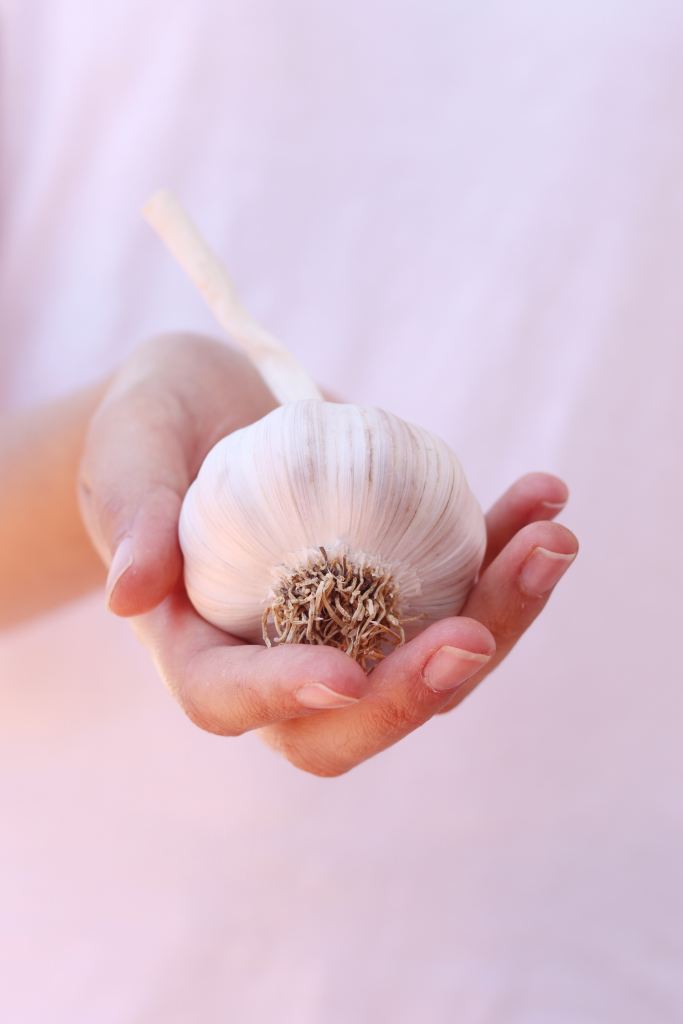
These herbs have been freely used throughout history for their healing benefits. The biggest jewel in the crown of all medicinal herbs is garlic. In earlier days, when antibiotics and other drugs weren’t in existence, the garlic clove stood in the place of the pharmaceutical industry for its large rainbow of potent health benefits.
Recent studies are confirming and substantiating the power of garlic. The ingredient in garlic that gives it its medicinal qualities is allicin. Garlic is also high in sulfur and the vitamins B6, C and B1. Garlic was once known as “Russian Penicillin” because of its ability to act as a natural antibiotic against bacteria, viruses, fungus and colds, as well as its ability to strengthen the body to prevent overall disease.
1. Garlic Prevents the Common Cold – “Advances in Therapy” Journal
This study included 146 people who received either a placebo or an allicin-containing garlic supplement for 12 weeks. The participants recorded any common cold symptoms and infections in a daily diary. At the end of the study, there were 63% less colds in the garlic group and they recovered much faster when infected – in an average of 1.5 days versus 5 days.
This research also showed that those taking the placebo were much more likely to get more than one cold over the treatment period. The researchers concluded that: “An allicin-containing supplement can prevent attack by the common cold virus.”
2. Garlic Gel for Recurrent Hair Loss – “Indian Journal of Dermatology”
In order to determine the effectiveness of a garlic gel applied to the scalp for recurrent hair loss, researchers divided the participants into two groups. One group used a garlic gel for three months and the other used a placebo. In addition, both groups used a steroid cream on the scalp. The size of the patches and overall state of the hair was recorded each month.
At the end of the study, very good responses were observed in the garlic group. The study showed that the use of a garlic gel significantly added to the therapeutic benefits from the steroid cream and that it’s an effective hair loss remedy.
3. Heavy Metals in the Body Detoxified by Garlic – “Basic Clinical Toxicology” Journal
Workers at a car battery industry with chronic lead poisoning were used in this study. The workers were split into two groups: One that received allicin from garlic three times a day and the other group received the drug d-penicillamine. At the end of the four week study, the symptoms of lead poisoning were examined. The researchers reported significant improvement in the garlic group including less irritability, fewer headaches, better tendon reflexes and lower blood pressure. None of these benefits were seen in the d-penicillamine group.
4. Dietary Garlic Prevents Hip Arthritis – “Musculoskeletal Disorders” Journal
1,000 healthy female twins participated in this study. The team of researchers recorded the details of the diets of the twins and compared these with x-ray images that showed the degree of osteoarthritis development in the hips, spine and knees.
Their discovery was that a high intake of vegetables and fruits, particularly those high in sulfur such as garlic and onions, resulted in lower signs of the beginnings of osteoarthritis in the hip.
Dr Frances Williams, lead author of the study from King’s College London, said: “…These findings may point the way towards future treatments and prevention of hip osteoarthritis.”
5. Aged Garlic Extract Lowers Blood Pressure – “Maturitas” (the European Menopause Journal)
This study followed 50 patients over a 12 week treatment period. The patients were being treated with medication for high blood pressure, but it remained high and uncontrolled. The results showed that an aged garlic extract was effective in lowering blood pressure for patients with uncontrolled hypertension.
6. Garlic Enhances Exercise Tolerance – “Indian Journal of Physiology”
In a study of 30 patients with heart disease, treadmill tests were to examine their exercise capacity. After the initial test, they were given garlic oil capsules daily for six weeks. When the test was repeated, it was shown that the garlic had greatly improved their heart rate at peak exercise and had also reduced the work load on the heart. This gave the patients better exercise tolerance and ability.
7. Garlic Lowers Risk of Lung Cancer by 44% – “Cancer Prevention Research”
In this 7-year long study, researchers at a medical center in China interviewed 1,424 lung cancer patients and also 4,543 healthy people. They were asked questions about their diet, smoking and how often they ate garlic. Raw garlic consumption of 2 times or more per week was found to be associated with a 44% prevention of lung cancer. For those in the study who smoked, the risk of lung cancer was still reduced by about 30% for those who ate the raw garlic.
How to Take Garlic
Garlic is best eaten raw. Some tasty ways to receive the benefits of garlic include adding it to homemade salsa, guacamole, salad dressings, pasta sauce, in mashed potatoes, and mixed with butter and then spread on bread. It can also be added to vegetable smoothies and hot vegetable dishes.
If raw garlic causes any stomach upset, there are many garlic supplements available that contain good amounts of allicin.
This health news is shared with you by Nutrition Breakthroughs, a provider of nutrition articles and effective natural remedies since 2001. Nutrition Breakthroughs makes the original calcium and magnesium based natural sleep remedy Sleep Minerals II, as well as Joints and More, the natural solution for joint relief, aches and pains and stronger hair and nails.

Sometimes just taking a drink of pure, fresh water can lighten our spirit and improve overall health. Hydration means to supply with ample fluid or moisture. Studies are finding that being well-hydrated with water can assist with weight loss, help relieve fatigue and migraines, and improve mood and concentration.
Water is one of the best natural remedies and is vital to life. It ranges from 75% of body weight in infants to 55% of body weight in the elderly. The more water we drink, the better it circulates through the body, bringing essential nutrients and vitamins to places they are needed and flushing out toxins.
Water provides its health benefits without calories or sugar and actually comes in many forms such as spring water, carbonated water, mineral water, distilled water and well water. It is present in soups, stews, and teas, and is found within the most beneficial of all foods: vegetables and fruits.
Water is gaining attention for its ability to be an appetite-controller that has no side effects, costs very little and requires no prescription. In a study from the American Chemical Society, participants aged 55 to 75 all ate a low-calorie diet during the study. They were divided into two groups — one of the two groups drank 2 cups of water prior to their meals and the other didn’t. Over the course of the 12-week study, the water-drinkers lost five more pounds than the non-water drinkers.
Researchers from the Netherlands set out to prove the common notion that dehydration is considered to result in headaches and they studied 18 patients with migraine headaches. One group was given a placebo and the other was instructed to increase their daily intake of water. In the group that increased their intake of water by a quart a day, the total overall hours of headache were reduced by 21 hours in 2 weeks.
An easy way to increase the water intake is to fill a container with a quart of water and bring it along to drink throughout the day. Avoid tap water and use the filtered, spring or distilled varieties. Eating more raw fruits and vegetables is another key strategy; not only because of their high water content, but because of the plant chemicals they contain. Known as “phytochemicals”, these active nutrients provide the colors of the plants and give benefits to the heart, eyes, hormones and more.
This health news is shared with you by Nutrition Breakthroughs, maker of the effective natural sleep aid Sleep Minerals II, and the natural solution for joint relief, allergies, pain relief and increased energy, Joints and More.
Benefits of Black Carrots: A Powerful Natural Healing Food – Mutlu Çiçekler Blog
Posted on: January 24, 2026

Here’s a good overview on the health benefits of black carrots. They may be more easily found in health food stores or in combination with yellow and orange carrots in pre-packed plastic bags. Add some variety to your carrot-eating and try the purple and yellow variety along with the ever-healthy orange ones!
This health news is shared with you by Nutrition Breakthroughs, maker of the effective natural sleep aid Sleep Minerals II, and the natural solution for joint relief, allergies, pain relief and increased energy, Joints and More.
Anyone who has experienced a bladder infection can attest to the unpleasant symptoms of lower abdomen pain, a burning feeling during urination, an urgency to urinate frequently, and possibly cloudy urine. Both women and men can develop bladder infections.
A couple of good tips would be to drink at least eight 8-ounce glasses of fluid a day, especially chlorine-free (non-tap) water, and to decrease the amount of refined white sugar in the diet.
Regarding white sugar, the American Journal of Clinical Nutrition reported that when healthy volunteers consumed a large amount of refined sugar, their immune system’s white blood cells had an impaired ability to destroy bacteria for at least five hours.
Antibiotics are the standard medical treatment for bladder infections, and while they are sometimes necessary, those who do not want to regularly use antibiotics have the option of benefiting from a well-documented nutritional remedy.
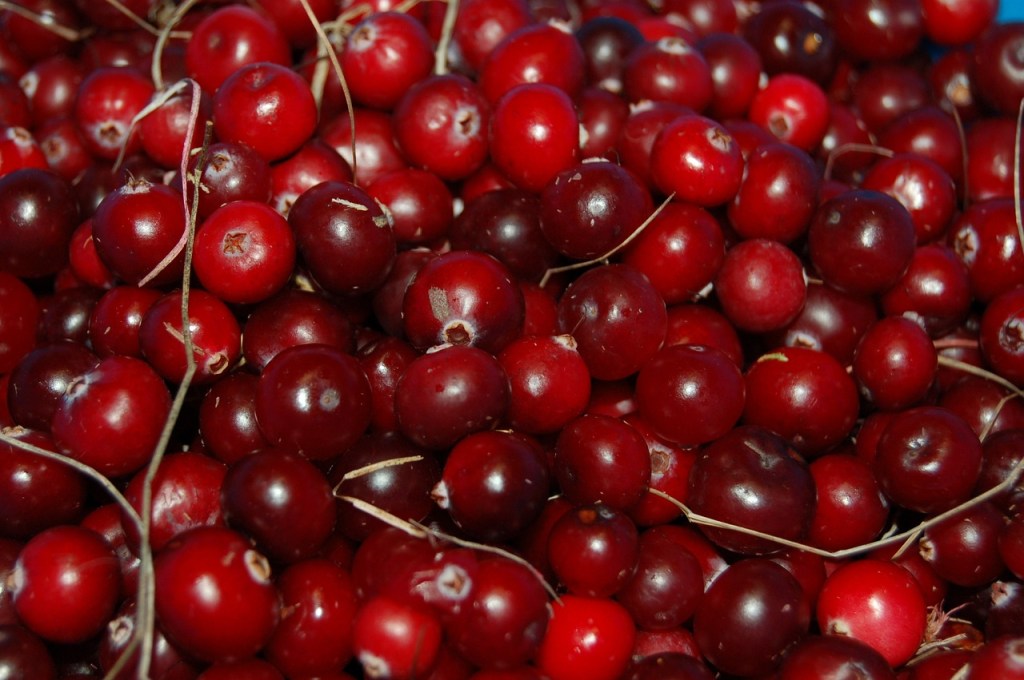
Cranberry concentrate in capsule form, together with cranberry juice, can be extremely helpful. Cranberry makes the urine more acidic and creates an environment which is hard for bacteria to live in. It has the unique ability to interfere with bacteria establishing a foothold on the bladder wall and when taken regularly, especially in capsule form, it can help to break the cycle of repeated bladder infections.
One research study with women who had a history of recurring bladder infections, found that daily treatment with cranberry concentrate capsules (400 mg twice per day) for three months, significantly reduced the recurrence of urinary tract infections. Drinking cranberry juice is also helpful, but remember to drink a natural cranberry juice that is unsweetened or lightly sweetened from natural fruit sources, rather a cranberry juice cocktail sweetened with white sugar.
This health news is shared with you by Nutrition Breakthroughs, maker of the effective natural sleep aid Sleep Minerals II, and the natural solution for joint relief, allergies, pain relief and increased energy, Joints and More. The mission is to provide nutritional supplements that work and get results, and therefore help people to avoid drugs and their side effects.
Good Health – Study Shows Snacking on Almonds Benefits Weight, Adds Vitamin E
Posted on: January 23, 2026
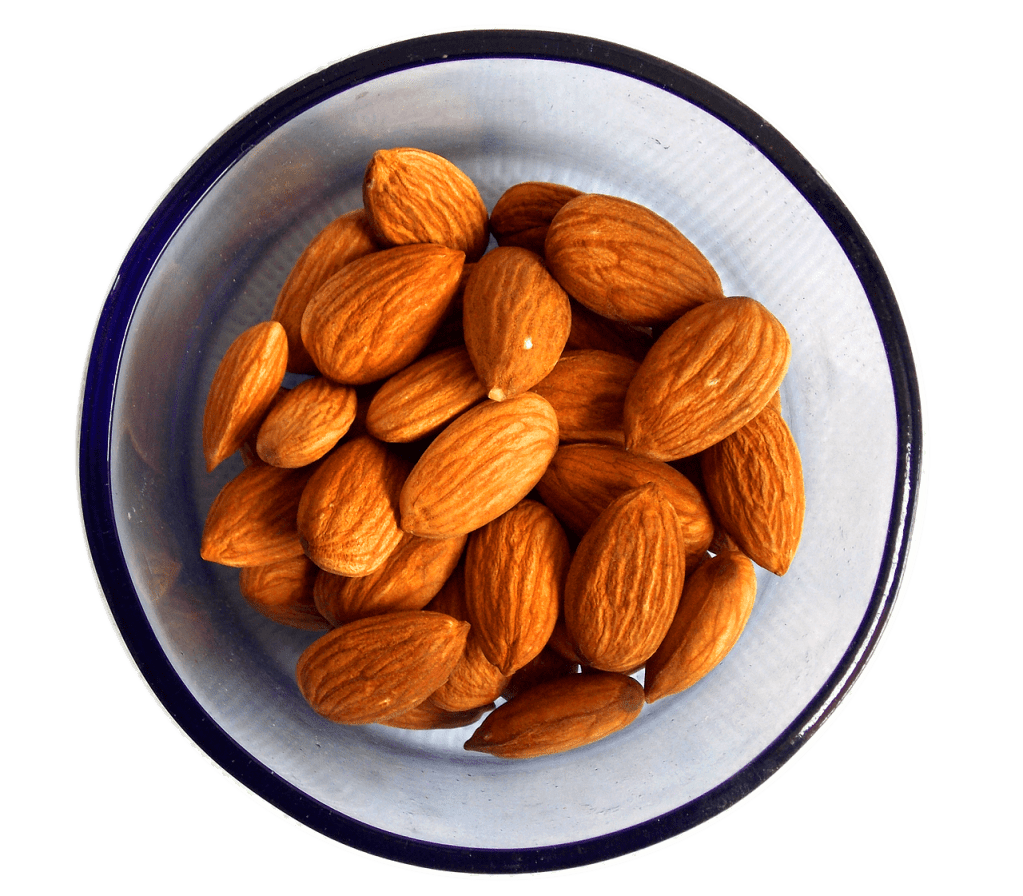
A recent study published in the European Journal of Clinical Nutrition has found that eating 1.5 ounces of lightly salted, dry-roasted almonds each day (about 35 almonds) reduced overall hunger, did not affect body weight, and helped the participants to meet their ideal daily intake of Vitamin E.
With the majority of Americans eating more and more snacks, it’s a great thing to find a snack that doesn’t result in weight gain and that also provides nutritional benefits.
The test divided 137 people into five groups: One group ate no nuts or seeds, another group ate almonds with breakfast, another ate them with lunch, the next group ate them alone as a mid-morning snack, and the last group ate them as a mid-afternoon snack.
An interesting aspect of the study is that the participants were people with a higher risk of type 2 diabetes. Eating almonds lowered their blood sugar levels after meals, especially for the in between meal “snack” groups. When consumed as snacks, the almonds also reduced hunger at regular meals.
Richard Mattes PhD, professor of nutrition science at PurdueUniversity in Indiana, and the lead researcher of the study says: “This research suggests that almonds may be a good snack option, especially for those concerned about weight.” The study shows that almonds can increase healthy fat and Vitamin E intake while avoiding weight gain, despite the increase in calories from eating them.
This health news is shared with you by Nutrition Breakthroughs, maker of the effective natural sleep aid Sleep Minerals II, and the natural solution for joint relief, allergies, pain relief and increased energy, Joints and More. The mission is to provide nutritional supplements that work and get results, and therefore help people to avoid drugs and their side effects.
13 Fermented Foods for Healthy Gut and Overall Health – General Health Magazine
Posted on: January 22, 2026
Here’s a very good overview that could be called “Fermented Foods 101.” Take a look at these beneficial fermented foods and all their health benefits. You’ll enjoy learning how fermentation takes place and even simple ways to make your own fermented foods.
This health news is shared with you by Nutrition Breakthroughs, maker of the effective natural sleep aid Sleep Minerals II, and the natural solution for joint relief, allergies, pain relief and increased energy, Joints and More.

Here’s an interesting article about some of the drawbacks of limiting healthy fats in our diet. Be sure to eat some healthy fats each day such as ghee, butter, avocados, olives, olive oil, salmon, sardines, trout, eggs with yolks, nuts (almonds, pecans, cashews), or seeds (pumpkin, sunflower).
This health news is shared with you by Nutrition Breakthroughs, maker of the effective natural sleep aid Sleep Minerals II, and the natural solution for joint relief, allergies, pain relief and increased energy, Joints and More.

Here are five easy ways to keep your lymphatic and immune system in good shape. The thing about these five recommendations is that they will help and support many other areas of your body as well, including organ health, clear thinking and better sleep.
This health news is shared with you by Nutrition Breakthroughs, maker of the effective natural sleep aid Sleep Minerals II, and the natural solution for joint relief, allergies, pain relief and increased energy, Joints and More.
Walking Outside vs. Treadmill Walking: Which Is Best for Your Health? And Tips for Beginner Walkers – Daily Interesting Blogs
Posted on: January 20, 2026

A nice and concise article on walking from Daily Interesting Blogs. I’m happy to share it with my readers. This info is shared by Sleep Minerals II, for deeper sleep and better health, and Joints and More, for joint support, stronger hair and nails and more.

Vitamin C is one of the most famous vitamins as it benefits so many areas of the body. It isn’t stored in the body and its highest sources are fresh vegetables and fruits.
Vitamin C strengthens bones and teeth, heals wounds, fights infections, smooths skin wrinkles (by helping to make collagen), and supports heart (Continue Reading to see the exercise study) …
————————-
This health news is shared with you by Nutrition Breakthroughs, maker of the effective natural sleep aid Sleep Minerals II, and the natural solution for joint relief, allergies, pain relief and increased energy, Joints and More.
 News on Natural Remedies, Good Sleep and Good Health