Posts Tagged ‘sleep minerals ii’
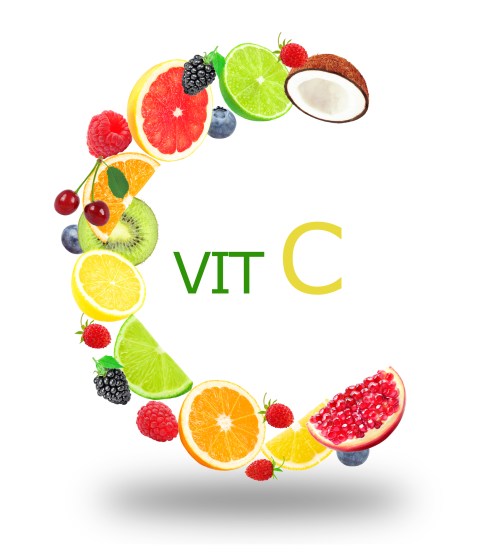
Vitamin C is one of the most famous vitamins as it benefits so many areas of health. It isn’t stored in the body and its highest sources are fresh vegetables and fruits.
Vitamin C strengthens bones and teeth, heals wounds, fights infections, smooths skin wrinkles (by helping to make collagen), and supports heart and eye health.
Especially for a healthy heart, vitamin C benefits have been the topic of research studies for its ability to lower blood pressure and increase the health of blood vessels.
A recent study from research scientist Dr. Caitlin Dow at the University of Colorado at Boulder, focused on 35 obese or overweight adults. These adults are often advised to walk for exercise, but they can find it a challenge to include it in their daily lives.
Dr. Dow’s research found that 500 mg. of time-release vitamin C taken daily, reduces blood vessel constriction as much as walking does.
Overweight and obese people were chosen for the study as they have higher levels of a certain vessel-constricting protein which makes their blood vessels less responsive to blood flow — thus increasing the risk of developing vascular or heart disease. Exercise has been shown to reduce the effects of this protein and to benefit blood vessels.
The University of Colorado study compared the daily use of vitamin C heart supplements to daily walking in a group of 35 sedentary, overweight individuals. Blood flow was measured before and after each alternate remedy.
The results: Daily supplementation of vitamin C (500 mg/day, time-released), reduced blood vessel constriction as much as the walking exercise did. They recommend that Vitamin C supplementation represents an effective lifestyle strategy for this condition.
In addition to this current study, the American Journal of Clinical Nutrition published a review of 29 research trials on people with high blood pressure and concluded that vitamin C has a useful role in lowering it.
This health news is shared by Nutrition Breakthroughs, a provider of natural health articles and effective natural remedies since 2001. Nutrition Breakthroughs makes the original calcium and magnesium based sleep aid Sleep Minerals II, as well as Joints and More, the natural solution for joint relief, aches and pains and stronger hair and nails.

Many people who experience the pain of headaches or migraines are reaching out for natural remedies, as they would prefer to avoid taking drugs or medications.
A headache is defined as a continuous pain in the head, whether it’s a chronic daily tension headache caused by muscle contractions or it’s a full blown migraine. A migraine is a throbbing, pounding pain that can last from a few hours to a few days. It can come from sensitivity to noise or light and often has an aspect of nausea or stomach upset.
Aside from over the counter drugs or prescription medications, there are a number of natural headache remedies that have been shown in studies to be effective. Here are some of the most studied ones.
B vitamins
In a study from Griffith University in Brisbane Australia, scientists studied 52 people diagnosed with migraines. They were split into two groups and one half received a daily dose of B vitamins that included 25 milligrams of B6, 2 milligrams of folic acid (vitamin B9), and 400 micrograms of B12, After six months, there was a significant lessening of migraine disability and symptoms from 60% to 30%. No reduction was seen in the placebo group.
Cayenne
The powerful active ingredient in Cayenne pepper is known as capsaicin. It is known for its ability to remedy pain and inflammation. One study on capsaicin for headache relief was published in the Clinical Journal of Pain. The researchers noted that capsaicin inhibits Substance P in the body, which is a substance that helps transmit pain signals. Substance P is a part of what creates feelings of pain and capsaicin helps to remove it. The study found that when capsaicin was applied topically to the nasal passages, the participants found relief for headaches, whereas those taking the placebo didn’t. Capsaicin is available as a pill, skin cream or nasal spray.
Gluten free diet
In the quest for natural remedies for headaches, scientists have researched whether or not there’s a connection between migraine headaches and the gluten found in wheat, barley, rye and oats. Gluten is a protein-like substance that gives the dough from grains its elastic texture. One study from the journal “Neurology” discovered that eating a gluten-free diet brought relief from migraines to 9 out of 10 of the participants. This leads to the possibility that foods containing gluten can bring on headaches.
Magnesium
Studies have found that people with migraine headaches have low concentrations of magnesium in their body. The word “cephalalgia” literally means head pain or headache. In a German study of 81 migraine patients published in the journal “Cephalalgia”, 42 percent of the people taking oral magnesium reduced both the duration and intensity of their migraine attacks. They also reduced their reliance on medications to control migraines.
Natural headache remedies can be a good first defense against headaches and migraines and can help one avoid strong medications that can come with side effects.
This natural health news is shared with you by Nutrition Breakthroughs, a provider of nutrition articles and effective natural remedies since 2001. Nutrition Breakthroughs, makes the original calcium and magnesium based natural sleep aid Sleep Minerals II, as well as Joints and More, the natural solution for joint relief, aches and pains, stronger hair and nails and more energy.
Benefits of Black Carrots: A Powerful Natural Healing Food – Mutlu Çiçekler Blog
Posted on: January 24, 2026

Here’s a good overview on the health benefits of black carrots. They may be more easily found in health food stores or in combination with yellow and orange carrots in pre-packed plastic bags. Add some variety to your carrot-eating and try the purple and yellow variety along with the ever-healthy orange ones!
This health news is shared with you by Nutrition Breakthroughs, maker of the effective natural sleep aid Sleep Minerals II, and the natural solution for joint relief, allergies, pain relief and increased energy, Joints and More.

Anyone who has experienced a bladder infection can attest to the unpleasant symptoms of lower abdomen pain, a burning feeling during urination, an urgency to urinate frequently, and possibly cloudy urine. Both women and men can develop bladder infections.
A couple of good tips would be to drink at least eight 8-ounce glasses of fluid a day, especially chlorine-free (non-tap) water, and to decrease the amount of refined white sugar in the diet.
Regarding white sugar, the American Journal of Clinical Nutrition reported that when healthy volunteers consumed a large amount of refined sugar, their immune system’s white blood cells had an impaired ability to destroy bacteria for at least five hours.
Antibiotics are the standard medical treatment for bladder infections, and while they are sometimes necessary, those who do not want to regularly use antibiotics have the option of benefiting from a well-documented nutritional remedy.
Cranberry concentrate in capsule form, together with cranberry juice, can be extremely helpful. Cranberry makes the urine more acidic and creates an environment which is hard for bacteria to live in. It has the unique ability to interfere with bacteria establishing a foothold on the bladder wall and when taken regularly, especially in capsule form, it can help to break the cycle of repeated bladder infections.
One research study with women who had a history of recurring bladder infections, found that daily treatment with cranberry concentrate capsules (400 mg twice per day) for three months, significantly reduced the recurrence of urinary tract infections. Drinking cranberry juice is also helpful, but remember to drink a natural cranberry juice that is unsweetened or lightly sweetened from natural fruit sources, rather a cranberry juice cocktail sweetened with white sugar.
This health news is shared with you by Nutrition Breakthroughs, maker of the effective natural sleep aid Sleep Minerals II, and the natural solution for joint relief, allergies, pain relief and increased energy, Joints and More. The mission is to provide nutritional supplements that work and get results, and therefore help people to avoid drugs and their side effects.
Good Health – Study Shows Snacking on Almonds Benefits Weight, Adds Vitamin E
Posted on: January 23, 2026
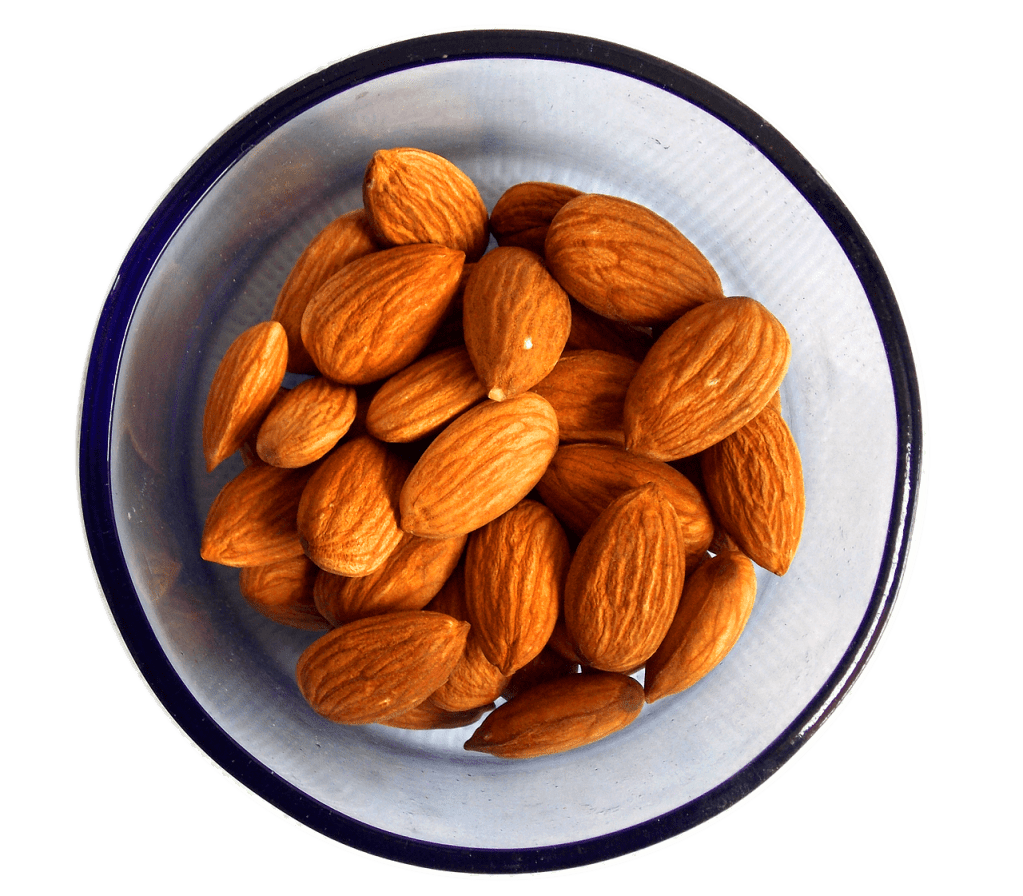
A recent study published in the European Journal of Clinical Nutrition has found that eating 1.5 ounces of lightly salted, dry-roasted almonds each day (about 35 almonds) reduced overall hunger, did not affect body weight, and helped the participants to meet their ideal daily intake of Vitamin E.
With the majority of Americans eating more and more snacks, it’s a great thing to find a snack that doesn’t result in weight gain and that also provides nutritional benefits.
The test divided 137 people into five groups: One group ate no nuts or seeds, another group ate almonds with breakfast, another ate them with lunch, the next group ate them alone as a mid-morning snack, and the last group ate them as a mid-afternoon snack.
An interesting aspect of the study is that the participants were people with a higher risk of type 2 diabetes. Eating almonds lowered their blood sugar levels after meals, especially for the in between meal “snack” groups. When consumed as snacks, the almonds also reduced hunger at regular meals.
Richard Mattes PhD, professor of nutrition science at PurdueUniversity in Indiana, and the lead researcher of the study says: “This research suggests that almonds may be a good snack option, especially for those concerned about weight.” The study shows that almonds can increase healthy fat and Vitamin E intake while avoiding weight gain, despite the increase in calories from eating them.
This health news is shared with you by Nutrition Breakthroughs, maker of the effective natural sleep aid Sleep Minerals II, and the natural solution for joint relief, allergies, pain relief and increased energy, Joints and More. The mission is to provide nutritional supplements that work and get results, and therefore help people to avoid drugs and their side effects.
13 Fermented Foods for Healthy Gut and Overall Health – General Health Magazine
Posted on: January 22, 2026
Here’s a very good overview that could be called “Fermented Foods 101.” Take a look at these beneficial fermented foods and all their health benefits. You’ll enjoy learning how fermentation takes place and even simple ways to make your own fermented foods.
This health news is shared with you by Nutrition Breakthroughs, maker of the effective natural sleep aid Sleep Minerals II, and the natural solution for joint relief, allergies, pain relief and increased energy, Joints and More.

Here’s an interesting article about some of the drawbacks of limiting healthy fats in our diet. Be sure to eat some healthy fats each day such as ghee, butter, avocados, olives, olive oil, salmon, sardines, trout, eggs with yolks, nuts (almonds, pecans, cashews), or seeds (pumpkin, sunflower).
This health news is shared with you by Nutrition Breakthroughs, maker of the effective natural sleep aid Sleep Minerals II, and the natural solution for joint relief, allergies, pain relief and increased energy, Joints and More.

Here are five easy ways to keep your lymphatic and immune system in good shape. The thing about these five recommendations is that they will help and support many other areas of your body as well, including organ health, clear thinking and better sleep.
This health news is shared with you by Nutrition Breakthroughs, maker of the effective natural sleep aid Sleep Minerals II, and the natural solution for joint relief, allergies, pain relief and increased energy, Joints and More.

There is a great handy chart on the Nutrition Breakthroughs website that contains some of the top natural remedies.
These are well-known healthy counterparts for many common medications. Add these powerhouse foods to your diet for any of the conditions shown.
An example of one of the most effective natural remedies is (Continue reading to see the chart!) …
—————————–
This natural health news is shared by Nutrition Breakthroughs, a publisher of nutrition articles and supplier of natural remedies since 2002. Nutrition Breakthroughs makes Sleep Minerals II, the effective natural sleep aid with calcium, magnesium, zinc and vitamin D, and also Joints and More, the natural solution for joint relief, arthritis, aches and pains, stronger hair, better nails, and more energy.
Walking Outside vs. Treadmill Walking: Which Is Best for Your Health? And Tips for Beginner Walkers – Daily Interesting Blogs
Posted on: January 20, 2026

A nice and concise article on walking from Daily Interesting Blogs. I’m happy to share it with my readers. This info is shared by Sleep Minerals II, for deeper sleep and better health, and Joints and More, for joint support, stronger hair and nails and more.
 News on Natural Remedies, Good Sleep and Good Health