Posts Tagged ‘nutrition’

Heart conditions remain a major health concern worldwide, but the good news is that specific heart healthy foods and supplements can significantly improve cardiovascular health.
According to recent scientific research, these nutrients can support stronger heart function, lower cholesterol, reduce inflammation, and reduce the risk of heart disease.
Top Heart Healthy Foods
- Fatty Fish – Salmon, mackerel, and sardines are rich in omega-3 fatty acids, which help lower blood pressure and reduce inflammation. A study in the Journal of the American College of Cardiology (2017) found that omega-3 intake is associated with a lower risk of coronary heart disease.
- Berries – Blueberries, strawberries, and raspberries contain antioxidants that improve blood vessel function. The American Journal of Clinical Nutrition (2013) found that regular berry consumption reduces the risk of heart attacks, particularly in women.
- Nuts – Almonds and walnuts provide heart-healthy fats, fiber, and magnesium. A study in the New England Journal of Medicine (2013) showed that people who ate nuts regularly had a 20% lower risk of heart disease.
- Leafy Greens – Spinach, kale, and Swiss chard are packed with nitrates (natural chemicals found in the body), which improve artery function and reduce blood pressure, according to a 2015 study in Hypertension.
- Olive Oil – Olive oil is rich in monounsaturated fats; natural fats found in nuts, avocado, olives, and oils. Olive oil helps to lower the bad form of cholesterol. The PREDIMED Study (2018) confirmed that a Mediterranean diet rich in olive oil reduces heart disease risk.
Best Supplements for Heart Health
- Coenzyme Q10 (CoQ10) – This antioxidant improves energy production in heart cells. A 2014 study in Circulation: Heart Failure found that CoQ10 supplementation reduced heart failure mortality rates. Top food sources of CoQ10 include beef, chicken, pistachios, and fatty fish like salmon and tuna.
- Magnesium – Essential for regulating blood pressure and heart rhythm. A study in The American Journal of Clinical Nutrition (2016) linked higher magnesium intake to a lower risk of stroke and heart disease.
- Omega-3 Fish Oil – This is the supplement version of the omega-3 fatty acids found in fish. These heart-healthy oils are shown in multiple studies, including JAMA Cardiology (2019), to lower excess fats in the blood and t reduce heart disease risk.
- Garlic Extract – Studies in the Journal of Nutrition (2016) found that garlic supplements can reduce blood pressure and cholesterol levels.
Reduce Heart Disease Risk with Natural Remedies
A healthy lifestyle that includes the best heart healthy foods can promote cardiovascular wellness and strengthen many other organs as well. Consuming nutrient-rich foods such as fatty fish, berries, nuts, and leafy greens provides essential vitamins and minerals that help regulate blood pressure, reduce inflammation, and support overall heart function.
In addition to a heart-friendly diet, regular physical activity strengthens the cardiovascular system. Mild exercises such as walking, swimming, cycling, and yoga stretching can improve heart function, lower blood pressure, and enhance overall endurance.
Studies have shown that even 30 minutes of moderate exercise most days of the week can significantly lower the risk of heart disease. Here’s to your strong and healthy heart!
This natural health news is shared by Nutrition Breakthroughs, maker of the original calcium and magnesium based natural sleep aid, Sleep Minerals II. Rich with magnesium, this supplement is a balanced way to strengthen the heart.
***** Tammy B. of Spotsylvania, Virginia says: “I have been using the Sleep Minerals II. and I do notice a difference. Specifically, my legs don’t seem to be restless anymore and my hip and knee joints don’t ache. I haven’t done anything else differently so I have to give all the credit to this product. I didn’t take the Sleep Minerals one night and the next few nights were extremely miserable for me as I worked to get back on schedule. I usually sleep well and the best part is…. I’m waking up refreshed.”
Your Body Will Thank You for Nutritious Eating – from Belladonna’s Flashlight Blog
Posted on: November 7, 2025

A short but sweet article on the benefits of eating whole, real, healthy foods for more energy during the day and better sleep at night.
This health news is shared with you by Nutrition Breakthroughs, maker of the effective natural sleep aid Sleep Minerals II, and the natural solution for joint relief, allergies, pain relief and increased energy, Joints and More.

Most of us love the feeling of warm sunlight on our skin. It brightens our mood, makes outdoor adventures more fun, and gives everything a golden glow.
But sunlight is more than just pretty -it’s actually one of nature’s best health boosters.
From stronger bones to better sleep, stepping into the sunshine can give your mind and body a surprising number of benefits. Let’s explore why soaking up some rays is so good for you.
- Sunshine and Vitamin D: The Dynamic Duo
One of the biggest reasons sunlight is so important is because it helps your body make vitamin D. This vitamin is sometimes called the “sunshine vitamin” because your skin produces it when exposed to ultraviolet B (UVB) rays from the sun. Vitamin D is essential for strong bones, healthy muscles, and even a powerful immune system.
Research published in the Journal of Investigative Medicine (2011) found that people with healthy vitamin D levels had better resistance to infections. It’s also key for preventing osteoporosis, a condition where bones become weak and brittle. Just 10–20 minutes of sunshine a few times a week can often be enough to keep your vitamin D levels in good shape — though this can vary depending on your skin tone, where you live, and the time of year.
- Sunshine Boosts Your Mood
Ever notice how your spirits lift after a sunny day? That’s not just your imagination. Sunlight helps your brain release serotonin, a chemical that makes you feel calm, focused, and happy. Low levels of serotonin are linked to depression, which some people experience during darker winter months.
A review in The Lancet (2020) found that light therapy — exposing people to bright artificial light — was effective in improving mood and reducing depression symptoms. Natural sunlight works in a similar way, giving your spirits a natural lift.
- Better Sleep Thanks to the Sun
Here’s a fun fact: catching rays during the day can help you sleep better at night. How? Sunlight helps regulate your body’s circadian rhythm, which is your internal clock that tells you when to feel awake and when to feel sleepy.
Morning sunlight in particular signals your brain that it’s time to be alert. Later in the day, your body naturally releases melatonin, the “sleep hormone,” when it’s dark. A study in the Journal of Clinical Sleep Medicine (2014) showed that office workers with more natural light exposure slept longer and better than those without it.
- Sunlight Can Help Your Heart
Moderate sun exposure might even give your heart health a little boost. When sunlight hits your skin, it can help lower blood pressure by triggering the release of nitric oxide, a molecule that relaxes blood vessels. A study in the Journal of Investigative Dermatology (2014) suggested that this process could reduce the risk of heart disease.
- Social and Active Benefits
Finally, let’s not forget the lifestyle perks. Sunny weather encourages people to get outside — whether that’s walking, playing sports, or just hanging out with friends. Being outdoors often means more physical activity, which supports a healthier body and a sharper mind.
So, How Much Sun Do You Need?
Experts recommend a balance — enough to enjoy the benefits, but not so much that you risk sunburn or skin damage. 10–15 minutes of direct midday sun exposure on your face, arms, and legs, several times a week, is enough to get enough Vitamin D.
The ideal time is between 10 a.m. and 3 p.m., as the sun’s healthy rays are strongest then. Darker skin tones require longer exposure. If you like, you can use sunscreen on other parts of your body and take breaks in the shade as needed.
Summary
Sunlight is one of life’s simplest and most powerful health tools. It helps your body create essential vitamins, lifts your mood, improves sleep, and can even support your heart. So, the next time the sun is shining, step outside, take a deep breath, and let nature do some of its best work
Nutrition Breakthroughs
This health news is shared by Nutrition Breakthroughs, maker of the original calcium and magnesium based sleep aid Sleep Minerals II, and Joints and More, a natural supplement for joint relief, less aches and pains, stronger hair and nails, and more energy.
Tammy M. of Meridian, Idaho says: “I was plagued with insomnia for five years and desperate for a breakthrough. Nothing has helped me more than Sleep Minerals — I’m so sold on them I could go door to door promoting them. I’m 60 years old and have never slept so soundly.”

For anyone who has trouble falling asleep or staying asleep in the night, a growing body of research shows that certain fruits can naturally help to improve sleep quality.
Packed with essential minerals and vitamins, these fruits support your body in having a deeper, longer night’s sleep. This can lead to more energy in your day and more alertness, productivity, and quality time with family and friends.
Kiwi: The Sleep Booster
Kiwi is often celebrated for its impressive sleep-enhancing properties. This fruit is rich in serotonin, which helps regulate your sleep cycle. It’s also a great source of magnesium, known for its calming effects on the nervous system. A study published in the *Asia Pacific Journal of Clinical Nutrition* found that eating two kiwis an hour before bed improved sleep onset, duration, and quality (Liu, 2011). Plus, its high level of healthy plant chemicals promotes overall well-being, helping you rest more soundly.
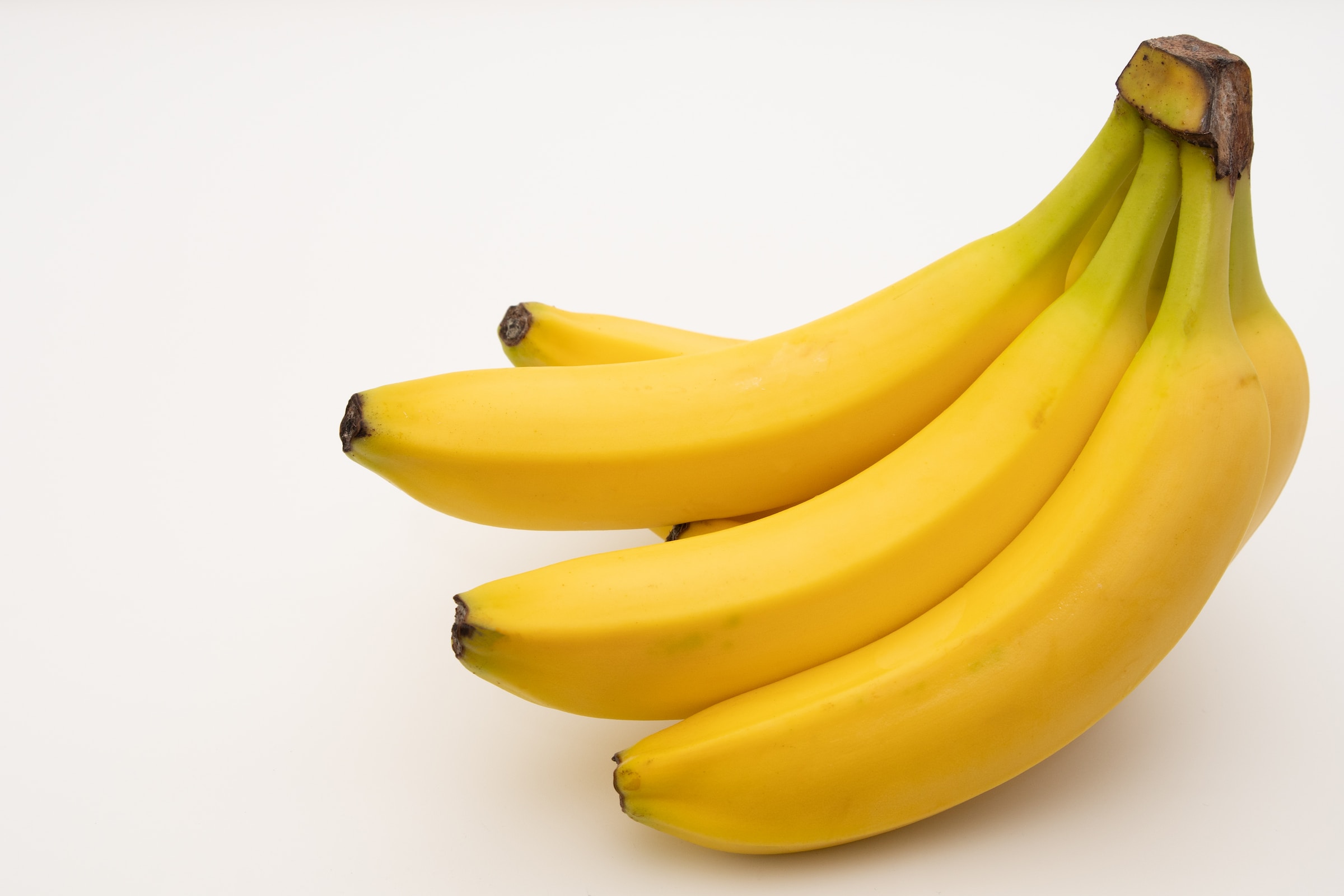
Bananas: Magnesium-Packed for Relaxation
Bananas are another fruit known for sleep benefits. Packed with magnesium and potassium, bananas help relax your muscles, which is vital for preparing your body for restful sleep.
A study published in the *Journal of Research in Medical Sciences* revealed that magnesium can significantly improve insomnia in older adults (Abbasi, 2012). Bananas are also high in vitamin B6, which helps your body produce melatonin, a hormone crucial for regulating sleep cycles.
Cherries: Natural Melatonin Source
Cherries, especially tart cherries, are one of the few natural food sources of melatonin, the hormone that governs sleep-wake cycles. According to a study in the *European Journal of Nutrition*, consuming tart cherry juice improved sleep duration and efficiency in adults with insomnia (Howatson, 2012). The beneficial effects of melatonin in cherries helps to promote deeper, more restorative sleep.
Figs: A Calcium-Rich Sleep Aid
Figs are a lesser-known fruit that can do wonders for sleep. They are rich in calcium, a mineral that helps the brain use the amino acid tryptophan to manufacture melatonin. In addition to calcium, figs provide magnesium and potassium, which support muscle relaxation and help ease tension, both of which are key for a good night’s rest (Healthline, 2021).
Avocado: A Fruit with Vitamin D for Sleep Regulation
Avocado contains small amounts of vitamin D, as well as healthy fats. These plant-based fats help to increase the absorption of vitamin D from other foods such as mushrooms, eggs and fish. Low levels of vitamin D have been associated with shorter sleep durations and disturbed sleep patterns (from the journal “Medical Hypothesis”). Adding avocado to your evening snack, along with mushrooms or eggs, can help regulate your sleep cycle and promote longer periods of rest.
These fruits can pack some powerful sleep-enhancing benefits, helping you wake up refreshed and energized. Try incorporating these into your diet for a natural, delicious way to boost your sleep quality.
This natural health news is shared by Nutrition Breakthroughs, maker of the original and effective calcium and magnesium based sleep aid Sleep Minerals II, and Joints and More, a natural supplement for joint support, less aches and pains, stronger hair and nails, and more energy.
Suzanne G. of Tucson, Arizona says: “I am now taking the Sleep Minerals II each night. I have had insomnia for most of my life and the longer I take Sleep Minerals, the better I sleep. The best thing is that I can now get back to sleep if I wake up in the night. It has given me such a sense of peace to know that I now can be well rested during the day. I also find my brain less foggy from lack of sleep. I have tried many products on the market and this is the one that is gold. Thank you so much for producing a quality product!”
Welcome to another round of “Fun Facts on Nutrition You’d Never Guess!”
Did you know that …
1. Mushrooms Are the Only Non-Animal Source of Vitamin D
Mushrooms are unique in the plant kingdom for their ability to produce vitamin D when exposed to sunlight. This makes them a fantastic dietary source of this essential nutrient, which is crucial for bone health and immune function. Let your mushrooms sunbathe before eating them for a greater vitamin boost.
Reference: Koyyalamudi, S. R., et al. (2009). Vitamin D2 formation and bioavailability from Agaricus bisporus button mushrooms treated with ultraviolet irradiation. Journal of Agricultural and Food Chemistry, 57(8), 3351-3355.
2. Cucumbers Are 96% Water, Detox the Body, and Heal the Skin
Cucumbers are one of the most hydrating foods you can eat, with a whopping 96% water content. This makes them perfect for keeping you refreshed and hydrated, especially in warm weather. Cucumber helps cleanse the body by eliminating built-up waste and toxins. The fresh fruit juice nourishes the skin, providing a calming effect for skin irritations and reducing swelling. Plus, they are low in calories and high in vitamins K and C, making them a nutritious snack.
Reference: Sun, J., et al. (2013). Nutritional and phytochemical properties of cucumber (Cucumis sativus L.). Current Topics in Nutraceutical Research, 11(1), 25-32.
3. Garlic Was Used as a Multipurpose Medicine in Ancient Times
Garlic has been used for its medicinal properties for thousands of years. In earlier days, when antibiotics and other drugs weren’t in existence, the garlic clove stood in the place of the pharmaceutical industry for its large rainbow of potent health benefits. Modern science supports many of these uses. Garlic is known for its immune-boosting properties and its ability to lower blood pressure and cholesterol levels. It also can prevent the common cold and arthritis.
Reference: Rivlin, R. S. (2001). Historical perspective on the use of garlic. Journal of Nutrition, 131(3), 951S-954S.
Fun and Health Go Hand-in-Hand
Isn’t nutrition fascinating? From hydrating, healing cucumbers to garlic being our first medicine, these fun facts highlight the amazing world of food. Stay tuned for the next issue and have a happy and healthy week!
This natural health news is shared by Nutrition Breakthroughs, maker of the original and effective calcium and magnesium based sleep aid Sleep Minerals II, and Joints and More, a natural supplement for joint relief, less aches and pains, stronger hair and nails, and more energy.

Struggling to fall asleep or stay asleep? You’re not alone. Insomnia, or difficulty sleeping, affects millions of people worldwide.
While stress and screen time are common culprits, physical conditions can also play a major role in keeping you awake. The good news? There are natural solutions for many causes of insomnia..
- Low Magnesium Levels
Magnesium is a mineral that helps relax your muscles and calm your nervous system. If your body is low in magnesium, you may experience restless sleep, muscle cramps, or frequent waking.
Solution: Eat magnesium-rich foods like bananas, almonds, pumpkin seeds, and spinach. You can also try a natural supplement which provides absorbable magnesium and calcium to promote deep sleep.
- Blood Sugar Imbalances
Blood sugar refers to the amount of sugar in your bloodstream. When it spikes or drops too quickly, it can wake you up in the middle of the night.
Solution: Avoid sugary snacks before bed, and eat a balanced dinner with protein, healthy fats, and fiber (such as salmon, avocado, and vegetables). A small handful of nuts before bedtime can help stabilize blood sugar while you sleep.
- Hormonal Changes
Hormones are chemical messengers that regulate many body functions, including sleep. Women experiencing menopause or PMS (premenstrual syndrome) often have sleep troubles due to changing estrogen and progesterone levels.
Solution: Drinking chamomile, mint or lavender tea before bed can help relax the body. Magnesium also plays a role in balancing hormones and enhancing melatonin, so adding magnesium-rich foods or supplements can make a difference.
- Excess Caffeine or Stimulants
Caffeine, found in coffee, tea, soda, and chocolate, stays in your system for hours and can interfere with sleep. Energy drinks and some medications (like decongestants) can also act as stimulants, making it harder to wind down at night.
Solution: Try cutting off caffeine at least 6–8 hours before bedtime. Herbal teas like rooibos or peppermint can be great caffeine-free alternatives.
- Chronic Pain or Inflammation
Conditions like arthritis, fibromyalgia (tender points around the body), or back pain can make it uncomfortable to sleep. Inflammation (your body’s response to injury or stress) can also contribute to nighttime discomfort.
Solution: Anti-inflammatory foods like turmeric, ginger, and omega-3-rich fish can help. These are best taken during the day, rather than right before bed. A warm bath with Epsom salts (which contain magnesium) can also relax muscles and ease pain before bedtime. Magnesium supplements are also helpful.
Final Thoughts
Understanding what’s keeping you up at night is the first step to solving it. By making small, natural changes — like improving your diet, managing stress, doing some regular, gentle exercise, and supporting your body’s natural rhythms — you can remedy the causes of insomnia and enjoy deep, restful sleep.
This natural health news is shared by Nutrition Breakthroughs, maker of the original, drug-free, calcium and magnesium-based sleep aid Sleep Minerals II.
Doctor P. P. of Houston, Texas says: “I had developed sleeping problems and took two different sleeping medications over the course of several weeks. When I discontinued them the insomnia came back even worse. I literally got about 20 hours of sleep in 6 weeks time. Sleep Minerals II was just what I needed. I’ve been taking it for a couple weeks and getting many hours of sleep a night. As a doctor I would definitely avoid prescribing sleeping drugs — I would recommend Sleep Minerals II.”
Beware: everyday pitfalls that put a strain on your knees – Creabealounge Blog
Posted on: November 2, 2025

Creabealounge did a nice job with this post. Have a look at it. In addition, if you ever have muscle or joint soreness or pain, there may be a deficiency of calcium, magnesium, potassium or vitamin E. You can test a bit of each one separately to see if it will help, or eat more foods with these nutrients.
This health news is shared with you by Nutrition Breakthroughs, maker of the effective natural sleep aid Sleep Minerals II, and the natural solution for joint relief, allergies, pain relief and increased energy, Joints and More.
A short but sweet post with good tips on beating insomnia and sleeping better. One revision I would make is that melatonin should only be used short-term, as otherwise it may suppress the body’s own ability to make this natural sleep enhancer. For recommended supplements, I would add calcium, magnesium and vitamin D, as they are proven by science to enhance good sleep naturally.
This health news is shared with you by Nutrition Breakthroughs, maker of the effective natural sleep aid Sleep Minerals II, and the natural solution for joint relief, allergies, pain relief and increased energy, Joints and More.
Glycemic index: 6 facts to know 🙌 — The 3H:health,happiness,healing blog
Posted on: November 1, 2025
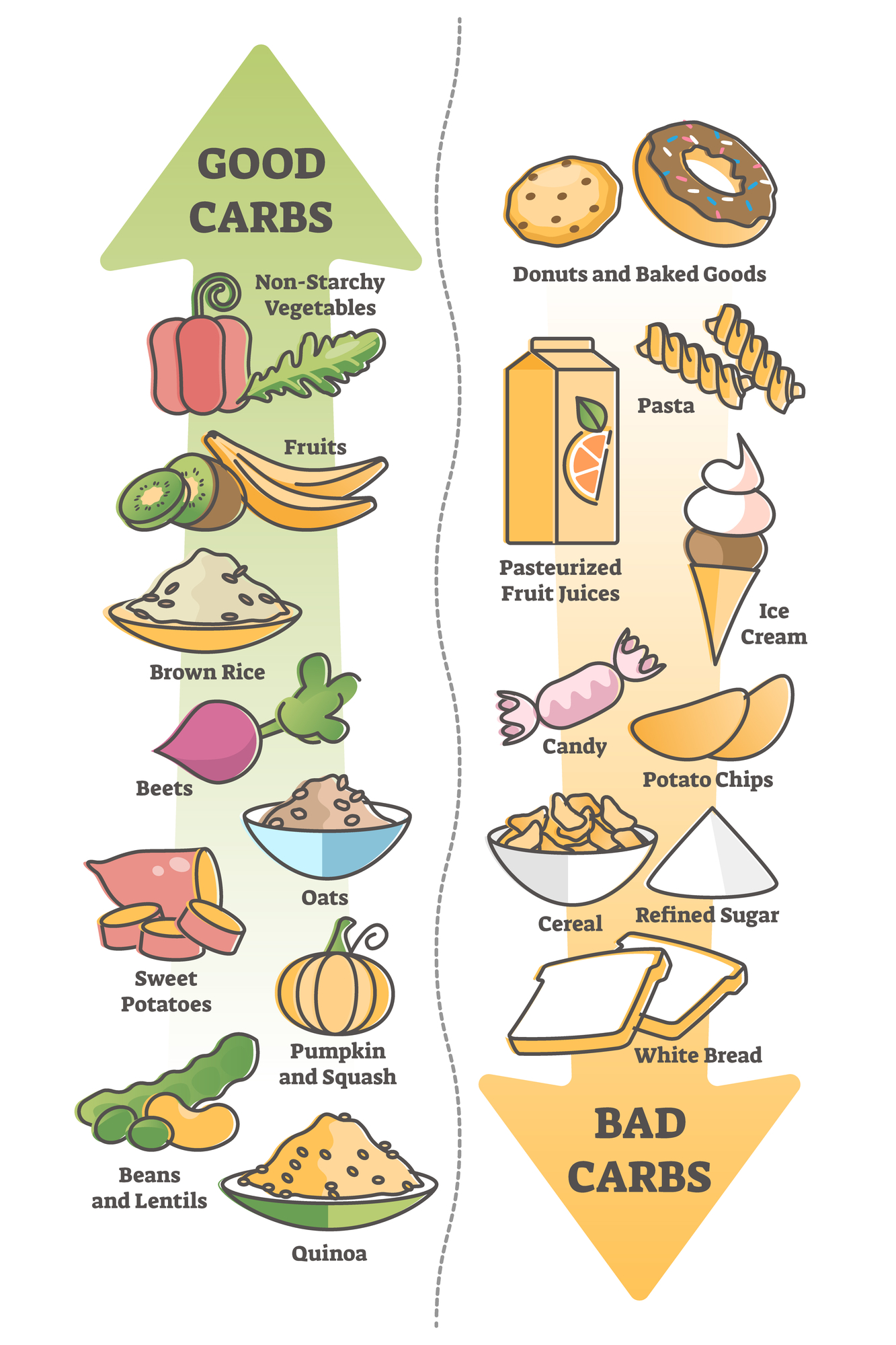
Why do we need to know about the glycemic index of food? The answer is simple. Whatever food we eat, we should know how fast the food is digested and absorbed in our body and how fast it raises our blood sugar level.
Glycemic index: 6 facts to know 🙌 — The 3H:health,happiness,healing
This can make the difference between stable blood sugar levels and ones that are too high. Continue reading with the link below.
This health news is shared with you by Nutrition Breakthroughs, maker of the effective natural sleep aid Sleep Minerals II, and the natural solution for joint relief, allergies, pain relief and increased energy, Joints and More.
10 Steps to Read Food Labels Like a Pro and Avoid the BS – from Wake Up to the Results Blog
Posted on: November 1, 2025

Take a quick read of this guide and learn how to read food labels like a nutrition pro. Your health and wellbeing will thank you! This health news is shared with you by Nutrition Breakthroughs, maker of the effective natural sleep aid Sleep Minerals II, and the natural solution for joint relief, allergies, pain relief and increased energy, Joints and More.
 News on Natural Remedies, Good Sleep and Good Health