Posts Tagged ‘nutrition’

Most of us love the feeling of warm sunlight on our skin. It brightens our mood, makes outdoor adventures more fun, and gives everything a golden glow.
But sunlight is more than just pretty -it’s actually one of nature’s best health boosters.
From stronger bones to better sleep, stepping into the sunshine can give your mind and body a surprising number of benefits. Let’s explore why soaking up some rays is so good for you.
- Sunshine and Vitamin D: The Dynamic Duo
One of the biggest reasons sunlight is so important is because it helps your body make vitamin D. This vitamin is sometimes called the “sunshine vitamin” because your skin produces it when exposed to ultraviolet B (UVB) rays from the sun. Vitamin D is essential for strong bones, healthy muscles, and even a powerful immune system.
Research published in the Journal of Investigative Medicine (2011) found that people with healthy vitamin D levels had better resistance to infections. It’s also key for preventing osteoporosis, a condition where bones become weak and brittle. Just 10–20 minutes of sunshine a few times a week can often be enough to keep your vitamin D levels in good shape — though this can vary depending on your skin tone, where you live, and the time of year.
- Sunshine Boosts Your Mood
Ever notice how your spirits lift after a sunny day? That’s not just your imagination. Sunlight helps your brain release serotonin, a chemical that makes you feel calm, focused, and happy. Low levels of serotonin are linked to depression, which some people experience during darker winter months.
A review in The Lancet (2020) found that light therapy — exposing people to bright artificial light — was effective in improving mood and reducing depression symptoms. Natural sunlight works in a similar way, giving your spirits a natural lift.
- Better Sleep Thanks to the Sun
Here’s a fun fact: catching rays during the day can help you sleep better at night. How? Sunlight helps regulate your body’s circadian rhythm, which is your internal clock that tells you when to feel awake and when to feel sleepy.
Morning sunlight in particular signals your brain that it’s time to be alert. Later in the day, your body naturally releases melatonin, the “sleep hormone,” when it’s dark. A study in the Journal of Clinical Sleep Medicine (2014) showed that office workers with more natural light exposure slept longer and better than those without it.
- Sunlight Can Help Your Heart
Moderate sun exposure might even give your heart health a little boost. When sunlight hits your skin, it can help lower blood pressure by triggering the release of nitric oxide, a molecule that relaxes blood vessels. A study in the Journal of Investigative Dermatology (2014) suggested that this process could reduce the risk of heart disease.
- Social and Active Benefits
Finally, let’s not forget the lifestyle perks. Sunny weather encourages people to get outside — whether that’s walking, playing sports, or just hanging out with friends. Being outdoors often means more physical activity, which supports a healthier body and a sharper mind.
So, How Much Sun Do You Need?
Experts recommend a balance — enough to enjoy the benefits, but not so much that you risk sunburn or skin damage. 10–15 minutes of direct midday sun exposure on your face, arms, and legs, several times a week, is enough to get enough Vitamin D.
The ideal time is between 10 a.m. and 3 p.m., as the sun’s healthy rays are strongest then. Darker skin tones require longer exposure. If you like, you can use sunscreen on other parts of your body and take breaks in the shade as needed.
Summary
Sunlight is one of life’s simplest and most powerful health tools. It helps your body create essential vitamins, lifts your mood, improves sleep, and can even support your heart. So, the next time the sun is shining, step outside, take a deep breath, and let nature do some of its best work
Nutrition Breakthroughs
This health news is shared by Nutrition Breakthroughs, maker of the original calcium and magnesium based sleep aid Sleep Minerals II, and Joints and More, a natural supplement for joint relief, less aches and pains, stronger hair and nails, and more energy.
Tammy M. of Meridian, Idaho says: “I was plagued with insomnia for five years and desperate for a breakthrough. Nothing has helped me more than Sleep Minerals — I’m so sold on them I could go door to door promoting them. I’m 60 years old and have never slept so soundly.”
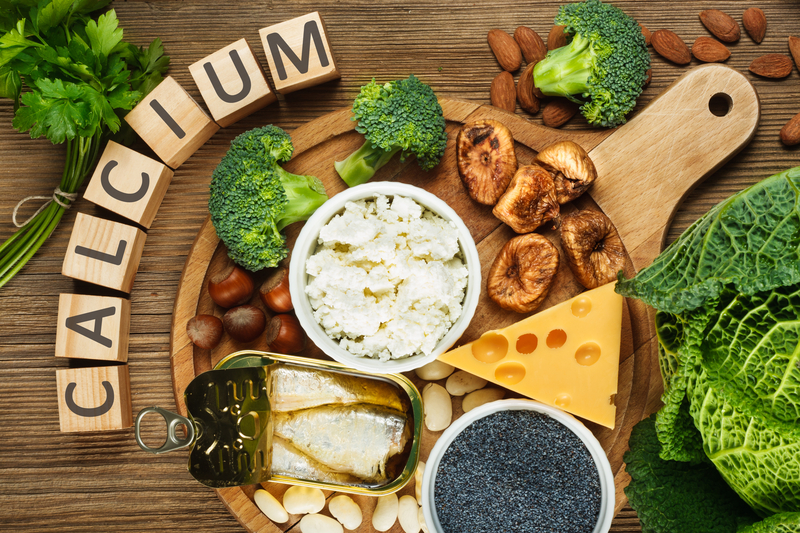
Calcium benefits are numerous and far-reaching. It is one of the most essential minerals for maintaining overall health, yet many people don’t get enough of it.
While most know that calcium is vital for strong bones, research has revealed that calcium benefits go far beyond that.
From supporting heart function to aiding in weight management, calcium is a true powerhouse nutrient. Let’s explore the many ways calcium enhances health, backed by science.
1. Strengthens Bones and Teeth
It’s no secret that calcium is vital for bone health. According to a study published in The Journal of Bone and Mineral Research, adequate calcium intake helps maintain bone density and reduces the risk of osteoporosis, a condition that weakens bones and increases fracture risk. Calcium also plays a key role in strengthening teeth, preventing decay and gum disease.
2. Supports Heart Health
Calcium helps regulate heart function by ensuring proper muscle contractions, including those of the heart. Research in The American Journal of Medicine found that people with sufficient calcium intake had a lower risk of high blood pressure and cardiovascular disease. It also helps blood vessels relax and contract properly, promoting healthy circulation.
3. Aids in Weight Management
Surprisingly, calcium can play a role in weight control. A study in Obesity Research found that individuals who consumed more calcium, especially from dairy sources, had lower body fat levels and found it easier to manage their weight. Calcium may help regulate fat storage and breakdown, making it an important part of a balanced diet.
4. Reduces the Risk of Colon Cancer
Research published in The Journal of the National Cancer Institute suggests that calcium may reduce the risk of colorectal cancer. It’s believed that calcium binds to harmful compounds in the intestines, preventing them from damaging colon cells and reducing cancer risk.
5. Supports Muscle Function and Nerve Health
Calcium is essential for muscle contraction and nerve communication. Without it, muscles may cramp, and nerve signals may become sluggish. According to The Journal of Physiology, calcium enables the transmission of signals between the brain and body, ensuring smooth muscle movements and reducing the risk of spasms.
6. Promotes Better Sleep and Reduces Insomnia
Calcium plays an important role in sleep regulation. A study in The European Neurology Journal found that calcium helps the brain use the amino acid tryptophan (a component of protein) to produce melatonin, the sleep-inducing hormone. Low calcium levels have been linked to sleep disturbances and insomnia. Consuming calcium-rich foods before bed may enhance sleep quality and duration.
Best Food Sources of Calcium
To get enough calcium, it’s best to consume a variety of calcium-rich foods. Here are the top sources:
Dairy Sources:
- Milk
- Yogurt
- Cheese
Non-Dairy Sources:
- Leafy greens (kale, bok choy, collard greens)
- Almonds
- Sardines (with bones)
- Chia seeds
- Sesame seeds
- Figs
Calcium Benefits for Good Sleep
This natural health news is shared by Nutrition Breakthroughs, maker of the original calcium and magnesium based sleep aid Sleep Minerals II.
Wendy R. of Honolulu, Hawaii says: “My friends know that I’ve had chronic insomnia for a long time. Surprisingly, I received the Sleep Minerals II and began taking it and found this thing really works. In the past if I ever got a good night’s sleep I’d say ‘I slept like a baby’, but that’s the wrong comparison. Those little guys get up every two hours. I am actually beginning to sleep like an adult — a much-rested adult.”
Summary
Getting enough calcium is essential for a strong, healthy body. Whether through dairy or plant-based sources, adding more calcium-rich foods and supplements to your diet can improve bone health, heart function, weight management, and even reduce disease risks. It can also enhance sleep quality and quantity and help remedy insomnia. So, start making calcium a priority today – your body will thank you!
Find out more info on the effective natural sleep aid Sleep Minerals II.
Your Body Will Thank You for Nutritious Eating – from Belladonna’s Flashlight Blog
Posted on: September 16, 2025

A short but sweet article on the benefits of eating whole, real healthy foods. Really pretty simple to do. For more energy during the day and better sleep at night. This health news is shared with you by Nutrition Breakthroughs, maker of the effective natural sleep aid Sleep Minerals II, and the natural solution for joint relief, allergies, pain relief and increased energy, Joints and More.

If snoring is keeping you or your partner awake at night, there may be some good news for you.
Studies have found several natural snoring remedies and lifestyle improvements that can significantly reduce snoring and lead to a more restful night’s sleep.
Here’s a look at some proven methods, supported by science, to help reduce or eliminate snoring.
Minerals & Vitamins for Snoring Relief
Certain nutrients can help open airways and improve breathing during sleep. Magnesium, for instance, has muscle-relaxing properties that may prevent the airway muscles from constricting during sleep (Smith, 2012). A study in the “Journal of Research in Medical Sciences” showed that magnesium supplements improved sleep quality and reduced nighttime disturbances (Abbasi, 2012).
Zinc is another key mineral that is linked to stronger immune health and reduced inflammation. It is a mineral famous for remedying sinus congestion or allergies, which in turn, which can lessen snoring (from the journal “Nutrients” 2019). Increasing magnesium and zinc intake through diet or supplements can be a natural step toward quieter nights.
Optimize Your Sleeping Position
A person’s sleep position can play a big role in reducing snoring. The “side-sleeping position” is often recommended for reducing snoring because it prevents the tongue from collapsing into the back of the throat, which can obstruct airways. Research published in the “Sleep & Breathing Journal” found that participants who slept on their side experienced significantly less snoring compared to those who slept on their backs (Cartwright, 2011). Try using a full-length body pillow to help maintain the side-sleeping position throughout the night.
Exercise and Weight Loss for Snoring Reduction
Regular physical activity and weight management can greatly reduce snoring. Excess weight, especially around the neck, can narrow the airways and increase the likelihood of snoring. Studies in the American Journal of Respiratory and Critical Care Medicine confirm that weight loss helps reduce airway obstructions and improves breathing during sleep (Peppard, 2000). Even mild or moderate exercise can strengthen the muscles around the airway and reduce the likelihood of snoring.
Stress Reduction and Snoring
Stress is another factor that can contribute to snoring. High stress levels can lead to tense muscles and shallow breathing, which can worsen a snoring problem. Snoring remedies and techniques such as nasal breathing and singing are helpful. Blowing up a balloon and other deep breathing exercises can strengthen the airways. Taking walks and doing gentle stretching can calm the nervous system, reduce tension, and promote a deeper, more restful sleep (“Journal of Alternative and Complementary Medicine”, 2014).
By combining these natural snoring remedies and approaches, its sure to have a positive effect on snoring. Improve sleep positions, manage your stress levels, incorporate key minerals, maintain a healthy weight, and take some walks. You will certainly see some improvement and success.
This natural health news is shared by Nutrition Breakthroughs, maker of Sleep Minerals II This is the original mineral-based sleep aid with calcium, magnesium, zinc and vitamin D. The company also makes Joints and More, a natural supplement for joint support, less aches and soreness, stronger hair and nails, and more energy.
Richard P. of Parkville, Maryland says: “The Sleep Minerals are making quite a difference. I was regularly waking up at around 3:00 a.m. and after a few days use my sleep improved quite a lot. I wake up once a night to go to the bathroom, but the great thing is, I then fall back asleep and sleep several more hours. This has been a great improvement.”

For anyone who has trouble falling asleep or staying asleep in the night, a growing body of research shows that certain fruits can naturally help to improve sleep quality.
Packed with essential minerals and vitamins, these fruits support your body in having a deeper, longer night’s sleep. This can lead to more energy in your day and more alertness, productivity, and quality time with family and friends.
Kiwi: The Sleep Booster
Kiwi is often celebrated for its impressive sleep-enhancing properties. This fruit is rich in serotonin, which helps regulate your sleep cycle. It’s also a great source of magnesium, known for its calming effects on the nervous system. A study published in the *Asia Pacific Journal of Clinical Nutrition* found that eating two kiwis an hour before bed improved sleep onset, duration, and quality (Liu, 2011). Plus, its high level of healthy plant chemicals promotes overall well-being, helping you rest more soundly.

Bananas: Magnesium-Packed for Relaxation
Bananas are another fruit known for sleep benefits. Packed with magnesium and potassium, bananas help relax your muscles, which is vital for preparing your body for restful sleep.
A study published in the *Journal of Research in Medical Sciences* revealed that magnesium can significantly improve insomnia in older adults (Abbasi, 2012). Bananas are also high in vitamin B6, which helps your body produce melatonin, a hormone crucial for regulating sleep cycles.
Cherries: Natural Melatonin Source
Cherries, especially tart cherries, are one of the few natural food sources of melatonin, the hormone that governs sleep-wake cycles. According to a study in the *European Journal of Nutrition*, consuming tart cherry juice improved sleep duration and efficiency in adults with insomnia (Howatson, 2012). The beneficial effects of melatonin in cherries helps to promote deeper, more restorative sleep.
Figs: A Calcium-Rich Sleep Aid
Figs are a lesser-known fruit that can do wonders for sleep. They are rich in calcium, a mineral that helps the brain use the amino acid tryptophan to manufacture melatonin. In addition to calcium, figs provide magnesium and potassium, which support muscle relaxation and help ease tension, both of which are key for a good night’s rest (Healthline, 2021).
Avocado: A Fruit with Vitamin D for Sleep Regulation
Avocado contains small amounts of vitamin D, as well as healthy fats. These plant-based fats help to increase the absorption of vitamin D from other foods such as mushrooms, eggs and fish. Low levels of vitamin D have been associated with shorter sleep durations and disturbed sleep patterns (from the journal “Medical Hypothesis”). Adding avocado to your evening snack, along with mushrooms or eggs, can help regulate your sleep cycle and promote longer periods of rest.
These fruits can pack some powerful sleep-enhancing benefits, helping you wake up refreshed and energized. Try incorporating these into your diet for a natural, delicious way to boost your sleep quality.
This natural health news is shared by Nutrition Breakthroughs, maker of the original and effective calcium and magnesium based sleep aid Sleep Minerals II, and Joints and More, a natural supplement for joint support, less aches and pains, stronger hair and nails, and more energy.
Suzanne G. of Tucson, Arizona says: “I am now taking the Sleep Minerals II each night. I have had insomnia for most of my life and the longer I take Sleep Minerals, the better I sleep. The best thing is that I can now get back to sleep if I wake up in the night. It has given me such a sense of peace to know that I now can be well rested during the day. I also find my brain less foggy from lack of sleep. I have tried many products on the market and this is the one that is gold. Thank you so much for producing a quality product!”
Healing Spices Guide: Which Spice is Good for What? Mutlu Çiçekler WordPress Blog
Posted on: August 30, 2025
Here is a nicely-written article that is straightforward and easy to understand. Take a peek it and learn more about the medicinal benefits of our favorite spices. This health news is shared with you by Nutrition Breakthroughs, maker of the effective natural sleep aid Sleep Minerals II, and the natural solution for joint relief, allergies, pain relief and increased energy, Joints and More.
What are the Right Foods for Your Health and Lifestyle? How to Customize your Eating
Posted on: August 29, 2025
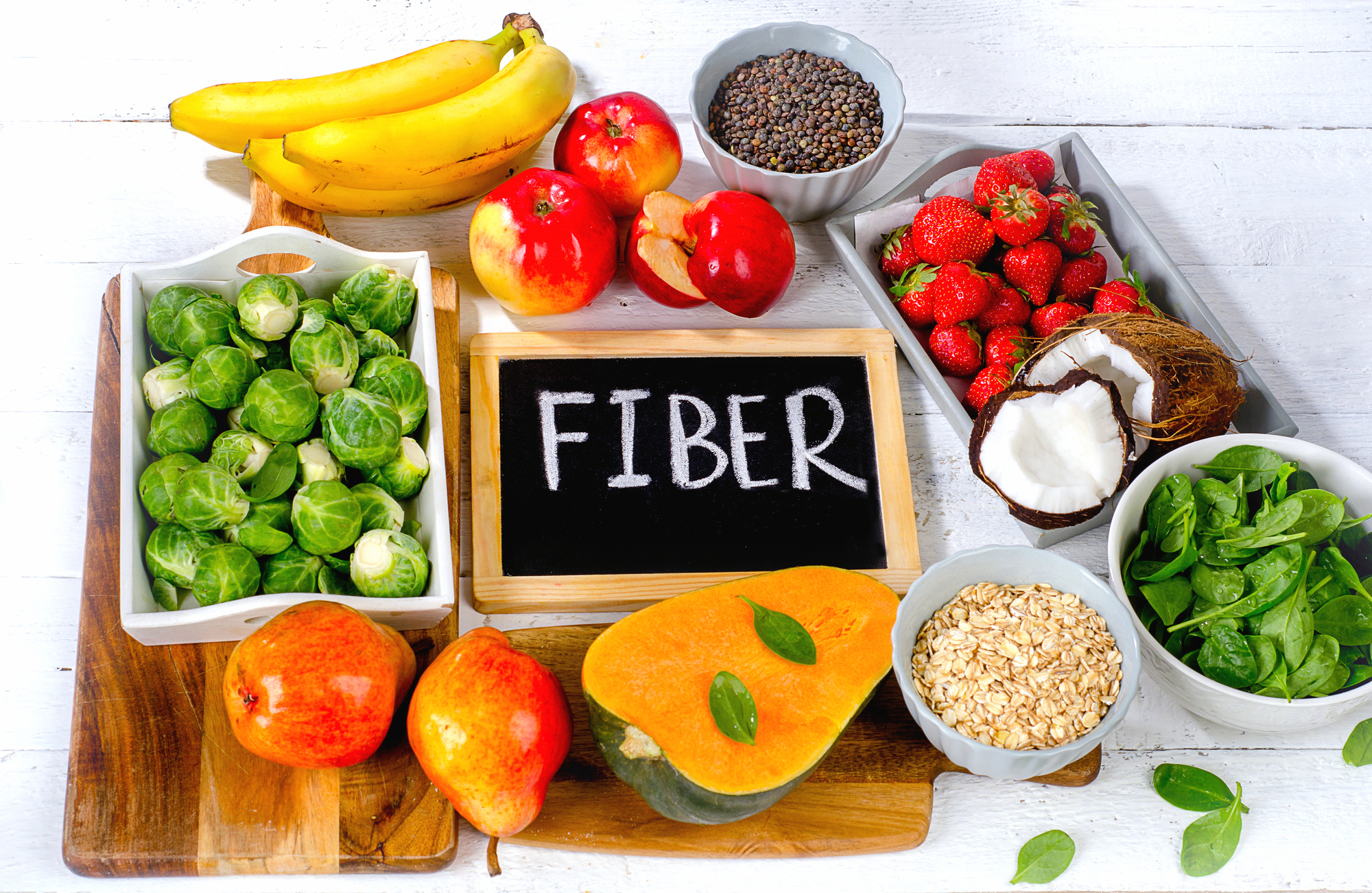
The foods you choose each day have a direct impact on how you feel, your energy levels, and even how well you sleep.
With so many diets and food trends, the key is to focus on balance and personalization.
The right foods for your health and lifestyle are the ones that nourish your body, fit into your daily routine, and leave you feeling better and more energetic.
The Foundation: Carbohydrates, Proteins, and Fats
Carbohydrates, proteins, and fats are the three main nutrients your body relies on for energy and repair. Choosing the right sources makes a big difference.
- Healthy carbohydrates Vegetables and fruits are the healthiest carbs you can eat. Chose ones that you enjoy and eat at least twice as many veggies as fruits. Other good carbs include brown rice, potatoes, oats, quinoa, sweet potatoes, and beans.
- Desserts, white flour, white rice, sugar, and concentrated fruit juices can spike one’s blood sugar and lead to energy crashes. The whole-food carbs above can provide good fiber and steady energy to support digestion and health.
- Healthy proteins such as salmon and other fish, meat, chicken, turkey, eggs, natural cheeses, and Greek yogurt, help to build muscle, keep you full longer, and stabilize blood sugar.
- Healthy fats like avocado, olive oil, coconut oil, pumpkin seeds, sunflower seeds, and all types of nuts, are essential for brain health and hormone balance.
Adding these foods to your meals, one at a time, or eating them separately, can help you notice how each affects your energy and mood. A food journal is a useful tool to track which foods leave you feeling satisfied and which may cause adverse effects.
Diet and Sleep: Calcium and Magnesium
What you eat can also affect your sleep. Calcium helps the brain produce melatonin, the hormone that regulates sleep, while magnesium calms the nervous system and supports deeper rest. Foods like spinach, broccoli, pumpkin seeds, sunflower seeds, almonds, yogurt, and cheese are excellent sources. (Stick to the veggies and seeds if you are dairy intolerant).
To see what works best for you, introduce some of the above mineral-rich foods, one at a time, and record how it impacts your sleep in a journal. Sleep mineral supplements can also be used. For these, its best to stick to a 2 to 1 ratio, meaning it contains twice as much calcium as magnesium in the supplement. Vitamin D and zinc are also good minerals for improving sleep.
Matching Your Diet to Your Lifestyle
Your daily routine often determines how easy it is to eat well. For those with busy lifestyles, portable whole-food snacks can prevent eating fast foods and having energy crashes. Good options include a banana with almond butter, apple slices with cheese, carrot sticks with hummus, or a handful of cashews or almonds. These balance protein, fiber, and healthy fats to keep the energy steady.
Foods That Help or Hurt Energy
Everyone’s body responds differently to foods, which is why journaling is so valuable. Many people feel energized with colorful fruits and vegetables, lean proteins, and slow-digesting carbs like oats or brown rice. In contrast, sugary drinks, fried fast food, bakery items, and too much caffeine or alcohol often leave people sluggish or restless.
Putting It All Together
The best diet isn’t about strict rules but about learning which foods truly work for you. By balancing carbohydrates, proteins, and fats, eating sleep-supportive minerals, keeping whole-food snacks on hand, and limiting energy-draining foods, you can design a way of eating that fits your lifestyle and helps you achieve the greatest health possible!
This health news is shared with you by Nutrition Breakthroughs, maker of the effective natural sleep aid Sleep Minerals II, and the natural solution for joint relief, allergies, pain relief and increased energy, Joints and More.
***** Wendy R. of Honolulu, Hawaii says: “My friends know that I’ve had chronic insomnia for a long time. Surprisingly, I received the Sleep Minerals II and began taking it and found this thing really works. In the past if I ever got a good night’s sleep I’d say ‘I slept like a baby’, but that’s the wrong comparison. Those little guys get up every two hours. I am actually beginning to sleep like an adult — a much-rested adult.”
References
- National Institutes of Health, Office of Dietary Supplements. Calcium – Fact Sheet for Health Professionals. Updated March 24, 2022. https://ods.od.nih.gov/factsheets/Calcium-HealthProfessional/
- National Institutes of Health, Office of Dietary Supplements. Magnesium – Fact Sheet for Health Professionals. Updated March 24, 2022. https://ods.od.nih.gov/factsheets/Magnesium-HealthProfessional/
- Harvard T.H. Chan School of Public Health. The Nutrition Source: Healthy Snacks. 2021. https://www.hsph.harvard.edu/nutritionsource/healthy-snacks/
- Sleep Foundation. Nutrition and Sleep: How Diet Affects Rest. Updated June 24, 2022. https://www.sleepfoundation.org/nutrition

Calcium benefits are numerous and far-reaching. It is one of the most essential minerals for maintaining overall health, yet many people don’t get enough of it.
While most know that calcium is vital for strong bones, research has revealed that calcium benefits go far beyond that.
From supporting heart function to aiding in weight management, calcium is a true powerhouse nutrient. Let’s explore the many ways calcium enhances health, backed by science.
1. Strengthens Bones and Teeth
It’s no secret that calcium is vital for bone health. According to a study published in The Journal of Bone and Mineral Research, adequate calcium intake helps maintain bone density and reduces the risk of osteoporosis, a condition that weakens bones and increases fracture risk. Calcium also plays a key role in strengthening teeth, preventing decay and gum disease.
2. Supports Heart Health
Calcium helps regulate heart function by ensuring proper muscle contractions, including those of the heart. Research in The American Journal of Medicine found that people with sufficient calcium intake had a lower risk of high blood pressure and cardiovascular disease. It also helps blood vessels relax and contract properly, promoting healthy circulation.
3. Aids in Weight Management
Surprisingly, calcium can play a role in weight control. A study in Obesity Research found that individuals who consumed more calcium, especially from dairy sources, had lower body fat levels and found it easier to manage their weight. Calcium may help regulate fat storage and breakdown, making it an important part of a balanced diet.
4. Reduces the Risk of Colon Cancer
Research published in The Journal of the National Cancer Institute suggests that calcium may reduce the risk of colorectal cancer. It’s believed that calcium binds to harmful compounds in the intestines, preventing them from damaging colon cells and reducing cancer risk.
5. Supports Muscle Function and Nerve Health
Calcium is essential for muscle contraction and nerve communication. Without it, muscles may cramp, and nerve signals may become sluggish. According to The Journal of Physiology, calcium enables the transmission of signals between the brain and body, ensuring smooth muscle movements and reducing the risk of spasms.
6. Promotes Better Sleep and Reduces Insomnia
Calcium plays an important role in sleep regulation. A study in The European Neurology Journal found that calcium helps the brain use the amino acid tryptophan (a component of protein) to produce melatonin, the sleep-inducing hormone. Low calcium levels have been linked to sleep disturbances and insomnia. Consuming calcium-rich foods before bed may enhance sleep quality and duration.
Best Food Sources of Calcium
To get enough calcium, it’s best to consume a variety of calcium-rich foods. Here are the top sources:
Dairy Sources:
- Milk
- Yogurt
- Cheese
Non-Dairy Sources:
- Leafy greens (kale, bok choy, collard greens)
- Almonds
- Sardines (with bones)
- Chia seeds
- Sesame seeds
- Figs
Calcium Benefits for Good Sleep
This natural health news is shared by Nutrition Breakthroughs, maker of the original calcium and magnesium based sleep aid Sleep Minerals II.
***** Wendy R. of Honolulu, Hawaii says: “My friends know that I’ve had chronic insomnia for a long time. Surprisingly, I received the Sleep Minerals II and began taking it and found this thing really works. In the past if I ever got a good night’s sleep I’d say ‘I slept like a baby’, but that’s the wrong comparison. Those little guys get up every two hours. I am actually beginning to sleep like an adult — a much-rested adult.”
Summary
Getting enough calcium is essential for a strong, healthy body. Whether through dairy or plant-based sources, adding more calcium-rich foods and supplements to your diet can improve bone health, heart function, weight management, and even reduce disease risks. It can also enhance sleep quality and quantity and help remedy insomnia. So, start making calcium a priority today – your body will thank you!
Find out more info on the effective natural sleep aid Sleep Minerals II.

What is Macular Degeneration?
Macular degeneration is a common eye condition, especially among people over the age of 50, that can lead to blurry vision, difficulty reading or driving, and recognizing people or the details of things..
The macula is the middle, center part of the retina. The retina is the nerve tissue at the back of the eye that is sensitive to light and that receives and sends images to the brain.
The good news is that there are some natural remedies that can help slow its progression and even support healing. By making small but impactful changes to your diet, supplements, lifestyle, and daily habits, you can protect your eyes and improve your vision.
Proven Natural Remedies
- Antioxidants: Antioxidants are natural substances that can prevent or delay certain types of cell damage that comes from oxygen interactions. These are nutrients like vitamins C, E and A that help fight oxidative stress, which is a key factor in macular degeneration. Studies show that vitamin C (found in citrus fruits and colored bell peppers) and vitamin E (from nuts and seeds) can slow the progression of the disease (Archives of Ophthalmology, 2001). Antioxidants work by protecting retinal cells from damage, helping maintain healthy vision for longer.
- Lutein and Zeaxanthin: Found in leafy greens like spinach, kale, other leafy greens, carrots, eggs, broccoli and peas. These are known as carotenoids, pigments in plants which produce the bright yellow, red, and orange colors in vegetables. These pigments are known to accumulate in the macula and protect against harmful light rays. According to research, individuals who consume high levels of lutein and zeaxanthin can reduce their risk of advanced macular degeneration by up to 25% (The American Journal of Clinical Nutrition, 2013).
- Omega-3 Fatty Acids: Omega-3s, especially from fish oil, salmon and sardines, are essential for eye health. Studies suggest that these healthy fats reduce inflammation and may lower the risk of macular degeneration (Investigative Ophthalmology & Visual Science, 2011).Another study was done with people over the age of 49. Of the 3,000 participants, those who ate more fish were less likely to have macular degeneration. Another source reported that eating fish once a week can cut the risk of having it in half.
4. Zinc: This mineral, found in foods like oysters, fish, meat, pumpkin seeds and nuts, plays an important role in transporting vitamin A from the liver to the retina, aiding in increased protection for the eyes. A study published in a Journal of Ophthalmology (the study of eye disorders) found that a supplement with zinc, vitamin C, vitamin E and beta-carotene reduced the risk of macular degeneration and also slowed down its progression.
Healing Foods for Macular Degeneration
Carrots: Are rich in beta-carotene, which the body converts into vitamin A. Carrots support retinal health and vision.
Sweet Potatoes: Another excellent source of beta-carotene, providing necessary nutrients to protect against macular degeneration.
Blueberries: Packed with antioxidants and vitamins C and K, blueberries help fight oxidative stress in the eyes. A cousin of blueberries called bilberry has also shown benefits for eye health.
Eye Exercises and Lifestyle Actions
Eye Exercises: This includes looking away from close-up work or computer work at regular intervals and focusing on a distant object, and practicing “palming” (gently covering the eyes with your palms to relax them). These can help reduce eye strain and improve overall eye health.
Lifestyle Tips: Quitting smoking, wearing sunglasses to protect from the sun’s rays, eating leafy greens, orange-colored vegetables and blueberries, and managing chronic conditions like hypertension and diabetes, are essential in reducing the risk of macular degeneration.
By incorporating these natural remedies and lifestyle habits, you can effectively prevent or manage macular degeneration and protect your vision for the future.
This natural health news is shared by Nutrition Breakthroughs, maker of the original and effective calcium and magnesium based sleep aid Sleep Minerals II (also containing vitamin D and zinc).
***** Chris M. of the United Kingdom says: “I take one softgel of Sleep Minerals II before bed every night and within 20 minutes I am asleep. The difference in the quality of my sleep and the ease with which I get to sleep using this product is monumental. I have stopped obsessing about sleep or dreading bedtime – I just take a softgel and drift off. If I stop taking them, within a week my sleep starts to lighten in quality, the amount of my sleep diminishes, and my old insomniac patterns reappear.”

Inflammation is the body’s natural defense against infection or injury and it can cause swelling, soreness or pain.
When it lingers as a slow-burning fire in the background, it can wreak havoc, leading to joint pain, heart disease, intestinal upset or mental fog.
Chronic inflammation, a persistent internal alarm, often stems from stress, diet, or environmental factors and can accelerate aging and increase susceptibility to chronic illnesses. Fortunately, recent studies have revealed powerful natural remedies to help counteract this “silent fire” and restore health.
- Tart Cherry Extract: Delicious Relief for Muscles and Joints
A 2024 study in The Journal of Functional Foods highlights tart cherry extract as an inflammation-fighting powerhouse. Packed with red-colored plant chemicals, tart cherries help reduce post-exercise soreness and chronic joint pain by blocking pain-inducing enzymes.
A daily glass of tart cherry juice or a supplement can ease workout recovery and reduce inflammation from arthritis, making it a must-have for active and aging individuals alike.Drinking tart cherry juice can also result in significant improvements in sleep, according to a study published in the European Journal of Nutrition.
The juice is high in the sleep-inducing hormone melatonin. The benefits of cherry juice included longer sleep times, less daytime napping, and increased overall sleep efficiency (the ratio of the time spent in bed. to the time spent actually sleeping).
In the placebo-controlled study, 20 volunteers consumed either tart cherry juice concentrate or a non-cherry juice drink for 7 days.The researchers concluded: “These data suggest that consumption of a tart cherry juice concentrate provides an increase in melatonin that is beneficial in improving sleep duration and quality in … men and women and might be of benefit in managing disturbed sleep.” - Omega-3s from Algal Oil: Plant-Based Brain and Heart Health
The Nutrients journal emphasized omega-3s, specifically from algal oil, as a plant-based solution for inflammation. Sourced from marine algae, algal oil is ideal for vegans or those avoiding fish. Omega-3s lower inflammatory markers in the brain and heart, supporting cognitive function and cardiovascular health. Algal oil supplements or adding foods like fortified algae snacks, can provide an inflammation-busting boost. - Ginger Root: A Natural Solution for Chronic Inflammation
Ginger’s compounds were shown in Pharmacological Research to inhibit inflammatory pathways, offering relief for conditions from arthritis to digestive inflammation. Ginger root tea, fresh ginger in stir-fries, or ginger supplements are fantastic ways to add this inflammation-fighting root to your diet. This root’s spicy kick adds flavor and a powerful boost for anyone battling chronic inflammation. - Flaxseed Oil for Skin and Gut Health
The Journal of Inflammation Research highlighted flaxseed oil, rich in omega-3 fatty acids, as a potent anti-inflammatory for skin and digestive health. Flaxseed oil combats inflammation from the inside out, benefiting skin conditions like eczema and improving gut balance. A spoonful of flaxseed oil added to smoothies, salads, or cereals can provide these calming effects and support heart health as a bonus. - Bromelain: A Digestive Enzyme with Anti-Inflammatory Effects
According to new research in Nutrients, bromelain — a natural enzyme found in pineapples — offers a significant reduction in inflammation, particularly following physical injury or surgery. Bromelain’s enzymes break down inflammatory proteins, improving recovery and reducing swelling. Try fresh pineapple or bromelain supplements to speed recovery and support muscle health.
These breakthroughs demonstrate nature’s power in combating inflammation and improving health and sleep. Utilizing these nutrients through supplements or dietary changes can help you achieve long-term wellness, mobility, and vitality.
This natural health news is provided by Nutrition Breakthroughs, maker of the original and effective calcium and magnesium based sleep aid Sleep Minerals II, and Joints and More, a natural supplement for joint support, less aches and pains, stronger hair and nails, and more energy.
***** Tammy B. of Spotsylvania, Virginia says: “I have been using the Sleep Minerals and I do notice a difference. Specifically, my legs don’t seem to be restless anymore and my hip and knee joints don’t ache. I haven’t done anything else differently so I have to give all the credit to this product. I didn’t take the Sleep Minerals one night and the next few nights were extremely miserable for me as I worked to get back on schedule. I usually sleep well and the best part is…. I’m waking up refreshed.”
 News on Natural Remedies, Good Sleep and Good Health