Posts Tagged ‘nutrition breakthroughs’
Gems of Healthful Superfoods from Around the World – Popsicle Society Blog
Posted on: October 29, 2025

Here’s an informative and healthful article full of the best nutritional foods from different parts of the globe. You will definitely learn some good things!
This natural health news is shared by Nutrition Breakthroughs, maker of the original calcium and magnesium based sleep aid Sleep Minerals II, and Joints and More, a natural supplement for joint relief, less aches and pains, stronger hair and nails, and more energy.
https://interestingblogs029.wordpress.com/2024/06/16/5-natural-home-remedies-to-whiten-teeth/

Here’s a useful, practical guide to some top natural options for whitening teeth. Have a look!
——————————————–
This natural health news is shared by Nutrition Breakthroughs, maker of the original calcium and magnesium based sleep aid Sleep Minerals II, and Joints and More, a natural supplement for joint relief, less aches and pains, stronger hair and nails, and more energy.
Boost Your Health With Foods Containing Collagen for Better Skin, Nails, Bones – from Wynter’s Wellness Blog
Posted on: October 28, 2025

Here’s a nice article about the best foods with collagen for enhancing our skin, hair, nails, joints and bones. From bone broth, to healthy fish, to foods with vitamin C, and leafy greens. Find out some easy things to whip up fast or cook simply. To your healthy collagen levels!
This health news is shared by Nutrition Breakthroughs, maker of the original calcium and magnesium based sleep aid Sleep Minerals II, and Joints and More, a natural supplement for joint relief, less aches and pains, and more energy – made with collagen-enhancing ingredients.

This is a wonderful article about the huge number of health benefits we can obtain by walking. Take a look and learn more about all the parts of the body (inside and out) that are strengthened and increased in power by walking.
—————
This health news is shared by Nutrition Breakthroughs, maker of the original calcium and magnesium based sleep aid Sleep Minerals II, and Joints and More, a natural supplement for joint relief, less aches and pains, and more energy.
Are weighted blankets the next big thing in sleep health? — from “When Women Inspire”
Posted on: October 27, 2025

This article explains what weighted blankets are and how they may improve sleep quality. It also discusses which fabric to choose, the various size options, and what effect these blankets may have on sleeplessness and stress.
This natural health news is shared by Nutrition Breakthroughs, a publisher of nutrition articles and supplier of natural remedies since 2002. Nutrition Breakthroughs makes Sleep Minerals II, the effective natural sleep aid with calcium, magnesium, zinc and vitamin D.
5 Wonderful Health Benefits of Walking Barefoot on Grass – Daily Interesting Blogs
Posted on: October 27, 2025

Here’s an interesting article from “Daily Interesting Blogs.” These are a couple of quotes from it:
“Walking on grass boosts the nerves and muscles of your feet and gives a natural foot massage.”
“A feeling of calm, soft grass under your feet can be incredibly soothing. It is a natural stress reliever.”
Have a look at the other pleasant health benefits of walking barefoot on grass in this article!
—————–
This health news is shared by Nutrition Breakthroughs, maker of the original calcium and magnesium based sleep aid Sleep Minerals II, and Joints and More, a natural supplement for joint relief, less aches and pains, and more energy.
Proven Natural Remedies for Sinuses, Colds and Flus – Show them the Exit Door!
Posted on: October 25, 2025

There’s a couple of great charts below that show some of the most famous and effective remedies for sinuses, infections, and colds (keep reading after the charts!).
For example, garlic is a commonly used cold medicine. It is widely used in Russia and is known there as “Russian Penicillin”.
Garlic supports immune function and it can kill bacteria, parasites, fungus and the flu virus. One test-tube study showed that fresh garlic kills various viruses, including one which can cause flu like symptoms.
Horseradish is another plant that can ease throat and upper respiratory tract infections. It has been shown specifically to destroy the flu virus and reduce the severity of flu infections in animals. This plant is a member of the mustard family.
You may have found that eating horseradish can make your eyes water and nose run. Indeed, it can create a similar release of watery fluids inside the bronchial passages of the lungs which helps to flush them out and wash away congestion.
Vitamin C is one of the most famous boosts to immunity and one of the best remedies for sinuses and discomfort. In addition to enhancing the activity of immune cells, vitamin C acts as a vital component in the production of collagen, the principal protein found in all connective tissues.
By helping to maintain the strength and integrity of connective tissue structures, vitamin C keeps infections from spreading throughout the body (from the Handbook of Vitamins).
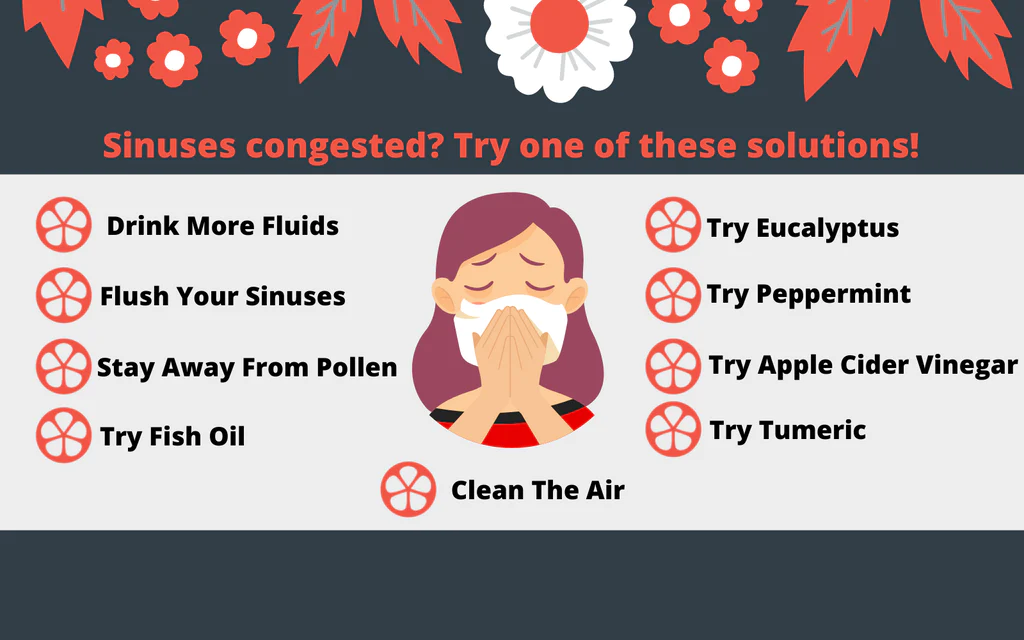
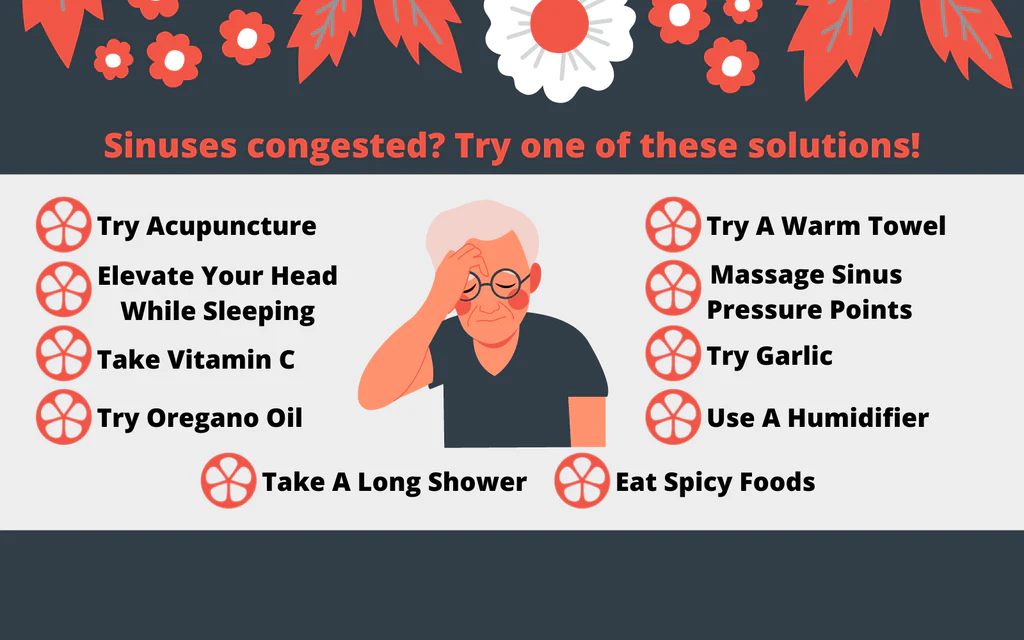
Enjoy the charts and here’s to your good health!These charts are shared courtesy of Oransi.com
This natural health news is presented by Nutrition Breakthroughs, a publisher of nutrition articles and supplier of natural remedies since 2002. Nutrition Breakthroughs makes Sleep Minerals II, the effective natural sleep aid with calcium, magnesium, zinc and vitamin D.
Sleep Minerals II may also be one of the good remedies for sinuses and colds. Calcium can lower fever and zinc accelerates the growth of immune cells while preventing the replication of cold-causing viruses.
In one study where people with colds were given zinc lozenges, sore throats disappeared after 1 day versus 3 days in the placebo group, nasal drainage in 4 days (versus 7 days), and headache in 2 days (versus 3 days).
For more information on Sleep Minerals II, visit this page.
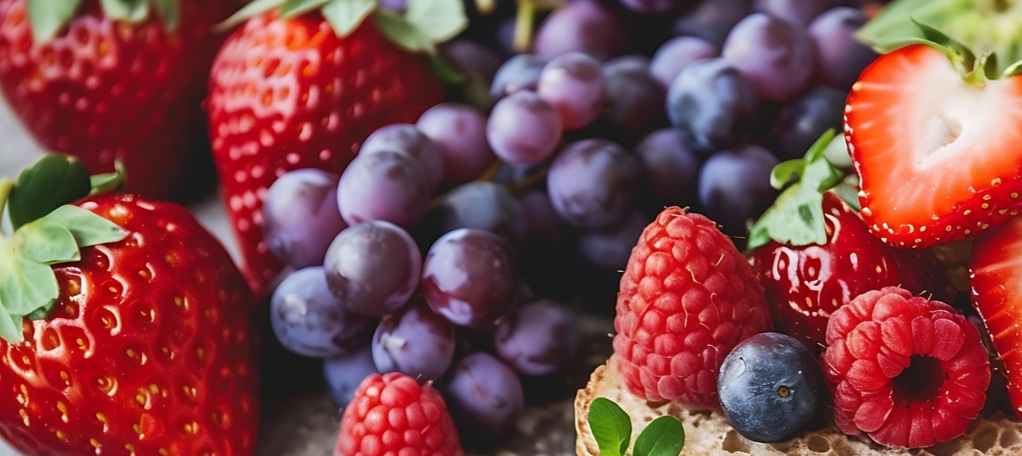
Blue and purple colored berries are delicious treats that provide many health benefits, particularly for the eyes. These fruits get their colorings from one of the plant kingdom’s most powerful substances – anthocyanins.
In one recent study, Japanese scientists in Tokyo studied the effects of black currant anthocyanins on work-induced computer eye problems and visual fatigue.
With a dose of 50 milligrams of black currant, there was a significant increased ability of the eyes to adjust to darkness, as well as reduced eye strain and improvement in symptoms of eye fatigue or vision problems. The study participants also described an added bonus of reduced lower back pain..
The bilberry fruit is a close cousin to the famous blueberry. During World War II, British fighter pilots reported improved nighttime vision after eating bilberry jam. One of the most important studies on bilberries was done by researchers at the Human Nutrition Research Center in Boston, MA.
The researchers used an enriched extract of bilberry in a test tube along with human retina cells. The cells were exposed to oxygen damage and bilberry was shown to have a profound antioxidant effect – protecting and reversing the damage.
Bilberry removed the stress in eye tissue, which is a strong indicator that it can safeguard the eyes against disorders of aging such as macular degeneration (blurred vision), cataracts (cloudy vision) and glaucoma (eye pressure causing optic nerve damage). The results were published in the Alternative Medicine Review journal.
This news is brought to you by Nutrition Breakthroughs, a provider of natural health articles and effective natural remedies since 2001. Nutrition Breakthroughs makes the effective calcium and magnesium based natural sleep aid Sleep Minerals II, and Joints and More, the natural solution for joint relief, allergies, stronger hair and nails, and more energy.
Let’s Talk Tea: A Friendly Deep Dive into Herbal Teas and Their Amazing Benefits – Hoodybud Blog
Posted on: October 24, 2025
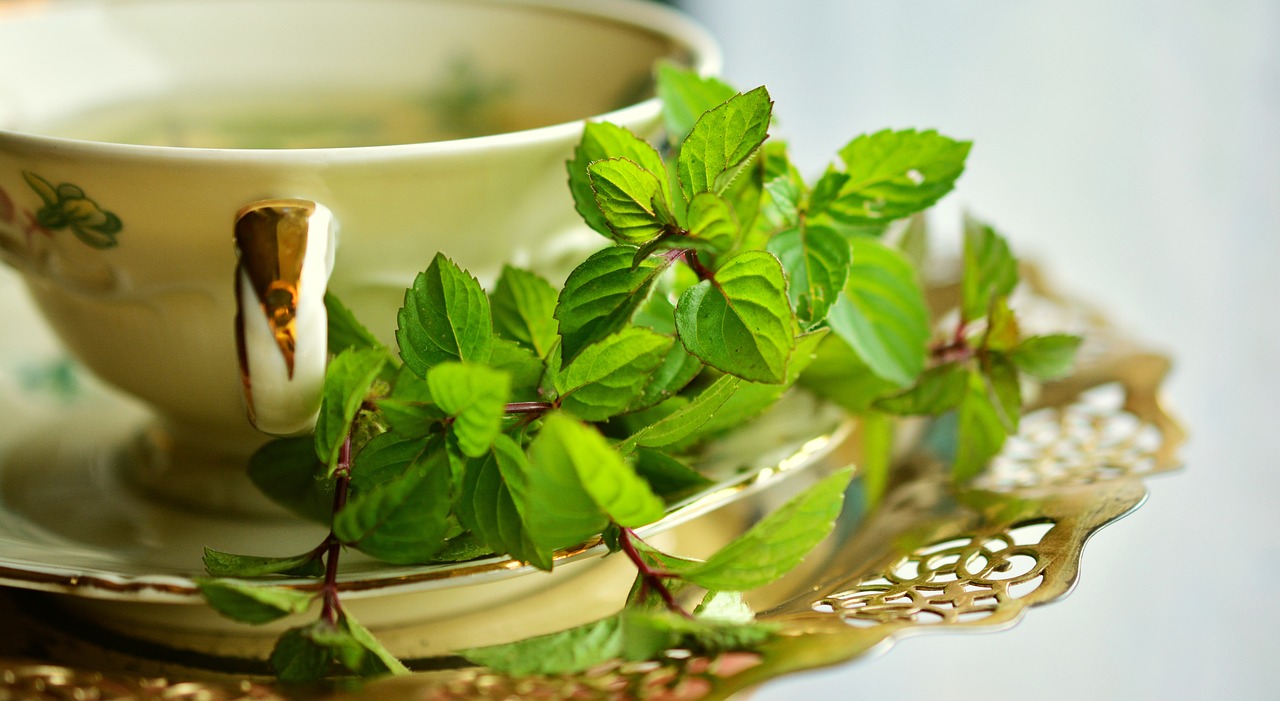
You will definitely learn something from the healing herbal teas described in this article. Just about every health condition has a tea remedy. Have a peek and sit down with your favorite warm tea soon.
This health news is shared with you by Nutrition Breakthroughs, maker of the effective natural sleep aid Sleep Minerals II, and the natural solution for joint relief, allergies, pain relief and increased energy, Joints and More.
How to Boost Your Immunity with Natural Remedies – from Rise&Inspire Blog
Posted on: October 23, 2025

There are some good remedies listed in this blog article for various conditions like low immunity, muscle cramps, joint pain, stomach bloating, low energy, insomnia and constipation. Have a look!
This health news is shared with you by Nutrition Breakthroughs, maker of the effective natural sleep aid Sleep Minerals II, and the natural solution for joint relief, allergies, pain relief and increased energy, Joints and More.
 News on Natural Remedies, Good Sleep and Good Health