Posts Tagged ‘magnesium supplements’

Struggling to fall asleep or stay asleep? You’re not alone. Insomnia, or difficulty sleeping, affects millions of people worldwide.
While stress and screen time are common culprits, physical conditions can also play a major role in keeping you awake. The good news? There are natural solutions for many causes of insomnia..
- Low Magnesium Levels
Magnesium is a mineral that helps relax your muscles and calm your nervous system. If your body is low in magnesium, you may experience restless sleep, muscle cramps, or frequent waking.
Solution: Eat magnesium-rich foods like bananas, almonds, pumpkin seeds, and spinach. You can also try a natural supplement which provides absorbable magnesium and calcium to promote deep sleep.
- Blood Sugar Imbalances
Blood sugar refers to the amount of sugar in your bloodstream. When it spikes or drops too quickly, it can wake you up in the middle of the night.
Solution: Avoid sugary snacks before bed, and eat a balanced dinner with protein, healthy fats, and fiber (such as salmon, avocado, and vegetables). A small handful of nuts before bedtime can help stabilize blood sugar while you sleep.
- Hormonal Changes
Hormones are chemical messengers that regulate many body functions, including sleep. Women experiencing menopause or PMS (premenstrual syndrome) often have sleep troubles due to changing estrogen and progesterone levels.
Solution: Drinking chamomile, mint or lavender tea before bed can help relax the body. Magnesium also plays a role in balancing hormones and enhancing melatonin, so adding magnesium-rich foods or supplements can make a difference.
- Excess Caffeine or Stimulants
Caffeine, found in coffee, tea, soda, and chocolate, stays in your system for hours and can interfere with sleep. Energy drinks and some medications (like decongestants) can also act as stimulants, making it harder to wind down at night.
Solution: Try cutting off caffeine at least 6–8 hours before bedtime. Herbal teas like rooibos or peppermint can be great caffeine-free alternatives.
- Chronic Pain or Inflammation
Conditions like arthritis, fibromyalgia (tender points around the body), or back pain can make it uncomfortable to sleep. Inflammation (your body’s response to injury or stress) can also contribute to nighttime discomfort.
Solution: Anti-inflammatory foods like turmeric, ginger, and omega-3-rich fish can help. These are best taken during the day, rather than right before bed. A warm bath with Epsom salts (which contain magnesium) can also relax muscles and ease pain before bedtime. Magnesium supplements are also helpful.
Final Thoughts
Understanding what’s keeping you up at night is the first step to solving it. By making small, natural changes — like improving your diet, managing stress, doing some regular, gentle exercise, and supporting your body’s natural rhythms — you can remedy the causes of insomnia and enjoy deep, restful sleep.
This natural health news is shared by Nutrition Breakthroughs, maker of the original, drug-free, calcium and magnesium-based sleep aid Sleep Minerals II.
Doctor P. P. of Houston, Texas says: “I had developed sleeping problems and took two different sleeping medications over the course of several weeks. When I discontinued them the insomnia came back even worse. I literally got about 20 hours of sleep in 6 weeks time. Sleep Minerals II was just what I needed. I’ve been taking it for a couple weeks and getting many hours of sleep a night. As a doctor I would definitely avoid prescribing sleeping drugs — I would recommend Sleep Minerals II.”

Magnesium deficiency is very common these days. A recent government study shows that 68% of Americans do not consume the recommended daily intake of magnesium, which is 400 milligrams per day.
Magnesium can be found in foods such as green leafy vegetables, black beans, pumpkin seeds, almonds, avocados, figs, bananas, brown rice, and other beans, nuts and seeds. Magnesium supplements are a good option as well, particularly those containing magnesium citrate which is very absorbable.
Sidney Baker, M.D., a practicing doctor with a special interest in the nutritional aspects of chronic health problems says: “Magnesium deficiency can affect virtually every organ and system of the body. One may experience muscle twitches, cramps, soreness, back aches, neck pain, tension headaches, and fatigue or weakness.”
Studies show that magnesium can soothe insomnia, support heart health, normalize blood sugar, relieve headaches and ease menopause symptoms. In one study from the University of Iran, people with insomnia were given magnesium tablets twice a day for eight weeks. They experienced significant increases in quality sleep time, with less night time interruptions and fewer early morning awakenings.
Magnesium can help prevent diabetes. Researchers at the Harvard School of Public Health evaluated the dietary intake of specific nutrients for more than 85,000 women and 42,000 men. They found that the men and women whose diets included the largest amounts of magnesium were the least likely to develop type 2 diabetes. Most of the participants consumed magnesium through foods, such as whole grains, nuts and green leafy vegetables.
Studies have found that people with migraine headaches have low concentrations of magnesium in their body. The word “cephalalgia” literally means head pain or headache. In a German study of 81 migraine patients published in the journal “Cephalalgia”, 42 percent of the people taking oral magnesium reduced both the duration and intensity of their migraine attacks. They also reduced their reliance on medications to control migraines.
One supplement shown to be helpful for insomnia and pain is Sleep Minerals II from Nutrition Breakthroughs. This formula contains highly absorbable forms of calcium citrate and magnesium citrate, the best minerals for sleeplessness and insomnia, as well as for heart health, aches and pains, bone strength and menopause insomnia.
Sleep Minerals II also includes vitamin D and zinc and is delivered in a softgel form with healthy carrier oils, making it more quickly absorbable than tablets or capsules and providing a deeper, longer-lasting sleep.
L.R.C. of Massachusetts says: “I had become dependent on sleeping drugs and couldn’t sleep without them. Now I take the Sleep Minerals before bed and I can sleep through the night without drugs. I’m also able to easily fall back to sleep if I do have to get up. Another benefit is it helps alleviate my chronic fatigue and aches and pains.”
For more information, visit the Sleep Minerals II page.
Struggling to fall asleep or stay asleep? You’re not alone. Insomnia, or difficulty sleeping, affects millions of people worldwide.
While stress and screen time are common culprits, physical conditions can also play a major role in keeping you awake. The good news? There are natural solutions for many causes of insomnia..
- Low Magnesium Levels
Magnesium is a mineral that helps relax your muscles and calm your nervous system. If your body is low in magnesium, you may experience restless sleep, muscle cramps, or frequent waking.
Solution: Eat magnesium-rich foods like bananas, almonds, pumpkin seeds, and spinach. You can also try a natural supplement which provides absorbable magnesium and calcium to promote deep sleep.
- Blood Sugar Imbalances
Blood sugar refers to the amount of sugar in your bloodstream. When it spikes or drops too quickly, it can wake you up in the middle of the night.
Solution: Avoid sugary snacks before bed, and eat a balanced dinner with protein, healthy fats, and fiber (such as salmon, avocado, and vegetables). A small handful of nuts before bedtime can help stabilize blood sugar while you sleep.
- Hormonal Changes
Hormones are chemical messengers that regulate many body functions, including sleep. Women experiencing menopause or PMS (premenstrual syndrome) often have sleep troubles due to changing estrogen and progesterone levels.
Solution: Drinking chamomile, mint or lavender tea before bed can help relax the body. Magnesium also plays a role in balancing hormones and enhancing melatonin, so adding magnesium-rich foods or supplements can make a difference.
- Excess Caffeine or Stimulants
Caffeine, found in coffee, tea, soda, and chocolate, stays in your system for hours and can interfere with sleep. Energy drinks and some medications (like decongestants) can also act as stimulants, making it harder to wind down at night.
Solution: Try cutting off caffeine at least 6–8 hours before bedtime. Herbal teas like rooibos or peppermint can be great caffeine-free alternatives.
- Chronic Pain or Inflammation
Conditions like arthritis, fibromyalgia (tender points around the body), or back pain can make it uncomfortable to sleep. Inflammation (your body’s response to injury or stress) can also contribute to nighttime discomfort.
Solution: Anti-inflammatory foods like turmeric, ginger, and omega-3-rich fish can help. These are best taken during the day, rather than right before bed. A warm bath with Epsom salts (which contain magnesium) can also relax muscles and ease pain before bedtime. Magnesium supplements are also helpful.
Final Thoughts
Understanding what’s keeping you up at night is the first step to solving it. By making small, natural changes — like improving your diet, managing stress, doing some regular, gentle exercise, and supporting your body’s natural rhythms — you can remedy the causes of insomnia and enjoy deep, restful sleep.
This natural health news is shared by Nutrition Breakthroughs, maker of the original, drug-free, calcium and magnesium-based sleep aid Sleep Minerals II.
Doctor P. P. of Houston, Texas says: “I had developed sleeping problems and took two different sleeping medications over the course of several weeks. When I discontinued them the insomnia came back even worse. I literally got about 20 hours of sleep in 6 weeks time. Sleep Minerals II was just what I needed. I’ve been taking it for a couple weeks and getting many hours of sleep a night. As a doctor I would definitely avoid prescribing sleeping drugs — I would recommend Sleep Minerals II.”

This is a valuable guide and overview of the health benefits of magnesium, its deficiency symptoms, its best food sources and more. According to the National Health and Nutrition Examination Survey, 50% of adults are deficient in magnesium and 75% of older adults are deficient
This health news is shared with you by Nutrition Breakthroughs, maker of the effective natural sleep aid Sleep Minerals II, and the natural solution for joint relief, allergies, pain relief and increased energy, Joints and More.
Greetings to you,
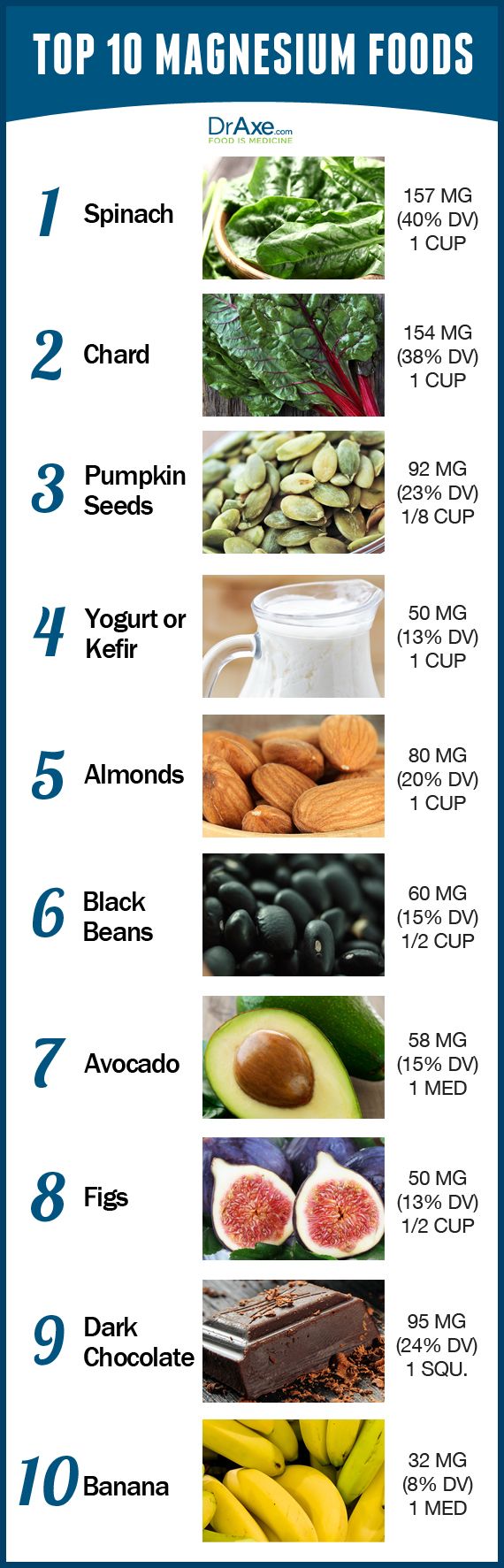
Magnesium deficiency is very common these days. A recent government study shows that 68% of Americans do not consume the recommended daily intake of magnesium. I’ve included a helpful chart below that contains some of the top magnesium rich foods. Magnesium supplements are a good option as well, particularly those containing magnesium citrate which is very absorbable.
Sidney Baker, M.D., a practicing doctor with a special interest in the nutritional aspects of chronic health problems says: “Magnesium deficiency can affect virtually every organ and system of the body. One may experience muscle twitches, cramps, soreness, back aches, neck pain, tension headaches, and fatigue or weakness.”
Studies show that magnesium can soothe insomnia, support heart health, normalize blood sugar, relieve headaches and ease menopause symptoms. In one study from the University of Iran, people with insomnia were given magnesium tablets twice a day for eight weeks. They experienced significant increases in quality sleep time, with less night time interruptions and fewer early morning awakenings.
This news is brought to you by Nutrition Breakthroughs. For more information on the original magnesium and calcium based sleep aid, visit the Sleep Minerals II web page.
To your good health,
Jobee Knight
Nutrition Breakthroughs.com
 News on Natural Remedies, Good Sleep and Good Health