Posts Tagged ‘magnesium sleep’
Your Body Will Thank You for Nutritious Eating – from Belladonna’s Flashlight Blog
Posted on: September 16, 2025

A short but sweet article on the benefits of eating whole, real healthy foods. Really pretty simple to do. For more energy during the day and better sleep at night. This health news is shared with you by Nutrition Breakthroughs, maker of the effective natural sleep aid Sleep Minerals II, and the natural solution for joint relief, allergies, pain relief and increased energy, Joints and More.

If snoring is keeping you or your partner awake at night, there may be some good news for you.
Studies have found several natural snoring remedies and lifestyle improvements that can significantly reduce snoring and lead to a more restful night’s sleep.
Here’s a look at some proven methods, supported by science, to help reduce or eliminate snoring.
Minerals & Vitamins for Snoring Relief
Certain nutrients can help open airways and improve breathing during sleep. Magnesium, for instance, has muscle-relaxing properties that may prevent the airway muscles from constricting during sleep (Smith, 2012). A study in the “Journal of Research in Medical Sciences” showed that magnesium supplements improved sleep quality and reduced nighttime disturbances (Abbasi, 2012).
Zinc is another key mineral that is linked to stronger immune health and reduced inflammation. It is a mineral famous for remedying sinus congestion or allergies, which in turn, which can lessen snoring (from the journal “Nutrients” 2019). Increasing magnesium and zinc intake through diet or supplements can be a natural step toward quieter nights.
Optimize Your Sleeping Position
A person’s sleep position can play a big role in reducing snoring. The “side-sleeping position” is often recommended for reducing snoring because it prevents the tongue from collapsing into the back of the throat, which can obstruct airways. Research published in the “Sleep & Breathing Journal” found that participants who slept on their side experienced significantly less snoring compared to those who slept on their backs (Cartwright, 2011). Try using a full-length body pillow to help maintain the side-sleeping position throughout the night.
Exercise and Weight Loss for Snoring Reduction
Regular physical activity and weight management can greatly reduce snoring. Excess weight, especially around the neck, can narrow the airways and increase the likelihood of snoring. Studies in the American Journal of Respiratory and Critical Care Medicine confirm that weight loss helps reduce airway obstructions and improves breathing during sleep (Peppard, 2000). Even mild or moderate exercise can strengthen the muscles around the airway and reduce the likelihood of snoring.
Stress Reduction and Snoring
Stress is another factor that can contribute to snoring. High stress levels can lead to tense muscles and shallow breathing, which can worsen a snoring problem. Snoring remedies and techniques such as nasal breathing and singing are helpful. Blowing up a balloon and other deep breathing exercises can strengthen the airways. Taking walks and doing gentle stretching can calm the nervous system, reduce tension, and promote a deeper, more restful sleep (“Journal of Alternative and Complementary Medicine”, 2014).
By combining these natural snoring remedies and approaches, its sure to have a positive effect on snoring. Improve sleep positions, manage your stress levels, incorporate key minerals, maintain a healthy weight, and take some walks. You will certainly see some improvement and success.
This natural health news is shared by Nutrition Breakthroughs, maker of Sleep Minerals II This is the original mineral-based sleep aid with calcium, magnesium, zinc and vitamin D. The company also makes Joints and More, a natural supplement for joint support, less aches and soreness, stronger hair and nails, and more energy.
Richard P. of Parkville, Maryland says: “The Sleep Minerals are making quite a difference. I was regularly waking up at around 3:00 a.m. and after a few days use my sleep improved quite a lot. I wake up once a night to go to the bathroom, but the great thing is, I then fall back asleep and sleep several more hours. This has been a great improvement.”

For anyone who has trouble falling asleep or staying asleep in the night, a growing body of research shows that certain fruits can naturally help to improve sleep quality.
Packed with essential minerals and vitamins, these fruits support your body in having a deeper, longer night’s sleep. This can lead to more energy in your day and more alertness, productivity, and quality time with family and friends.
Kiwi: The Sleep Booster
Kiwi is often celebrated for its impressive sleep-enhancing properties. This fruit is rich in serotonin, which helps regulate your sleep cycle. It’s also a great source of magnesium, known for its calming effects on the nervous system. A study published in the *Asia Pacific Journal of Clinical Nutrition* found that eating two kiwis an hour before bed improved sleep onset, duration, and quality (Liu, 2011). Plus, its high level of healthy plant chemicals promotes overall well-being, helping you rest more soundly.
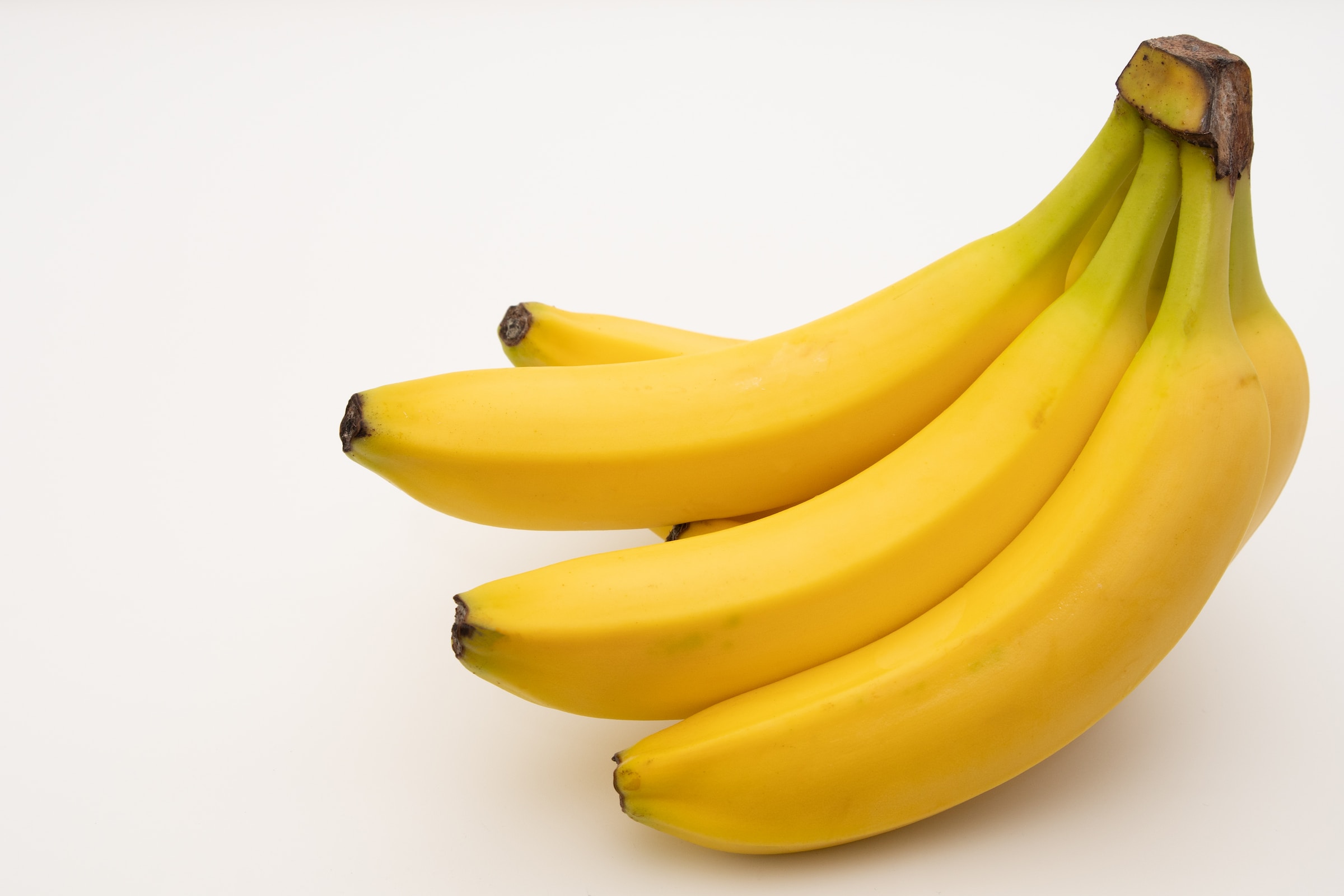
Bananas: Magnesium-Packed for Relaxation
Bananas are another fruit known for sleep benefits. Packed with magnesium and potassium, bananas help relax your muscles, which is vital for preparing your body for restful sleep.
A study published in the *Journal of Research in Medical Sciences* revealed that magnesium can significantly improve insomnia in older adults (Abbasi, 2012). Bananas are also high in vitamin B6, which helps your body produce melatonin, a hormone crucial for regulating sleep cycles.
Cherries: Natural Melatonin Source
Cherries, especially tart cherries, are one of the few natural food sources of melatonin, the hormone that governs sleep-wake cycles. According to a study in the *European Journal of Nutrition*, consuming tart cherry juice improved sleep duration and efficiency in adults with insomnia (Howatson, 2012). The beneficial effects of melatonin in cherries helps to promote deeper, more restorative sleep.
Figs: A Calcium-Rich Sleep Aid
Figs are a lesser-known fruit that can do wonders for sleep. They are rich in calcium, a mineral that helps the brain use the amino acid tryptophan to manufacture melatonin. In addition to calcium, figs provide magnesium and potassium, which support muscle relaxation and help ease tension, both of which are key for a good night’s rest (Healthline, 2021).
Avocado: A Fruit with Vitamin D for Sleep Regulation
Avocado contains small amounts of vitamin D, as well as healthy fats. These plant-based fats help to increase the absorption of vitamin D from other foods such as mushrooms, eggs and fish. Low levels of vitamin D have been associated with shorter sleep durations and disturbed sleep patterns (from the journal “Medical Hypothesis”). Adding avocado to your evening snack, along with mushrooms or eggs, can help regulate your sleep cycle and promote longer periods of rest.
These fruits can pack some powerful sleep-enhancing benefits, helping you wake up refreshed and energized. Try incorporating these into your diet for a natural, delicious way to boost your sleep quality.
This natural health news is shared by Nutrition Breakthroughs, maker of the original and effective calcium and magnesium based sleep aid Sleep Minerals II, and Joints and More, a natural supplement for joint support, less aches and pains, stronger hair and nails, and more energy.
Suzanne G. of Tucson, Arizona says: “I am now taking the Sleep Minerals II each night. I have had insomnia for most of my life and the longer I take Sleep Minerals, the better I sleep. The best thing is that I can now get back to sleep if I wake up in the night. It has given me such a sense of peace to know that I now can be well rested during the day. I also find my brain less foggy from lack of sleep. I have tried many products on the market and this is the one that is gold. Thank you so much for producing a quality product!”

Hot flash remedies are in high demand for women. A hot flash, also called a hot flush, is a sudden unexpected feeling of warmth and often a breakout of sweating in the upper half of the body.
A night sweat is a “hot flash” that occurs in the night, often while one is sleeping. These flashes are experienced by 80% of women around the time of menopause, and men can also have them due to a lessening of testosterone in middle age.
At night time while a woman sleeps, her body temperature rises steeply just prior to a hot flash, and may cause her to wake up. The National Sleep Foundation writes that as many as 61% of post-menopausal women report having symptoms of insomnia and less satisfying sleep, due in part to hot flashes interrupting their sleep with frequent awakenings.
Dr. John R. Lee, M.D. explains the source of hot flashes in his book: “What Your Doctor May Not Tell You about Menopause”. There is an area of the brain that controls the amounts of estrogen and progesterone made by the ovaries. When these two hormones become depleted as in menopause, the brain sends out signals for the ovaries to make more hormones, but they no longer respond to these prompts.
The signaling system can go awry as the brain sends out more and more signals and actually begins to “shout”. This over-activity begins to affect adjacent areas of the brain; particularly the area that controls body temperature and sweating mechanisms — thus the occurrence of hot flashes.
Sometimes spicy food, hot beverages, caffeine, alcohol or cigarettes can bring on a hot flash. For help with night sweats in bed, keep the bedroom cool and keep a washcloth in a bowl of ice near the bed to use on the forehead or chest as needed. To minimize hot flashes during the summer weather, stay cool by using fans and drinking cold drinks. Keep air conditioners on and make sure that air is circulating throughout the room. Dress in layers so you can peel them off as needed.
Vitamins E and C have been shown in studies to help reduce hot flashes. One study supporting vitamin E was published in “Gynecologic and Obstetric Investigation” and concluded that vitamin E is effective and is a recommended treatment for hot flashes. Extensive research indicates that vitamin C strengthens blood vessels and acts as a potent health enhancement. In a study that combined vitamin C with bioflavonoids (the white matter on the inside of orange peels), 67% of the subjects reported complete relief from hot flashes.
The minerals calcium and magnesium can also help with deeper, sounder sleep and are hot flash remedies, particularly because estrogen in women and testosterone in men helps to keep these minerals in circulation in the body, and when these hormones are depleted, more frequent mineral supplementation is needed.
Sleep Minerals II from Nutrition Breakthroughs is an example of a natural insomnia remedy that provides good results for menopause symptoms. It contains highly absorbable forms of calcium and magnesium, the best minerals for sleep and insomnia, heart health, restless legs syndrome and bone strength.
The formula also includes vitamin D and zinc and is delivered in a softgel form with healthy carrier oils, making it more quickly absorbable than tablets or capsules and providing a deeper, longer-lasting sleep.
Anita L. of New Caney, Texas says: “I was having hot flashes every 30 minutes to an hour through the night and was so miserable. After about two weeks of taking the Sleep Minerals, I noticed an incredible difference with my sleep. I have much less interruption from hot flashes, I’m sleeping much better and I’m a lot more comfortable.”
Valerie from Santa Clarita, California says: “I had such bad menopause insomnia that it took me hours to fall asleep even though I was extremely tired. My legs also had crawling and tingling feelings at night. I got the Sleep Minerals and took them and after a few days, it started to work really well. I fall asleep now within 20 minutes and no more restless legs.”

This is a lovely article describing what the Rise and Inspire blog is all about. I definitely agree with these concepts, strengths and inspirations. Have a look. And while climbing your own mountain, give yourself a pat on the back for each step you take.
This health news is shared with you by Nutrition Breakthroughs, maker of the effective natural sleep aid Sleep Minerals II, and the natural solution for joint relief, allergies, pain relief and increased energy, Joints and More.
Benefits of Pumpkin Seeds: A Nutrient-Packed Food for Digestion, Energy, Good Sleep, Heart Health and More
Posted on: August 31, 2025
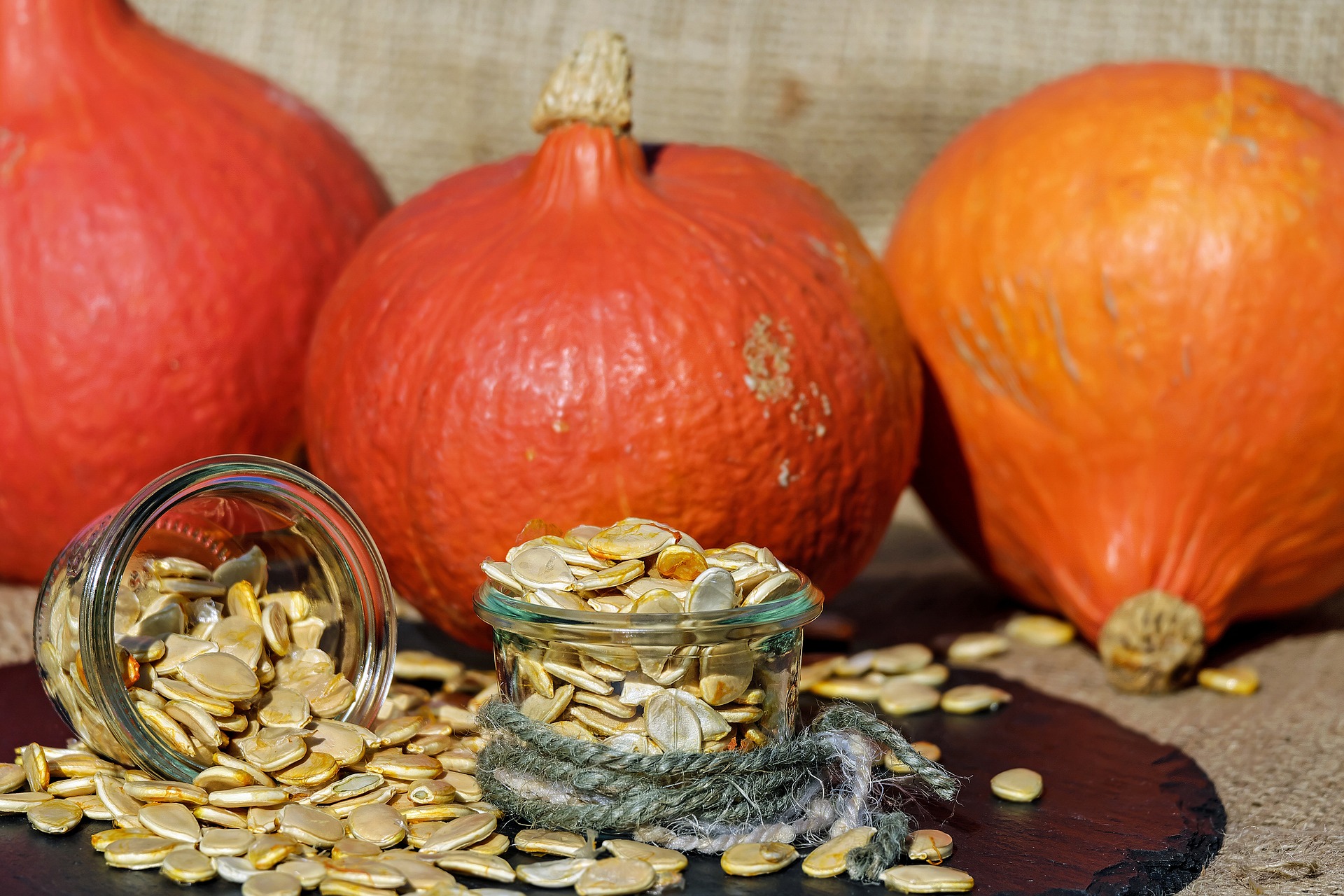
From their delicious flesh to the often-overlooked seeds, pumpkins offer a cornucopia of nutrients that can boost many aspects of your health and well-being. This health news is shared with you by Nutrition Breakthroughs, maker of the effective natural sleep aid Sleep Minerals II, and the natural solution for joint relief, allergies, pain relief and increased energy, Joints and More.
10 Most Popular Superfoods – What is a Superfood? Looking for the Light Blog
Posted on: August 29, 2025
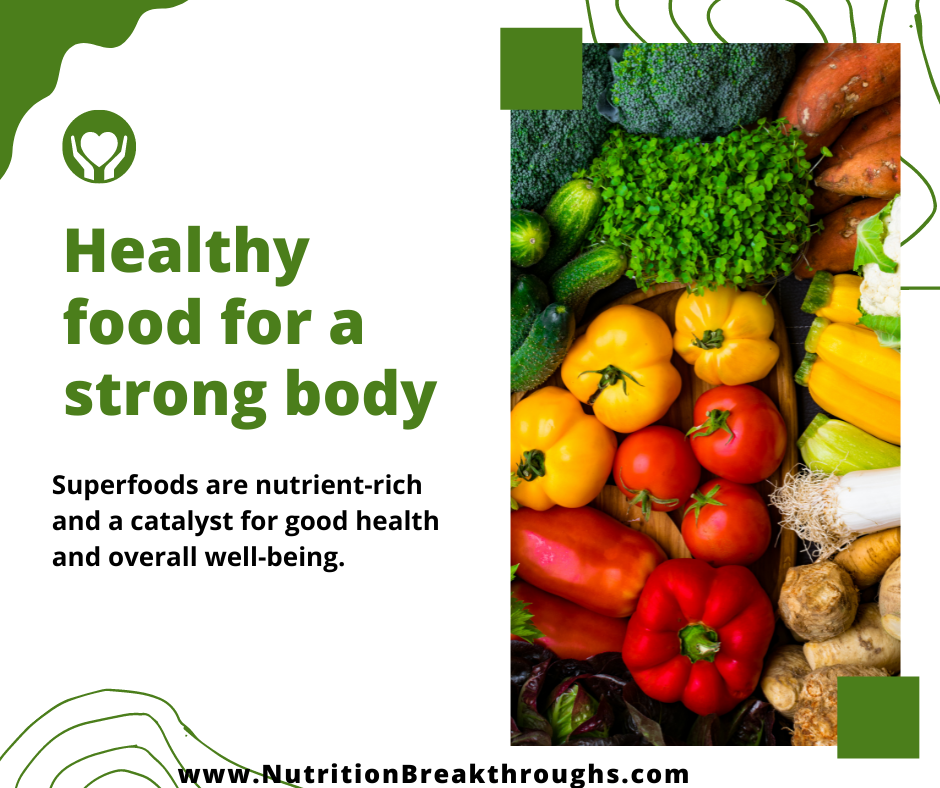
Here’s an easy to read and helpful article from “Looking for the Light” blog on the “Top 10 Superfoods.” What is a superfood? You’ll find out! This health news is shared with you by Nutrition Breakthroughs, maker of the effective natural sleep aid Sleep Minerals II, and the natural solution for joint relief, allergies, pain relief and increased energy, Joints and More.
What are the Right Foods for Your Health and Lifestyle? How to Customize your Eating
Posted on: August 29, 2025
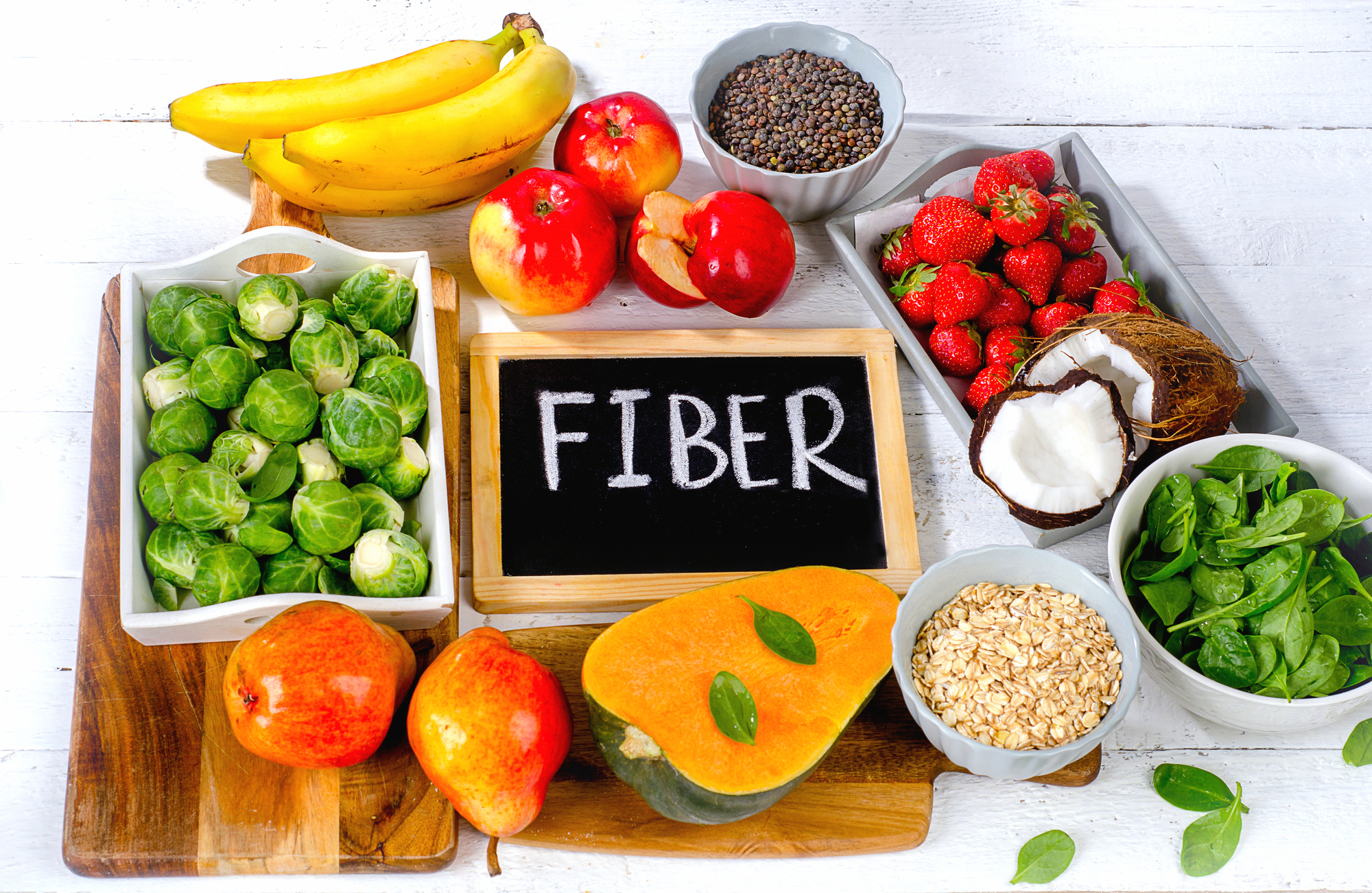
The foods you choose each day have a direct impact on how you feel, your energy levels, and even how well you sleep.
With so many diets and food trends, the key is to focus on balance and personalization.
The right foods for your health and lifestyle are the ones that nourish your body, fit into your daily routine, and leave you feeling better and more energetic.
The Foundation: Carbohydrates, Proteins, and Fats
Carbohydrates, proteins, and fats are the three main nutrients your body relies on for energy and repair. Choosing the right sources makes a big difference.
- Healthy carbohydrates Vegetables and fruits are the healthiest carbs you can eat. Chose ones that you enjoy and eat at least twice as many veggies as fruits. Other good carbs include brown rice, potatoes, oats, quinoa, sweet potatoes, and beans.
- Desserts, white flour, white rice, sugar, and concentrated fruit juices can spike one’s blood sugar and lead to energy crashes. The whole-food carbs above can provide good fiber and steady energy to support digestion and health.
- Healthy proteins such as salmon and other fish, meat, chicken, turkey, eggs, natural cheeses, and Greek yogurt, help to build muscle, keep you full longer, and stabilize blood sugar.
- Healthy fats like avocado, olive oil, coconut oil, pumpkin seeds, sunflower seeds, and all types of nuts, are essential for brain health and hormone balance.
Adding these foods to your meals, one at a time, or eating them separately, can help you notice how each affects your energy and mood. A food journal is a useful tool to track which foods leave you feeling satisfied and which may cause adverse effects.
Diet and Sleep: Calcium and Magnesium
What you eat can also affect your sleep. Calcium helps the brain produce melatonin, the hormone that regulates sleep, while magnesium calms the nervous system and supports deeper rest. Foods like spinach, broccoli, pumpkin seeds, sunflower seeds, almonds, yogurt, and cheese are excellent sources. (Stick to the veggies and seeds if you are dairy intolerant).
To see what works best for you, introduce some of the above mineral-rich foods, one at a time, and record how it impacts your sleep in a journal. Sleep mineral supplements can also be used. For these, its best to stick to a 2 to 1 ratio, meaning it contains twice as much calcium as magnesium in the supplement. Vitamin D and zinc are also good minerals for improving sleep.
Matching Your Diet to Your Lifestyle
Your daily routine often determines how easy it is to eat well. For those with busy lifestyles, portable whole-food snacks can prevent eating fast foods and having energy crashes. Good options include a banana with almond butter, apple slices with cheese, carrot sticks with hummus, or a handful of cashews or almonds. These balance protein, fiber, and healthy fats to keep the energy steady.
Foods That Help or Hurt Energy
Everyone’s body responds differently to foods, which is why journaling is so valuable. Many people feel energized with colorful fruits and vegetables, lean proteins, and slow-digesting carbs like oats or brown rice. In contrast, sugary drinks, fried fast food, bakery items, and too much caffeine or alcohol often leave people sluggish or restless.
Putting It All Together
The best diet isn’t about strict rules but about learning which foods truly work for you. By balancing carbohydrates, proteins, and fats, eating sleep-supportive minerals, keeping whole-food snacks on hand, and limiting energy-draining foods, you can design a way of eating that fits your lifestyle and helps you achieve the greatest health possible!
This health news is shared with you by Nutrition Breakthroughs, maker of the effective natural sleep aid Sleep Minerals II, and the natural solution for joint relief, allergies, pain relief and increased energy, Joints and More.
***** Wendy R. of Honolulu, Hawaii says: “My friends know that I’ve had chronic insomnia for a long time. Surprisingly, I received the Sleep Minerals II and began taking it and found this thing really works. In the past if I ever got a good night’s sleep I’d say ‘I slept like a baby’, but that’s the wrong comparison. Those little guys get up every two hours. I am actually beginning to sleep like an adult — a much-rested adult.”
References
- National Institutes of Health, Office of Dietary Supplements. Calcium – Fact Sheet for Health Professionals. Updated March 24, 2022. https://ods.od.nih.gov/factsheets/Calcium-HealthProfessional/
- National Institutes of Health, Office of Dietary Supplements. Magnesium – Fact Sheet for Health Professionals. Updated March 24, 2022. https://ods.od.nih.gov/factsheets/Magnesium-HealthProfessional/
- Harvard T.H. Chan School of Public Health. The Nutrition Source: Healthy Snacks. 2021. https://www.hsph.harvard.edu/nutritionsource/healthy-snacks/
- Sleep Foundation. Nutrition and Sleep: How Diet Affects Rest. Updated June 24, 2022. https://www.sleepfoundation.org/nutrition
Simple Clean Eating: A Beginner’s Guide to Healthy Nutrition – Well and Good Blog
Posted on: August 28, 2025
Here’s a lovely article that simplifies all the basics about eating healthfully. Clean eating is eating whole, natural foods and less processed foods. A sure way to greater health. This health news is shared with you by Nutrition Breakthroughs, maker of the effective natural sleep aid Sleep Minerals II, and the natural solution for joint relief, allergies, pain relief and increased energy, Joints and More.

What is Macular Degeneration?
Macular degeneration is a common eye condition, especially among people over the age of 50, that can lead to blurry vision, difficulty reading or driving, and recognizing people or the details of things..
The macula is the middle, center part of the retina. The retina is the nerve tissue at the back of the eye that is sensitive to light and that receives and sends images to the brain.
The good news is that there are some natural remedies that can help slow its progression and even support healing. By making small but impactful changes to your diet, supplements, lifestyle, and daily habits, you can protect your eyes and improve your vision.
Proven Natural Remedies
- Antioxidants: Antioxidants are natural substances that can prevent or delay certain types of cell damage that comes from oxygen interactions. These are nutrients like vitamins C, E and A that help fight oxidative stress, which is a key factor in macular degeneration. Studies show that vitamin C (found in citrus fruits and colored bell peppers) and vitamin E (from nuts and seeds) can slow the progression of the disease (Archives of Ophthalmology, 2001). Antioxidants work by protecting retinal cells from damage, helping maintain healthy vision for longer.
- Lutein and Zeaxanthin: Found in leafy greens like spinach, kale, other leafy greens, carrots, eggs, broccoli and peas. These are known as carotenoids, pigments in plants which produce the bright yellow, red, and orange colors in vegetables. These pigments are known to accumulate in the macula and protect against harmful light rays. According to research, individuals who consume high levels of lutein and zeaxanthin can reduce their risk of advanced macular degeneration by up to 25% (The American Journal of Clinical Nutrition, 2013).
- Omega-3 Fatty Acids: Omega-3s, especially from fish oil, salmon and sardines, are essential for eye health. Studies suggest that these healthy fats reduce inflammation and may lower the risk of macular degeneration (Investigative Ophthalmology & Visual Science, 2011).Another study was done with people over the age of 49. Of the 3,000 participants, those who ate more fish were less likely to have macular degeneration. Another source reported that eating fish once a week can cut the risk of having it in half.
4. Zinc: This mineral, found in foods like oysters, fish, meat, pumpkin seeds and nuts, plays an important role in transporting vitamin A from the liver to the retina, aiding in increased protection for the eyes. A study published in a Journal of Ophthalmology (the study of eye disorders) found that a supplement with zinc, vitamin C, vitamin E and beta-carotene reduced the risk of macular degeneration and also slowed down its progression.
Healing Foods for Macular Degeneration
Carrots: Are rich in beta-carotene, which the body converts into vitamin A. Carrots support retinal health and vision.
Sweet Potatoes: Another excellent source of beta-carotene, providing necessary nutrients to protect against macular degeneration.
Blueberries: Packed with antioxidants and vitamins C and K, blueberries help fight oxidative stress in the eyes. A cousin of blueberries called bilberry has also shown benefits for eye health.
Eye Exercises and Lifestyle Actions
Eye Exercises: This includes looking away from close-up work or computer work at regular intervals and focusing on a distant object, and practicing “palming” (gently covering the eyes with your palms to relax them). These can help reduce eye strain and improve overall eye health.
Lifestyle Tips: Quitting smoking, wearing sunglasses to protect from the sun’s rays, eating leafy greens, orange-colored vegetables and blueberries, and managing chronic conditions like hypertension and diabetes, are essential in reducing the risk of macular degeneration.
By incorporating these natural remedies and lifestyle habits, you can effectively prevent or manage macular degeneration and protect your vision for the future.
This natural health news is shared by Nutrition Breakthroughs, maker of the original and effective calcium and magnesium based sleep aid Sleep Minerals II (also containing vitamin D and zinc).
***** Chris M. of the United Kingdom says: “I take one softgel of Sleep Minerals II before bed every night and within 20 minutes I am asleep. The difference in the quality of my sleep and the ease with which I get to sleep using this product is monumental. I have stopped obsessing about sleep or dreading bedtime – I just take a softgel and drift off. If I stop taking them, within a week my sleep starts to lighten in quality, the amount of my sleep diminishes, and my old insomniac patterns reappear.”
 News on Natural Remedies, Good Sleep and Good Health