Posts Tagged ‘magnesium sleep aid’
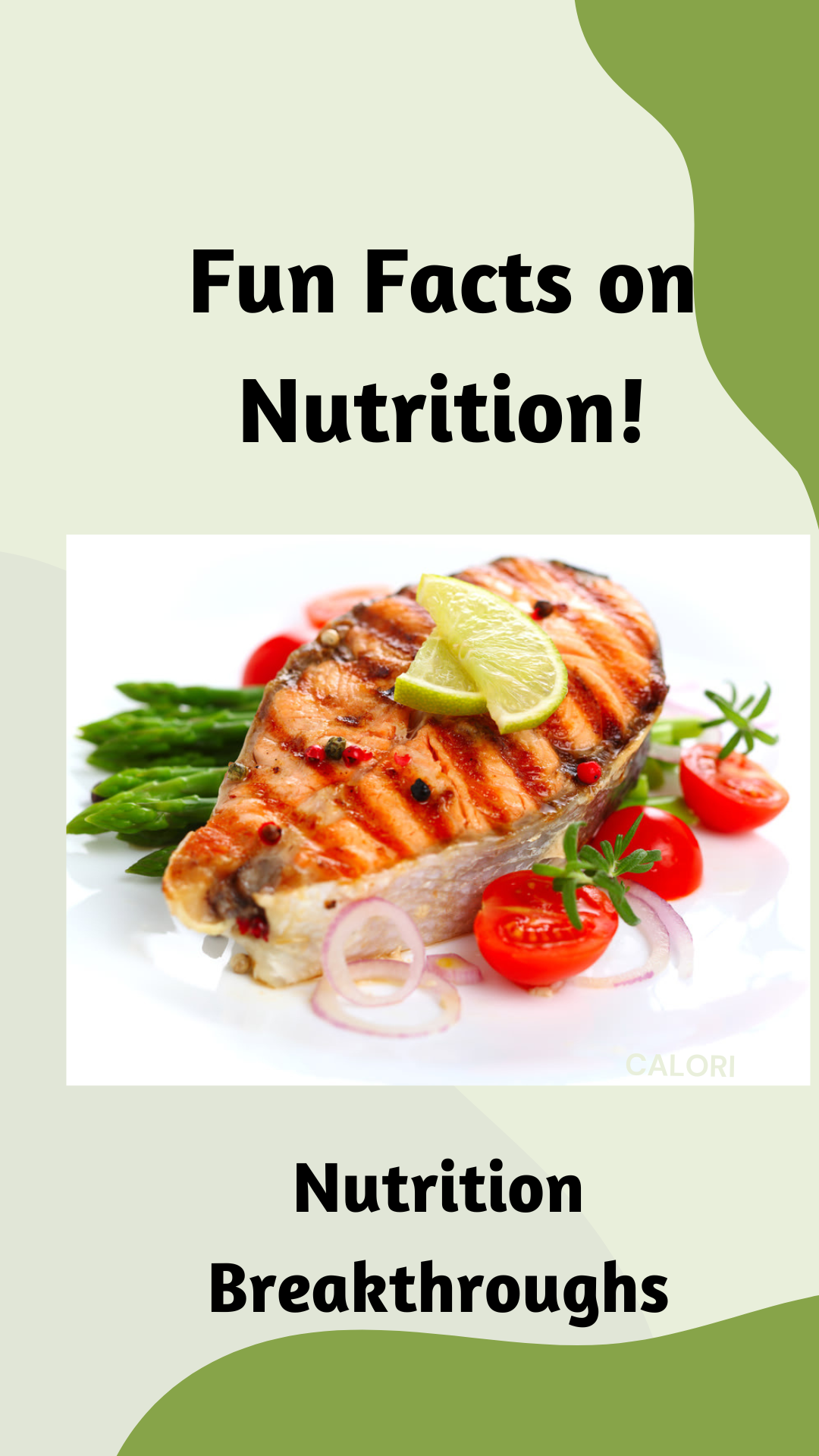
Welcome back to another edition of our “Fun Facts on Nutrition!” Get ready to be intrigued by some fascinating and little-known facts about food. Here’s to your enjoyment of a fun and nutritious Friday.
- Potatoes Were the First Food Grown in Space
In 1995, NASA and the University of Wisconsin collaborated to grow potatoes in space aboard the space shuttle Columbia. This experiment was part of a larger effort to develop sustainable food sources for long-term space missions. Talk about out-of-this-world nutrition.
Reference: Wheeler, R. M. (2010). Plants for human life support in space: From Myers to Mars. Gravitational and Space Biology Bulletin, 23(2), 25-35.
2. Bell Peppers Have More Vitamin C Than Oranges
While oranges are famous for their vitamin C content, bell peppers actually contain even more. A single cup of chopped red bell pepper provides nearly three times the vitamin C of an orange. Plus, they’re low in calories and rich in health-giving plant chemicals known as antioxidants, making them a perfect snack.
Reference: Howard, L. R., et al. (2000). Antioxidant activity and fruit quality changes in bell pepper. Journal of Agricultural and Food Chemistry, 48(4), 1713-1720.
3. Avocados Are Actually Berries and Have Many Benefits
Surprise. Avocados are technically berries. They contain one large seed, fitting the botanical definition of a berry. Avocados are also nutritional powerhouses, full of healthy fats, fiber, potassium, and vitamins C, E, and K.
In addition, there are many studies showing the benefits of avocado for heart health, as well as for weight management and anti-aging effects.
Reference: Dreher, M. L., & Davenport, A. J. (2013). Hass avocado composition and potential health effects. Critical Reviews in Food Science and Nutrition, 53(7), 738-750.
Fun and Health Go Hand-in-Hand
Isn’t nutrition interesting? These fun facts on nutrition highlight the amazing world of food. We’ll bring you more inspiring nutritional facts for your excellent health.
This health news is shared by Nutrition Breakthroughs, maker of the original calcium and magnesium based sleep aid Sleep Minerals II, and Joints and More, a natural supplement for joint relief, less aches and pains, stronger hair and nails, and more energy.

What is Macular Degeneration?
Macular degeneration is a common eye condition, especially among people over the age of 50, that can lead to blurry vision, difficulty reading or driving, and recognizing people or the details of things..
The macula is the middle, center part of the retina. The retina is the nerve tissue at the back of the eye that is sensitive to light and that receives and sends images to the brain.
The good news is that there are some natural remedies that can help slow its progression and even support healing. By making small but impactful changes to your diet, supplements, lifestyle, and daily habits, you can protect your eyes and improve your vision.
Proven Natural Remedies
- Antioxidants: Antioxidants are natural substances that can prevent or delay certain types of cell damage that comes from oxygen interactions. These are nutrients like vitamins C, E and A that help fight oxidative stress, which is a key factor in macular degeneration. Studies show that vitamin C (found in citrus fruits and colored bell peppers) and vitamin E (from nuts and seeds) can slow the progression of the disease (Archives of Ophthalmology, 2001). Antioxidants work by protecting retinal cells from damage, helping maintain healthy vision for longer.
- Lutein and Zeaxanthin: Found in leafy greens like spinach, kale, other leafy greens, carrots, eggs, broccoli and peas. These are known as carotenoids, pigments in plants which produce the bright yellow, red, and orange colors in vegetables. These pigments are known to accumulate in the macula and protect against harmful light rays. According to research, individuals who consume high levels of lutein and zeaxanthin can reduce their risk of advanced macular degeneration by up to 25% (The American Journal of Clinical Nutrition, 2013).
- Omega-3 Fatty Acids: Omega-3s, especially from fish oil, salmon and sardines, are essential for eye health. Studies suggest that these healthy fats reduce inflammation and may lower the risk of macular degeneration (Investigative Ophthalmology & Visual Science, 2011).Another study was done with people over the age of 49. Of the 3,000 participants, those who ate more fish were less likely to have macular degeneration. Another source reported that eating fish once a week can cut the risk of having it in half.
4. Zinc: This mineral, found in foods like oysters, fish, meat, pumpkin seeds and nuts, plays an important role in transporting vitamin A from the liver to the retina, aiding in increased protection for the eyes. A study published in a Journal of Ophthalmology (the study of eye disorders) found that a supplement with zinc, vitamin C, vitamin E and beta-carotene reduced the risk of macular degeneration and also slowed down its progression.
Healing Foods for Macular Degeneration
Carrots: Are rich in beta-carotene, which the body converts into vitamin A. Carrots support retinal health and vision.
Sweet Potatoes: Another excellent source of beta-carotene, providing necessary nutrients to protect against macular degeneration.
Blueberries: Packed with antioxidants and vitamins C and K, blueberries help fight oxidative stress in the eyes. A cousin of blueberries called bilberry has also shown benefits for eye health.
Eye Exercises and Lifestyle Actions
Eye Exercises: This includes looking away from close-up work or computer work at regular intervals and focusing on a distant object, and practicing “palming” (gently covering the eyes with your palms to relax them). These can help reduce eye strain and improve overall eye health.
Lifestyle Tips: Quitting smoking, wearing sunglasses to protect from the sun’s rays, eating leafy greens, orange-colored vegetables and blueberries, and managing chronic conditions like hypertension and diabetes, are essential in reducing the risk of macular degeneration.
By incorporating these natural remedies and lifestyle habits, you can effectively prevent or manage macular degeneration and protect your vision for the future.
This natural health news is shared by Nutrition Breakthroughs, maker of the original and effective calcium and magnesium based sleep aid Sleep Minerals II (also containing vitamin D and zinc).
***** Chris M. of the United Kingdom says: “I take one softgel of Sleep Minerals II before bed every night and within 20 minutes I am asleep. The difference in the quality of my sleep and the ease with which I get to sleep using this product is monumental. I have stopped obsessing about sleep or dreading bedtime – I just take a softgel and drift off. If I stop taking them, within a week my sleep starts to lighten in quality, the amount of my sleep diminishes, and my old insomniac patterns reappear.”
What is Macular Degeneration?
Macular degeneration is a common eye condition, especially among people over the age of 50, that can lead to blurry vision, difficulty reading or driving, and recognizing people or the details of things..
The macula is the middle, center part of the retina. The retina is the nerve tissue at the back of the eye that is sensitive to light and that receives and sends images to the brain.
The good news is that there are some natural remedies that can help slow its progression and even support healing. By making small but impactful changes to your diet, supplements, lifestyle, and daily habits, you can protect your eyes and improve your vision.
Proven Natural Remedies
- Antioxidants: Antioxidants are natural substances that can prevent or delay certain types of cell damage that comes from oxygen interactions. These are nutrients like vitamins C, E and A that help fight oxidative stress, which is a key factor in macular degeneration. Studies show that vitamin C (found in citrus fruits and colored bell peppers) and vitamin E (from nuts and seeds) can slow the progression of the disease (Archives of Ophthalmology, 2001). Antioxidants work by protecting retinal cells from damage, helping maintain healthy vision for longer.
- Lutein and Zeaxanthin: Found in leafy greens like spinach, kale, other leafy greens, carrots, eggs, broccoli and peas. These are known as carotenoids, pigments in plants which produce the bright yellow, red, and orange colors in vegetables. These pigments are known to accumulate in the macula and protect against harmful light rays. According to research, individuals who consume high levels of lutein and zeaxanthin can reduce their risk of advanced macular degeneration by up to 25% (The American Journal of Clinical Nutrition, 2013).
- Omega-3 Fatty Acids: Omega-3s, especially from fish oil, salmon and sardines, are essential for eye health. Studies suggest that these healthy fats reduce inflammation and may lower the risk of macular degeneration (Investigative Ophthalmology & Visual Science, 2011).Another study was done with people over the age of 49. Of the 3,000 participants, those who ate more fish were less likely to have macular degeneration. Another source reported that eating fish once a week can cut the risk of having it in half.
4. Zinc: This mineral, found in foods like oysters, fish, meat, pumpkin seeds and nuts, plays an important role in transporting vitamin A from the liver to the retina, aiding in increased protection for the eyes. A study published in a Journal of Ophthalmology (the study of eye disorders) found that a supplement with zinc, vitamin C, vitamin E and beta-carotene reduced the risk of macular degeneration and also slowed down its progression.
Healing Foods for Macular Degeneration
Carrots: Are rich in beta-carotene, which the body converts into vitamin A. Carrots support retinal health and vision.
Sweet Potatoes: Another excellent source of beta-carotene, providing necessary nutrients to protect against macular degeneration.
Blueberries: Packed with antioxidants and vitamins C and K, blueberries help fight oxidative stress in the eyes. A cousin of blueberries called bilberry has also shown benefits for eye health.
Eye Exercises and Lifestyle Actions
Eye Exercises: This includes looking away from close-up work or computer work at regular intervals and focusing on a distant object, and practicing “palming” (gently covering the eyes with your palms to relax them). These can help reduce eye strain and improve overall eye health.
Lifestyle Tips: Quitting smoking, wearing sunglasses to protect from the sun’s rays, eating leafy greens, orange-colored vegetables and blueberries, and managing chronic conditions like hypertension and diabetes, are essential in reducing the risk of macular degeneration.
By incorporating these natural remedies and lifestyle habits, you can effectively prevent or manage macular degeneration and protect your vision for the future.
This natural health news is shared by Nutrition Breakthroughs, maker of the original and effective calcium and magnesium based sleep aid Sleep Minerals II (also containing vitamin D and zinc).
***** Chris M. of the United Kingdom says: “I take one softgel of Sleep Minerals II before bed every night and within 20 minutes I am asleep. The difference in the quality of my sleep and the ease with which I get to sleep using this product is monumental. I have stopped obsessing about sleep or dreading bedtime – I just take a softgel and drift off. If I stop taking them, within a week my sleep starts to lighten in quality, the amount of my sleep diminishes, and my old insomniac patterns reappear.”

Inflammation is the body’s natural defense against infection or injury and it can cause swelling, soreness or pain.
When it lingers as a slow-burning fire in the background, it can wreak havoc, leading to joint pain, heart disease, intestinal upset or mental fog.
Chronic inflammation, a persistent internal alarm, often stems from stress, diet, or environmental factors and can accelerate aging and increase susceptibility to chronic illnesses. Fortunately, recent studies have revealed powerful natural remedies to help counteract this “silent fire” and restore health.
- Tart Cherry Extract: Delicious Relief for Muscles and Joints
A 2024 study in The Journal of Functional Foods highlights tart cherry extract as an inflammation-fighting powerhouse. Packed with red-colored plant chemicals, tart cherries help reduce post-exercise soreness and chronic joint pain by blocking pain-inducing enzymes.
A daily glass of tart cherry juice or a supplement can ease workout recovery and reduce inflammation from arthritis, making it a must-have for active and aging individuals alike.Drinking tart cherry juice can also result in significant improvements in sleep, according to a study published in the European Journal of Nutrition.
The juice is high in the sleep-inducing hormone melatonin. The benefits of cherry juice included longer sleep times, less daytime napping, and increased overall sleep efficiency (the ratio of the time spent in bed. to the time spent actually sleeping).
In the placebo-controlled study, 20 volunteers consumed either tart cherry juice concentrate or a non-cherry juice drink for 7 days.The researchers concluded: “These data suggest that consumption of a tart cherry juice concentrate provides an increase in melatonin that is beneficial in improving sleep duration and quality in … men and women and might be of benefit in managing disturbed sleep.” - Omega-3s from Algal Oil: Plant-Based Brain and Heart Health
The Nutrients journal emphasized omega-3s, specifically from algal oil, as a plant-based solution for inflammation. Sourced from marine algae, algal oil is ideal for vegans or those avoiding fish. Omega-3s lower inflammatory markers in the brain and heart, supporting cognitive function and cardiovascular health. Algal oil supplements or adding foods like fortified algae snacks, can provide an inflammation-busting boost. - Ginger Root: A Natural Solution for Chronic Inflammation
Ginger’s compounds were shown in Pharmacological Research to inhibit inflammatory pathways, offering relief for conditions from arthritis to digestive inflammation. Ginger root tea, fresh ginger in stir-fries, or ginger supplements are fantastic ways to add this inflammation-fighting root to your diet. This root’s spicy kick adds flavor and a powerful boost for anyone battling chronic inflammation. - Flaxseed Oil for Skin and Gut Health
The Journal of Inflammation Research highlighted flaxseed oil, rich in omega-3 fatty acids, as a potent anti-inflammatory for skin and digestive health. Flaxseed oil combats inflammation from the inside out, benefiting skin conditions like eczema and improving gut balance. A spoonful of flaxseed oil added to smoothies, salads, or cereals can provide these calming effects and support heart health as a bonus. - Bromelain: A Digestive Enzyme with Anti-Inflammatory Effects
According to new research in Nutrients, bromelain — a natural enzyme found in pineapples — offers a significant reduction in inflammation, particularly following physical injury or surgery. Bromelain’s enzymes break down inflammatory proteins, improving recovery and reducing swelling. Try fresh pineapple or bromelain supplements to speed recovery and support muscle health.
These breakthroughs demonstrate nature’s power in combating inflammation and improving health and sleep. Utilizing these nutrients through supplements or dietary changes can help you achieve long-term wellness, mobility, and vitality.
This natural health news is provided by Nutrition Breakthroughs, maker of the original and effective calcium and magnesium based sleep aid Sleep Minerals II, and Joints and More, a natural supplement for joint support, less aches and pains, stronger hair and nails, and more energy.
***** Tammy B. of Spotsylvania, Virginia says: “I have been using the Sleep Minerals and I do notice a difference. Specifically, my legs don’t seem to be restless anymore and my hip and knee joints don’t ache. I haven’t done anything else differently so I have to give all the credit to this product. I didn’t take the Sleep Minerals one night and the next few nights were extremely miserable for me as I worked to get back on schedule. I usually sleep well and the best part is…. I’m waking up refreshed.”
Combat Inflammation with the Top 5 Natural Anti Inflammatory Breakthroughs
Posted on: October 27, 2024

Inflammation is the body’s natural defense against infection or injury and it can cause swelling, soreness and pain.
When it lingers as a slow-burning fire in the background, it can wreak havoc, leading to joint pain, heart disease, intestinal upset or mental fog. See the top five natural anti-inflammatory remedies here at Nutrition Breakthroughs.
—————————
This natural health news is shared by Nutrition Breakthroughs, maker of the original and effective calcium and magnesium based sleep aid Sleep Minerals II, and Joints and More, a natural supplement for joint support, less aches and pains, stronger hair and nails, and more energy.

Welcome back to another edition of our “Friday Fun Facts on Nutrition!” Get ready to be intrigued by some fascinating and little-known facts about food. Here’s to your enjoyment of a fun and nutritious Friday.
- Potatoes Were the First Food Grown in Space
In 1995, NASA and the University of Wisconsin collaborated to grow potatoes in space aboard the space shuttle Columbia. This experiment was part of a larger effort to develop sustainable food sources for long-term space missions. Talk about out-of-this-world nutrition.
Reference: Wheeler, R. M. (2010). Plants for human life support in space: From Myers to Mars. Gravitational and Space Biology Bulletin, 23(2), 25-35.
2. Bell Peppers Have More Vitamin C Than Oranges
While oranges are famous for their vitamin C content, bell peppers actually contain even more. A single cup of chopped red bell pepper provides nearly three times the vitamin C of an orange. Plus, they’re low in calories and rich in health-giving plant chemicals known as antioxidants, making them a perfect snack.
Reference: Howard, L. R., et al. (2000). Antioxidant activity and fruit quality changes in bell pepper. Journal of Agricultural and Food Chemistry, 48(4), 1713-1720.
3. Avocados Are Actually Berries and Have Many Benefits
Surprise. Avocados are technically berries. They contain one large seed, fitting the botanical definition of a berry. Avocados are also nutritional powerhouses, full of healthy fats, fiber, potassium, and vitamins C, E, and K.
In addition, there are many studies showing the benefits of avocado for heart health, as well as for weight management and anti-aging effects.
Reference: Dreher, M. L., & Davenport, A. J. (2013). Hass avocado composition and potential health effects. Critical Reviews in Food Science and Nutrition, 53(7), 738-750.
Fun and Health Go Hand-in-Hand
Isn’t nutrition interesting? These fun facts on nutrition highlight the amazing world of food. Each Friday, we’ll bring you inspiring nutritional facts for your excellent health.
This health news is shared by Nutrition Breakthroughs, maker of the original calcium and magnesium based sleep aid Sleep Minerals II, and Joints and More, a natural supplement for joint relief, less aches and pains, stronger hair and nails, and more energy.

Magnesium has many benefits to good health, one of them being its action as an effective natural sleep aid. James F. Balch, M.D., author of Prescription for Nutritional Healing, writes: “A lack of the nutrients magnesium and calcium will cause you to wake up after a few hours and not be able to return to sleep.” Chronic insomnia that occurs with frequent nighttime awakenings is one of the main symptoms of magnesium deficiency. On the other hand, a high magnesium diet has been found to be associated with deeper, less interrupted sleep. This was proven in a study done by James Penland at the Human Nutrition Research Center in North Dakota.
Mildred Seelig, M.D., the leading medical researcher on magnesium says: “Many people needlessly suffer pain – including fibromyalgia, migraines and muscle cramps – because they don’t get enough magnesium.”
According to the University of Maryland Medical Center web site, inadequate magnesium also appears to reduce serotonin levels in the brain. One study found that magnesium was just as effective as an antidepressant drug in treating depression. In addition, researchers at Stockholm’s Karolinska Institute reported that for every 100 milligram increase in magnesium intake, the risk of developing type-2 diabetes decreased by 15 per cent. Other studies have shown that people with migraine headaches have low concentrations of magnesium in their body.
Melatonin supplements are also used as a sleep aid. Melatonin is a naturally occurring hormone produced by the pineal gland, which is located in the center of the brain. At night or in the dark, the pineal gland naturally releases melatonin to regulate the sleep cycle. The body produces less melatonin with advancing age. While melatonin doesn’t require a prescription, it is a potent hormone. If too much is taken, it can make it more difficult to wake up and can result in daytime grogginess, dizziness and headaches.
According to the Mayo Clinic, other side effects of melatonin include abdominal discomfort, anxiety, irritability, confusion and short-term depression. Melatonin supplements can interact with various medications, including blood-thinning medications, medications that suppress the immune system, diabetes medications and birth control pills. Melatonin is best used under the supervision of a doctor.
This news is brought to you by http://Nutrition Breakthroughs.com and their natural sleep aid Sleep Minerals II. Sleep Minerals II is the original magnesium and calcium based sleep aid and is known for soothing even the worst, long-term insomnia. It helps everyone from teenagers, to women with menopause symptoms, to older seniors, to get a good night’s sleep. For more information on Sleep Minerals II visit the Sleep Minerals II page.
 News on Natural Remedies, Good Sleep and Good Health