Posts Tagged ‘magnesium insomnia’
The Best Daily Health Practices, According to Research – from Health | Inspiration Blog
Posted on: September 29, 2025
Here’s a very informative and beneficial article. It contains things I would truly like to do, and they aren’t that hard. Just pick one to start with and improve your health. Getting regular, rejuvenating sleep may be one of the most important ones.
This health news is shared with you by Nutrition Breakthroughs, maker of the effective natural sleep aid Sleep Minerals II, and the natural solution for joint relief, allergies, pain relief and increased energy, Joints and More.
Greens in Every Meal: A Simple Strategy for Boosting Your Health – Nutrition Focused Blog
Posted on: September 23, 2025
Here’s some great, healthy advice about easy ways to get more good greens into your life! If you just take one or two of these ideas and put them to use, your health will be boosted.
This health news is shared with you by Nutrition Breakthroughs, maker of the effective natural sleep aid Sleep Minerals II, and the natural solution for joint relief, allergies, pain relief and increased energy, Joints and More.
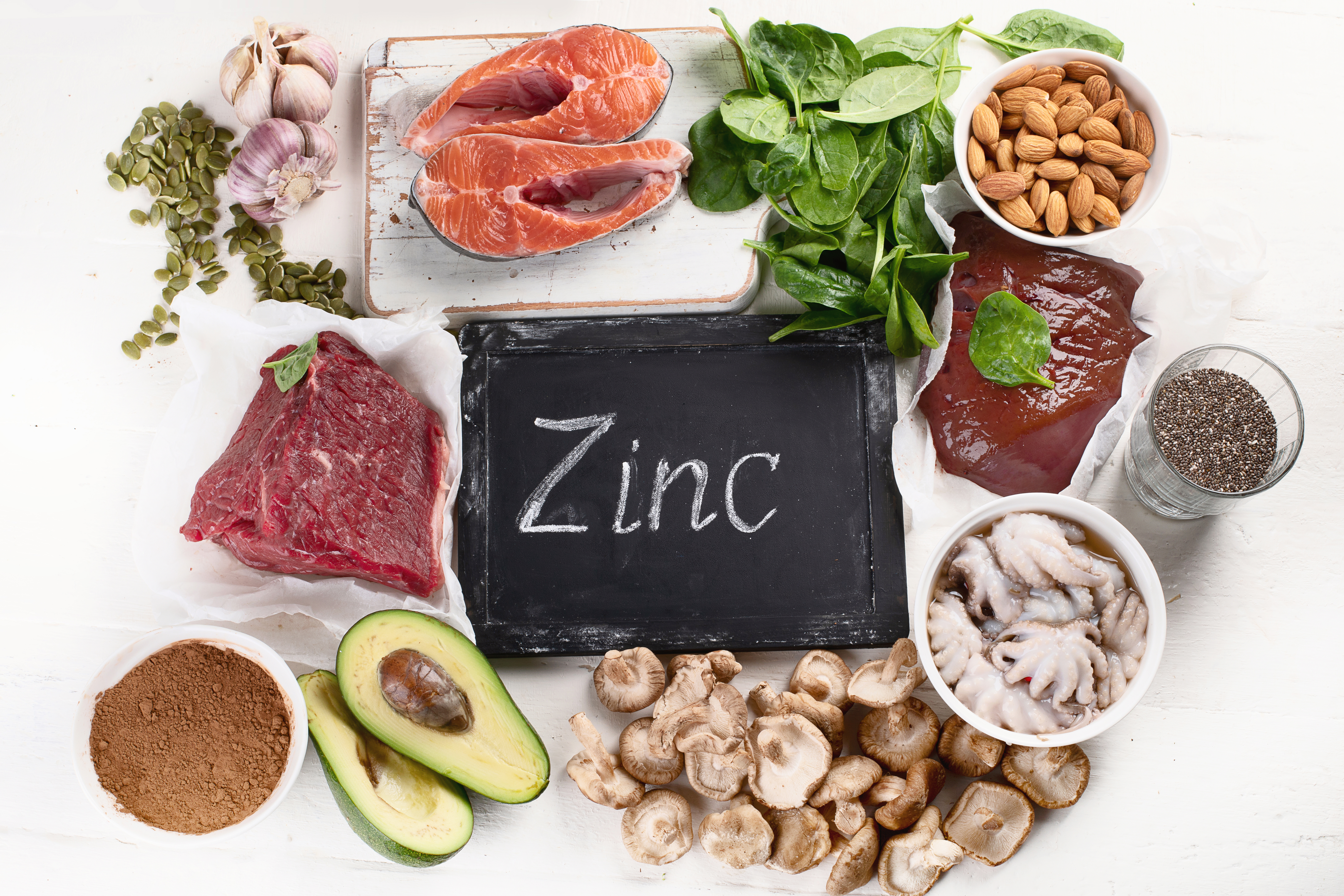
Consuming extra calcium from dairy products or supplements could put older women at risk of low zinc — unless they get extra zinc, too.
That’s the word from two studies at the U.S. Dept of Agriculture, Human Nutrition Research Center in Boston.
Zinc’s many functions include helping to maintain a healthy immune system, skin and appetite.
Calcium supplement sales have soared with the growing awareness that high intakes of this mineral help prevent osteoporosis. Richard J. Wood and associates looked for a zinc-calcium interaction in elderly women because, as a group, they tend to have low zinc intakes.
About half of U.S. women consume less than two-thirds the Recommended Dietary Allowance of 12 mg, according to survey data. And the amount of zinc people absorb from their meals decreases with age.
In one of the new studies, 18 relatively healthy women past menopause increased calcium intake to 1,360 milligrams daily — a little higher than the 1,200 mg now recommended for people over age 50. Their zinc absorption dropped by an average of about 2 milligrams. This happened regardless of whether they got the extra calcium from milk or from a calcium supplement. The study lasted 36 days.
In a second study, zinc absorption dropped by half when a group of 10 men and women took a calcium supplement with a single test meal. But adding nearly 8 milligrams of zinc to the calcium supplement offset this effect.
This data points in the direction that people taking extra calcium should also increase their zinc intake. The richest dietary sources of zinc are oysters, liver and beef, followed by whole grains, nuts, popcorn, poultry and lamb. Zinc supplements are also widely available.
Comments from the blog author Nutrition Breakthroughs: Calcium is directly related to our cycles of sleep. In one study, published in the European Neurology Journal, researchers found that calcium levels in the body are higher during some of the deepest levels of sleep, such as the rapid eye movement (REM) phase.
The study concluded that disturbances in sleep, especially the absence of REM deep sleep or disturbed REM sleep, are related to a calcium deficiency. Supplements containing calcium for sleep should also contain magnesium, vitamin D and zinc to ensure a balance of ingredients.
This news is provided by Nutrition Breakthroughs. Since 2001 Nutrition Breakthroughs has provided natural health articles and effective natural remedies. Their mission is to provide nutritional supplements that get results and help people to avoid drugs and their side effects.
Since 2009, their natural sleep remedy Sleep Minerals II has been keeping that promise — by soothing even the worst insomnia with absorbable calcium, magnesium, vitamin D and zinc, and helping everyone from teenagers, to women with menopause symptoms, to those with restless leg syndrome, to get a good night’s sleep.
Kimberly B. of Troy Michigan says: “I have been taking Sleep Minerals II for about a month now. I have tried everything out there and this supplement is amazing. I have suffered with insomnia for two and a half years and have had restless leg syndrome my entire life. This is the first relief I’ve ever had…it’s gone for a month now.”
For more information on Sleep Minerals II, visit here.

Rice bran oil is a heart-healthy oil that is used in cooking, salad oil and nutritional supplements.
It is extracted from the outer bran coats of rice. It is a rich source of vitamins, minerals, amino acids and essential fatty acids that help fight disease and promote good health.
Research studies have found that this oil reduces blood pressure and cholesterol, remedies menopausal symptoms such as hot flashes, strengthens the immune system and protects the retina of the eye.
Rice bran oil is rich in two types of natural vitamin E and also high in Oryzanol (a word that sounds like “Original”), which is a powerful antioxidant only found in rice bran oil. Antioxidants protect our tissues from deterioration and help to slow the aging process.
One example of rice oil benefiting the heart health is a study done by a team of cardiovascular scientists in Japan. The 60-day study was conducted with 300 men and women and found that a combination of rice bran oil and sesame oil reduced blood pressure by 14 points and lowered cholesterol by 26%. The oil consisted of 80% rice bran oil and 20% sesame oil.
Menopause symptoms such as hot flashes, night sweats and insomnia can plague women who are at pre-menopause or menopause. In a study of menopausal women, researchers gave the participants the active component of rice bran oil in supplement form. After four to six weeks, 90% of the women had some form of relief, with 40% claiming “excellent” improvement. The women also experienced significantly reduced cholesterol levels.
Our immune system protects and defends us from disease in all its forms. It is made up of a network of cells, tissues, and organs that work together to protect the body. The main cells involved are white blood cells called “leukocytes” which create antibodies that neutralize toxins and infections.
From the journal of Phytotherapy Research (phyto refers to plants) comes a study showing that rice bran oil evokes a significant increase in antibodies that greatly enhance immune activity.
Rice bran oil can help calcium to be absorbed better into the body. In a review article from “Progress in Lipid Research” (a lipid is a natural fat or oil), the authors write that healthy oils increase mineral utilization by enhancing the effects of vitamin D – a vitamin that works alongside calcium and magnesium. As a result, oils such as this can help calcium to be deposited into bone and improve bone strength.
This health news is provided by Nutrition Breakthroughs, maker of the effective natural sleep aid Sleep Minerals II. This sleep remedy features calcium, magnesium and vitamin D, all mixed with rice bran oil in a highly absorbable softgel.
Kimberly B. of Troy, Michigan gives her review and says: “I have been taking Sleep Minerals II for about a month now. I have tried everything out there and this supplement is amazing. I have suffered with insomnia for 2 1/2 years. I have also had restless leg syndrome my entire life and this is the first relief I’ve ever had…gone for a month now.”
For more information on Sleep Minerals II visit this page.
What is Grounding? Can it Reduce Stress, Lower Inflammation and Improve Sleep?
Posted on: September 19, 2025
Grounding, also called earthing, is a technique that involves doing activities that “ground” or electrically reconnect you to the earth. These activities may include being in direct contact with the soil (earth) like walking barefoot on the grass, or using a grounding mat or device that creates a pathway between the body and the ground. It has some studies behind it for helping with inflammation, sleep and stress. Have a peek at the studies in this article.
This health news is shared with you by Nutrition Breakthroughs, maker of the effective natural sleep aid Sleep Minerals II, and the natural solution for joint relief, allergies, pain relief and increased energy, Joints and More.

For anyone who has trouble falling asleep or staying asleep in the night, a growing body of research shows that certain fruits can naturally help to improve sleep quality.
Packed with essential minerals and vitamins, these fruits support your body in having a deeper, longer night’s sleep. This can lead to more energy in your day and more alertness, productivity, and quality time with family and friends.
Kiwi: The Sleep Booster
Kiwi is often celebrated for its impressive sleep-enhancing properties. This fruit is rich in serotonin, which helps regulate your sleep cycle. It’s also a great source of magnesium, known for its calming effects on the nervous system. A study published in the *Asia Pacific Journal of Clinical Nutrition* found that eating two kiwis an hour before bed improved sleep onset, duration, and quality (Liu, 2011). Plus, its high level of healthy plant chemicals promotes overall well-being, helping you rest more soundly.

Bananas: Magnesium-Packed for Relaxation
Bananas are another fruit known for sleep benefits. Packed with magnesium and potassium, bananas help relax your muscles, which is vital for preparing your body for restful sleep.
A study published in the *Journal of Research in Medical Sciences* revealed that magnesium can significantly improve insomnia in older adults (Abbasi, 2012). Bananas are also high in vitamin B6, which helps your body produce melatonin, a hormone crucial for regulating sleep cycles.
Cherries: Natural Melatonin Source
Cherries, especially tart cherries, are one of the few natural food sources of melatonin, the hormone that governs sleep-wake cycles. According to a study in the *European Journal of Nutrition*, consuming tart cherry juice improved sleep duration and efficiency in adults with insomnia (Howatson, 2012). The beneficial effects of melatonin in cherries helps to promote deeper, more restorative sleep.
Figs: A Calcium-Rich Sleep Aid
Figs are a lesser-known fruit that can do wonders for sleep. They are rich in calcium, a mineral that helps the brain use the amino acid tryptophan to manufacture melatonin. In addition to calcium, figs provide magnesium and potassium, which support muscle relaxation and help ease tension, both of which are key for a good night’s rest (Healthline, 2021).
Avocado: A Fruit with Vitamin D for Sleep Regulation
Avocado contains small amounts of vitamin D, as well as healthy fats. These plant-based fats help to increase the absorption of vitamin D from other foods such as mushrooms, eggs and fish. Low levels of vitamin D have been associated with shorter sleep durations and disturbed sleep patterns (from the journal “Medical Hypothesis”). Adding avocado to your evening snack, along with mushrooms or eggs, can help regulate your sleep cycle and promote longer periods of rest.
These fruits can pack some powerful sleep-enhancing benefits, helping you wake up refreshed and energized. Try incorporating these into your diet for a natural, delicious way to boost your sleep quality.
This natural health news is shared by Nutrition Breakthroughs, maker of the original and effective calcium and magnesium based sleep aid Sleep Minerals II, and Joints and More, a natural supplement for joint support, less aches and pains, stronger hair and nails, and more energy.
Suzanne G. of Tucson, Arizona says: “I am now taking the Sleep Minerals II each night. I have had insomnia for most of my life and the longer I take Sleep Minerals, the better I sleep. The best thing is that I can now get back to sleep if I wake up in the night. It has given me such a sense of peace to know that I now can be well rested during the day. I also find my brain less foggy from lack of sleep. I have tried many products on the market and this is the one that is gold. Thank you so much for producing a quality product!”

Hot flash remedies are in high demand for women. A hot flash, also called a hot flush, is a sudden unexpected feeling of warmth and often a breakout of sweating in the upper half of the body.
A night sweat is a “hot flash” that occurs in the night, often while one is sleeping. These flashes are experienced by 80% of women around the time of menopause, and men can also have them due to a lessening of testosterone in middle age.
At night time while a woman sleeps, her body temperature rises steeply just prior to a hot flash, and may cause her to wake up. The National Sleep Foundation writes that as many as 61% of post-menopausal women report having symptoms of insomnia and less satisfying sleep, due in part to hot flashes interrupting their sleep with frequent awakenings.
Dr. John R. Lee, M.D. explains the source of hot flashes in his book: “What Your Doctor May Not Tell You about Menopause”. There is an area of the brain that controls the amounts of estrogen and progesterone made by the ovaries. When these two hormones become depleted as in menopause, the brain sends out signals for the ovaries to make more hormones, but they no longer respond to these prompts.
The signaling system can go awry as the brain sends out more and more signals and actually begins to “shout”. This over-activity begins to affect adjacent areas of the brain; particularly the area that controls body temperature and sweating mechanisms — thus the occurrence of hot flashes.
Sometimes spicy food, hot beverages, caffeine, alcohol or cigarettes can bring on a hot flash. For help with night sweats in bed, keep the bedroom cool and keep a washcloth in a bowl of ice near the bed to use on the forehead or chest as needed. To minimize hot flashes during the summer weather, stay cool by using fans and drinking cold drinks. Keep air conditioners on and make sure that air is circulating throughout the room. Dress in layers so you can peel them off as needed.
Vitamins E and C have been shown in studies to help reduce hot flashes. One study supporting vitamin E was published in “Gynecologic and Obstetric Investigation” and concluded that vitamin E is effective and is a recommended treatment for hot flashes. Extensive research indicates that vitamin C strengthens blood vessels and acts as a potent health enhancement. In a study that combined vitamin C with bioflavonoids (the white matter on the inside of orange peels), 67% of the subjects reported complete relief from hot flashes.
The minerals calcium and magnesium can also help with deeper, sounder sleep and are hot flash remedies, particularly because estrogen in women and testosterone in men helps to keep these minerals in circulation in the body, and when these hormones are depleted, more frequent mineral supplementation is needed.
Sleep Minerals II from Nutrition Breakthroughs is an example of a natural insomnia remedy that provides good results for menopause symptoms. It contains highly absorbable forms of calcium and magnesium, the best minerals for sleep and insomnia, heart health, restless legs syndrome and bone strength.
The formula also includes vitamin D and zinc and is delivered in a softgel form with healthy carrier oils, making it more quickly absorbable than tablets or capsules and providing a deeper, longer-lasting sleep.
Anita L. of New Caney, Texas says: “I was having hot flashes every 30 minutes to an hour through the night and was so miserable. After about two weeks of taking the Sleep Minerals, I noticed an incredible difference with my sleep. I have much less interruption from hot flashes, I’m sleeping much better and I’m a lot more comfortable.”
Valerie from Santa Clarita, California says: “I had such bad menopause insomnia that it took me hours to fall asleep even though I was extremely tired. My legs also had crawling and tingling feelings at night. I got the Sleep Minerals and took them and after a few days, it started to work really well. I fall asleep now within 20 minutes and no more restless legs.”
Tiny Seeds, Big Power: My Journey Into the World of Flaxseeds – Katherine’s Blog
Posted on: August 21, 2025
Lovely, short article on the benefits of flax seeds and how to use them in various ways for good benefits. This health news is shared with you by Nutrition Breakthroughs, maker of the effective natural sleep aid Sleep Minerals II, and the natural solution for joint relief, allergies, pain relief and increased energy, Joints and More.

In a fast-paced world where sleep can sometimes feel like an unattainable luxury, finding natural ways to drift off peacefully can be a life-saver.
Thankfully, there are some drinks for sleep that are packed with ingredients that promote a deeper, longer-lasting rest. Have a look at these top 10 drinks that can help you achieve a night of restful slumber, featuring natural vitamins, minerals and herbs.
Chamomile tea
Chamomile tea is the superstar of bedtime drinks for sleep. It contains apigenin, a powerful plant substance that binds to areas in the brain to promote sleepiness and reduce insomnia Think of it as a gentle nudge towards your pillow (from a 2011 study).
Sour Cherry Juice for Sleep
Tart cherry juice is a natural source of melatonin, the hormone responsible for regulating the sleep and wake cycles. Research has shown that drinking tart cherry juice can significantly improve sleep duration and quality of sleep (from a 2010 study).
Warm milk
Warm milk isn’t just a comforting childhood memory. It’s rich in calcium and tryptophan, an amino acid that boosts melatonin levels, promoting sleep.
Almond Milk
Almond milk is a fantastic source of magnesium and calcium, both of which are crucial for good sleep. Magnesium helps relax the muscles and nerves and calms the body and mind (from a study in the Journal of Natural Medicine).
Banana Smoothie
Bananas are loaded with magnesium, potassium, and vitamin B6, which aid in the production of melatonin. Blend a fresh or frozen banana with one cup of milk or almond milk and a half cup of ice, and you’ve got a delicious, sleep-inducing smoothie (from the Role of Bananas in the Sleep-Wake Cycle; Journal of Food Science and Technology).
Lemon Balm Tea
Lemon balm, a member of the mint family, has been shown to reduce anxiety and improve sleep. Its calming effects can help ease you into a restful night’s sleep (from a 2006 study).
Golden Milk
Golden milk, made with turmeric, milk, and honey, is not only delicious but also packed with sleep-enhancing properties. Turmeric contains curcumin, which has been shown to reduce inflammation and improve mood, indirectly promoting better sleep (from a 2019 study).
To make golden milk, combine 1 cup milk (or almond, coconut, oat milk), a half teaspoon turmeric powder, and one teaspoon honey or maple syrup. Boil and then simmer for 3 to 5 minutes, cool and enjoy.
Oat Straw Tea
Oat straw is an herb rich in calcium, magnesium, and vitamins. It’s known for its calming effects on the nervous system, making it an excellent choice for a bedtime beverage (from Nutritional Neuroscience).
Passionflower Tea
Passionflower tea can increase levels of GABA, a brain chemical that helps reduce stress and promote relaxation (from a Phytotherapy Journal; meaning plant therapy).
Coconut Water
Coconut water is rich in magnesium and potassium. If there is a deficiency of these minerals, it can lead to insomnia, leg cramps, and more. Coconut water is high in minerals and is a hydrating and soothing option for winding down at the end of the day.
Sip, Relax and Sleep
Try whichever one first that is the most appealing to you and start with small amounts. Observe the effects it has on your sleep and see if it agrees with you. If it doesn’t help, try the next one. You will certainly find one or more natural drinks for sleep that will help you relax. If you are taking any medications, keep in touch with your doctor and let them know which drinks you are trying.
With these delicious and scientifically-backed drinks for sleep, you’ll be on your way to a peaceful, rejuvenating night’s rest. So raise a cup to sweet dreams, sleep well, and wake up refreshed and ready to tackle the day!
This health news is shared by Nutrition Breakthroughs, maker of the original calcium and magnesium based sleep aid Sleep Minerals II, and Joints and More, a natural supplement for joint relief, less aches and pains, stronger hair and nails, and more energy.
References
- Pigeon, W. R., Carr, M., Gorman, C., & Perlis, M. (2010). Effects of a tart cherry juice beverage on the sleep of older adults with insomnia: a pilot study. Journal of Medicinal Food, 13(3), 579-583.
- Zick, S. M., Wright, B. D., Sen, A., & Arnedt, J. T. (2011). Preliminary examination of the efficacy and safety of a standardized chamomile extract for chronic primary insomnia: a randomized placebo-controlled pilot study. BMC Complementary and Alternative Medicine, 11(1), 78.
- Barbagallo, M., & Dominguez, L. J. (2010). Magnesium and aging. Current Pharmaceutical Design, 16(7), 832-839.
- Balderas, J., González-Dávalos, L., & Alonso, R. (2013). Role of bananas in the sleep-wake cycle. Journal of Food Science and Technology, 50(6), 1269-1276.
- Kennedy, D. O., Little, W., & Scholey, A. B. (2006). Attenuation of laboratory-induced stress in humans after acute administration of Melissa officinalis (Lemon Balm). Psychosomatic Medicine, 68(5), 732-737.
- Jahromi, S. R., Maleki, M., & Berrang, J. M. (2019). The effects of curcumin on sleep deprivation: a review. Neurochemical Research, 44(3), 499-507.
- Mitchell, J., Smith, M., & Macleod, K. (2011). Oat straw extract improves cognitive performance in healthy adults. Nutritional Neuroscience, 14(5), 236-242.
- Ngan, A., & Conduit, R. (2011). A double-blind, placebo-controlled investigation of the effects of Passiflora incarnata (passionflower) herbal tea on subjective sleep quality. Phytotherapy Research, 25(8), 1153-1159.
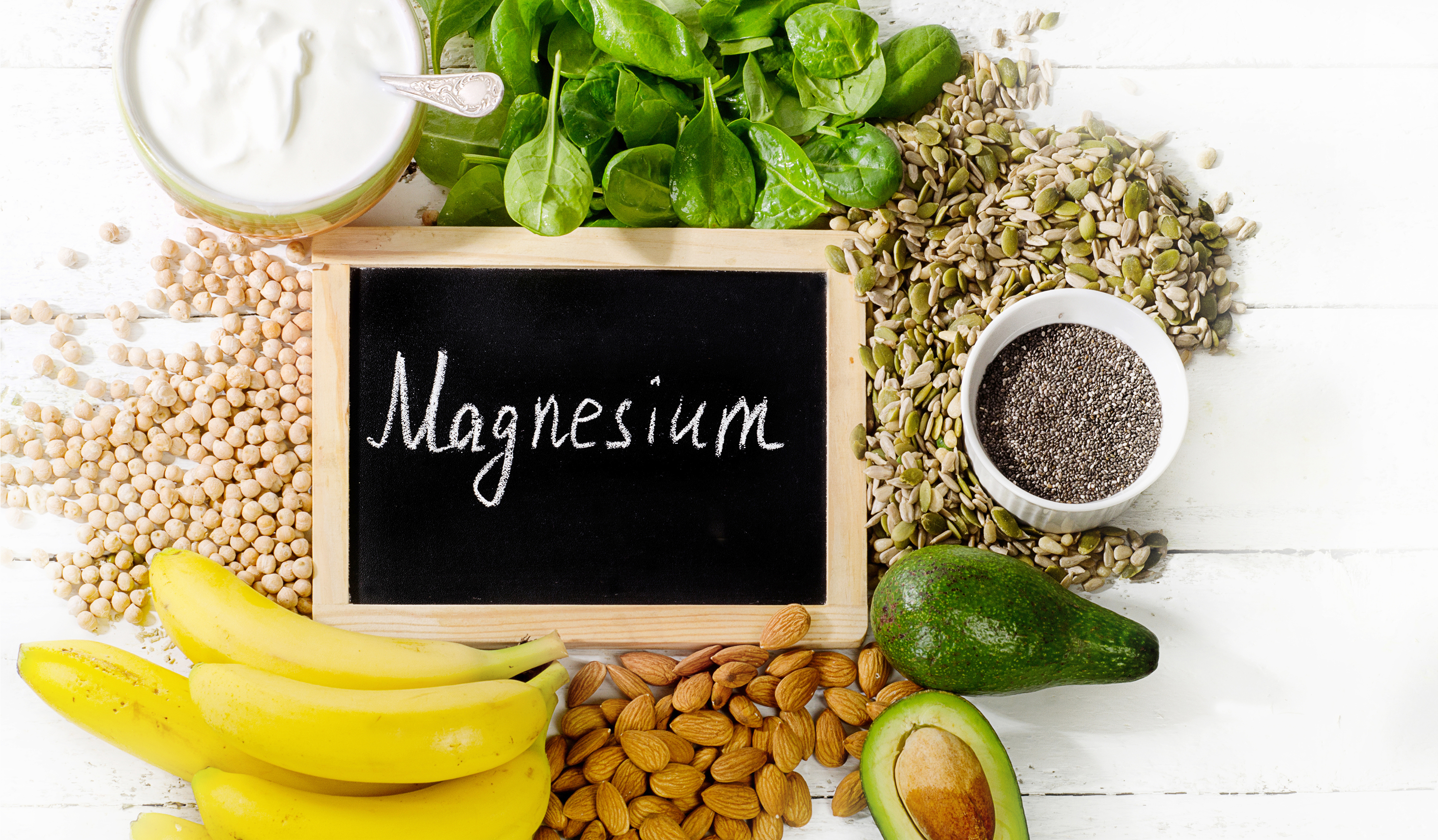
This is a valuable guide and overview of the health benefits of magnesium, its deficiency symptoms, its best food sources and more. According to the National Health and Nutrition Examination Survey, 50% of adults are deficient in magnesium and 75% of older adults are deficient
This health news is shared with you by Nutrition Breakthroughs, maker of the effective natural sleep aid Sleep Minerals II, and the natural solution for joint relief, allergies, pain relief and increased energy, Joints and More.
 News on Natural Remedies, Good Sleep and Good Health