 Which vitamins and minerals are the most famous ones for their role in supporting good sleep? These definitely would be calcium, magnesium and vitamin D.
For example, a study in the European Neurology Journal tested calcium levels in the blood during sleep and discovered that calcium peaks at a high point during the deepest levels of sleep such as the rapid eye movement phase (REM), when dreaming occurs.
Recent studies are showing that a lesser-known vitamin also plays a vital role in preventing insomnia – the eye strengthening Vitamin A.
With the National Sleep Foundation reporting that close to 60% of Americans are experiencing sleeplessness and insomnia at least a few nights per week, many people are spending a lot of time and energy searching for some effective, natural ways to sleep better. One study on vitamin A that’s related to sleep was published in the PLOS Journal (Public Library of Science).
The researchers selected 2,459 adults aged 20 to 85. They discovered that people who have lower blood levels of vitamin A have higher odds of having a shorter sleep duration (i.e. 5-6 hours per night), compared to those with more vitamin A having a better sleep duration (7-8 hours per night).
Vitamin A, long-known for its benefits to healthy eyes and vision, is also a key to helping regulate the sleep-wake cycle. When light from the sun enters the eyes, it’s vitamin A that provides the middle step for the brain to then know it’s day and not night. With adequate vitamin A in the eyes at night when it’s dark, one’s night vision will be strong – unless most of the vitamin A is used up for its light translation duties in the day time. If the eyes are weaker at night, this is a possible sign of vitamin A deficiency. When the vitamin A sunlight signal grows weaker, the body knows it’s nearing time to go to sleep.
The best ways to get adequate vitamin A is through whole foods – namely egg yolks, butter, vegetables with a green, yellow and orange color, liver and cod liver oil. Vitamin A supplements are also an option, but are best taken as part of a diet that includes healthy sources of vitamin A, as well as good sources of other important vitamins and minerals. Eating a healthy diet would include grass fed meats, poultry and fish, a rainbow of organic vegetables, and good fats like avocados, coconut oil and olive oil.
Another thing to consider for helping to prevent insomnia is reducing the use of electronics and TV at night or at least turning them off an hour before bed, in order to limit their melatonin-blocking effects. In an article from the Lighting Research Center at Rensselaer Polytechnic Institute, the researchers said: “Our study showed that a two-hour exposure to light from self-luminous electronic displays can suppress melatonin by about 22 percent. Stimulating the human circadian (wake-sleep cycle) system to this level may affect sleep in those using the devices prior to bedtime.”
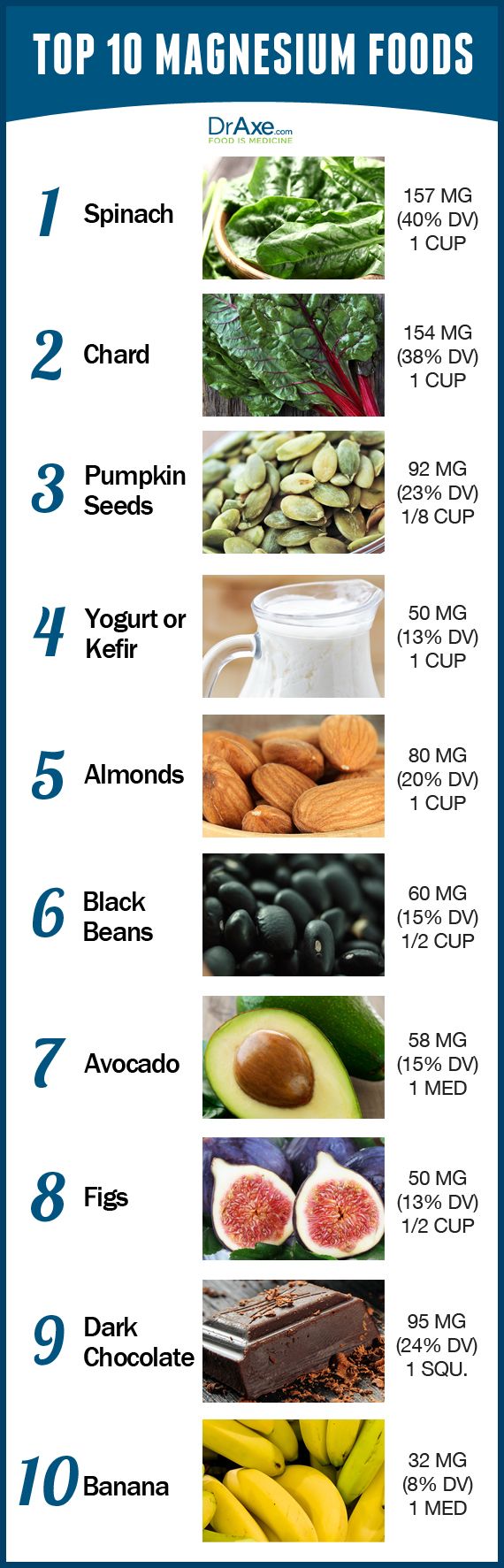
Magnesium has been shown in several studies to relieve insomnia. In one study from the University of Iran, people with insomnia were given magnesium tablets twice a day for eight weeks. They experienced significant increases in quality sleep time, with less night time interruptions and fewer early morning awakenings. Magnesium can be found in foods such as green leafy vegetables, pumpkin seeds, almonds, avocados, figs, bananas, brown rice, and other nuts and seeds. Magnesium supplements are a good option as well, particularly those containing magnesium citrate which is highly absorbable.
One supplement shown to have good results for insomnia is Sleep Minerals II from Nutrition Breakthroughs. This formula contains highly absorbable forms of calcium citrate and magnesium citrate, the best minerals for sleeplessness and insomnia, as well as for heart health, restless legs syndrome, bone strength and menopause insomnia. It also includes vitamin D and zinc and is delivered in a softgel form with healthy carrier oils, making it more quickly absorbable than tablets or capsules and providing a deeper, longer-lasting sleep.
Tammy M. of Meridian, Idaho says: “I was plagued with insomnia for five years and desperate for a breakthrough. Nothing has helped me more than Sleep Minerals — I*m so sold on them I could go door to door promoting them. I*m 60 years old and have never slept so soundly.”
To sum it up, good strategies for sleeping well and avoiding insomnia include having some good sun exposure during the day, limiting use of electronic devices at night, doing some regular moderate exercise, eating a nutritious diet, and using some key supplements.
This natural health news is provided by Nutrition Breakthroughs, a publisher of nutrition articles and supplier of effective natural remedies since 2001. Nutrition breakthroughs makes Sleep Minerals II, the effective natural sleep aid with calcium, magnesium, zinc and vitamin D, and also Joints and More, the natural solution for joint relief, aches and pains, stronger hair and nails and more energy.

 News on Natural Remedies, Good Sleep and Good Health