News on Natural Remedies, Good Sleep and Good Health

Posts Tagged ‘joints and more

vitamin e foodsA study from the journal “Oxidative Medicine and Cellular Longevity” has demonstrated that vitamin E can prevent and treat the loss of muscle mass and strength that occurs as people age.  This loss of muscle is known as “sarcopenia”.

Regarding the word “oxidative” that is included in the journal name, this refers to the process in our bodies where we process the oxygen we breathe in, and our cells produce energy from it.

This process can become imbalanced and create a state of “oxidative stress” if we don’t consume enough “anti” oxidants such as vitamins E, C and A.  Besides the body’s own natural metabolism functions, sources of oxidative stress can include pollution, medications or drugs, smoke, infection, stress, toxins, or a poor diet.

The researchers explain that vitamin E creates healthy muscles because a reduced level of vitamin E or a deficiency in the body is associated with an increased risk of muscle atrophy (shrinkage).  The vitamin can prevent muscle damage and encourage muscle regeneration.

Muscles in the body are particularly susceptible to oxidative damage as these are the site of the highest consumption of oxygen. Vitamin E is a fat soluble vitamin that greatly boosts cellular antioxidant capacity.  Because of this, vitamin E can be beneficial for preventing the effects of aging and for also treating infections, cardiovascular diseases, diabetes and neurological disorders.

Several studies have demonstrated an association between vitamin E levels and the amount of muscle strength or weakness.  One study in Italy was done with 1,156 participants between 65 years old and 102.  Knee extension strength tests showed that a daily intake of vitamin E is significantly related to a person’s total physical performance and strength.

Another group of scientists proved the beneficial effects of vitamin E in reversing muscle damage during extensive exercise in men.  The men took 800 units of Vitamin E daily for 28 days.  After a downhill run, their oxidative stress indicators were measured and were shown to be markedly reduced in both the older and younger men.

Vitamin E has many pathways by which it brings its beneficial health effects.  In addition to being a powerful antioxidant, it is also an effective anti-inflammatory vitamin.  It may halt the overall inflammation in the body by suppressing certain reactive cells of the immune system.  These inflammatory responses and cells have a direct affect on muscle strength and mass as well, so vitamin E does its good deeds in benefiting the muscles in this additional way.

Inactivity and immobility can lead to muscle wasting, so the researchers highly encourage low intensity exercises as an effective means to increase muscle strength and performance.  This may include walking, lifting light weights, doing squats, etc.  This also increases a person’s ability to balance and control the body well.  Combining a healthy diet with nutrition supplements and exercise is the most highly recommended approach to improved muscle strength.

Vitamin E has also been shown to ease arthritis pain and stiffness.  One study showed that pain parameters were significantly decreased after vitamin E treatment when compared with placebo.

This natural health news is provided by Nutrition Breakthroughs, a publisher of nutrition articles and supplier of natural remedies since 2002. Nutrition Breakthroughs makes Sleep Minerals II, the effective natural sleep aid with calcium, magnesium, zinc and vitamin D, and also Joints and More, the natural solution for joint relief, aches and pains, stronger hair and nails and more energy.


Article source: http://www.nutritionbreakthroughs.com/blog/2018/03/22/new-research-vitamin-e-prevents-muscle-loss-with-aging/

Tags: , , , , , , , , , , , , , , , , , , , , , , , , , , , , , , , , , , , , , , , , , , , , , , , , , , , , , , , , , , , , , , , , , , , , , , , , , , , , , , , , , , , , , , , , , , , , , , , , , , , , , , , , , , , ,

sleeping ladyThe National Sleep Foundation defines insomnia as difficulty with falling asleep, staying asleep, or both, especially when someone has the opportunity to do so.  The effects of insomnia include fatigue, low energy, decreased productivity at work and school, depression, and an increased chance of accidents.

Sleeping drugs are resorted to by up to 25% of the U.S. population, yet because of their strong side effects and next-day grogginess, many people are actively seeking natural remedies to calm insomnia and provide them with restful sleep.  The well-known sleep minerals calcium and magnesium are good examples of relaxing nutritional therapies for insomnia.

James F. Balch, M.D., author of Prescription for Nutritional Healing, writes: “A lack of the nutrients calcium and magnesium will cause you to wake up after a few hours and not be able to return to sleep.”  And Doctor William Sears writes: “Calcium helps the brain use the amino acid tryptophan to manufacture the sleep-inducing substance melatonin.”

Two interesting studies from the Journal of Advanced Nursing have emerged which show that listening to soothing music before bedtime is another effective way to reduce sleeping problems.  In the first study, 94 students between 19 and 28 years old with sleeping difficulties were divided into three groups. Group one listened to relaxing classical music for 45 minutes at bedtime.  Group two listened to an audio book, and group three made no changes to their bedtime routine.

The results showed that after the 3-week study period, classical music was proven to significantly improve sleep quality.  Symptoms of depression were reduced markedly.  There were no improvements in sleep in the other two groups.

The second study took place in Taiwan with 60 adults between the ages of 60 and 83.  They were divided into two groups.  Half of the participants were allowed to listen to their choice of music from among several different sedative music tapes at bedtime.  At the end of the study, the group listening to the music experienced longer sleep duration, less night time awakenings, better perceived sleep quality and fewer daytime symptoms of insomnia.

The researchers noted that music can decrease anxiety and blood pressure and can cause its positive effects on sleep due to muscle relaxation and providing a distraction from repeated thoughts.

This natural health news is provided by Nutrition Breakthroughs, a publisher of nutrition articles and supplier of natural remedies since 2002. Nutrition Breakthroughs makes Sleep Minerals II, the effective natural sleep aid with calcium, magnesium, zinc and vitamin D.

Sleep Minerals II contains highly absorbable forms of calcium and magnesium and is effective for sleeplessness and insomnia, as well as for heart health, restless leg syndrome, bone strength, menopause insomnia and teenage insomnia. It is delivered in a softgel form mixed with natural rice bran oil, making it better assimilated than tablets or capsules and providing a deeper, longer-lasting sleep.

Tammy M. of Meridian, Idaho says: “I was plagued with insomnia for five years and desperate for a breakthrough. Nothing has helped me more than Sleep Minerals — I*m so sold on them I could go door to door promoting them.  I*m 60 years old and have never slept so soundly.”

Music and minerals may just be the very best combination for combating insomnia and increasing energy and well-being.


Article source: http://www.nutritionbreakthroughs.com/blog/2017/10/31/insomnia-remedies-soothing-music-proven-to-be-effective/

Sleep better with Sleep Minerals II*********************************
Written for you by Nutrition Breakthroughs, maker of the original calcium and magnesium based sleep aid Sleep Minerals II

*********************************
Greetings to you,

Below is a helpful new chart from the National Sleep Foundation.  It contains some interesting statistics on sleep and insomnia, as well as the common causes.  Insomnia is defined as the inability to fall asleep, stay asleep, return to sleep, or can include all of these.  When someone experiences insomnia for at least three nights per week for at least three months, it is considered “chronic insomnia”.

Forty million Americans experience insomnia each year and there is an increased prevalence of insomnia in women and older adults.  It can be caused by stress, anxiety, depression, or major life changes such as with jobs or relationships.  Other causes of sleeplessness include various medical conditions or poor sleep habits such as going to bed too late, consuming caffeine too late in the day, or using computers or cell phones too close to bed time.

Many natural sleep remedies are making the news headlines lately, with research and studies discovering ones that are drug-free and effective.  For example, one study called “The Nutritional Relationships of Magnesium”, found that the type of insomnia associated with a calcium deficiency causes difficulty with falling asleep.

On the other hand, the classical sign of magnesium deficiency is insomnia characterized by falling asleep easily, but awakening frequently throughout the night, with individuals finding themselves tired even after several hours of sleep.

Walking has been shown to help with insomnia. Studies at the University of Arizona found that walking more than six blocks a day at a normal pace significantly improves sleep at night for women.  Scientists suspect that this exercise helps set our biological clock into a consistent wake/sleep pattern, or that it may boost the brain’s production of melatonin, a chemical in the brain that’s produced at night time and encourages good sleep.

Tart cherry juice is another proven natural sleep remedy. In a study published in the European Journal of Nutrition, researchers found that drinking tart Montmorency cherry juice results in significant sleep improvements such as longer overall sleep time, less daytime napping, and increased overall sleep efficiency (the ratio of the time spent in bed to the time spent sleeping).  The researchers credited the benefits of cherry juice to its high natural melatonin content.

A handful of walnuts with dinner or in the evening can also improve sleep.  Russel Reiter, Ph.D., a professor of cellular biology at the University of Texas Health Science Center says, “Relatively few foods have been examined for their melatonin content. Our studies demonstrate that walnuts contain melatonin, that it is absorbed when it is eaten, and that it improves our ability to resist stress in the body and also keep the heart healthy.”

Natural remedies can be a strong force in the fight against insomnia.  Those with sleeping problems are encouraged to seek out and try ones that may assist them to get a regular good night’s sleep.

Here is the insomnia chart:

Insomnia chart national slep foundation
This natural health news is provided by Nutrition Breakthroughs, a publisher of nutrition articles and supplier of natural remedies since 2002. Nutrition Breakthroughs makes Sleep Minerals II, the effective natural sleep aid with calcium, magnesium, zinc and vitamin D, and also Joints and More, the natural solution for joint relief, aches and pains, stronger hair and nails and more energy.


Article source: http://www.nutritionbreakthroughs.com/blog/2018/03/02/new-insomnia-chart-with-definitions-and-sleep-remedies/

By Kayla McDonell, RD (Registered Dietician) | Courtesy of Authority Nutrition

Coconut oil for teeth and gums*******************************************
Shared by Nutrition Breakthroughs,
maker of the effective calcium and magnesium based sleep aid Sleep Minerals II

*******************************************

Coconut oil has been getting a lot of attention lately, and for good reason.

It’s linked to numerous health benefits, including weight loss.

There have also been claims that it can clean and whiten your teeth, while helping to prevent tooth decay.

This article examines the latest research on coconut oil, your dental health and teeth.

What is Coconut Oil?

Coconut oil is an edible oil extracted from coconut meat, and is one of the world’s richest sources of saturated fat.

However, coconut fat is unique because it is made almost entirely of medium-chain triglycerides (MCTs).

MCTs are metabolized differently than the long-chain fatty acids found in most other foods, and have many potential health benefits.

Lauric acid is a medium-chain fatty acid that makes up almost 50% of coconut oil. In fact, this oil is the richest source of lauric acid known to man.

Your body breaks lauric acid down into a compound called monolaurin. Both lauric acid and monolaurin can kill harmful bacteria, fungi and viruses in the body.

According to research, lauric acid is more effective at killing these pathogens than any other saturated fatty acid (1).

What’s more, studies suggest that many of the health benefits associated with coconut oil are directly caused by lauric acid (2).

The most popular ways to use coconut oil for your teeth are using it in a process called “oil pulling,” or making toothpaste with it. Both are explained later in the article.

Bottom Line: Coconut oil is an edible oil extracted from the meat of coconuts. It is high in lauric acid, which has been known to kill harmful bacteria, fungi and viruses in the body.

Lauric Acid Can Kill Harmful Mouth Bacteria

Half a Coconut and a Spoon with Coconut Oil

One study tested 30 different fatty acids and compared their ability to fight bacteria.

Of all the fatty acids, lauric acid was the most effective (3).

Lauric acid attacks harmful bacteria in the mouth that can cause bad breath, tooth decay and gum disease (4).

It is particularly effective at killing an oral bacteria called Streptococcus mutans, which is a leading cause of tooth decay.

Bottom Line: The lauric acid in coconut oil attacks harmful bacteria in the mouth that can cause bad breath, tooth decay and gum disease.

It Can Reduce Plaque and Fight Gum Disease

Coconut Oil on Wooden Table

Gum disease, also known as gingivitis, involves inflammation of the gums.

The main cause of gum disease is the buildup of dental plaque due to harmful bacteria in the mouth.

Current research shows that coconut oil can decrease plaque buildup on your teeth and fight gum disease.

In one study, oil pulling with coconut oil significantly decreased plaque buildup and signs of gingivitis in 60 participants with plaque-induced gum disease (5).

What’s more, a significant decrease in plaque was noticed after just 7 days of oil-pulling, and plaque continued to decrease over the 30-day study period.

After 30 days, the average plaque score decreased by 68% and the average gingivitis score decreased by 56%. This is a major decrease in both plaque and gum inflammation.

Bottom Line: Oil pulling with coconut oil helps decrease plaque buildup by attacking harmful mouth bacteria. It can also help fight gum disease.

It Can Prevent Tooth Decay and Loss

Coconut oil attacks Streptococcus mutans and Lactobacillus, which are the two groups of bacteria primarily responsible for tooth decay (6).

Several studies suggest that coconut oil can reduce these bacteria as effectively as chlorhexidine, which is the active ingredient used in many mouth rinses.

For these reasons, coconut oil can help prevent tooth decay and loss.

Bottom Line: Coconut oil attacks the harmful bacteria that cause tooth decay. Studies have shown that it can be as effective as some mouth rinses.

How to Oil Pull With Coconut Oil

A Jar of Coconut Oil and a Teaspoon

Oil pulling is a growing trend, but it’s not a new concept.

In fact, the practice of oil pulling started in India thousands of years ago.

Oil pulling is the act of swishing oil in your mouth for 15 to 20 minutes and then spitting it out. In other words, it’s like using oil as a mouthwash.

Here’s how to do it:

  • Put a tablespoon of coconut oil in your mouth.
  • Swish the oil around for 15–20 minutes, pushing and pulling it between teeth.
  • Spit out the oil (into the trash or toilet, since it can clog sink pipes).
  • Brush your teeth.

The fatty acids in the oil attract and trap bacteria so each time you oil pull, you are removing harmful bacteria and plaque from your mouth.

It’s best to do this right away in the morning, before you eat or drink anything.

Bottom Line: Oil pulling is the act of swishing oil in your mouth for 15 to 20 minutes and then spitting it out. It removes harmful bacteria and plaque.

Homemade Toothpaste with Coconut Oil

Coconut Oil, a Toothbrush and a Coconut Slice

Coconut oil has many uses, and you can also make your own toothpaste with it.

Here is a simple recipe:

Ingredients

  • 0.5 cup coconut oil.
  • 2 tablespoons baking soda.
  • 10–20 drops of peppermint or cinnamon essential oil.

Directions

  1. Heat the coconut oil until it becomes soft or liquid.
  2. Stir in the baking soda and mix until it forms a paste-like consistency.
  3. Add the essential oil.
  4. Store toothpaste in a sealed container.

To use, scoop it with a small utensil or toothbrush. Brush for 2 minutes, then rinse.

Bottom Line: In addition to oil pulling, you can make your own toothpaste using coconut oil, baking soda and essential oil.

Take Home Message

Coconut oil attacks the harmful bacteria in your mouth.

It can reduce plaque buildup, prevent tooth decay and fight gum disease.

For these reasons, oil pulling or brushing your teeth with coconut oil can significantly improve oral and dental health.

This nutrition article is shared by Nutrition Breakthroughs, maker of the effective calcium and magnesium based sleep aid Sleep Minerals II, as well as Joints and More, providing joint relief, better hair and nails, and more energy.

Article source: https://authoritynutrition.com/coconut-oil-and-teeth/

olive oil prevents osteoporosisAccording to the International Osteoporosis Foundation: “Osteoporosis and low bone mass are currently estimated to be a major public health threat for almost 44 million women and men aged 50 and older in the USA.”

The very good news is that a tasty food oil has been shown to help protect the bones as people age.  A recent study from the International Journal of Environmental Research and Public Health has discovered that olives, olive oil and their potent plant nutrients called “polyphenols”, have a high potential for strengthening bones and preventing osteoporosis.

Studies with animals and humans show evidence that the bone protective effects of olives and oil are caused by three different abilities.  These foods can inhibit the breakdown of bone and its minerals; they have a positive effect on new bone formation; and the unique underlying action behind this is the power of olives to suppress inflammation and stress in the body.

Cellular studies have demonstrated that the plant nutrients in olives enhance the growth of cells that form new bone and decrease the growth of bone cells that break down bone tissue. Human studies revealed that daily consumption of olive oil could prevent a decline in bone mineral density.  The research scientists concluded that eating olives, olive oil and their specific plant nutrients, are effective dietary improvements to keep bones strong and prevent osteoporosis.

Other studies have found that olive oil can protect against high blood pressure, heart disease, stroke, Alzheimer’s disease and diabetes.  Some good ways to eat olive oil is to use it in salad dressings and on vegetables, rub it on meat and fish before cooking to keep it moist, use it instead of butter in sauces and gravies, spread it on fresh bread, and saute or cook food with it.

This natural health news is provided by Nutrition Breakthroughs, a publisher of nutrition articles and supplier of natural remedies since 2002. Nutrition Breakthroughs makes Sleep Minerals II, the effective natural sleep aid with calcium, magnesium, zinc and vitamin D.  The company also makes Joints and More, the natural solution for joint relief, aches and pains, stronger hair and nails and more energy.

A revealing discovery was made In the middle of the seventeenth century.
An Englishman named Harvey discovered that the job of the heart is to pump
the blood throughout the body, almost in a continuous circle – carrying food
and other substances to all the cells, muscles, bones and skin.  Indeed, the
heart is an intricate and capable machine, composed almost entirely of muscle.

As the heart is basically a muscle, its strength can be greatly increased with
regular exercise and physical activity.  One example is a study from the Journal
of the American Medical Association where researchers followed the exercise
activity of 10,224 men and 3,120 women for eight years.  The interesting thing
they learned is that higher levels of physical fitness can prolong people*s lives
overall, mostly due to lowered rates of cardiovascular (heart) disease and
cancer (1).

Another study found that lack of physical activity is a definite
risk factor for the development of heart disease (2). 

Brisk walking is an excellent choice of exercise (one of the best), and so is stair
climbing, calisthenics, jogging, bicycling, swimming and various team sports.
These are all very beneficial when done regularly. If you*re just beginning an
exercise program, take it slowly at first and build it up gradually. Be sure to
include some training for your arms, as the heart rate and blood pressure
response during arm exercise is even higher than with leg exercise (3).

There are some unique heart-loving foods and supplements that have proven
themselves winners for increasing the health of the heart and blood vessels.
These include fish, fish oil capsules, garlic, Vitamin E, Vitamin C, and
Co-enzyme Q10. Eating fish and/or taking fish oil supplements is a good
source of omega-3 fatty acids. Omega-3 is a special type of fat that he body
cannot make by itself and is as vital to the health as vitamins. In the
Netherlands, eating a mere one ounce of fish daily was associated with 50%
fewer deaths from coronary heart disease — in other words, it cut the risk
in half (4).   In another study done in the UK, fish oil greatly improved the
function of small arteries in patients with excess cholesterol in their blood (5).

Cholesterol is not an entirely bad thing — In fact, it is vital for the health of
the body.  The body uses it as the basis for making adrenal hormones, sex
hormones, cell membranes, and vitamin D. The problem occurs when
cholesterol accumulates in the veins and arteries to high levels and begins
to clog them.

Garlic is a favorite plant for lowering cholesterol. It also inhibits
blood clotting and reduces blood pressure (Preventive Medicine,
1987, vol. 16).  The best way to benefit from garlic is to eat it raw or
cooked on a frequent basis. It is also beneficial in supplement form.

Vitamin E and C are powerful antioxidant vitamins. An *anti* oxidant is a
compound that protects tissues from the damage caused by oxygen when
it acts to produce free radicals.  Free radicals are molecules that have lost
one of their electrons and become highly unbalanced.  In order to obtain
the missing electron, they attack other molecules and modify their chemical
structure.  This can create a chain reaction that in essence, causes our
bodies to rust from the inside out.  Free radicals play a primary role in the
aging process and contribute to degenerative diseases such as heart disease
and cancer.  Vitamins C and E are two of the most effective antioxidants. 

One study of 11,178 people, aged 67 to 105 years old, found very good results
from combining vitamins E and C. (6) Those who were taking vitamin E
supplements at the beginning of the study had a 34% lower risk of death from
heart disease than those who were not. The combination of vitamins E and C
together created a total risk reduction of 53%.

Coenzyme Q10 is another uniquely potent antioxidant. It is also known as
ubiquinone.  It comes from “ubiquitous” which means “found everywhere” as
it is found in every cell in the body. CoQ10 was first used by the Japanese to
strengthen the heart muscle. Heart patients who have supplemented with
CoQ10 have had positive results, particularly in protecting the heart from
insufficient blood flow. In one study, treatment with Q10 four times a day for
four weeks reduced the frequency of angina attacks (heart pain) by 53 percent
and also increased the patient’s exercise tolerance — all without any side
effects (American Journal of Cardiology, 1985, vol. 56).

Keep your heart happily humming along by doing a variety of enjoyable
exercises and adding some heart-loving foods and supplements to your diet.

This natural health news is provided by Nutrition Breakthroughs,
a publisher of nutrition articles and supplier of natural remedies
since 2002. Nutrition Breakthroughs makes Sleep Minerals II, the
effective natural sleep aid with calcium, magnesium, zinc and
vitamin D, and also Joints and More, the natural solution for joint
relief, aches and pains, stronger hair and nails and more energy.

REFERENCES:

1. Blair SN, Kohl HW III, Paffenbarger RS Jr, Clark DG, Cooper KH, Gibbons
LW. Physical fitness and all-cause mortality: a prospective study of healthy
men and women. JAMA.. 1989;262:2395-2401

2. Powell KE, Thompson PD, Caspersen CJ, Kendrick JS. Physical activity
and the incidence of coronary heart disease. Annu Rev Public Health..
1987;8:253-287

3. Franklin BA, Vander L, Wrisley D, Rubenfire M. Aerobic requirements of
arm ergometry: implications for exercise testing and training. Phys Sports Med

4 Kromhout D, Bosschieter EB, de Lezenne Coulander C. The inverse relation
between fish consumption and 20-year mortality from coronary heart disease.
N Engl J Med 1985;312:1205-9

5. Grahame K. Goode, MB “Dietary Supplementation With Marine Fish Oil
Improves In Vitro Small Artery Endothelial Function in Hypercholesterolemic
Patients” (Circulation. 1997;96:2802-2807.

6. Stampfer M, et al. Vitamin E consumption and the risk of coronary heart
disease in women. N Engl J Med. 1993;328:1444-1449.


Article source:
http://www.nutritionbreakthroughs.com/html/keep_your_heart_
humming_with_h.html

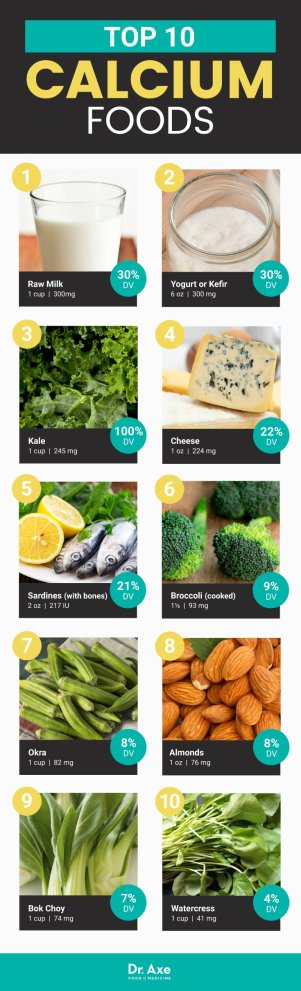
Calcium foods and sourcesGreetings to you,

Here is a valuable chart of the best food sources of calcium, some of which may actually be a surprise.

Calcium is one of the most famous of all minerals due to its vast array of benefits to our health. Dr. Linus Pauling, the two-time Nobel Prize winner said: “You can trace every sickness, every disease, and every ailment to a mineral deficiency.”

Studies have proven that calcium increases bone health, reduces high blood pressure, relaxes the nerves and muscles, prevents colon cancer and kidney stones, and acts as an effective remedy for insomnia and sleeplessness.

Adelle Davis, one of the first nutritionists to base her recommendations on scientific studies, says:  “A calcium deficiency often shows itself by insomnia, another form of an inability to relax. The harm done by sleeping tablets, to say nothing of the thousands of dollars spent on them, could largely be avoided if the calcium intake were adequate.”

Calcium was discovered by the British chemist Sir Humphry Davy in the early 1800’s.  Regarding stomach and colon health, a 2007 study in the Journal of the National Cancer Institute found that calcium protects high-risk people from developing the polyps (growths in the large intestine) that can lead to cancer in the large bowel.

Calcium supplements were also shown to help prevent kidney stones in a 2008 study at the University of Wisconsin School of Medicine.

Calcium is directly related to our cycles of sleep. In one study, published in the European Neurology Journal, researchers found that calcium levels in the body are higher during some of the deepest levels of sleep, such as the rapid eye movement (REM) phase. The study concluded that disturbances in sleep, especially the absence of REM deep sleep or disturbed REM sleep, are related to a calcium deficiency.

William Sears, M.D. writes: “Calcium helps the brain use the amino acid tryptophan to manufacture the sleep-inducing substance melatonin. This explains why dairy products, which contain both tryptophan and calcium, are one of the top sleep-inducing foods.”

One calcium-based supplement shown to be effective for insomnia is Sleep Minerals IIfrom Nutrition Breakthroughs.  This formula contains highly absorbable forms of calcium and magnesium, the best minerals for sleeplessness and insomnia, as well as for menopause insomnia, heart health, restless legs syndrome and bone strength.  It also includes vitamin D and zinc and is delivered in a softgel form with healthy carrier oils, making it more quickly absorbable than tablets or capsules and providing a deeper, longer-lasting sleep.

Richard P. of Parkville, Maryland says: *The Sleep Minerals are making quite a difference.  I was regularly waking up at around 3:00 a.m. and couldn‘t go back to sleep. Now I wake up once to go to the bathroom, but the great thing is, I then fall back asleep and sleep several more hours.*

Anita L. of New Caney, Texas says: “I was having hot flashes every 30 minutes to an hour through the night and was so miserable.  After about two weeks of taking the Sleep Minerals, I noticed an incredible difference with my sleep.  I have much less interruptions from hot flashes, I’m sleeping much better and I’m a lot more comfortable.”

Calcium can be obtained from foods or supplements, and a combination of both may be beneficial to overall health.

This health news is provided by Nutrition Breakthroughs, a publisher of nutrition articles and supplier of effective natural remedies since 2002. Nutrition Breakthroughs makes the original calcium and magnesium based natural sleep aid Sleep Minerals II, as well as Joints and More, the natural solution for joint relief, aches and pains, stronger hair and nails and more energy.


Article source: http://www.nutritionbreakthroughs.com/blog/2017/09/16/calcium-food-sources-for-good-sleep-bone-health/

Click here to get a free health e-book from Dr. Mercola – http://media.mercola.com/assets/html/mercola/citation.htm

calcium for gum diseaseA bright smile, white teeth and healthy gums are something everyone would like to enjoy.  Gingivitis is a very common form of inflammatory gum disease caused by bacteria in the mouth. It causes gums to become red, swollen and bleed easily during brushing or flossing. If left untreated, gingivitis can lead to an even more severe form of gum disease called periodontitis, which also may harm the bones underneath the gums.

Symptoms of periodontitis include bad breath, toothache, loose teeth, receding gums or tooth loss.  According to the study called “Prevalence of Periodontitis in Adults”, almost half of all American adults have mild, moderate or severe periodontal disease.  For those who are 65 or older, the percentage increases to 70%.

Researchers have previously discovered that people who consume low amounts of calcium and vitamin D can develop bone loss and osteoporosis.  Scientists at the Saint Louis University Center for Advanced Dental Education reasoned that because vitamin D also has antimicrobial effects and can remedy the inflammatory response, it would be reasonable to pursue a study to determine whether calcium and vitamin D may have a positive effect on periodontal disease.

The study included 51 people who were receiving periodontal maintenance therapy.  23 were taking vitamin D and calcium during the study and 28 did not.  All of the participants had at least two areas in their mouth that had loss of gum tissue and reduced support around the teeth.

At the end of the study, those taking the vitamin D and calcium had fewer bleeding sites, less attachment loss, and smaller open spaces between the teeth and gums.  The researchers concluded there was a good trend for improved health of the gums, teeth, and bones in the mouth with the use of these nutritional supplements.

Studies have also proven that calcium can prevent osteoporosis, reduce high blood pressure, relax the nerves and muscles, prevent colon cancer and kidney stones, and act as an effective remedy for insomnia and sleeplessness.

In one study called “The Nutritional Relationships of Magnesium”, the author notes that the type of insomnia associated with a calcium deficiency is one that causes difficulty with falling asleep. On the other hand, the classical sign of magnesium deficiency is insomnia characterized by falling asleep easily, but awakening frequently throughout the night, and with individuals finding themselves tired even after several hours of sleep.

It’s important to note that a balanced calcium magnesium ratio is important to overall health, and these two minerals should be taken together for best results (in a two to one ratio with twice as much calcium and magnesium).  The original research on this recommended ratio appeared in 1935 in the Journal of Physiological Reviews.

William Sears, M.D. writes: “Calcium helps the brain use the amino acid tryptophan to manufacture the sleep-inducing substance melatonin. This explains why dairy products, which contain both tryptophan and calcium, are some of the top sleep-inducing foods.”

Jobee Knight, a nutritional researcher and founder of Nutrition Breakthroughs in Glendale California, is someone who fought her own battle against sleeplessness and insomnia. She decided to put her background to use by searching out effective natural insomnia remedies for relaxation and deeper sleep.

The result was Sleep Minerals II, a natural sleep remedy that contains highly absorbable forms of calcium and magnesium, combined with vitamin D and zinc. These are the most effective minerals for sleeplessness as well as for menopause insomnia, heart health, restless leg syndrome and bone strength.  The ingredients are formulated in a softgel with healthy oils, making them more quickly absorbable than tablets or capsules and providing a deeper, longer-lasting sleep.

Tammy M. of Meridian, Idaho says: “I was plagued with insomnia for five years and desperate for a breakthrough. Nothing has helped me more than the Sleep Minerals.  I’m so sold on them I could go door to door promoting them.  I’m 60 years old and have never slept so soundly.”

Calcium and vitamin D are two of the key cornerstones of good health. They play many roles in the body and both should be included in the diet.

This natural health news is provided by Nutrition Breakthroughs, a publisher of nutrition articles and a supplier of effective natural remedies since 2002. Nutrition Breakthroughs makes the original calcium and magnesium based natural sleep aid Sleep Minerals II, as well as Joints and More, the natural solution for joint relief, aches and pains, stronger hair and nails, and more energy.


Article source: http://www.nutritionbreakthroughs.com/blog/2017/09/30/study-calcium-and-vitamin-d-improve-gum-health-and-periodontal-disease/


There are roughly 151 calories in one ounce (28 grams) of shell-free pumpkin seeds, mainly from fat and protein.In addition, a 1-oz (28-gram) serving contains (1)

  • Fiber: 1.7 grams.
  • Carbs: 5 grams.
  • Protein: 7 grams.
  • Fat: 13 grams (6 of which are omega-6s).
  • Vitamin K: 18% of the RDI.
  • Phosphorous: 33% of the RDI.
  • Manganese: 42% of the RDI.
  • Magnesium: 37% of the RDI.
  • Iron: 23% of the RDI.
  • Zinc: 14% of the RDI.
  • Copper: 19% of the RDI.

They also contain lots of antioxidants and a decent amount of polyunsaturated fatty acids, potassium, vitamin B2 (riboflavin) and folate.

Pumpkin seeds and seed oil also contain many other nutrients that have been shown to provide health benefits (23).

Bottom Line: Pumpkin seeds are rich in antioxidants, iron, zinc, magnesium and many other nutrients. An ounce (28 grams) contains about 151 calories.

2. High in Antioxidants

Pumpkin seeds contain antioxidants like carotenoids (the yellow, red, and orange colors in vegetables) and vitamin E.

Antioxidants can reduce inflammation and protect your cells from harmful free radicals. Because of this, consuming foods rich in antioxidants can help protect against many different diseases.

It is thought that the high levels of antioxidants in pumpkins seeds are partly responsible for their positive effects on health.

In one study, inflammation was reduced when rats with arthritis were given pumpkin seed oil. Rats given an anti-inflammatory drug experienced negative side effects, whereas rats given pumpkin seed oil had no side effects.

Bottom Line: Pumpkin seeds are full of antioxidants that may help protect against disease and reduce inflammation.

3. Linked to a Reduced Risk of Certain Cancers

Hand Holding Pumpkin Seeds

Diets rich in pumpkin seeds have been associated with lower levels of stomach, breast, lung, prostate and colon cancers (5).

A large observational study found that eating them was associated with a reduced risk of breast cancer in postmenopausal women (9).

Others studies suggest that the lignans in pumpkin seeds may play a key role in the prevention and treatment of breast cancer (10). Lignans are special plant chemicals that can help to balance hormones.

Further test-tube studies found that a supplement containing pumpkin seeds had the potential to slow down the growth of prostate cancer cells.

Bottom Line: Some evidence suggests that pumpkin seeds may help to prevent certain cancers.

4. Improve Prostate and Bladder Health

Pumpkin seeds may help relieve symptoms of benign prostatic hyperplasia (BPH), a condition where the prostate gland enlarges and can cause problems with urination.

Several studies in humans found that eating these seeds reduced symptoms that are associated with BPH (13).

A study of over 1,400 men looked at the effects of consuming pumpkin seeds on BPH. After one year, men receiving them reported reduced symptoms and a better quality of life.

There is also research to suggest that taking pumpkin seeds or their products as supplements can help treat symptoms of an overactive bladder.

One study found that taking a supplement of 10 grams of pumpkin seed extract daily improved urinary function in 45 men and women with overactive bladders.

Bottom Line: Pumpkin seeds may reduce symptoms of benign prostate enlargement and an overactive bladder.

5. Very High in Magnesium

Bucket of Pumpkin Seeds

Pumpkin seeds are one of the best natural sources of magnesium. This is important, since magnesium deficiency is common in many Western countries.

In the US, around 79% of adults had a magnesium intake below the recommended daily amount.

Magnesium is necessary for more than 600 chemical reactions in the body. Adequate levels of magnesium are important for:

  • Controlling blood pressure
  • Reducing heart disease risk
  • Forming and maintaining healthy bones (19).
  • Regulating blood sugar levels

Bottom Line: Pumpkin seeds are a rich source of magnesium. Healthy magnesium levels are important for your blood pressure, heart health, bone health and blood sugar levels.

6. May Improve Heart Health

Bowl of Pumpkin Seeds on a Wooden Table

Pumpkin seeds are a good source of antioxidants, magnesium, zinc and fatty acids, all of which may help keep your heart healthy.

Animal studies have also shown that pumpkin seed oil can help reduce high blood pressure and high cholesterol levels.

These are two important risk factors for heart disease.

A study involving 35 postmenopausal women found that pumpkin seed oil supplements reduced diastolic blood pressure by 7% and increased the “good” HDL cholesterol by 16% over a 12-week period (25).

Other studies suggest that it may be the nitric oxide enzymes contained in pumpkin seed oil that are responsible for its positive effects on heart health.

Nitric oxide helps expand blood vessels, improving blood flow and reducing the risk of plaque growth in the arteries.

Bottom Line: Nutrients in pumpkin seeds may help keep your heart healthy by reducing blood pressure and increasing good cholesterol.

7. Can Lower Blood Sugar Levels

sack-of-pumpkin-seeds-and-wooden-scoop

Animal studies have shown that pumpkin, pumpkin seeds, pumpkin seed powder and pumpkin juice can reduce blood sugar.

This is especially important for people with diabetes, who may struggle to control their blood sugar levels.

Several studies have found that supplementing the diet with pumpkin juice or seed powder reduced blood sugar levels in people with type 2 diabetes.

The high magnesium content of pumpkin seeds may be responsible for its positive effect on diabetes.

An observational study involving over 127,000 men and women found that diets rich in magnesium were associated with a 33% lower risk of type 2 diabetes in men and a 34% lower risk in women.

More research is needed to confirm this beneficial effect on blood sugar levels.

Bottom Line: Pumpkin seeds may help reduce blood sugar levels for people with type 2 diabetes. However, more research is needed.

8. Very High in Fiber

Pumpkin seeds are a great source of dietary fiber. Whole seeds provide 5.2 grams of fiber in a single 1-oz (28-gram) serving.

However, pumpkin kernels with the shell removed contain 1.7 grams of fiber per ounce. These are the green pumpkin seeds available in most supermarkets.

A diet high in fiber can promote good digestive health.

In addition, high-fiber diets have been associated with a reduced risk of heart disease, type 2 diabetes and obesity.

Bottom Line: Whole pumpkin seeds are an excellent source of fiber. Diets high in fiber are associated with many health benefits, including a reduced risk of heart disease, diabetes and obesity.

9. May Improve Sperm Quality

Pumpkin Seeds

Low zinc levels are associated with reduced sperm quality and an increased risk of infertility in men.

Since pumpkin seeds are a rich source of zinc, they may help improve sperm quality.

Evidence from one study in mice suggests they may also help protect human sperm from damage caused by chemotherapy and autoimmune diseases.

Pumpkin seeds are also high in antioxidants and other nutrients that can contribute to healthy testosterone levels and improve overall health.

Together, all these factors may benefit fertility levels and reproductive function, especially in men.

Bottom Line: The high zinc content of pumpkin seeds may help improve sperm quality and fertility in men.

10. May Help Improve Sleep

If you have trouble sleeping, you may want to eat some pumpkin seeds before bed. They’re a natural source of tryptophan, an amino acid that can help promote sleep.

Consuming around 1 gram of tryptophan daily is thought to help improve sleep.

However, you would need to eat around 7 oz (200 grams) of pumpkin seeds to get the necessary 1 gram of tryptophan.

The zinc in these seeds can also help convert tryptophan to serotonin, which is then changed into melatonin, the hormone that regulates your sleep cycle.

In addition, pumpkin seeds are an excellent source of magnesium. Adequate magnesium levels have also been associated with better sleep (34).

Some small studies have found that taking a magnesium supplement improved sleep quality and total sleep time in people with low magnesium levels (3536).

Bottom Line: Pumpkin seeds are a good source of tryptophan, zinc and magnesium, all of which help promote good sleep.

11. Easy to Add to Your Diet

Soup, Bread and Pumpkin Seeds

If you’d like to experience the benefits of pumpkin seeds, they’re easy to incorporate into your diet.

In many countries, they’re a popular snack that can be eaten either raw or roasted, salted or unsalted.

As well as eating them alone, you can add them to smoothies or to Greek yogurt and fruit.

You could incorporate them into meals by sprinkling them into salads, soups or cereals. Some people use pumpkin seeds in baking, as an ingredient for sweet or savory bread and cakes.

However, as with many seeds and nuts, they contain phytic acid, which can reduce the bioavailability of some nutrients you eat.

If you eat seeds and nuts regularly, you may want to soak or sprout them to reduce the phytic acid content. Roasting them may also help.

Bottom Line: Pumpkin seeds can be easily incorporated into the diet as a snack or as an additional ingredient in meals or baking.

Do Pumpkin Seeds Have Any Other Benefits?

The rich nutrient content of pumpkin seeds means they may provide many other health benefits, such as improved energy, mood and immune function.

Eating them can help solve dietary deficiencies and may protect against various health problems.

This health news is shared by Nutrition Breakthroughs, a publisher of nutrition articles and supplier of effective natural remedies since 2002. Nutrition Breakthroughs makes the original calcium and magnesium based sleep aid Sleep Minerals II.

Article Source: https://authoritynutrition.com/11-benefits-of-pumpkin-seeds/

Related Article: New Chart on the Benefits of Seeds: Flax, Chia, Pumpkin — http://www.nutritionbreakthroughs.com/blog/2015/02/15/new-chart-on-the-benefits-of-seeds-flax-chia-pumpkin/

Tags: , , , , , , , , , , , , , , , , , , , , , , , , , , , , , , , , , , , , , , , , , , , , , , , , , , , , , , , , , , , , , , , , , , , , , , , , , , , , , , , , , , , , , , , , , , , , ,

Archives