Posts Tagged ‘health’

Greetings to you,
Would you like to have healthier eyes and improved vision? In this video (https://www.nutritionbreakthroughs.com/the-best-vitamins-for-improving-eyesight-naturally/) you will discover some of the best vitamins and supplements for improving eyesight naturally.
Alongside vitamins beneficial for eye health, nature offers an abundance of other remedies and nutrient-rich foods that contribute to sharper vision. One such remedy is the ancient practice of eye exercises.
These exercises help strengthen eye muscles and improve focus. Simple techniques like palming, where you cover your eyes with your palms and relax, or shifting focus from near to far objects can help reduce eye strain and enhance visual acuity. Also, applying warm compresses to your eyes can soothe dryness and alleviate eye fatigue, promoting overall eye health.
One food that’s famous for enhancing eye health is carrots. Rich in beta-carotene, carrots are known for their role in promoting healthy eyesight. Beta-carotene is converted into vitamin A in the body, which is essential for good vision. Other orange-colored fruits and vegetables like sweet potatoes and apricots also contain high levels of beta-carotene and can be beneficial for eye health
Eggs are also a nutrient-dense food that offers many benefits for eye health. They are a good source of lutein and zeaxanthin, two substances that accumulate in the retina and help protect against age-related macular degeneration and cataracts. Additionally, eggs contain vitamin E, which has antioxidant properties and contributes to overall eye health.
Magnesium is a mineral that is used in over 300 actions in the body, and one of them is supporting eye health. More details on magnesium benefits for the eyes can be found in the video below.
Enjoy the video (https://www.nutritionbreakthroughs.com/the-best-vitamins-for-improving-eyesight-naturally/) on the best vitamins for improving eyesight naturally and may your vision only get better and better!
This health news is shared with you by Nutrition Breakthroughs, maker of the original calcium and magnesium based sleep aid Sleep Minerals II, and also Joints and More, for joint relief, stronger hair and nails, and more energy.

If you’ve ever gone to bed tired but found yourself tossing and turning no matter how exhausted you feel, you’re not alone.
Often, the problem isn’t just the day’s stress but also how we transition from the busy hours into bedtime.
A calming routine acts like a signal to your body that it’s time to relax, let go, and prepare for rest. A “Bridge” if you will, between a hectic day and a peaceful night. Here’s a simple, enjoyable evening ritual you can try tonight.
Step 1: Set an Evening Reminder
Sometimes we get caught up in tasks and don’t realize how late it’s gotten. Try setting an alarm about an hour before bed. When it goes off, treat it as your cue to start winding down. This way, bedtime becomes a gentle routine instead of a rushed afterthought.
Step 2: Take a Warm Bath or Shower
A warm bath is more than just relaxing. When you step out of the warm water, your body temperature drops slightly, which naturally signals that it’s time to sleep. You can try adding calming touches like Epsom salts (rich in magnesium) or a few drops of lavender oil (if essential oils agree with you), to make it extra soothing.
Step 3: Do Gentle Stretches
Gentle stretching releases tight muscles and helps calm your nervous system. A few simple moves, like rolling your shoulders, stretching your arms overhead, or bending forward to loosen your back, can make a big difference. A seated twist from side to side can also loosen the back muscles for even deeper relaxation.
Step 4: Read a Book (the Old-Fashioned Kind)
Put away your phone or tablet, since the blue light they give off can make it harder to fall asleep. Instead, pick up a physical book or magazine. Choose something lighthearted or inspiring rather than suspenseful. Within minutes, you’ll feel more relaxed.
Step 5: Listen to Calming Music
Soft, slow-paced music can reduce your heart rate and ease anxiety. Classical, acoustic, or nature sounds like ocean waves or rainfall are all excellent options. Keep the volume low so the music feels more like a background comfort than a performance.
Step 6: Write a To-Do List for Tomorrow
If your brain races at night with thoughts of what needs to get done, this step can be a lifesaver. Jotting down tomorrow’s tasks frees your mind from having to hold onto them. You’ll feel lighter knowing that everything is captured on paper and ready for you the next day.
Step 7: Take Calming Minerals Before Bed
Magnesium and calcium are two minerals that play a key role in relaxation and sleep. Magnesium helps muscles release tension and calms the nervous system, while calcium supports the brain’s ability to use amino acids that promote deeper rest. Taking them in the evening, with a light snack if needed, can set the stage for a smoother night.
Step 8: Dim the Lights and Unplug
Finally, lower the lights around your home to mimic the natural setting of the sun. Bright light tricks the brain into thinking it’s still daytime. By dimming lights, turning off electronics, and letting your environment match your routine, you’re giving your body the strongest signal of all: it’s time for sleep.
Summing it Up
A calming bedtime routine doesn’t need to be complicated. With simple steps like stretching, reading, writing a to-do list, and taking calming minerals, you can create a nightly ritual that tells your body it’s safe to rest. With practice, your evenings will become more peaceful — and your nights more refreshing.
Sleep Minerals II
This natural health news is provided by Nutrition Breakthroughs, a publisher of nutrition articles and supplier of effective natural remedies since 2002. Nutrition Breakthroughs makes Sleep Minerals II, the effective natural sleep aid with calcium, magnesium, zinc and vitamin D
L.R.C. of Massachusetts says: “I had become dependent on sleeping drugs and couldn’t sleep without them. Now I take the Sleep Minerals II before bed and I can sleep through the whole night without drugs. I’m also able to easily fall back to sleep if I do have to get up. Another benefit is this helps alleviate my chronic fatigue and aches and pains.”
Pumpkin Seeds: The Snack That Packs a Punch – Whatnot Healthy Lifestyle & Coaching Blog
Posted on: October 9, 2025
Pumpkin seeds boast a powerful punch of nutrition, vitamins and minerals. They actually do help with sleep as well. 100 grams = 3 1/2 ounces of pumpkin seeds. Enjoy them and here’s to your good health!
This health news is shared with you by Nutrition Breakthroughs, maker of the effective natural sleep aid Sleep Minerals II, and the natural solution for joint relief, allergies, pain relief and increased energy, Joints and More.

This one paragraph truly inspired me. So I’m sharing it with you. It’s a great vision that we can all share.
This health news is shared with you by Nutrition Breakthroughs, maker of the effective natural sleep aid Sleep Minerals II, and the natural solution for joint relief, allergies, pain relief and increased energy, Joints and More.
Beware: everyday pitfalls that put a strain on your knees – Creabealounge Blog
Posted on: October 9, 2025

Creabealounge did a nice job with this post. Have a look at it. In addition, if you ever have muscle or joint soreness or pain, there may be a deficiency of calcium, magnesium, potassium or vitamin E. You can test a bit of each one separately to see if it will help, or eat more foods with these nutrients.
This health news is shared with you by Nutrition Breakthroughs, maker of the effective natural sleep aid Sleep Minerals II, and the natural solution for joint relief, allergies, pain relief and increased energy, Joints and More.

In a fast-paced world where sleep can sometimes feel like an unattainable luxury, finding natural ways to drift off peacefully can be a life-saver.
Thankfully, there are some drinks for sleep that are packed with ingredients that promote a deeper, longer-lasting rest. Have a look at these top 10 drinks that can help you achieve a night of restful slumber, featuring natural vitamins, minerals and herbs.
Chamomile tea
Chamomile tea is the superstar of bedtime drinks for sleep. It contains apigenin, a powerful plant substance that binds to areas in the brain to promote sleepiness and reduce insomnia Think of it as a gentle nudge towards your pillow (from a 2011 study).
Sour Cherry Juice for Sleep
Tart cherry juice is a natural source of melatonin, the hormone responsible for regulating the sleep and wake cycles. Research has shown that drinking tart cherry juice can significantly improve sleep duration and quality of sleep (from a 2010 study).
Warm milk
Warm milk isn’t just a comforting childhood memory. It’s rich in calcium and tryptophan, an amino acid that boosts melatonin levels, promoting sleep.
Almond Milk
Almond milk is a fantastic source of magnesium and calcium, both of which are crucial for good sleep. Magnesium helps relax the muscles and nerves and calms the body and mind (from a study in the Journal of Natural Medicine).
Banana Smoothie
Bananas are loaded with magnesium, potassium, and vitamin B6, which aid in the production of melatonin. Blend a fresh or frozen banana with one cup of milk or almond milk and a half cup of ice, and you’ve got a delicious, sleep-inducing smoothie (from the Role of Bananas in the Sleep-Wake Cycle; Journal of Food Science and Technology).
Lemon Balm Tea
Lemon balm, a member of the mint family, has been shown to reduce anxiety and improve sleep. Its calming effects can help ease you into a restful night’s sleep (from a 2006 study).
Golden Milk
Golden milk, made with turmeric, milk, and honey, is not only delicious but also packed with sleep-enhancing properties. Turmeric contains curcumin, which has been shown to reduce inflammation and improve mood, indirectly promoting better sleep (from a 2019 study).
To make golden milk, combine 1 cup milk (or almond, coconut, oat milk), a half teaspoon turmeric powder, and one teaspoon honey or maple syrup. Boil and then simmer for 3 to 5 minutes, cool and enjoy.
Oat Straw Tea
Oat straw is an herb rich in calcium, magnesium, and vitamins. It’s known for its calming effects on the nervous system, making it an excellent choice for a bedtime beverage (from Nutritional Neuroscience).
Passionflower Tea
Passionflower tea can increase levels of GABA, a brain chemical that helps reduce stress and promote relaxation (from a Phytotherapy Journal; meaning plant therapy).
Coconut Water
Coconut water is rich in magnesium and potassium. If there is a deficiency of these minerals, it can lead to insomnia, leg cramps, and more. Coconut water is high in minerals and is a hydrating and soothing option for winding down at the end of the day.
Sip, Relax and Sleep
Try whichever one first that is the most appealing to you and start with small amounts. Observe the effects it has on your sleep and see if it agrees with you. If it doesn’t help, try the next one. You will certainly find one or more natural drinks for sleep that will help you relax. If you are taking any medications, keep in touch with your doctor and let them know which drinks you are trying.
With these delicious and scientifically-backed drinks for sleep, you’ll be on your way to a peaceful, rejuvenating night’s rest. So raise a cup to sweet dreams, sleep well, and wake up refreshed and ready to tackle the day!
This health news is shared by Nutrition Breakthroughs, maker of the original calcium and magnesium based sleep aid Sleep Minerals II.
Suzanne G. of Tucson, Arizona says: “I have had insomnia for most of my life and the longer I take Sleep Minerals II, the better I sleep. The best thing is that I can now get back to sleep if I wake up in the night. It has given me such a sense of peace to know that I now can be well rested during the day. I also find my brain less foggy from lack of sleep. I have tried many products on the market and this is the one that is gold. Thank you so much for producing a quality product!”
References
- Pigeon, W. R., Carr, M., Gorman, C., & Perlis, M. (2010). Effects of a tart cherry juice beverage on the sleep of older adults with insomnia: a pilot study. Journal of Medicinal Food, 13(3), 579-583.
- Zick, S. M., Wright, B. D., Sen, A., & Arnedt, J. T. (2011). Preliminary examination of the efficacy and safety of a standardized chamomile extract for chronic primary insomnia: a randomized placebo-controlled pilot study. BMC Complementary and Alternative Medicine, 11(1), 78.
- Barbagallo, M., & Dominguez, L. J. (2010). Magnesium and aging. Current Pharmaceutical Design, 16(7), 832-839.
- Balderas, J., González-Dávalos, L., & Alonso, R. (2013). Role of bananas in the sleep-wake cycle. Journal of Food Science and Technology, 50(6), 1269-1276.
- Kennedy, D. O., Little, W., & Scholey, A. B. (2006). Attenuation of laboratory-induced stress in humans after acute administration of Melissa officinalis (Lemon Balm). Psychosomatic Medicine, 68(5), 732-737.
- Jahromi, S. R., Maleki, M., & Berrang, J. M. (2019). The effects of curcumin on sleep deprivation: a review. Neurochemical Research, 44(3), 499-507.
- Mitchell, J., Smith, M., & Macleod, K. (2011). Oat straw extract improves cognitive performance in healthy adults. Nutritional Neuroscience, 14(5), 236-242.
- Ngan, A., & Conduit, R. (2011). A double-blind, placebo-controlled investigation of the effects of Passiflora incarnata (passionflower) herbal tea on subjective sleep quality. Phytotherapy Research, 25(8), 1153-1159.
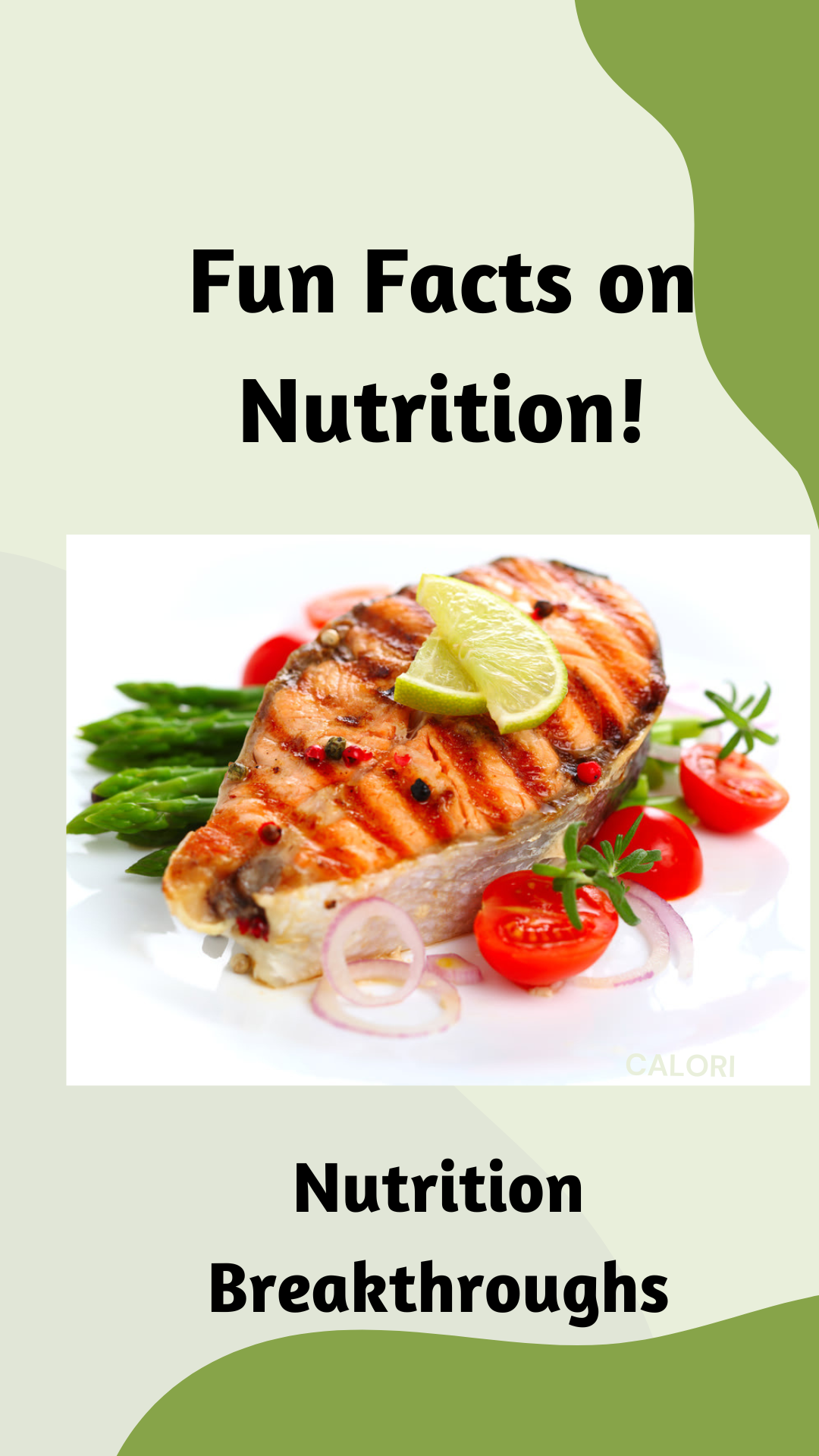
Welcome to another round of “Fun Facts on Nutrition You’d Never Guess!”
Did you know that …
1. Mushrooms Are the Only Non-Animal Source of Vitamin D
Mushrooms are unique in the plant kingdom for their ability to produce vitamin D when exposed to sunlight. This makes them a fantastic dietary source of this essential nutrient, which is crucial for bone health and immune function. Let your mushrooms sunbathe before eating them for a greater vitamin boost.
Reference: Koyyalamudi, S. R., et al. (2009). Vitamin D2 formation and bioavailability from Agaricus bisporus button mushrooms treated with ultraviolet irradiation. Journal of Agricultural and Food Chemistry, 57(8), 3351-3355.
2. Cucumbers Are 96% Water, Detox the Body, and Heal the Skin
Cucumbers are one of the most hydrating foods you can eat, with a whopping 96% water content. This makes them perfect for keeping you refreshed and hydrated, especially in warm weather. Cucumber helps cleanse the body by eliminating built-up waste and toxins. The fresh fruit juice nourishes the skin, providing a calming effect for skin irritations and reducing swelling. Plus, they are low in calories and high in vitamins K and C, making them a nutritious snack.
Reference: Sun, J., et al. (2013). Nutritional and phytochemical properties of cucumber (Cucumis sativus L.). Current Topics in Nutraceutical Research, 11(1), 25-32.
3. Garlic Was Used as a Multipurpose Medicine in Ancient Times
Garlic has been used for its medicinal properties for thousands of years. In earlier days, when antibiotics and other drugs weren’t in existence, the garlic clove stood in the place of the pharmaceutical industry for its large rainbow of potent health benefits. Modern science supports many of these uses. Garlic is known for its immune-boosting properties and its ability to lower blood pressure and cholesterol levels. It also can prevent the common cold and arthritis.
Reference: Rivlin, R. S. (2001). Historical perspective on the use of garlic. Journal of Nutrition, 131(3), 951S-954S.
Fun and Health Go Hand-in-Hand
Isn’t nutrition fascinating? From hydrating, healing cucumbers to garlic being our first medicine, these fun facts highlight the amazing world of food. Stay tuned for the next issue and have a happy and healthy week!
This natural health news is shared by Nutrition Breakthroughs, maker of the original and effective calcium and magnesium based sleep aid Sleep Minerals II, and Joints and More, a natural supplement for joint relief, less aches and pains, stronger hair and nails, and more energy.

Greetings to you,
Welcome to the fifth issue of “Fun Nutrition News and Facts You’d Never Guess!” Get ready to be intrigued and inspired by some fascinating and little-known tidbits about the food we eat. Did you know that ….
Oats Can Lower Cholesterol
Oats contain a type of soluble fiber called beta-glucan, which has been proven to lower cholesterol, control blood-sugar levels, and provide lasting energy throughout the day. They are a good source of vitamins B and E, as well as the minerals magnesium, zinc and manganese. Eating a bowl of oatmeal for breakfast (rolled oats or steel-cut are best) can help keep your heart healthy.
Reference: Whitehead, A., et al. (2014). Cholesterol-lowering effects of oat β-glucan: A meta-analysis of randomized controlled trials. American Journal of Clinical Nutrition, 100(6), 1413-1421.
Pineapples Take Two Years to Grow and are Worth It
Patience is a virtue, especially when it comes to pineapples. These tropical fruits take up to two years to reach maturity. Once ready, pineapples are a fantastic source of vitamin C and bromelain, an enzyme that helps with good digestion and reduced inflammation.
The vitamin C in pineapple supports the immune system and helps build collagen in the body. Collagen is the main structural protein in the body, providing strength to skin, muscles, bones and connective tissues.
Reference: Paull, R. E., & Chen, N. J. (2003). Postharvest physiology, handling and storage of pineapple. Tropical Agriculture, 80(2), 82-97.
Pumpkin Seeds Are a Natural Mood Booster
Pumpkin seeds are rich in tryptophan, an amino acid that is a precursor to serotonin, the “feel-good” natural brain chemical. Consuming pumpkin seeds can help improve your mood and promote a sense of well-being. These seeds also improve heart health and bladder health and are high in magnesium, vitamin e, zinc and selenium.
Reference: Pumpkin seeds may boost brain health in 4 crucial ways by Sarah Sloat https://www.inverse.com/mind-body/pumpkin-seeds Updated: Feb. 20, 2024
Fun and Health Go Hand-in-Hand
Isn’t nutrition fascinating? Each week, Nutrition Breakthroughs will bring you inspiring and surprising nutrition news and facts to help you on your journey to healthier eating. Stay tuned!
This natural health news is shared by Nutrition Breakthroughs, maker of the original and effective calcium and magnesium based sleep aid Sleep Minerals II, and Joints and More, a natural supplement for joint relief, less aches and pains, stronger hair and nails, and more energy.

Struggling to fall asleep or stay asleep? You’re not alone. Insomnia, or difficulty sleeping, affects millions of people worldwide.
While stress and screen time are common culprits, physical conditions can also play a major role in keeping you awake. The good news? There are natural solutions for many causes of insomnia..
- Low Magnesium Levels
Magnesium is a mineral that helps relax your muscles and calm your nervous system. If your body is low in magnesium, you may experience restless sleep, muscle cramps, or frequent waking.
Solution: Eat magnesium-rich foods like bananas, almonds, pumpkin seeds, and spinach. You can also try a natural supplement which provides absorbable magnesium and calcium to promote deep sleep.
- Blood Sugar Imbalances
Blood sugar refers to the amount of sugar in your bloodstream. When it spikes or drops too quickly, it can wake you up in the middle of the night.
Solution: Avoid sugary snacks before bed, and eat a balanced dinner with protein, healthy fats, and fiber (such as salmon, avocado, and vegetables). A small handful of nuts before bedtime can help stabilize blood sugar while you sleep.
- Hormonal Changes
Hormones are chemical messengers that regulate many body functions, including sleep. Women experiencing menopause or PMS (premenstrual syndrome) often have sleep troubles due to changing estrogen and progesterone levels.
Solution: Drinking chamomile, mint or lavender tea before bed can help relax the body. Magnesium also plays a role in balancing hormones and enhancing melatonin, so adding magnesium-rich foods or supplements can make a difference.
- Excess Caffeine or Stimulants
Caffeine, found in coffee, tea, soda, and chocolate, stays in your system for hours and can interfere with sleep. Energy drinks and some medications (like decongestants) can also act as stimulants, making it harder to wind down at night.
Solution: Try cutting off caffeine at least 6–8 hours before bedtime. Herbal teas like rooibos or peppermint can be great caffeine-free alternatives.
- Chronic Pain or Inflammation
Conditions like arthritis, fibromyalgia (tender points around the body), or back pain can make it uncomfortable to sleep. Inflammation (your body’s response to injury or stress) can also contribute to nighttime discomfort.
Solution: Anti-inflammatory foods like turmeric, ginger, and omega-3-rich fish can help. A warm bath with Epsom salts (which contain magnesium) can also relax muscles and ease pain before bedtime.
Final Thoughts
Understanding what’s keeping you up at night is the first step to solving it. By making small, natural changes — like improving your diet, managing stress, doing some regular, gentle exercise, and supporting your body’s natural rhythms — you can remedy the causes of insomnia and enjoy deep, restful sleep.
This natural health news is shared by Nutrition Breakthroughs, maker of the original, drug-free, calcium and magnesium-based sleep aid Sleep Minerals II.
Doctor P. P. of Houston, Texas says: “I had developed sleeping problems and took two different sleeping medications over the course of several weeks. When I discontinued them the insomnia came back even worse. I literally got about 20 hours of sleep in 6 weeks time. Sleep Minerals II was just what I needed. I’ve been taking it for a couple weeks and getting many hours of sleep a night. As a doctor I would definitely avoid prescribing sleeping drugs — I would recommend Sleep Minerals II.”
If you’ve ever felt like your legs are heavy, tight, or ballooning during a hot day, you’re not alone.
Swollen veins – especially in the legs- are a common issue that can flare up from heat, standing for long periods, poor circulation, or chronic conditions like varicose veins and chronic venous insufficiency.
While compression socks and elevation can help, what you eat can actually play a powerful role in calming those inflamed blood vessels. Let’s dive into the tastiest, science-backed foods that support healthy veins and reduce swelling.
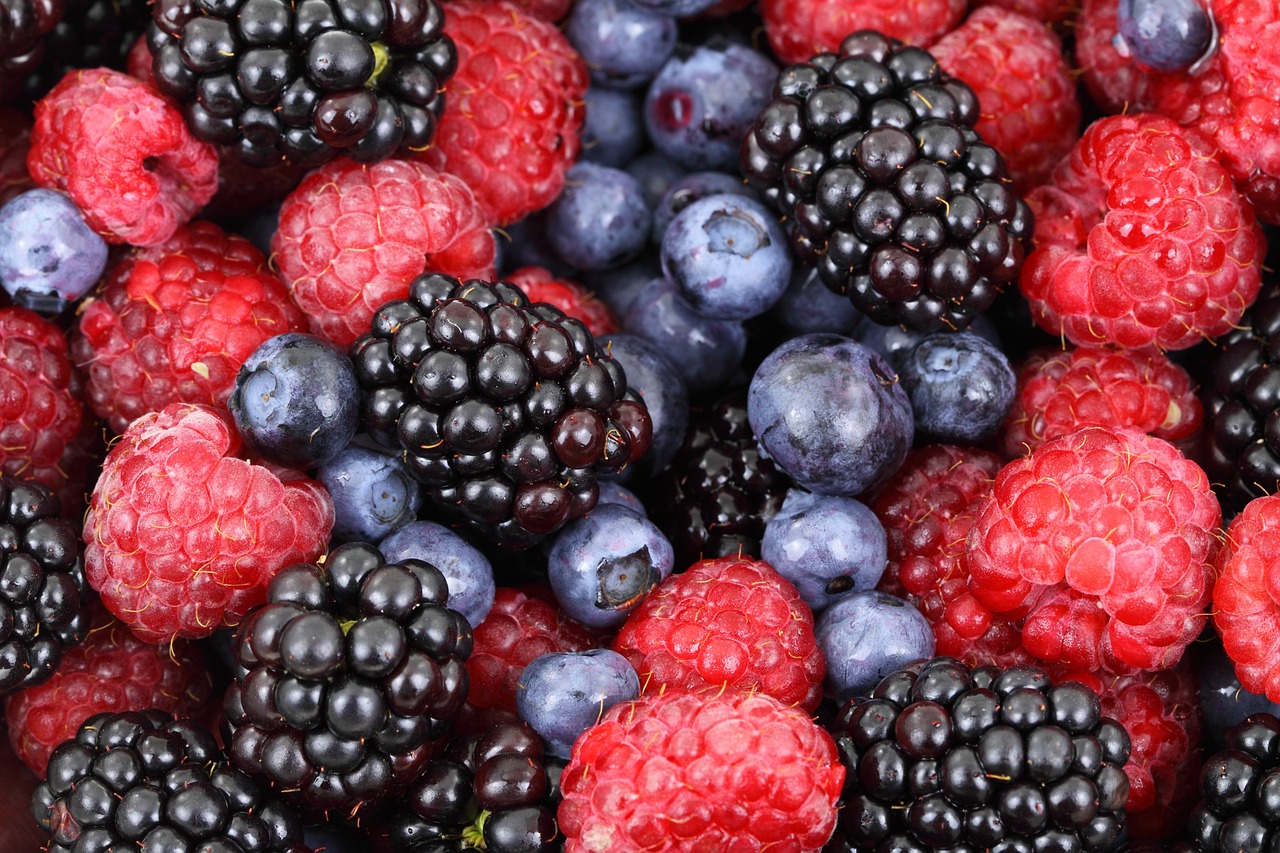
1. Berries – Nature’s Tiny Anti-Inflammatories
Berries like blueberries, strawberries, and blackberries are packed with flavonoids –natural plant chemicals that help reduce inflammation and improve blood vessel strength. A 2016 review in Nutrients found that flavonoid-rich foods enhance blood flow and reduce leg swelling.
Plus, they’re full of antioxidants, compounds that protect your cells from damage caused by stress, heat, or injury. Antioxidants = the superheroes of your bloodstream.
Snack tip: Toss them into a smoothie, yogurt, or just eat them straight!
2. Leafy Greens – Full of Healthy Magnesium
Spinach, kale, and Swiss chard are loaded with magnesium, a mineral that helps veins relax and blood circulate freely. Low magnesium levels have been linked to poor vein health and increased swelling.
These greens also pack vitamin C, which helps your body make collagen — a protein that strengthens vein walls.
Food Tip: Throw a handful in your eggs, soup, or smoothie.
3. Citrus Fruits – Vitamin C for the Win
Oranges, grapefruits, and lemons are citrus superstars bursting with vitamin C and more flavonoids. A 2014 study published in Phytotherapy Research showed that citrus flavonoids helped improve circulation and reduce pain and swelling in patients with chronic venous disease.
Simple fix: Squeeze lemon into your water or add orange slices to your salad.
4. Fatty Fish – Omega-3s to the Rescue
Salmon, sardines, and mackerel are rich in omega-3 fatty acids, which reduce inflammation and improve blood flow. A study in The Journal of Nutrition found that people who ate more omega-3s had healthier, more elastic veins.
Try this: Aim for two servings a week — grilled, baked, or in fish tacos.
Bonus: Quick Exercises to Help Your Veins
Food helps—but so does movement! Try these two simple moves daily:
- Heel Pumps: While sitting or standing, lift your heels and then your toes — 20 reps boosts circulation fast.
- Leg Lifts: Lie down and raise each leg for 10 seconds, 10 reps per leg.
- Walks around the block – A morning or evening stroll can do wonders for leg circulation and overall health.
Summary
Swollen veins can cramp your comfort, but nature’s got your back. By loading up on berries, greens, citrus, and omega-3-rich fish—and staying active — you can reduce inflammation, improve blood flow, and help your veins feel (and look) their best.
Remember: Your veins work hard — give them something good to work with!
Shared with You by Nutrition Breakthroughs:
This natural health news is provided by Nutrition Breakthroughs, a publisher of nutrition articles and supplier of effective natural remedies since 2002. Nutrition Breakthroughs makes Sleep Minerals II, the effective natural sleep aid with calcium, magnesium, zinc and vitamin D, and also Joints and More, the natural solution for joint relief, aches and pains, stronger hair and nails and more energy.
Customer reviews say it best:
“The longer I take Sleep Minerals II, the better I sleep.” S. T.
“Nothing has helped me more than Sleep Minerals II.” T.M.
“I can’t express the relief of getting a good night’s sleep.” S.D.
Sources:
- Ghosh, D. & Scheepens, A. (2009). Nutrients – “Vascular benefits of berries”
- Martinez, M.J. et al. (2014). Phytotherapy Research – Citrus flavonoids & vein health
- Zhao, Y. et al. (2004). The Journal of Nutrition – Omega-3s and vascular function
 News on Natural Remedies, Good Sleep and Good Health